
Diving at Shark Alley (Australia)
Shark Alley, particularly the site near Flat Rock off North Stradbroke Island, has historically been recognized as a critical aggregation zone. This underwater channel plays a significant role in the seasonal movements of various pelagic species, establishing itself as a key location for divers seeking interactions with larger marine life. Its reputation stems from consistent seasonal gatherings, making it a reliable destination for specific marine encounters.
As evening covers Shark Alley, the local air temperature is measured at 23°C. The current wave height at the surface is recorded at 1.5 m. These late-day readings characterize the surface conditions for the night.
Dive Site Location & Key Facts
Dive Site Overview
The underwater topography at Shark Alley, near Flat Rock, shapes its dive characteristics. An identifiable 'alley' or channel defines the site, flanked by reef formations that ascend to shallower depths.
Depths in its deeper sections vary, reported between 28 m (92 ft) and 35 m (115 ft). Strong currents are a consistent element here, influencing navigation yet simultaneously ensuring generally good visibility by maintaining clear waters. Situated as an open-ocean reef with sections of sandy bottom, the alley functions as a natural thoroughfare and congregation point for numerous migratory species.
Divers navigate this marine highway through a drift dive, which provides expansive views of the underwater landscape and the diverse life it supports. Expect to cover significant ground, observing the interplay between current and topography. Conditions often necessitate careful planning but deliver a dynamic experience.
Conditions are Moderate
Optimal conditions expected
Current conditions near Shark Alley show 23° air, 23° sea temperature, 1.5 m waves, and 36 km/h wind. Forecast data is refreshed regularly to ensure accuracy.
Best Time to Dive
Planning a dive at Shark Alley involves understanding the distinct seasonal attractions. Cooler months, typically from June through October, are prime for encountering Grey Nurse Sharks, as this period marks their breeding season. During these months, air temperatures average between 22.5-25°C (72-77°F), often accompanied by lower rainfall, averaging 1.3-2.3 mm, which can contribute to more stable conditions. Conversely, the warmer period from October to April draws significant populations of Manta Rays and Leopard Sharks to the area's cleaning stations. Air temperatures then range from 25-28°C (77-82°F), though this season can see higher rainfall, particularly in January and February, reaching up to 16.7-20.8 mm. Wave heights and wind speeds also vary; for instance, November often presents calmer conditions with wave heights around 0.6 m (2.0 ft) and wind speeds of 22.75 km/h (14.1 mph), while May might see higher waves up to 1.1 m (3.6 ft) and winds of 35.26 km/h (21.9 mph). Although water temperature is not consistently reported, the general dive scores remain 'Good' for most of the year, indicating worthwhile diving across seasons, despite minor fluctuations in surface conditions.
PEAK SEASON SCORE
Scores combine air & water temps, waves, wind & rainfall for overall conditions.
BEST MONTHS TO DIVE
Monthly records compiled from satellite and marine observation nodes over the last 3 years. Data provided by Open-Meteo and MET Norway.
Dive Experience & Conditions
Approaching Shark Alley demands an advanced diver certification, reflecting the challenges of this deeper site and its characteristic conditions. Strong, occasionally heavy currents are common, making it ideal for experienced drift diving. Visibility generally remains good, often exceeding 15 meters, thanks to these currents, allowing for expansive views of the marine landscape and its inhabitants. Divers should be comfortable with open ocean exposure and navigating deeper profiles. An adventurous experience unfolds as the water's flow guides a journey through an active pelagic highway, requiring precise buoyancy control and awareness.
Dive Difficulty & Safety Guidelines
Navigating Shark Alley requires careful consideration of its inherent conditions, primarily the strong currents and deeper profile.
Therefore, an advanced certification and prior experience with drift diving are essential. Employing a qualified in-water dive guide is highly recommended to ensure safe navigation and to manage potential current changes.
Given it's a boat access site, maintaining awareness of boat traffic and carrying an SMB (Surface Marker Buoy) are crucial for surface safety, especially if currents carry you away from the dive boat.
Additionally, watch for any fishing lines that might be present in areas frequented by local fishermen. While Grey Nurse Sharks are placid, all interactions with marine life should be respectful and non-intrusive.
Recommended Equipment
Current and surface separation risk. Local briefing strongly recommended.
- Dive Computer
- DSMB
- Reel / Spool
This gear list is based on verified equipment signals for Shark Alley, Australia. Always confirm final gear choices with your dive operator, guide, or liveaboard.
Recommended Dive Suit
In conditions like these, many divers prefer diving with 3-5mm wetsuit. Consider warmer surface protection (like a boat coat) due to brisk winds. Surface intervals may feel cooler.
Divers entering the water at Shark Alley today can expect temperatures near 23°C (74°F) beneath the surface. Surface air temperatures are resting at 23°C (73°F).
Environmental conditions appear stable for the near future.
Emergency & Medical Support
Essential information to help you plan your dive trip to Shark Alley.

Hyperbaric chambers are a critical part of dive safety infrastructure. Availability varies significantly by region, and not all dive areas have immediate access.
Before diving, it's recommended to:
- confirm nearest medical facilities
- check emergency procedures with local dive operators
- ensure dive insurance covers evacuation if required
Divers Alert Network
Diving emergency assistance available through DAN World.
+1-919-684-9111- 24/7 emergency hotline
- Diving medical assistance
- Evacuation coordination
Emergency contacts are provided for reference. Always verify local emergency services before diving.
Marine Life at Shark Alley
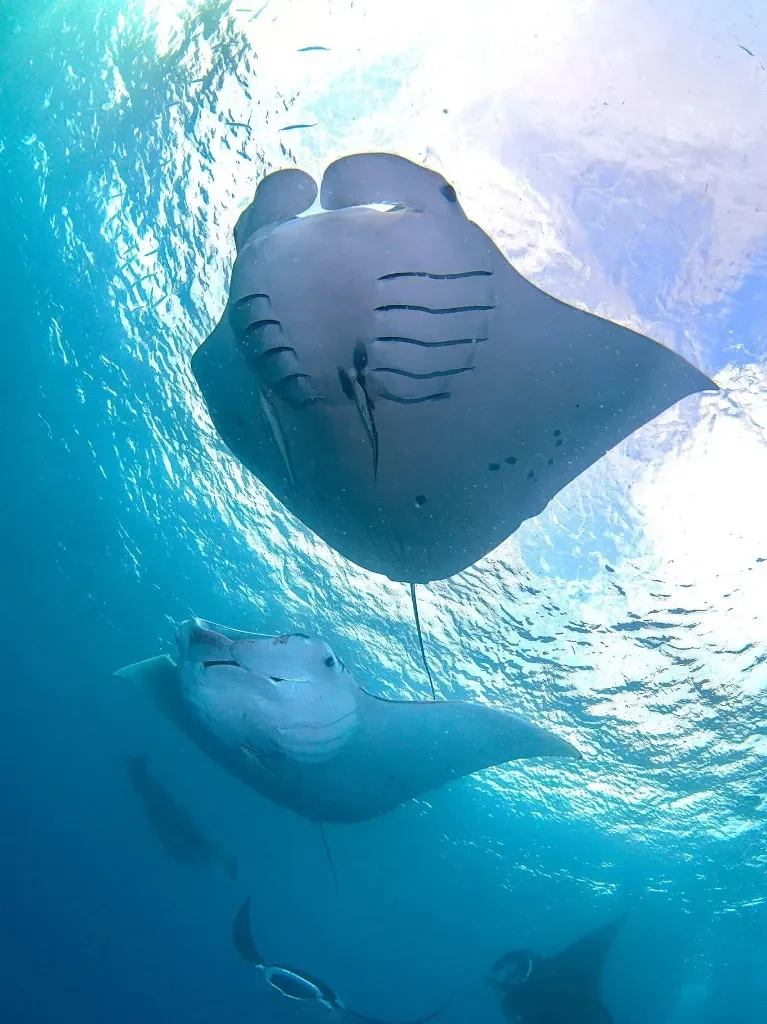
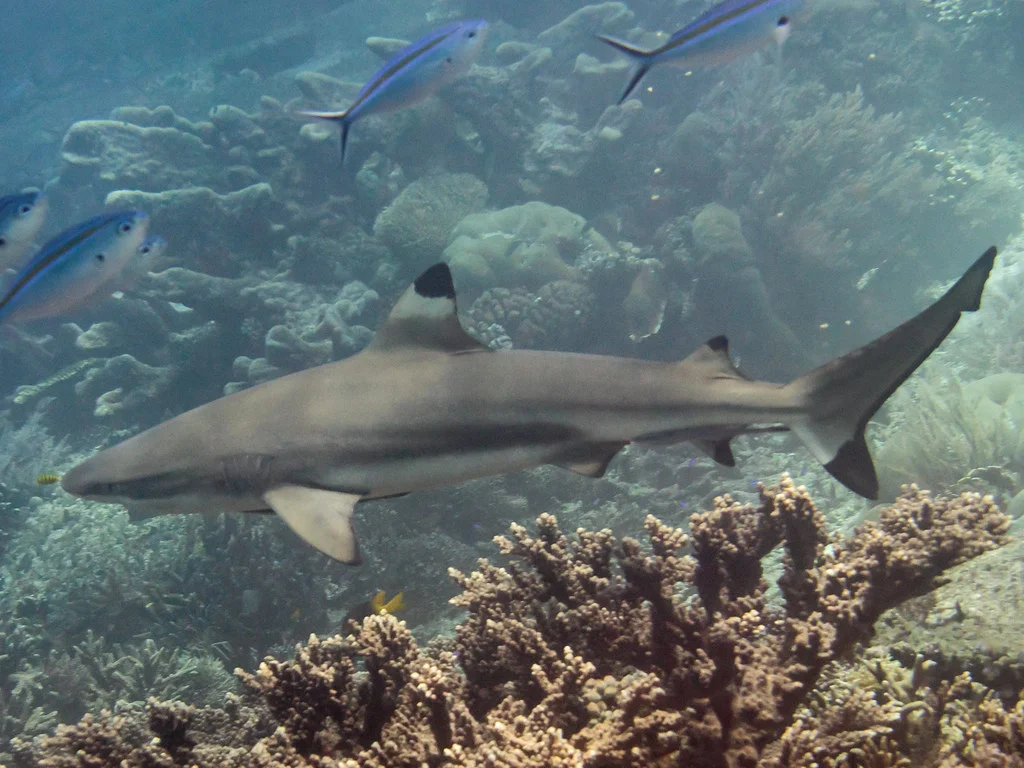
The primary draw to Shark Alley is the seasonal aggregation of Grey Nurse Sharks, which, despite their appearance, are known to be quite placid. When the water warms, the site transforms, attracting significant populations of Manta Rays to local cleaning stations, along with numerous Leopard Sharks.
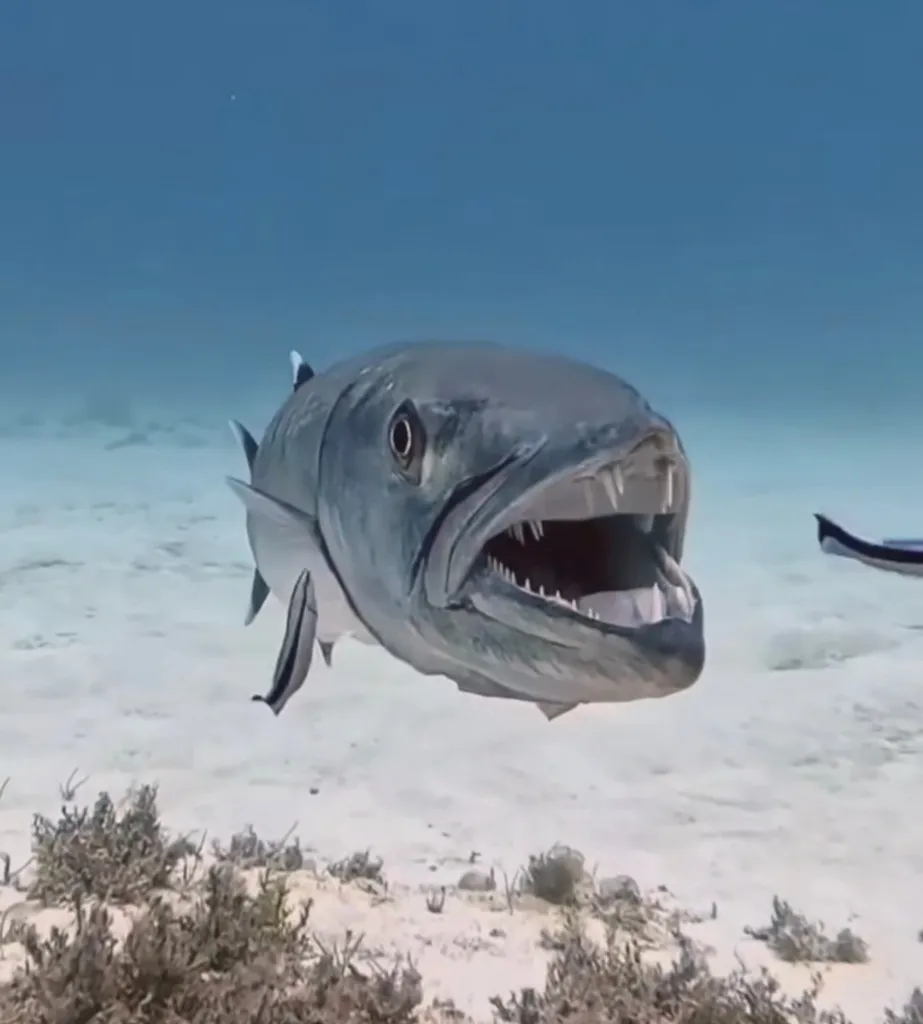
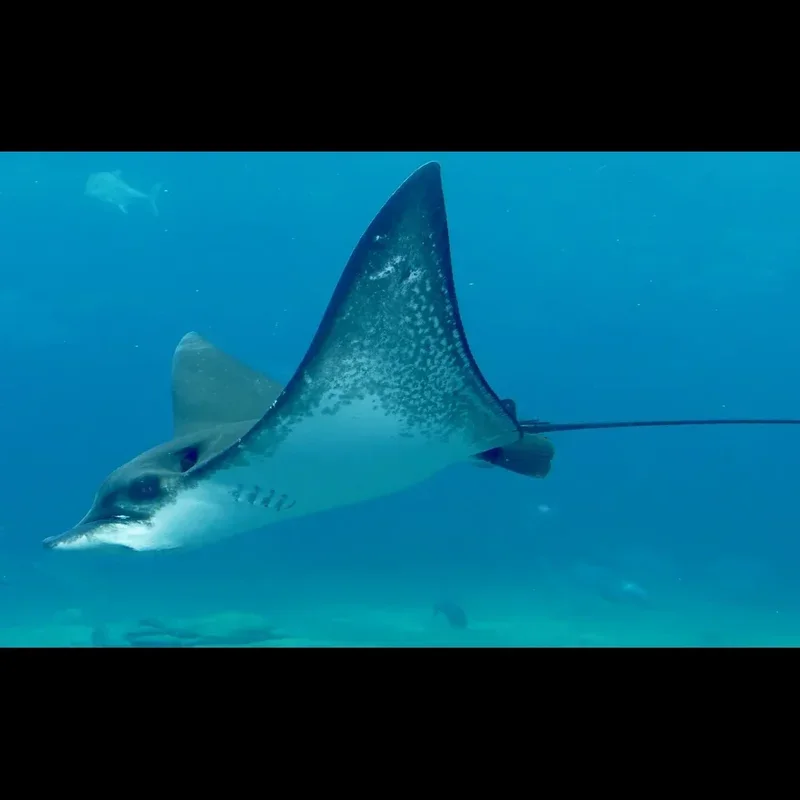
Divers frequently encounter wobbegong sharks, eagle rays, cownose rays, barracuda, and various groupers throughout the year. Humpback whales are a common sight during their migration season, adding to the pelagic encounters.
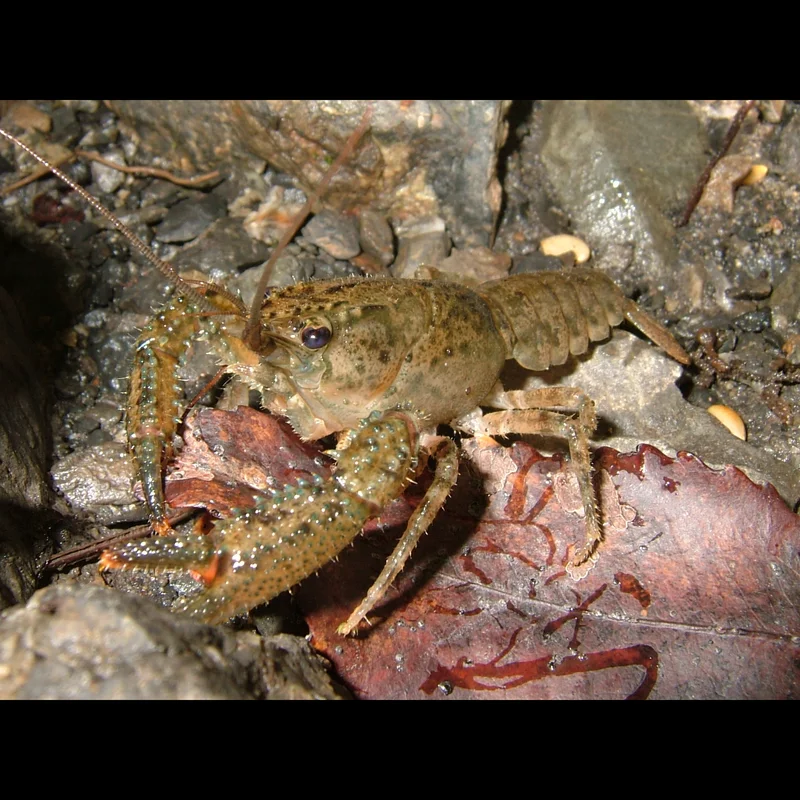
Exploring the reef's cracks and ledges can also reveal creatures like nudibranchs, Painted Crayfish, and octopus.
Dive Sites Near Shark Alley
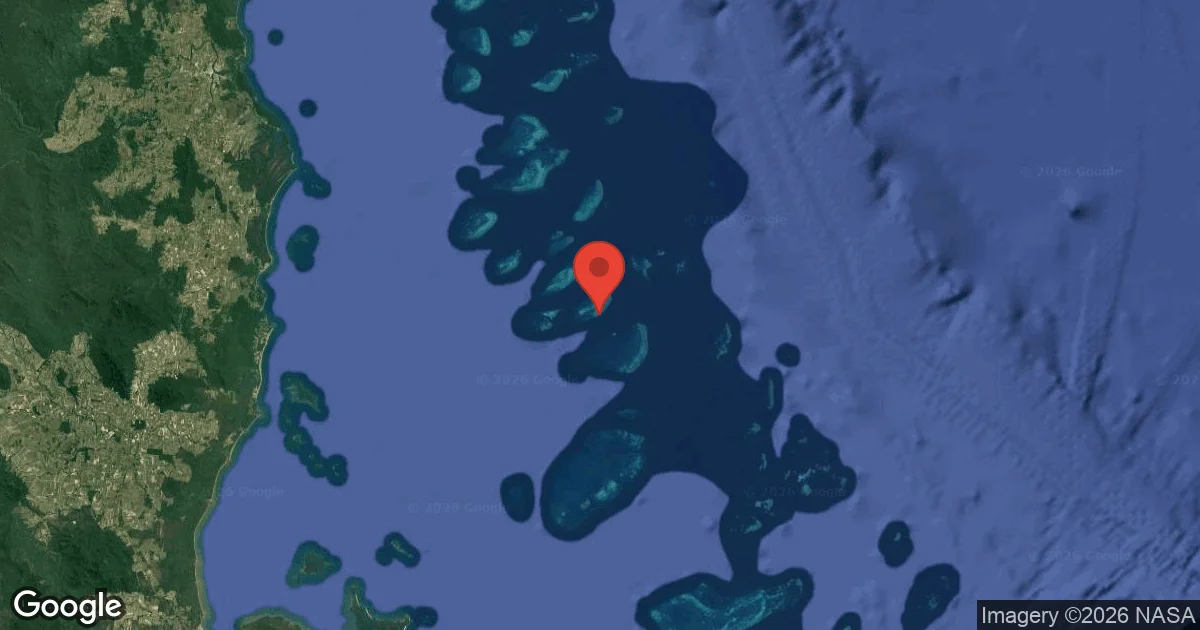
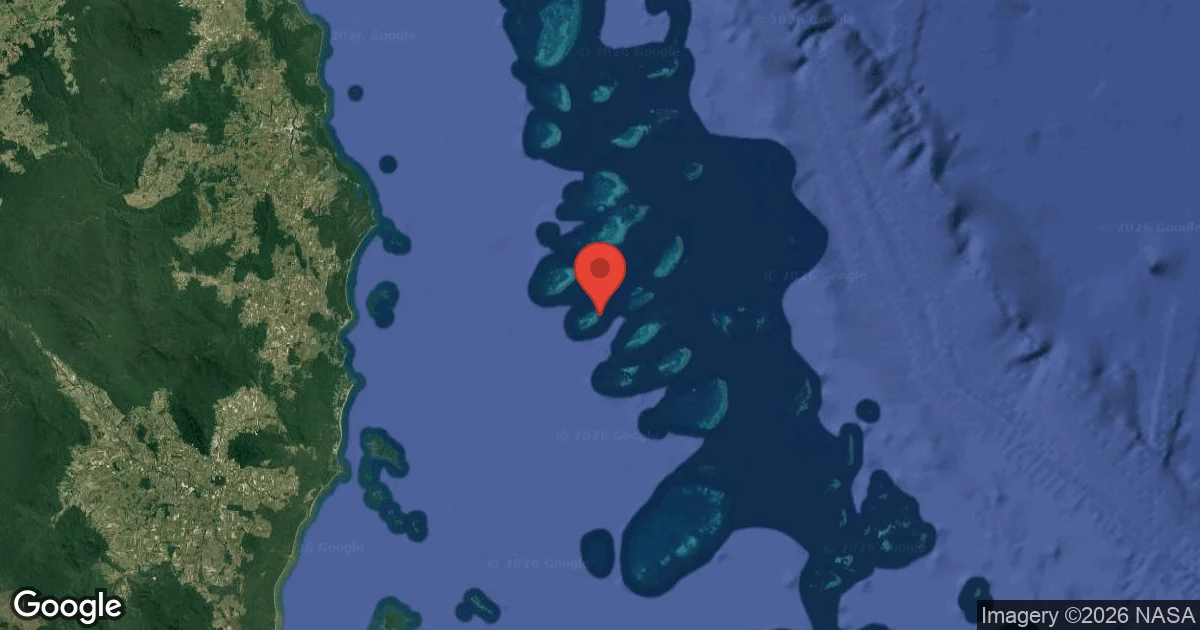
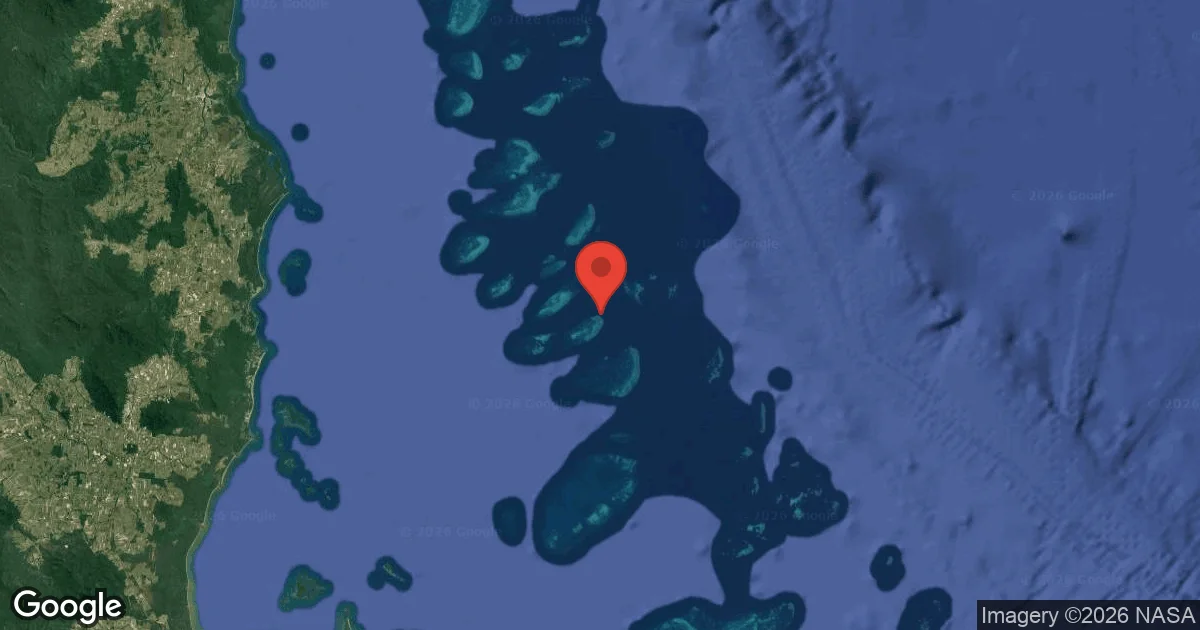
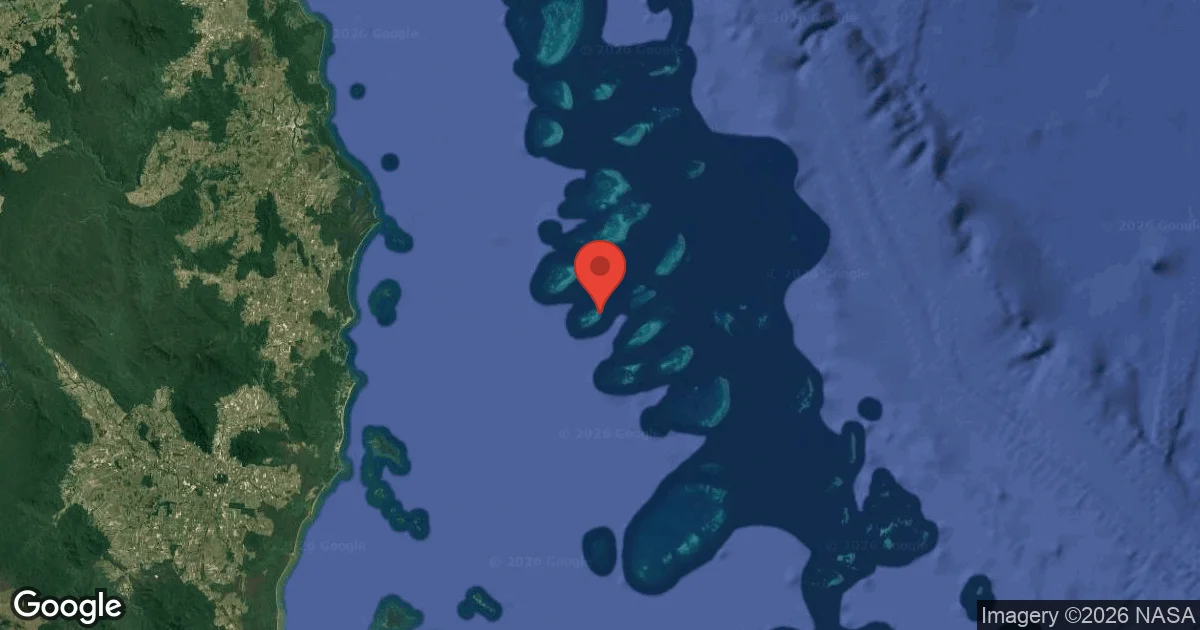
View all dive sites in AustraliaDiscover more underwater gems in this area.
Dive Centers Near Shark Alley
Today: Closed
Nearest Airports
Nearest airports to help plan travel to this dive area.
Search Flights
Check available flights and routes on Expedia, using the nearby airports listed in this section.
Search Flights on ExpediaFrequently Asked Questions
What is the typical depth range at Shark Alley?
Shark Alley is a deeper dive site, with depths typically ranging from 28 m (92 ft) to 35 m (115 ft). Reef formations rise to about 12 meters on either side of the main alley.
What marine life can I expect to see?
Seasonal visitors include Grey Nurse Sharks (cooler months) and Manta Rays with Leopard Sharks (warmer months). You might also encounter wobbegong sharks, eagle rays, cownose rays, barracuda, groupers, and migrating humpback whales.
Is Shark Alley suitable for beginner divers?
No, Shark Alley is recommended for advanced divers due to its deeper profile and the presence of strong currents, which often necessitate drift diving experience.
When is the best time to see Grey Nurse Sharks?
Cooler months, typically from June through October, are considered optimal for encountering Grey Nurse Sharks. This period corresponds with their breeding season at the site.
How are the currents at Shark Alley?
Currents at Shark Alley are known to be strong and can sometimes be heavy. While they contribute to excellent visibility, divers should be prepared for drift diving conditions.
Is an in-water dive guide necessary for Shark Alley?
An in-water dive guide is highly recommended. Their expertise in navigating the strong currents and understanding local conditions enhances safety and the overall dive experience at this site.
What is the water temperature like at Shark Alley?
Specific water temperature data is not consistently reported for Shark Alley. However, the site experiences distinct warm and cool seasons, suggesting water temperatures fluctuate in line with air temperature trends.
Planning to dive Shark Alley?
Send one inquiry and receive offers directly from the best verified local dive operators.
Conditions are Moderate
Optimal conditions expected
Current conditions near Shark Alley show 23° air, 23° sea temperature, 1.5 m waves, and 36 km/h wind. Forecast data is refreshed regularly to ensure accuracy.