
Diving at Tokyo Drift (Australia)
Tokyo Drift, Australia, offers a dynamic dive profile that immerses divers across varied underwater landscapes. Beginning typically at a southern platform, the drift follows currents through natural rock formations, including what's known as the 'Coliseum gates'. Divers navigate along reef walls and through channels, eventually reaching shallower sandy bottom areas. This site provides a journey across depths suitable for a range of certified divers.
Tonight's objective overview for Tokyo Drift shows an air temperature of 22.5°C. The measured surface conditions include wave heights around 0.6 m. This environmental data is logged for the close of the day.
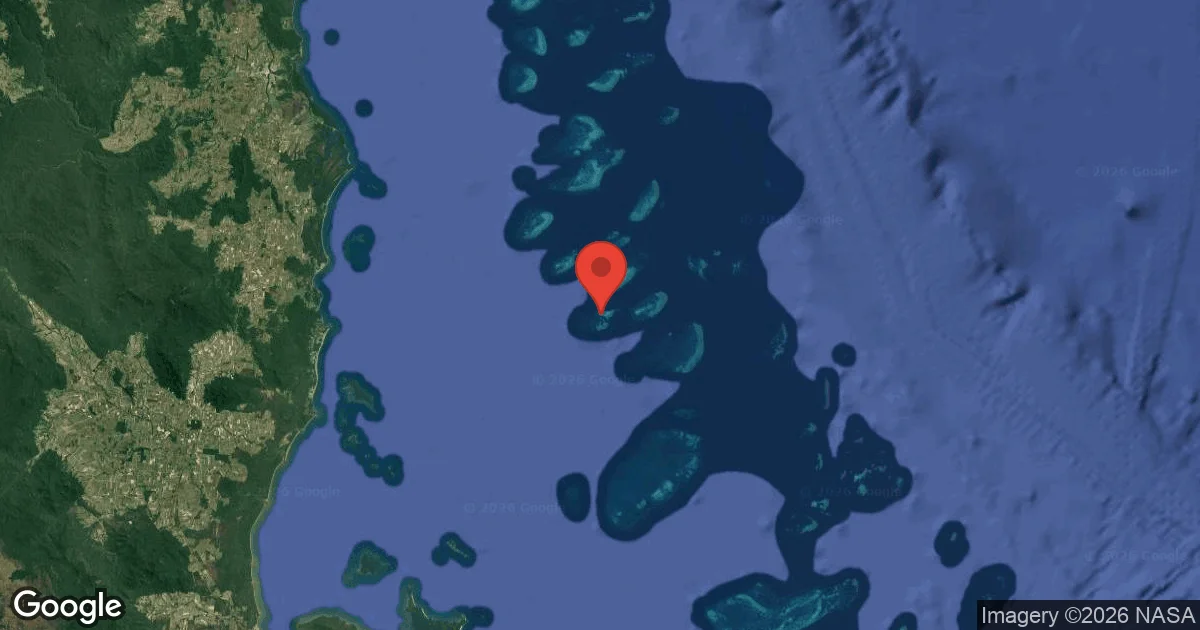
Dive Site Location & Key Facts
Dive Site Overview
Starting as a drift dive, Tokyo Drift invites divers to engage with prevailing currents across a dynamic underwater landscape. Divers typically embark from a southern platform, allowing the natural flow to guide their journey.
The initial phase often navigates impressive reef walls, transitioning seamlessly into expansive sandy channels. Along the route, distinct rock formations, locally known as the 'Coliseum gates', provide a notable passage point.
This continuous drift concludes in a primary sandy area, completing a comprehensive traverse of the site. Underwater topography includes scattered coral 'bombs' and varied reef sections, which collectively support a diverse array of marine encounters.
While considered an easy to moderate drift, maintaining awareness of the current's pace and direction is essential for a smooth experience. Depths here range from approximately 10 m (33 ft) in shallower sections to deeper areas reaching 30 m (100 ft), accommodating various certification levels.
Access is exclusively by boat, reinforcing its status as a dedicated offshore dive, distinct from shore-based entries. Good buoyancy control is always beneficial in these conditions, ensuring divers can fully appreciate the passing scenery without undue effort.
Conditions are Poor
Optimal conditions expected
Current conditions near Tokyo Drift show 22° air, 24° sea temperature, 1.7 m waves, and 39 km/h wind. Forecast data is refreshed regularly to ensure accuracy.
Best Time to Dive
Visibility at Tokyo Drift can fluctuate, but optimal conditions are often linked to periods of calmer weather and less rainfall. The driest months, like October and November, which see minimal rain (around 0.7-1.4 mm), often coincide with lower wave heights (0.6-0.7 m) and lighter winds (22.7-24.5 km/h), suggesting potentially clearer waters. Air temperatures during these favorable months are warm, averaging 25-26.5°C (77-80°F), making surface intervals comfortable. While water temperature isn't consistently reported, it generally remains warm in this tropical region, varying depending on conditions and season. January to March experience slightly higher rainfall (13-20 mm) and stronger winds, which might impact surface conditions and underwater clarity.
PEAK SEASON SCORE
Scores combine air & water temps, waves, wind & rainfall for overall conditions.
BEST MONTHS TO DIVE
Monthly records compiled from satellite and marine observation nodes over the last 3 years. Data provided by Open-Meteo and MET Norway.
Dive Experience & Conditions
Diving at Tokyo Drift provides a distinct sensory impression of effortless movement through an active marine environment. The experience involves a continuous drift, where divers are carried along by the prevailing current, demanding constant situational awareness rather than strenuous finning. Passing through the 'Coliseum gates' can feel like navigating a natural aquatic gateway. Water conditions tend to be warm, although specific temperatures aren't always reported; divers can expect typical tropical Australian warmth. As an easy to moderate drift dive, it requires good buoyancy control and comfort with current, but generally presents a manageable experience for appropriately certified individuals.
Dive Difficulty & Safety Guidelines
While specific hazards for Tokyo Drift are not consistently reported, drift diving inherently requires adherence to established safety protocols. Always follow your dive guide's instructions closely, especially when navigating through the 'Coliseum gates' and other channeled areas. Maintain appropriate spacing from other divers and the reef structure to prevent accidental contact.
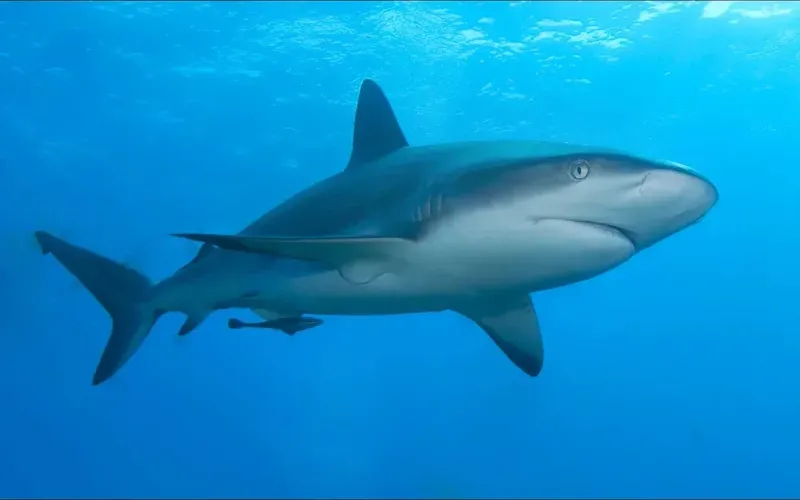
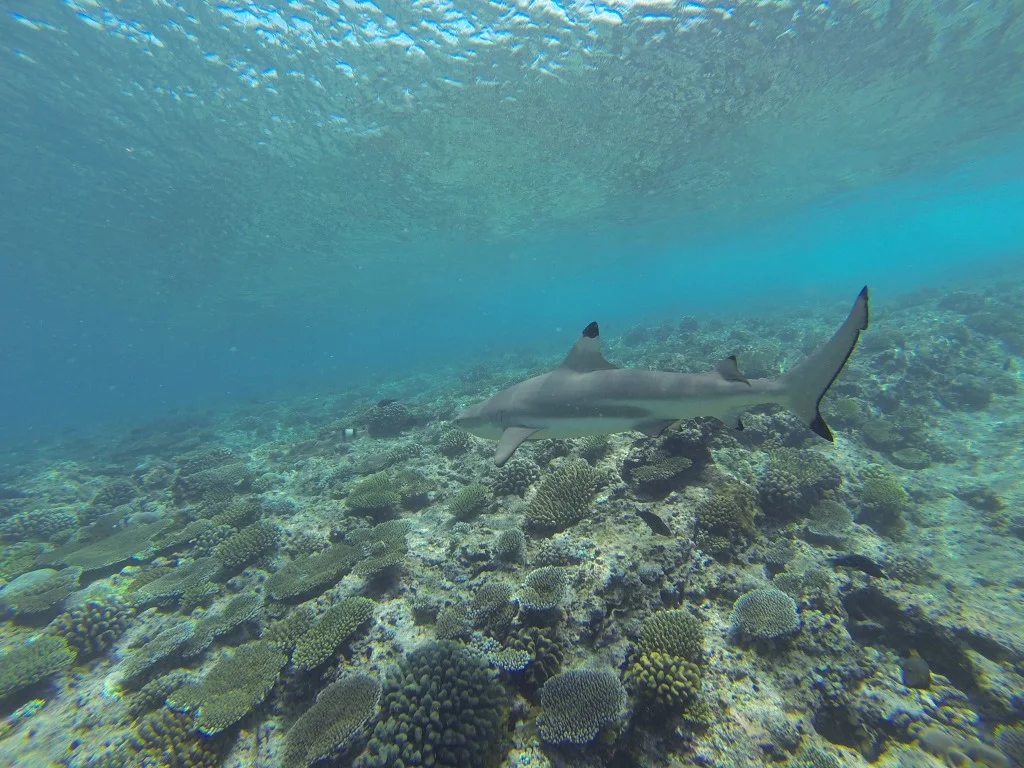
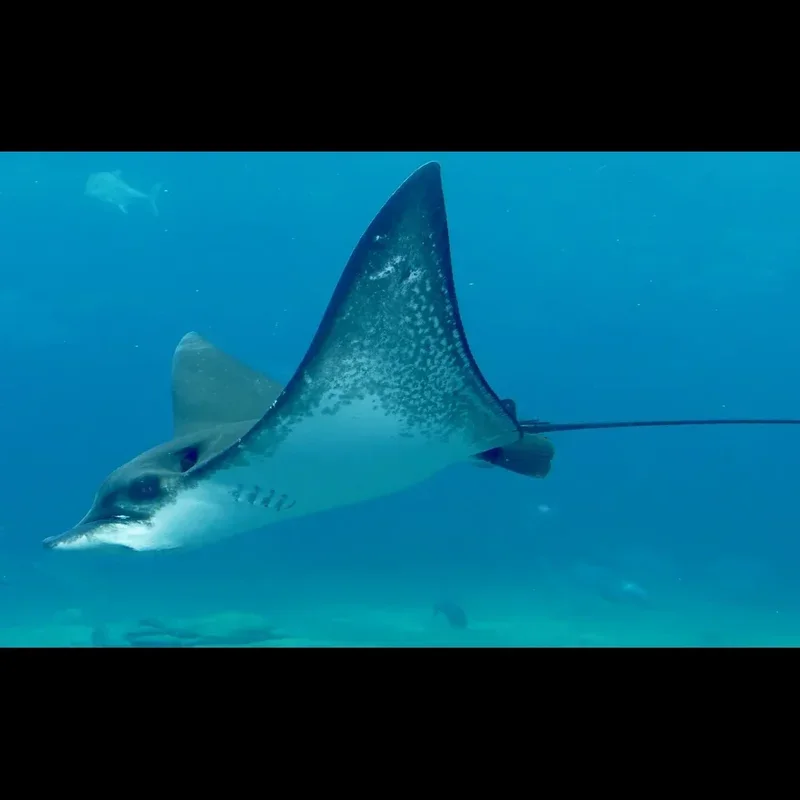
It's crucial to be mindful of your depth and no-decompression limits, particularly in deeper sections along walls. Stay alert for marine life encounters, such as reef sharks, eagle rays, or dolphins, and observe them from a respectful distance.
Recommended Equipment
Current and surface separation risk. Local briefing strongly recommended.
- Dive Computer
- DSMB
- Reel / Spool
This gear list is based on verified equipment signals for Tokyo Drift, Australia. Always confirm final gear choices with your dive operator, guide, or liveaboard.
Recommended Dive Suit
Forecast trends indicate similar diving conditions over the next few days.
Many experienced divers would consider 3-5mm wetsuit an appropriate choice here. A hood or vest is suggested for sensitive divers due to surface winds. Surface intervals may feel cooler.
Current dive conditions indicate that water temperatures around Tokyo Drift are sitting at roughly 24°C (74°F). Surface air temperatures are resting at 22°C (72°F).
Due to technical issues with our weather providers, data hasn't been fetched for over 48 hours. The data above reflects the conditions at the time of the last successful fetch.
Emergency & Medical Support
Essential information to help you plan your dive trip to Tokyo Drift.

Hyperbaric chambers are a critical part of dive safety infrastructure. Availability varies significantly by region, and not all dive areas have immediate access.
Before diving, it's recommended to:
- confirm nearest medical facilities
- check emergency procedures with local dive operators
- ensure dive insurance covers evacuation if required
Divers Alert Network
Diving emergency assistance available through DAN World.
+1-919-684-9111- 24/7 emergency hotline
- Diving medical assistance
- Evacuation coordination
Emergency contacts are provided for reference. Always verify local emergency services before diving.
Marine Life at Tokyo Drift
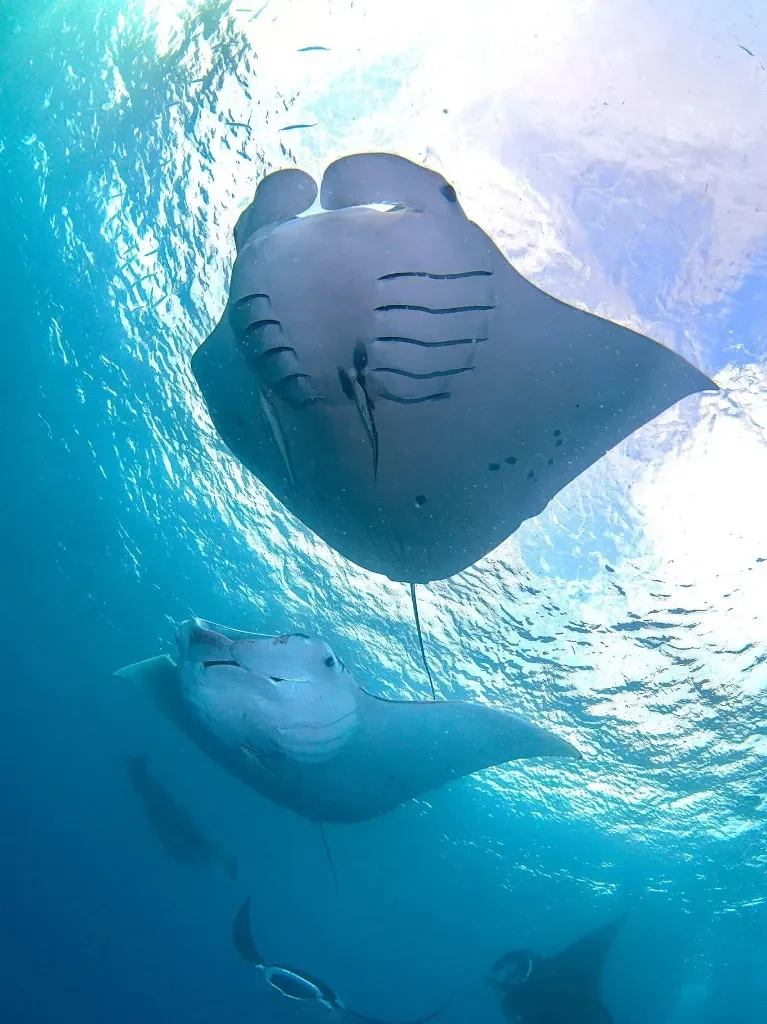
What you might notice first at Tokyo Drift is the potential for larger pelagic species moving through the channel. Common sightings include various sharks and rays, such as manta rays and eagle rays, navigating the currents.
Divers often spot schools of reef fish inhabiting the wall sections and coral bombs. Bottle-nosed dolphins are known to frequent the area, and whale sightings are possible seasonally. Keep an eye out for turtles, too, as they are often observed leisurely cruising through the site.
Dive Sites Near Tokyo Drift
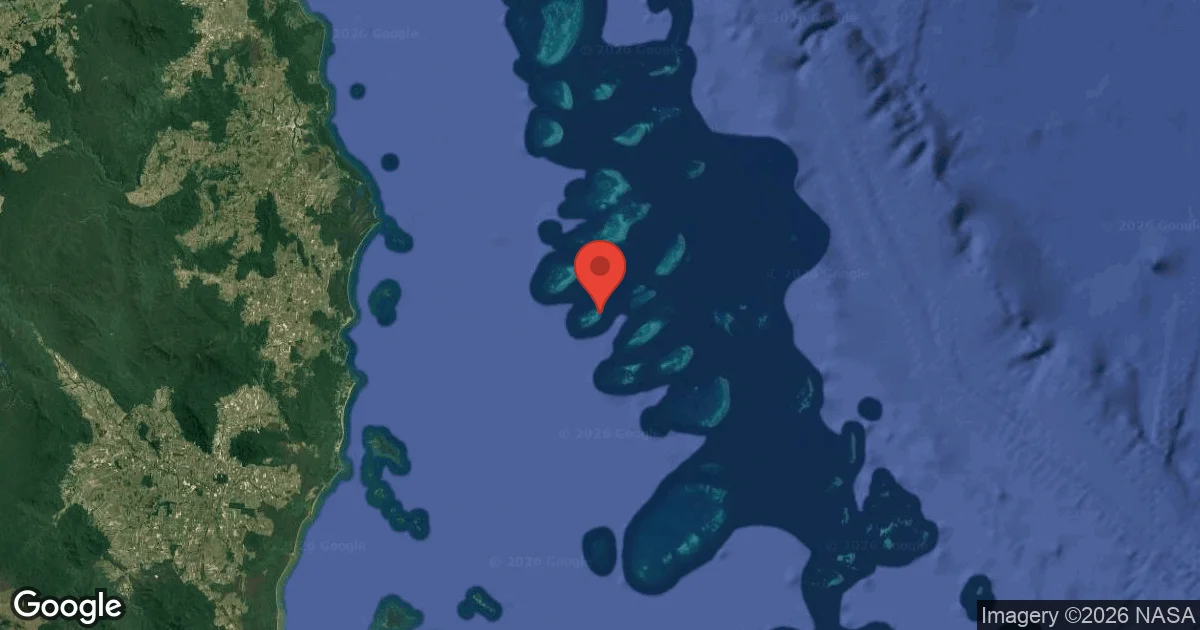
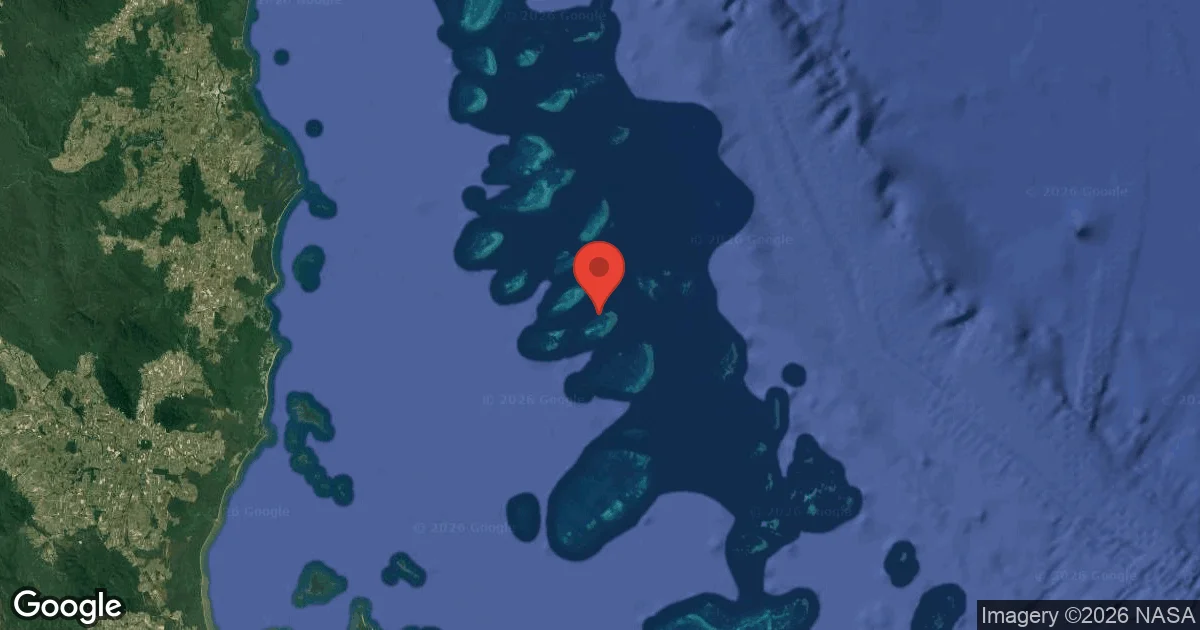
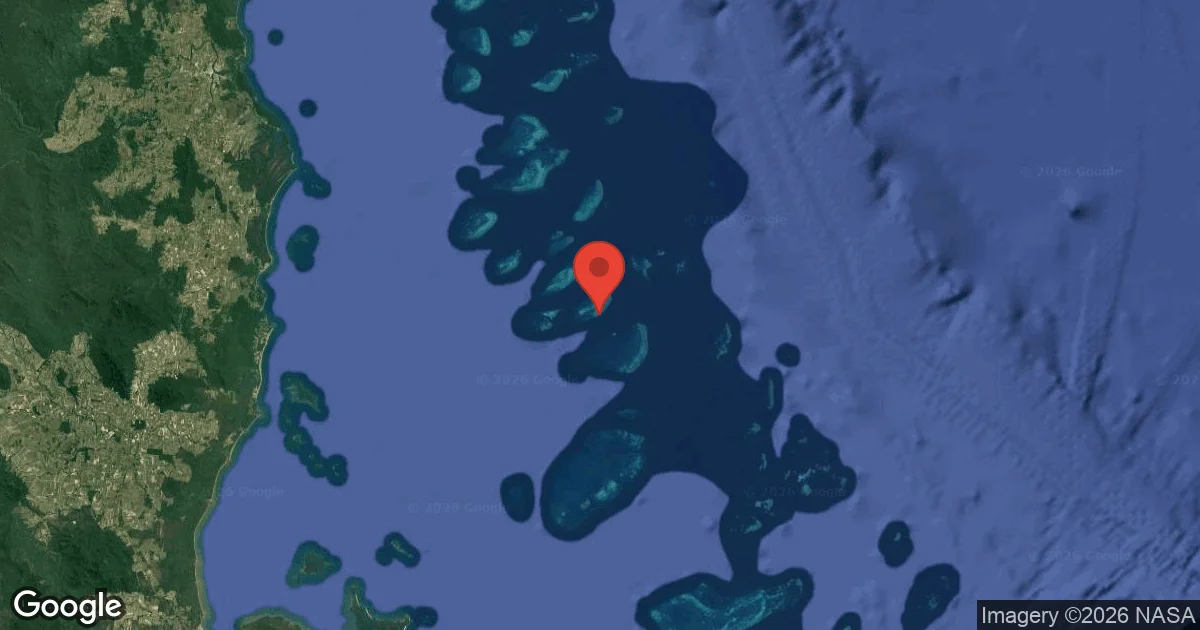
View all dive sites in AustraliaDiscover more underwater gems in this area.
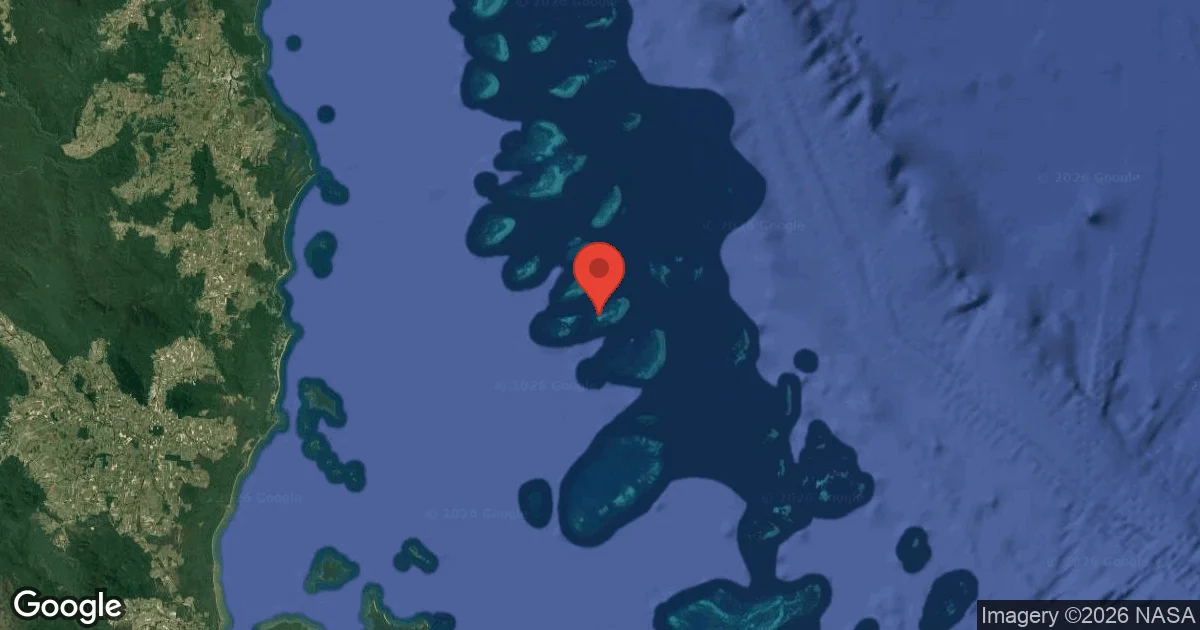
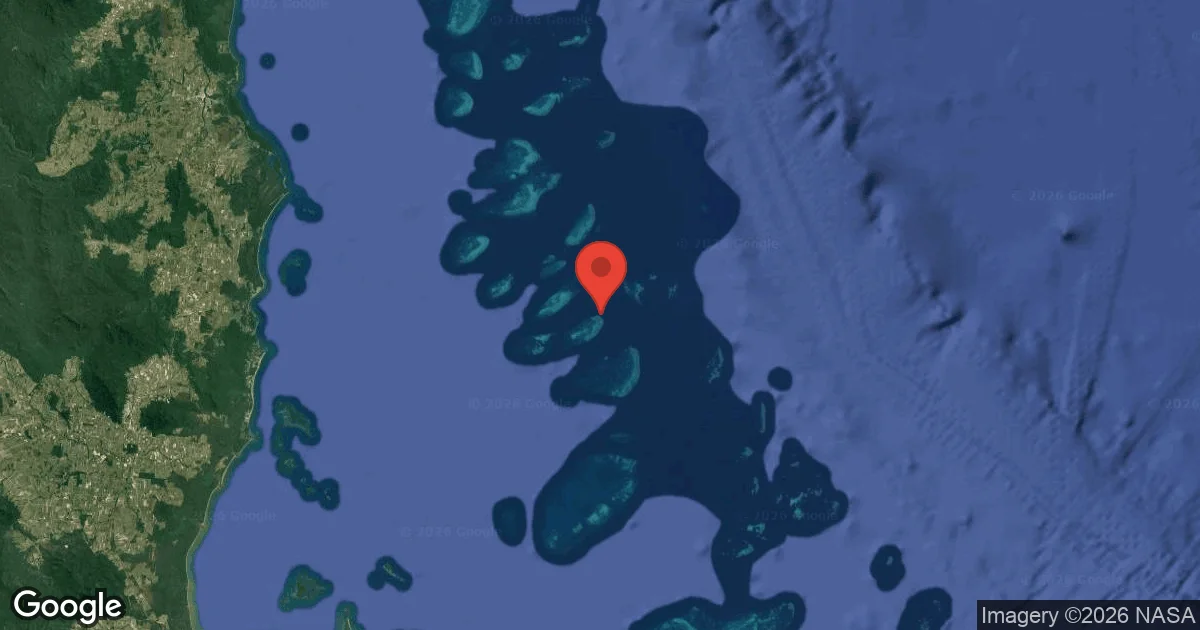
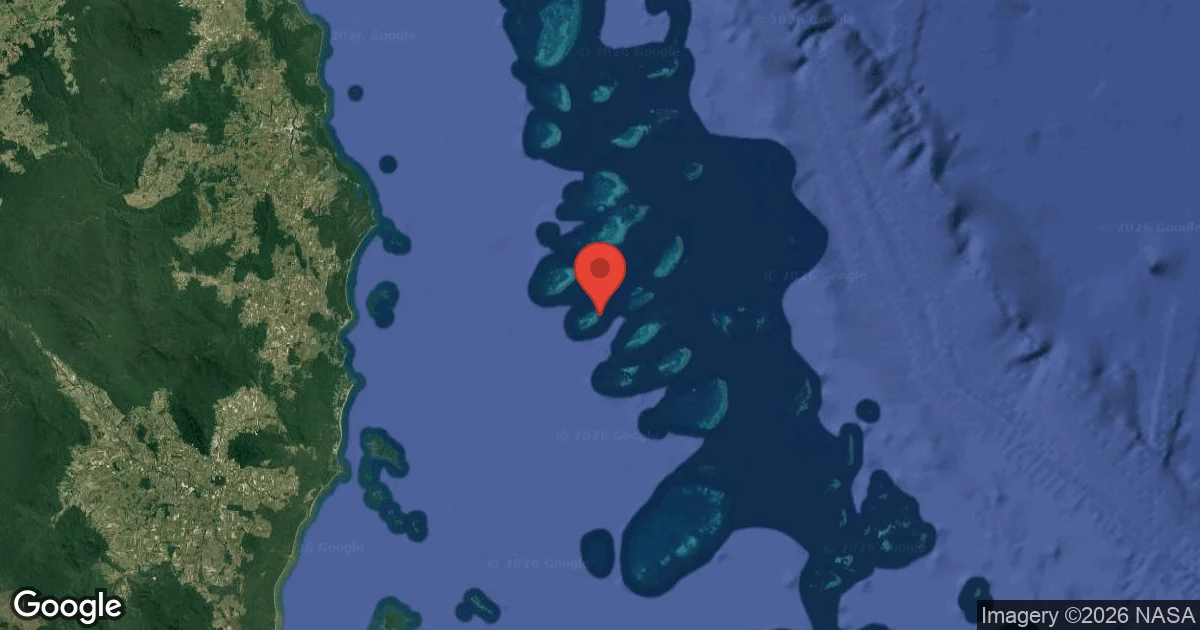
Dive Centers Near Tokyo Drift
Today: Closed
Nearest Airports
Nearest airports to help plan travel to this dive area.
Search Flights
Check available flights and routes on Expedia, using the nearby airports listed in this section.
Search Flights on ExpediaFrequently Asked Questions
What skill level is required for Tokyo Drift?
Tokyo Drift is an easy to moderate drift dive. It's suitable for certified divers of all levels, including those undergoing Advanced Open Water Diver training.
What types of underwater features can be found at this dive site?
A diverse topography characterizes the site, featuring reef walls, sandy channels, and distinct coral structures often called 'coral bombs'. Drifting carries divers through specific rock formations, known as the 'Coliseum gates'.
How do divers access Tokyo Drift?
Access to Tokyo Drift is exclusively by boat. Divers typically begin their descent from a southern platform, allowing the current to initiate the drift.
What kind of marine life might I encounter?
Common marine life sightings include reef sharks, manta rays, eagle rays, and bottle-nosed dolphins. Turtles are also frequently observed, and seasonal whale sightings are possible.
Is a dive guide recommended for Tokyo Drift?
Yes, diving with a guide is recommended for Tokyo Drift. Your guide will help navigate the currents and specific features like the 'Coliseum gates'.
What are the typical conditions like for diving?
This is a drift dive, so expect current that will carry you along the site. Conditions are generally warm, with varying visibility depending on weather and rainfall. Surface conditions can be influenced by wind and wave height.
Planning to dive Tokyo Drift?
Send one inquiry and receive offers directly from the best verified local dive operators.
Conditions are Poor
Optimal conditions expected
Current conditions near Tokyo Drift show 22° air, 24° sea temperature, 1.7 m waves, and 39 km/h wind. Forecast data is refreshed regularly to ensure accuracy.