
Diving at Bowsers Castle (Australia)
To truly appreciate Bowsers Castle, preparing for varied underwater topography is key. Navigating intricate structures like pinnacles and swim-throughs requires good buoyancy control. Enhancing deep diving skills helps explore the full recreational potential, extending to around 30 m (100 ft). Advanced certifications are helpful for safely experiencing deeper sections of this dynamic location.
Tonight's objective overview for Bowsers Castle shows an air temperature of 23.5°C. The measured surface conditions include wave heights around 0.9 m. This environmental data is logged for the close of the day.
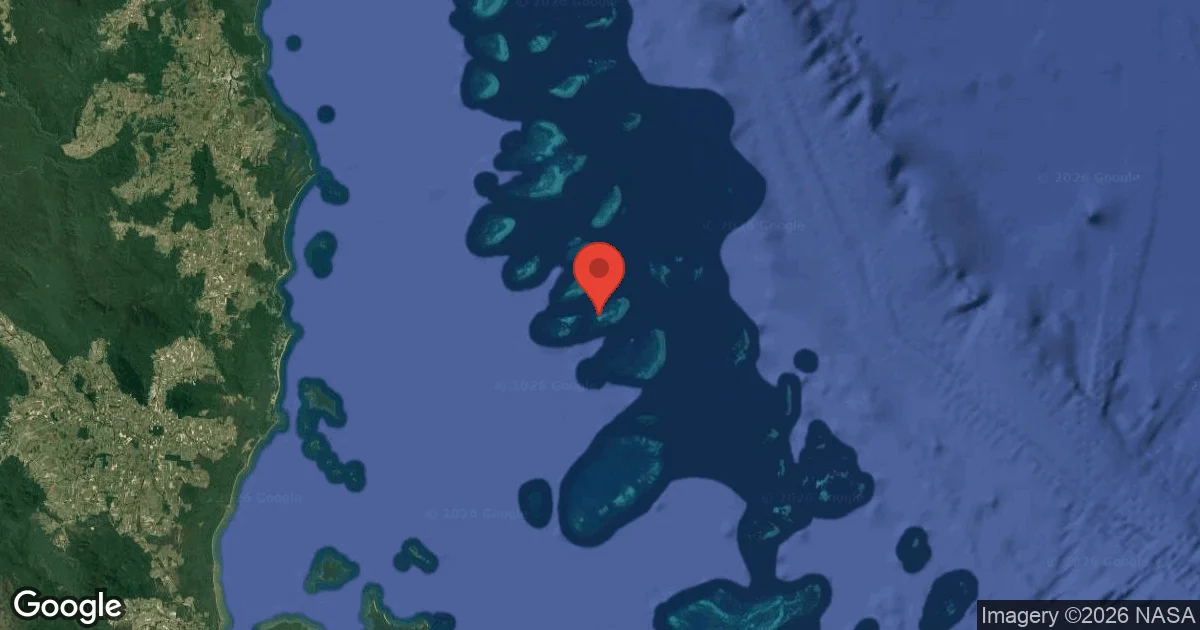
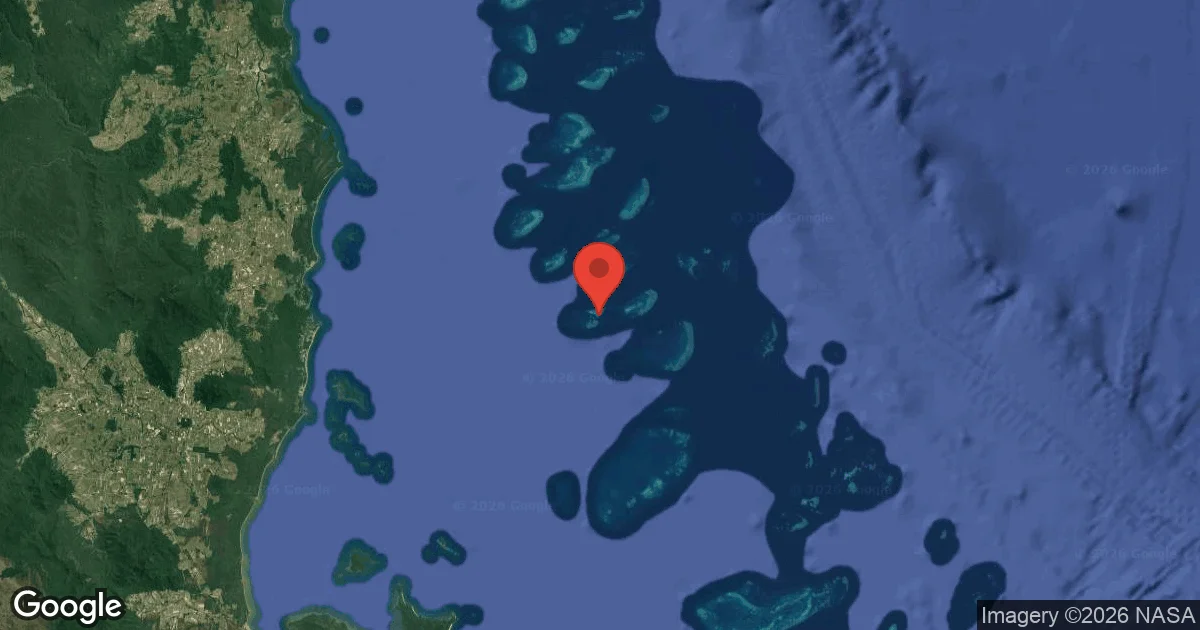
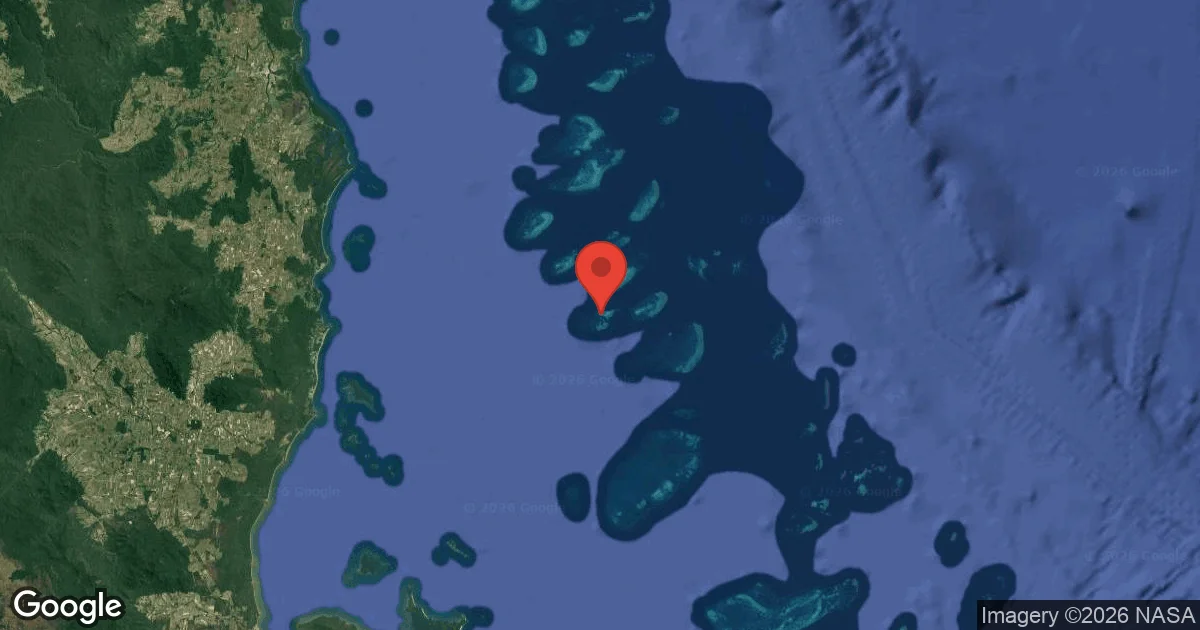
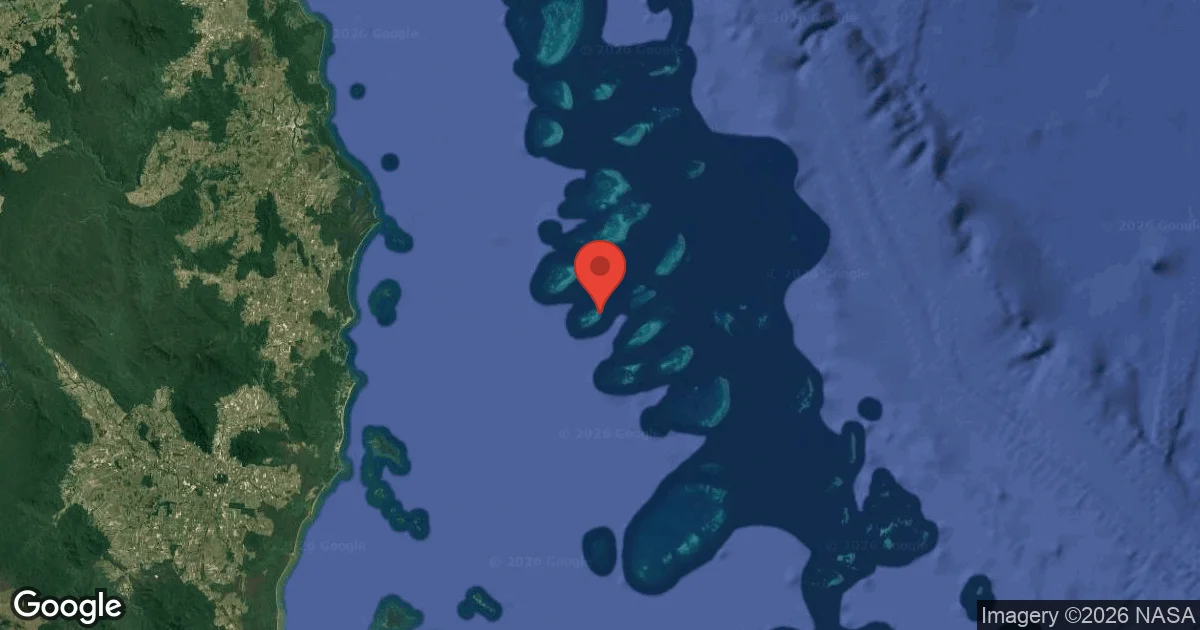
Dive Site Location & Key Facts
Dive Site Overview
Bowsers Castle presents a diverse underwater realm off Australia's coast, blending vibrant coral gardens with dramatic geological formations. Expect to encounter stunning drop-offs and complex rock structures, characteristic of the broader Great Barrier Reef or Coral Sea region.
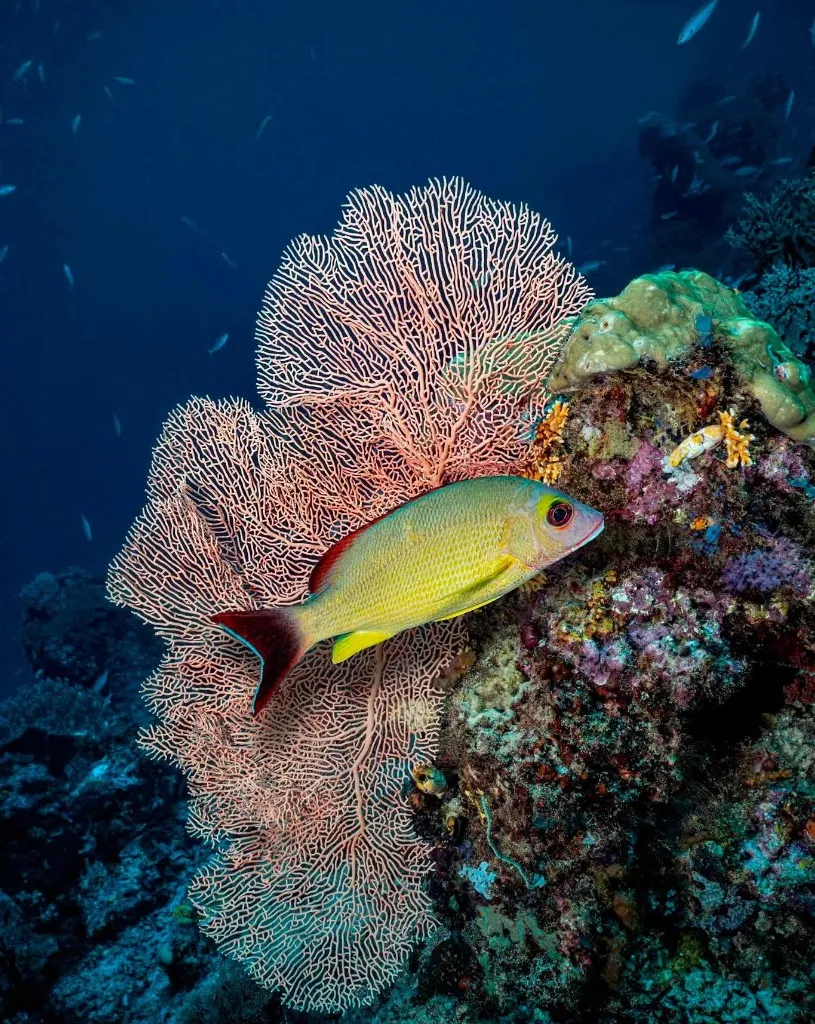
Divers frequently navigate natural caves, tunnels, and pinnacles, creating a dynamic exploration. Clarity of water often provides visibility up to 30 m (100 ft), offering expansive views of the underwater landscape and its inhabitants. Encounters range from smaller reef dwellers nestled within soft corals and gorgonian fans to larger pelagic species patrolling the deeper blue.
While much of the Great Barrier Reef is well-documented, specific sites like Bowsers Castle offer a sense of discovery, especially with reported drift diving potential. Opportunities exist for divers to refine skills in buoyancy and navigation amidst varying currents and structures.
Attentiveness is rewarded, encouraging careful observation of both the macro and broad reef environments.
Conditions are Moderate
Optimal conditions expected
Current conditions near Bowsers Castle show 24° air, 24° sea temperature, 1.4 m waves, and 38 km/h wind. Forecast data is refreshed regularly to ensure accuracy.
Best Time to Dive
Planning a dive at Bowsers Castle involves understanding seasonal weather shifts, which can significantly contrast throughout the year. Optimal diving conditions typically occur between October and November. During this period, the region experiences consistently good dive scores, calmest average wave heights (around 0.6 m / 2 ft), and minimal rainfall, often below 2 mm. Conversely, higher average rainfall in January through March, sometimes exceeding 12 mm, might affect surface conditions or visibility on specific days. Air temperatures in cooler months, from June to August, average around 22-23°C (72-73°F), ensuring comfortable surface intervals. Warmer air prevails from January to April, hovering around 27-28°C (81-82°F) for a tropical feel. Divers prioritizing clear water and smoother boat rides generally favor spring and early summer months.
PEAK SEASON SCORE
Scores combine air & water temps, waves, wind & rainfall for overall conditions.
BEST MONTHS TO DIVE
Monthly records compiled from satellite and marine observation nodes over the last 3 years. Data provided by Open-Meteo and MET Norway.
Dive Experience & Conditions
Expect variable currents upon entering the water at Bowsers Castle; these sometimes necessitate drift diving techniques, guiding exploration along reef structures. Water clarity is frequently a notable feature, often providing visibility up to 30 m (100 ft), enhancing the experience of spectacular drop-offs. Water temperatures are not consistently reported for Bowsers Castle but generally follow regional warm trends. Divers will navigate a diverse underwater topography featuring coral gardens, distinct pinnacles, and intricate swim-throughs. Shallower sections often showcase vibrant soft corals and gorgonian fans. Deeper sections can reveal dramatic wall formations, presenting a dynamic environment suitable for certified divers comfortable with varied current conditions and deeper recreational dives.
Dive Difficulty & Safety Guidelines
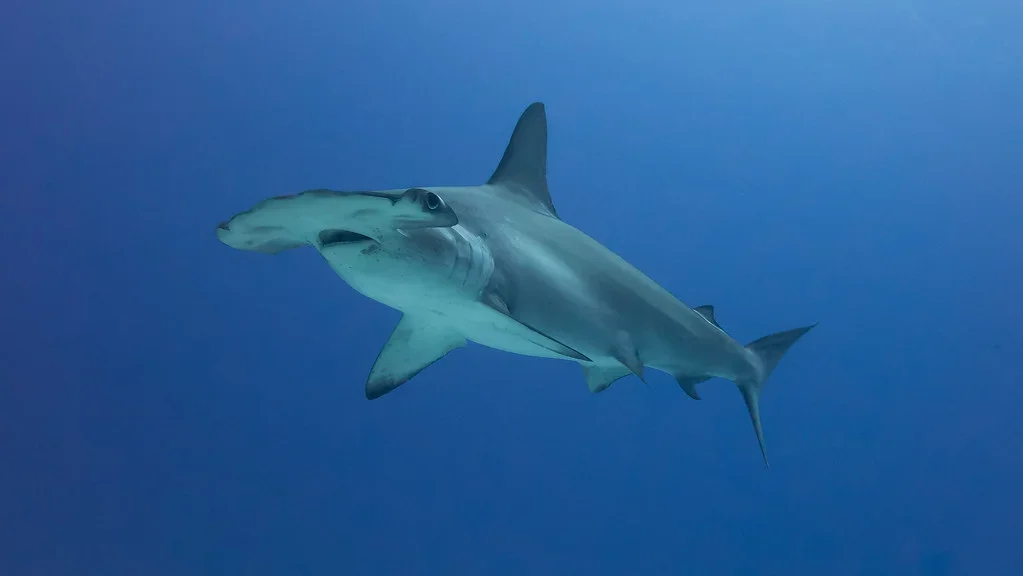
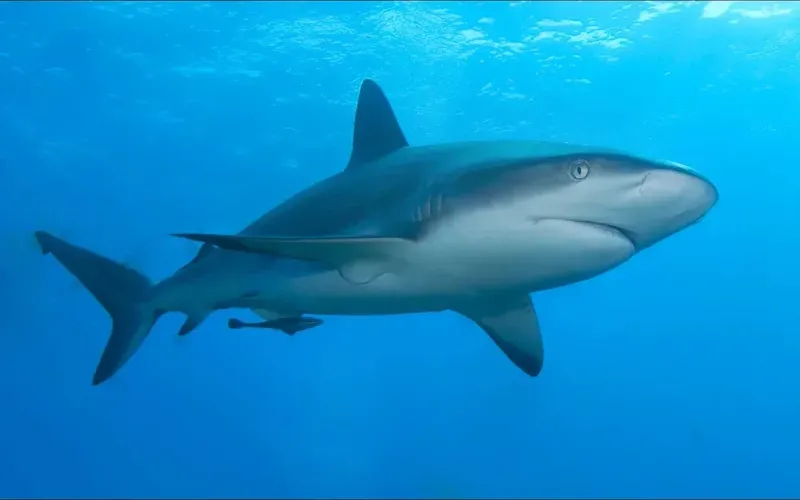
Successfully diving Bowsers Castle demands understanding conditions and adhering to sound practices. While site-specific hazards aren't consistently reported, the broader Great Barrier Reef and Coral Sea areas are known for various shark species, including grey reef, white tip reef, and occasional hammerheads.
Respectful observation is key with these animals. Given potential drift diving and deeper sections, divers should possess appropriate certifications and experience.
Always conduct thorough pre-dive checks and prioritize conservative dive planning, especially when exploring intricate structures or significant depths. Consulting local dive operators for real-time conditions and site-specific briefings is a crucial step before entering the water.
Recommended Equipment
Current and surface separation risk. Local briefing strongly recommended.
- Dive Computer
- DSMB
- Reel / Spool
This gear list is based on verified equipment signals for Bowsers Castle, Australia. Always confirm final gear choices with your dive operator, guide, or liveaboard.
Recommended Dive Suit
Forecast models show minimal temperature variation in the coming days.
Some divers prefer slightly warmer exposure protection simply for additional comfort. Stronger winds may also make surface intervals feel cooler than usual.
3-5mm wetsuit usually works well for maintaining comfort during standard dive profiles in these conditions. Consider warmer surface protection (like a boat coat) due to brisk winds. Divers preparing to enter the water at Bowsers Castle will likely find temperatures around 24°C (74°F) today. Surface air temperatures are resting at 24°C (75°F).
Due to technical issues with our weather providers, live updates are temporarily delayed. The data above reflects the conditions at the time of the last successful fetch.
Emergency & Medical Support
Essential information to help you plan your dive trip to Bowsers Castle.

Hyperbaric chambers are a critical part of dive safety infrastructure. Availability varies significantly by region, and not all dive areas have immediate access.
Before diving, it's recommended to:
- confirm nearest medical facilities
- check emergency procedures with local dive operators
- ensure dive insurance covers evacuation if required
Divers Alert Network
Diving emergency assistance available through DAN World.
+1-919-684-9111- 24/7 emergency hotline
- Diving medical assistance
- Evacuation coordination
Emergency contacts are provided for reference. Always verify local emergency services before diving.
Marine Life at Bowsers Castle
Bowsers Castle's underwater landscape pulses with a diverse array of marine life integrated into its reef structures. Divers frequently spot Grey Reef Sharks, White Tip Reef Sharks, and occasionally Hammerhead sharks patrolling deeper edges and open water.
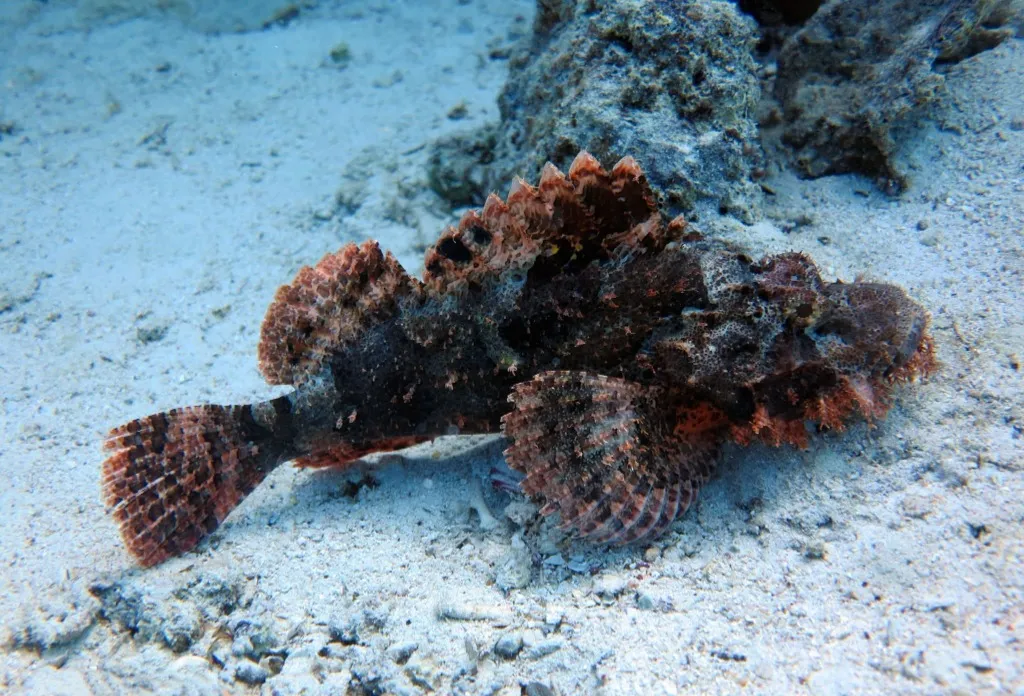
Within colorful gorgonian fans and soft corals, expect unique creatures such as the vibrant Flame File Clam, known as the ‘disco clam’ for its pulsing light display. Look closely at the substrate for well-camouflaged Stonefish and Scorpionfish.
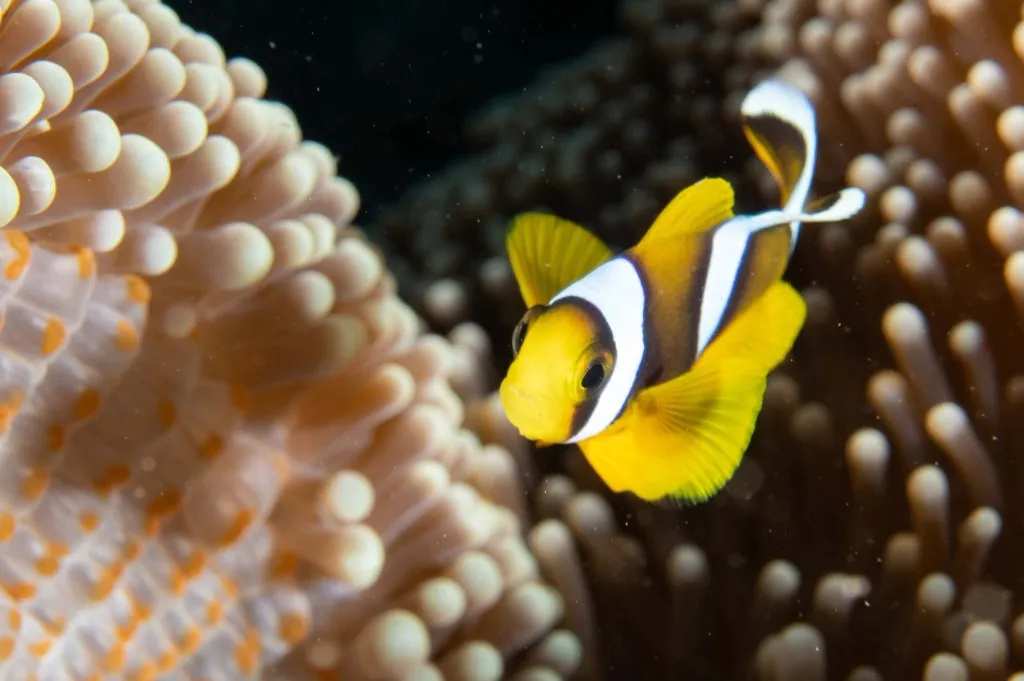
Octopus and Clown Anemone Fish inhabit reef crevices. Turtles are common, gracefully navigating formations alongside schools of various reef fish and impressive, diver-sized Potato Cod.
Dive Sites Near Bowsers Castle
View all dive sites in AustraliaDiscover more underwater gems in this area.
Dive Centers Near Bowsers Castle
Today: Closed
Nearest Airports
Nearest airports to help plan travel to this dive area.
Search Flights
Check available flights and routes on Expedia, using the nearby airports listed in this section.
Search Flights on ExpediaFrequently Asked Questions
What is the typical visibility at Bowsers Castle?
Visibility at Bowsers Castle frequently extends up to 30 m (100 ft). This excellent clarity allows for clear views of the site's intricate structures and marine life.
Are there strong currents at Bowsers Castle?
Bowsers Castle can experience variable currents, sometimes making drift diving techniques necessary. Divers should be comfortable with varied current conditions.
What kind of marine life can I expect to see?
Divers can expect to encounter various shark species like Grey Reef and White Tip Reef sharks, as well as unique creatures like the 'disco clam'. The site is also home to turtles, octopus, Potato Cod, and diverse reef fish.
What is the recommended experience level for this dive site?
Given the potential for drift diving and deeper sections, Bowsers Castle is suitable for certified divers comfortable with varied current conditions and capable of deeper recreational dives.
What are the key geological features of Bowsers Castle?
The site features a diverse underwater topography including coral gardens, dramatic drop-offs, distinct pinnacles, and intricate swim-throughs. Divers can explore natural caves and tunnels.
What months offer the best diving conditions?
The best time to dive at Bowsers Castle is typically from October to November, offering consistently good dive scores, calmer waters, and minimal rainfall. Cooler air temperatures for surface intervals are found from June to August.
Planning to dive Bowsers Castle?
Send one inquiry and receive offers directly from the best verified local dive operators.
Conditions are Moderate
Optimal conditions expected
Current conditions near Bowsers Castle show 24° air, 24° sea temperature, 1.4 m waves, and 38 km/h wind. Forecast data is refreshed regularly to ensure accuracy.