
Diving at The Far East (Australia)
Venture into Australia's Far East, an expedition for seasoned divers seeking the Coral Sea's most isolated treasures. This isn't just a dive; it's a deep exploration into a world of sheer walls and gin-clear water, far beyond the continental shelf. You'll encounter vibrant coral ecosystems and schools of pelagic life in a truly remote setting. Prepare for an advanced, challenging, and profoundly rewarding underwater journey.
As evening covers The Far East, the local air temperature is measured at 23°C. The current wave height at the surface is recorded at 1 m. These late-day readings characterize the surface conditions for the night.
Dive Site Location & Key Facts
Dive Site Overview
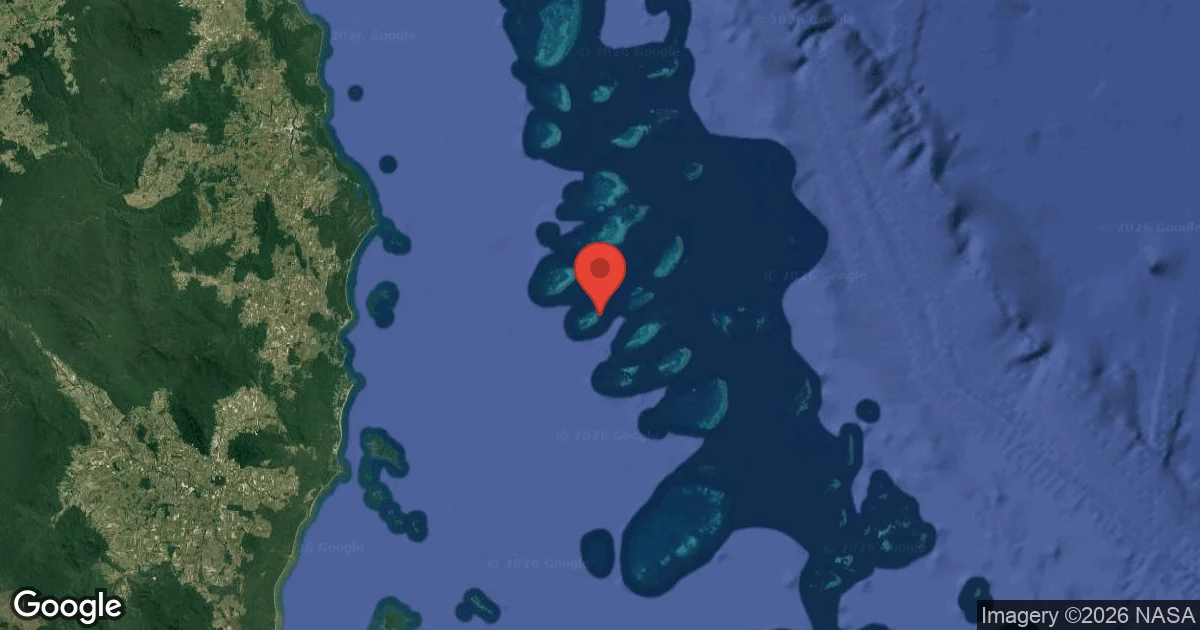
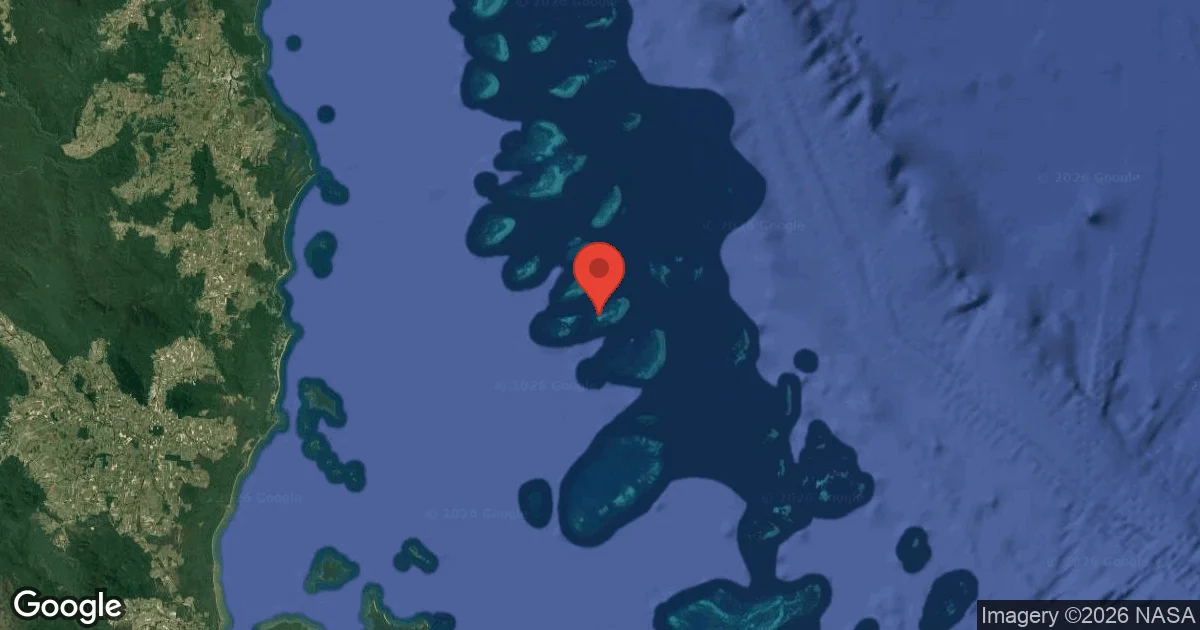
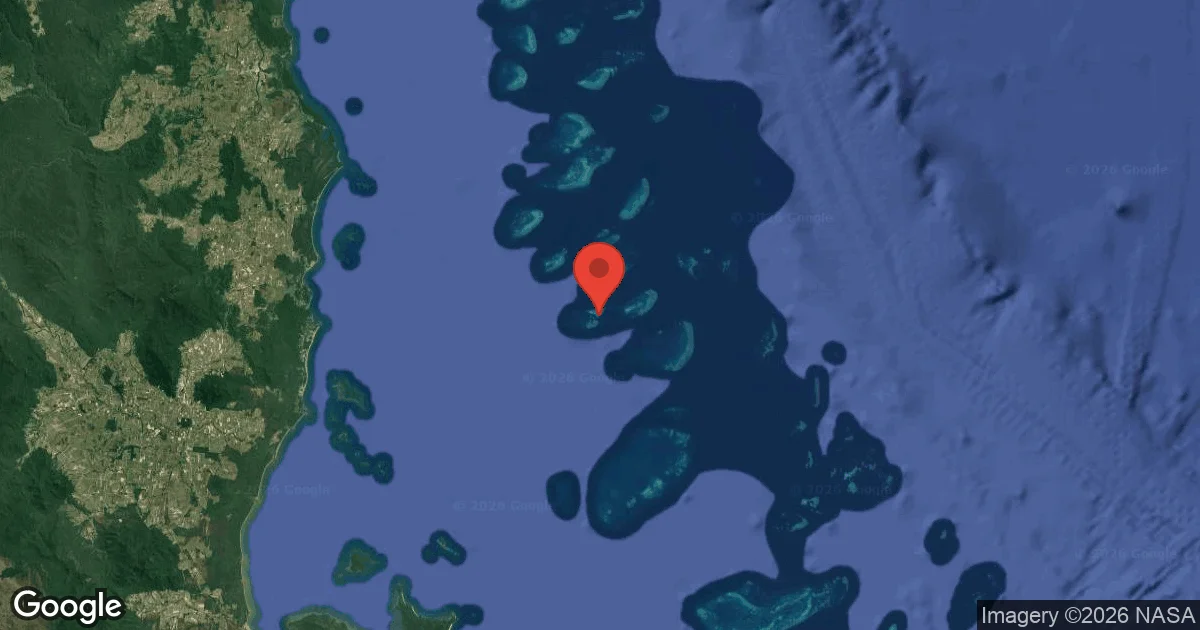
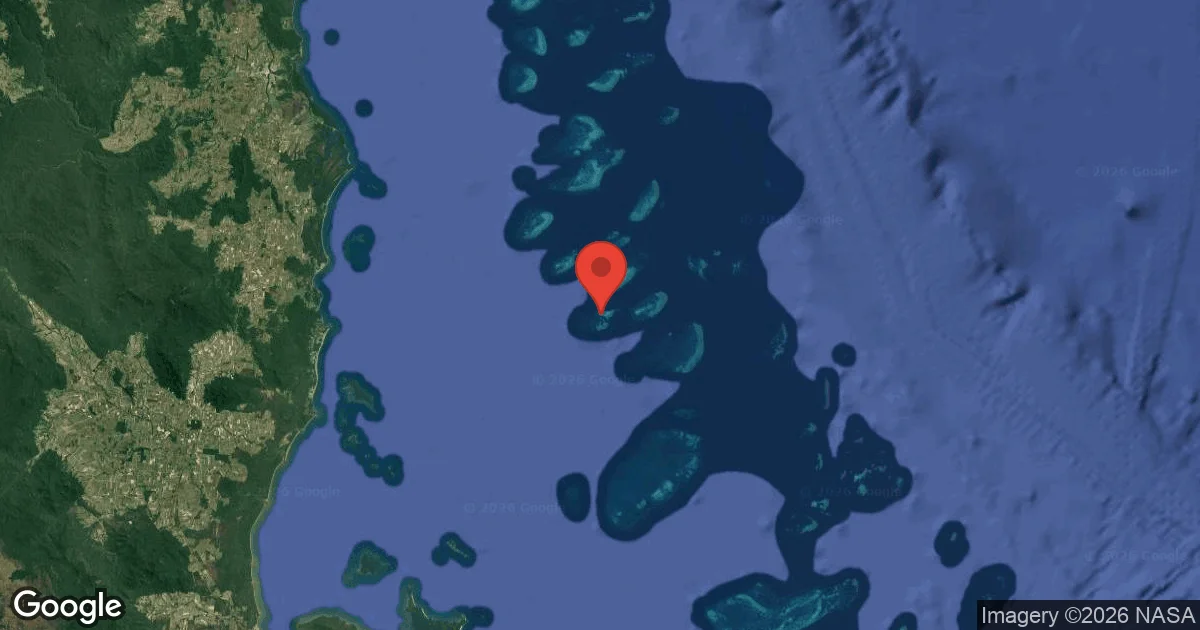
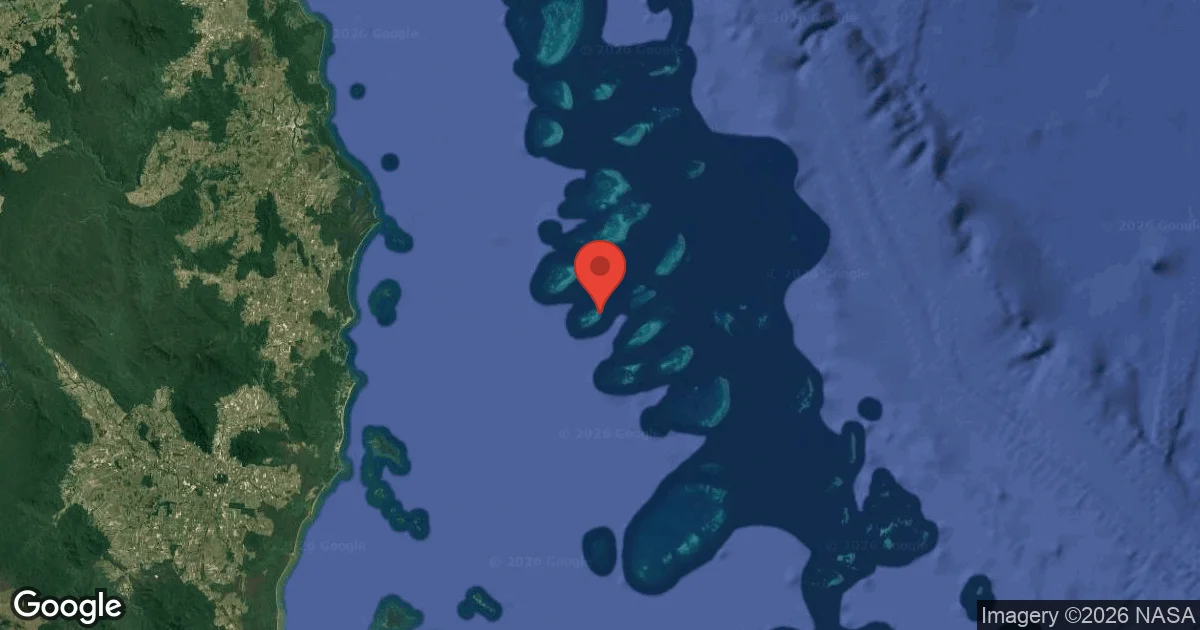
Australia's Far East dive sites, encompassing the Lihou Reefs and potentially Flinders Reef or Herald Cays, form an isolated realm within the expansive Coral Sea. These aren't continental shelf reefs; rather, they are ancient mountains rising dramatically from the ocean floor, over 600 km / 370 mi east of Cairns.
A distinct underwater topography awaits, far removed from typical coastal diving. Divers encounter striking geological features, characterized by sheer walls that plunge into significant depths, forming dramatic underwater landscapes. Vast coral reef systems thrive across these isolated formations, showcasing vibrant, healthy hard and soft corals.
Explorers navigate intricate swim-throughs, especially around Herald Cays, adding another layer of adventure. Conditions often present dynamic drift diving opportunities as divers move along remote, ocean-exposed reefs.
Dive schedules typically involve numerous day dives, offering up to 25 immersions over a multi-day liveaboard trip, providing ample time to explore diverse sections of these remote ecosystems. A highlight often includes a captivating night dive, revealing the nocturnal life of the Coral Sea.
Conditions are Moderate
Optimal conditions expected
Current conditions near The Far East show 23° air, 23° sea temperature, 1.3 m waves, and 35 km/h wind. Forecast data is refreshed regularly to ensure accuracy.
Best Time to Dive
While diving in the Far East remains an option year-round, conditions vary, offering distinct advantages across seasons. October to November typically presents some of the most favorable conditions, boasting a consistent 'Good' dive score of 8. During these months, average rainfall is at its lowest, with values of 0.57-1.22 mm, combined with calmer seas and average wave heights around 0.6-0.7 meters / 2.0-2.3 ft. Winds are also generally lighter, averaging 23.5-25.5 km/h / 14.6-15.8 mph. By contrast, summer months, particularly February and March, see elevated rainfall (12.1-21.2 mm) and slightly higher average wave heights, contributing to 'Moderate' dive scores. Winter months from June to September also provide a robust 'Good' dive score of 7, with minimal rain (1.26-2.26 mm) and comfortable air temperatures ranging from 22.5-24°C / 72-75°F. Overall air temperatures fluctuate between 22.5-28°C / 72-82°F throughout the year, ensuring comfortable surface intervals regardless of the season.
PEAK SEASON SCORE
Scores combine air & water temps, waves, wind & rainfall for overall conditions.
BEST MONTHS TO DIVE
Monthly records compiled from satellite and marine observation nodes over the last 3 years. Data provided by Open-Meteo and MET Norway.
Dive Experience & Conditions
Exceptional clarity defines the Far East, often referred to as 'gin-clear water,' providing expansive visibility for divers. This remote setting, far from coastal influences, contributes to pristine conditions. Divers should expect and be prepared for strong currents, a characteristic feature of these open ocean reefs. Navigating these currents requires advanced skills and contributes to dynamic drift dives. Being largely unexplored and isolated, these sites demand a high level of self-sufficiency and comfort in remote environments. This experience is tailored for Advanced Open Water divers with significant expertise. A minimum of 100 logged dives is recommended, alongside demonstrable fitness and practical experience handling strong water movements. Ultimately, this is a destination for those who thrive on challenging, rewarding dives beyond the usual.
Dive Difficulty & Safety Guidelines
Diving in Australia's Far East necessitates careful consideration of its remote location and the prevalence of strong currents. Isolated reef systems are far from immediate assistance, demanding a proactive approach to safety and self-reliance. Divers must possess an Advanced Open Water certification and a minimum of 100 logged dives, with proven experience in challenging conditions, particularly strong currents.
High physical fitness is crucial to manage environmental demands. Carrying personal safety devices, such as a Nautilus Lifeline, is recommended given the open ocean setting.
Always dive within your training limits and remain vigilant, as conditions can change rapidly. Thorough pre-dive briefings and adherence to dive master instructions are paramount for a safe expedition.
Recommended Equipment
Current and surface separation risk. Local briefing strongly recommended.
- Dive Computer
- DSMB
- Reel / Spool
This gear list is based on verified equipment signals for The Far East, Australia. Always confirm final gear choices with your dive operator, guide, or liveaboard.
Recommended Dive Suit
With water temperatures around 23°C (74°F), many divers find a 3-5mm wetsuit provides comfortable protection.
Being prepared with flexible exposure options is a common approach among experienced divers.
The next few days appear likely to bring similar environmental conditions.
Emergency & Medical Support
Essential information to help you plan your dive trip to The Far East.

Hyperbaric chambers are a critical part of dive safety infrastructure. Availability varies significantly by region, and not all dive areas have immediate access.
Before diving, it's recommended to:
- confirm nearest medical facilities
- check emergency procedures with local dive operators
- ensure dive insurance covers evacuation if required
Divers Alert Network
Diving emergency assistance available through DAN World.
+1-919-684-9111- 24/7 emergency hotline
- Diving medical assistance
- Evacuation coordination
Emergency contacts are provided for reference. Always verify local emergency services before diving.
Marine Life at The Far East
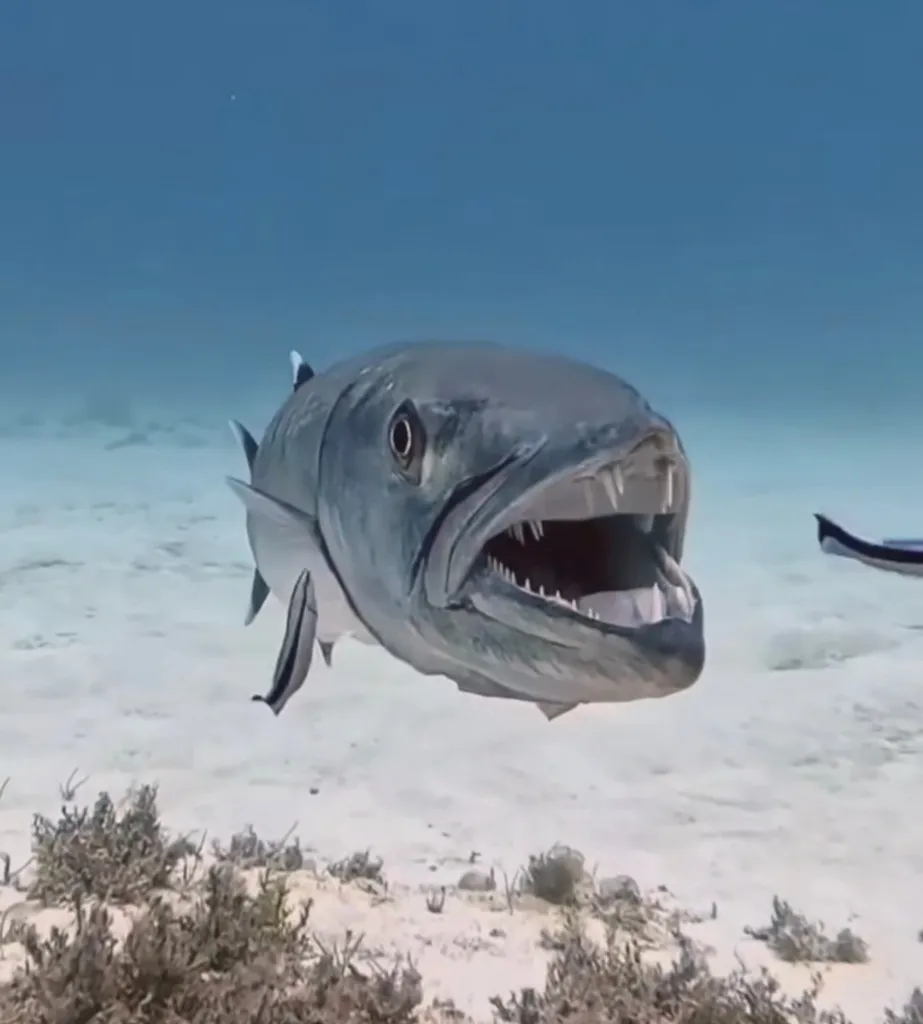
Exploring the underwater landscapes of the Far East often means encountering the pelagic life typical of the Coral Sea. Schools of various pelagics are a common sight, moving through clear open water.
Reefs themselves burst with amazing corals, forming vibrant habitats for smaller reef fish. Keep an eye out for potato cod, often seen in these rich environments.
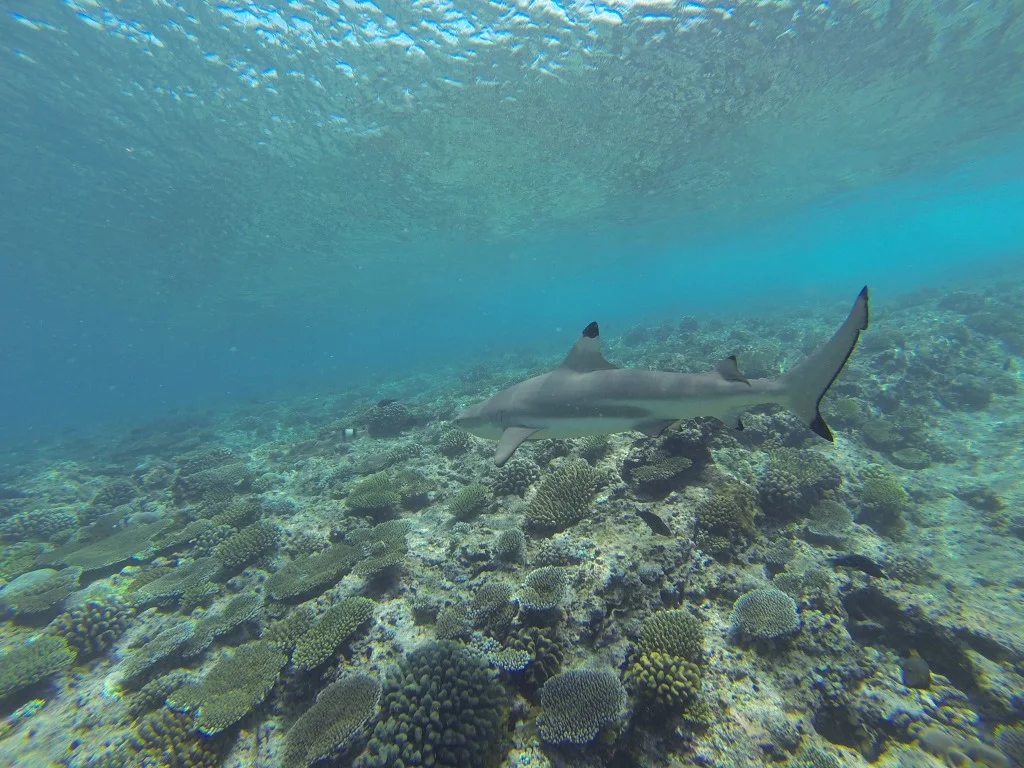
Divers may also spot a diverse range of sharks, contributing to the thrilling encounters that define this remote region's marine ecosystem.
Dive Sites Near The Far East
View all dive sites in AustraliaDiscover more underwater gems in this area.
Dive Centers Near The Far East
Today: Closed
Nearest Airports
Nearest airports to help plan travel to this dive area.
Search Flights
Check available flights and routes on Expedia, using the nearby airports listed in this section.
Search Flights on ExpediaFrequently Asked Questions
What dive level is required for the Far East?
This trip is specifically for Advanced Open Water divers. You need to be highly competent with at least 100 logged dives and strong current experience to safely enjoy these remote sites.
What kind of terrain will I encounter?
Expect dramatic sheer walls, extensive coral reef systems, and intricate swim-throughs. The sites are essentially ancient underwater mountains far from the continental shelf, offering unique topography.
What marine life can I expect to see?
The region is known for schools of pelagic fish and amazing corals. You might also spot potato cod and various shark species, enriching your underwater encounters.
How remote are these dive sites?
Sites are exceptionally remote. For instance, Lihou Reefs lie over 600 km / 370 mi east of Cairns, deep within the isolated Coral Sea. A multi-day liveaboard expedition is essential to reach this challenging destination.
What is the best time of year to dive here?
October to November generally offers the calmest conditions with minimal rain and lighter winds, earning a 'Good' dive score. However, June to September also provides good conditions with comfortable moderate temperatures.
Are night dives included in the itinerary?
Yes, most expeditions to the Far East include at least one night dive. This provides a unique opportunity to observe the nocturnal marine life and different reef inhabitants.
What are the water conditions like?
Expect gin-clear water with excellent visibility, which enhances the overall diving experience. However, strong currents are common, making it an ideal destination for experienced drift divers.
What should I bring for safety?
Given the remote location and potential for strong currents, a personal safety device like a Nautilus Lifeline is recommended. Always ensure your gear is robust and reliable for challenging conditions.
Planning to dive The Far East?
Send one inquiry and receive offers directly from the best verified local dive operators.
Conditions are Moderate
Optimal conditions expected
Current conditions near The Far East show 23° air, 23° sea temperature, 1.3 m waves, and 35 km/h wind. Forecast data is refreshed regularly to ensure accuracy.