
Diving at Ship Rock Aquatic Reserve (Australia)
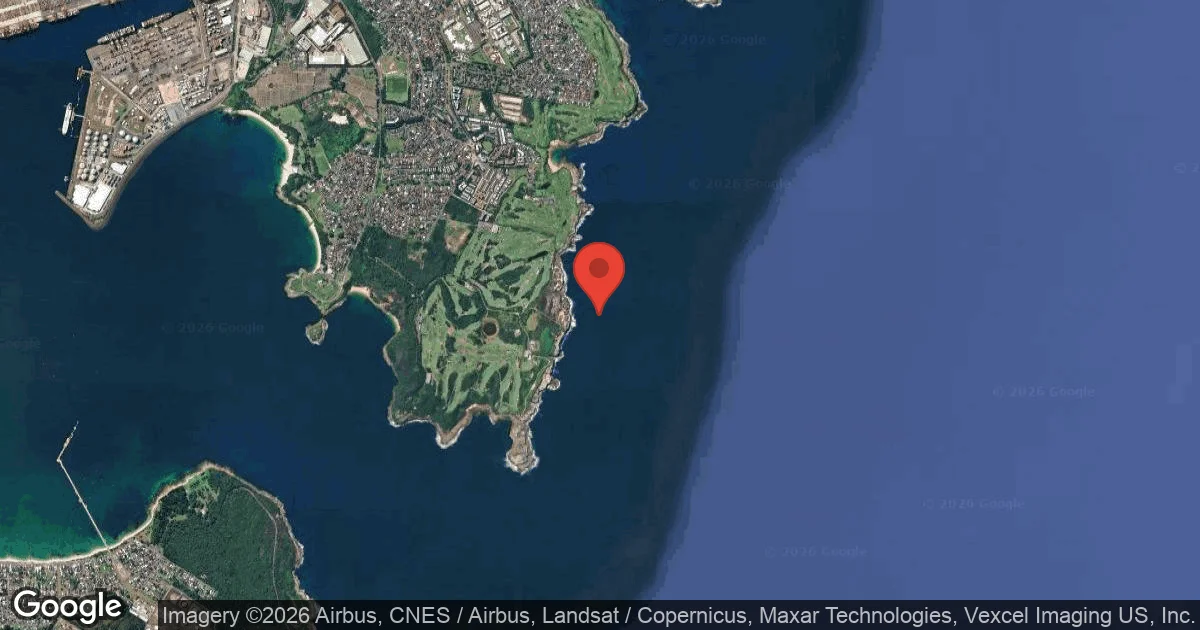
Shiprock Aquatic Reserve started gaining recognition over fifty years ago, emerging as a site of remarkable marine diversity in Port Hacking. Early divers in 1965 were astonished by the profusion of marine fauna, challenging previous notions of a typical estuarine environment. A deep submarine cliff, strong currents, and once pristine waters fostered an exceptionally rich growth of invertebrates and fish here. Such ecological richness led to its designation as one of New South Wales' sanctuary-zoned Aquatic Reserves.
As evening covers Ship Rock Aquatic Reserve, the local air temperature is measured at 25.5°C. The current wave height at the surface is recorded at 1.3 m. These late-day readings characterize the surface conditions for the night.
Dive Site Location & Key Facts
Dive Site Overview
Shiprock functions primarily as a wall dive, with its position within Port Hacking shaping unique diving dynamics. Comprising a relatively small area, approximately two hectares, the site hosts significant biodiversity.
An underwater landscape features a wall draped in soft white coral, alongside complex rocky areas that provide abundant habitat. Maxing out around 18 m (60 ft) deep, the wall offers varied topography for exploration. Divers navigate sections rich with marine plants, diverse algae, and a notable array of invertebrates like worms, snails, crustaceans, and colorful sponges.
Protected entry and exit points contrast with the dive's tidal dependency. It's often considered a prime location for night dives; many divers suggest its nocturnal experience in New South Wales is exceptional.
Over 130 species of fish have been recorded here, illustrating the site's biological richness. Visibility typically ranges from 5 m (16 ft) to 15 m (49 ft), varying with tidal conditions. Optimal enjoyment and safety demand careful planning around the tides.
Conditions are Good
Optimal conditions expected
Current conditions near Ship Rock Aquatic Reserve show 26° air, 18° sea temperature, 1.5 m waves, and 31 km/h wind. Forecast data is refreshed regularly to ensure accuracy.
Best Time to Dive
While Shiprock can be accessed year-round, the optimal diving experience often contrasts between seasons and tidal states. Diving is strictly limited to slack tide—approximately 25 minutes before and 30 minutes after the peak of high tide—to avoid very strong tidal currents. High tide generally offers better visibility, although low tide has also been reported to provide clear conditions on occasion. Water temperature can fluctuate significantly, with a minimum typically around 15°C (59°F), but precise seasonal averages aren't consistently reported for this specific site. Air temperatures vary from a cooler 12-14°C (54-57°F) during the winter months of June to August, rising to 21-22°C (70-72°F) in January and February. Rainfall is generally light, ranging from about 1.2 mm in October to around 4.2 mm in April and May. Consider visiting during the warmer air temperature months for surface comfort, but always prioritize slack tide predictions regardless of the season.
PEAK SEASON SCORE
Scores combine air & water temps, waves, wind & rainfall for overall conditions.
BEST MONTHS TO DIVE
Monthly records compiled from satellite and marine observation nodes over the last 3 years. Data provided by Open-Meteo and MET Norway.
Dive Experience & Conditions
Beginning a descent into Shiprock reveals a vibrant wall adorned with soft white coral and varied marine life. Deeper, the site's rich growth of invertebrates becomes more apparent, adhering to complex rocky structures. Maxing out around 18 m (60 ft), diving here is accessible for Open Water certified divers. Conditions are largely influenced by the tide, a critical factor for a safe and enjoyable experience. Shiprock isn't exposed to significant ocean swell, often providing a relatively calm underwater environment once below the surface. Visibility is variable; 5 m (16 ft) is considered reasonable, yet it can extend up to 15 m (49 ft) depending on tidal flows and recent weather. Despite occasional lower visibility, the sheer abundance of marine flora and fauna ensures there's always plenty to observe. Nestled within Port Hacking, a protected area promises rewarding exploration for those who time their dive correctly.
Dive Difficulty & Safety Guidelines
Very strong tidal currents outside of slack tide periods represent the primary hazard at Shiprock Aquatic Reserve. Divers must only enter the water approximately 25 minutes before high tide and exit about 30 minutes after, or similarly at low tide, to ensure safety. Diving at any time on an incoming tide is not advisable unless the tidal difference is minimal (less than 0.5 meter).
Additionally, be aware of high overhead boat traffic in Port Hacking; performing all surfacing from the shore, never in open water, is essential. As an Aquatic Reserve with sanctuary zone status, strict regulations apply: don't wilfully disturb, injure, or interfere with fish or vegetation.
Adhering to these guidelines ensures a safe dive and helps protect the fragile marine ecosystem. While the dive itself is considered easy, mastering entry and exit stairs and respecting the tidal window are crucial for a smooth experience.
Recommended Equipment
- Dive Computer
- DSMB
- Hard-soled Dive Boots
This gear list is based on verified equipment signals for Ship Rock Aquatic Reserve, Australia. Always confirm final gear choices with your dive operator, guide, or liveaboard.
Recommended Dive Suit
Subtle variations in currents or depth can sometimes influence perceived water temperature.
5mm wetsuit tends to perform well in water temperatures like those currently observed here. Surface temperatures may decrease slightly later in the week. A significant temperature drop is forecast; strongly suggest bringing a backup warmer suit option. Carrying a secondary suit is common practice among experienced divers.
Divers heading to Ship Rock Aquatic Reserve today should expect water temperatures around 18°C (65°F). Surface air temperatures are resting at 26°C (78°F).
Emergency & Medical Support
Essential information to help you plan your dive trip to Ship Rock Aquatic Reserve.

Hyperbaric chambers are a critical part of dive safety infrastructure. Availability varies significantly by region, and not all dive areas have immediate access.
Before diving, it's recommended to:
- confirm nearest medical facilities
- check emergency procedures with local dive operators
- ensure dive insurance covers evacuation if required
Divers Alert Network
Diving emergency assistance available through DAN World.
+1-919-684-9111- 24/7 emergency hotline
- Diving medical assistance
- Evacuation coordination
Emergency contacts are provided for reference. Always verify local emergency services before diving.
Marine Life at Ship Rock Aquatic Reserve
Exploring Shiprock's underwater landscape reveals a bustling ecosystem. Its wall and rocky crevices shelter an impressive array of life, including frequent sightings of Wobbegong sharks, often resting on ledges.
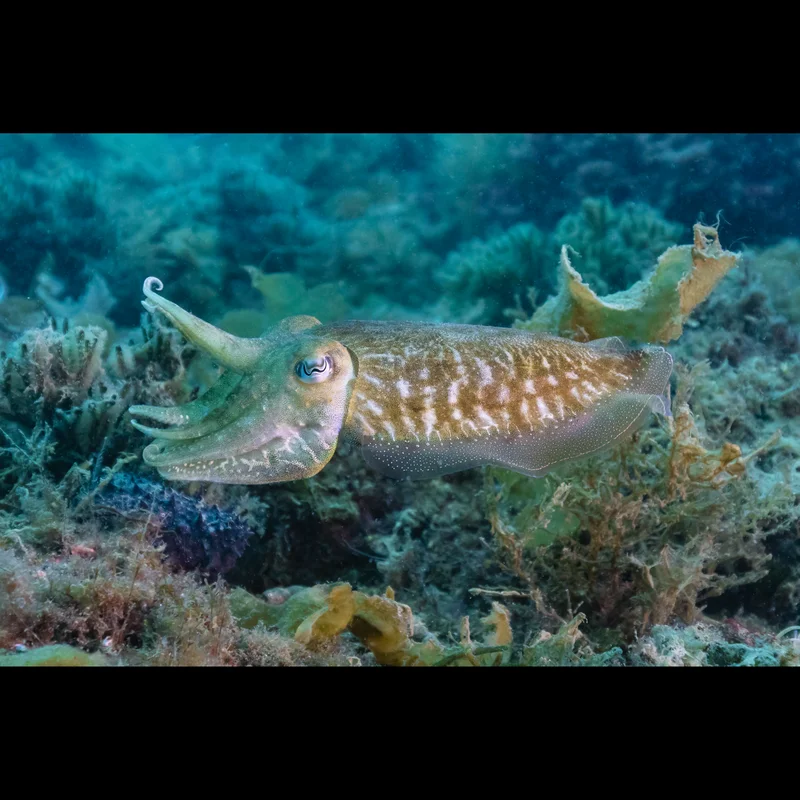
Divers might also spot various species of cuttlefish camouflaging themselves amongst sponges and algae. While over 130 fish species have been recorded, typical surveys usually document thirty to forty species during a single dive.
Keep an eye out for less common residents like Pineapplefish, particularly near the "bubble cave" or at the northern end of the wall. Abundant invertebrates, from vibrant sponges to numerous snails and crustaceans, contribute significantly to the site's rich biodiversity.

Dive Sites Near Ship Rock Aquatic Reserve
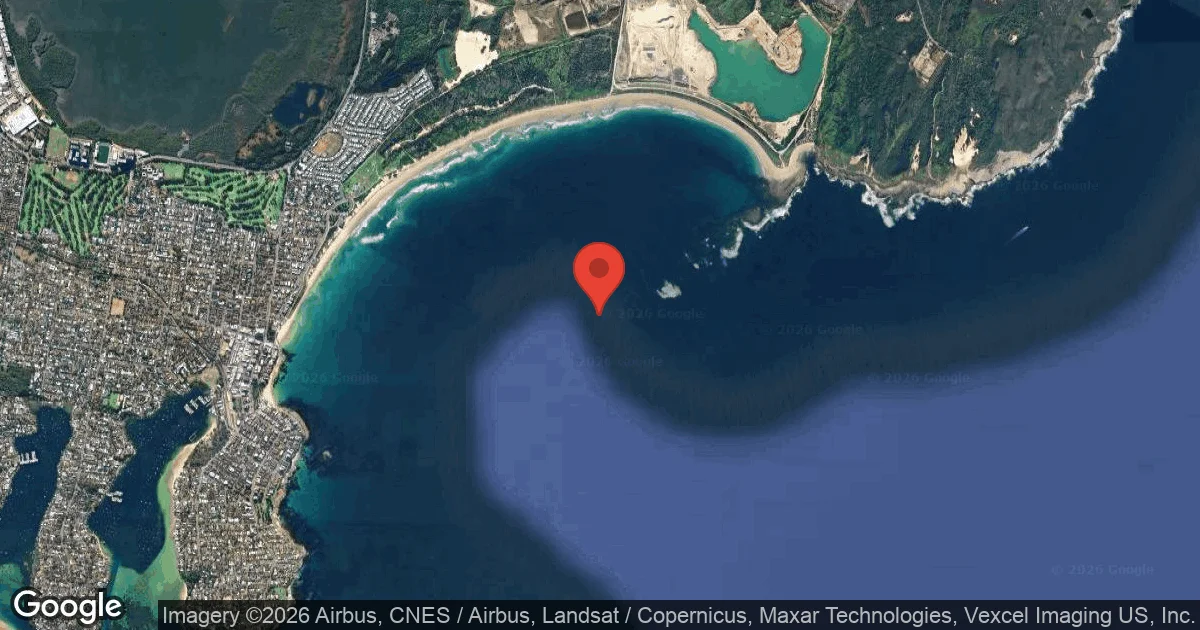
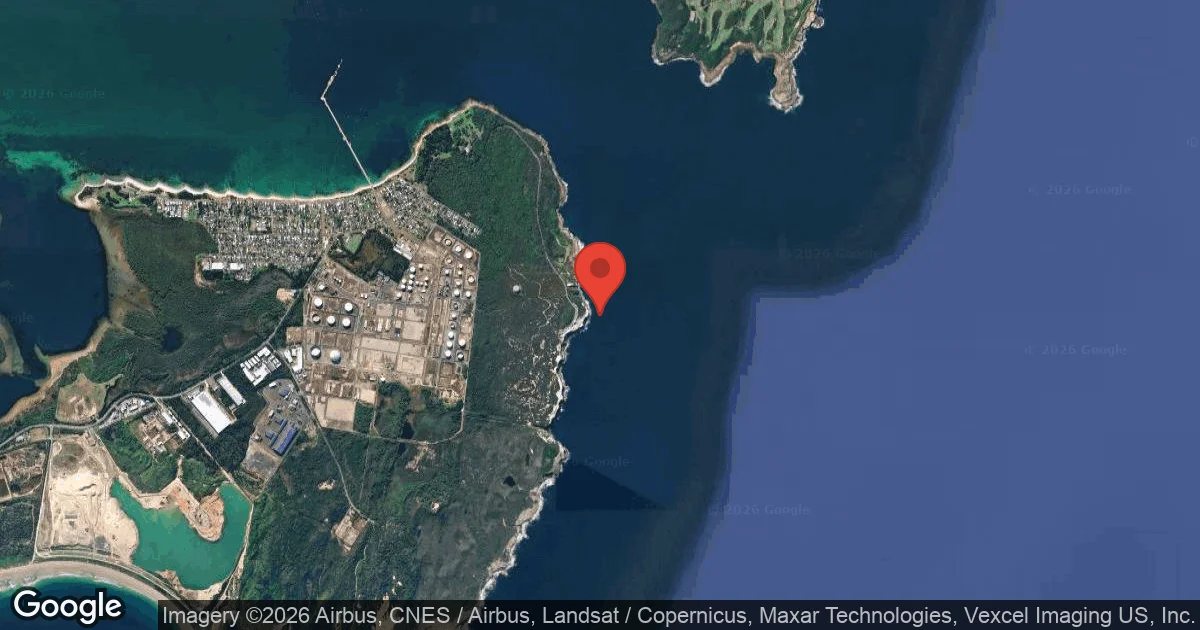
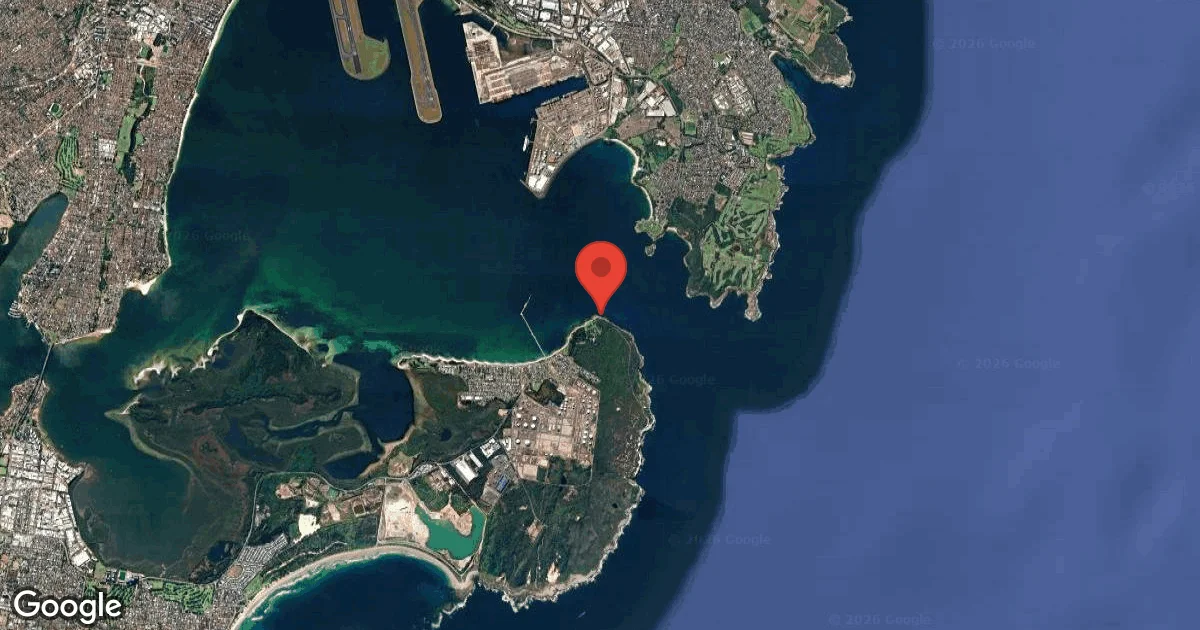
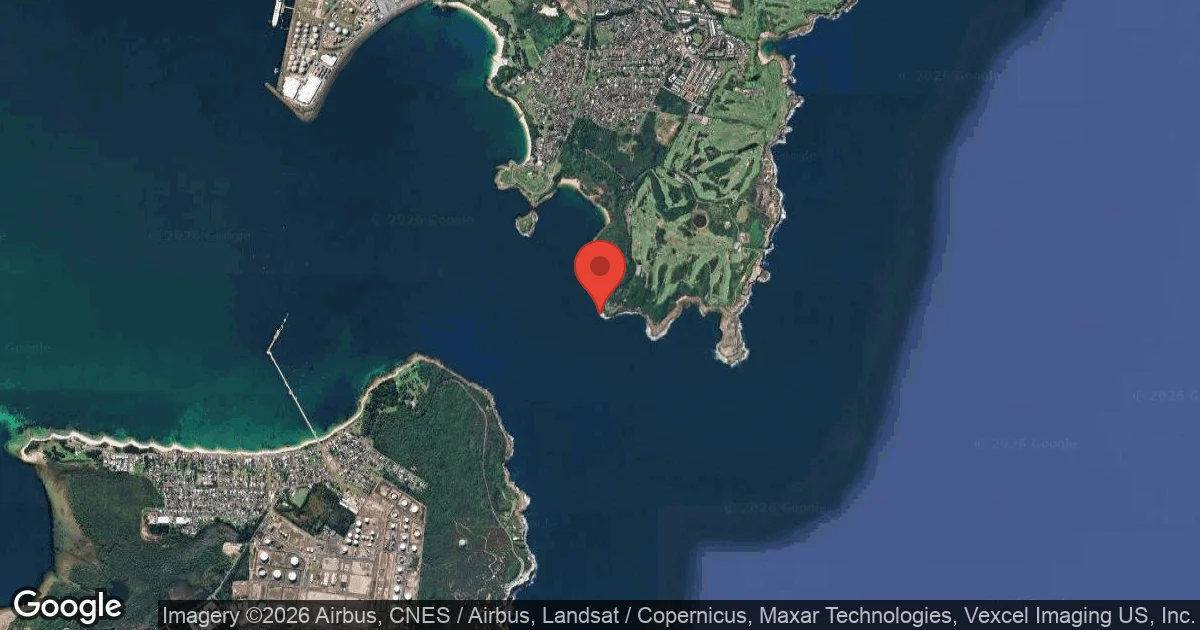
View all dive sites in AustraliaDiscover more underwater gems in this area.
Dive Centers Near Ship Rock Aquatic Reserve
Today: 07:00 - 17:00
Nearest Airports
Nearest airports to help plan travel to this dive area.
Search Flights
Check available flights and routes on Expedia, using the nearby airports listed in this section.
Search Flights on ExpediaFrequently Asked Questions
What is the maximum depth at Shiprock Aquatic Reserve?
Shiprock is a wall dive, reaching a maximum depth of approximately 18 m (60 ft). It is suitable for Open Water certified divers.
How important are tides when diving Shiprock?
Tides are critically important. Divers must strictly time their entry for slack tide, generally about 25 minutes before and 30 minutes after high tide, to avoid strong currents. Diving outside this window can be hazardous due to very strong tidal flows.
Is Shiprock suitable for Open Water divers?
Yes, Shiprock is considered an Open Water dive site. Its maximum depth of 18 m (60 ft) falls within the typical certification limits for Open Water divers, provided tidal guidelines are strictly followed.
What marine life can be observed at Shiprock?
The reserve is home to a wide range of marine flora and fauna. Divers frequently encounter Wobbegong sharks, various cuttlefish species, and numerous invertebrates like colorful sponges, worms, and crustaceans. Over 130 species of fish have been recorded here, including occasional sightings of Pineapplefish.
What are the typical visibility ranges at this site?
Visibility at Shiprock is variable. It's not known for consistently clear conditions, with 5 m (16 ft) often considered reasonable. However, visibility can extend up to 15 m (49 ft), with high tide generally offering better conditions.
Why is Shiprock considered an Aquatic Reserve?
Shiprock was designated an Aquatic Reserve due to its remarkably diverse marine environment. Its unique combination of a deep submarine cliff, currents, and unblemished waters supports an exceptionally rich growth of invertebrates and a large population of fish. As a sanctuary zone, it protects this valuable ecosystem.
What safety precautions should I be aware of for this dive?
Beyond strict adherence to slack tide diving, divers must be mindful of overhead boat traffic and always surface from the shore. As a reserve, disturbing or interfering with marine life or vegetation is prohibited. Familiarity with the entry and exit stairs is also beneficial.
Planning to dive Ship Rock Aquatic Reserve?
Send one inquiry and receive offers directly from the best verified local dive operators.
Conditions are Good
Optimal conditions expected
Current conditions near Ship Rock Aquatic Reserve show 26° air, 18° sea temperature, 1.5 m waves, and 31 km/h wind. Forecast data is refreshed regularly to ensure accuracy.