
Diving at Fernsteinsee & Samaranger See (Austria)
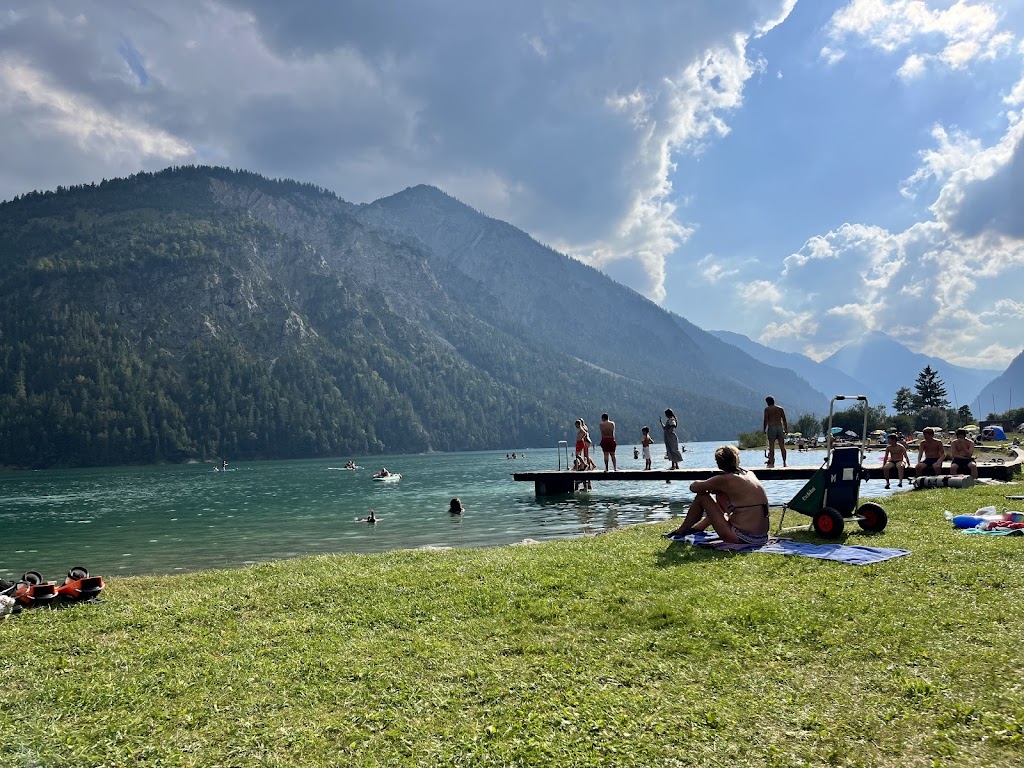
Exceptionally clear waters define the diving experience at Fernsteinsee & Samaranger See, where visibility can extend up to 50 m (164 ft) on a good day. These privately owned freshwater lakes are nestled at nearly 950 m (3117 ft) in the Tyrolean Alps. Consistently featuring water temperatures below 10°C (50°F) even during summer, such a pristine cold-water environment preserves unique underwater landscapes. It's a distinct dive destination for cold-water enthusiasts.
Recent updates for Fernsteinsee & Samaranger See show an air temperature measuring 12°C. Overall water conditions reflect the typical seasonal state for Austria. Please exercise standard safety precautions before entering the water.
Dive Site Location & Key Facts
Dive Site Overview
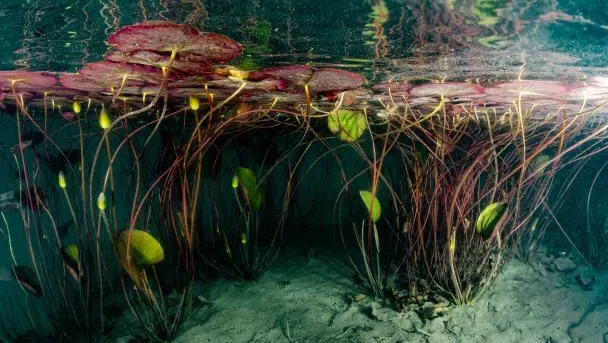
Surrounding Fernsteinsee and Samaranger See, the region has long captivated divers with unique freshwater characteristics, shaped by spring-fed alpine lake origins. Samaranger See, often considered Fernsteinsee's smaller sibling, is recognized among Europe's most beautiful freshwater lakes, primarily due to its striking underwater scenery.
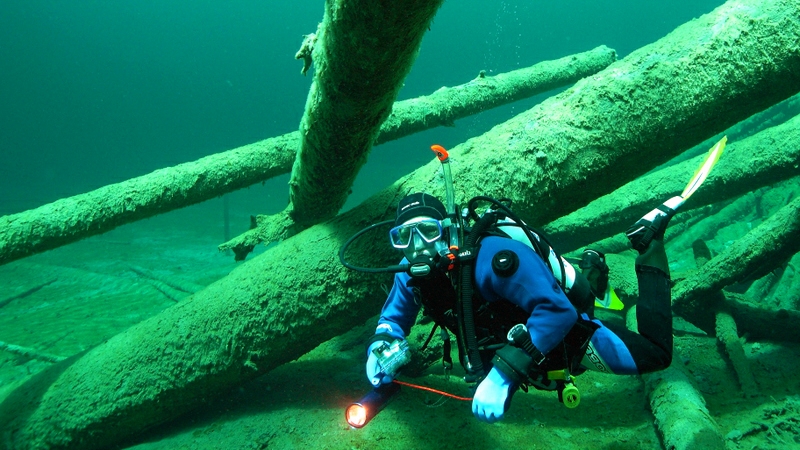
Both lakes, formed by underground springs and positioned at nearly 950 meters (3117 feet) in elevation, present a landscape dominated by submerged trees and distinct rock formations. These features have developed into a mystical, fairytale-like environment. Exploring these sites, divers can anticipate encountering ancient tree trunks, often covered in bright green slimy algae, which form intricate underwater structures and potential swim-throughs.
Natural formations, including underwater caves accessible to experienced divers, provide a diverse range of exploration. Shore entries are common here, leading to areas where visibility can extend significantly.
Clear views of the unique flora and geological features become apparent. Maximum depth for diving is noted at approximately 17 meters (55 feet), making it accessible for various certification levels while still offering interesting depths.
An appeal of these high-altitude lakes lies in consistent above-average visibility and the serene, untouched feel of submerged worlds.
Conditions are Excellent
07:00 - 14:00
Optimal conditions expected
Current conditions near Fernsteinsee & Samaranger See show 12° air, --° sea temperature, N/A waves, and 10 km/h wind. Forecast data is refreshed regularly to ensure accuracy.
Best Time to Dive
Diving conditions at Fernsteinsee & Samaranger See are largely dictated by seasonal changes, with the most favorable periods typically spanning late spring to early autumn. During months like June and September, air temperatures average 16.5°C (62°F) and 13.5°C (56°F) respectively, coupled with excellent dive scores. Visibility improves significantly as the year progresses, often reaching up to 20 m (66 ft), and occasionally exceeding 30 m (100 ft) or even 50 m (164 ft) on exceptional days. Water temperatures during spring and summer months typically range from 10°C to 15°C (50°F-59°F), though they can remain below 10°C (50°F) even in peak summer. Winter diving is feasible, with ice cover forming on the surface and water temperatures dropping to 0°C (32°F). However, visibility might be slightly affected by suspended particles during these colder months. Despite this, the unique underwater landscapes remain a draw, even for ice diving enthusiasts when conditions allow. Rain is generally moderate year-round, with slightly higher averages in May (5.69 mm) and July (5.12 mm), but this doesn't typically deter diving.
PEAK SEASON SCORE
Scores combine air & water temps, waves, wind & rainfall for overall conditions.
BEST MONTHS TO DIVE
Monthly records compiled from satellite and marine observation nodes over the last 3 years. Data provided by Open-Meteo and MET Norway.
Dive Experience & Conditions
Currents are generally minimal in these pristine alpine lakes, allowing divers to leisurely navigate submerged landscapes. Underwater, the primary dynamic involves interaction with sensitive flora and sediment. Exceptional visibility, sometimes reaching up to 50 m (164 ft), means observations are clear and direct. Divers will experience the 'mystical landscape' formed by sunken tree trunks, many coated in bright green slime. Water temperatures are consistently cold, typically below 10°C (50°F) for much of the year, necessitating appropriate thermal protection. Depths encountered are generally manageable for recreational divers, with a maximum reported at 17 m (55 ft). Maintaining perfect buoyancy is crucial to avoid disturbing fragile sediment and plant life, as stirred particles can reduce light needed for these slow-growing organisms to survive. Serenity of these cold, clear waters provides a distinct freshwater diving dynamic.
Dive Difficulty & Safety Guidelines
An expert tip for diving in Fernsteinsee & Samaranger See involves a precise approach to buoyancy control. It's critical not to disturb the bottom sediment or make contact with the sensitive underwater flora. If stirred, sediment settles slowly, reducing UV radiation to plants, which can lead to their death.
Due to the extreme cold of the water, regeneration of these plants can take decades. Divers should practice finning techniques that keep them well above the lakebed.
While specific hazards are not consistently reported, cold water is a constant factor; adequate thermal protection is paramount. Local regulations regarding protected areas should always be respected, and awareness of potential sudden weather changes in an alpine environment is essential for surface safety. Cave diving in these lakes requires appropriate training and experience.
Recommended Equipment
- Dive Computer
This gear list is based on verified equipment signals for Fernsteinsee & Samaranger See, Austria. Always confirm final gear choices with your dive operator, guide, or liveaboard.
Recommended Dive Suit
Subtle variations in currents or depth can sometimes influence perceived water temperature.
Based on regional estimates and current weather, the likely required exposure protection is a thicker wetsuit or drysuit. Note that local currents and upwellings can alter this. A thermal robe or jacket is recommended between dives. Due to unpredictable weather patterns, conditions may change rapidly. A warming trend is expected over the next few days.
Because recent water temperature readings are not available for Fernsteinsee & Samaranger See, the guidance below is based mainly on current air conditions and seasonal expectations. Current surface air temperatures are roughly 12°C (54°F).
Emergency & Medical Support
Essential information to help you plan your dive trip to Fernsteinsee & Samaranger See.

Hyperbaric chambers are a critical part of dive safety infrastructure. Availability varies significantly by region, and not all dive areas have immediate access.
Before diving, it's recommended to:
- confirm nearest medical facilities
- check emergency procedures with local dive operators
- ensure dive insurance covers evacuation if required
Divers Alert Network
Diving emergency assistance available through DAN Europe.
+39 0642115685- 24/7 emergency hotline
- Diving medical assistance
- Evacuation coordination
Emergency contacts are provided for reference. Always verify local emergency services before diving.
Marine Life at Fernsteinsee & Samaranger See
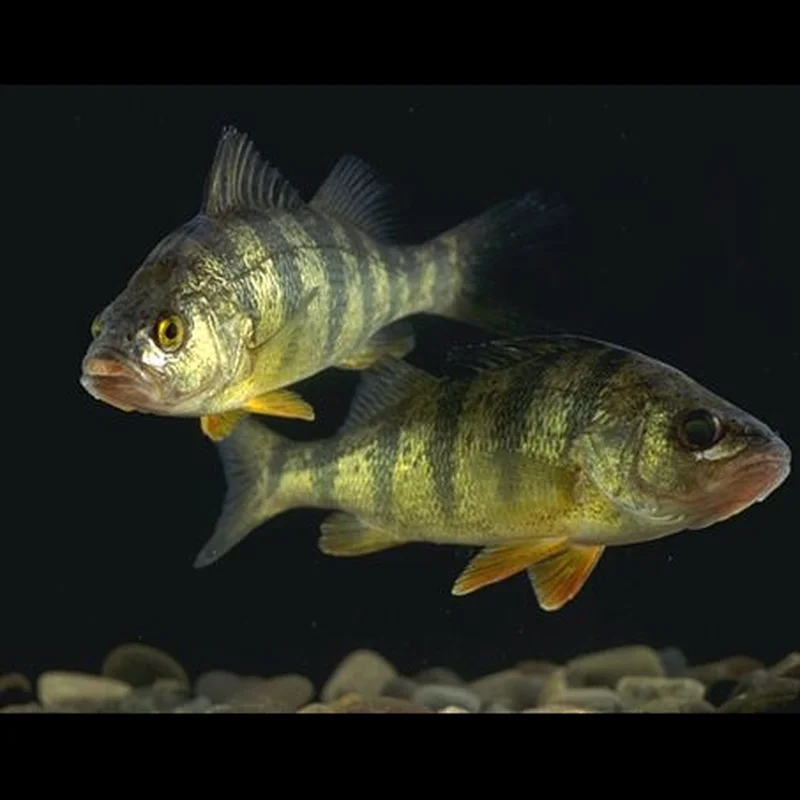
Fish species gracefully navigating submerged trees are often the first thing divers notice in these clear waters. Divers commonly encounter various types of trout and perch throughout the year.
Excellent visibility, often exceeding 20 m (66 ft), aids in spotting these inhabitants. Occasionally, larger species like catfish and sturgeon may be observed, though their sightings are less frequent.
Seasonal spawning activities, particularly in spring, can lead to increased fish activity and movement, presenting an active display. Char are also frequently reported, adding to the diversity of aquatic life found here.
Dive Sites Near Fernsteinsee & Samaranger See
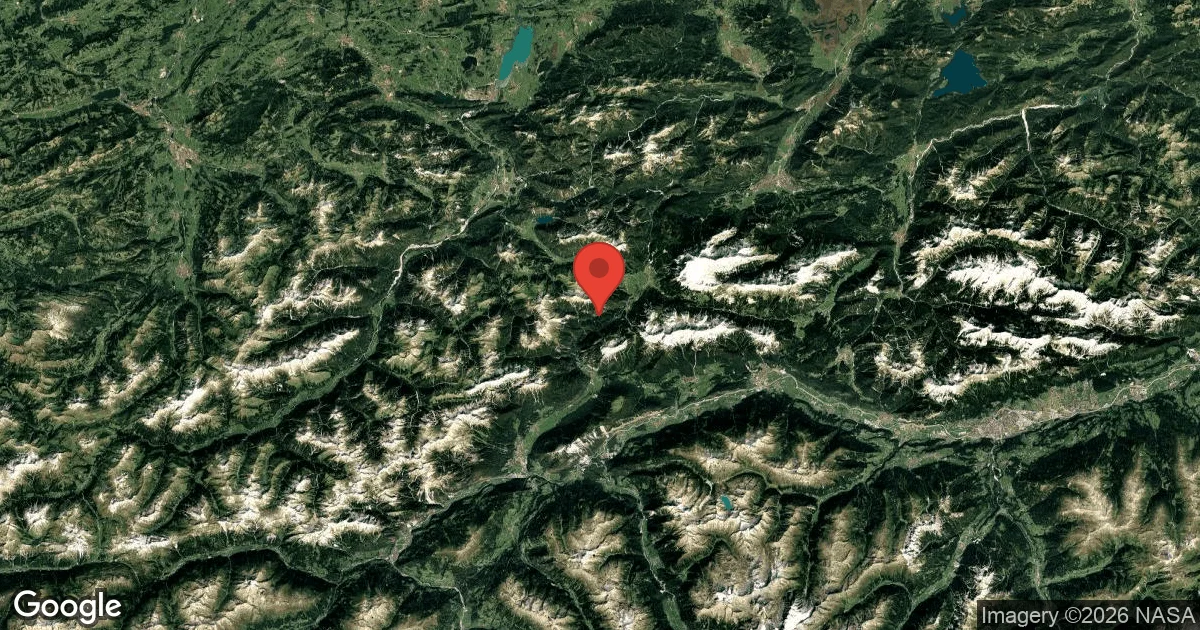
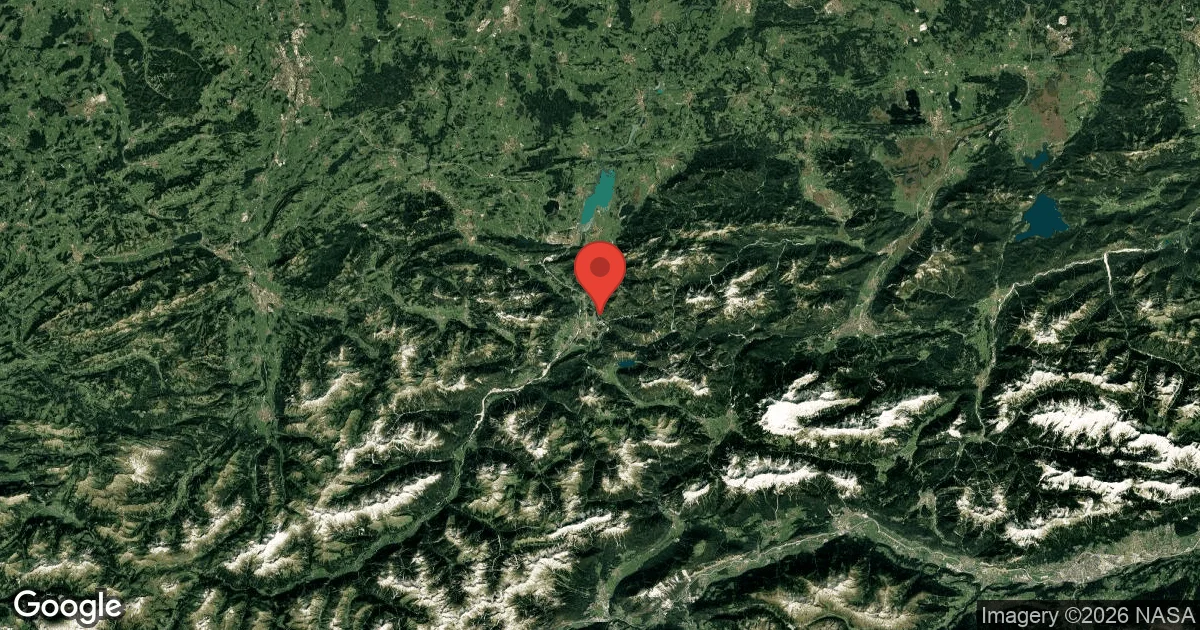
View all dive sites in AustriaDiscover more underwater gems in this area.
Dive Centers Near Fernsteinsee & Samaranger See
Nearest Airports
Nearest airports to help plan travel to this dive area.
Search Flights
Check available flights and routes on Expedia, using the nearby airports listed in this section.
Search Flights on ExpediaFrequently Asked Questions
What is the typical visibility?
Visibility in Fernsteinsee & Samaranger See is exceptional, often reaching up to 20 m (66 ft). On particularly good days, it can extend to 30 m (100 ft) or even 50 m (164 ft), offering clear views of the underwater landscape.
What are the water temperatures like?
Water temperatures in these alpine lakes are consistently cold, typically below 10°C (50°F) for much of the year. During spring and summer, temperatures might rise to 10-15°C (50-59°F), while winter can see them drop to 0°C (32°F) with ice formation.
What kind of underwater landscape can I expect?
Underwater landscape features submerged tree trunks, branches, and rock formations. Many of these structures are covered in bright green slimy algae, creating a mystical and fairytale-like environment unique to these high-altitude lakes.
Are there any specific rules for diving here?
Maintaining perfect buoyancy control is crucial to avoid disturbing the sensitive underwater flora and sediment. Local regulations regarding protected areas also need to be respected, and private ownership implies specific access rules for divers.
What marine life can I see?
Common sightings include various trout and perch species. Occasionally, divers might spot larger fish such as catfish and sturgeon. Char are also frequently reported, adding to the aquatic diversity.
Is shore diving possible?
Yes, both Fernsteinsee and Samaranger See offer shore diving opportunities. Shore diving allows for relatively easy entry into the clear waters to explore submerged features close to the shore.
Planning to dive Fernsteinsee & Samaranger See?
Send one inquiry and receive offers directly from the best verified local dive operators.
Conditions are Excellent
07:00 - 14:00
Optimal conditions expected
Current conditions near Fernsteinsee & Samaranger See show 12° air, --° sea temperature, N/A waves, and 10 km/h wind. Forecast data is refreshed regularly to ensure accuracy.