
Diving at Half Moon Wall (Belize)
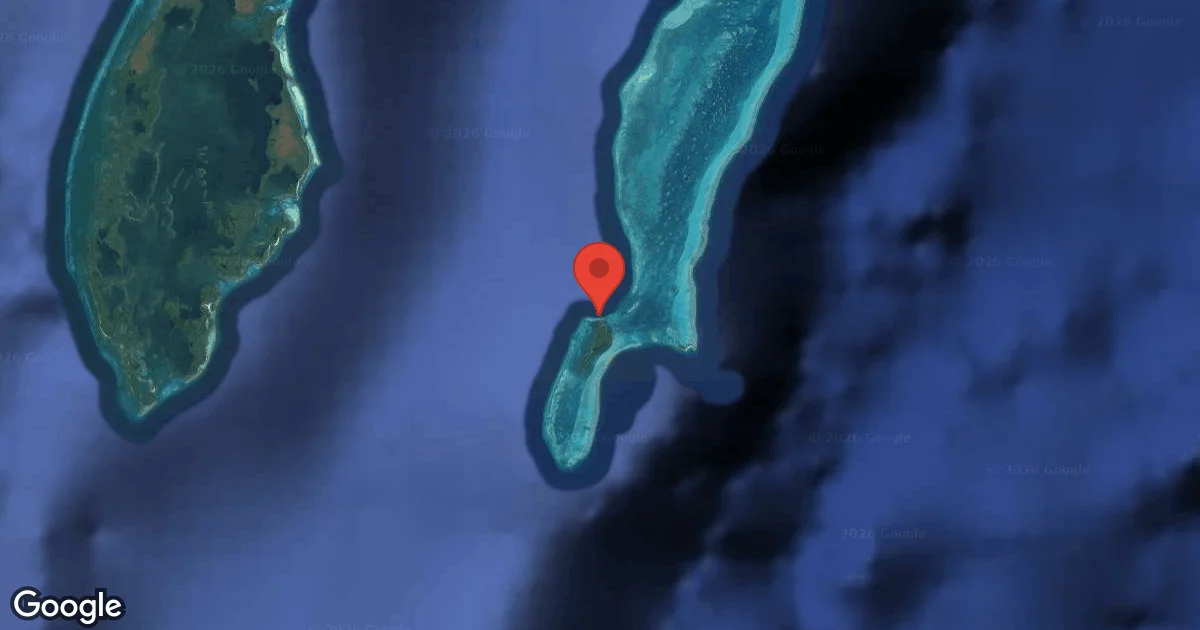
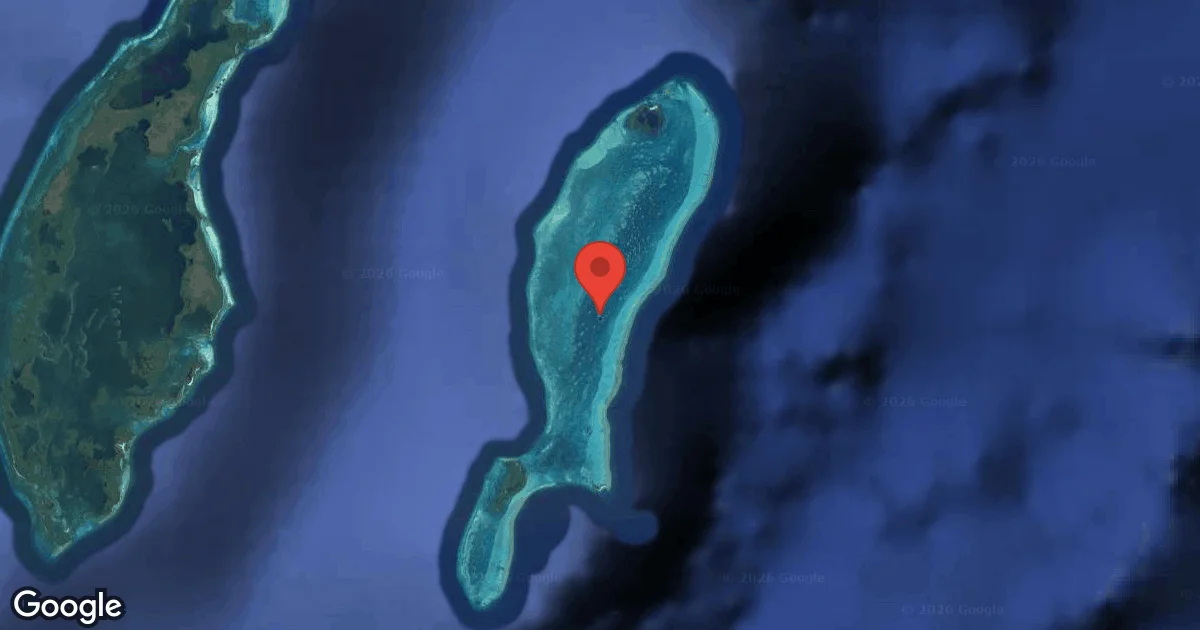
Navigating the dramatic topography of Half Moon Wall challenges divers with its sheer coral face, a hallmark of Belize's Lighthouse Reef Atoll. This particular site, off Half Moon Caye, transitions from a gentle sand slope to an abrupt vertical drop. It invites exploration down its coral-encrusted surface before plunging into a vast, undetermined deep blue, presenting an exhilarating test of buoyancy control and awareness.
As evening covers Half Moon Wall, the local air temperature is measured at 28°C. The current wave height at the surface is recorded at 0.6 m. These late-day readings characterize the surface conditions for the night.
Dive Site Location & Key Facts
Dive Site Overview
Diving at Half Moon Wall commences on a distinct sandy bottom, allowing divers a calm entry before transitioning to the impressive wall itself. This site features a maximum recreational depth typically around 18 m (60 ft), though the coral wall continues far beyond, often described as dropping into an abyss.
Currents here are usually minimal, creating very gentle conditions conducive to relaxed exploration. Visibility is consistently very good, frequently exceeding 30 m (100 ft), enhancing the sense of scale as the reef plunges. Divers can follow the contours of the wall, observing crevices and overhangs adorned with various coral formations.
As the dive progresses, a return to the shallower sandy or grassy areas often reveals garden eels retracting into their burrows. It's an environment rich with opportunities for both wide-angle appreciation of the wall structure and macro observations of smaller marine life.
Conditions are Excellent
07:00 - 14:00
Optimal conditions expected
Current conditions near Half Moon Wall show 28° air, 30° sea temperature, 0.7 m waves, and 19 km/h wind. Forecast data is refreshed regularly to ensure accuracy.
Best Time to Dive
While Half Moon Wall offers rewarding dives throughout the year, distinct seasonal patterns influence the experience. The months of August, September, and October generally present the most favorable conditions, earning 'Good' dive scores due to lower average wave heights, calmer winds, and a slight increase in air temperatures, averaging around 28-29°C (82-84°F). Conversely, months like January, February, and December see 'Moderate' dive scores, often characterized by slightly stronger winds and wave action, which can affect surface comfort during boat transfers. Rainfall during the prime diving months is typically higher compared to the drier spring, but this usually doesn't significantly impact underwater visibility or the overall dive quality, as the site benefits from robust oceanic clarity. Planning a visit during the drier periods from February to April might offer very calm seas, despite the moderate dive scores from other climate factors.
PEAK SEASON SCORE
Scores combine air & water temps, waves, wind & rainfall for overall conditions.
BEST MONTHS TO DIVE
Monthly records compiled from satellite and marine observation nodes over the last 3 years. Data provided by Open-Meteo and MET Norway.
Dive Experience & Conditions
A descent into Half Moon Wall typically begins above a shallow shelf at approximately 6 m (20 ft), where garden eels emerge from the sand. From this shelf, a gentle sandy slope leads to the main drop-off, which then plunges steeply into the deeper ocean. Divers explore along the impressive coral structures that adorn the wall, observing fissures and overhangs covered in a variety of soft corals, barrel sponges, and gorgonians. This intermediate dive site is characterized by its usually gentle currents, making it accessible for divers comfortable with wall environments. The waters here maintain a warm and comfortable temperature, though specific water temperature data isn't consistently reported for all months. Excellent visibility, often exceeding 30 m (100 ft), allows for expansive views of the underwater topography and distant marine encounters.
Dive Difficulty & Safety Guidelines
Approaching Half Moon Wall requires a mindful application of standard wall diving safety protocols, particularly given its dramatic drop-off. Maintaining proper buoyancy control is paramount to prevent accidental deeper excursions and to protect the delicate coral formations. Divers should always monitor their depth and no-decompression limits, especially since the wall continues well beyond the typical recreational depth of 18 m (60 ft).
It's advisable for divers to have recent logged experience, especially if planning to combine this dive with deeper profiles like the Blue Hole. Staying within your certification limits and diving with a reputable operator familiar with the site's characteristics will enhance safety and enjoyment here.
Recommended Equipment
- Dive Computer
- DSMB
This gear list is based on verified equipment signals for Half Moon Wall, Belize. Always confirm final gear choices with your dive operator, guide, or liveaboard.
Recommended Dive Suit
With water temperatures around 30°C (87°F), many divers find a dive skin or rash guard provides comfortable protection.
Being prepared with flexible exposure options is a common approach among experienced divers.
The next few days appear likely to bring similar environmental conditions.
Emergency & Medical Support
Essential information to help you plan your dive trip to Half Moon Wall.

Hyperbaric chambers are a critical part of dive safety infrastructure. Availability varies significantly by region, and not all dive areas have immediate access.
Before diving, it's recommended to:
- confirm nearest medical facilities
- check emergency procedures with local dive operators
- ensure dive insurance covers evacuation if required
Divers Alert Network
Diving emergency assistance available through DAN World.
+1-919-684-9111- 24/7 emergency hotline
- Diving medical assistance
- Evacuation coordination
Emergency contacts are provided for reference. Always verify local emergency services before diving.
Marine Life at Half Moon Wall
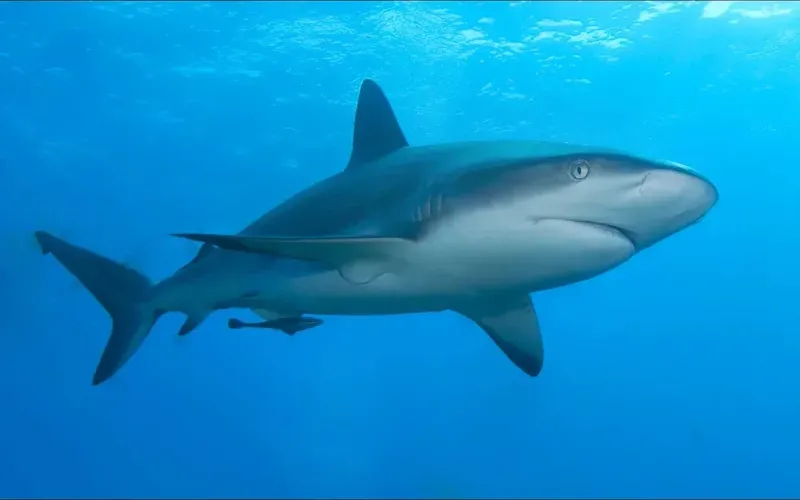
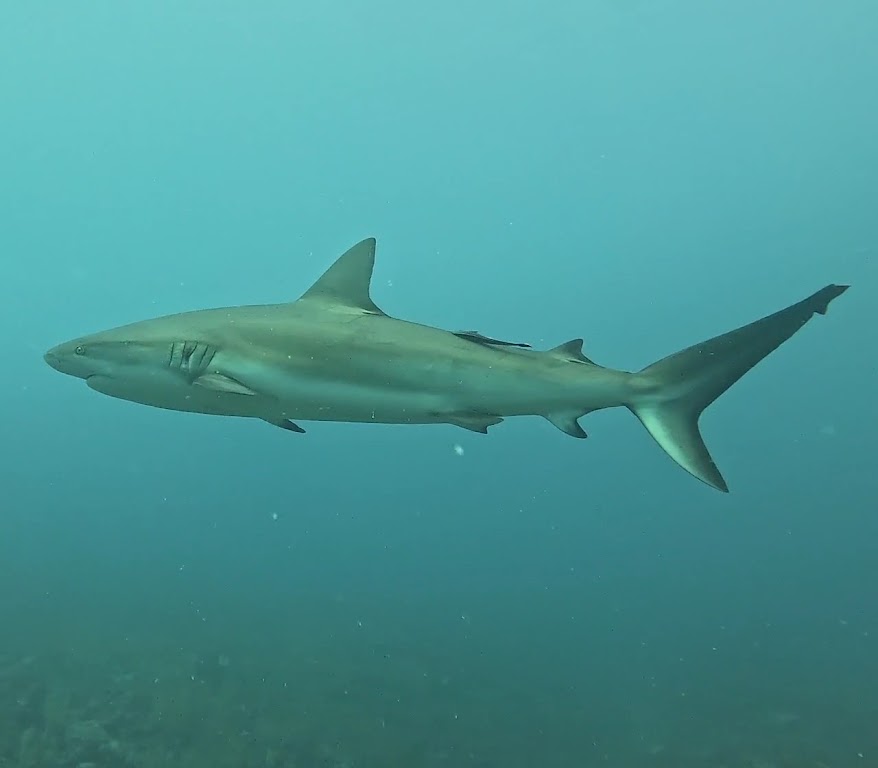
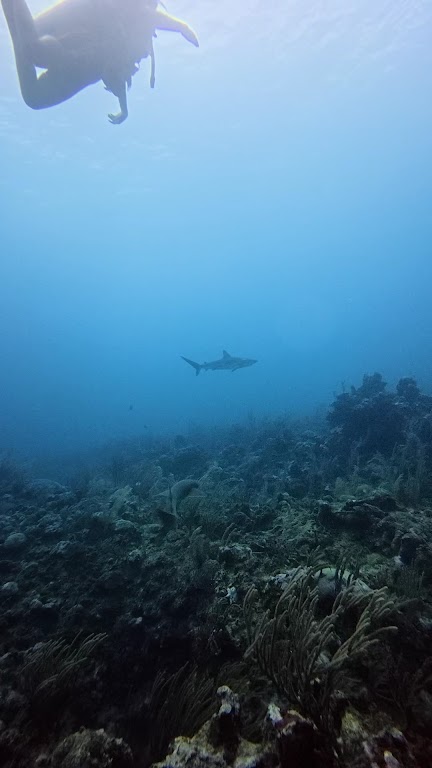
The underwater landscape at Half Moon Wall supports a diverse array of marine life, often visible patrolling the reef's edge or nestled within its structures. Caribbean reef sharks are frequently observed here, cruising along the deeper sections of the wall.
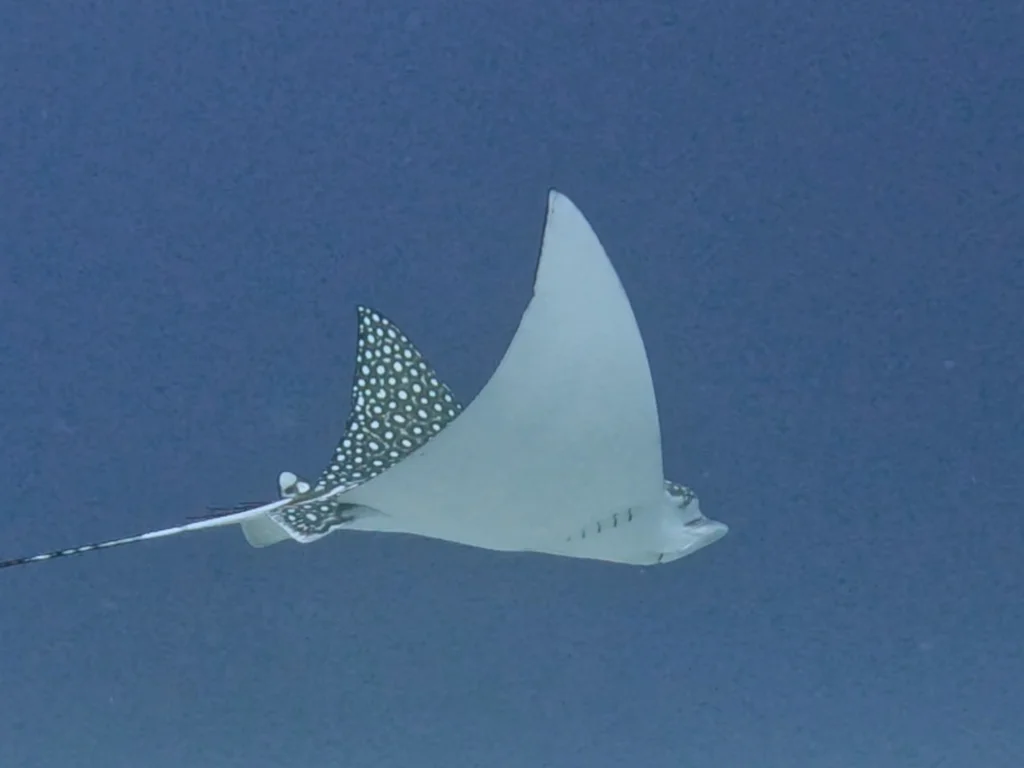
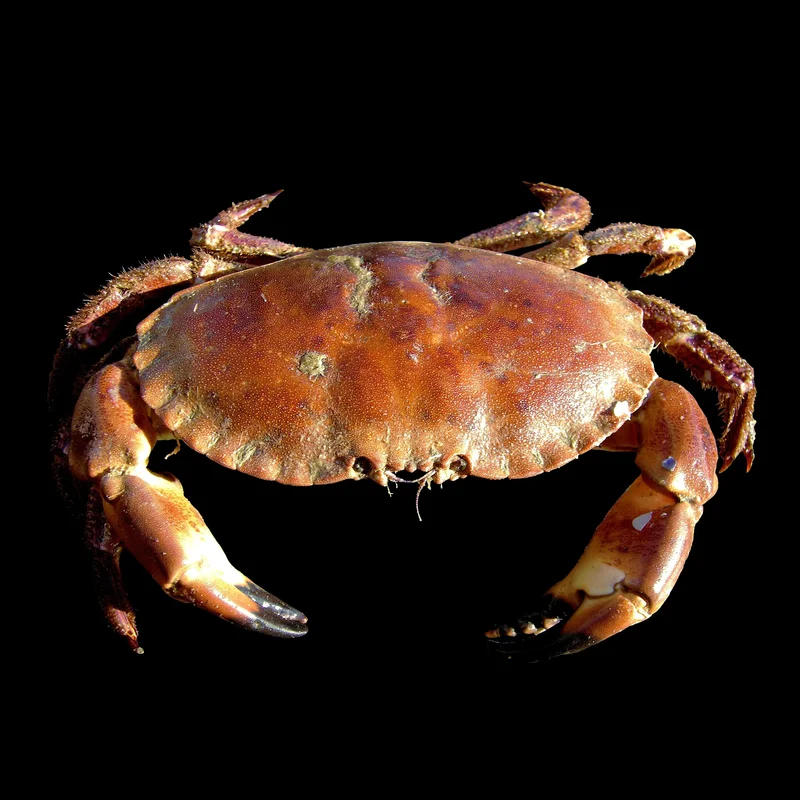
Divers might spot various turtles, groupers, and graceful spotted eagle rays gliding past. Closer inspection of the coral reveals neck crabs expertly camouflaged on sea fans, along with numerous nudibranchs.
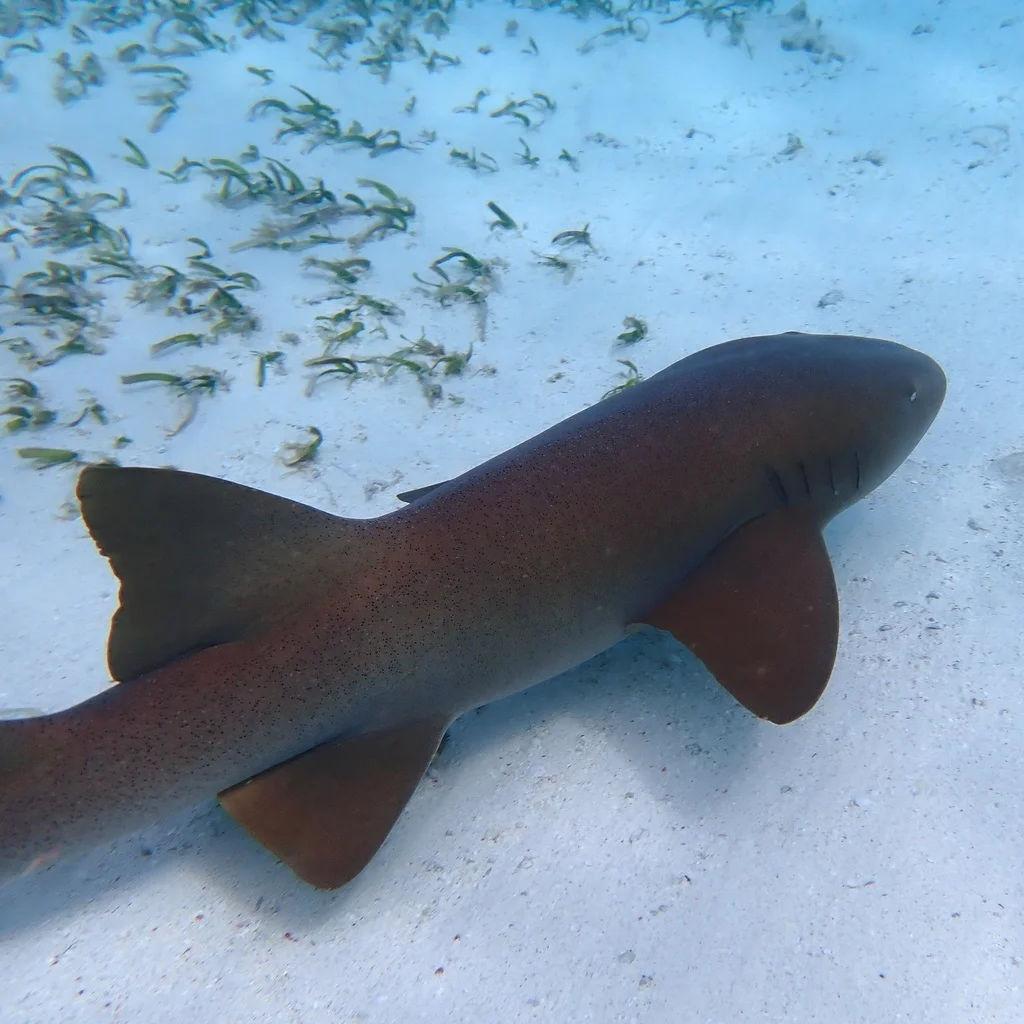
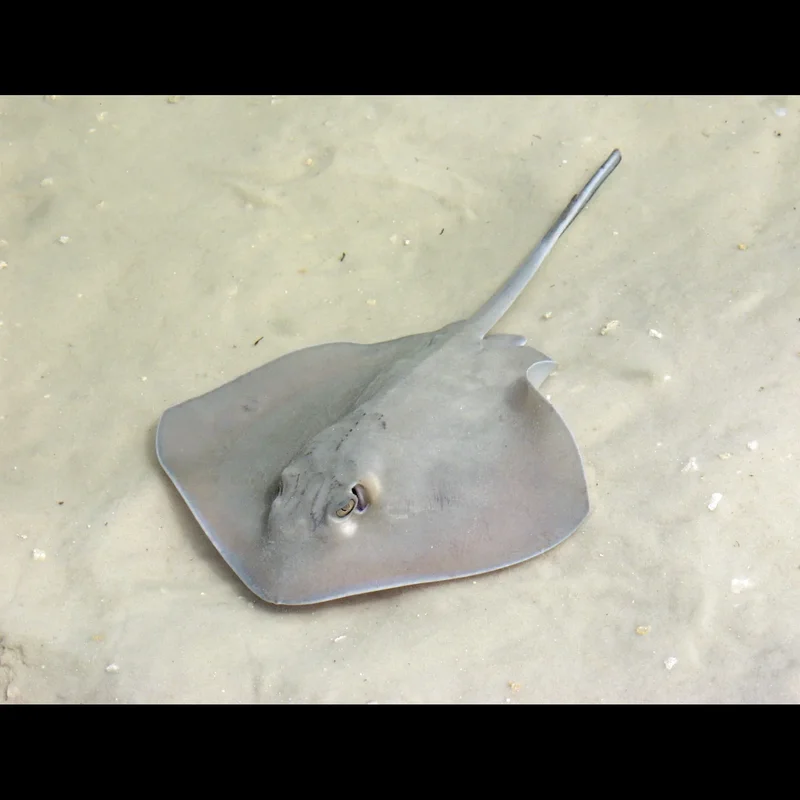
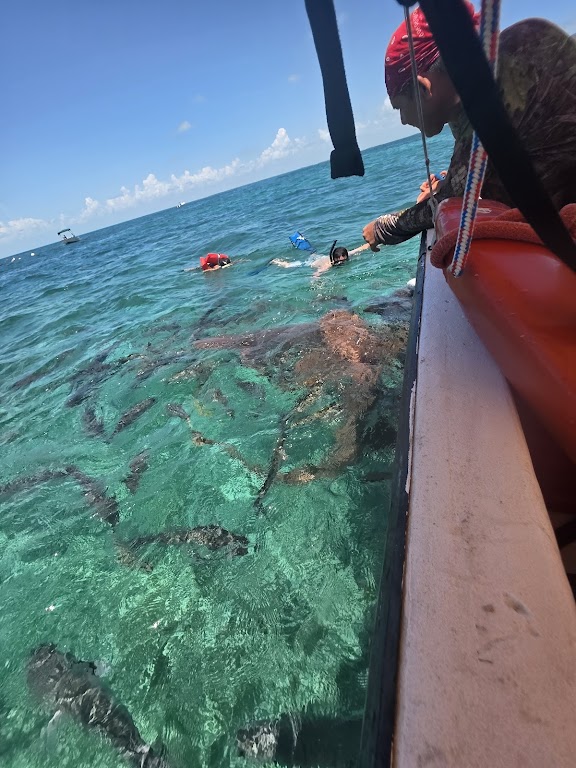
Shallower sandy shelves sometimes harbor large stingrays and nurse sharks, while reef sharks can be seen moving in and out of wall crevices. In the sand and grassy areas near the dive's end, garden eels are commonly encountered, and silver fish often shelter within the coral tunnels, flashing in the sunlight.
Dive Sites Near Half Moon Wall
View all dive sites in BelizeDiscover more underwater gems in this area.
Dive Centers Near Half Moon Wall
Today: 08:15 - 11:00 • 16:30 - 19:00

Nearest Airports
Nearest airports to help plan travel to this dive area.
Search Flights
Check available flights and routes on Expedia, using the nearby airports listed in this section.
Search Flights on ExpediaFrequently Asked Questions
What is the typical maximum depth for a recreational dive at Half Moon Wall?
Recreational dives at Half Moon Wall usually reach a maximum depth of 18 m (60 ft). While the coral wall extends much deeper, this provides ample opportunity to explore the vibrant reef crest and upper wall sections.
What kind of marine life can I expect to see at Half Moon Wall?
Divers commonly encounter Caribbean reef sharks, turtles, groupers, and spotted eagle rays. Smaller critters like neck crabs and nudibranchs are also present, along with razorfish, hogfish, toadfish, and garden eels in sandy areas.
What are the general dive conditions like?
Half Moon Wall typically features very good visibility, often exceeding 30 m (100 ft), and minimal, gentle currents. This makes for a generally calm and clear dive experience, suitable for exploring the wall's features.
Is Half Moon Wall suitable for beginner divers?
Half Moon Wall is generally considered an intermediate dive site due to the nature of wall diving and its depths. While conditions are often gentle, divers should be comfortable with buoyancy control and wall environments.
How do divers typically access Half Moon Wall?
Access to Half Moon Wall is primarily by boat. It's located about 55 miles east of Belize City, often visited as part of a full-day, multi-tank offshore trip from Belize City or via liveaboard.
Are there any park entry fees associated with diving at Half Moon Caye?
Yes, Half Moon Caye is a protected natural monument. A park entry fee, typically around US $10 per person, is usually required to visit the island and its dive sites.
Planning to dive Half Moon Wall?
Send one inquiry and receive offers directly from the best verified local dive operators.
Conditions are Excellent
07:00 - 14:00
Optimal conditions expected
Current conditions near Half Moon Wall show 28° air, 30° sea temperature, 0.7 m waves, and 19 km/h wind. Forecast data is refreshed regularly to ensure accuracy.