
Diving in Belize
Belize features a variety of dive sites, where conditions depend on both environmental factors and site characteristics. Our database currently contains 9 dive locations across Belize. This makes it easier to assess where and when to dive.
Belize offers a diverse diving experience, characterized by its extensive barrier reef system and three major offshore atolls. Divers can explore a variety of underwater landscapes, from dramatic drop-offs and deep marine sinkholes to shallow patch reefs and protected lagoons. The country's consistently warm Caribbean waters, averaging 26-30°C (79-86°F) year-round, provide comfortable conditions for extended dives.
The diving style ranges from exploring the iconic Great Blue Hole within Lighthouse Reef Atoll to encounters with large pelagic species along the Mesoamerican Barrier Reef, the second-largest in the world. This system is home to an impressive array of marine life. Divers can expect to see Caribbean reef sharks, nurse sharks, and spotted eagle rays, alongside various species of turtles.
Many destinations, such as Ambergris Caye, Caye Caulker, and Placencia, serve as convenient gateways to these underwater environments. Turneffe Atoll, another significant offshore atoll, further contributes to Belize's rich biodiversity. The variety of environments ensures that both shallower reef explorations and more challenging deep wall dives are readily available for different skill levels.
Dive Map of Belize
Belize's dive sites span its extensive barrier reef system and three major offshore atolls: Lighthouse Reef, Turneffe Atoll, and Glover's Reef. This geographical distribution creates diverse diving opportunities, from the northern cayes of Ambergris Caye and Caye Caulker to the southern coast near Placencia.
Access to these areas varies. The Great Blue Hole, located within Lighthouse Reef Atoll, is a more distant destination often reached via liveaboard trips. Glover's Reef, a protected offshore atoll, also requires travel further from the mainland.
Many other sites are readily accessible from resort-based operations. Destinations such as Turneffe Island, Ambergris Caye, and Placencia serve as hubs. This allows divers to choose between easily reached fringing reefs and more remote atoll environments.
Dive Sites to Explore
View all 9 sites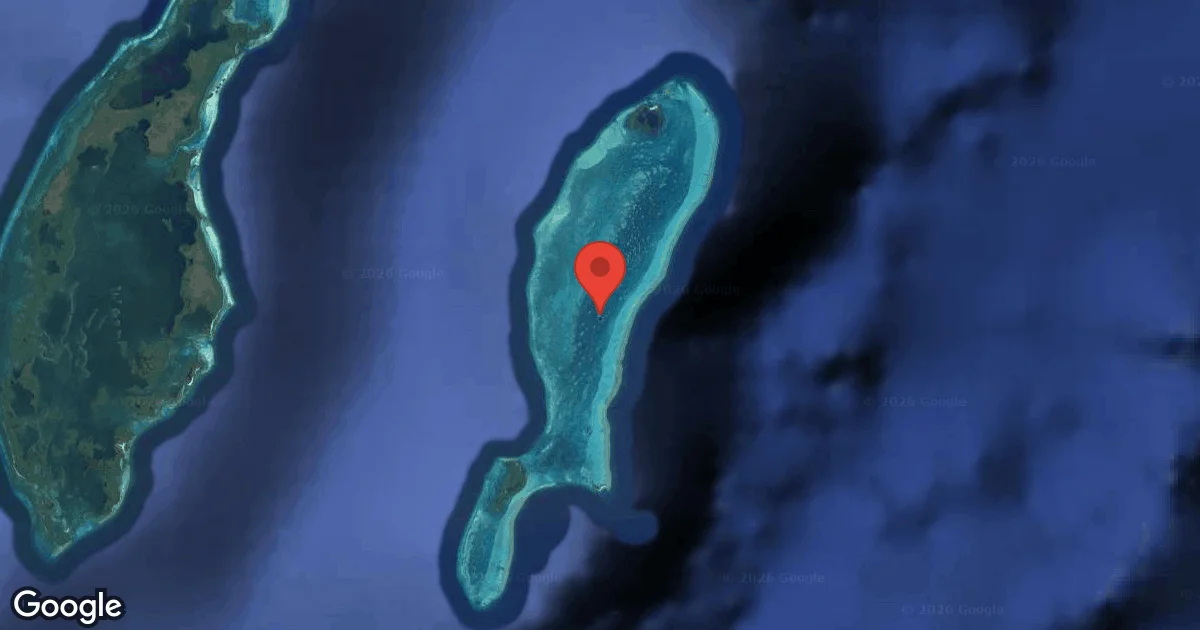
Belize's diving is perhaps best defined by the Great Blue Hole, a globally recognized marine sinkhole situated within Lighthouse Reef Atoll. This massive geological formation, approximately 130 meters (426 ft) wide, presents a distinctive deep dive into its cavern zone, where divers can observe impressive limestone formations, pinnacles, and overhangs. Visibility here can extend down to 40 meters (130 ft), providing clear views of its ancient structures, though marine life such as reef and bull sharks are typically spotted closer to the surface.
Beyond this iconic site, several other locations offer distinct diving experiences. Half Moon Caye Wall, also within Lighthouse Reef Atoll, features vertical drop-offs adorned with various sponges, tubes, and coral formations. Here, divers frequently encounter eagle rays cruising the currents. This wall dive showcases the diverse architecture of the outer reef.
The Elbow, located in Turneffe Atoll, is noted for a dramatic twist in the reef and dizzying drop-offs, providing an exhilarating drift diving experience. This site is a prime example of the pelagic action found in the atolls. Glover’s Reef is a well-protected atoll with corals established at significant depths. Its lagoons are known for good underwater visibility, and it serves as a critical spawning site for the endangered Nassau grouper.
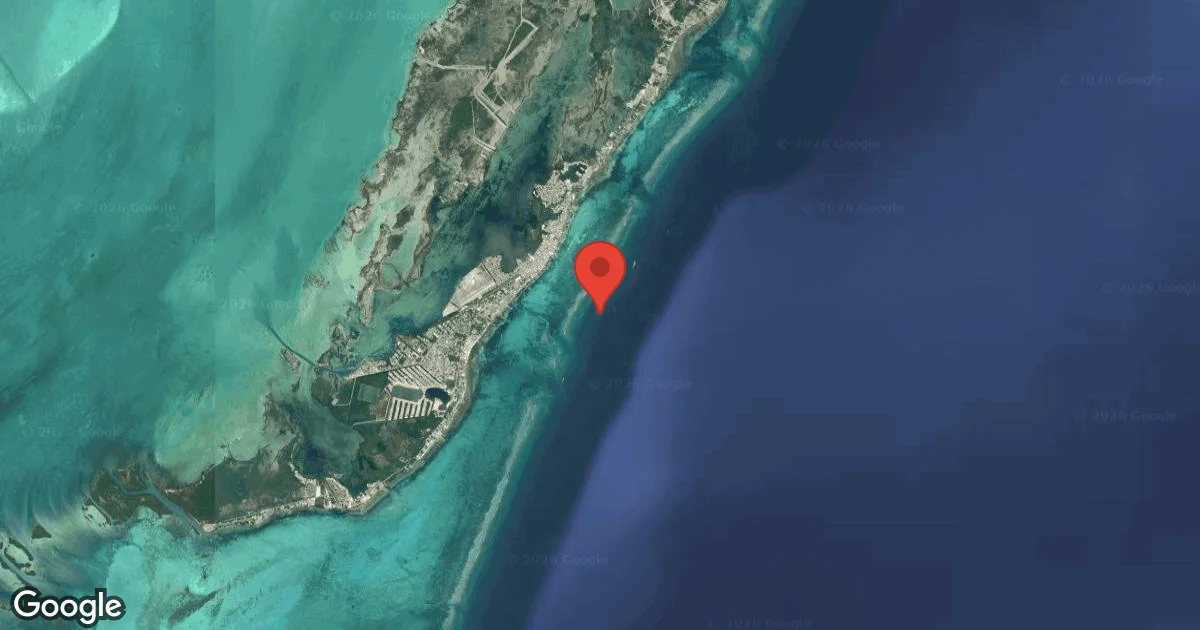
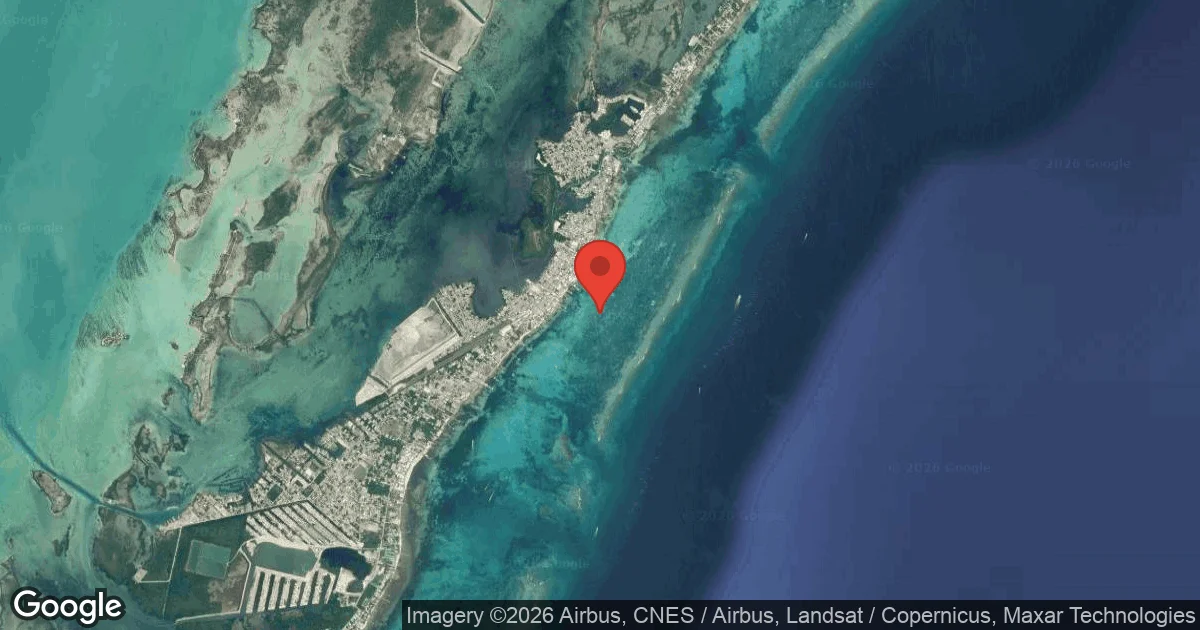
For those seeking encounters with larger pelagics, the Gladden Spit area, particularly within the Silk Cayes Marine Reserve off Placencia, offers high probabilities of spotting whale sharks. These encounters are most frequent around the full moon periods from March to June, when various snapper species gather to spawn. Shark Ray Alley within the Hol Chan Marine Reserve provides a different experience, characterized by a shallow sand flat where nurse sharks and Southern stingrays gather, making it accessible for snorkelers and divers alike.
Best Time to Dive in Belize
Considering crowds and conditions, Belize's dry season, running from December to May, is generally considered the peak time for diving. This period brings calmer seas, minimal rain, and excellent underwater visibility, often reaching 30 meters (100 ft) or more, particularly at the outer reefs and atolls. Many divers prefer these months for optimal conditions and easier travel, though it corresponds with higher tourist numbers.
Conversely, the wet season, from June through November, sees higher humidity and occasional afternoon showers. However, diving remains consistent, especially around the offshore atolls like Turneffe and Lighthouse Reef, which are less impacted by mainland runoff. During this "green season," tourist crowds thin out, offering a more peaceful experience for divers. Water temperatures remain consistently warm, ensuring comfortable dives. While July and August can offer some of the best visibility with fewer tourists, there is a chance of hurricanes between August and October.
For specific marine life encounters, whale shark season is a significant draw, occurring primarily from March to June. These gentle giants are most reliably sighted near the Gladden Spit area, especially around the full moon periods when snapper species gather to spawn. Planning a trip during these months provides the highest probability of an encounter. Overall, Belize offers favorable diving conditions throughout the entire year, allowing flexibility for travel planning.
Monthly Sea Temperatures
Consistent warmth characterizes Belize's sea temperatures, ensuring comfortable diving throughout the year. Waters generally range from 26°C (79°F) in cooler periods to 29°C (84°F) during warmer months. Some fluctuations can see temperatures reach up to 30°C (86°F) across the seasons.
These warm Caribbean waters mean divers typically need minimal thermal protection. A 3mm wetsuit or a rashguard is often sufficient. This stability allows for extended dive times and pleasant surface intervals.
The reliable warmth is a primary reason Belize functions as a year-round diving destination. Divers can focus on the underwater experience without concerns about cold water.
| Jan | Feb | Mar | Apr | May | Jun | Jul | Aug | Sep | Oct | Nov | Dec | |
|---|---|---|---|---|---|---|---|---|---|---|---|---|
| Max | 27° | 27° | 28° | 28° | 29° | 30° | 30° | 30° | 30° | 30° | 29° | 28° |
| Avg | 26° | 26° | 27° | 28° | 28° | 29° | 29° | 29° | 30° | 29° | 28° | 27° |
| Min | 26° | 26° | 26° | 27° | 28° | 28° | 28° | 29° | 29° | 28° | 27° | 26° |
Dive Conditions
Underwater visibility in Belize is generally good, supporting clear views of its extensive reef systems. Clarity typically ranges from 15 to 30 meters (50 to 100 ft) across many sites. During the dry season, from December to May, visibility often improves, especially around the outer reefs and atolls. The Great Blue Hole, for instance, can offer visibility down to 40 meters (130 ft) in optimal conditions.
However, visibility can decrease closer to the mainland during the wet season due to runoff. Currents vary from mild to occasionally strong, depending on the specific dive site and time of year. Many shallow reefs provide gentle conditions suitable for all diver levels.
Sites like Half Moon Caye Wall or The Elbow in Turneffe Atoll can experience more substantial currents, creating opportunities for drift dives. Divers should be prepared for these varying strengths, which influence dive planning and site selection. The range of conditions supports diverse diving styles.
Marine Life Highlights
Most Mentioned Species
Marine life in Belize varies across dive locations, with different species appearing depending on environment and conditions. The species highlighted here are the most frequently associated with dive sites in our data, offering a realistic overview of what divers are most likely to encounter.
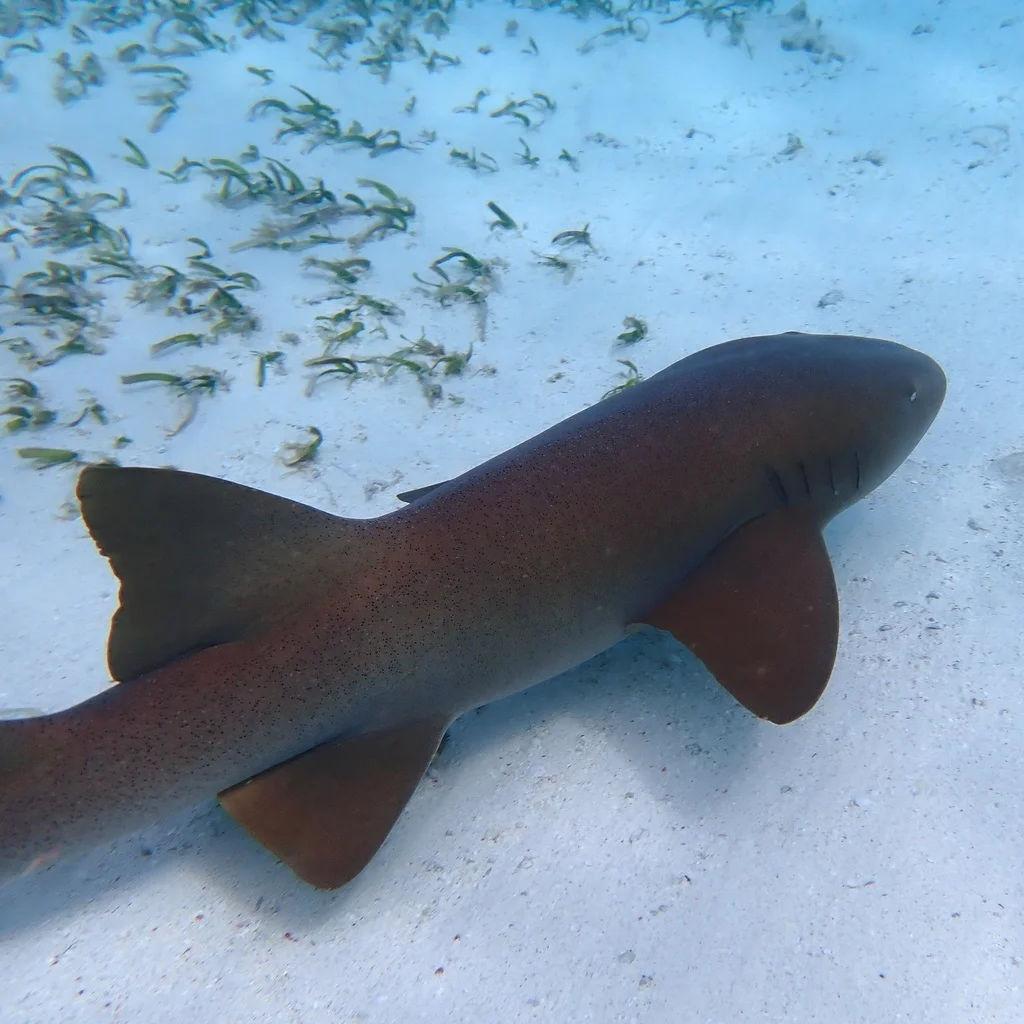
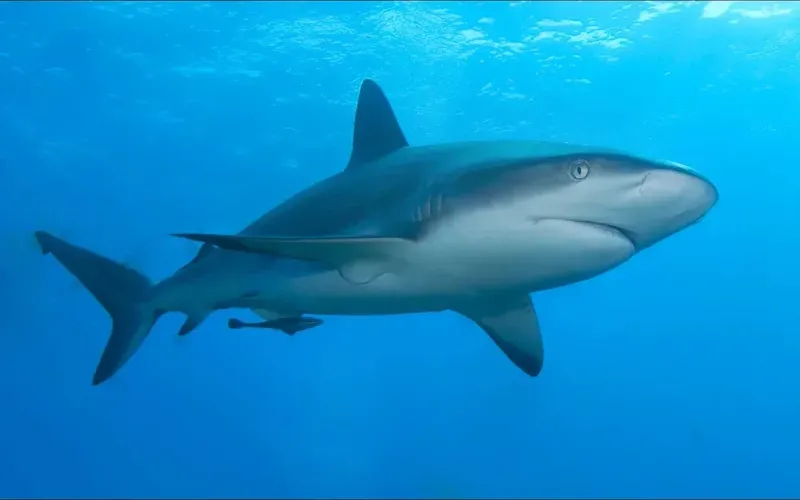
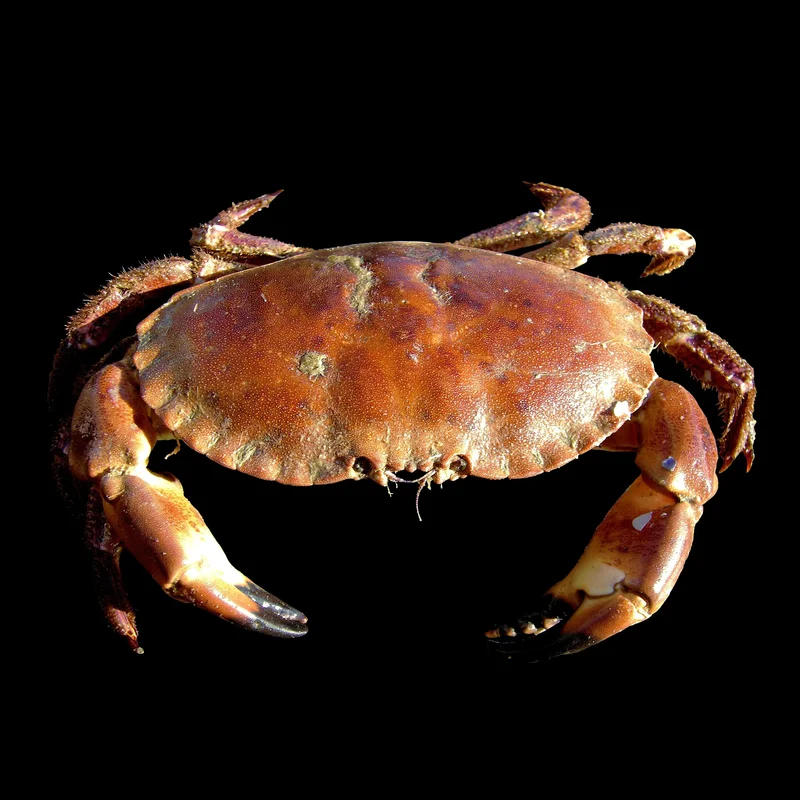
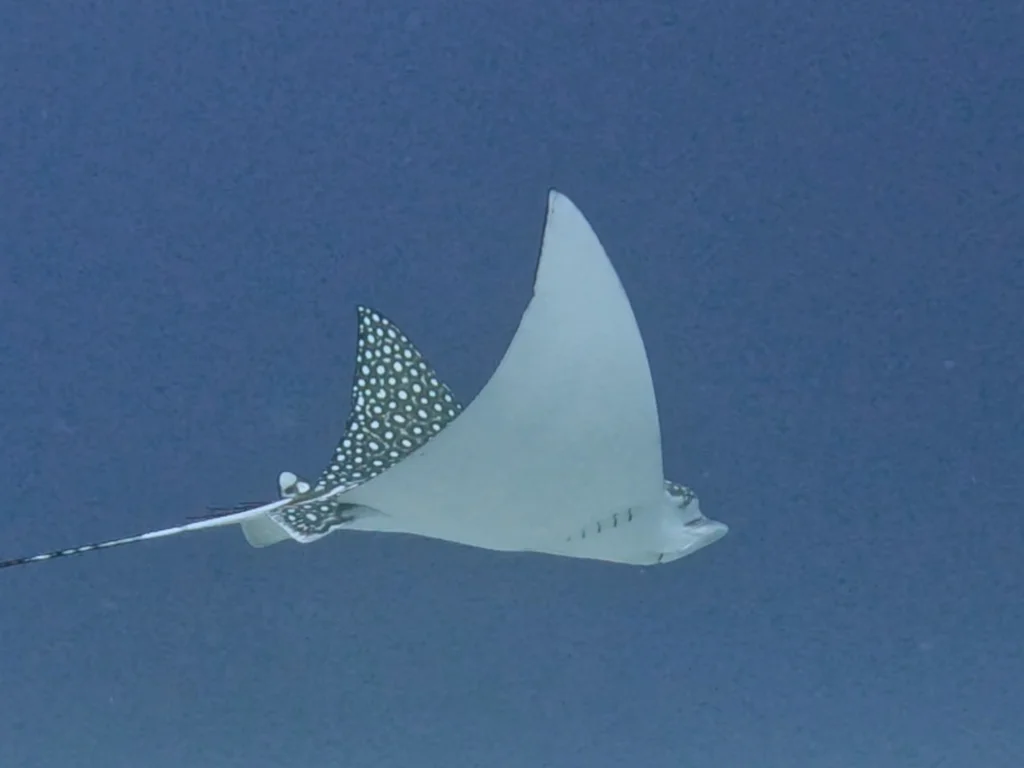
Belize's extensive Barrier Reef system supports a rich biodiversity, with over 500 species of fish and 70 types of hard coral. Divers can regularly encounter Caribbean reef sharks, nurse sharks, and spotted eagle rays across many sites. Green, hawksbill, and loggerhead sea turtles are also frequently sighted.
A seasonal highlight includes whale shark encounters, primarily at Gladden Spit and Silk Cayes Marine Reserve between March and June. These sightings align with fish spawning periods. Beyond larger species, the reefs host schools of jacks, barracuda, and various snappers.
For those interested in smaller inhabitants, seahorses, pipefish, and blennies are present. Macro photography opportunities also exist with nudibranchs, octopuses, and the endemic white-spotted toadfish. The diverse coral formations, including tube and barrel sponges, provide a complex backdrop for these marine observations.
Regions for Diving
Belize’s diving landscape is broadly categorized into distinct regions, each providing diverse underwater experiences. These areas are characterized by their proximity to the Mesoamerican Barrier Reef or the country's three offshore atolls, offering a range of dive profiles and marine encounters.
The Northern region, encompassing destinations like Ambergris Caye and Caye Caulker, is the most accessible. Diving here is dominated by extensive fringing and patch reefs interspersed with sand channels. Key sites include the Hol Chan Marine Reserve and Shark Ray Alley, where divers and snorkelers can easily observe gatherings of nurse sharks and Southern stingrays in shallow waters. This area provides convenient resort-based diving with good visibility and consistently warm water temperatures.
Further offshore lie the iconic Atolls, including Lighthouse Reef Atoll and Turneffe Atoll, which are biodiversity hotspots. Lighthouse Reef is home to the Great Blue Hole, a globally recognized site offering deep dives into its cavern zone with impressive geological formations and visibility up to 40 meters (130 ft). Also within Lighthouse Reef is Half Moon Caye Wall, known for its vertical drop-offs adorned with sponges and corals, and frequent sightings of eagle rays and reef sharks. Turneffe Atoll, a protected marine reserve, features sites like "The Elbow" with dramatic drop-offs and potential for pelagic encounters. Its inner reefs and back reef lagoons are excellent for macro life such as seahorses and nudibranchs, alongside spotted eagle rays and turtles. These atolls generally maintain excellent visibility and warm temperatures, though access to Lighthouse Reef often requires liveaboard trips due to its remoteness.
The Southern region, centered around Placencia and Southwater Caye, stands out for its opportunities to encounter larger marine life. The Gladden Spit and Silk Cayes Marine Reserve, off Placencia, is a prime location for whale shark sightings between March and June, particularly during full moon periods when fish spawning occurs. This area boasts some of Belize's most dramatic walls and significant pelagic action, though reaching these sites can involve longer boat rides and open ocean conditions. Glover's Reef, another remote atoll in this region, is a well-protected area known for its healthy corals and as a spawning site for the endangered Nassau grouper. While requiring more effort to access, the southern sites reward divers with remarkable biodiversity and big fish encounters.
Travel & Passport Guide
Travel Basics
Trip Planning
Safety & Diving Considerations
Effective pre-dive planning is crucial for a safe and rewarding experience in Belize. Divers should confirm their certification levels match the demands of planned dives, particularly for deeper or drift-prone sites. Maintaining good physical health and securing appropriate dive insurance are also important preparations.
While many areas present mild conditions, currents can vary significantly between sites, with some offshore locations experiencing stronger flows. It is advisable to dive with experienced operators who possess detailed knowledge of local conditions and prioritize diver safety.
Professional dive centers adhere to standard emergency protocols. Being aware of environmental factors, such as boat traffic and marine life interactions, further contributes to overall safety. Careful planning and clear communication with dive guides are essential for navigating Belize's diverse underwater environments responsibly.
Dive Centers in Belize
View all 13 dive centers

Frequently Asked Questions
When is the best time to dive in Belize for optimal conditions?
The dry season, from December to May, is generally considered the best time to dive in Belize, offering calmer seas and excellent visibility, often reaching 30 meters (100 ft). Water temperatures remain warm, averaging 26-29°C (79-84°F). For specific encounters like whale sharks, planning a trip between March and June, especially around the full moon, is ideal at sites like Gladden Spit. While the wet season brings occasional showers, offshore atolls remain good, and crowds are smaller.
What unique marine life can divers expect to see in Belize?
Divers in Belize can anticipate encounters with a rich array of marine life. The larger pelagic species include spotted eagle rays, nurse sharks, and various Caribbean reef sharks. Whale sharks are a seasonal highlight, primarily seen from March to June. The reefs host abundant fish species, including angelfish, barracuda, and jacks. Macro enthusiasts can spot seahorses, pipefish, and nudibranchs. Green, hawksbill, and loggerhead sea turtles are also commonly sighted.
What are the typical water temperatures and visibility conditions in Belize?
Belize offers consistently warm water temperatures, typically ranging from 26°C (79°F) in winter to 29°C (84°F) in summer, sometimes reaching 30°C (86°F). This warmth allows for comfortable diving year-round. Underwater visibility is generally good, often between 15 to 30 meters (50 to 100 ft). At iconic sites like the Great Blue Hole, visibility can extend to 40 meters (130 ft) during peak conditions.
Which dive sites are considered essential to explore in Belize?
Essential dive sites in Belize include the Great Blue Hole within Lighthouse Reef Atoll, a site recognized for its deep cavern zone and distinctive geological formations. Half Moon Caye Wall, also in Lighthouse Reef, offers stunning vertical drop-offs. Turneffe Atoll features "The Elbow" for exciting drift dives and its inner reefs for macro life. For whale shark encounters, Gladden Spit and Silk Cayes Marine Reserve are prime. Shark Ray Alley in Hol Chan Marine Reserve provides shallow encounters with nurse sharks and stingrays.
Are there different diving regions to consider in Belize?
Yes, Belize's diving is divided into several key regions. The Northern region, around Ambergris Caye and Caye Caulker, offers accessible fringing reefs. The offshore Atolls, including Lighthouse Reef and Turneffe Atoll, provide more remote, deeper dives and pelagic encounters. The Southern region, near Placencia and Southwater Caye, is known for dramatic walls and seasonal whale shark sightings at Gladden Spit. Each region provides distinct experiences and access levels.
What are the general current conditions like in Belize?
Current conditions in Belize can vary. Many shallow reef areas feature mild currents, suitable for divers of all experience levels. However, some offshore sites and atoll walls, such as Half Moon Caye Wall or "The Elbow" in Turneffe Atoll, can experience stronger currents. These stronger currents often provide excellent opportunities for drift diving and can bring in larger pelagic species. Dive operators will assess conditions daily and guide divers to appropriate sites.