
Diving at The Great Blue Hole (Belize)
Descending into The Great Blue Hole presents a singular challenge, a journey into the geological heart of Belize's barrier reef system. This deep marine sinkhole, a natural wonder, calls for divers prepared to navigate its unique structure. Understanding the site's verticality and depth is paramount for a safe and rewarding experience. It's a dive demanding respect for its natural forces and advanced skill.
Tonight's objective overview for The Great Blue Hole shows an air temperature of 29°C. The measured surface conditions include wave heights around 0.6 m. This environmental data is logged for the close of the day.
Dive Site Location & Key Facts
Dive Site Overview
This iconic natural wonder, a vast circular sinkhole, compels divers with its impressive scale and geological formations. Plunging through layers, divers encounter a series of massive stalactites and stalagmites, evidence of its ancient past as a dry cave system.
These formations, some reaching considerable sizes, become visible around 30 m (100 ft) to the recreational diving limit, providing a dramatic visual spectacle. The dive profile typically involves a controlled descent to explore these cavern structures, followed by a gradual ascent along the outer wall. While the total depth of the hole reaches 124 m (407 ft), recreational dives usually remain within the 40 m (130 ft) limit.
Water temperature for this site is not consistently reported, however, the air temperature generally ranges from 25-29°C (77-84°F) throughout the year, suggesting typically warm surface conditions. Expect minimal currents within the blue hole itself, creating a calm environment for exploration.
Conditions are Good
Optimal conditions expected
Current conditions near The Great Blue Hole show 29° air, 30° sea temperature, 0.6 m waves, and 21 km/h wind. Forecast data is refreshed regularly to ensure accuracy.
Best Time to Dive
Planning a dive to The Great Blue Hole involves weighing seasonal weather patterns, with 'Good' dive conditions typically observed from August through October. During these months, average wave heights are lower, around 0.8-0.9 m (2.6-3 ft), and wind speeds are reduced, often around 26-28 km/h (16-17 mph). This can contribute to smoother surface conditions for boat travel to the distant site. Conversely, the period from November to July generally registers as 'Moderate' for diving, often due to increased wave heights, potentially reaching 1.3-1.4 m (4.3-4.6 ft) and higher wind speeds, up to 34 km/h (21 mph), making for a choppier ride. Rain averages also show significant variation, with the driest months being April and May, averaging less than 1 mm, while November can see averages up to 13.9 mm.
PEAK SEASON SCORE
Scores combine air & water temps, waves, wind & rainfall for overall conditions.
BEST MONTHS TO DIVE
Monthly records compiled from satellite and marine observation nodes over the last 3 years. Data provided by Open-Meteo and MET Norway.
Dive Experience & Conditions
Navigating the entrance of The Great Blue Hole, divers can anticipate primarily calm surface waters once inside the sheltered circle, though transit to the site may involve choppier conditions. Visibility typically remains excellent within the cenote, often exceeding 30 m (100 ft) horizontally, due to limited sediment and tidal exchange. As divers descend past 15 m (50 ft), the light gradually diminishes, emphasizing the cavern's immense scale. No strong currents are typically reported within the hole itself, making for a relatively serene descent and ascent along the massive wall formations. Water temperatures are not consistently reported for depth, but surface conditions are generally warm, with air temperatures averaging 25-29°C (77-84°F) annually.
Dive Difficulty & Safety Guidelines
Diving The Great Blue Hole demands a solid foundation in advanced diving skills due to its significant depth and cavern environment. Adhering to strict depth limits, typically 40 m (130 ft) for recreational divers, is crucial for safety. The dive profile involves prolonged time at depth, making sound buoyancy control and careful air management essential.
Divers must ensure they possess appropriate certifications, such as Advanced Open Water, and consider additional cavern or deep diver specialties. Always dive with a reputable operator and experienced guides familiar with the site's unique characteristics.
Maintain awareness of your no-decompression limits and ascent rates, especially given the remote location.
Recommended Equipment
Deep dive hazard. Increased narcosis and gas consumption risk.
Overhead environment. Do not enter beyond training and gas planning limits.
- Dive Computer
- DSMB
- Primary & Backup Lights
- Reel / Spool
- Cutting Tool
This gear list is based on verified equipment signals for The Great Blue Hole, Belize. Always confirm final gear choices with your dive operator, guide, or liveaboard.
Recommended Dive Suit
The coming days appear slightly cooler according to the latest forecast. Cooler days are ahead; you might want a warmer option for later in the week. A hood or vest can noticeably improve warmth during longer dives.
Many experienced divers would consider dive skin or rash guard an appropriate choice here.
Current dive conditions indicate that water temperatures around The Great Blue Hole are sitting at roughly 30°C (86°F). Surface air temperatures are resting at 29°C (85°F).
Emergency & Medical Support
Essential information to help you plan your dive trip to The Great Blue Hole.

Hyperbaric chambers are a critical part of dive safety infrastructure. Availability varies significantly by region, and not all dive areas have immediate access.
Before diving, it's recommended to:
- confirm nearest medical facilities
- check emergency procedures with local dive operators
- ensure dive insurance covers evacuation if required
Divers Alert Network
Diving emergency assistance available through DAN World.
+1-919-684-9111- 24/7 emergency hotline
- Diving medical assistance
- Evacuation coordination
Emergency contacts are provided for reference. Always verify local emergency services before diving.
Marine Life at The Great Blue Hole
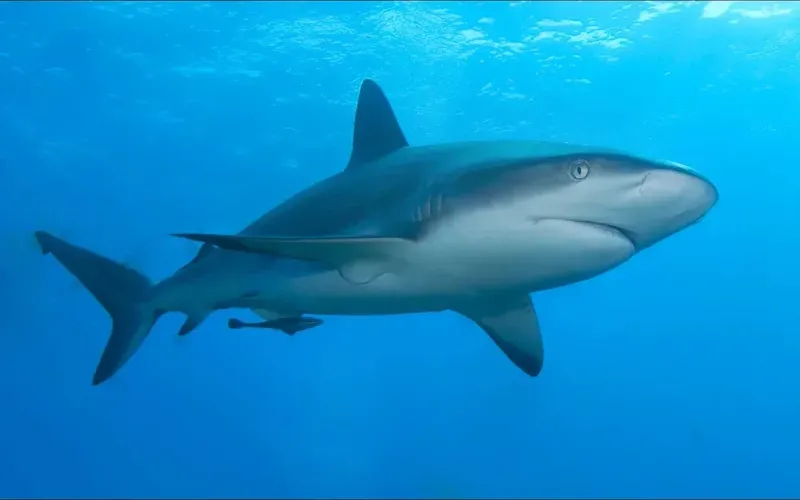
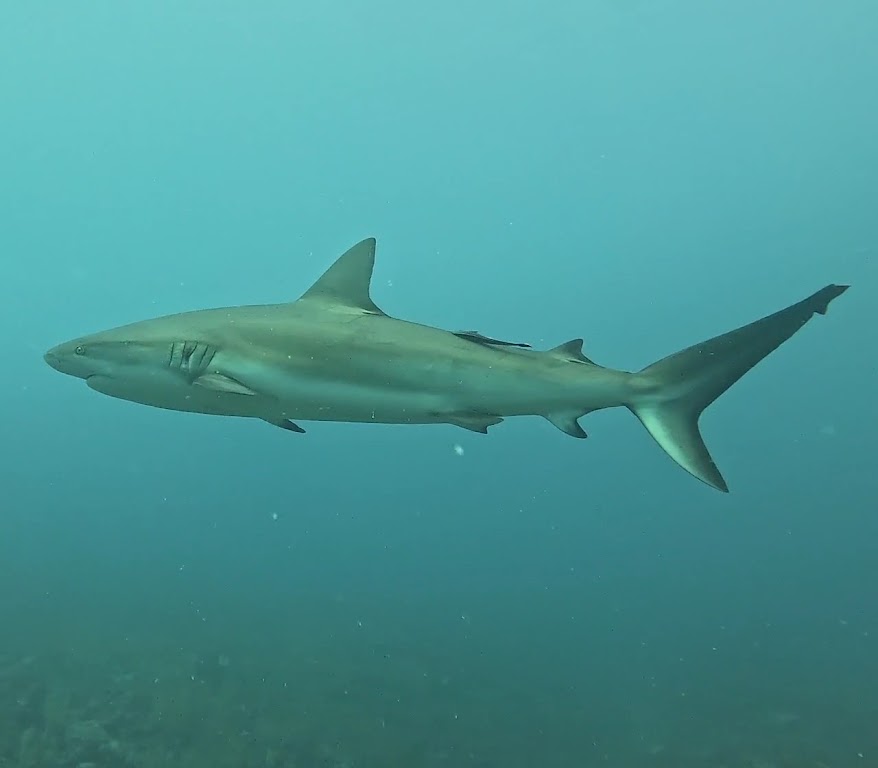
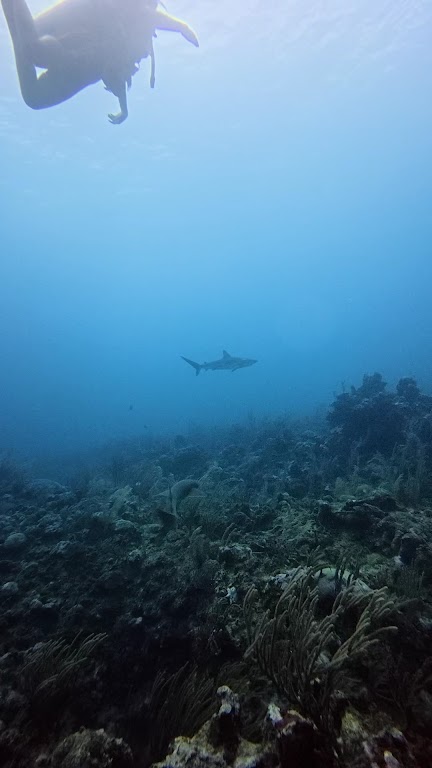
The primary focus of a dive here centers on the dramatic geological architecture rather than dense coral gardens. While the walls of The Great Blue Hole itself are not covered in extensive reef systems, observant divers might spot reef sharks patrolling the deeper sections.
Encounters with larger pelagic species are infrequent but possible, particularly closer to the rim or during the surface intervals. The absence of specific marine life data from internal records suggests a focus on the unique underwater landscape, with marine sightings varying depending on conditions and luck.
Dive Sites Near The Great Blue Hole
View all dive sites in BelizeDiscover more underwater gems in this area.
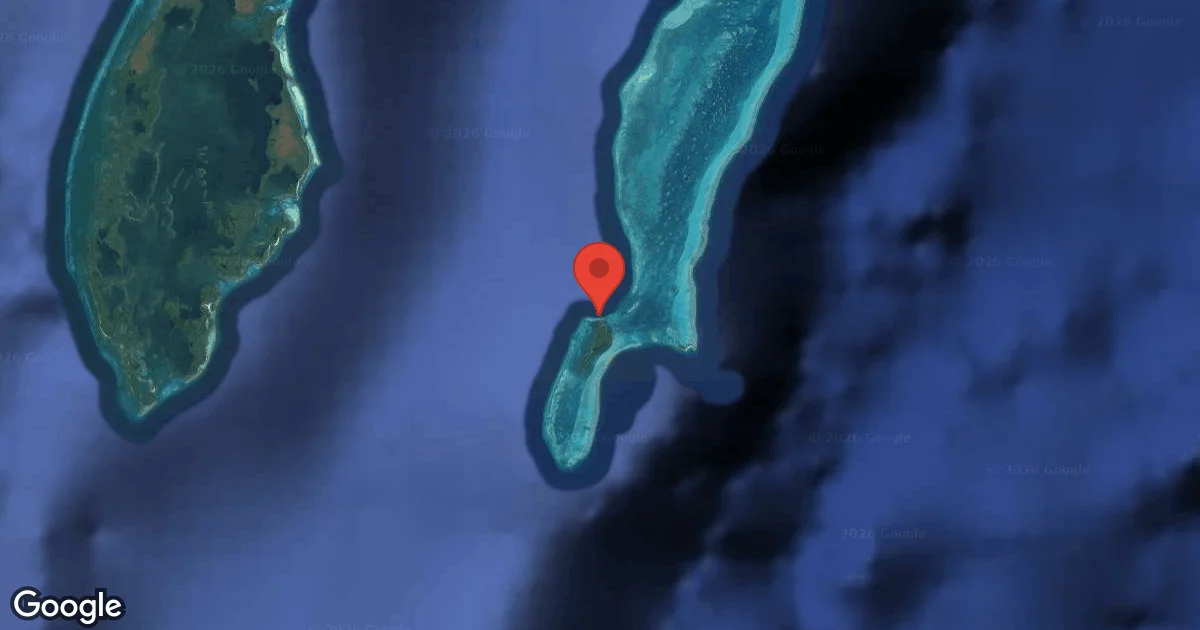
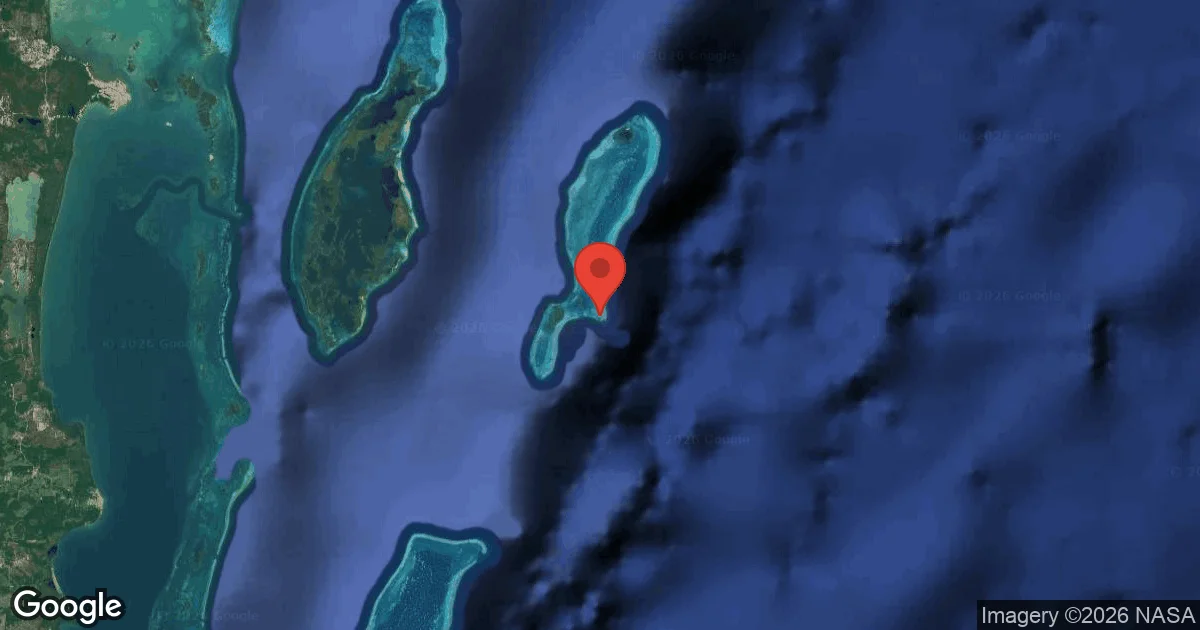
Dive Centers Near The Great Blue Hole
Today: 08:15 - 11:00 • 16:30 - 19:00
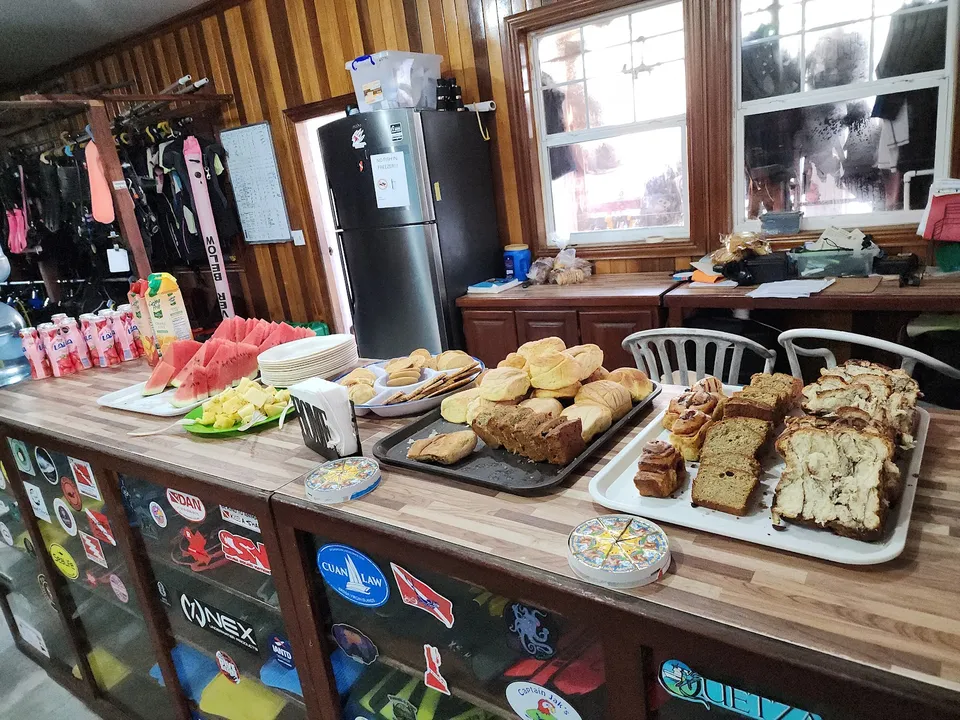
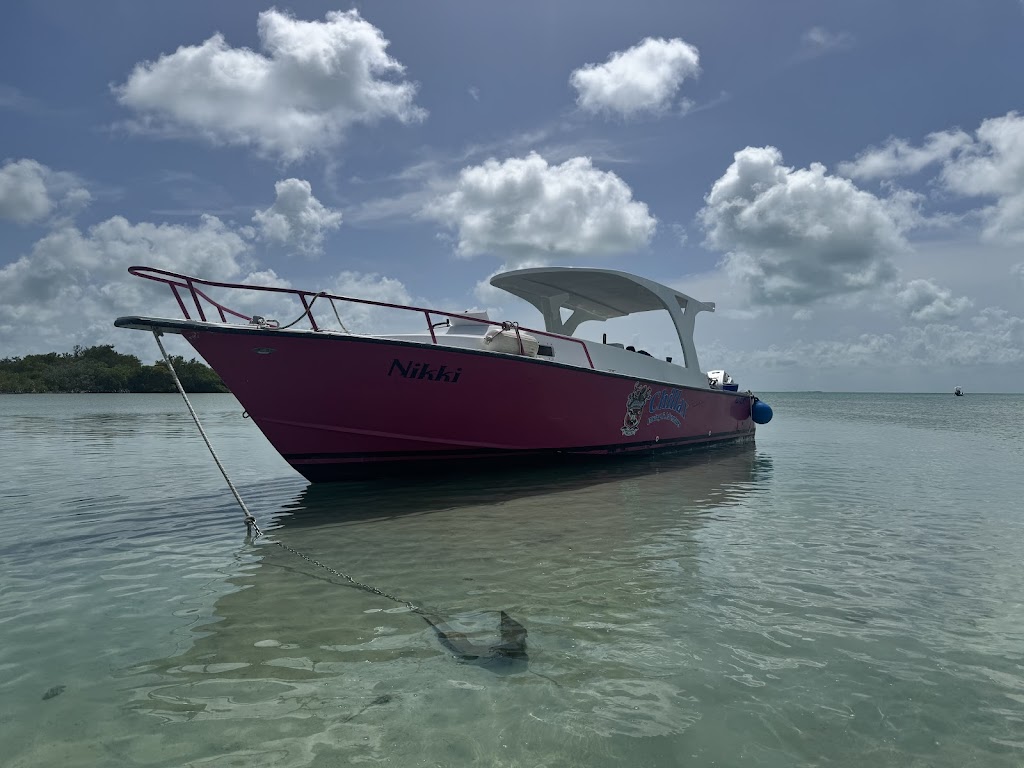
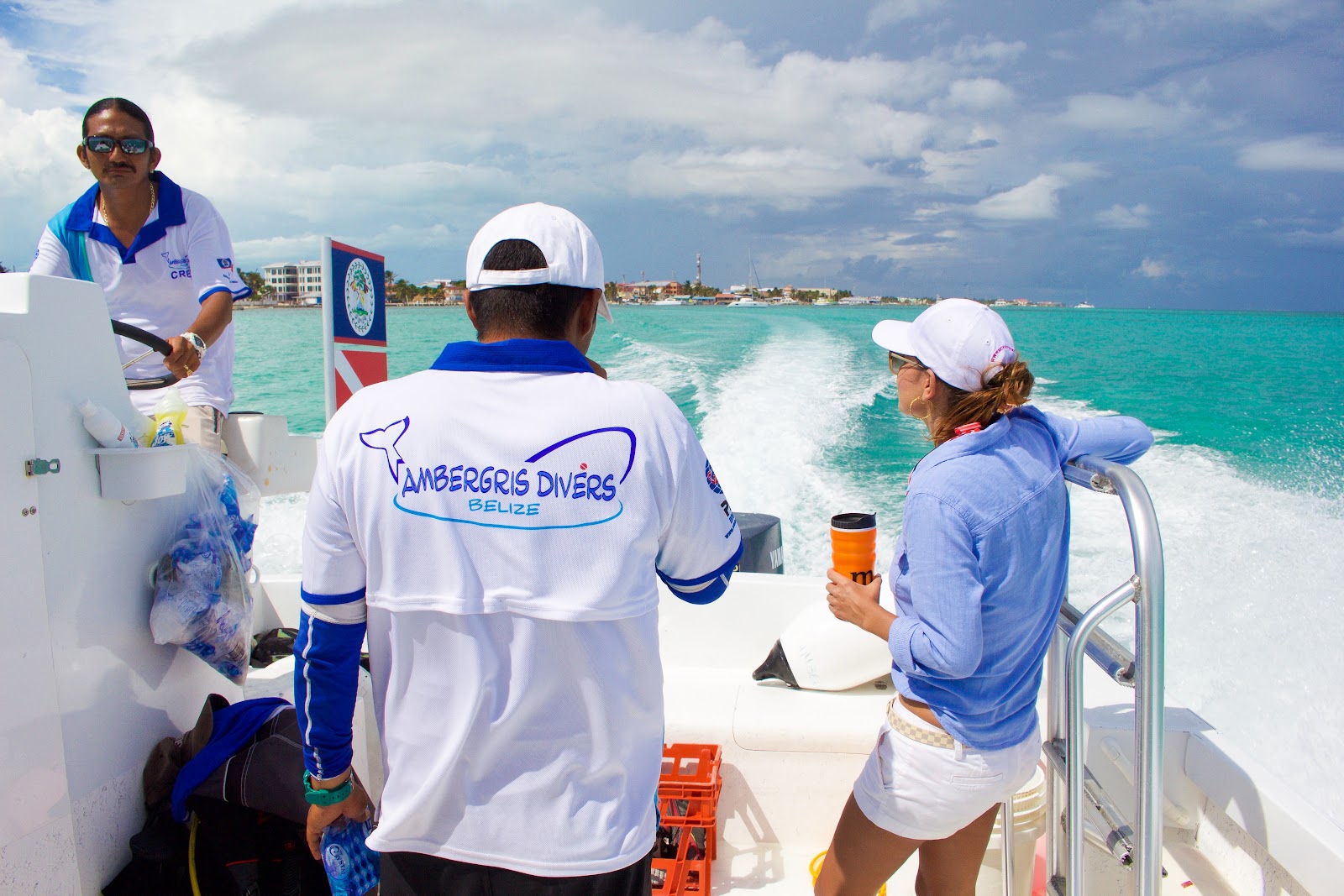
Nearest Airports
Nearest airports to help plan travel to this dive area.
Search Flights
Check available flights and routes on Expedia, using the nearby airports listed in this section.
Search Flights on ExpediaFrequently Asked Questions
What certification is required to dive The Great Blue Hole?
Divers typically need at least an Advanced Open Water Diver certification due to the depths involved. Specialized cavern or deep diver training is highly recommended to enhance safety and enjoyment.
What is the typical depth of a recreational dive here?
Recreational dives usually descend to a maximum depth of 40 m (130 ft). This allows exploration of the impressive stalactites and stalagmites while remaining within safe recreational limits.
Are there strong currents inside the Blue Hole?
Typically, strong currents are not reported within the Blue Hole itself, creating a calm environment for exploration. However, surface conditions on the journey to and from the site can be choppy, particularly during certain months.
What will I see during the dive?
The main attraction is the awe-inspiring geological formations, including giant stalactites and stalagmites formed during the last ice age. While not a primary marine life site, you might observe reef sharks and occasional pelagic species.
What are the water temperatures like?
Water temperatures at depth are not consistently reported. However, surface conditions generally align with the average air temperatures, which range from 25-29°C (77-84°F) throughout the year, indicating typically warm conditions.
How long does it take to get to The Great Blue Hole?
The Great Blue Hole is located off the coast of Belize, often requiring a boat trip of several hours from popular departure points like San Pedro or Caye Caulker. It's typically an all-day excursion.
Planning to dive The Great Blue Hole?
Send one inquiry and receive offers directly from the best verified local dive operators.
Conditions are Good
Optimal conditions expected
Current conditions near The Great Blue Hole show 29° air, 30° sea temperature, 0.6 m waves, and 21 km/h wind. Forecast data is refreshed regularly to ensure accuracy.