
Diving at Blackadder (Brazil)
Blackadder's shipwreck rests gracefully against Boa Viagem Beach reefs, parallel to the coastline. This 70-meter / 230 ft former clipper, which sank in 1905, now lies at a maximum depth of 12 meters / 39 feet. Its structure remains well-preserved, apparent, and an accessible wreck dive. A compelling blend of historical maritime artifact and vibrant artificial reef, it invites exploration.
As evening covers Blackadder, the local air temperature is measured at 25.5°C. The current wave height at the surface is recorded at 1.5 m. These late-day readings characterize the surface conditions for the night.
Dive Site Location & Key Facts
Dive Site Overview
A captivating dive into maritime history awaits at Blackadder, centered around a 70-meter / 230 ft Norwegian clipper that found its final resting place in 1905. During a severe storm, the vessel's moorings failed near its anchorage, leading to a crash into the coral reefs adjacent to Boa Viagem Beach.
Today, its well-preserved hull provides a substantial artificial reef, attracting a variety of marine life. Wreck diving blends with natural reef exploration and sandy bottom features, creating diverse underwater scenery. Resting at approximately 9-12 meters / 30-39 feet, the wreck is easily accessible, appealing to a broad range of certified divers.
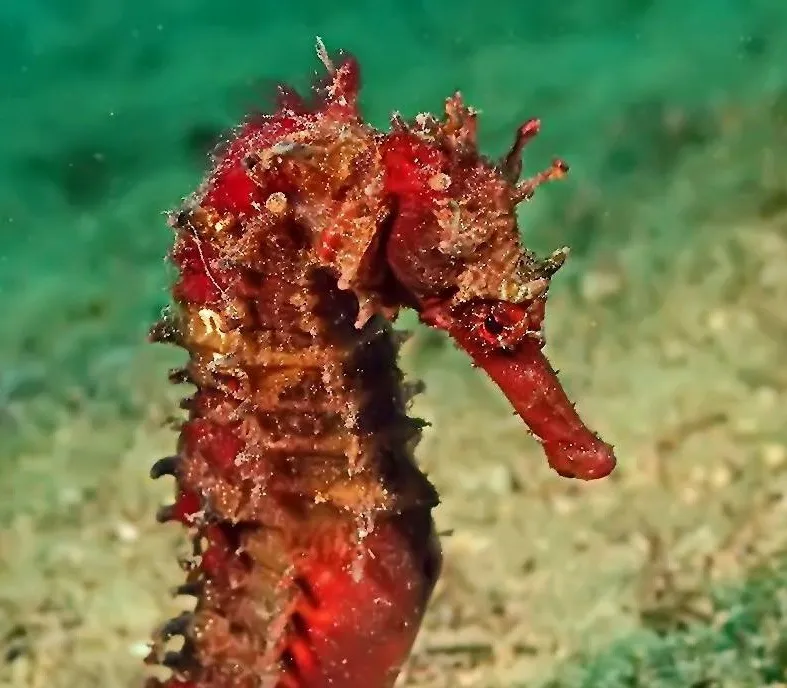
You'll observe its three-masted structure, now home to numerous fish shoals, seahorses, and batfish. Divers commonly note easy access and popularity among local Bahian divers, indicating a consistently engaging experience.
A prime location for those undertaking PADI Wreck Diver or Advanced Open Water Diver training, it's also suitable for Open Water divers seeking an interesting, relatively shallow site. Its distinct blend of historical context and thriving marine ecosystem makes Blackadder a significant underwater landmark.
Conditions are Moderate
Optimal conditions expected
Current conditions near Blackadder show 26° air, 26° sea temperature, 1.8 m waves, and 30 km/h wind. Forecast data is refreshed regularly to ensure accuracy.
Best Time to Dive
Optimizing your dive experience at Blackadder often means targeting months with calmer conditions and higher dive scores. From January to March, and again from July to October, generally present 'Good' diving scores, suggesting favorable underwater visibility and comfort. During these periods, average air temperatures comfortably range between 24-27°C / 75-81°F. Rainfall tends to be lower, particularly from December through March, hovering around 2-4 mm, which contributes to more predictable surface conditions. Wave heights are typically at their lowest from December to March, ranging from 0.9-1.0 meters / 3-3.3 feet, enhancing boat entry and overall comfort. While specific water temperature data isn't consistently reported, the warm air temperatures usually indicate pleasant tropical diving conditions. Months like May, June, August, and November show 'Moderate' dive scores, often due to slightly higher wave activity, though they still offer viable diving opportunities, especially for those seeking less crowded periods.
PEAK SEASON SCORE
Scores combine air & water temps, waves, wind & rainfall for overall conditions.
BEST MONTHS TO DIVE
Monthly records compiled from satellite and marine observation nodes over the last 3 years. Data provided by Open-Meteo and MET Norway.
Dive Experience & Conditions
Exploring the Blackadder offers a generally accessible dive experience, suitable for a range of certification levels. Maximum depth reached is 12 meters / 39 feet, with the main wreck structure resting at approximately 9 meters / 30 feet. Divers can access the site via either boat or shore entry, adding flexibility to dive planning. Underwater topography features a compelling combination of shipwreck, surrounding coral reefs, and sandy bottom areas. While specific current details are not consistently reported, the site's popularity and "easy access" designation imply conditions are typically mild enough for enjoyable diving. Good visibility is commonly experienced, allowing clear views of the wreck's preserved structure and the marine life it shelters. Generally calm conditions, particularly outside of peak storm seasons, make it an ideal location for divers to practice buoyancy and navigation skills, or to simply appreciate the blend of history and natural habitat.
Dive Difficulty & Safety Guidelines
Blackadder is suitable for divers ranging from PADI Open Water to those pursuing specialized certifications like Wreck Diver or Advanced Open Water Diver. Given its relatively shallow depth of 9-12 meters / 30-39 feet, it presents a manageable environment for new wreck enthusiasts and experienced divers alike. While no specific hazards are consistently reported for this site, standard safe diving practices are always essential.
Divers should maintain proper buoyancy control to avoid damaging the historical wreck or delicate coral structures. It's advisable to dive within your training limits and consider the benefits of a local guide, especially if it's your first visit.
Regularly checking weather and sea conditions before diving ensures the safest and most enjoyable experience, particularly regarding wave heights which can vary seasonally. Always dive with a buddy and conduct thorough equipment checks.
Recommended Equipment
Overhead / entanglement risk. Wreck penetration requires proper training.
- Dive Computer
- Primary & Backup Lights
- Wreck Reel
- Cutting Tool
This gear list is based on verified equipment signals for Blackadder, Brazil. Always confirm final gear choices with your dive operator, guide, or liveaboard.
Recommended Dive Suit
Divers visiting Blackadder today can expect water conditions around 26°C (79°F). Surface air temperatures are resting at 26°C (78°F).
2-3mm shorty or light wetsuit generally offers enough warmth for most dives under these conditions. Consider warmer surface protection (like a boat coat) due to brisk winds.
Forecast conditions over the next few days suggest temperatures will remain relatively stable.
Emergency & Medical Support
Essential information to help you plan your dive trip to Blackadder.

Hyperbaric chambers are a critical part of dive safety infrastructure. Availability varies significantly by region, and not all dive areas have immediate access.
Before diving, it's recommended to:
- confirm nearest medical facilities
- check emergency procedures with local dive operators
- ensure dive insurance covers evacuation if required
Divers Alert Network
Diving emergency assistance available through DAN World.
+1-919-684-9111- 24/7 emergency hotline
- Diving medical assistance
- Evacuation coordination
Emergency contacts are provided for reference. Always verify local emergency services before diving.
Marine Life at Blackadder
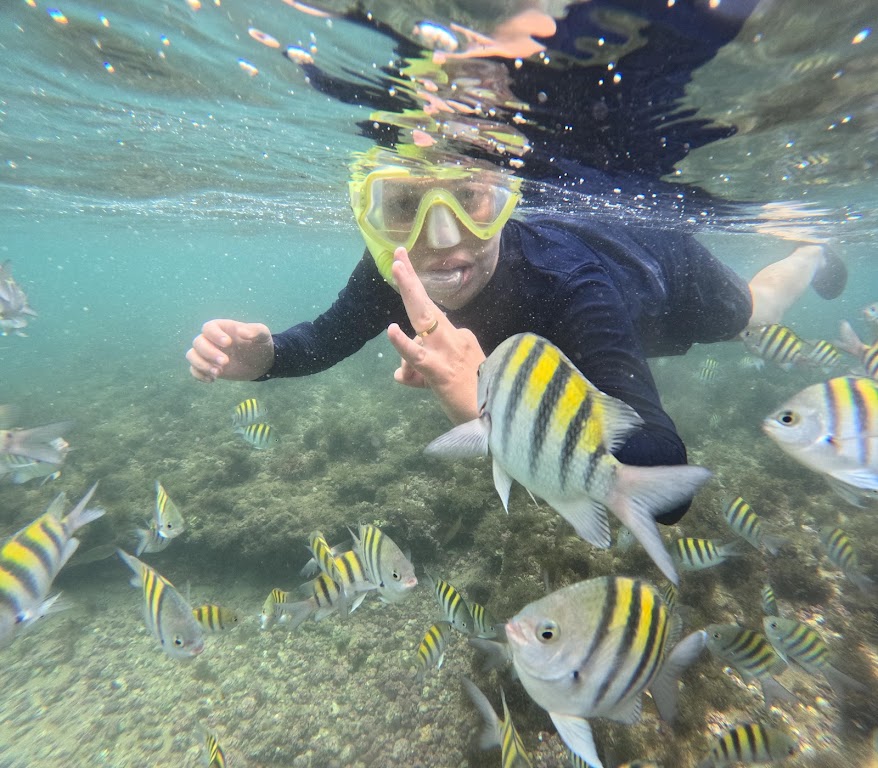
Acting as a thriving artificial reef, Blackadder's wreck attracts a diverse array of marine life. Numerous shoals of fish find shelter within its preserved structure, creating dynamic scenes for divers.
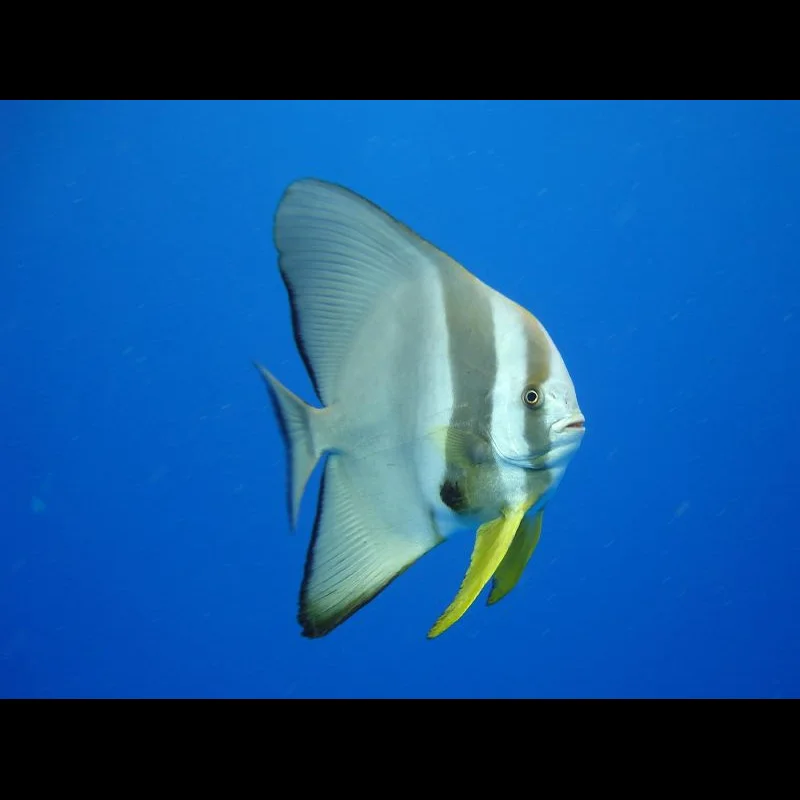
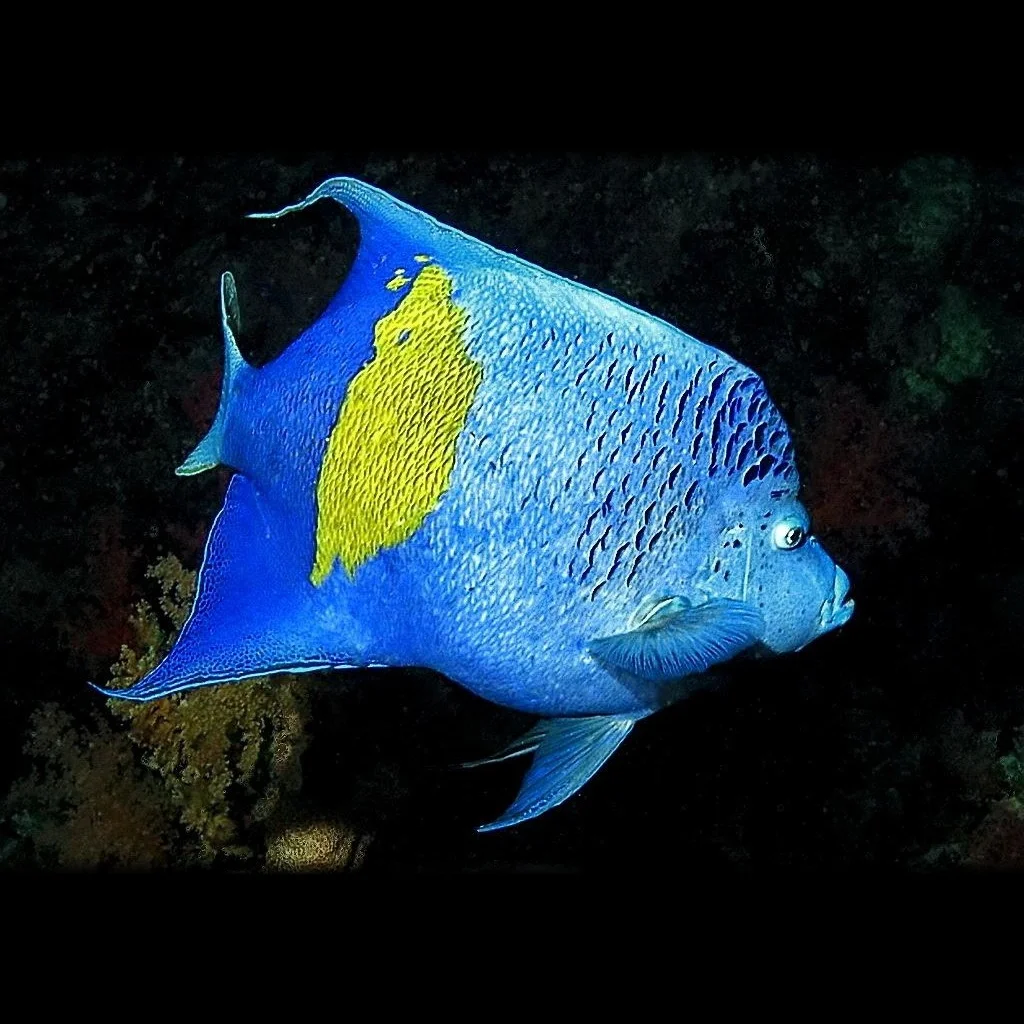
You'll frequently encounter seahorses and batfish navigating the wreck's crevices. Other common sightings include surgeonfish and angelfish, adding flashes of color to the environment.
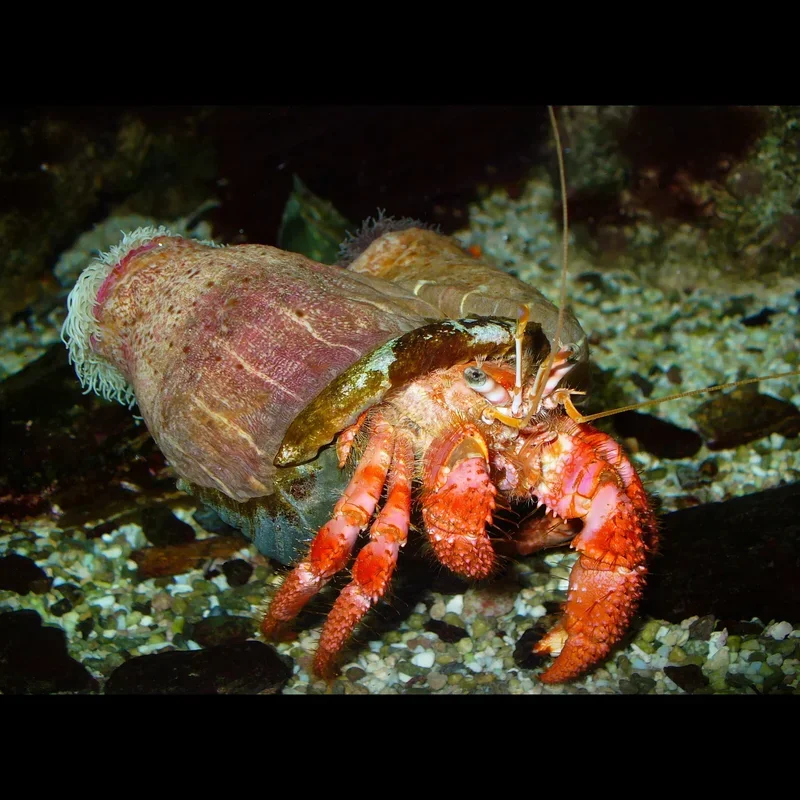
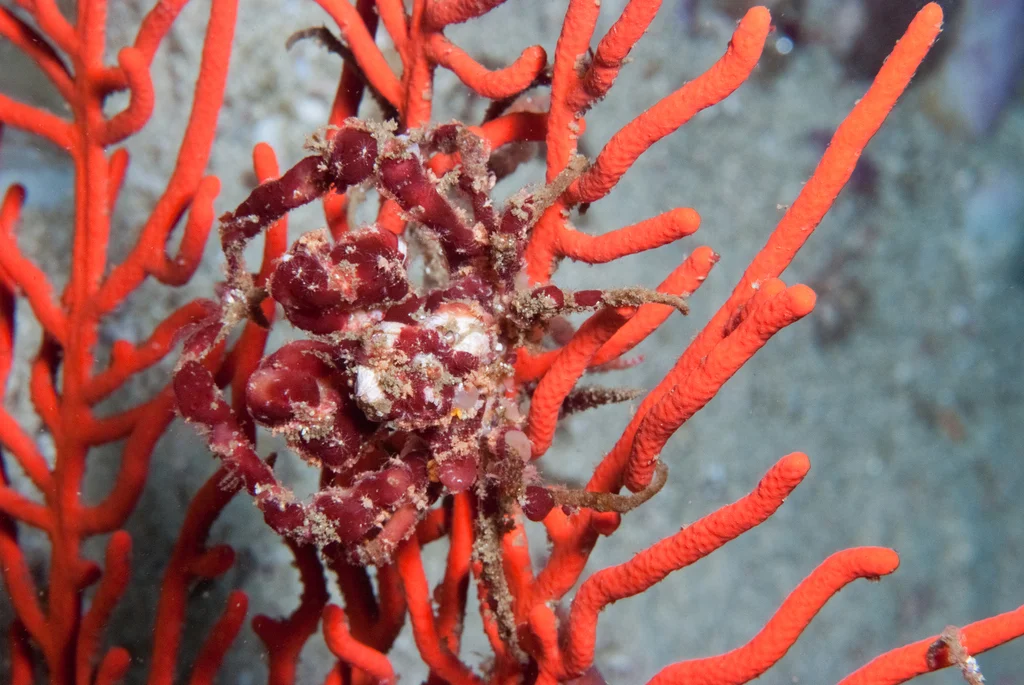
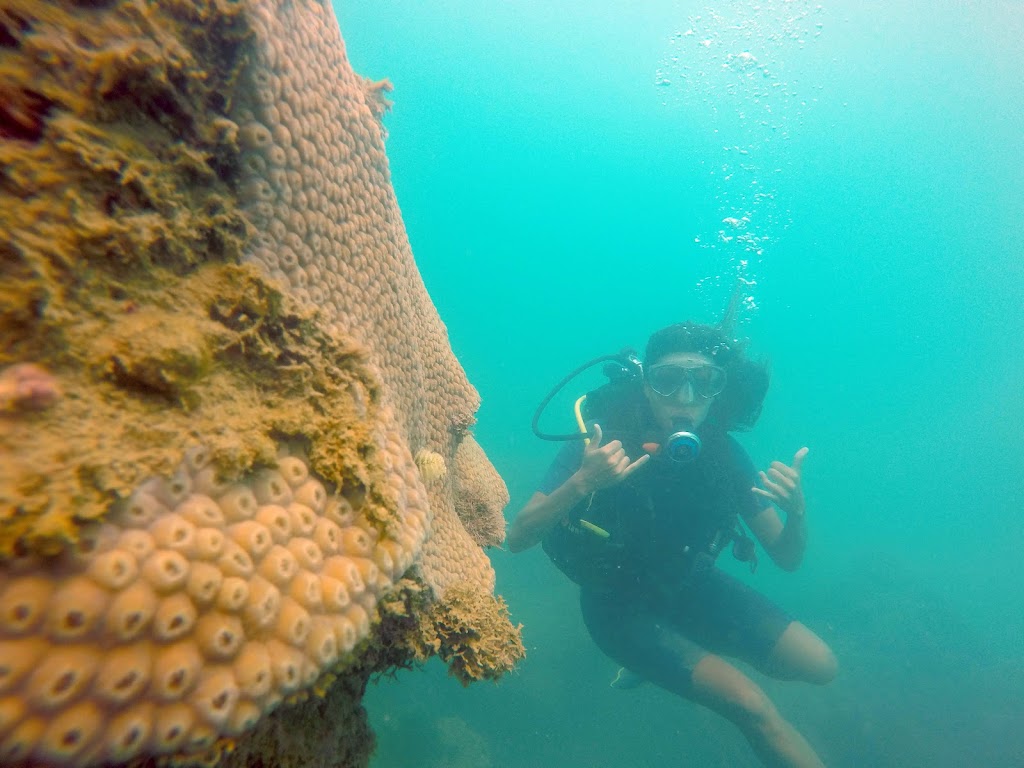
Divers often spot various crustaceans, such as spider crabs, hermit crabs, and shrimp, along with fire worms, sea stars, and tube sponges adhering to the wreck and adjacent reef. Brain coral formations also contribute to rich biodiversity, making it a rewarding location for macro and wide-angle photography.
Dive Centers Near Blackadder
Today: Open 24 hours
Nearest Airports
Nearest airports to help plan travel to this dive area.
Search Flights
Check available flights and routes on Expedia, using the nearby airports listed in this section.
Search Flights on ExpediaFrequently Asked Questions
What type of dive site is Blackadder?
Blackadder is primarily a shipwreck dive site, featuring the well-preserved hull of a 70-meter / 230 ft clipper. It also incorporates elements of reef and sandy bottom diving, as the wreck rests against coral formations. This combination offers a varied and engaging underwater experience.
What is the maximum depth at Blackadder?
Blackadder wreck typically lies at a maximum depth of 12 meters / 39 feet. The main structure of the vessel can be found at approximately 9 meters / 30 feet, making it accessible for most certified divers.
What marine life can be seen at the Blackadder wreck?
This wreck is home to diverse marine life, acting as a shelter for many species. Divers commonly encounter shoals of fish, seahorses, and batfish. You may also spot surgeonfish, angelfish, various crabs, shrimp, and brain coral.
Is Blackadder suitable for beginner divers?
Yes, Blackadder is considered suitable for a range of diver experience levels, including PADI Open Water Divers. Its relatively shallow depth and generally easy access make it a favorable site for those starting their wreck diving journey. Advanced Open Water and Wreck Diver courses are also popular here.
How did the Blackadder shipwreck?
Blackadder, a Norwegian sailing cargo ship, sank in 1905 during a storm. Its moorings came loose near the pier where it was anchored, causing it to drift and crash into the coral reefs of Boa Viagem Beach.
What are the entry options for diving this site?
Divers have the flexibility to access the Blackadder site via both boat and shore entry. This allows for various dive planning options depending on preferences and operational logistics.
What are the typical water conditions like?
While specific water temperature data isn't consistently reported, the site generally offers mild conditions. Surface wave heights are lowest from December to March, and the wreck's description as "easy access" suggests currents are typically manageable, especially on calm days.
What are the best months to dive Blackadder for optimal conditions?
Optimal diving periods are generally from January to March and from July to October, which often correspond with "Good" dive scores. These months typically feature lower rainfall and calmer wave conditions, contributing to a more pleasant overall experience.
Planning to dive Blackadder?
Send one inquiry and receive offers directly from the best verified local dive operators.
Conditions are Moderate
Optimal conditions expected
Current conditions near Blackadder show 26° air, 26° sea temperature, 1.8 m waves, and 30 km/h wind. Forecast data is refreshed regularly to ensure accuracy.