
Diving at Naufrágio Castor (Brazil)
Among the remnants of the Naufrágio Castor, divers encounter a vibrant ecosystem where history meets natural beauty. This site in Brazil offers a compelling combination of a submerged vessel and intricate coral reef structures. It provides a sanctuary for a diverse array of marine life, thriving within and around the wreck's skeletal remains. This blend creates an engaging environment for underwater exploration.
Evening condition tracking at Naufrágio Castor features an air temperature of 21.5°C. We have recorded wave heights measuring 1.6 m during this period. These figures outline the environmental parameters currently present.
Dive Site Location & Key Facts
Dive Site Overview
Exploring Naufrágio Castor offers certified divers an intriguing blend of maritime history and thriving marine habitat off Brazil's coast. Resting on the seabed, the vessel lies perpendicular to a series of natural reefs.
Its forward section is broken near the superstructure, with the bow listing noticeably to port, creating diverse structures ideal for underwater exploration and photography. For many years, the masts were visible from the surface, but tidal action has since caused them to fall, gradually altering the wreck's profile.
Within the holds, divers can still observe remnants of its original cargo, specifically robust steel pipes. Beyond the wreck, extensive coral walls were responsible for the ship's initial grounding and now present a significant, living part of the dive experience.
These vibrant coral formations descend from 5 meters (16 ft) to 18 meters (59 ft). The main wreck structure reaches a max depth of 15 meters (49 ft).
These varied depths and terrains mean the site accommodates a broad range of skill levels, from basic introductory dives to more advanced wreck and reef explorations, allowing for multiple return visits.
Conditions are Moderate
Optimal conditions expected
Current conditions near Naufrágio Castor show 22° air, 27° sea temperature, 1.7 m waves, and 33 km/h wind. Forecast data is refreshed regularly to ensure accuracy.
Best Time to Dive
Optimizing your dive at Naufrágio Castor often hinges on conditions that enhance visibility. Summer months typically offer clearer waters at the site due to prevailing current patterns, making them generally more favorable for diving. Air temperatures in the region are consistently warm, averaging between 26-27°C (79-81°F) from January to March, and remaining comfortable, around 23-25°C (73-77°F), even in cooler months like July and August. Rainfall is relatively low year-round, with monthly averages often below 8 mm (0.3 in), contributing to generally good surface conditions. While specific water temperature data isn't consistently reported, the warm air temperatures suggest pleasant diving conditions throughout much of the year, particularly during periods of reduced wave height, which typically range from 0.8 to 1.3 meters (2.6 to 4.3 ft).
PEAK SEASON SCORE
Scores combine air & water temps, waves, wind & rainfall for overall conditions.
BEST MONTHS TO DIVE
Monthly records compiled from satellite and marine observation nodes over the last 3 years. Data provided by Open-Meteo and MET Norway.
Dive Experience & Conditions
Divers at Naufrágio Castor should prepare for dynamic currents, which are a notable element, especially during specific times of the year. Seasonal patterns influence underwater visibility, with summer often providing clearer conditions. Access to the dive site is exclusively by boat, offering direct entry to both the wreck and its surrounding reefs. Exploring the historical vessel and natural coral walls is possible; these walls descend to depths between 5 and 18 meters (16 and 59 ft). Maximum depth for the wreck itself is 15 meters (49 ft). Terrain varies significantly, encompassing sandy bottom areas and vibrant reef sections. Depending on current strength, conditions can range from calm to moderately challenging, making this location suitable for a broad spectrum of certified divers from basic to advanced levels.
Dive Difficulty & Safety Guidelines
Approaching the Naufrágio Castor demands a careful understanding of the environment and adherence to safe diving practices. Given the nature of a wreck dive, even in its shallower sections, divers should possess appropriate training. A PADI Wreck Diver certification is highly recommended for those intending to explore inside the vessel's holds or any overhead environments.
The site's varying depths, from 5 meters (16 ft) on the reefs to 15 meters (49 ft) at the wreck, require good buoyancy control. Consult with local dive professionals before your dive; they can provide up-to-date information on current conditions, visibility, and any specific hazards. This precaution ensures a safer and more informed dive experience at this unique location.
Recommended Equipment
Overhead / entanglement risk. Wreck penetration requires proper training.
- Dive Computer
- DSMB
- Primary & Backup Lights
- Wreck Reel
- Cutting Tool
This gear list is based on verified equipment signals for Naufrágio Castor, Brazil. Always confirm final gear choices with your dive operator, guide, or liveaboard.
Recommended Dive Suit
Subtle variations in currents or depth can sometimes influence perceived water temperature.
2-3mm shorty or light wetsuit tends to perform well in water temperatures like those currently observed here. Consider warmer surface protection (like a boat coat) due to brisk winds. Surface intervals may feel cooler. Environmental models indicate a modest warming trend ahead. A warming trend is expected over the next few days.
Water temperatures across the dive area at Naufrágio Castor are presently estimated to be around 27°C (80°F). Surface air temperatures are resting at 22°C (71°F).
Emergency & Medical Support
Essential information to help you plan your dive trip to Naufrágio Castor.

Hyperbaric chambers are a critical part of dive safety infrastructure. Availability varies significantly by region, and not all dive areas have immediate access.
Before diving, it's recommended to:
- confirm nearest medical facilities
- check emergency procedures with local dive operators
- ensure dive insurance covers evacuation if required
Divers Alert Network
Diving emergency assistance available through DAN World.
+1-919-684-9111- 24/7 emergency hotline
- Diving medical assistance
- Evacuation coordination
Emergency contacts are provided for reference. Always verify local emergency services before diving.
Marine Life at Naufrágio Castor
Descending onto the Naufrágio Castor reveals an immediate abundance of life, with numerous fish species navigating the wreck and coral formations. The coral reefs, which caused the ship's grounding, function as important nurseries, supporting a variety of smaller marine inhabitants, corals, and gorgonians.
Observing these vibrant communities in their natural habitat is a significant draw here. Beyond the reef, there's potential to encounter larger pelagic species.
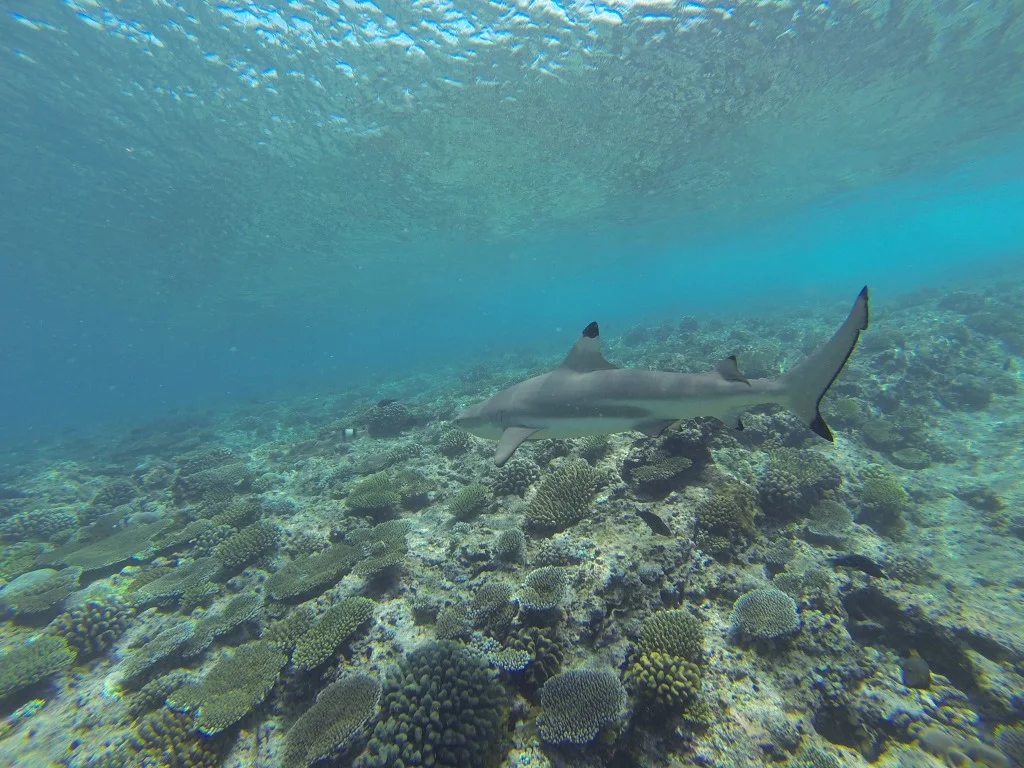
Divers might spot various sharks, and depending on the season, whales and dolphins have been sighted in the area. Turtles are also a common and welcome sight at this diverse dive site.

Dive Centers Near Naufrágio Castor
Today: 08:00 - 13:30
Nearest Airports
Nearest airports to help plan travel to this dive area.
Search Flights
Check available flights and routes on Expedia, using the nearby airports listed in this section.
Search Flights on ExpediaFrequently Asked Questions
What type of dive is Naufrágio Castor?
Naufrágio Castor is a combined wreck and reef dive. It features the remains of a sunken ship alongside natural coral wall formations and sandy bottom areas, all accessible from a boat.
What is the maximum depth at Naufrágio Castor?
The wreck itself reaches a maximum depth of 15 meters (49 ft). Adjacent coral reef walls extend from 5 to 18 meters (16 to 59 ft) deep.
Are there currents at the dive site?
Yes, currents can be present at the dive site, and their intensity varies depending on the time of year. Summer months are generally more favorable, often bringing clearer waters.
What kind of marine life can I expect to see?
Divers can expect to see various fish species, corals, and gorgonians thriving around the wreck and reefs. Larger sightings may include sharks, turtles, and occasionally whales or dolphins.
What certifications are recommended for diving here?
While suitable for basic certified divers, a PADI Wreck Diver certification is recommended for exploring internal sections of the ship. Advanced Open Water Diver and Peak Performance Buoyancy are also beneficial for navigating the site's varied conditions.
How do I access the Naufrágio Castor dive site?
Access to Naufrágio Castor is exclusively by boat. Dive operators in the region can arrange trips to the site.
Planning to dive Naufrágio Castor?
Send one inquiry and receive offers directly from the best verified local dive operators.
Conditions are Moderate
Optimal conditions expected
Current conditions near Naufrágio Castor show 22° air, 27° sea temperature, 1.7 m waves, and 33 km/h wind. Forecast data is refreshed regularly to ensure accuracy.