
Diving at Innerkip (Canada)
Descending into Innerkip Quarry, divers transition from an Ontario swimming hole to a freshwater wreck site. This former quarry, now spring-fed, offers an unusual underwater landscape. Expect a distinct shift in visibility as you move through the water column, revealing sunken vehicles and aircraft. It's a journey into an artificial yet intriguing aquatic environment, well-suited for navigation practice and exploring unique submerged features.
At Innerkip, the ambient air temperature is currently recorded at 18.5°C. This dive site in Canada is operating under normal seasonal weather patterns. Familiarize yourself with the local topography prior to navigating.
Dive Site Location & Key Facts
Dive Site Overview
Innerkip Quarry presents a distinctive freshwater diving landscape, created from an abandoned quarry intentionally filled with various submerged objects. Reaching a maximum depth of approximately 9 meters / 30 feet, the site also includes deeper shafts extending an additional 4.5 meters / 15 feet.
Divers encounter an "underground waterpark" of sorts, featuring an array of sunken attractions. These include numerous boats, cars, school buses, and even aircraft pieces, although many are heavily rusted and spread across the quarry.
Its layout encourages exploration, with objects scattered across both north and south sections, creating distinct areas for discovery. Navigation skills, particularly with a compass, are highly beneficial here to find distributed features effectively.
Bottom topography is predominantly silty, which can affect visibility considerably. Despite this, the site provides a structured environment for divers to practice skills and explore unique human-made wrecks in a controlled setting, making it a popular choice for accessible wreck training and interesting underwater discovery.
Conditions are Moderate
Optimal conditions expected
Current conditions near Innerkip show 19° air, --° sea temperature, N/A waves, and 18 km/h wind. Forecast data is refreshed regularly to ensure accuracy.
Best Time to Dive
Optimal diving at Innerkip Quarry typically occurs from late spring through early fall, coinciding with warmer air temperatures and generally improved conditions. Late May to early July often provides the best visibility, which is a key factor here. During these months, average air temperatures range from 13.5°C / 56°F in May to a peak of 21°C / 70°F in July, making surface intervals more comfortable. Rain levels during this period are moderate, with averages from 2.29 mm in May to 4.05 mm in July. To maximize underwater clarity, planning your dive after at least five days without significant rain and minimal wind is advisable, as the silty bottom is easily disturbed. While July and August see the warmest conditions, with average air temperatures remaining high, these months can also be busier with swimmers. Cooler shoulder seasons like September and October still offer good diving, with average air temperatures around 17°C / 63°F and 11°C / 52°F respectively, and slightly lower rain averaging 1.40 mm and 1.83 mm.
PEAK SEASON SCORE
Scores combine air & water temps, waves, wind & rainfall for overall conditions.
BEST MONTHS TO DIVE
Monthly records compiled from satellite and marine observation nodes over the last 3 years. Data provided by Open-Meteo and MET Norway.
Dive Experience & Conditions
Innerkip provides a freshwater diving experience, distinct from ocean environments. Water visibility here varies significantly; it can offer clear views of several meters on a good day, particularly in late spring, but might drop to very low levels, sometimes less than a meter, during poor conditions, especially in the fall or after heavy rain. The quarry bottom, composed of fine silt, is easily stirred, requiring careful finning to maintain visibility. Water entries are typically shore-based, with options for beach access or diving from a board or small cliff. Despite the potential for murkiness, the site is considered suitable for new divers and useful for underwater navigation training. There are no notable currents, making it a calm environment once submerged. Water temperatures are not consistently reported but generally align with regional freshwater conditions, becoming warmer in summer months.
Dive Difficulty & Safety Guidelines
Divers must be aware of Innerkip's silty bottom, which can rapidly reduce visibility if disturbed. Several deeper shafts and tunnels exist, extending beyond the main quarry depth; these areas are described as extremely dark and prone to snagging, making entry ill-advised due to significant entanglement risks and limited light penetration. There are no onsite air fills; divers should bring their own filled tanks.
During peak summer months, expect increased surface activity from swimmers and cliff jumpers, particularly near entry points. Using a dive flag is recommended.
Given the potential for reduced visibility and long swims to scattered objects, strong compass navigation skills are a definite asset here.
Recommended Equipment
Overhead / entanglement risk. Wreck penetration requires proper training.
- Dive Computer
- Primary & Backup Lights
- Wreck Reel
- Cutting Tool
- Hard-soled Dive Boots
This gear list is based on verified equipment signals for Innerkip, Canada. Always confirm final gear choices with your dive operator, guide, or liveaboard.
Recommended Dive Suit
With water temperatures around 19°C (65°F), many divers find a a 5mm or thicker wetsuit provides comfortable protection.
Being prepared with flexible exposure options is a common approach among experienced divers.
Weather patterns are currently shifting, so expect some variability in conditions. A significant temperature drop is forecast; strongly suggest bringing a backup warmer suit option. A warmer option can provide additional comfort if conditions shift.
Emergency & Medical Support
Essential information to help you plan your dive trip to Innerkip.

Hyperbaric chambers are a critical part of dive safety infrastructure. Availability varies significantly by region, and not all dive areas have immediate access.
Before diving, it's recommended to:
- confirm nearest medical facilities
- check emergency procedures with local dive operators
- ensure dive insurance covers evacuation if required
Divers Alert Network
Diving emergency assistance available through DAN World.
+1-919-684-9111- 24/7 emergency hotline
- Diving medical assistance
- Evacuation coordination
Emergency contacts are provided for reference. Always verify local emergency services before diving.
Marine Life at Innerkip
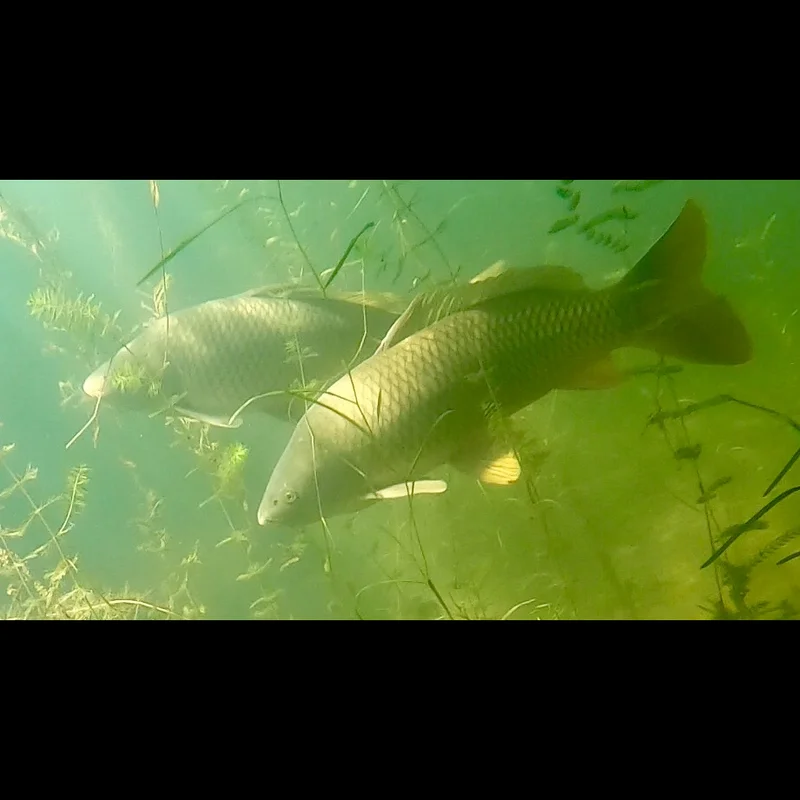
Innerkip's freshwater environment supports a moderate array of aquatic life, offering glimpses into a different ecosystem than typical ocean dives. Common sightings include various panfish, such as bluegill, often found near submerged structures.
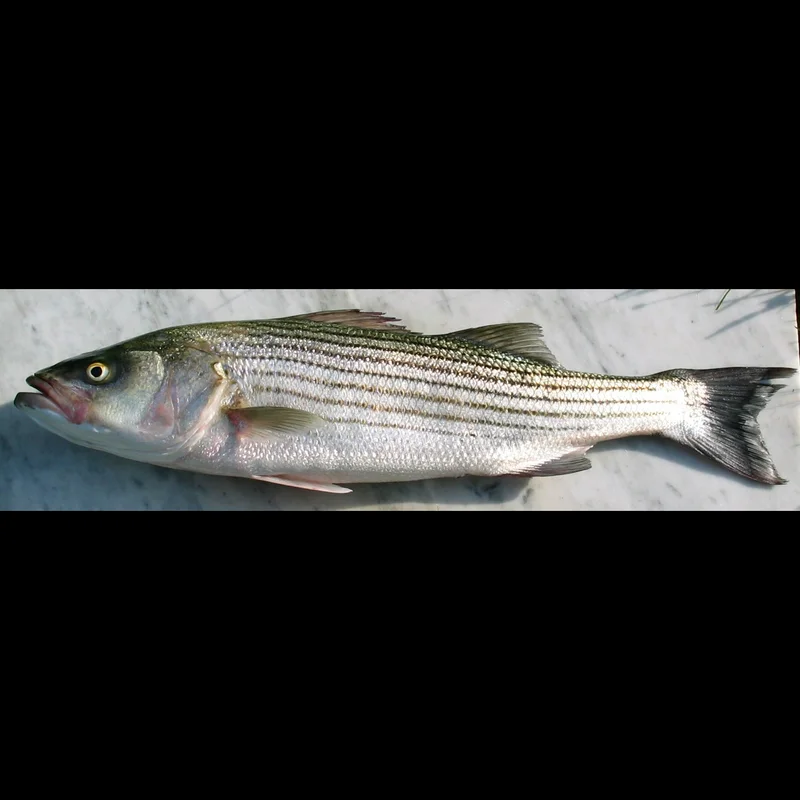
Divers might also encounter larger fish species like bass, suckers, and carp, especially around the sunken objects. Rainbow trout are also present in the quarry.
While not a biodiversity hotspot, observing these freshwater inhabitants amidst the human-made structures adds another layer of interest to the underwater exploration, contrasting the natural and artificial elements of the site.

Dive Centers Near Innerkip
Nearest Airports
Nearest airports to help plan travel to this dive area.
Search Flights
Check available flights and routes on Expedia, using the nearby airports listed in this section.
Search Flights on ExpediaFrequently Asked Questions
What is the maximum depth at Innerkip Quarry?
The main quarry descends to about 9 meters, with deeper shafts extending another 4.5 meters. These deeper areas are considerably darker and pose significant entanglement risks.
What kind of underwater attractions can I expect?
The quarry features an "underground waterpark" with various sunken objects. These include boats, cars, school buses, and even parts of planes for divers to explore.
Is Innerkip suitable for new divers?
Yes, it's considered a good spot for new divers and for those looking to practice skills like underwater navigation. However, varying visibility requires good buoyancy control.
What are the typical visibility conditions?
Visibility can range significantly, offering clear views of several meters in late spring, but dropping to very low levels, sometimes less than a meter, in poor fall conditions. Silt disturbance affects clarity, so careful finning is essential.
Do I need to bring my own air fills?
Yes, Innerkip Quarry does not have an onsite dive shop or air fill station. Divers must bring their own pre-filled tanks.
Are there any specific hazards to be aware of?
The silty bottom can easily reduce visibility. Deeper shafts and tunnels are very dark and pose entanglement risks, so entering them is strongly discouraged.
When is the best time of year to dive here?
Late May to early July typically offers the best visibility and comfortable surface conditions. Diving after several days without rain or strong winds helps maximize underwater clarity.
Planning to dive Innerkip?
Send one inquiry and receive offers directly from the best verified local dive operators.
Conditions are Moderate
Optimal conditions expected
Current conditions near Innerkip show 19° air, --° sea temperature, N/A waves, and 18 km/h wind. Forecast data is refreshed regularly to ensure accuracy.