
Diving at Robert Gaskin (Canada)
Beneath the St. Lawrence River, Robert Gaskin presents a largely intact wooden barque wreck. Resting on a firm bottom with light silt, its structure clearly showcases a historical outline. A bow section is at about 18 m (60 ft), with the stern extending to 21 m (70 ft). Such a submerged landscape provides ample opportunity for exploration within recreational dive limits. Its presence near the shipping channel makes it a significant landmark.
The latest environmental reading at Robert Gaskin indicates an air temperature of 12.5°C. The regional climate in Canada is aligning with expected historical averages. Prepare your gear according to these specific local conditions.
Dive Site Location & Key Facts
Dive Site Overview
An 1863 double-masted wooden barque, Robert Gaskin offers a compelling glimpse into maritime history, having sunk in 1889 during a salvage operation. Measuring approximately 34 meters long and 8 meters wide, the wreck lies on a firm bottom, bow facing inland about 120 meters offshore.
Its hull is raised 4.5 meters off the riverbed, presenting a significant structure for divers. Penetration is possible through a large visible hole on the side, where an overhead environment remains relatively open, save for some structural beams. Divers exploring the wreck will find sections offering sheltered areas from current.
An anchor also sits approximately 12 meters off the bow toward shore, adding another feature to explore. Descending along the bow mooring line, divers immediately appreciate the scale of this historical vessel and its preserved features, providing a tangible connection to the past.
Popular for its accessibility within recreational depth limits, the site attracts a range of experience levels.
Conditions are Excellent
07:00 - 14:00
Optimal conditions expected
Current conditions near Robert Gaskin show 13° air, --° sea temperature, N/A waves, and 13 km/h wind. Forecast data is refreshed regularly to ensure accuracy.
Best Time to Dive
Considering visibility and comfort, warmer months from June to September generally offer optimal diving conditions for Robert Gaskin. During July, average air temperatures reach around 22.5°C (72°F), making surface intervals more pleasant. Rain averages 4.26 mm during July, with September being notably drier at 1.47 mm, which can contribute to better conditions. While overall dive scores remain consistently good throughout the year, these summer and early autumn months typically align with reduced wind speeds, averaging 15.9 km/h (9.9 mph) in August and 14.1 km/h (8.8 mph) in September, which can help calm surface chop and improve visibility. Cooler air temperatures are common from November through March, with January averaging -7°C (45°F). St. Lawrence River currents also vary, impacting how quickly silt disturbance clears and affecting local visibility. Divers should anticipate freshwater thermoclines and plan appropriate thermal protection for year-round diving.
PEAK SEASON SCORE
Scores combine air & water temps, waves, wind & rainfall for overall conditions.
BEST MONTHS TO DIVE
Monthly records compiled from satellite and marine observation nodes over the last 3 years. Data provided by Open-Meteo and MET Norway.
Dive Experience & Conditions
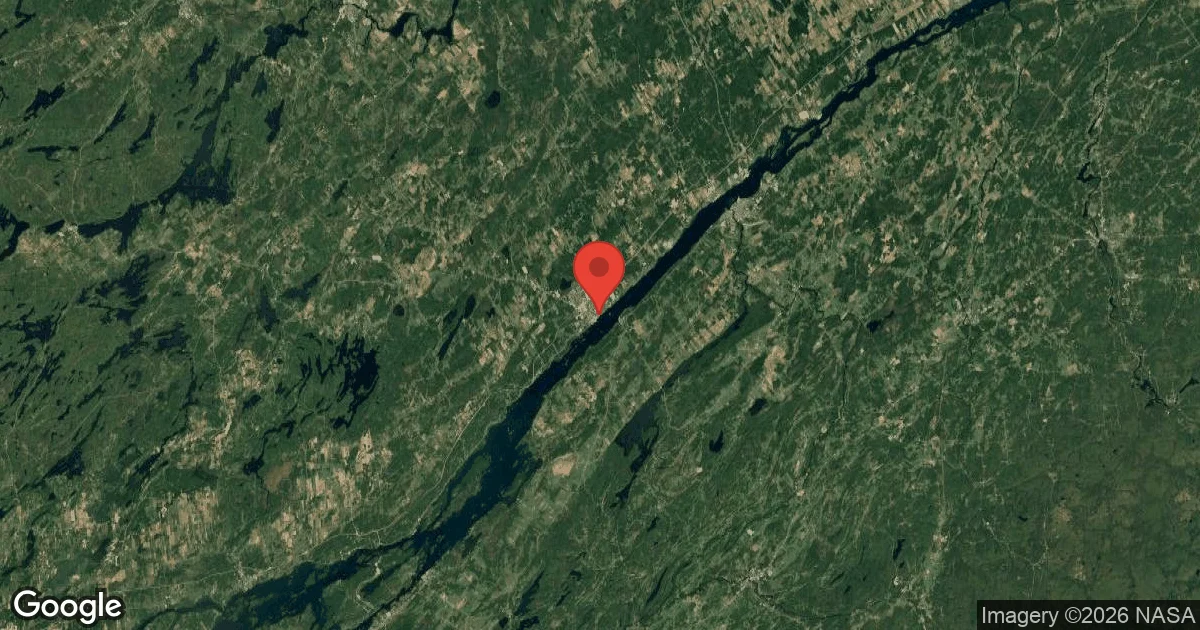
Accessing Robert Gaskin can be done by boat charter from Brockville, with a descent line guiding divers directly to the wreck. Boat dives typically offer a straightforward entry and exit. A gentle current often runs across the wreck's deck, which can become stiff depending on conditions. Shore diving is also an option from Brockville, though it involves a 20-minute swim out. Such a route places divers beneath a recreational boat traffic lane, necessitating specific protocols as if in an overhead environment. Site visibility generally ranges from 6-12 meters, though local silt disturbance, particularly from other divers, can temporarily obscure features. A firm bottom composition with a light silt layer is present and can be easily stirred up. Divers should be mindful of their buoyancy to prevent reducing visibility for themselves and others.
Dive Difficulty & Safety Guidelines
Navigating Robert Gaskin requires awareness due to its proximity to a busy shipping channel where small boats are frequently present. Surface marker buoys and careful ascent procedures are vital for boat traffic avoidance, especially when shore diving. A descent line is typically available for boat dives, important given potential for current.
For shore dives, an extended swim out and overhead boat traffic lane necessitate treating the dive as an overhead environment. This type of route requires additional air and prerequisite training, often involving double tank setups to ensure ample air supply and redundancy.
Silt disturbance, with fine particles easily stirred from the bottom, is a factor that can impact visibility. Current can vary from mild to stiff, requiring proper finning techniques.
Recommended Equipment
Overhead / entanglement risk. Wreck penetration requires proper training.
- Dive Computer
- Primary & Backup Lights
- Wreck Reel
- Cutting Tool
This gear list is based on verified equipment signals for Robert Gaskin, Canada. Always confirm final gear choices with your dive operator, guide, or liveaboard.
Recommended Dive Suit
Forecast confidence is somewhat lower, with potential for varied conditions ahead.
Based on regional estimates and current weather, the likely required exposure protection is a thicker wetsuit or drysuit. Note that local currents and upwellings can alter this. A thermal robe or jacket is recommended between dives.
Because recent water temperature readings are not available for Robert Gaskin, the guidance below is based mainly on current air conditions and seasonal expectations. Current surface air temperatures are roughly 13°C (55°F).
Emergency & Medical Support
Essential information to help you plan your dive trip to Robert Gaskin.

Hyperbaric chambers are a critical part of dive safety infrastructure. Availability varies significantly by region, and not all dive areas have immediate access.
Before diving, it's recommended to:
- confirm nearest medical facilities
- check emergency procedures with local dive operators
- ensure dive insurance covers evacuation if required
Divers Alert Network
Diving emergency assistance available through DAN World.
+1-919-684-9111- 24/7 emergency hotline
- Diving medical assistance
- Evacuation coordination
Emergency contacts are provided for reference. Always verify local emergency services before diving.
Marine Life at Robert Gaskin
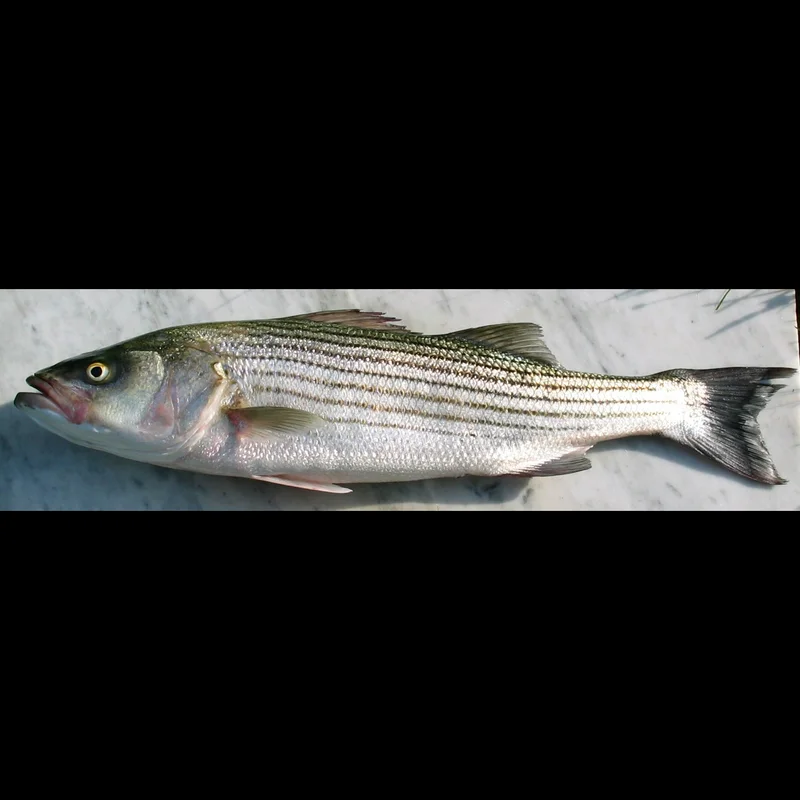
Acting as an artificial reef, Robert Gaskin attracts various freshwater species. Looking into the hull, divers often spot sunfish and bass spawning within its sheltered confines.
Eels use the wreck's crevices for cover, establishing ambush points for prey. Around the stern, younger walleye gather, benefiting from the structure.
Predators, such as larger fish, patrol the wreck at night, utilizing its contours for hunting. Despite limited detailed data, divers commonly report observing these patterns of fish activity, making it a lively underwater habitat.
Dive Sites Near Robert Gaskin
View all dive sites in CanadaDiscover more underwater gems in this area.
Dive Centers Near Robert Gaskin
Today: Open 24 hours
Nearest Airports
Nearest airports to help plan travel to this dive area.
Search Flights
Check available flights and routes on Expedia, using the nearby airports listed in this section.
Search Flights on ExpediaFrequently Asked Questions
What is the maximum depth of the Robert Gaskin wreck?
Robert Gaskin's stern reaches a maximum depth of around 21 m (70 ft). Its bow sits in shallower water, approximately 18 m (60 ft).
Is current usually a factor when diving the Robert Gaskin?
A gentle current typically runs across the wreck's deck. However, it can occasionally be stiff depending on prevailing river conditions.
Can divers penetrate the Robert Gaskin wreck?
Yes, penetration is possible through a large hole on its side. Inside, the overhead environment is considered relatively open, though some beams are present.
What type of bottom does the wreck sit on?
Resting on a firm bottom, the wreck has a layer of light silt. Divers should practice good buoyancy to avoid stirring it up.
Is it possible to dive the Robert Gaskin from shore?
Shore diving is an option from Brockville, but it involves a considerable swim out. This approach requires treating the dive as an overhead environment due to boat traffic above.
What kind of training is needed for a shore dive to the Gaskin?
Given the extended swim and overhead environment, prerequisite training for overhead environments and additional air, such as double tanks, is highly recommended. Such equipment ensures sufficient gas supply and redundancy.
Planning to dive Robert Gaskin?
Send one inquiry and receive offers directly from the best verified local dive operators.
Conditions are Excellent
07:00 - 14:00
Optimal conditions expected
Current conditions near Robert Gaskin show 13° air, --° sea temperature, N/A waves, and 13 km/h wind. Forecast data is refreshed regularly to ensure accuracy.