
Diving at William H Wolf (Canada)
Encountering the William H Wolf offers divers a distinctive glimpse into freshwater ecosystems, where unique local aquatic life establishes itself around a historic shipwreck. Exploring this site presents an opportunity to observe how various species adapt to the underwater landscape of a sunken vessel, providing engaging macro photography subjects. The wreck serves as a focal point for marine activity, inviting a closer look at the smaller inhabitants of its structure.
Evening condition tracking at William H Wolf features an air temperature of 16°C. We have recorded wave heights measuring 0.1 m during this period. These figures outline the environmental parameters currently present.
Dive Site Location & Key Facts
Dive Site Overview
Exploring the William H Wolf reveals the compelling remains of a wooden steamer, now lying in two distinct sections within a dynamic freshwater setting. Its bow section rests in comparatively shallower waters, typically ranging between 1.8 and 6 meters (6-20 ft).
Further afield, the stern has separated from a ledge, descending to depths of approximately 10.7 to 15.2 meters (35-50 ft). This configuration allows divers to tailor their exploration, focusing on either the shallower foredeck or the deeper stern. Divers will encounter a varied bottom composition featuring sand, silt, and rock, providing diverse substrates for aquatic life.
Accessing the wreck from shore is not consistently reported as feasible, making a boat entry the typical approach. Navigating the currents around the structure provides an engaging experience for those with appropriate skills.
Significant portions of the wreck are covered in zebra mussels, which contribute to the site's unique ecosystem but also necessitate protective gear.
Conditions are Good
07:00 - 14:00
Optimal conditions expected
Current conditions near William H Wolf show 16° air, --° sea temperature, 0.3 m waves, and 17 km/h wind. Forecast data is refreshed regularly to ensure accuracy.
Best Time to Dive
Visibility often serves as the primary factor when planning a dive at William H Wolf, and conditions are generally most favorable during the warmer months, specifically June through September. During this period, the air temperatures are pleasant, averaging between 18.5°C (65°F) in September and 22.5°C (72°F) in July. Water temperatures during summer can range from 15-25°C (59-77°F), contrasting sharply with winter's 0-5°C (32-41°F). Rainfall is typically low, with June experiencing about 2.7 mm, and July seeing 3.6 mm, contributing to better underwater clarity. Lower wave heights, averaging 0.1-0.2 meters (0.3-0.7 ft) in these months, also improve conditions, reducing sediment disturbance.
PEAK SEASON SCORE
Scores combine air & water temps, waves, wind & rainfall for overall conditions.
BEST MONTHS TO DIVE
Monthly records compiled from satellite and marine observation nodes over the last 3 years. Data provided by Open-Meteo and MET Norway.
Dive Experience & Conditions
Divers approaching William H Wolf should be prepared for variable current dynamics; while sometimes reported as mild, the site can present a reasonably strong current. This freshwater environment often experiences overhead boat traffic, necessitating careful ascent and descent planning. Visibility typically ranges from 5.0 to 15.0 meters (16-49 ft), which can be influenced by recent weather and water flow. Water temperatures fluctuate significantly, ranging from 0-5°C (32-41°F) in winter to a warmer 15-25°C (59-77°F) in summer. The site is considered suitable for both novice and experienced divers, although experience with strong currents or a guide is strongly recommended for those less familiar with such conditions and boat traffic.
Dive Difficulty & Safety Guidelines
Approaching the William H Wolf requires an awareness of specific challenges to ensure diver safety. A significant hazard comes from zebra mussels colonizing the wreck, posing a risk of cuts and scrapes; protective gloves are strongly advised, even heavy-duty work gloves. Entanglement with wreck debris or fishing lines can also be a concern.
Given the potential for reasonably strong currents and overhead boat traffic, divers without prior experience with such currents or a local guide may find navigation challenging. There are no permits required for diving this site.
Always plan your dive thoroughly, stay within your training limits, and ensure you have appropriate safety equipment for the conditions.
Recommended Equipment
Overhead / entanglement risk. Wreck penetration requires proper training.
Current and surface separation risk. Local briefing strongly recommended.
- Dive Computer
- DSMB
- Primary & Backup Lights
- Wreck Reel
- Reel / Spool
- Cutting Tool
This gear list is based on verified equipment signals for William H Wolf, Canada. Always confirm final gear choices with your dive operator, guide, or liveaboard.
Recommended Dive Suit
With water temperatures around 16°C (61°F), many divers find a a 5mm or thicker wetsuit provides comfortable protection.
Divers performing multiple dives may appreciate slightly warmer protection later in the day.
Weather patterns are currently shifting, so expect some variability in conditions. Cooler days are ahead; you might want a warmer option for later in the week. A warmer option can provide additional comfort if conditions shift.
Emergency & Medical Support
Essential information to help you plan your dive trip to William H Wolf.

Hyperbaric chambers are a critical part of dive safety infrastructure. Availability varies significantly by region, and not all dive areas have immediate access.
Before diving, it's recommended to:
- confirm nearest medical facilities
- check emergency procedures with local dive operators
- ensure dive insurance covers evacuation if required
Divers Alert Network
Diving emergency assistance available through DAN World.
+1-919-684-9111- 24/7 emergency hotline
- Diving medical assistance
- Evacuation coordination
Emergency contacts are provided for reference. Always verify local emergency services before diving.
Marine Life at William H Wolf
The sunken William H Wolf has transformed into an artificial reef, supporting diverse local aquatic life within the site's underwater landscape. Critters thrive on the wooden structure of the wreck itself, offering plentiful opportunities for macro photography subjects.
Look for small invertebrates nestled among the wreck's surfaces. The surrounding sand, silt, and rock bottom provides habitat for other benthic organisms.
Observing how these different bottom types contribute to the overall ecosystem, especially within the confines of the wreck, can be quite rewarding. Specific species vary seasonally, but the wreck reliably attracts a variety of freshwater organisms.

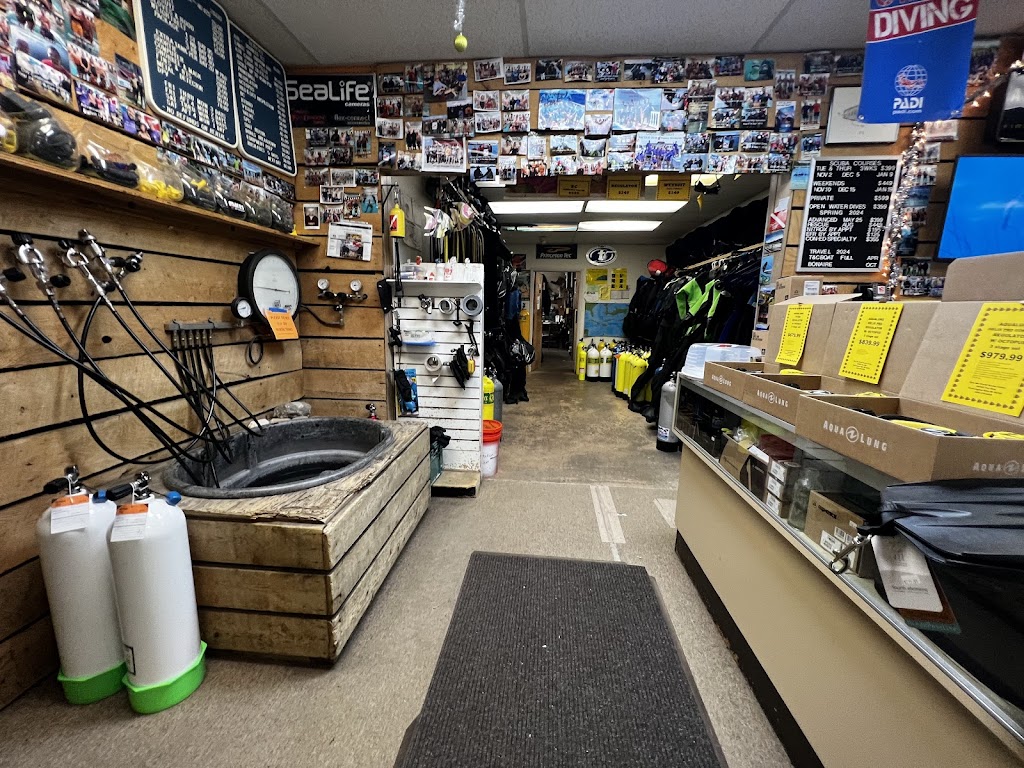
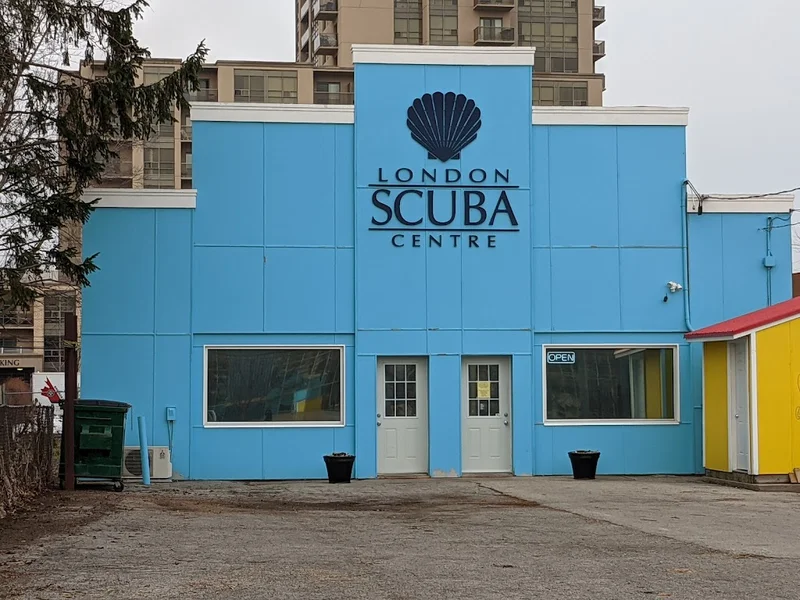
Dive Centers Near William H Wolf
Nearest Airports
Nearest airports to help plan travel to this dive area.
Search Flights
Check available flights and routes on Expedia, using the nearby airports listed in this section.
Search Flights on ExpediaFrequently Asked Questions
What is the maximum depth at the William H Wolf dive site?
The William H Wolf wreck separates into two distinct sections. Its bow lies in shallower areas, typically 1.8-6 meters (6-20 ft). Deeper, a separate stern section rests off a ledge, reaching depths of approximately 10.7 to 15.2 meters.
Is the William H Wolf suitable for beginner divers?
The site is considered suitable for both novice and experienced divers. However, due to potential strong currents and overhead boat traffic, diving with a guide or having prior experience with strong currents is strongly recommended for less experienced individuals.
What are the typical water temperatures for diving here?
Water temperatures vary significantly by season. In summer, expect temperatures between 15-25°C (59-77°F), while winter dives can see temperatures drop to 0-5°C (32-41°F).
Are there any specific hazards to be aware of at this site?
Yes, divers should be cautious of zebra mussels on the wreck, which can cause cuts; protective gloves are highly recommended. Additionally, there can be reasonably strong currents and a risk of entanglement, along with concerns about overhead boat traffic.
What kind of marine life can I expect to see?
The wreck supports a variety of local aquatic life and offers excellent opportunities for macro photography. While specific species are not consistently reported, you'll find organisms that thrive in freshwater environments, utilizing the wreck's structure as habitat.
Do I need a special permit to dive the William H Wolf?
No, a specific permit is not required to dive at the William H Wolf. However, always ensure you are diving safely and respecting local regulations.
Planning to dive William H Wolf?
Send one inquiry and receive offers directly from the best verified local dive operators.
Conditions are Good
07:00 - 14:00
Optimal conditions expected
Current conditions near William H Wolf show 16° air, --° sea temperature, 0.3 m waves, and 17 km/h wind. Forecast data is refreshed regularly to ensure accuracy.