
Diving at La Rusa (Colombia)
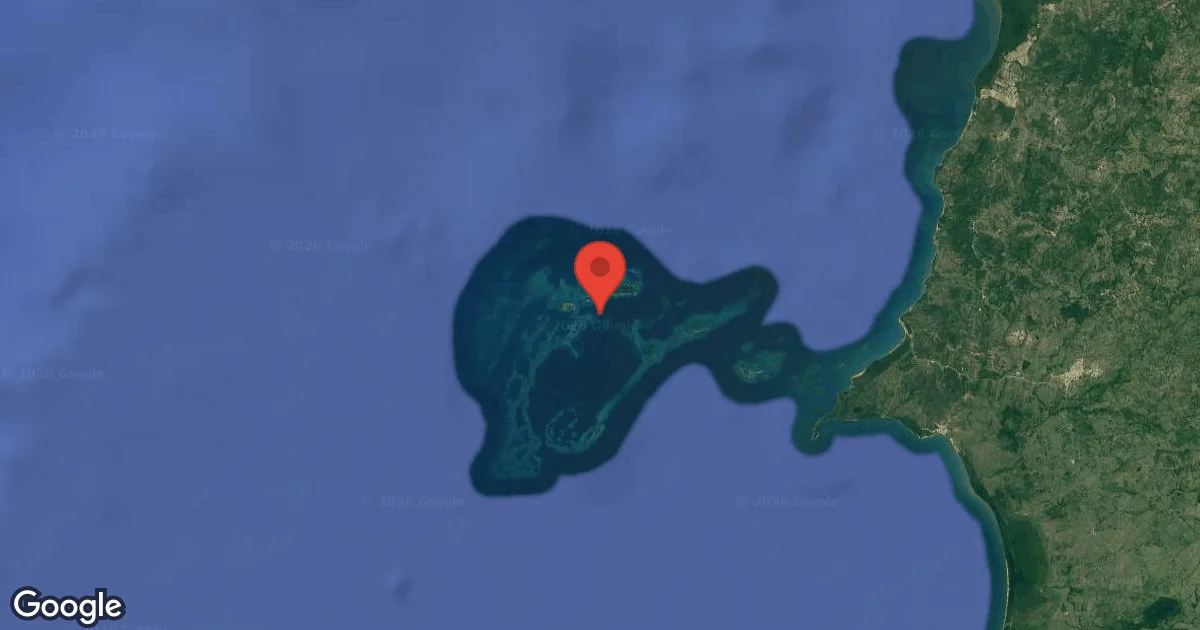
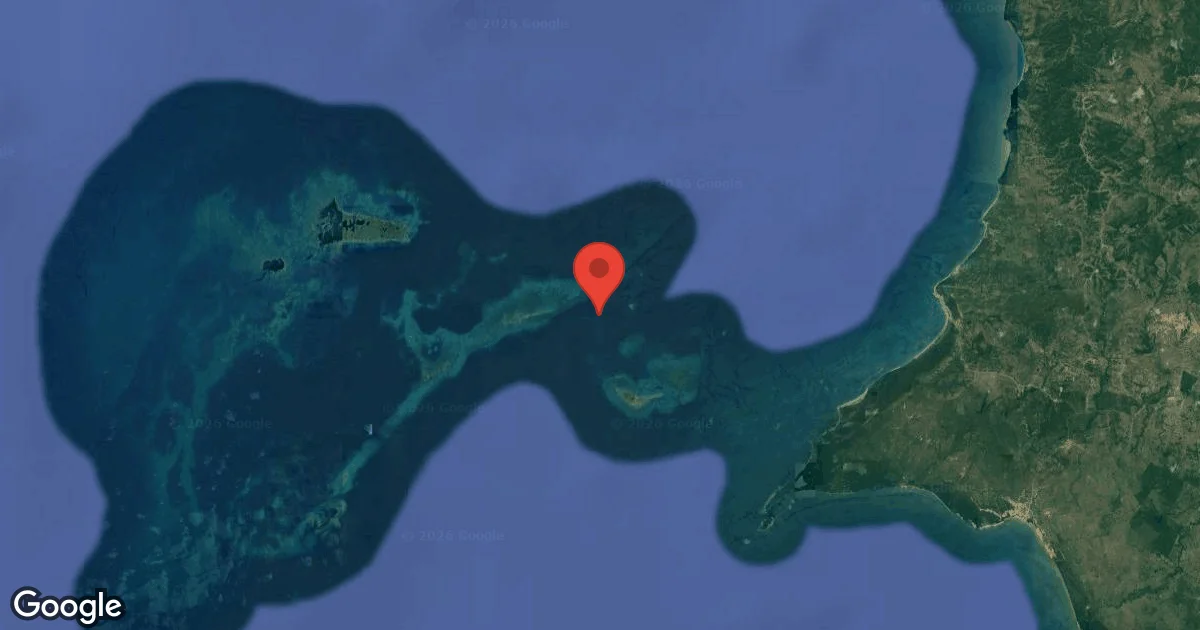
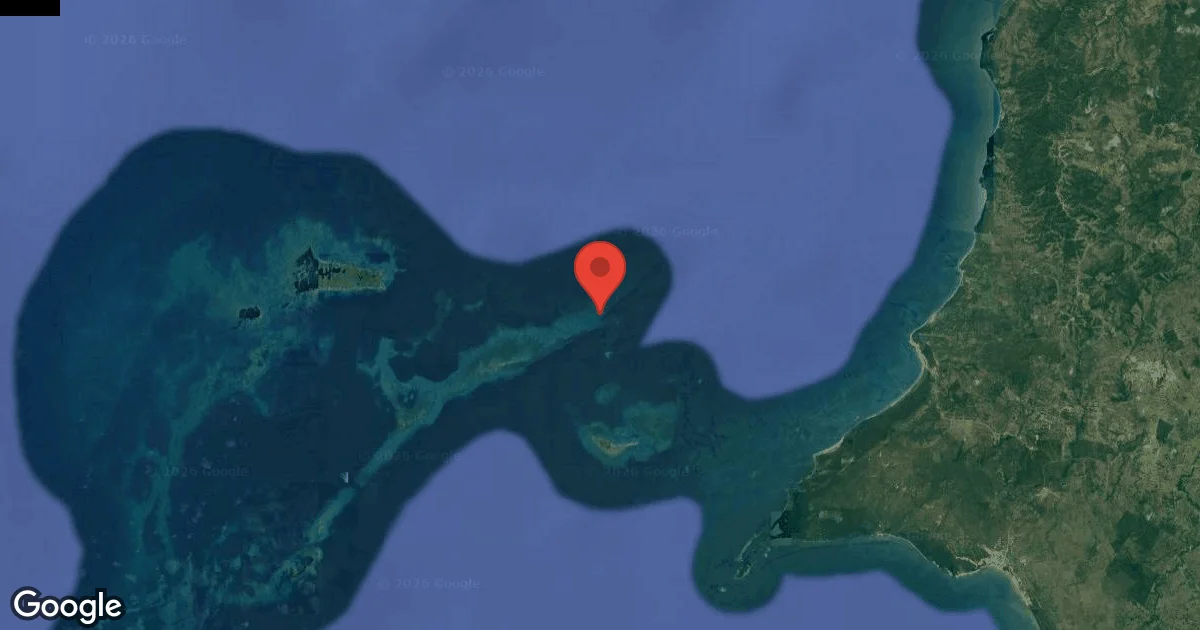
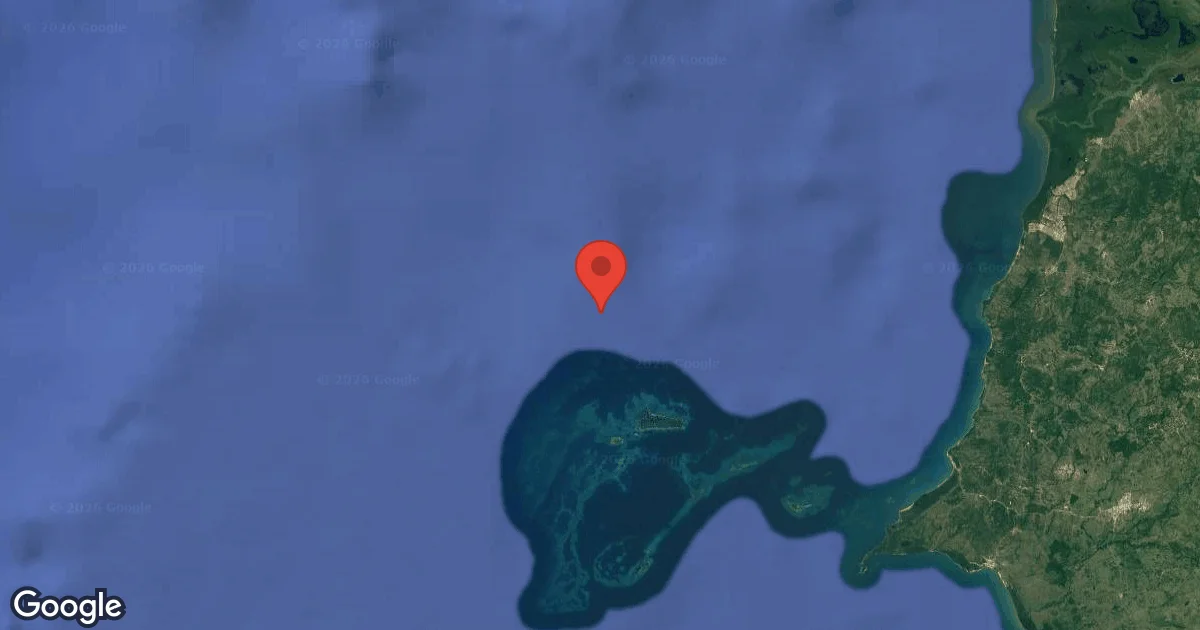
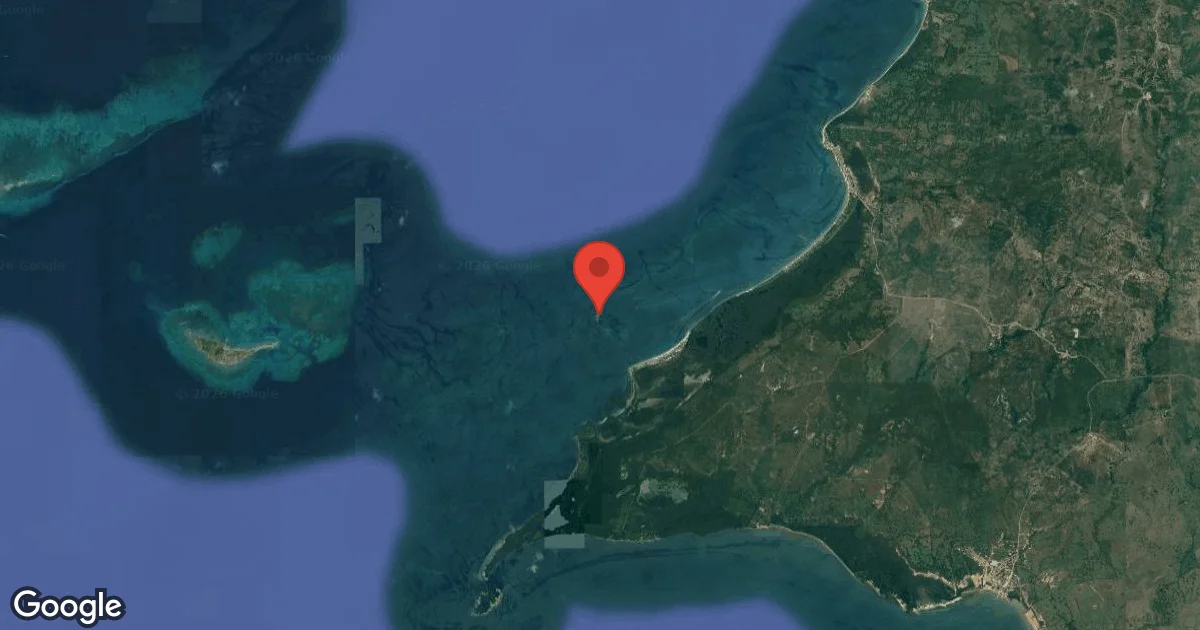
La Rusa, near Tintipán Island, carries a name shrouded in local maritime anecdotes, suggesting a vessel passed through, leaving its historical mark. This dive site offers certified divers a deeper, less-explored perspective of the underwater world. It's a place where history intertwines with a lively, rocky reef ecosystem.
Tonight's objective overview for La Rusa shows an air temperature of 30°C. The measured surface conditions include wave heights around 1 m. This environmental data is logged for the close of the day.
Dive Site Location & Key Facts
Dive Site Overview
An intricate underwater landscape characterizes La Rusa, defined by its captivating rocky environment, richly adorned with a dense growth of corals, gorgonians, and sponges. This diverse topography contributes significantly to the site's character, providing ample nooks and crannies for marine inhabitants.
Divers explore within a recreational depth range typically spanning 12 to 20 meters (39 to 66 ft), though the maximum reported recreational depth is 15 m (49 ft). Currents at La Rusa vary depending on conditions, influencing the potential for drift diving and making each descent distinct. A boat entry is essential to access these vibrant reef sections.
Situated on the less-explored side of Tintipán Island, it offers an unspoiled feel, attracting divers interested in a site with both natural beauty and a touch of local intrigue. This spot appeals especially to those seeking robust biodiversity within a dynamic reef structure, where the underwater canyons and ledges provide consistent shelter.
Conditions are Good
Optimal conditions expected
Current conditions near La Rusa show 30° air, 31° sea temperature, 0.8 m waves, and 26 km/h wind. Forecast data is refreshed regularly to ensure accuracy.
Best Time to Dive
Optimizing visibility for a dive at La Rusa generally aligns with the dry season, from December to May, when conditions tend to be more settled. During these months, average air temperatures hover around 27.5-28°C (82°F), with lower rainfall, ranging from 0.4 to 2.9 mm. While the dry season often presents calmer surface conditions, with average wave heights between 1.1 to 1.4 meters and wind speeds of 29-34 km/h, the rainy season from June to November is still considered pleasant. Although rain totals increase to 6.7-10.4 mm, it's typically not heavy or constant. Wind speeds are lower during this period, averaging 21-25 km/h, and wave heights reduce to 0.5-0.9 meters, which can contribute to smoother boat rides and potentially good visibility depending on local runoff.
PEAK SEASON SCORE
Scores combine air & water temps, waves, wind & rainfall for overall conditions.
BEST MONTHS TO DIVE
Monthly records compiled from satellite and marine observation nodes over the last 3 years. Data provided by Open-Meteo and MET Norway.
Dive Experience & Conditions
Beginning a dive at La Rusa typically involves a boat entry, followed by a descent into its recreational depth range, generally between 12 to 20 meters (39 to 66 ft). The underwater landscape immediately presents a rocky environment, densely covered in a variety of corals, gorgonians, and sponges. Divers should be prepared for variable currents; these shifts in water movement add a dynamic element to the experience and can alter the dive profile significantly. Water temperatures are consistently warm, averaging around 26°C (80°F). Given the fluctuating currents and the topography, La Rusa is generally recommended for intermediate-level certified divers who are comfortable managing diverse underwater conditions.
Dive Difficulty & Safety Guidelines
Considering the current changes and the site's less-explored nature, diving at La Rusa requires careful planning and situational awareness. No specific unique hazards are consistently reported for this site beyond typical marine environment considerations. Intermediate diver certification is appropriate for navigating the variable conditions.
Always dive with a reputable local guide or dive operator who possesses a thorough understanding of the site's current patterns and topography. Maintaining appropriate buoyancy control is essential to protect the delicate coral, gorgonian, and sponge formations that thrive here.
Follow standard safe diving practices, including monitoring air consumption and no-decompression limits, to ensure a safe and enjoyable experience.
Recommended Equipment
- Dive Computer
- DSMB
This gear list is based on verified equipment signals for La Rusa, Colombia. Always confirm final gear choices with your dive operator, guide, or liveaboard.
Recommended Dive Suit
Divers planning deeper dives may feel cooler than those staying in shallower areas.
Many divers find that dive skin or rash guard offers a comfortable balance between warmth and mobility. Consider warmer surface protection (like a boat coat) due to brisk winds. The coming days appear slightly cooler according to the latest forecast. Cooler days are ahead; you might want a warmer option for later in the week. Carrying a secondary suit is common practice among experienced divers.
Current temperature readings suggest that the water at La Rusa is around 31°C (88°F). Surface air temperatures are resting at 30°C (86°F).
Due to technical issues with our weather providers, live updates are temporarily delayed. The data above reflects the conditions at the time of the last successful fetch.
Emergency & Medical Support
Essential information to help you plan your dive trip to La Rusa.

Hyperbaric chambers are a critical part of dive safety infrastructure. Availability varies significantly by region, and not all dive areas have immediate access.
Before diving, it's recommended to:
- confirm nearest medical facilities
- check emergency procedures with local dive operators
- ensure dive insurance covers evacuation if required
Divers Alert Network
Diving emergency assistance available through DAN World.
+1-919-684-9111- 24/7 emergency hotline
- Diving medical assistance
- Evacuation coordination
Emergency contacts are provided for reference. Always verify local emergency services before diving.
Marine Life at La Rusa
Descending onto the rocky reef, divers often first notice the vibrant habitat created by extensive coral, gorgonian, and sponge growth. This dense covering provides shelter for a diverse array of marine life.
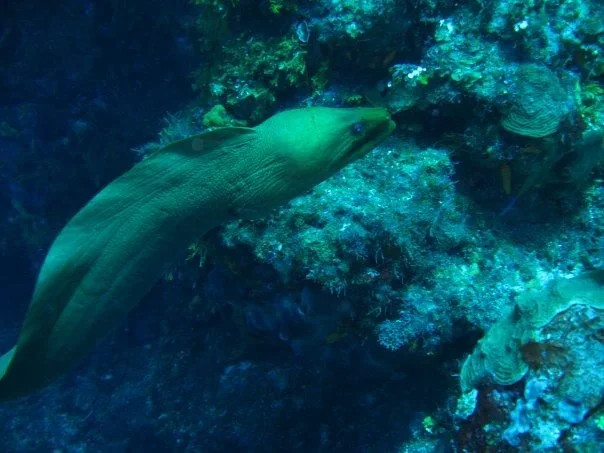
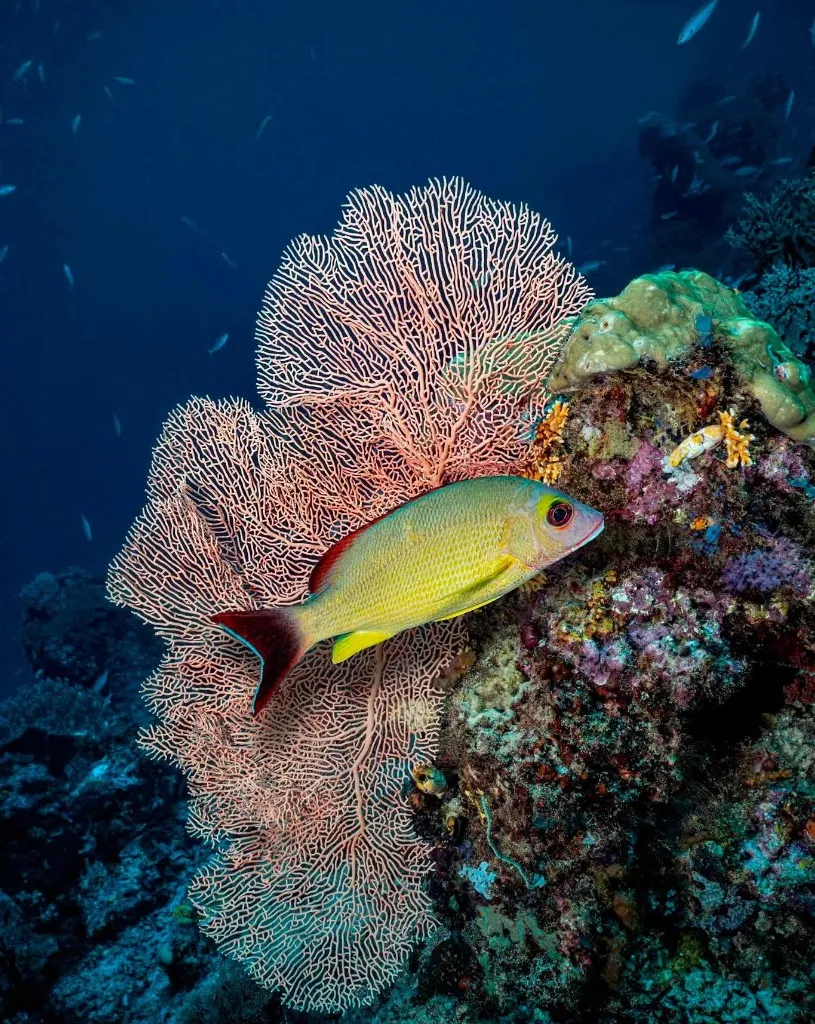
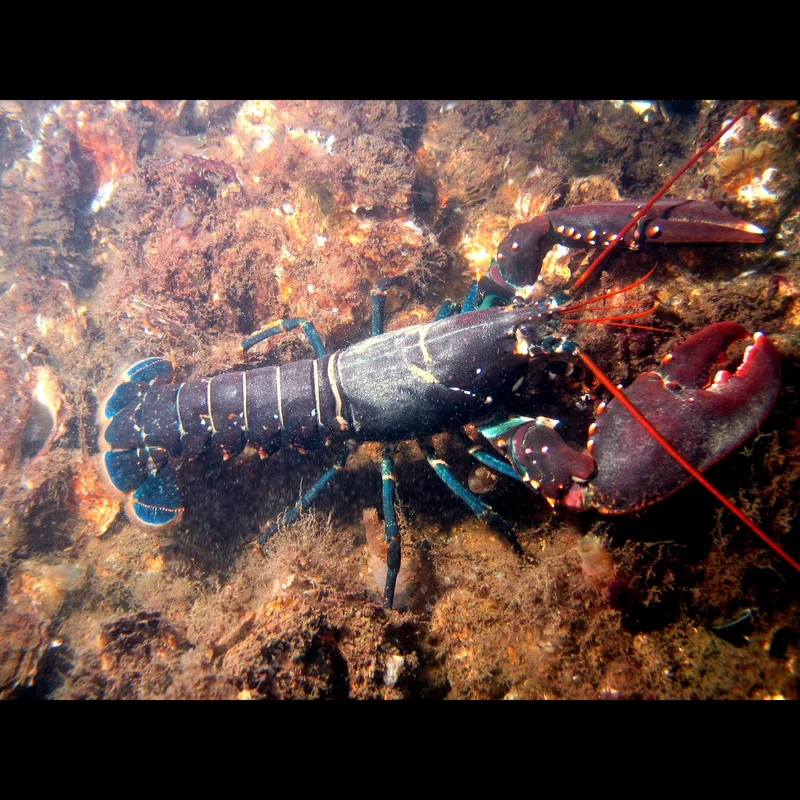
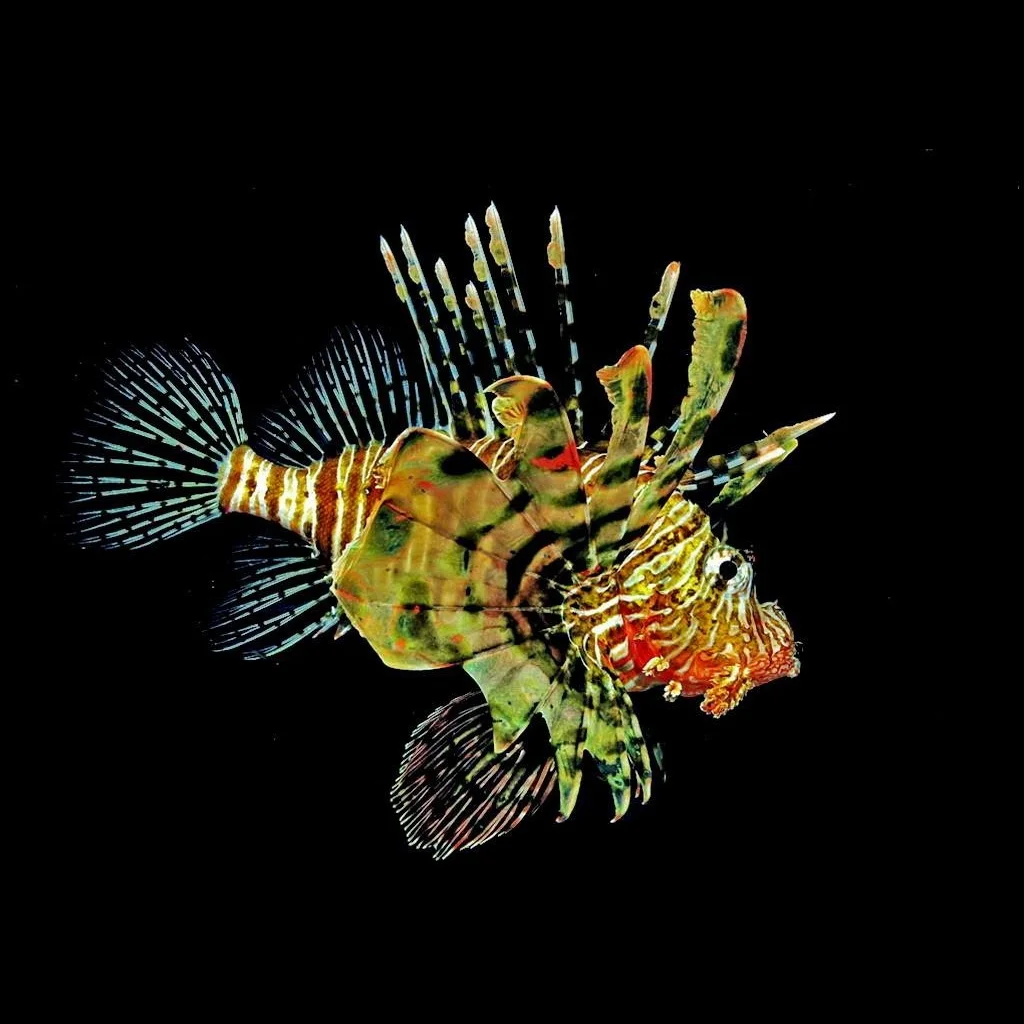
Encounters commonly include lionfish, various snappers, and moray eels peeking from crevices. Lobsters are frequently spotted tucked into the reef structure.
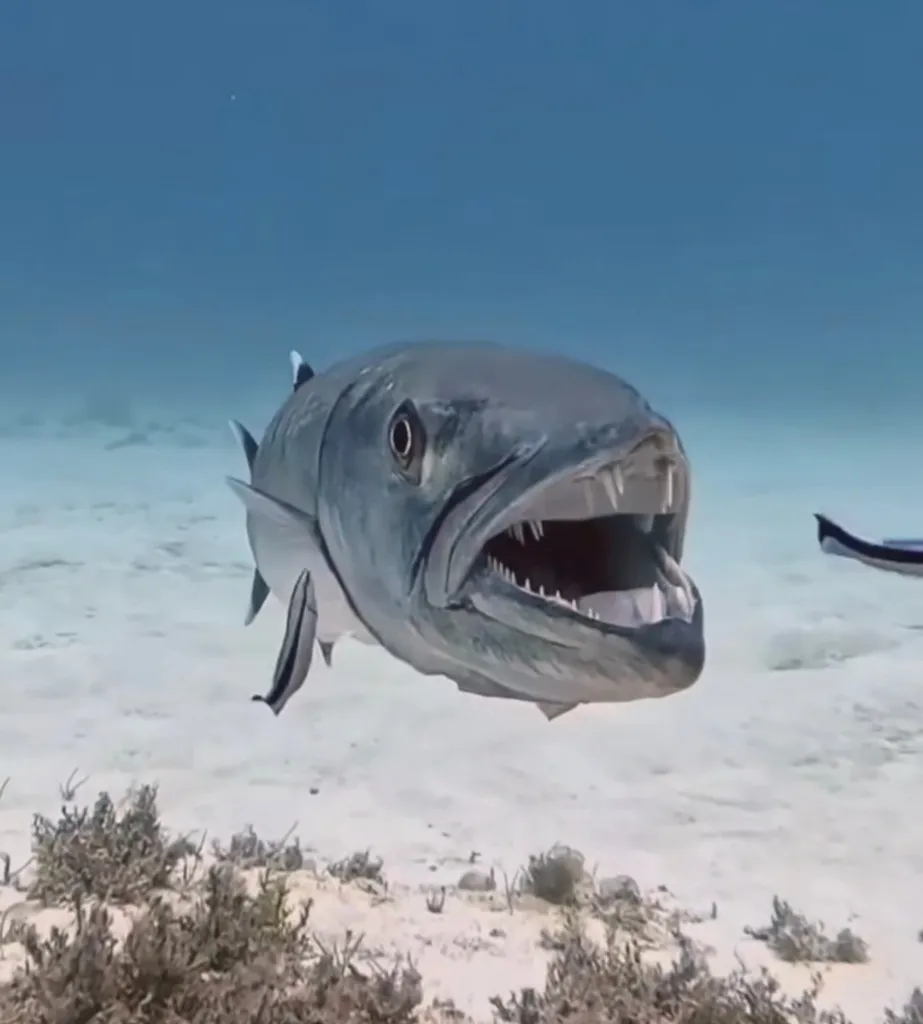
Lucky divers might also observe larger pelagic visitors such as rays or barracudas patrolling the deeper sections of the site.
Dive Sites Near La Rusa
View all dive sites in ColombiaDiscover more underwater gems in this area.
Dive Centers Near La Rusa

Today: 05:30 - 20:00
Nearest Airports
Nearest airports to help plan travel to this dive area.
Search Flights
Check available flights and routes on Expedia, using the nearby airports listed in this section.
Search Flights on ExpediaFrequently Asked Questions
What's the best time of year to dive La Rusa?
The dry season, from December to May, is generally recommended for the most stable conditions and clearer visibility. However, the rainy season (June-November) also offers good diving, with milder winds and pleasant air temperatures around 28°C (82°F).
What is the typical depth range for diving at La Rusa?
La Rusa offers a recreational depth range, typically between 12 to 20 meters (39 to 66 ft). The maximum reported recreational depth for this site is 15 meters (49 ft).
What kind of diver certification is needed for La Rusa?
La Rusa is best suited for intermediate certified divers. Its variable currents and dynamic topography require some experience and comfort in diverse underwater conditions.
What marine life can I expect to see at La Rusa?
Divers commonly encounter lionfish, snappers, moray eels, and lobsters among the corals and sponges. There's also a chance to spot larger species like rays or barracudas.
Are there strong currents at La Rusa?
Currents at La Rusa are variable and can change throughout a dive. These shifts add to the dynamic nature of the site, making each exploration unique. Dive with a local guide who understands the patterns.
What are the water temperatures like?
Water temperatures at La Rusa are consistently warm, averaging around 26°C (80°F) throughout the year. This allows for comfortable diving, often with just a shorty or a light 3mm wetsuit.
How do I access the La Rusa dive site?
Access to La Rusa is exclusively by boat. Dive operators from nearby areas will transport you directly to the site's entry point, which is situated on the deeper side of Tintipán Island.
Planning to dive La Rusa?
Send one inquiry and receive offers directly from the best verified local dive operators.
Conditions are Good
Optimal conditions expected
Current conditions near La Rusa show 30° air, 31° sea temperature, 0.8 m waves, and 26 km/h wind. Forecast data is refreshed regularly to ensure accuracy.