
Diving at Archipielago de San Bernardo (Colombia)
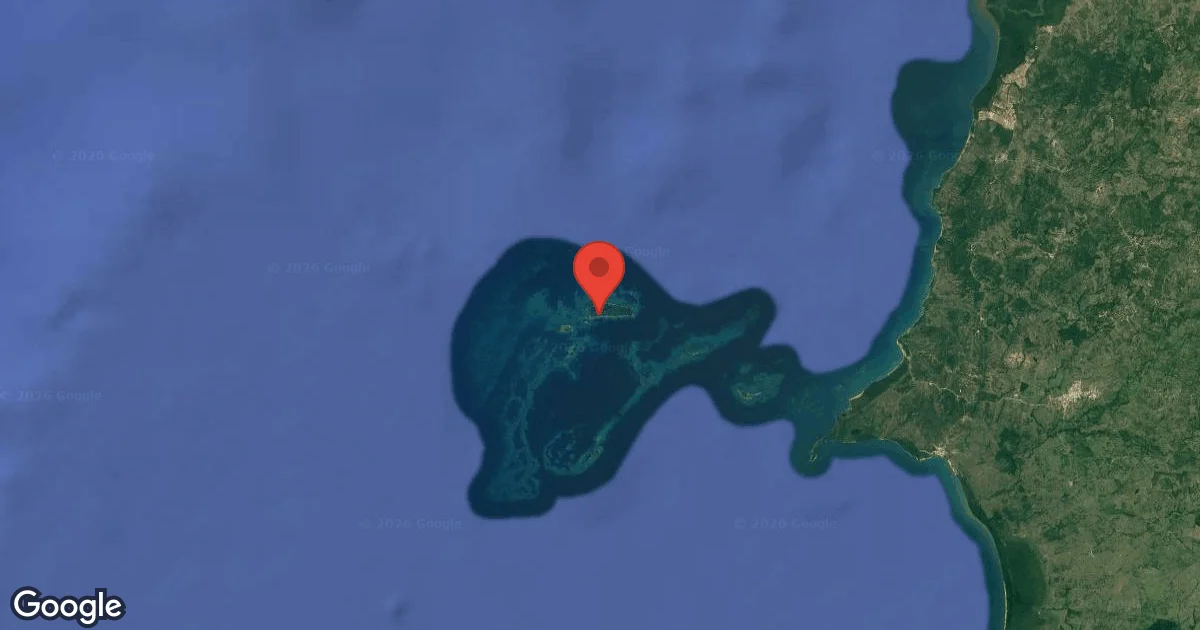
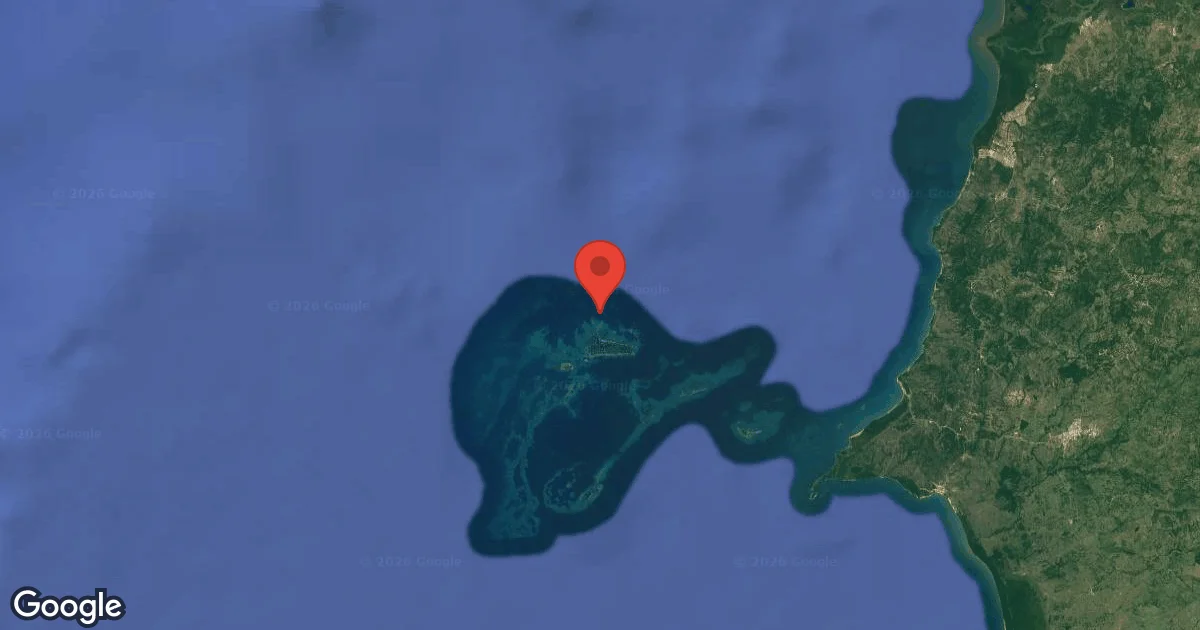
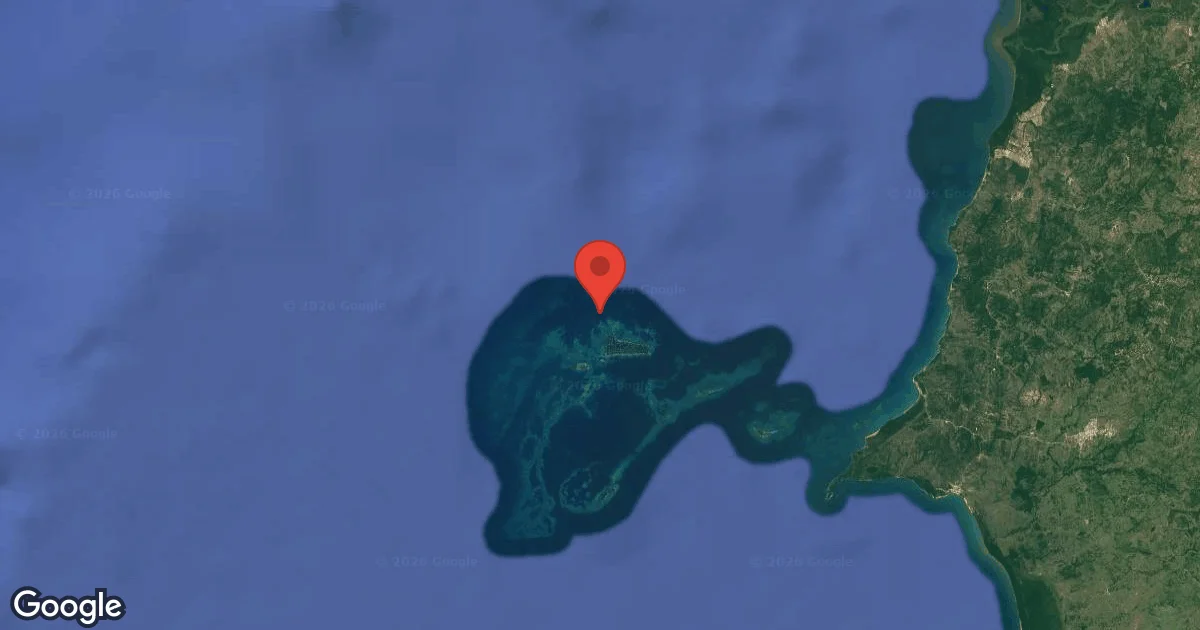
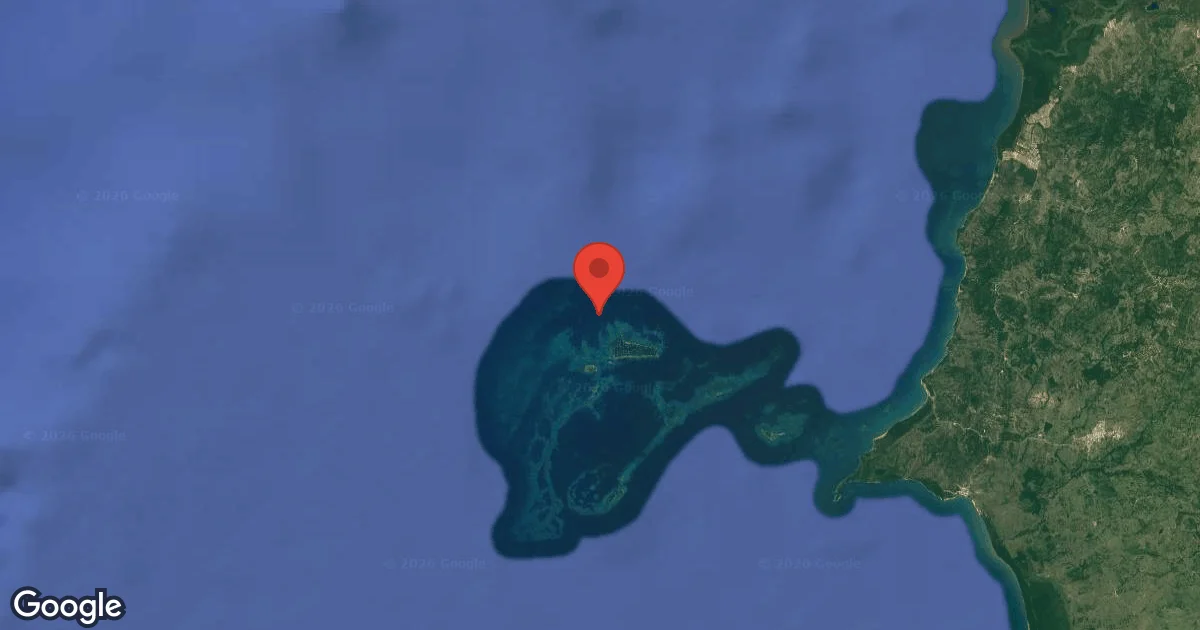
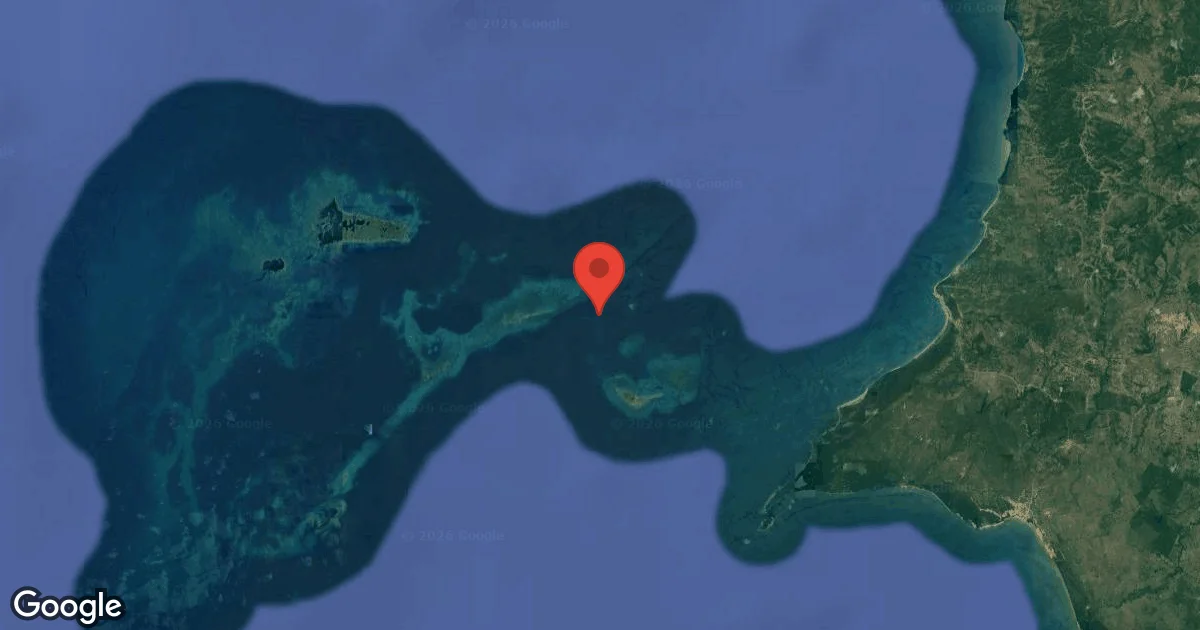
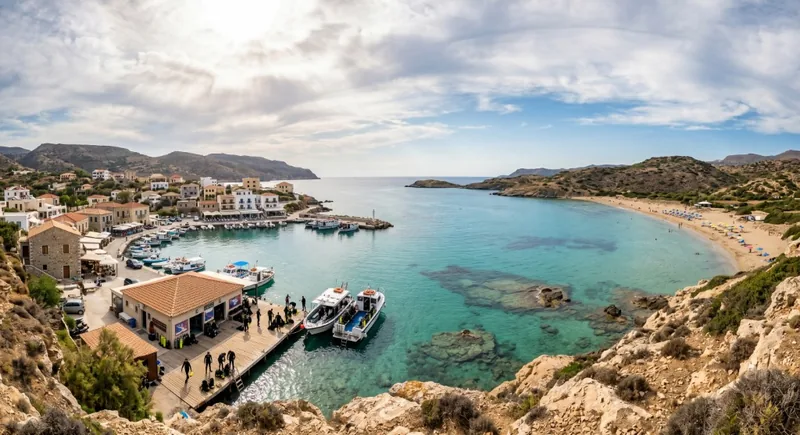
Approaching the Archipielago de San Bernardo, divers often first notice the brilliant clarity of its Caribbean waters. This island group, part of the Corales del Rosario and San Bernardo National Park, showcases extensive reef formations. It lies off the coast of Coveñas, supporting one of Colombia's most diverse marine ecosystems.
Tonight's objective overview for Archipielago de San Bernardo shows an air temperature of 29.5°C. The measured surface conditions include wave heights around 1 m. This environmental data is logged for the close of the day.
Dive Site Location & Key Facts
Dive Site Overview
The Archipielago de San Bernardo distinguishes itself as a premier diving destination within Colombia, providing access to the largest coral reef formation in the continental Caribbean. This group of 10 islands, nestled within the Corales del Rosario and San Bernardo National Park, presents a diverse array of dive sites catering to all certification levels.
Underwater exploration often reveals extensive coral gardens and impressive wall formations, typically reaching maximum depths around 25 meters (82 feet) at many locations. Exceptional water clarity here allows for detailed observation of the intricate reef structures and abundant life. Boat entries are the customary method for accessing these pristine environments.
For instance, the Cantil of Tintipán dive site features a plateau beginning at roughly 3 meters (10 feet) before transforming into a dramatic wall that descends to approximately 30 meters (100 feet). This variety ensures engaging dives, from shallow reef explorations to deeper excursions along the walls.
Divers can anticipate encountering a vibrant spectrum of tropical fish, various species of sponges, and occasionally larger pelagic visitors such as turtles and rays. The archipelago supports Colombia's most diverse marine ecosystem, offering a rich tapestry of life in its warm, saline waters.
Conditions are Good
Optimal conditions expected
Current conditions near Archipielago de San Bernardo show 30° air, 31° sea temperature, 0.8 m waves, and 22 km/h wind. Forecast data is refreshed regularly to ensure accuracy.
Best Time to Dive
Optimal diving conditions in the Archipielago de San Bernardo generally prevail from April through December, when dive scores are rated "Good." During these months, the average air temperatures remain warm, typically ranging from 28°C to 28.5°C (82-83°F). Rainfall is more frequent from May to November, with peaks in October at around 10.4 mm, which can sometimes influence surface conditions but generally doesn't severely impact underwater visibility. Conversely, the period from January to March sees moderate dive scores, largely due to higher average wave heights, reaching up to 1.4 meters (4.6 feet) in February, and stronger winds. These stronger winds, peaking at 34 km/h (21 mph) in February, can lead to choppier boat rides and increased surface current activity. For those seeking calmer seas and less wind, the months from September to October often report the lowest wave heights, averaging around 0.6 meters (2.0 feet), making for smoother trips to dive sites.
PEAK SEASON SCORE
Scores combine air & water temps, waves, wind & rainfall for overall conditions.
BEST MONTHS TO DIVE
Monthly records compiled from satellite and marine observation nodes over the last 3 years. Data provided by Open-Meteo and MET Norway.
Dive Experience & Conditions
Descending into the waters of San Bernardo Archipelago, divers will immediately notice the exceptional visibility, often creating an expansive view of the coral gardens below. Water temperatures generally feel comfortable throughout the year; while specific readings aren't consistently reported, air temperatures average between 27.5°C and 28.5°C (81.7-83.3°F), suggesting consistently warm surface conditions. Dive sites are typically reached by boat, and once submerged, the relatively mild current conditions most often provide a relaxed drift over the reefs. Depths vary from shallow reef tops starting at around 3 meters (10 feet) down to impressive walls. Experienced divers can explore deeper sections, with some areas extending past 25 meters. This accessibility caters to all levels, allowing beginners to enjoy the vibrant shallow reefs while advanced divers navigate the deeper structural elements. The diverse topography includes plateaus that drop off into vertical faces, creating varied environments for exploration.
Dive Difficulty & Safety Guidelines
When planning a dive in the Archipielago de San Bernardo, it's wise to engage with experienced local dive crews who possess intimate knowledge of the area's specific conditions and dive sites. The currents, while generally mild, can vary, and local guidance is invaluable for navigating them safely.
Always ensure your equipment is well-maintained before commencing any dive. As part of a National Park, divers must adhere to marine park regulations, including respecting protected coral formations and marine life; never touch or disturb the ecosystem.
Maintain awareness of your depth and air consumption, especially when exploring deeper wall sections that can extend to 30 meters. For any medical conditions, particularly lung or heart-related, or if pregnant, diving is not advised. Good rest before diving is also crucial for overall safety and enjoyment.
Recommended Equipment
- Dive Computer
- DSMB
This gear list is based on verified equipment signals for Archipielago de San Bernardo, Colombia. Always confirm final gear choices with your dive operator, guide, or liveaboard.
Recommended Dive Suit
Subtle variations in currents or depth can sometimes influence perceived water temperature.
Dive skin or rash guard tends to perform well in water temperatures like those currently observed here. A hood or vest is suggested for sensitive divers due to surface winds. The coming days appear slightly cooler according to the latest forecast. Cooler days are ahead; you might want a warmer option for later in the week. Carrying a secondary suit is common practice among experienced divers.
Current temperature readings suggest that the water at Archipielago de San Bernardo is around 31°C (87°F). Surface air temperatures are resting at 30°C (85°F).
Emergency & Medical Support
Essential information to help you plan your dive trip to Archipielago de San Bernardo.

Hyperbaric chambers are a critical part of dive safety infrastructure. Availability varies significantly by region, and not all dive areas have immediate access.
Before diving, it's recommended to:
- confirm nearest medical facilities
- check emergency procedures with local dive operators
- ensure dive insurance covers evacuation if required
Divers Alert Network
Diving emergency assistance available through DAN World.
+1-919-684-9111- 24/7 emergency hotline
- Diving medical assistance
- Evacuation coordination
Emergency contacts are provided for reference. Always verify local emergency services before diving.
Marine Life at Archipielago de San Bernardo
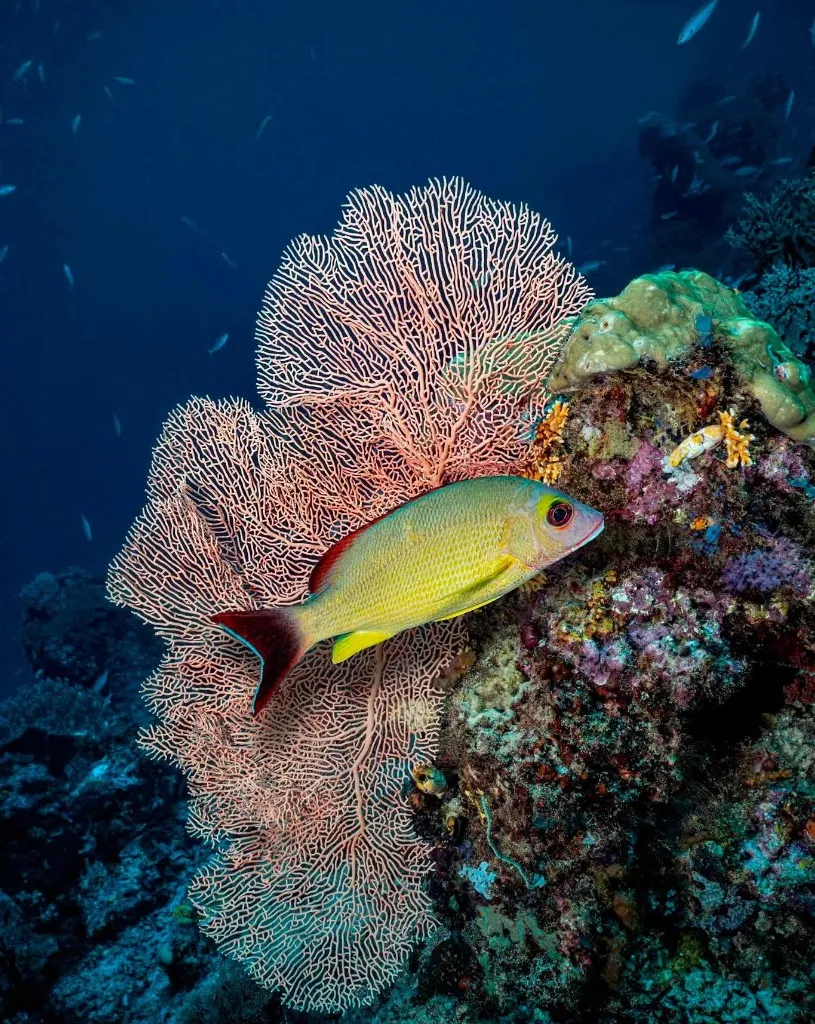
Divers exploring the Archipielago de San Bernardo will quickly observe the rich diversity of its underwater inhabitants, particularly the extensive coral formations and abundant sponges. Tropical fish are omnipresent, darting among the reefs in a vibrant display.
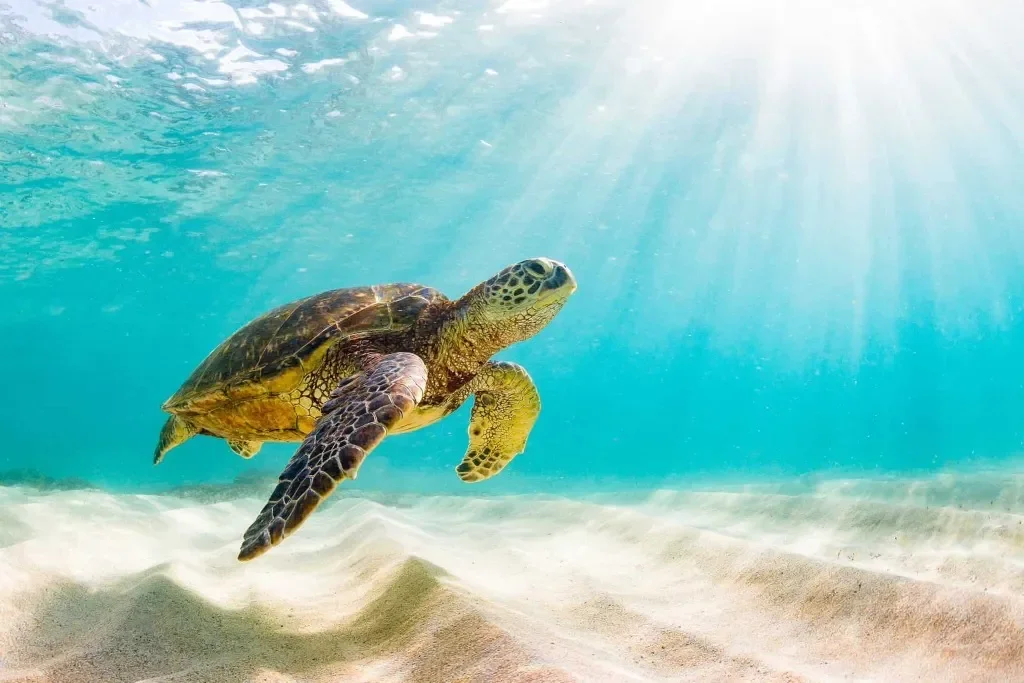
Keep an eye out for green sea turtles gracefully gliding through the water, a common sight here. Various species of rays can also be seen traversing the sandy bottoms or patrolling the reef edges.
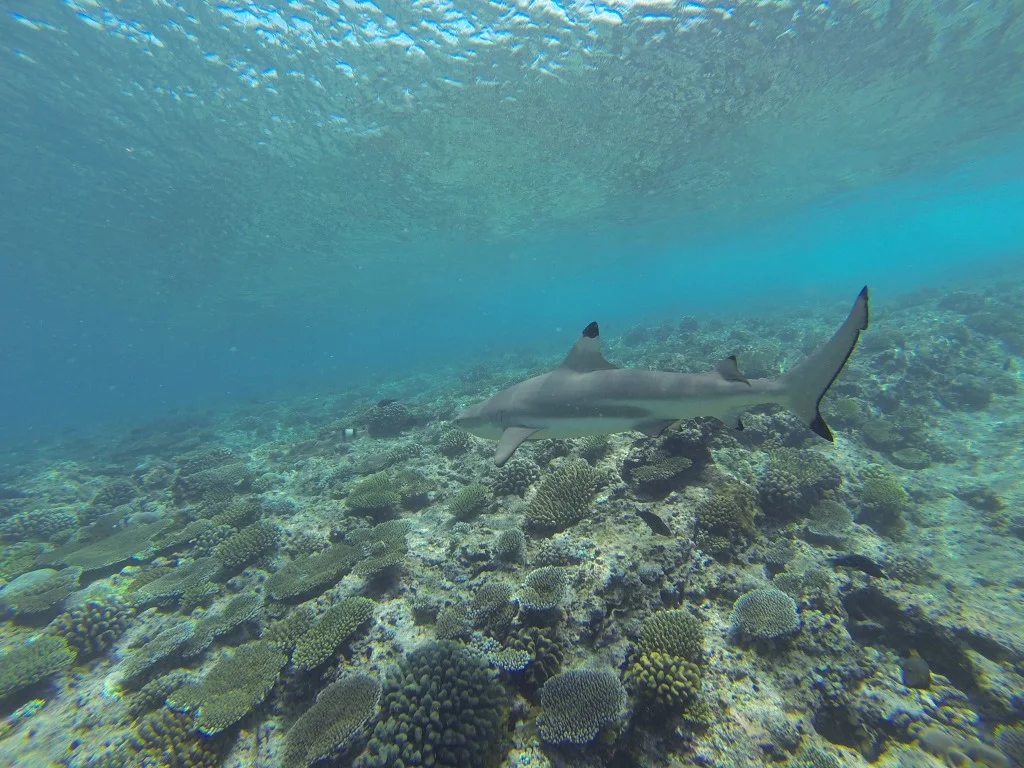
While not guaranteed, there's always a chance for encounters with dolphins or different shark species, which are known to visit the park's healthy ecosystem. Eels, tuna, and snappers contribute to the dynamic array of life.

Dive Sites Near Archipielago de San Bernardo
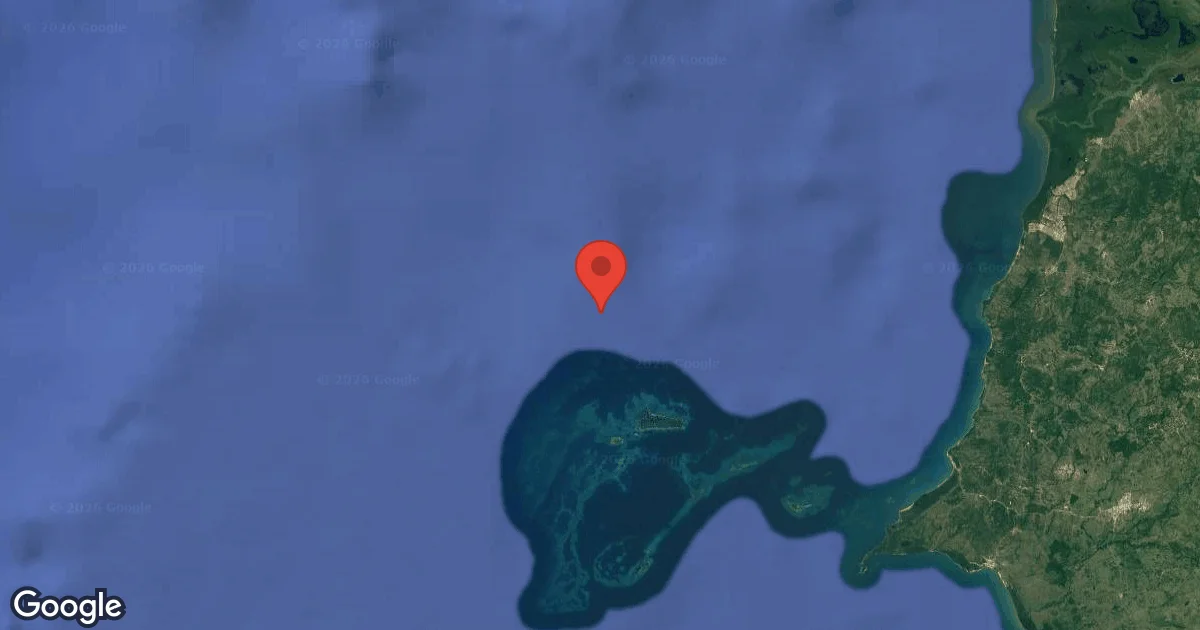
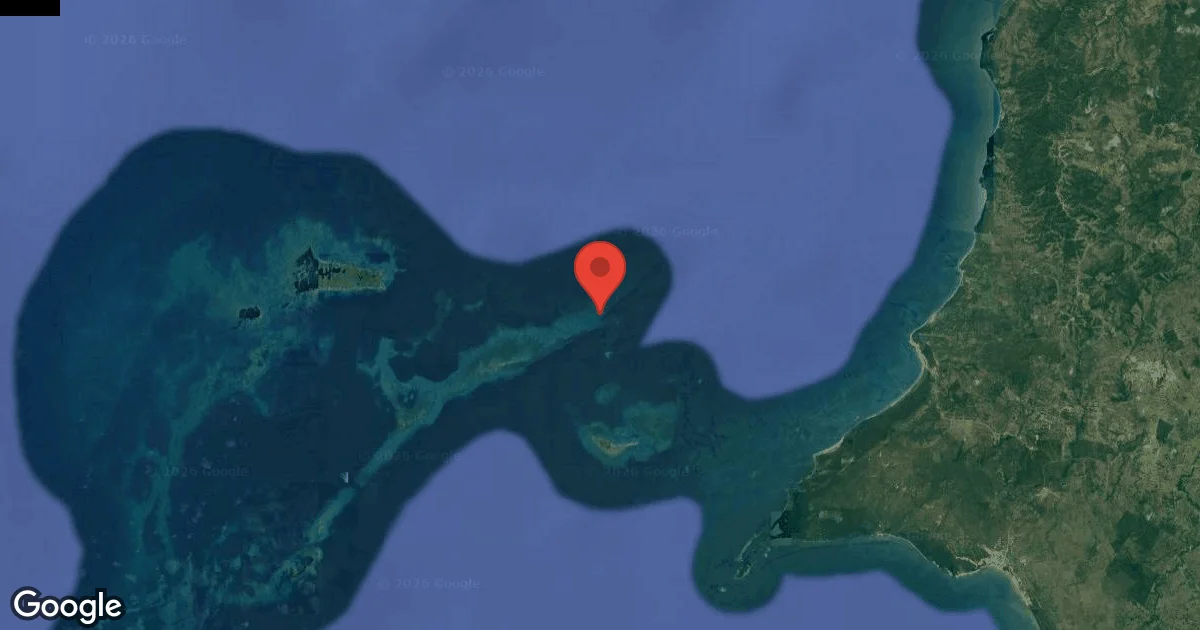
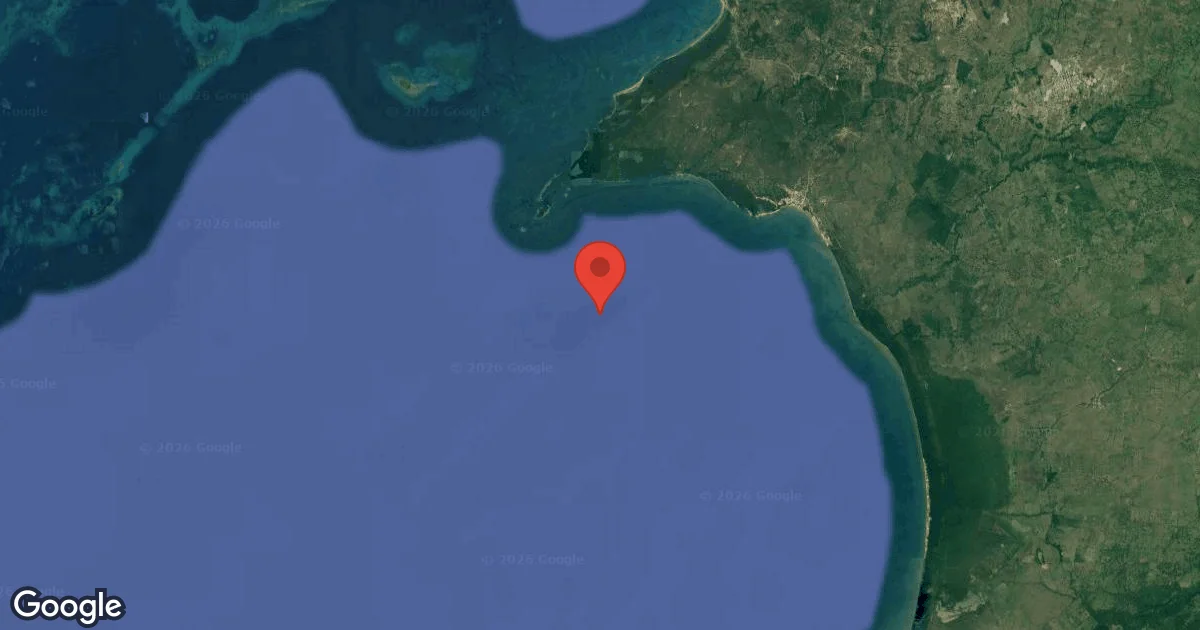
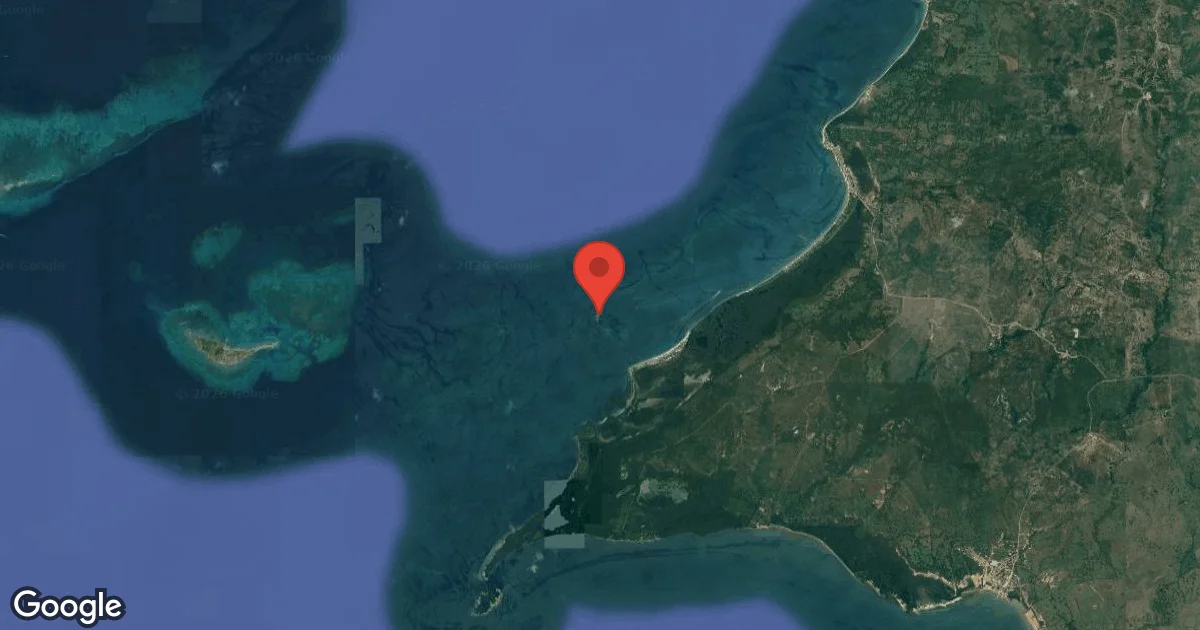
View all dive sites in ColombiaDiscover more underwater gems in this area.
Dive Centers Near Archipielago de San Bernardo
Today: 05:30 - 20:00
Nearest Airports
Nearest airports to help plan travel to this dive area.
Search Flights
Check available flights and routes on Expedia, using the nearby airports listed in this section.
Search Flights on ExpediaFrequently Asked Questions
What is the maximum depth for diving in San Bernardo?
Most sites typically reach a maximum recreational depth of 25 meters (82 feet). Specific locations like the Cantil of Tintipán can extend deeper along walls, down to 30 meters (100 feet), providing options for advanced divers.
What marine life can I expect to see?
Divers frequently encounter vibrant tropical fish, numerous sponges, and diverse coral species. Turtles, various rays, eels, tuna, and snappers are also common sightings within this rich marine ecosystem.
Is the Archipielago de San Bernardo suitable for beginners?
Yes, the archipelago offers a variety of sites suitable for all levels, including shallow reef areas ideal for new divers to gain experience and enjoy the colorful underwater environment.
How do I get to the dive sites?
Dive sites are exclusively accessed by boat. Most tours depart from local dive centers, often found off the coast of Coveñas or from other nearby coastal towns.
What are the typical water temperatures?
Specific water temperature data is not consistently reported, but year-round air temperatures averaging 27.5-28.5°C (82-83°F) suggest consistently warm ocean conditions for diving.
When is the best time of year to visit for diving?
The period from April through December generally offers the best diving conditions, with "Good" dive scores due to calmer seas and favorable winds, despite some increased rainfall in latter months.
Is the Archipielago de San Bernardo part of a protected area?
Yes, the islands are an integral part of the Corales del Rosario and San Bernardo National Park, a protected marine area focused on conserving its extensive coral reefs and diverse ecosystem.
Planning to dive Archipielago de San Bernardo?
Send one inquiry and receive offers directly from the best verified local dive operators.
Conditions are Good
Optimal conditions expected
Current conditions near Archipielago de San Bernardo show 30° air, 31° sea temperature, 0.8 m waves, and 22 km/h wind. Forecast data is refreshed regularly to ensure accuracy.