
Diving at Marie Grota Cave/Cliff (Croatia)
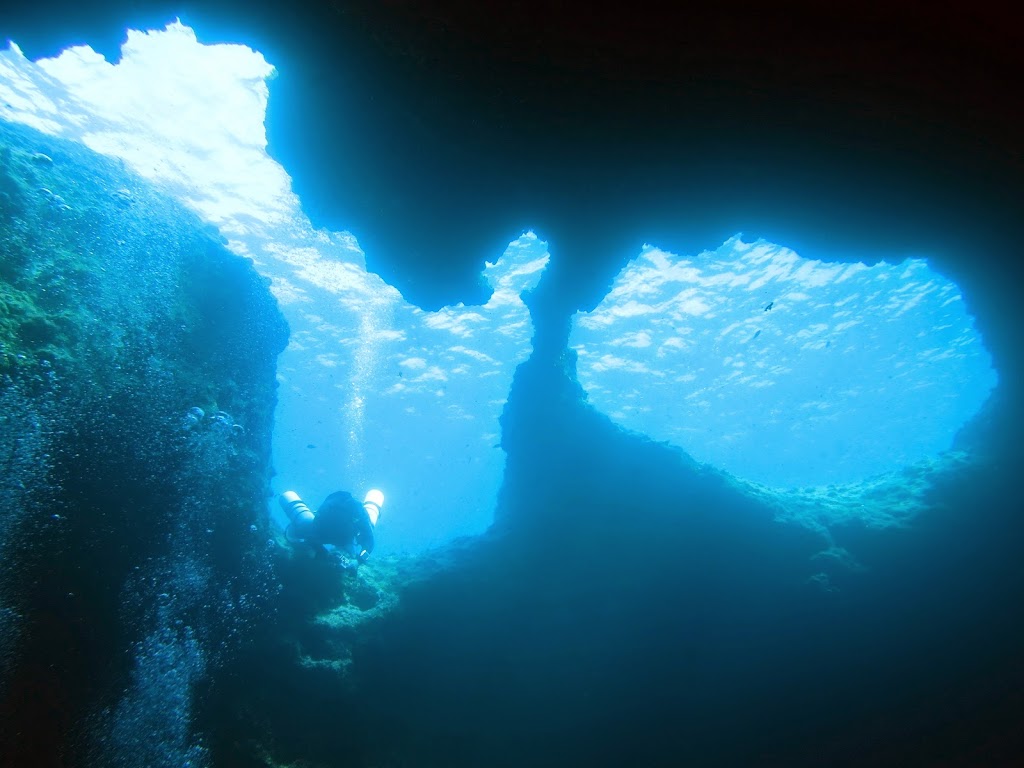
Life here thrives along the dramatic vertical drop-offs and within the mysterious confines of Marie Grota Cave/Cliff, offering divers a chance to observe specialized Mediterranean marine organisms. This site in Croatia’s Solta region presents an environment where the interplay of light and shadow on the rich flora and fauna creates a distinct underwater panorama. It's a location where the structure itself dictates much of the habitat, leading to a vibrant display of life adapted to these specific conditions.
Tonight's objective overview for Marie Grota Cave/Cliff shows an air temperature of 25.5°C. The measured surface conditions include wave heights around 0.1 m. This environmental data is logged for the close of the day.
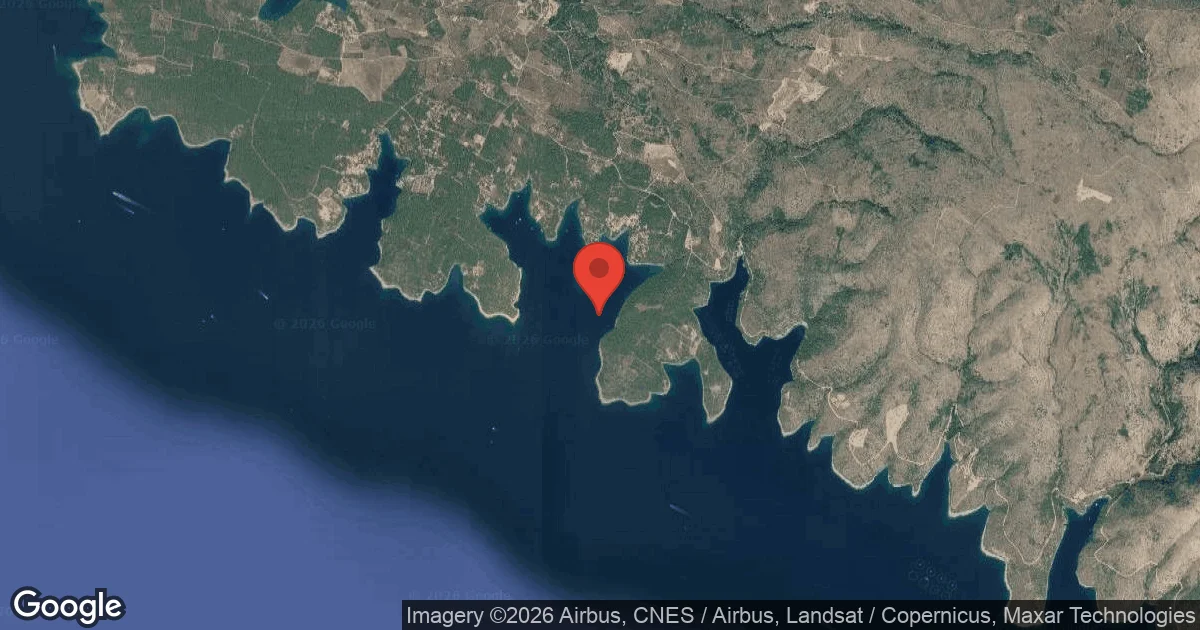
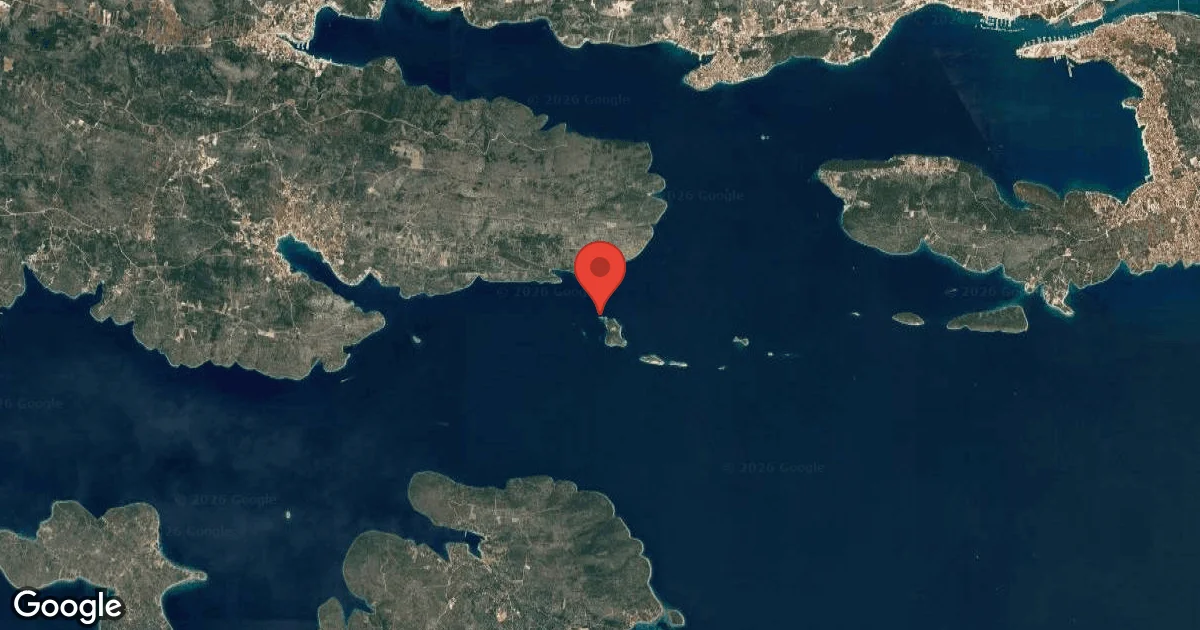
Dive Site Location & Key Facts
Dive Site Overview
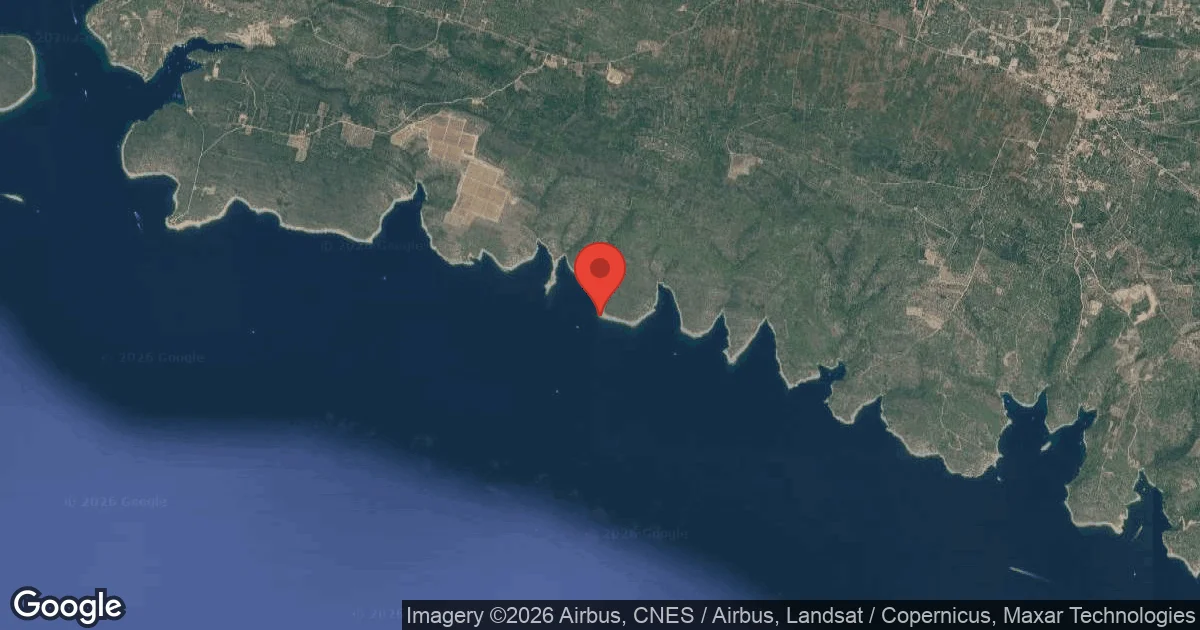
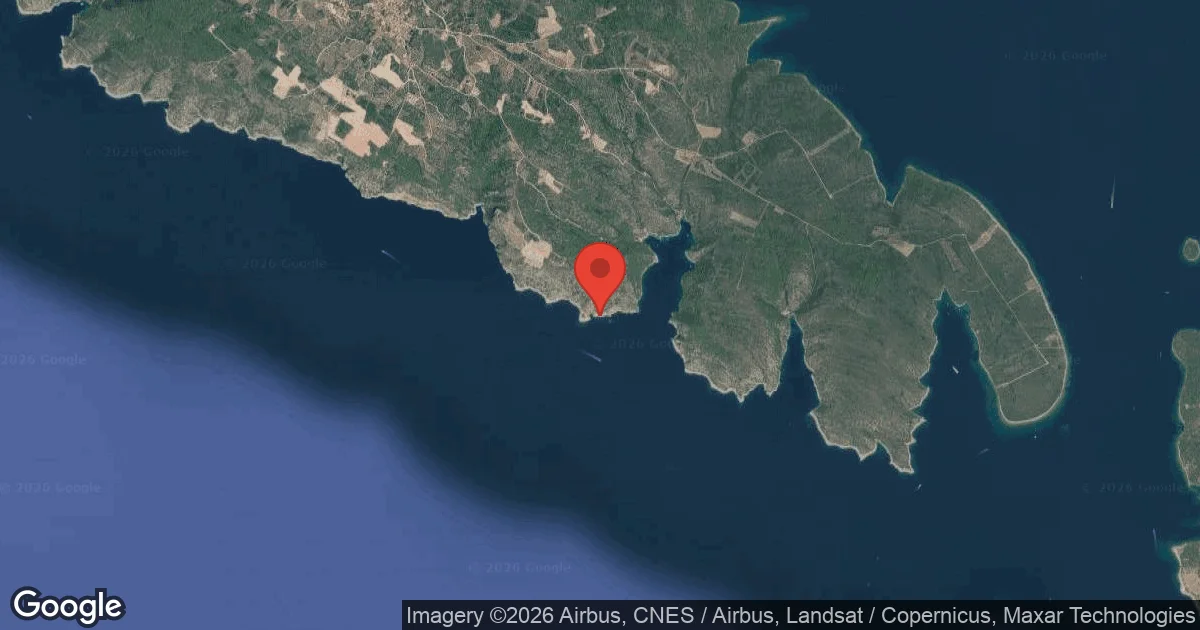
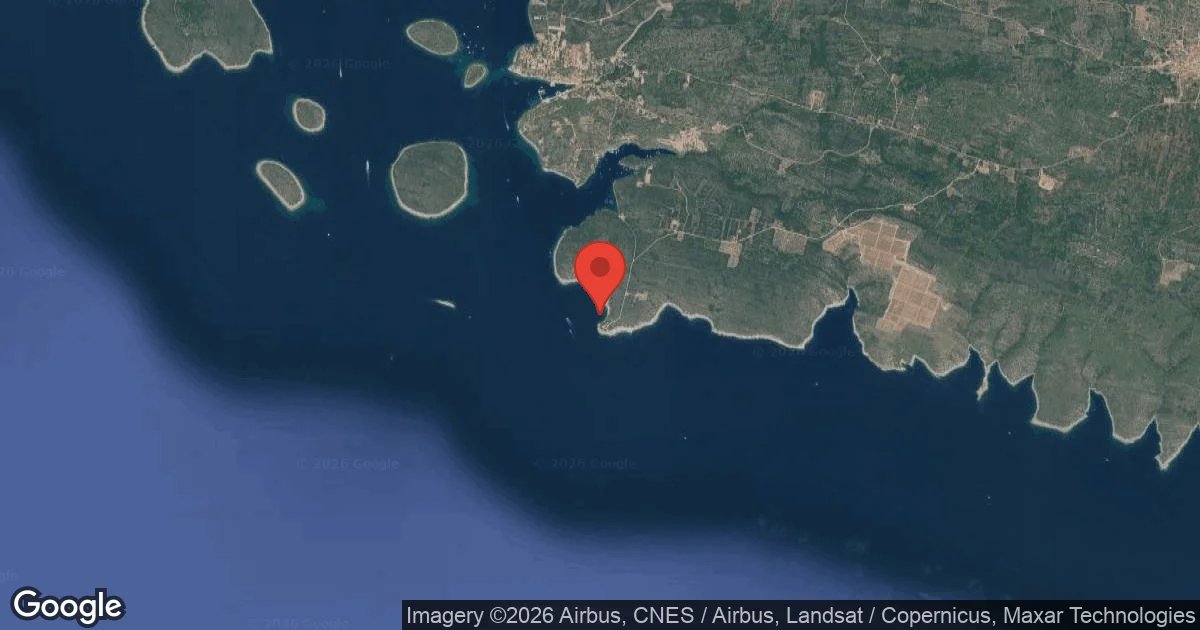
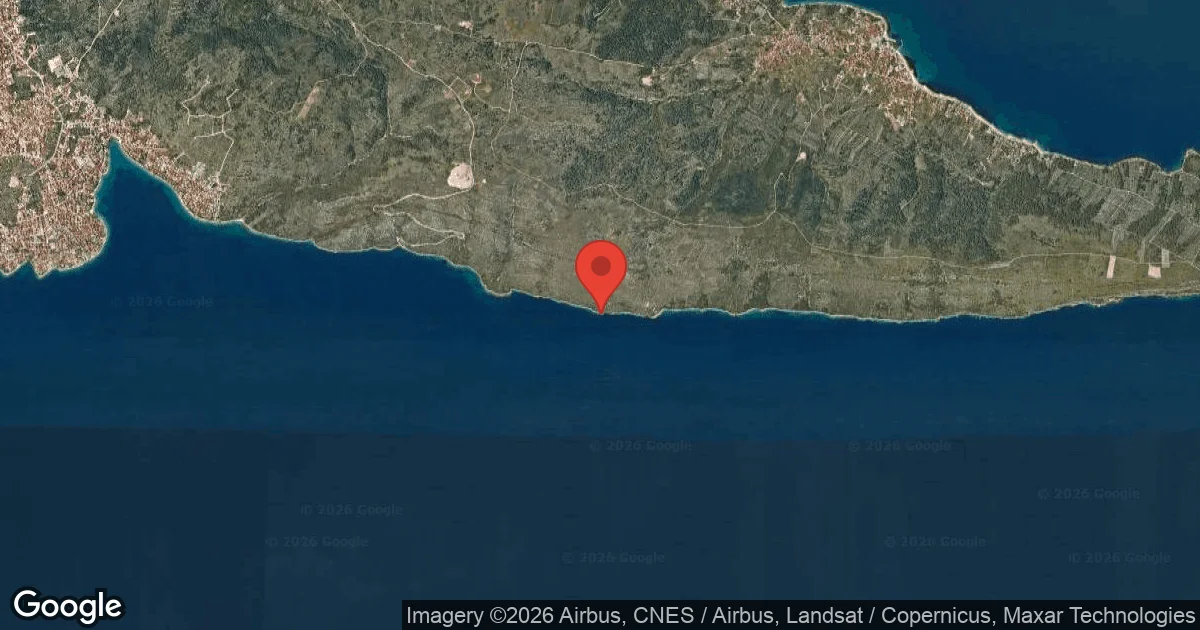
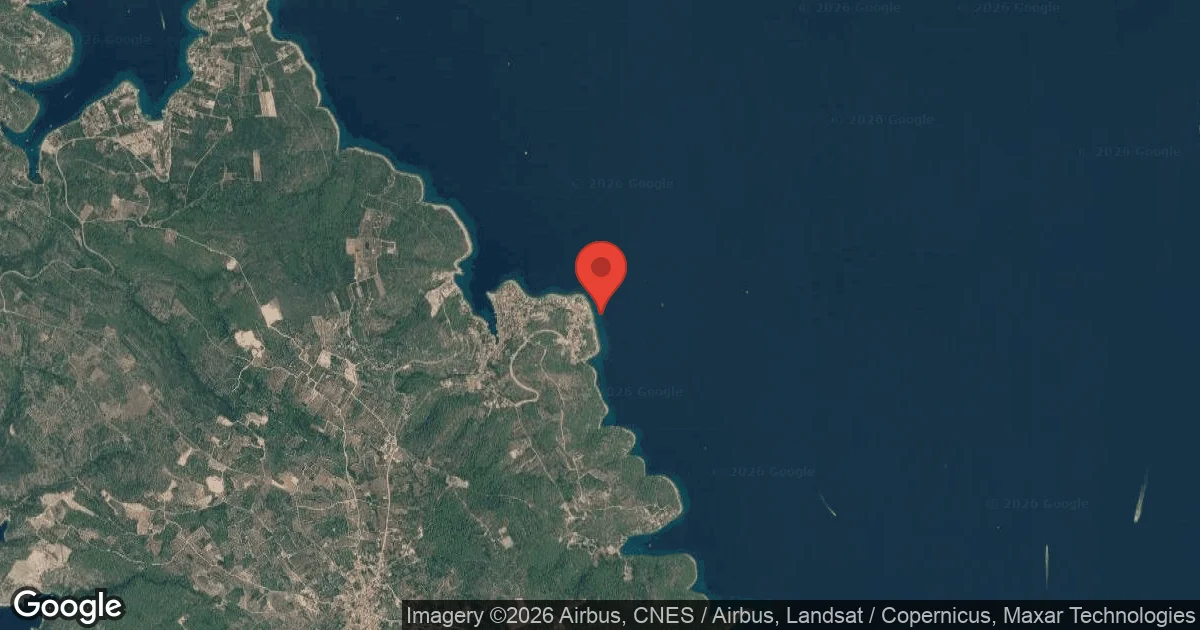
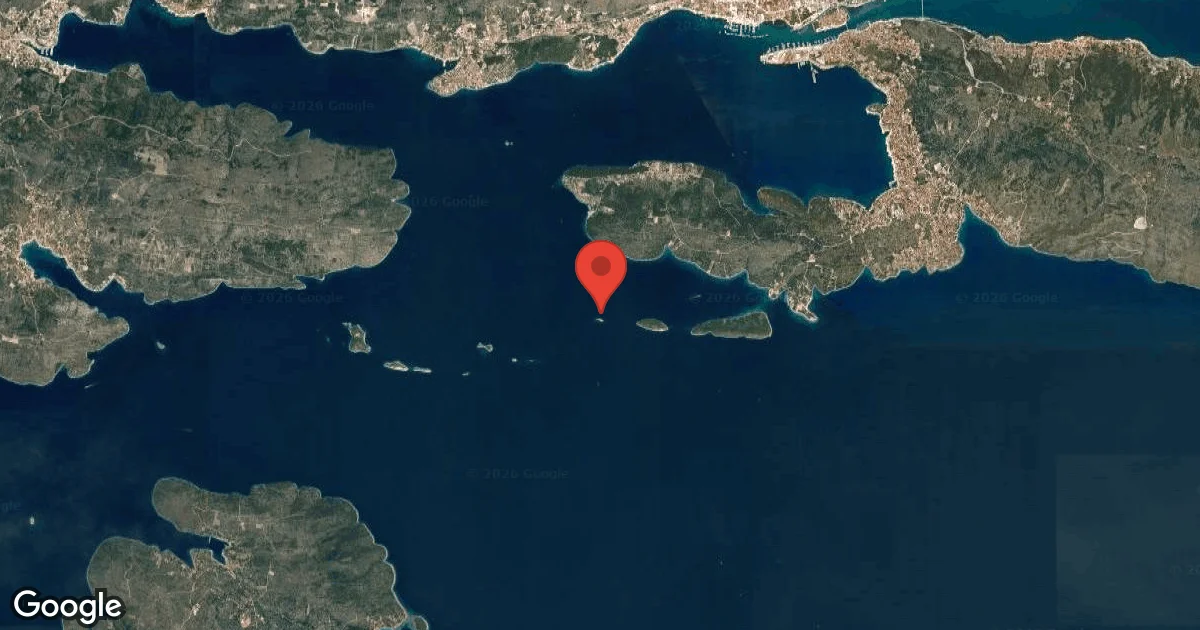
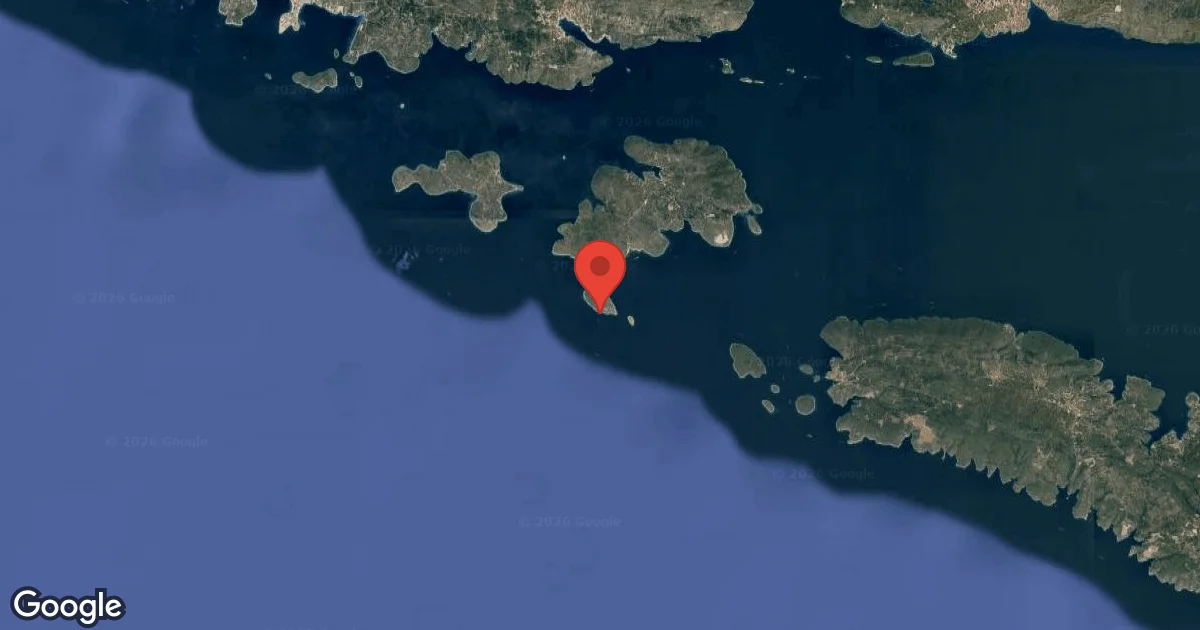
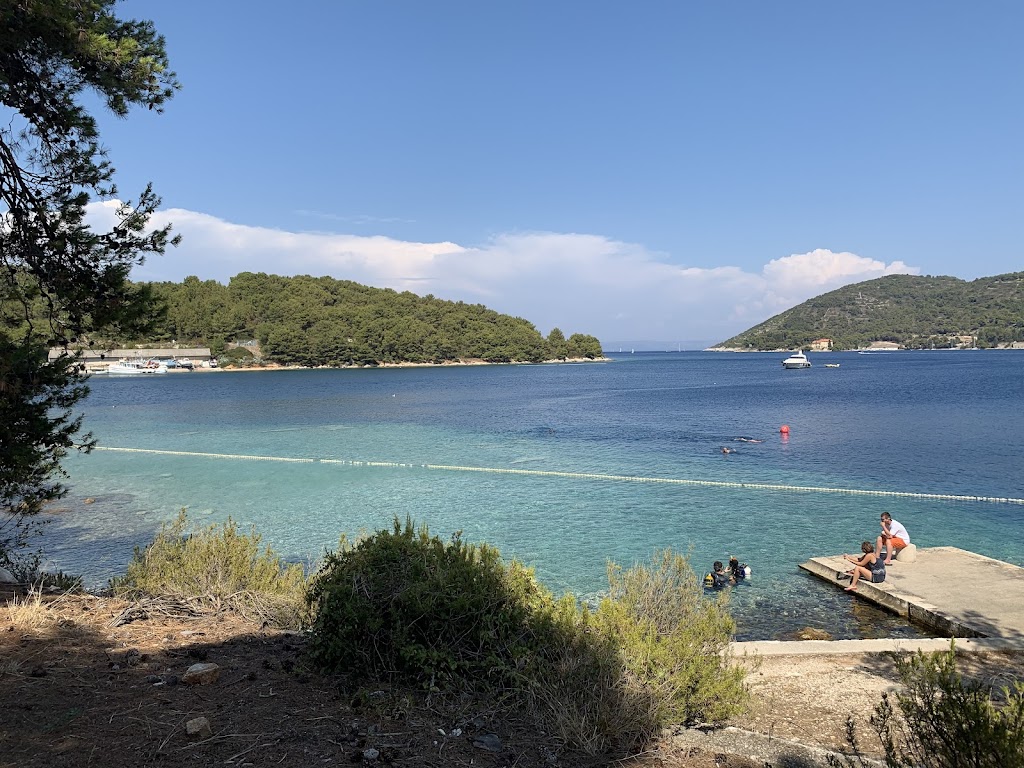
Plunging into the Adriatic off Solta's southern side, near the bay of Senj and Zahodski rat, Marie Grota reveals dramatic contours. A transition between cavern and sheer cliff diving awaits, accommodating various certification levels.
Divers typically commence by exploring the cavern, an initial entry point that gradually opens to the main event. This cavern environment itself provides interesting light play and smaller marine life observations. Following navigation through more intimate sections, the dive progresses along a formidable underwater ridge.
Beyond this ridge, an impressive cliff face descends, extending past 50 m (164 ft) into deeper waters. From the shallower cavern entrance to the deeper cliff sections, the environment features diverse and rich flora and fauna, characteristic of Mediterranean walls.
Recreational divers here typically explore the recreational depth range, carefully managing bottom time and gas. This allows accessibility for those seeking both overhead environments and extensive wall exploration, offering a comprehensive dive experience in a single location.
Conditions are Good
Optimal conditions expected
Current conditions near Marie Grota Cave/Cliff show 25° air, 26° sea temperature, 0.2 m waves, and 21 km/h wind. Forecast data is refreshed regularly to ensure accuracy.
Best Time to Dive
Achieving optimal visibility and comfort at Marie Grota typically aligns with the warmer, drier months, particularly from June through August. During this period, average air temperatures range from 24.5-27°C (76-81°F), contributing to pleasant surface conditions for dive preparation and post-dive activities. Rainfall is minimal, with monthly averages around 1.3-1.98 mm, reducing sediment runoff and generally enhancing underwater clarity. While diving is considered good year-round, these summer months offer the most consistently favorable conditions, minimizing surface chop with lower average wave heights compared to winter. Outside of peak summer, spring and early autumn also present good diving opportunities, though air temperatures will be slightly cooler.
PEAK SEASON SCORE
Scores combine air & water temps, waves, wind & rainfall for overall conditions.
BEST MONTHS TO DIVE
Monthly records compiled from satellite and marine observation nodes over the last 3 years. Data provided by Open-Meteo and MET Norway.
Dive Experience & Conditions
Marie Grota offers a distinctive entry experience combining cavern exploration with an expansive wall dive. Divers first enter the cavern, navigating its interior before exiting into open water along a prominent underwater ridge. From there, a substantial cliff descends to depths exceeding 50 m (164 ft). Recreational divers typically explore within the maximum recreational limits, allowing for extended bottom times along varied topography. Water temperatures are not consistently reported but generally follow seasonal Adriatic patterns. Current strength varies depending on conditions, though it's not consistently noted as a primary hazard here, suggesting generally manageable flows for experienced divers.
Dive Difficulty & Safety Guidelines
Approaching the cave and cliff environment at Marie Grota demands adherence to specific safety protocols, even though the site is categorized for all experience levels. Careful buoyancy control is critical, especially within the cavern sections, to protect the delicate rock formations and avoid stirring up silt. Divers should carry appropriate lighting for cavern penetration and maintain constant awareness of their depth, particularly when exploring the deeper parts of the cliff wall, which extends significantly past recreational limits.
Always dive with a reliable buddy and ensure your certification level matches the planned depth and complexity of the dive. Proper dive planning, including gas management and decompression limits, is essential for a safe and enjoyable experience at this dynamic site.
Recommended Equipment
Deep dive hazard. Increased narcosis and gas consumption risk.
Overhead environment. Do not enter beyond training and gas planning limits.
- Dive Computer
- DSMB
- Primary & Backup Lights
- Reel / Spool
- Cutting Tool
This gear list is based on verified equipment signals for Marie Grota Cave/Cliff, Croatia. Always confirm final gear choices with your dive operator, guide, or liveaboard.
Recommended Dive Suit
For relaxed exploration dives, 3mm wetsuit generally provides adequate warmth. Water conditions at Marie Grota Cave/Cliff are currently measured at approximately 26°C (78°F). Surface air temperatures are resting at 25°C (78°F).
Forecast trends indicate similar diving conditions over the next few days.
A diver's personal tolerance to cold water can play a large role in suit selection.
Emergency & Medical Support
Essential information to help you plan your dive trip to MARIE GROTA CAVE/CLIFF.

Hyperbaric chambers are a critical part of dive safety infrastructure. Availability varies significantly by region, and not all dive areas have immediate access.
Before diving, it's recommended to:
- confirm nearest medical facilities
- check emergency procedures with local dive operators
- ensure dive insurance covers evacuation if required
Divers Alert Network
Diving emergency assistance available through DAN Europe.
+39 0642115685- 24/7 emergency hotline
- Diving medical assistance
- Evacuation coordination
Emergency contacts are provided for reference. Always verify local emergency services before diving.
Marine Life at Marie Grota Cave/Cliff
Life here thrives within both the sheltered cavern and along the exposed cliff. The 'rich flora and fauna' observed at Marie Grota typically includes various sponges and colorful corals encrusting the walls.
Divers may spot diverse smaller inhabitants such as blennies, gobies, and crustaceans hiding within the crevices and under ledges. Along the deeper cliff sections, you might encounter larger fish species patrolling the open water, while the rock formations themselves are home to a myriad of invertebrates adapted to the wall environment.
Dive Sites Near Marie Grota Cave/Cliff
View all dive sites in CroatiaDiscover more underwater gems in this area.
Dive Centers Near Marie Grota Cave/Cliff
Today: 09:00 - 20:00
Nearest Airports
Nearest airports to help plan travel to this dive area.
Search Flights
Check available flights and routes on Expedia, using the nearby airports listed in this section.
Search Flights on ExpediaFrequently Asked Questions
What type of dive is Marie Grota Cave/Cliff?
Marie Grota offers a combined cliff and cavern diving experience. Divers typically explore an initial cave section before continuing along a dramatic underwater ridge and cliff face.
What is the depth range for diving at Marie Grota?
Depth range for diving at Marie Grota is 5-40 m (16-130 ft). The cliff itself drops beyond 50 m (164 ft), though recreational diving primarily explores shallower sections.
What diving categories are suitable for this site?
This site is noted as suitable for 'ALL CATEGORIES' of diving. However, due to the cavern and cliff elements, appropriate training and experience for these environments are recommended.
Where is Marie Grota Cave/Cliff located?
Marie Grota is located on the southern side of Solta, a Croatian island, specifically along the bay of Senj near an area known as Zahodski rat.
When is the best time to dive Marie Grota for optimal conditions?
June, July, and August typically offer the best conditions, with air temperatures averaging 24.5-27°C (76-81°F) and minimal rainfall. These months generally provide the best visibility and most comfortable surface conditions.
What kind of marine life can I expect to see?
The site is described as rich in flora and fauna. Divers can expect to observe various sponges, corals, smaller reef fish, and crustaceans inhabiting the cavern and cliff walls, typical of the Mediterranean.
Are there any specific hazards to be aware of?
While no specific hazards are reported, general precautions for cavern and cliff diving apply. Maintain careful buoyancy, use appropriate lighting, and monitor your depth and no-decompression limits.
Do I need special equipment for this dive?
Due to the cavern component, a reliable dive light is essential. A backup light is also advisable. Divers should also ensure their exposure protection is suitable for the prevailing water temperatures.
Planning to dive Marie Grota Cave/Cliff?
Send one inquiry and receive offers directly from the best verified local dive operators.
Conditions are Good
Optimal conditions expected
Current conditions near Marie Grota Cave/Cliff show 25° air, 26° sea temperature, 0.2 m waves, and 21 km/h wind. Forecast data is refreshed regularly to ensure accuracy.