Loading...

Diving at Fraškerić Island (Croatia)
Published
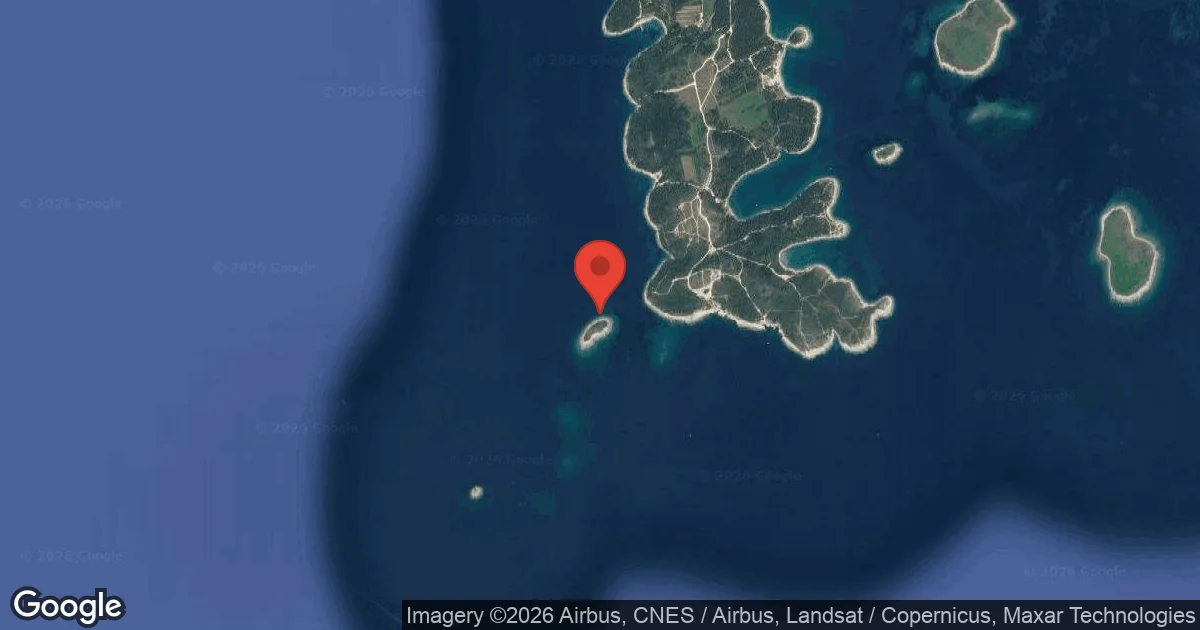
Southern Istria's signature underwater photography playground, uniting four sun-dappled shallow swim-through caves with a dramatic 35-meter outer wall and a wedged historic ship mast.
Current morning readings from Fraškerić Island indicate an air temperature of 12.5°C. Surface wave heights are averaging around 1.5 m at this time. These local measurements provide a baseline for your daily dive planning.
Dive Site Location & Key Facts
Site Characteristics
Max Depth35m / 115ft
Entry Typeboat
Water Typesalt
Dive Types
CavernReefWall
Dive Site Overview
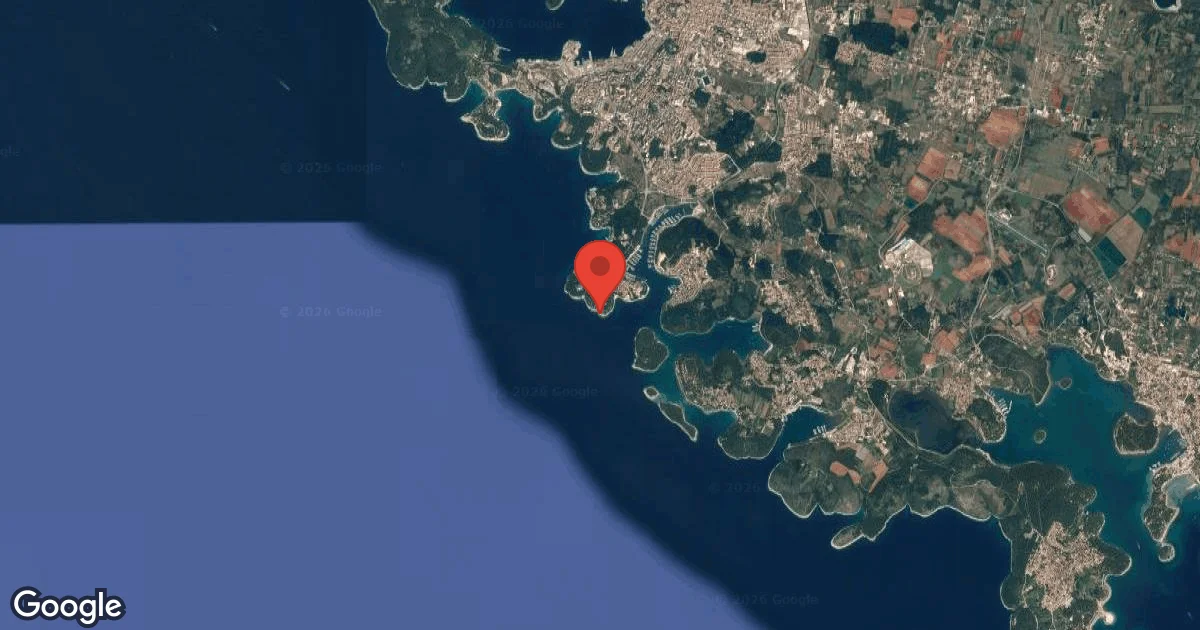
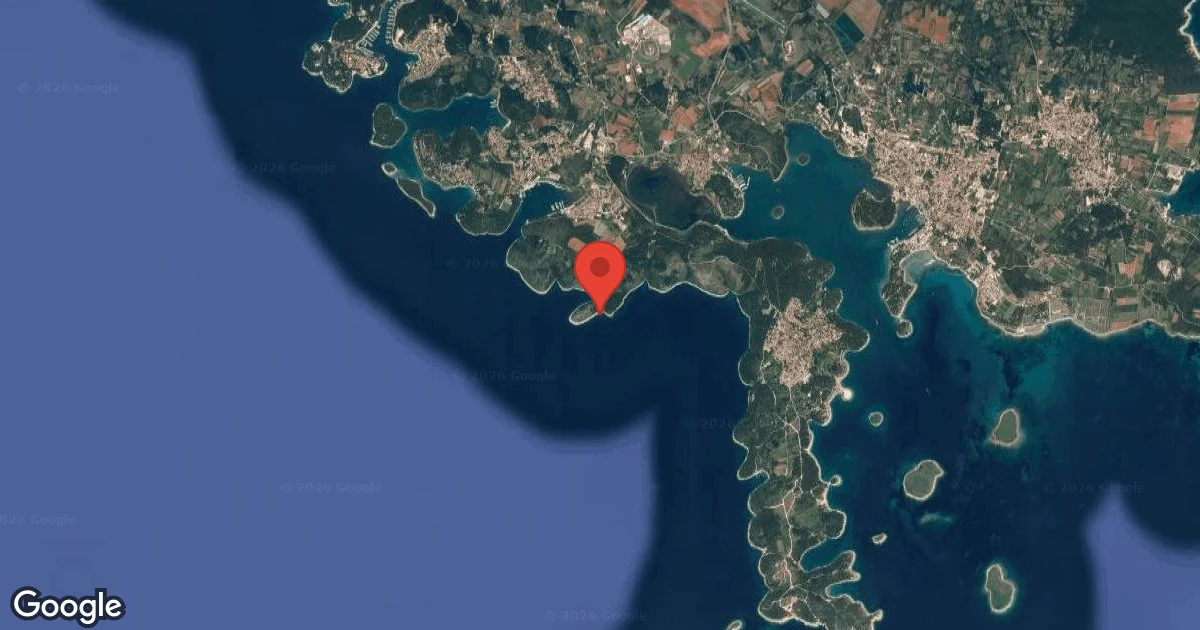
Lying barely half a nautical mile off the pine-fringed headland of Camp Indije in Banjole, tiny uninhabited Fraškerić Island punches far above its modest footprint. Revered by local dive operators from Pula, Verudela, and Medulin, the islet delivers two contrasting Adriatic seascapes on a single mooring: an effortlessly navigable shallow tunnel circuit and a dramatic seaward drop-off.
Along the northern and northeastern face of the islet, wave-carved Cretaceous limestone forms a chain of four interconnected caverns, arches, and broad swim-through passages spanning depths from 4 to 20 meters. Natural skylights and wide entry portals pierce the rock overhead, sending shafts of turquoise light dancing across sponge-covered walls and making the circuit a perennial favorite for underwater photography, cinematography, and relaxed open-water excursions.
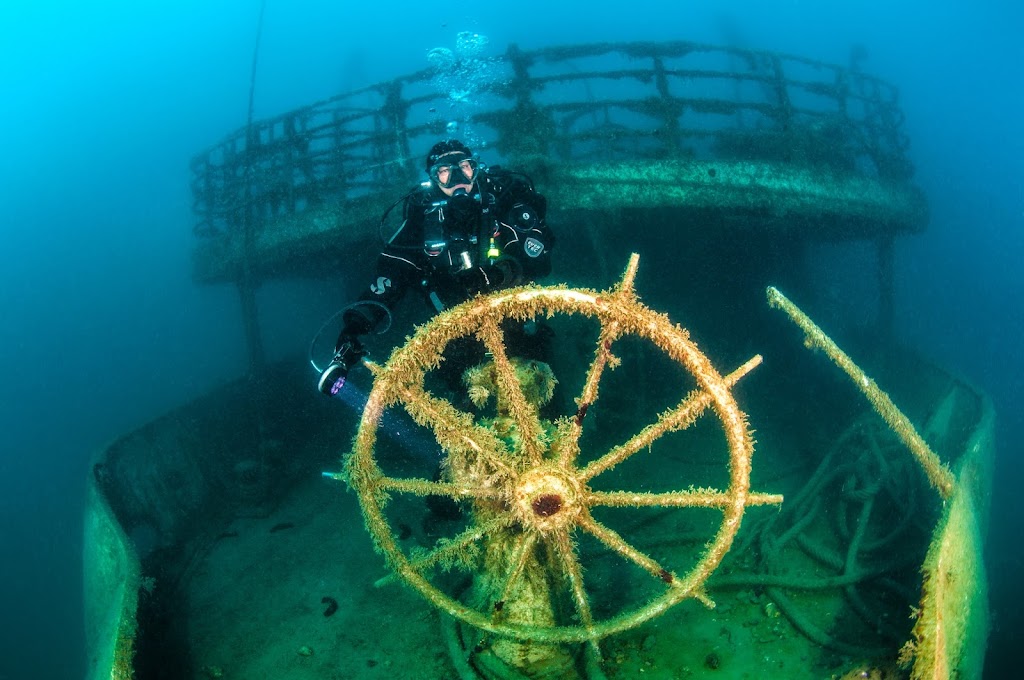
For advanced groups looking to extend their profile seaward, the outer flank of Fraškerić transitions abruptly at 10 to 14 meters into a vertical cliff descending to 35 meters over a 38-meter seabed. Wedged firmly into a rocky fissure around 25 meters sits the unmistakable spar of a broken sailing ship's mast, with scattered fragments resting on the deeper slope below.
Fraškerić Island
Conditions are Good
7/10
Confidence: 8/10
Indicates meteorological model agreement and data availability.
Best Dive Window
Optimal conditions expected
06:12
18:45
H: 10:45
L: 16:20
Air / Sea Temp
13° / 17°
Wave Height
1.5 m
Wind Speed
33 km/h ENE
Rain Chance
0%
Current conditions near Fraškerić Island show 13° air, 17° sea temperature, 1.5 m waves, and 33 km/h wind. Forecast data is refreshed regularly to ensure accuracy.
Radius: ~12km
Updated: Nov 22, 2026, 22:21 local timeMARINE: OPEN-METEOWEATHER: YR.NO
Best Time to Dive
Fraškerić Island shines from May through October, with July to September providing the most dramatic overhead sunbeams piercing the northern cave skylights between 10:00 AM and 2:00 PM. Summer surface water warms to 23–25°C, while late May, June, and September balance pleasant temperatures with crisp 20-meter visibility and fewer moored dive boats.
Because the primary cave system hugs the northern lee of the islet facing Banjole's Piškera passage, dive boats find reliable shelter from southerly swells. During strong northwest Maestral or northeast Bora gusts, skippers select protected leeward anchorages along the islet's inner shelf, though calm mornings offer the smoothest boat transfers and clearest light inside the tunnels.
PEAK SEASON SCORE
91/100
ExcellentScores combine air & water temps, waves, wind & rainfall for overall conditions.
BEST MONTHS TO DIVE
JUN
JUL
AUG
DIVE SCORE GUIDE (0–100)
Excellent (90–100)
Very Good (80–89)
Good (70–79)
Moderate (50–69)
Poor (30–49)
Not Recommended (0–29)
Monthly records compiled from satellite and marine observation nodes over the last 3 years. Data provided by Open-Meteo and MET Norway.
Dive Experience & Conditions
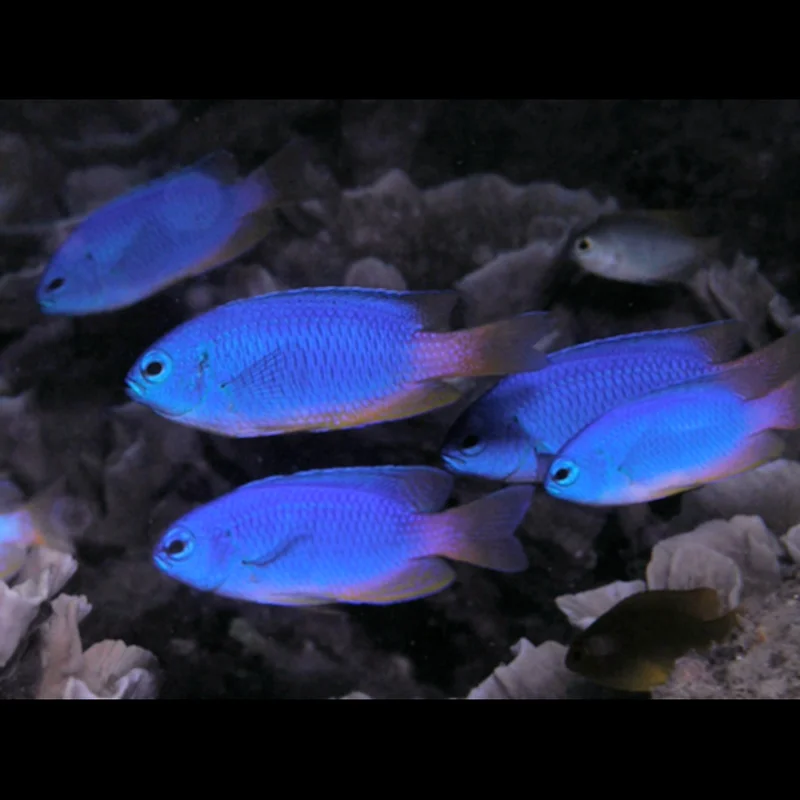
Dive boats moor in 5 to 8 meters over bright rocky-sandy shallows on the northern tip of the islet, allowing an easy descent straight to the first cavern arch. Inside the four tunnels, passages are generous enough for single-file buddy teams to glide through without squeeze points, framed by golden zoanthids and clouds of silhouetted cardinalfish and damselfish.
Out on the deeper wall, water clarity frequently opens beyond 20 meters while temperatures drop across a distinct thermocline around 16 meters to roughly 15°C near the wedged mast at 25 to 35 meters. Currents around the islet remain mild on the inner tunnel route and only pick up slightly around the exposed western point, allowing teams on the outer wall to return comfortably along the shallow sunlit reef terrace.
Dive Difficulty & Safety Guidelines
Because Fraškerić is one of Pula's most popular boat sites during July and August, staggered group spacing inside the four caves prevents diver congestion and protects fragile wall organisms from accidental tank or fin contact. Maintain horizontal trim, tuck consoles close to your harness, and avoid kicking up bottom sediment for photographers trailing behind.
Boats transit regularly through the narrow channels separating Fraškerić, neighboring Frašker Island, and the Banjole mainland. Always ascend close to the islet's rocky contour back to the moored dive boat rather than surfacing in open water, and deploy a surface marker buoy immediately if drifting clear of the wall.
Recommended Equipment
Deep dive hazard. Increased narcosis and gas consumption risk.
Overhead environment. Do not enter beyond training and gas planning limits.
- Dive Computer
- DSMB
- Primary & Backup Lights
- Reel / Spool
- Cutting Tool
This gear list is based on verified equipment signals for Fraškerić Island, Croatia. Always confirm final gear choices with your dive operator, guide, or liveaboard.
Recommended Dive Suit
With water temperatures around 17°C (62°F), many divers find a 5-7mm wetsuit provides comfortable protection.
Local dive briefings can provide the most accurate guidance.
The forecast outlook suggests that temperatures will stay close to current levels.
Fraškerić Island conditions last reviewed: 22:21 local time (UTC+1), Nov 22, 2026
Emergency & Medical Support
Essential information to help you plan your dive trip to Fraškerić Island.

Hyperbaric chambers are a critical part of dive safety infrastructure. Availability varies significantly by region, and not all dive areas have immediate access.
Before diving, it's recommended to:
- confirm nearest medical facilities
- check emergency procedures with local dive operators
- ensure dive insurance covers evacuation if required
24/7 Available
Divers Alert Network
Diving emergency assistance available through DAN Europe.
+39 0642115685- 24/7 emergency hotline
- Diving medical assistance
- Evacuation coordination
Emergency contacts are provided for reference. Always verify local emergency services before diving.
Closest Listed Hyperbaric Chambers (≤ 200 km)
Approximate straight-line distances from this dive site — emergency travel times may vary.
5 km5 kmPoliklinika za baromedicinu OXY – Podružnica Pula
Pula, Croatia+385 52 215 663Details5 kmPoliklinika za baromedicinu OXY – Podružnica Pula
Pula, Croatia · Multiplace
Hours: Mon–Fri 07:30–15:30Facility: Opća bolnica PulaICU On-Site: Not reportedSource: KBC Rijeka / Poliklinika OXYOfficial website
5 km
Poliklinika za baromedicinu OXY – Podružnica Pula
Pula, Croatia+385 52 215 663Details
5 km
Poliklinika za baromedicinu OXY – Podružnica Pula
Pula, Croatia · Multiplace
Hours: Mon–Fri 07:30–15:30
Facility: Opća bolnica Pula
ICU On-Site: Not reported
Source: KBC Rijeka / Poliklinika OXY
Official website75 km75 kmZavod za podvodnu i hiperbaričnu medicinu – KBC Rijeka
Rijeka, Croatia24/7ICU+385 51 407 435Details75 kmZavod za podvodnu i hiperbaričnu medicinu – KBC Rijeka
24/7 ListedICU CapableRijeka, Croatia · Multiplace (8 seated / 2 stretcher ICU)
Hours: 24/7 EmergencyFacility: Klinički bolnički centar Rijeka (Lokalitet Sušak)ICU On-Site: YesSource: KBC Rijeka / Poliklinika OXYOfficial website
75 km
Zavod za podvodnu i hiperbaričnu medicinu – KBC Rijeka
Rijeka, Croatia24/7ICU+385 51 407 435Details
75 km
Zavod za podvodnu i hiperbaričnu medicinu – KBC Rijeka
24/7 ListedICU CapableRijeka, Croatia · Multiplace (8 seated / 2 stretcher ICU)
Hours: 24/7 Emergency
Facility: Klinički bolnički centar Rijeka (Lokalitet Sušak)
ICU On-Site: Yes
Source: KBC Rijeka / Poliklinika OXY
Official website77 km77 kmPoliklinika za baromedicinu OXY – Poslovna jedinica Crikvenica
Crikvenica, Croatia+385 51 785 229Details77 kmPoliklinika za baromedicinu OXY – Poslovna jedinica Crikvenica
Crikvenica, Croatia · Multiplace
Hours: Mon–Fri 07:30–15:30Facility: Thalassotherapia CrikvenicaICU On-Site: Not reportedSource: KBC Rijeka / Poliklinika OXYOfficial website
77 km
Poliklinika za baromedicinu OXY – Poslovna jedinica Crikvenica
Crikvenica, Croatia+385 51 785 229Details
77 km
Poliklinika za baromedicinu OXY – Poslovna jedinica Crikvenica
Crikvenica, Croatia · Multiplace
Hours: Mon–Fri 07:30–15:30
Facility: Thalassotherapia Crikvenica
ICU On-Site: Not reported
Source: KBC Rijeka / Poliklinika OXY
Official websiteChamber data is sourced from official Croatian hospital and baromedicine facility records and has not been independently verified by Dive Navigator. Always contact local emergency services, DAN, your dive operator, or the facility directly before travelling.
Reference onlyMarine Life at Fraškerić Island
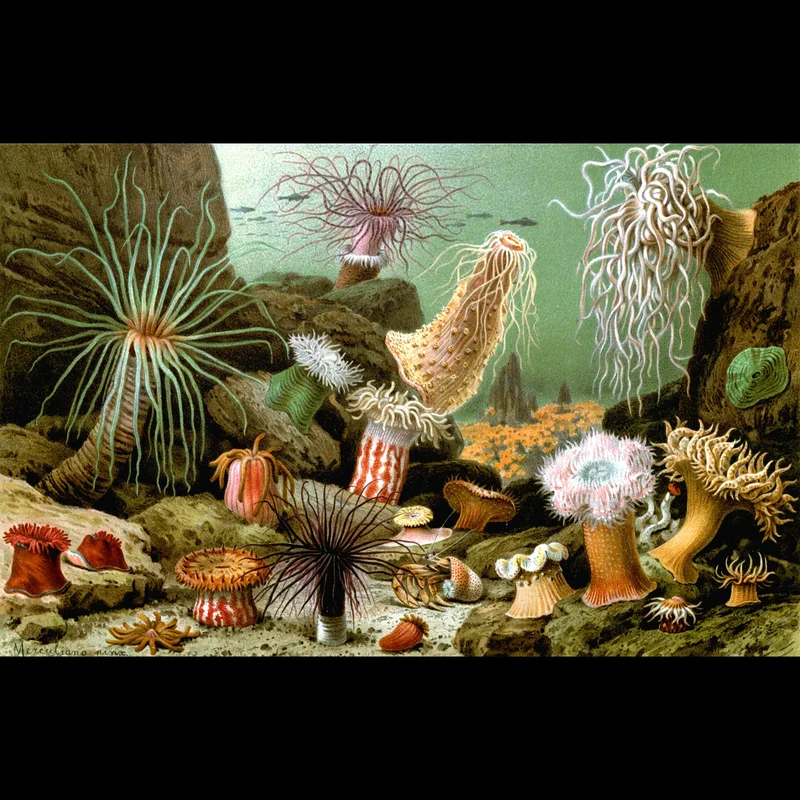
Every square meter of shaded cave ceiling and archway glows with dense colonies of yellow cluster anemones (Parazoanthus axinellae), pink and crimson encrusting sponges, lacy bryozoans, and delicate white hydroids where dotted sea slugs (Peltodoris atromaculata) graze on Petrosia sponges.
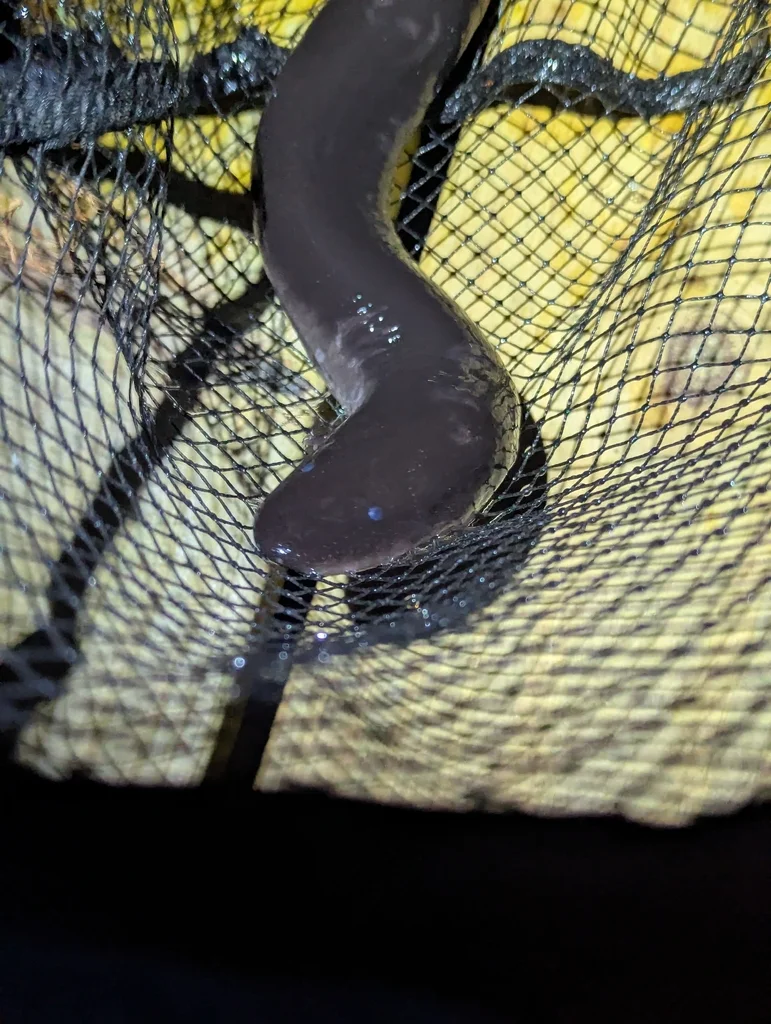
Deeper crevices along the 14-to-35-meter outer wall shelter European lobsters (Homarus gammarus), spinous squat lobsters, European conger eels, and well-camouflaged red and black scorpionfish. Above the reef crest, dense shoals of damselfish (Chromis chromis), saddled seabream (Oblada melanura), and Mediterranean rainbow wrasse swirl around the cavern exits.


1 / 2
Image contributors:Diego Delso, laszlo-photo + 3 more
Want to contribute photos or local dive knowledge? Learn how to contributeDive Sites Near Fraškerić Island
View all dive sites in CroatiaDiscover more underwater gems in this area.
Max 35 m
1.2 km
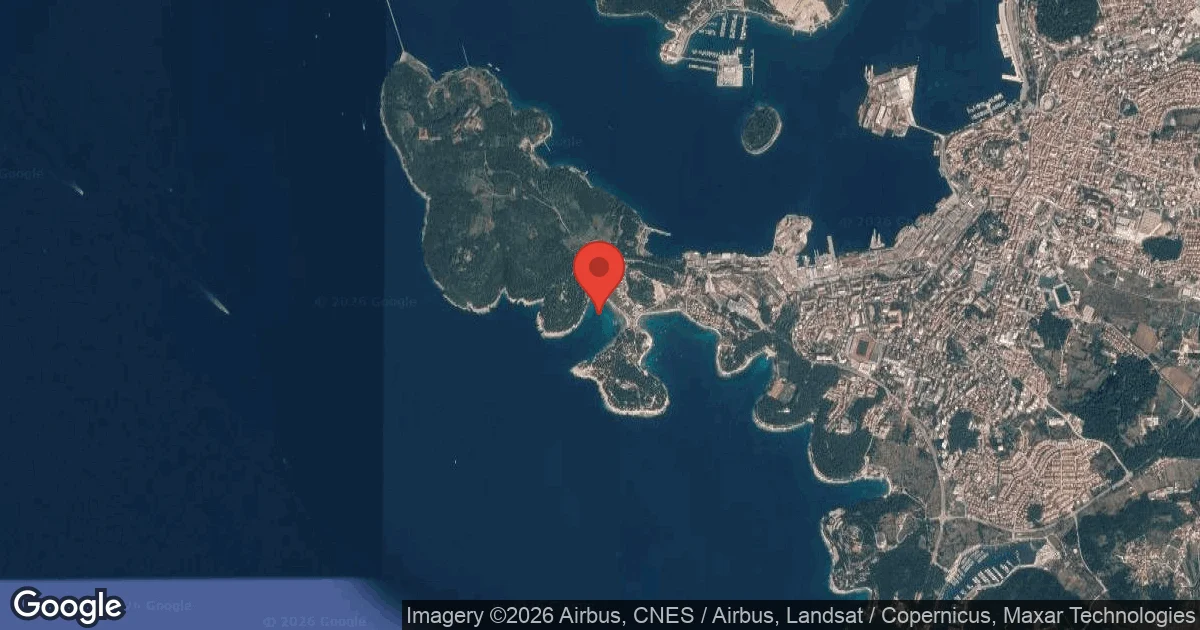
360°beginnerVerudela Lighthouse
BoatCanyon
Max 38 m
3.6 km
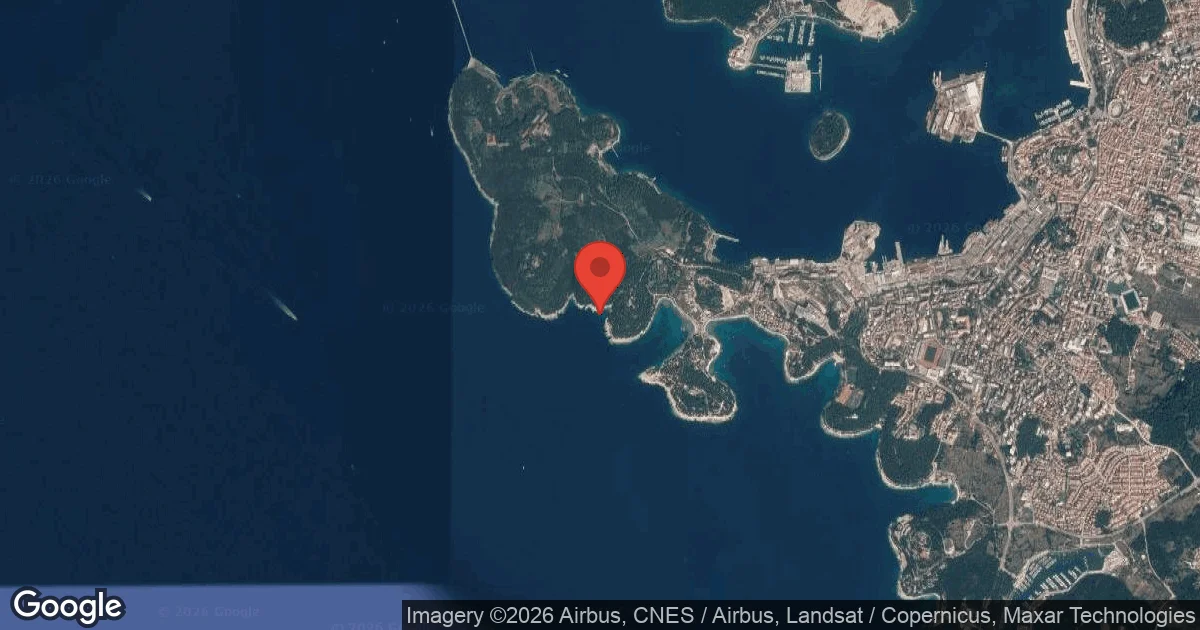
360°intermediateRed Rocks Kamenjak
BoatCanyon
Max 25 m
4.6 km
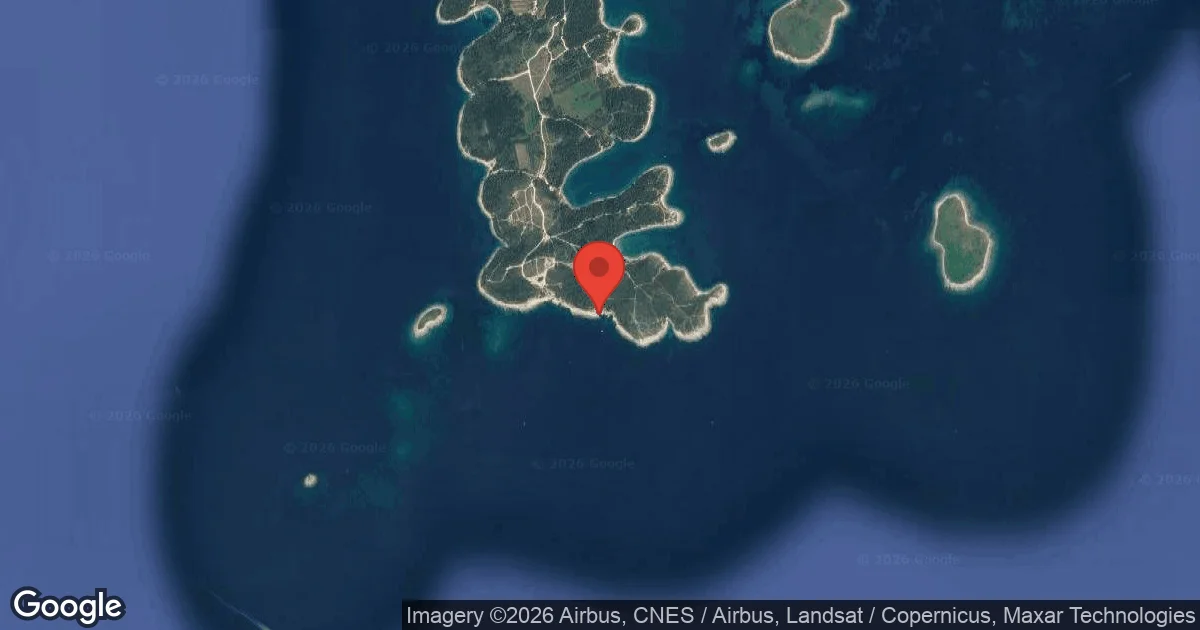
360°beginnerStoja Reef & Canyons
BoatCanyon
Max 20 m
4.9 km
360°beginnerSeagull Rocks & Valovine Caves
BeachBoat
Max 18 m
8.6 km
360°beginnerVelika Kolumbarica
BoatCanyon
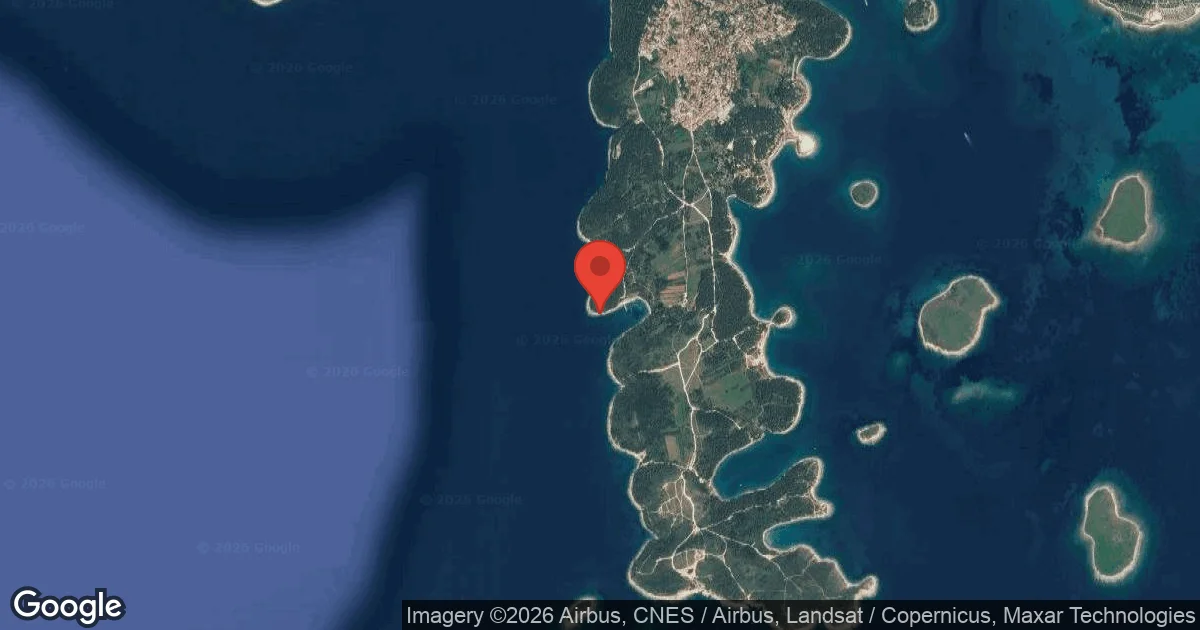
Max 38 m
6.5 km
360°intermediatePolje Cove
BoatOcean
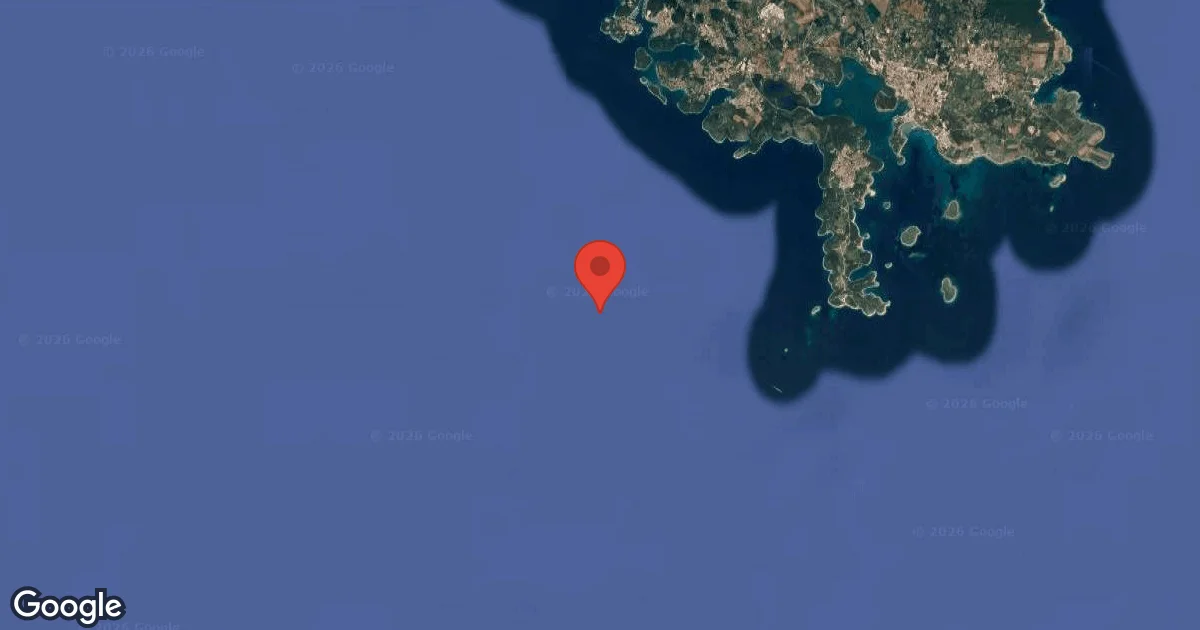
Max 40 m
6.5 km
intermediateWreck Draga
BoatDown Line
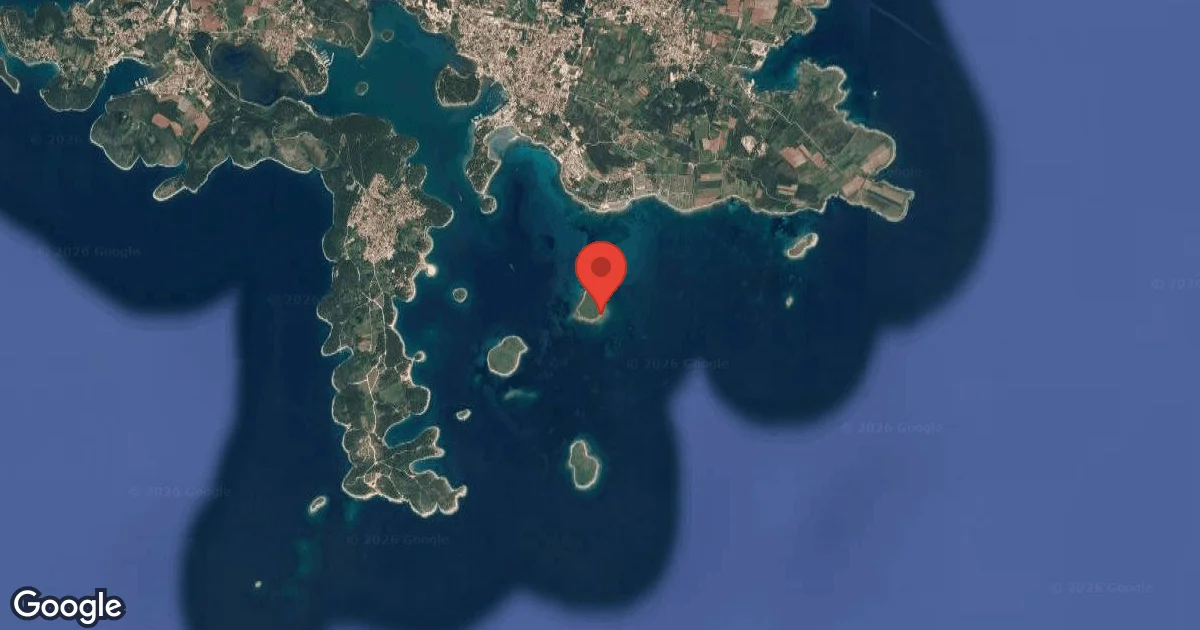
Max 20 m
9.4 km
beginnerBodulaš Island
Anchor DiveBoat
Max 35 m
1.2 km
360°beginnerVerudela Lighthouse
BoatCanyon
Max 38 m
3.6 km
360°intermediateRed Rocks Kamenjak
BoatCanyon
Max 25 m
4.6 km
360°beginnerStoja Reef & Canyons
BoatCanyon
Max 20 m
4.9 km
360°beginnerSeagull Rocks & Valovine Caves
BeachBoat
Max 18 m
8.6 km
360°beginnerVelika Kolumbarica
BoatCanyon
Max 38 m
6.5 km
360°intermediatePolje Cove
BoatOcean
Max 40 m
6.5 km
intermediateWreck Draga
BoatDown Line
Max 20 m
9.4 km
beginnerBodulaš Island
Anchor DiveBoat
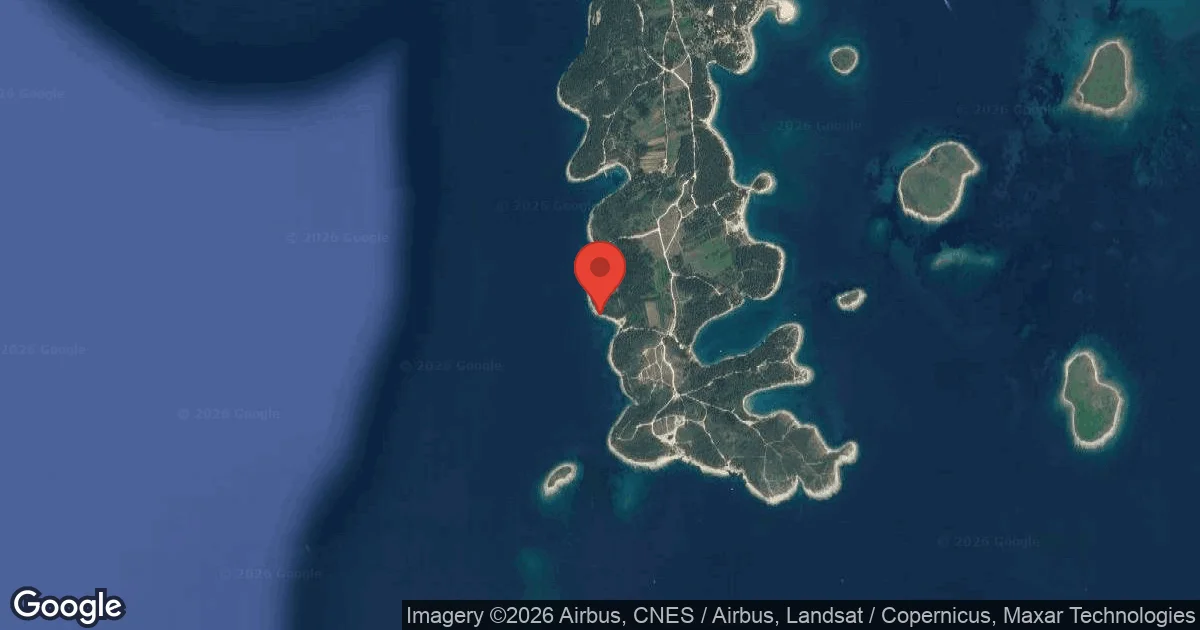
Max 20 m
7.2 km
360°beginnerNjive Cove
BeachBoat
Max 30 m
7.8 km
advancedFenoliga Island
ArchaeologicalBoat
1 / 2
Dive Centers Near Fraškerić Island
Working Hours
Sun09:00 - 18:00
Mon09:00 - 18:00
Tue09:00 - 18:00
Wed09:00 - 18:00
Thu09:00 - 18:00
Fri09:00 - 18:00
Sat09:00 - 18:00
Today: 09:00 - 18:00
Sun09:00 - 18:00
Mon09:00 - 18:00
Tue09:00 - 18:00
Wed09:00 - 18:00
Thu09:00 - 18:00
Fri09:00 - 18:00
Sat09:00 - 18:00
4.8| 166 reviews
6.2 km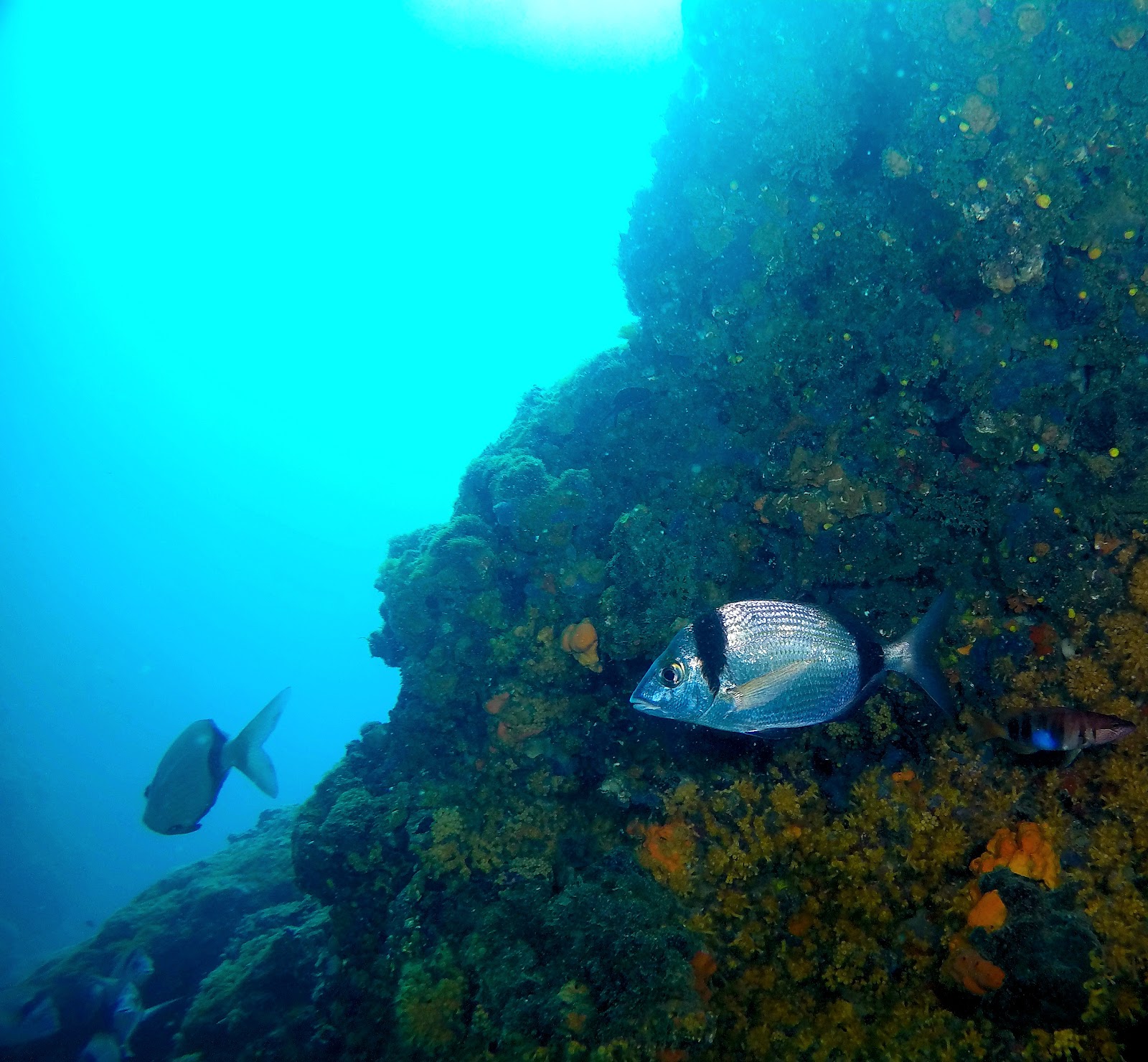
4.7| 129 reviews
1.5 km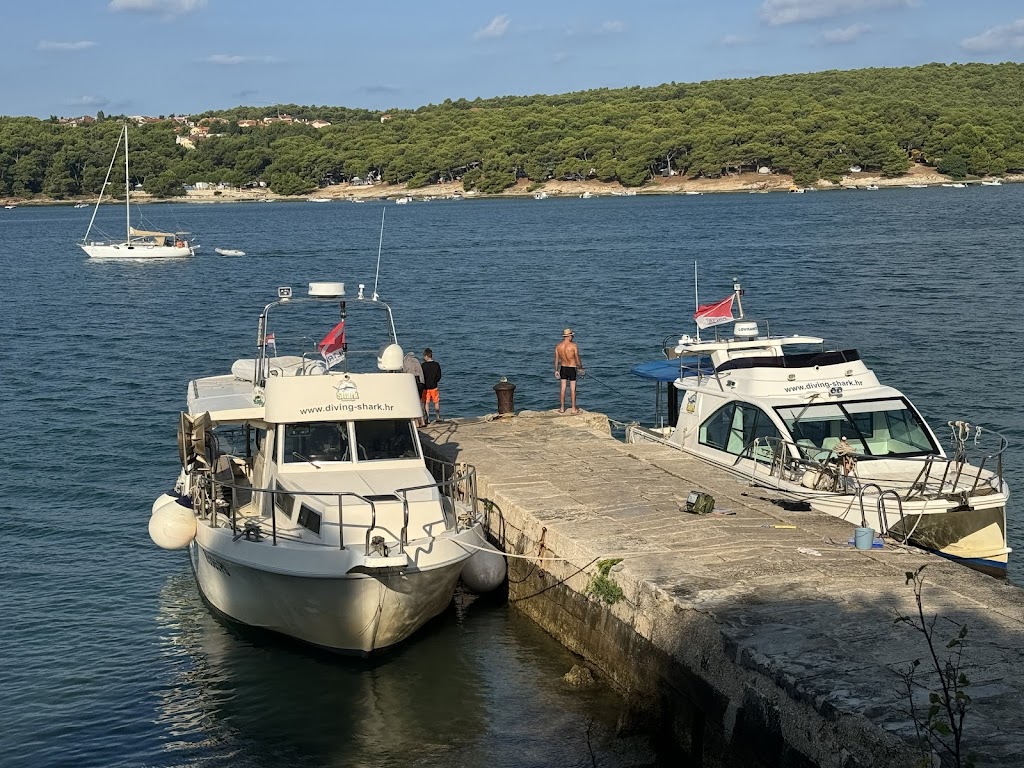
4.6| 244 reviews
7.1 km
Girandella Diving Centre
4.8(231)• 38.6 km
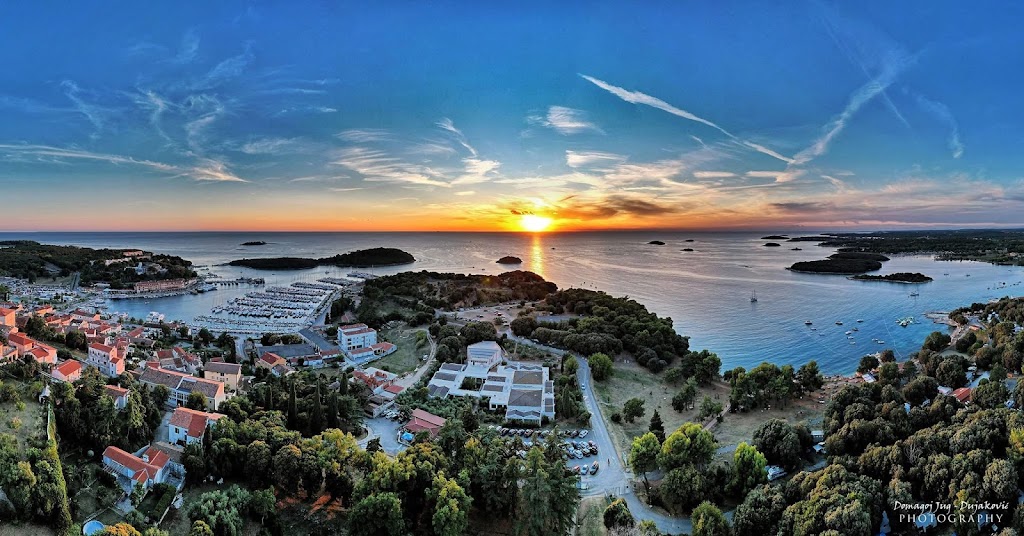
Triton Diving
4.8(132)• 41.2 km
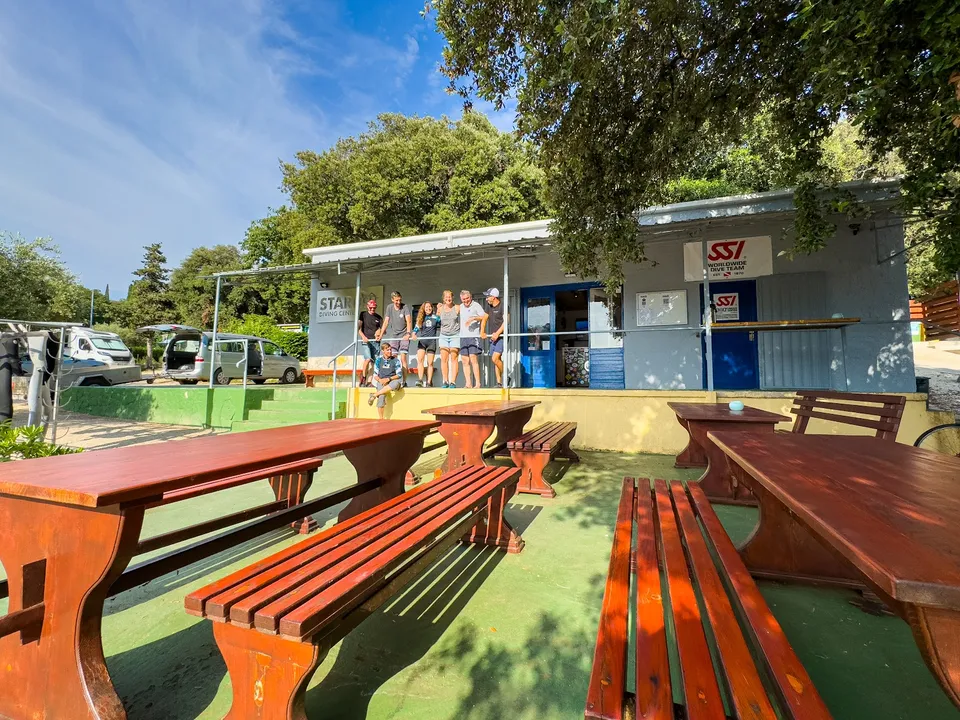
Starfish Diving Center
4.7(240)• 40.2 km
Nearest Airports
Nearest airports to help plan travel to this dive area.
Pula Airport PUY
10 km
Rijeka Airport RJK
72 km
Trieste Airport TRS
115 km
💵 Currency: EUR
Search Flights
Check available flights and routes on Expedia, using the nearby airports listed in this section.
Search Flights on ExpediaAffiliate link · Dive Navigator may earn a commission at no extra cost to you.
Frequently Asked Questions
Do I need cave diving certification to swim through the caves at Fraškerić Island?
No. The four passages are spacious, sunlit coastal caverns and short rock tunnels between 4 and 20 meters with visible natural light at the exits, making them suitable for certified open-water divers under standard guide supervision.
How long is the boat ride to Fraškerić Island?
From dive centers in Banjole and Camp Indije the crossing takes barely 5 minutes, while boats departing Verudela or Marina Veruda in Pula reach the mooring in 10 to 15 minutes.
Where is the sunken ship mast located on Fraškerić?
The broken sailing ship's mast is wedged into a rock crevice at approximately 25 meters along the steep outer underwater wall, which drops from 14 meters down to 35 meters.
What time of day is best for underwater photography inside the tunnels?
Late morning to early afternoon between 10:00 AM and 2:00 PM puts the sun high overhead, projecting bright vertical light shafts through the rock openings into the shallow caverns.
Can Fraškerić Island be dived from shore?
No. Fraškerić is an offshore islet separated from the Banjole mainland by open boat channels and is accessed exclusively by boat.
Is Fraškerić suitable for night diving?
Yes. In calm weather, local boat operators run memorable shallow night dives along the northern wall and cavern mouths, when octopuses, squat lobsters, and conger eels emerge onto open rock faces.
Trip Inquiry
Planning to dive Fraškerić Island?
Tell us your dates and diving needs. We'll review your request and seek offers from relevant local dive centers.
Request Dive Offers Free request for offers • No booking obligation
Fraškerić Island
Conditions are Good
7/10
Confidence: 8/10
Indicates meteorological model agreement and data availability.
Best Dive Window
Optimal conditions expected
06:12
18:45
H: 10:45
L: 16:20
Air / Sea Temp
13° / 17°
Wave Height
1.5 m
Wind Speed
33 km/h ENE
Rain Chance
0%
Current conditions near Fraškerić Island show 13° air, 17° sea temperature, 1.5 m waves, and 33 km/h wind. Forecast data is refreshed regularly to ensure accuracy.
Radius: ~12km
Updated: Nov 22, 2026, 22:21 local timeMARINE: OPEN-METEOWEATHER: YR.NO


