Loading...

Diving at Cape Korizmeni Rat (Croatia)
Published
Southwestern Mljet National Park's premier headland-and-islet seascape, pairing luminous shallow karst terraces near Štit Islet with overhang-carved walls plunging past 40 meters.
Early observations for Cape Korizmeni Rat report a surface air temperature of 16.5°C. The water surface is currently presenting wave heights of 0.4 m. Consider these environmental metrics before beginning your descent.
Dive Site Location & Key Facts
Site Characteristics
Max Depth42m / 138ft
Entry Typeboat
Water Typesalt
Dive Types
DeepReefWall
Dive Site Overview
Located along the uninhabited pine-clad southwestern shore of Mljet National Park roughly 160 meters inshore of rocky Štit Islet (Hrid Štit), Cape Korizmeni Rat sits where the narrow submarine saddle between headland and islet spills abruptly into the deep southern Adriatic. This dramatic coastal geometry funnels clean, oxygen-rich open-ocean water across stepped limestone benches, narrow rock canyons, and plunging outer drop-offs.
In the upper 5 to 15 meters, sunlit white-and-ochre karst terraces between the cape and Štit Islet create an inviting arena of boulders, swim-through gullies, and seagrass pockets. Beyond the outer lip of the reef, terraced cliff faces step down past 25 and 40 meters, undercut by deep horizontal overhangs whose shaded ceilings shelter sciaphilic invertebrates rarely seen in shallower water.
Only a short boat transit south around Goli Rat from Pomena harbor, Cape Korizmeni Rat and neighboring Greben Štit rank among the park's highest-clarity dives, routinely rewarding underwater photographers with 30-plus-meter visibility and thriving Mediterranean reef fish communities.
Cape Korizmeni Rat
Conditions are Poor
4/10
Confidence: 8/10
Indicates meteorological model agreement and data availability.
DIVE WARNING
High Wind Advisory (47km/h). Unsafe surface.
06:12
18:45
H: 10:45
L: 16:20
Air / Sea Temp
16° / 19°
Wave Height
1.8 m
Wind Speed
47 km/h N
Rain Chance
100%
Current conditions near Cape Korizmeni Rat show 16° air, 19° sea temperature, 1.8 m waves, and 47 km/h wind. Forecast data is refreshed regularly to ensure accuracy.
Radius: ~12km
Updated: Nov 21, 2026, 12:56 local timeMARINE: OPEN-METEOWEATHER: YR.NO
Best Time to Dive
The optimal diving season spans May through October, peaking between June and September when settled summer weather keeps the southwestern coast calm and luminous. Because the site faces open water toward Lastovo and the southern Adriatic basin, morning boat runs offer the calmest sea states and clearest oblique sunlight across the terraced wall.
Warm summer surface layers of 23–26°C extend down to roughly 18 meters before transitioning across a crisp thermocline into 15–17°C deep water along the overhang belt. Early autumn in September and October delivers warm upper reefs down to 20 meters alongside heightened predatory fish activity.
Strong southerly jugo swells or stiff late-afternoon southwesterly winds make the channel between Korizmeni Rat and Štit Islet choppy, prompting operators to reschedule for calmer days.
PEAK SEASON SCORE
89/100
Very GoodScores combine air & water temps, waves, wind & rainfall for overall conditions.
BEST MONTHS TO DIVE
JUN
JUL
AUG
DIVE SCORE GUIDE (0–100)
Excellent (90–100)
Very Good (80–89)
Good (70–79)
Moderate (50–69)
Poor (30–49)
Not Recommended (0–29)
Monthly records compiled from satellite and marine observation nodes over the last 3 years. Data provided by Open-Meteo and MET Norway.
Dive Experience & Conditions
Dive vessels typically drop divers over the sheltered rocky shelf between Cape Korizmeni Rat and Štit Islet in 6 to 10 meters of crystalline water. From this bright plateau, guides lead advanced divers outward through sculpted limestone gullies onto the seaward drop-off, descending along terraced walls to 30–42 meters.
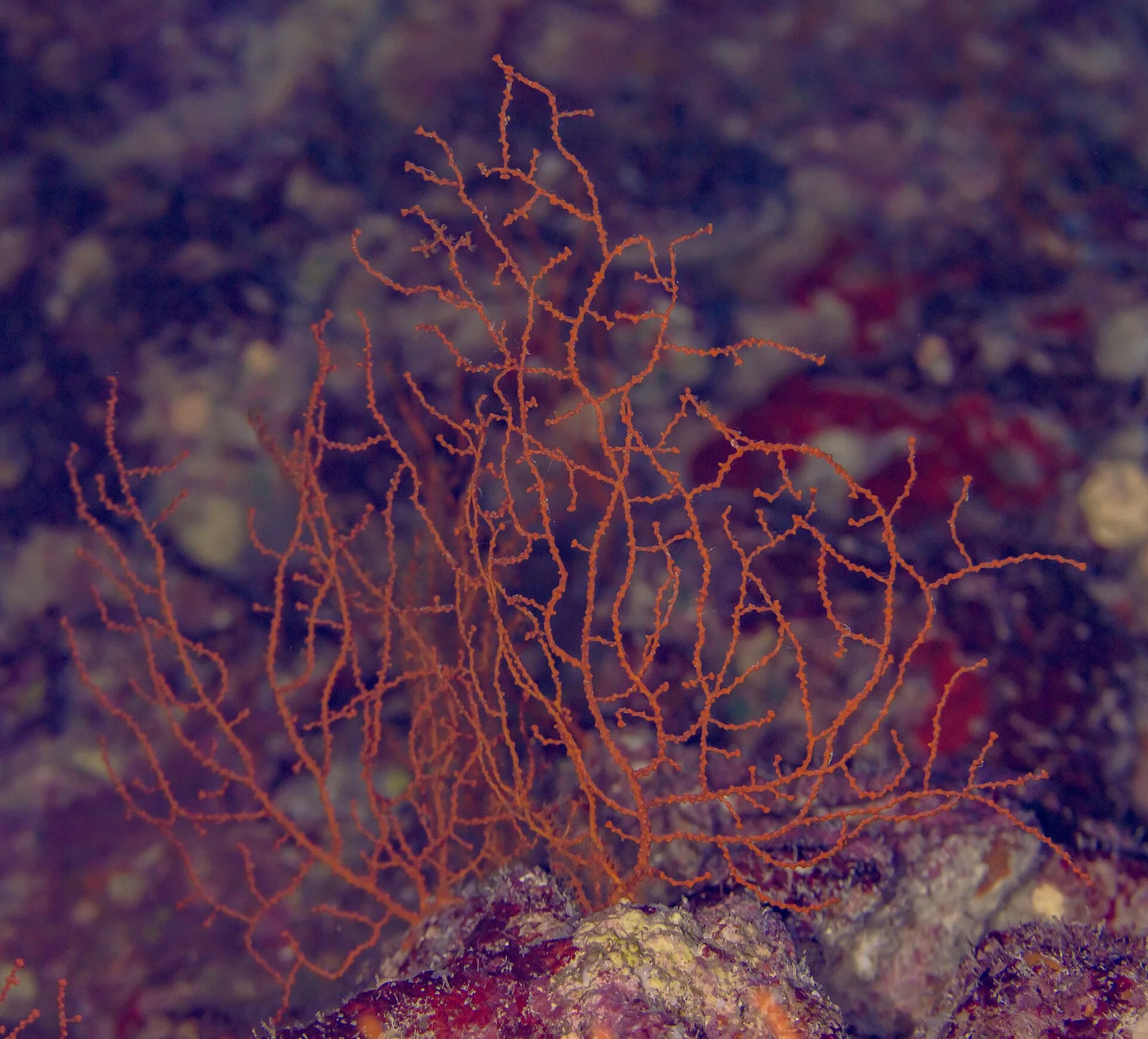
Illuminating the dark ceilings of deep undercuts between 28 and 40 meters reveals dense encrustations of yellow cluster anemones, colourful sponges, branching red gorgonians, and small tucked-away sprigs of precious Mediterranean red coral (Corallium rubrum). Meanwhile, less experienced divers can follow a rich, sunlit reef contour above 18 meters without sacrificing scenery.
Currents are generally mild, picking up slightly through the narrow 160-meter gap beside Štit Islet during tidal shifts. Long, relaxed ascents across the shallow karst steps allow generous time to observe grazing reef fish in crystal-clear water.
Dive Difficulty & Safety Guidelines
Maintain careful trim and situational awareness when peering beneath deep overhangs below 30 meters so tank valves and fins never contact fragile ceiling colonies of red coral, bryozoans, or sea fans. These slow-growing organisms take decades to recover from mechanical abrasion.
Monitor no-decompression limits closely when working the 35 to 42 meter terrace, as effortless 32-meter visibility can mask true depth. Keep your buddy within easy visual contact when weaving through the boulder canyons near Štit Islet.
Because Cape Korizmeni Rat lies inside Mljet National Park's protected marine perimeter, independent diving, spearfishing, and anchoring on sensitive coralligenous reefs are strictly forbidden; dive exclusively with licensed park operators.
Recommended Equipment
Technical depth range. Advanced planning, gas management, and appropriate certification required.
- Dive Computer
- DSMB
- Primary & Backup Lights
This gear list is based on verified equipment signals for Cape Korizmeni Rat, Croatia. Always confirm final gear choices with your dive operator, guide, or liveaboard.
Recommended Dive Suit
5mm wetsuit is frequently recommended by dive operators for conditions like these. A hood or vest is suggested for sensitive divers due to surface winds. A thermal robe or jacket is recommended between dives. For divers entering the water at Cape Korizmeni Rat, temperatures are currently hovering around 19°C (66°F). Surface air temperatures are resting at 16°C (61°F).
Forecast conditions over the next few days suggest temperatures will remain relatively stable.
Even small thermoclines can occasionally cause noticeable changes in water temperature.
Cape Korizmeni Rat conditions last reviewed: 12:56 local time (UTC+1), Nov 21, 2026
Due to technical issues with our weather providers, live updates are temporarily delayed. The data above reflects the conditions at the time of the last successful fetch.
Emergency & Medical Support
Essential information to help you plan your dive trip to Cape Korizmeni Rat.

Hyperbaric chambers are a critical part of dive safety infrastructure. Availability varies significantly by region, and not all dive areas have immediate access.
Before diving, it's recommended to:
- confirm nearest medical facilities
- check emergency procedures with local dive operators
- ensure dive insurance covers evacuation if required
24/7 Available
Divers Alert Network
Diving emergency assistance available through DAN Europe.
+39 0642115685- 24/7 emergency hotline
- Diving medical assistance
- Evacuation coordination
Emergency contacts are provided for reference. Always verify local emergency services before diving.
Closest Listed Hyperbaric Chambers (≤ 200 km)
Approximate straight-line distances from this dive site — emergency travel times may vary.
108 km108 kmZavod za pomorsku medicinu Split – Odjel za podvodnu i hiperbaričnu medicinu
Split, Croatia24/7ICU194Details108 kmZavod za pomorsku medicinu Split – Odjel za podvodnu i hiperbaričnu medicinu
24/7 ListedICU CapableSplit, Croatia · Multiplace
24/7 Emergency194CollapseHours: 24/7 EmergencyFacility: Zavod za pomorsku medicinu / KBC Split (Križine)ICU On-Site: YesSource: KBC Rijeka / Poliklinika OXY
108 km
Zavod za pomorsku medicinu Split – Odjel za podvodnu i hiperbaričnu medicinu
Split, Croatia24/7ICU194Details
108 km
Zavod za pomorsku medicinu Split – Odjel za podvodnu i hiperbaričnu medicinu
24/7 ListedICU CapableSplit, Croatia · Multiplace
24/7 Emergency194
CollapseHours: 24/7 Emergency
Facility: Zavod za pomorsku medicinu / KBC Split (Križine)
ICU On-Site: Yes
Source: KBC Rijeka / Poliklinika OXY
Chamber data is sourced from official Croatian hospital and baromedicine facility records and has not been independently verified by Dive Navigator. Always contact local emergency services, DAN, your dive operator, or the facility directly before travelling.
Reference onlyMarine Life at Cape Korizmeni Rat
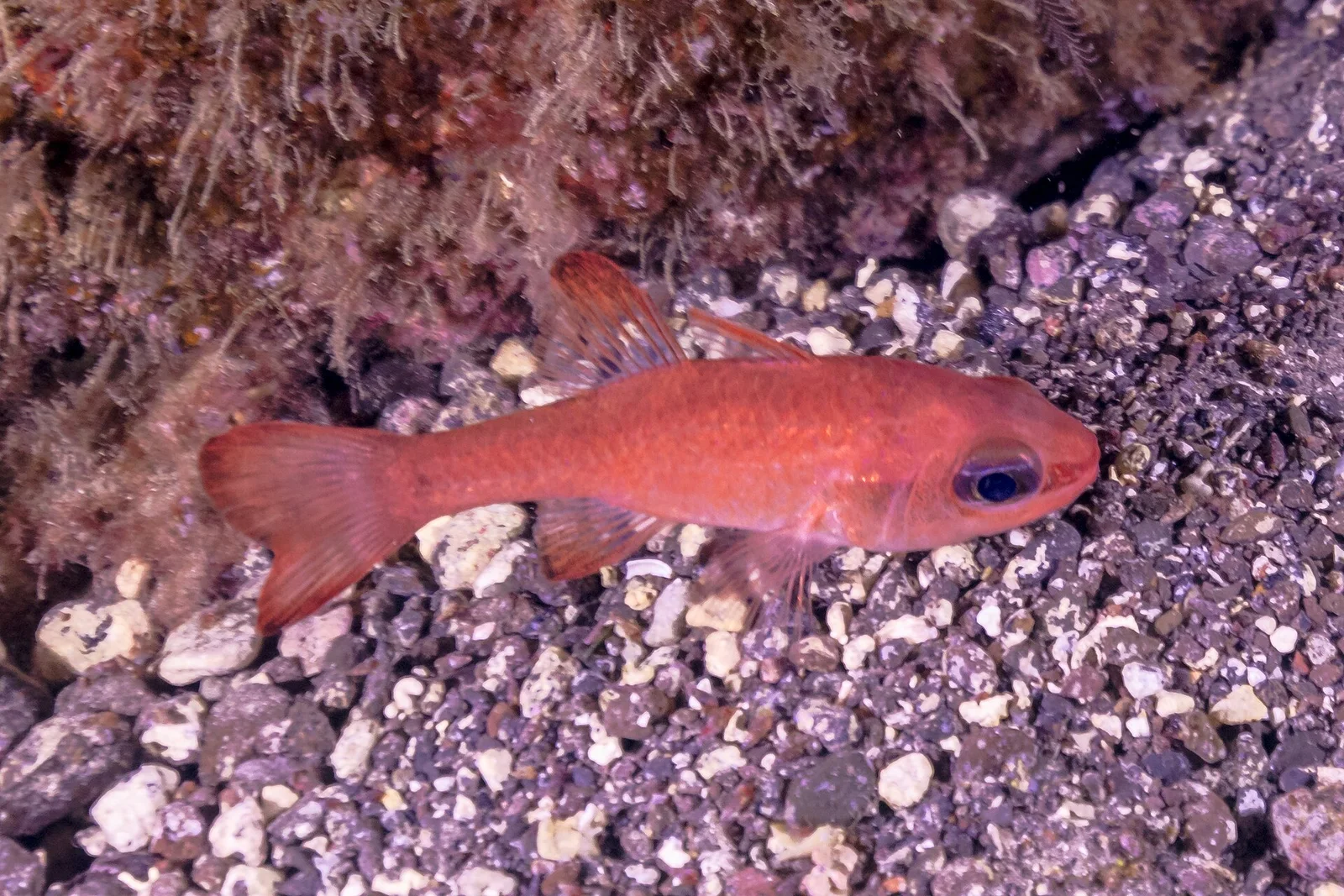
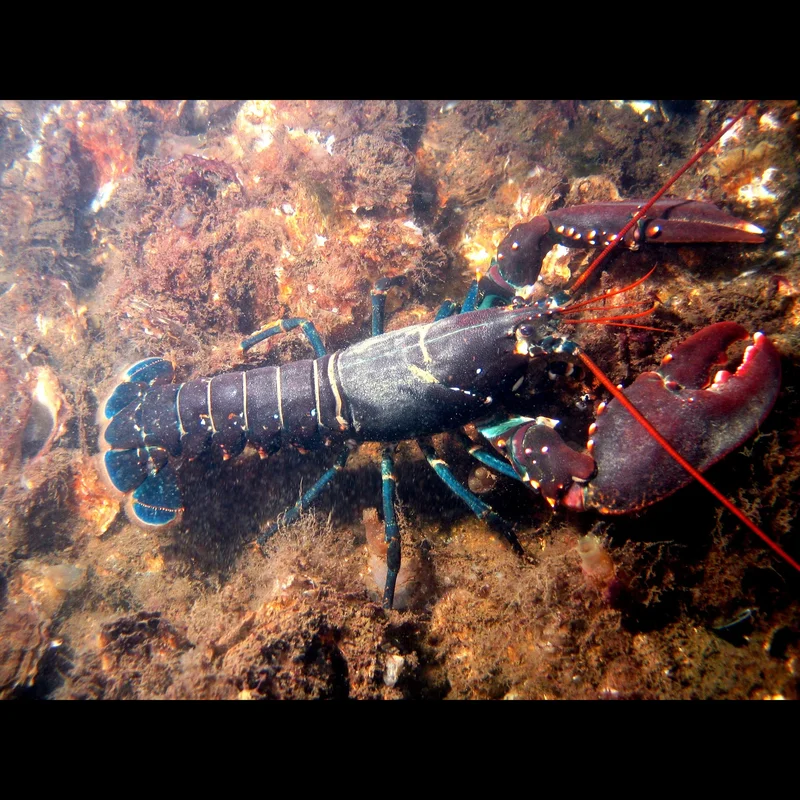
Shaded overhangs and vertical walls below 25 meters showcase classic Mediterranean coralligenous biodiversity: crimson gorgonian fans, bright yellow Parazoanthus carpets, lacy orange bryozoans, and discreet pockets of Corallium rubrum tucked into dark recesses alongside cardinalfish and spiny lobsters.
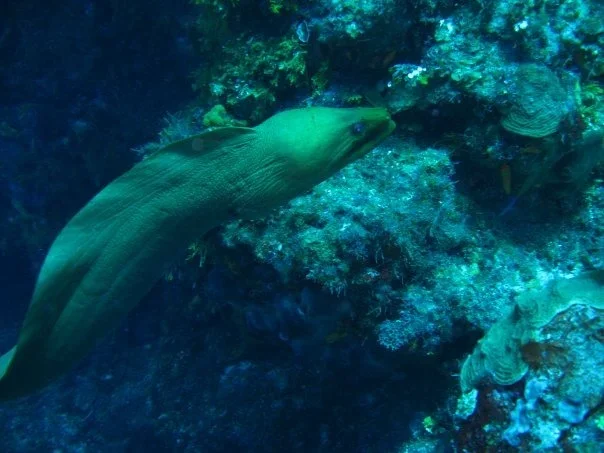
Broad karst ledges between 15 and 35 meters serve as resting stations for mature dusky groupers and brown meagre, while moray eels and red scorpionfish occupy narrow basal cracks. Schools of white sea bream, saddled bream, and damselfish swirl continuously off the reef shoulder.
Across the warm, sunlit upper terraces from 5 to 14 meters, vivid Mediterranean parrotfish, peacock wrasse, painted comber, and curious common octopuses forage actively across algal turf and limestone boulders.

1 / 2
Image contributors:laszlo-photo, Diego Delso + 2 more
Want to contribute photos or local dive knowledge? Learn how to contributeDive Sites Near Cape Korizmeni Rat
View all dive sites in CroatiaDiscover more underwater gems in this area.
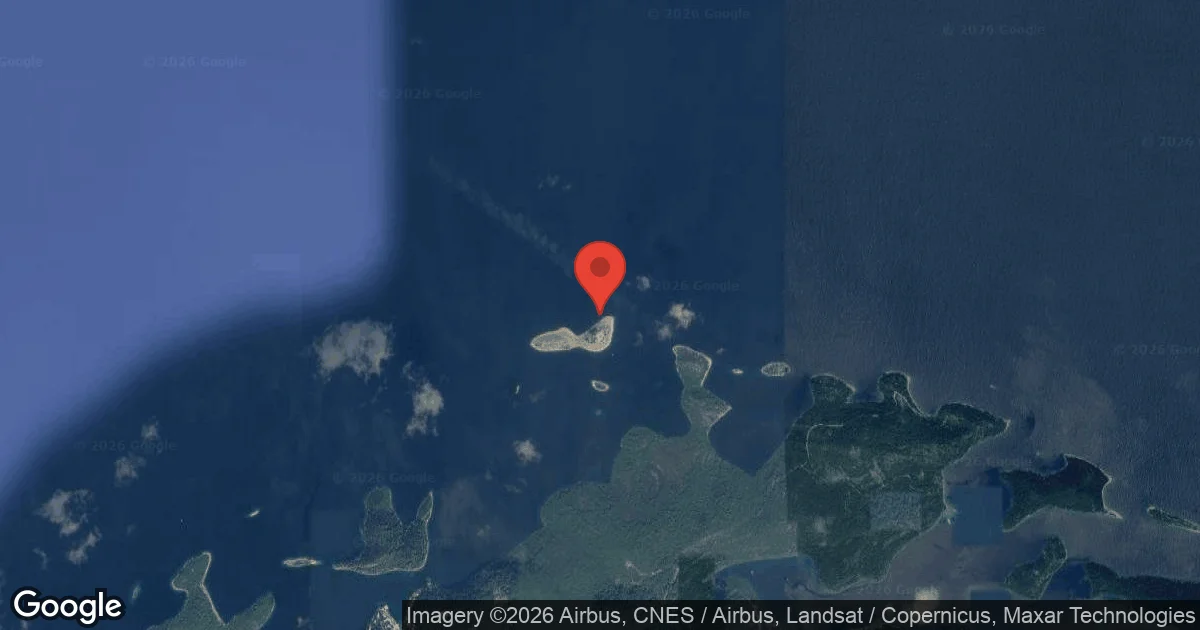
Max 42 m
4.6 km
intermediateGlavat Islet & Coral Reef
BoatCanyon
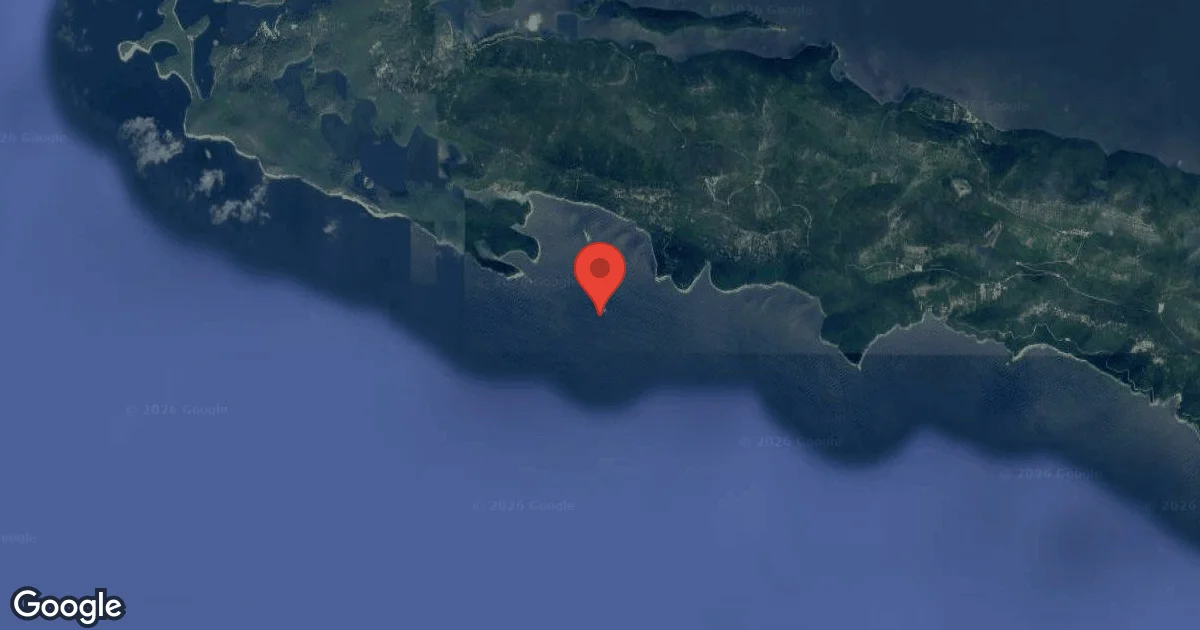
Max 42 m
6 km
intermediateVanji Škoj Wall
BoatCanyon
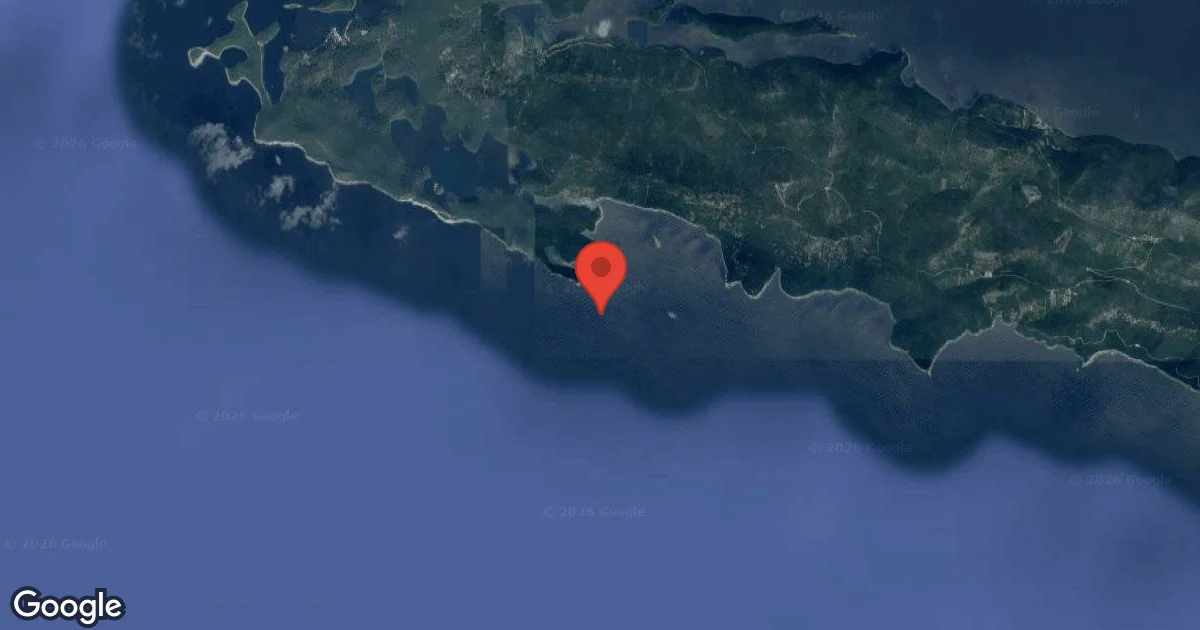
Max 45 m
5 km
advancedCape Lenga Wall
BoatCanyon
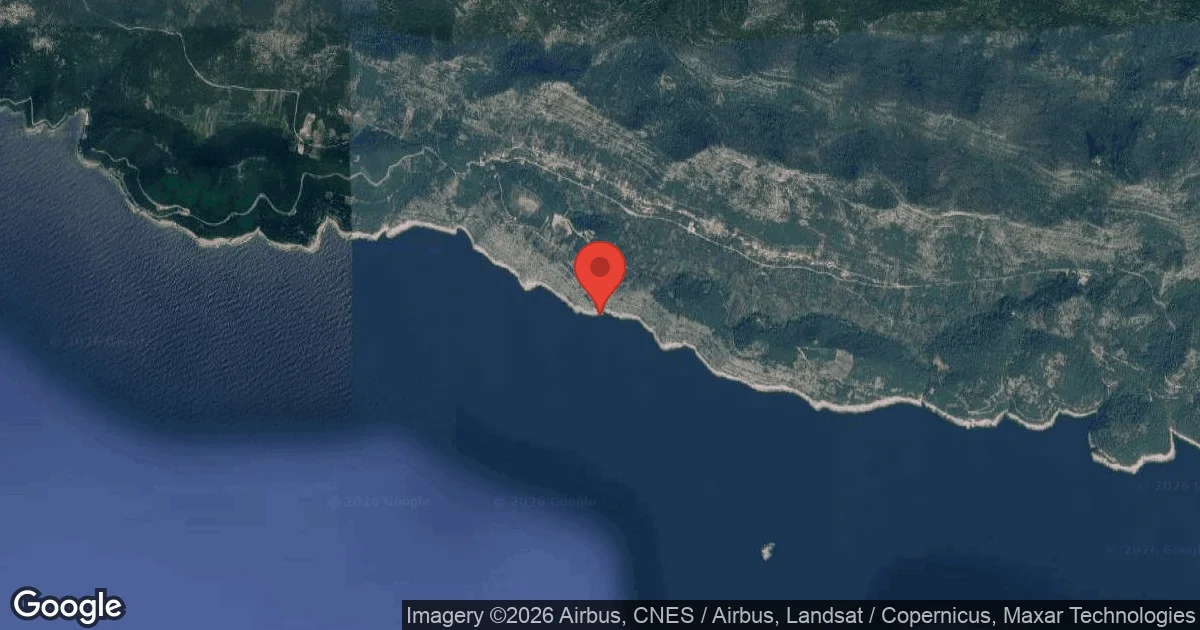
Max 40 m
18 km
360°intermediateOdysseus Cave
BoatCanyon
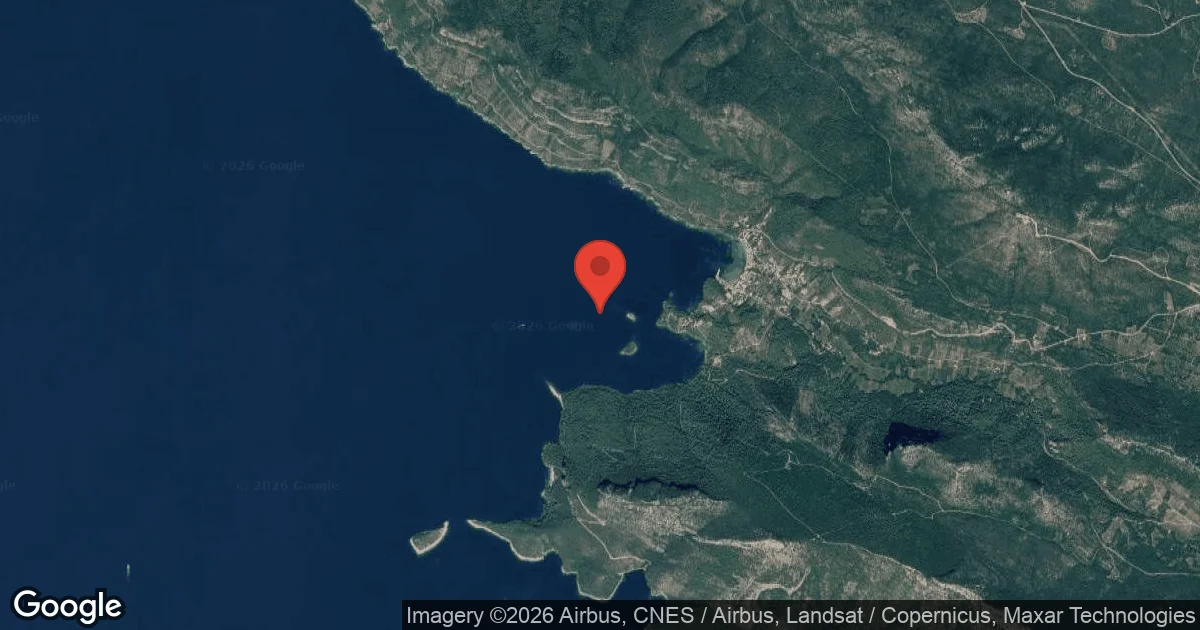
Max 25 m
15.8 km
intermediateŽuljana WWII Landing Craft
Anchor DiveBoat
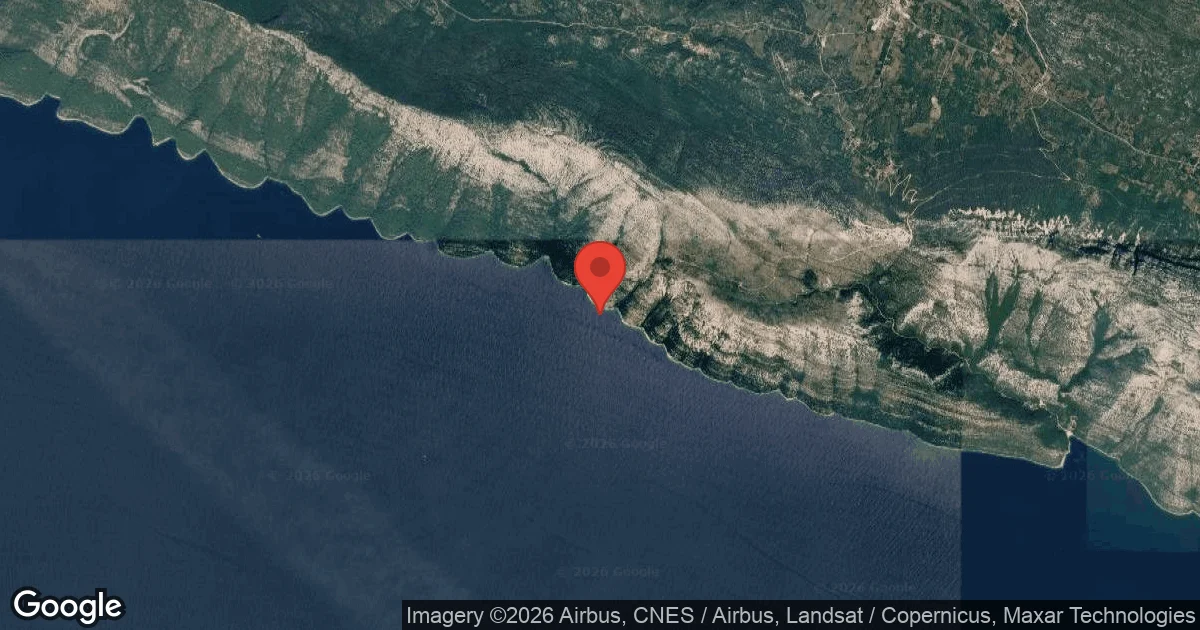
Max 39 m
16.5 km
advancedSchnellboot S-57
BoatDown Line
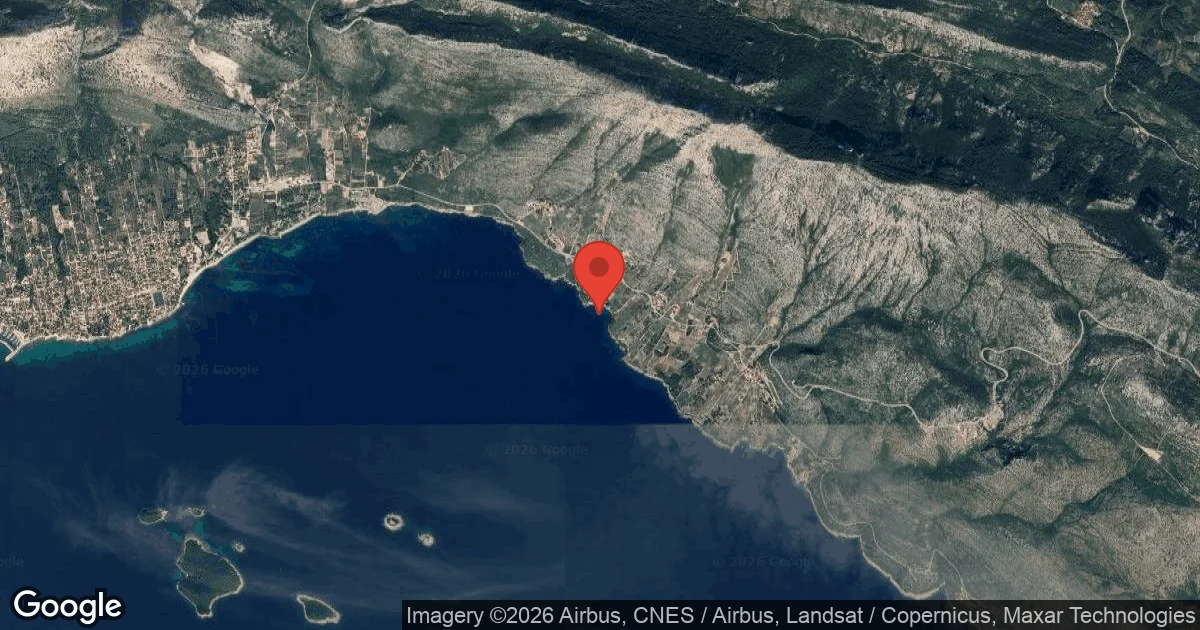
Max 15 m
24.2 km
360°beginnerWreck Boka
BeachOcean
Max 42 m
4.6 km
intermediateGlavat Islet & Coral Reef
BoatCanyon
Max 42 m
6 km
intermediateVanji Škoj Wall
BoatCanyon
Max 45 m
5 km
advancedCape Lenga Wall
BoatCanyon
Max 40 m
18 km
360°intermediateOdysseus Cave
BoatCanyon
Max 25 m
15.8 km
intermediateŽuljana WWII Landing Craft
Anchor DiveBoat
Max 39 m
16.5 km
advancedSchnellboot S-57
BoatDown Line
Max 15 m
24.2 km
360°beginnerWreck Boka
BeachOcean
Dive Centers Near Cape Korizmeni Rat
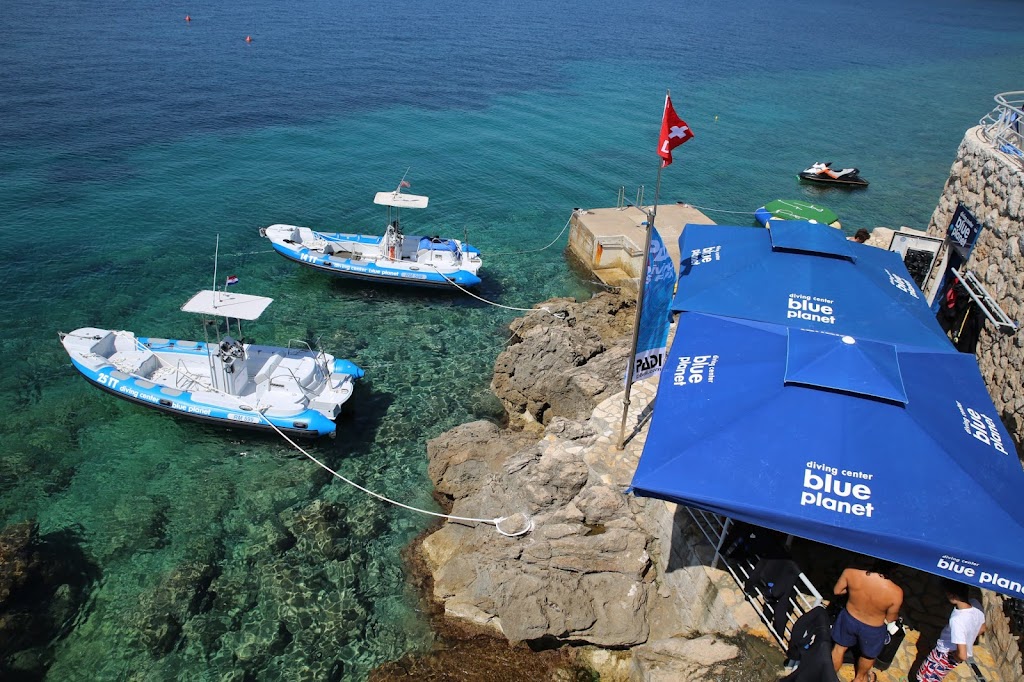
Working Hours
SunClosed
Mon09:00 - 17:00
Tue09:00 - 17:00
Wed09:00 - 17:00
Thu09:00 - 17:00
Fri09:00 - 17:00
Sat09:00 - 17:00
Today: 09:00 - 17:00
SunClosed
Mon09:00 - 17:00
Tue09:00 - 17:00
Wed09:00 - 17:00
Thu09:00 - 17:00
Fri09:00 - 17:00
Sat09:00 - 17:00
4.9| 255 reviews
69.2 km
5| 341 reviews
75.4 km
4.9| 214 reviews
86.2 km
Diving Center Aqualis
4.9(206)• 86.6 km
Calypso Scuba Diving
4.8(153)• 91.3 km
Nautica Vis Diving Center
4.9(174)• 98.6 km
Draulik Diving Center
4.8(70)• 94.8 km
Nearest Airports
Nearest airports to help plan travel to this dive area.
Brač Airport BWK
78 km
Dubrovnik Ruđer Bošković Airport DBV
80 km
Split Saint Jerome Airport SPU
120 km
💵 Currency: EUR
Search Flights
Check available flights and routes on Expedia, using the nearby airports listed in this section.
Search Flights on ExpediaAffiliate link · Dive Navigator may earn a commission at no extra cost to you.
Frequently Asked Questions
Where exactly is Cape Korizmeni Rat located?
Cape Korizmeni Rat sits on the uninhabited southwestern coast of Mljet National Park, directly inshore of rocky Štit Islet and roughly 15 to 20 minutes by dive boat south of Pomena.
Is a permit required to dive Cape Korizmeni Rat?
Yes. Both Cape Korizmeni Rat and adjacent Štit Islet lie within Mljet National Park marine waters, requiring organized boat access through an authorized park-licensed dive center.
Can Open Water divers enjoy Cape Korizmeni Rat?
Yes. Unlike sheer walls that start deep, Korizmeni Rat features extensive, sunlit limestone terraces and canyons from 5 to 18 meters alongside its deeper 40-meter outer drop-off.
Can divers see precious red coral at this site?
Small, protected colonies of Mediterranean red coral (Corallium rubrum) grow inside dark, deeply recessed overhangs below 30 meters alongside much larger red gorgonian sea fans; observe with a torch without touching.
How clear is the water around Korizmeni Rat and Štit Islet?
Fed directly by deep offshore southern Adriatic currents with zero river runoff, visibility frequently reaches 30 to 35 meters during settled summer months.
Are currents strong between the cape and Štit Islet?
Currents are usually mild along the terraced wall and only accelerate moderately through the 160-meter gap between the headland and Štit Islet, making navigation straightforward.
Trip Inquiry
Planning to dive Cape Korizmeni Rat?
Tell us your dates and diving needs. We'll review your request and seek offers from relevant local dive centers.
Request Dive Offers Free request for offers • No booking obligation
Cape Korizmeni Rat
Conditions are Poor
4/10
Confidence: 8/10
Indicates meteorological model agreement and data availability.
DIVE WARNING
High Wind Advisory (47km/h). Unsafe surface.
06:12
18:45
H: 10:45
L: 16:20
Air / Sea Temp
16° / 19°
Wave Height
1.8 m
Wind Speed
47 km/h N
Rain Chance
100%
Current conditions near Cape Korizmeni Rat show 16° air, 19° sea temperature, 1.8 m waves, and 47 km/h wind. Forecast data is refreshed regularly to ensure accuracy.
Radius: ~12km
Updated: Nov 21, 2026, 12:56 local timeMARINE: OPEN-METEOWEATHER: YR.NO


