Loading...

Diving at Glavat Islet & Coral Reef (Croatia)
Published
Northwestern Mljet National Park's signature islet reef and gorgonian drop-off, offering accessible coastal colonies of Mediterranean pillow coral alongside rich pelagic life just outside Pomena.
Current morning readings from Glavat Islet & Coral Reef indicate an air temperature of 16.5°C. Surface wave heights are averaging around 0.7 m at this time. These local measurements provide a baseline for your daily dive planning.
Dive Site Location & Key Facts
Site Characteristics
Max Depth42m / 138ft
Entry Typeboat
Water Typesalt
Dive Types
RecreationalReefWall
Dive Site Overview
Anchored off Cape Glavat at the northwestern gateway to Mljet National Park, uninhabited Glavat Islet—flanked to the south by Borovac and Crna Seka—forms a natural breakwater separating sheltered Pomena approaches from the deep currents of the Mljet Channel. Its elongated limestone ridge creates two distinct underwater moods: a tiered, sunlit reef slope on the sheltered inner flank and a dramatic, current-swept vertical wall plunging to 42 meters along the outer northern and eastern faces.
Mljet National Park is renowned across marine science for harboring the Mediterranean's largest reef bank of temperate pillow stony coral (Cladocora caespitosa) inside nearby Veliko Jezero, where scuba diving is prohibited for strict habitat conservation. Out on the open park reefs around Glavat Islet, however, divers can witness thriving open-sea cushions of Cladocora caespitosa between 8 and 18 meters before descending into classic coralligenous wall terrain.
Lying directly astride the historic maritime corridor linking Korčula, Pelješac, and ancient Polače harbor, the rocky shallows and deeper talus around Glavat and neighboring Maslinovac also echo two millennia of Classical shipping, with encrusted ceramic sherds occasionally visible amid sponge-draped boulders.
Glavat Islet & Coral Reef
Conditions are Poor
4/10
Confidence: 8/10
Indicates meteorological model agreement and data availability.
DIVE WARNING
High Wind Advisory (42km/h). Unsafe surface.
06:12
18:45
H: 10:45
L: 16:20
Air / Sea Temp
17° / 19°
Wave Height
1.8 m
Wind Speed
42 km/h N
Rain Chance
100%
Current conditions near Glavat Islet & Coral Reef show 17° air, 19° sea temperature, 1.8 m waves, and 42 km/h wind. Forecast data is refreshed regularly to ensure accuracy.
Radius: ~12km
Updated: Nov 22, 2026, 13:17 local timeMARINE: OPEN-METEOWEATHER: YR.NO
Best Time to Dive
Glavat Islet dives exceptionally well from May through October. Because the islet sits just minutes north of Pomena harbor and offers both windward and leeward aspects, dive operators can often find a sheltered mooring on its southern lee even when moderate southerly swells close exposed southern Mljet walls.
From June through September, upper reef terraces from 6 to 15 meters enjoy warm 22–26°C water and bright ambient illumination ideal for observing stony coral cushions and schooling bream. Below the 20-meter thermocline, cooler 15–17°C channel water sustains vibrant deep gorgonians throughout summer.
Strong northeasterly bura winds blowing across the Mljet Channel from Pelješac can generate steep chop along Glavat's northern drop-off, making calm mornings and light afternoon maestral breezes the most comfortable windows.
PEAK SEASON SCORE
89/100
Very GoodScores combine air & water temps, waves, wind & rainfall for overall conditions.
BEST MONTHS TO DIVE
JUN
JUL
AUG
DIVE SCORE GUIDE (0–100)
Excellent (90–100)
Very Good (80–89)
Good (70–79)
Moderate (50–69)
Poor (30–49)
Not Recommended (0–29)
Monthly records compiled from satellite and marine observation nodes over the last 3 years. Data provided by Open-Meteo and MET Norway.
Dive Experience & Conditions
After a brief 10-minute boat run from Pomena, divers typically enter over the sheltered rocky saddle between 6 and 10 meters before rounding the islet shoulder onto the steep outer wall. Multi-level topography makes Glavat remarkably versatile: open-water divers can explore richly colonized rocky steps down to 18 meters, while advanced teams drop along vertical fissures to 35–42 meters.
Along the outer drop-off, clean channel currents sweep along the limestone face, nourishing dense stands of red and yellow gorgonians and attracting hunting jacks and dentex. Horizontal visibility routinely spans 25 to 35 meters.
The return leg follows the shallower reef terrace between 15 and 6 meters, where rounded hemispherical colonies of pillow coral, seagrass patches, and sunlit boulder canyons provide an engaging, unhurried ascent and safety stop.
Dive Difficulty & Safety Guidelines
Pay close attention to current briefings before rounding Glavat's outer eastern or western points, where tidal and wind-driven flow through the Mljet Channel can accelerate abruptly. Begin the dive into the current along the wall and ascend onto the leeward reef terrace with ample reserve pressure.
Exercise exemplary fin awareness over the 8 to 18 meter reef belt where slow-growing Cladocora caespitosa coral heads—which add only a few millimeters of calcium carbonate skeleton per year—are vulnerable to physical impact or anchor drag. Never touch, disturb, or collect any ancient amphora fragments encountered on the seabed.
As part of Mljet National Park's strictly regulated marine zone, all diving around Glavat Islet requires park authorization through a licensed dive center, and surface marker buoys should be deployed carefully when ascending near passing charter yachts entering Pomena.
Recommended Equipment
Technical depth range. Advanced planning, gas management, and appropriate certification required.
- Dive Computer
- DSMB
- Primary & Backup Lights
This gear list is based on verified equipment signals for Glavat Islet & Coral Reef, Croatia. Always confirm final gear choices with your dive operator, guide, or liveaboard.
Recommended Dive Suit
With water temperatures around 19°C (66°F), many divers find a 5mm wetsuit provides comfortable protection.
Local conditions can vary slightly across different parts of the same dive site.
Environmental conditions may feel slightly cooler as the week progresses. Cooler days are ahead; you might want a warmer option for later in the week. A warmer option can provide additional comfort if conditions shift.
Glavat Islet & Coral Reef conditions last reviewed: 13:17 local time (UTC+1), Nov 22, 2026
Emergency & Medical Support
Essential information to help you plan your dive trip to Glavat Islet & Coral Reef.

Hyperbaric chambers are a critical part of dive safety infrastructure. Availability varies significantly by region, and not all dive areas have immediate access.
Before diving, it's recommended to:
- confirm nearest medical facilities
- check emergency procedures with local dive operators
- ensure dive insurance covers evacuation if required
24/7 Available
Divers Alert Network
Diving emergency assistance available through DAN Europe.
+39 0642115685- 24/7 emergency hotline
- Diving medical assistance
- Evacuation coordination
Emergency contacts are provided for reference. Always verify local emergency services before diving.
Closest Listed Hyperbaric Chambers (≤ 200 km)
Approximate straight-line distances from this dive site — emergency travel times may vary.
106 km106 kmZavod za pomorsku medicinu Split – Odjel za podvodnu i hiperbaričnu medicinu
Split, Croatia24/7ICU194Details106 kmZavod za pomorsku medicinu Split – Odjel za podvodnu i hiperbaričnu medicinu
24/7 ListedICU CapableSplit, Croatia · Multiplace
24/7 Emergency194CollapseHours: 24/7 EmergencyFacility: Zavod za pomorsku medicinu / KBC Split (Križine)ICU On-Site: YesSource: KBC Rijeka / Poliklinika OXY
106 km
Zavod za pomorsku medicinu Split – Odjel za podvodnu i hiperbaričnu medicinu
Split, Croatia24/7ICU194Details
106 km
Zavod za pomorsku medicinu Split – Odjel za podvodnu i hiperbaričnu medicinu
24/7 ListedICU CapableSplit, Croatia · Multiplace
24/7 Emergency194
CollapseHours: 24/7 Emergency
Facility: Zavod za pomorsku medicinu / KBC Split (Križine)
ICU On-Site: Yes
Source: KBC Rijeka / Poliklinika OXY
Chamber data is sourced from official Croatian hospital and baromedicine facility records and has not been independently verified by Dive Navigator. Always contact local emergency services, DAN, your dive operator, or the facility directly before travelling.
Reference onlyMarine Life at Glavat Islet & Coral Reef
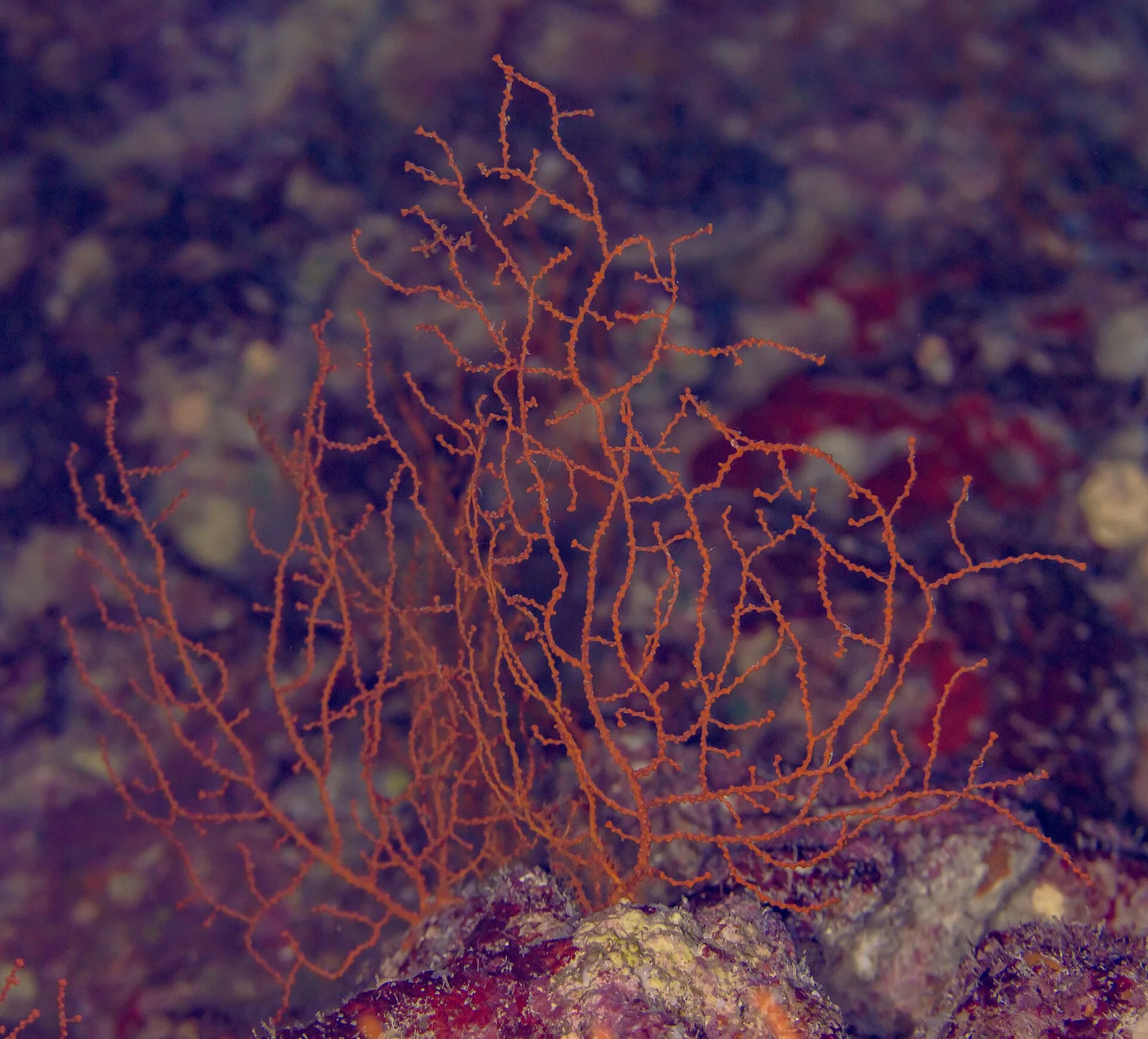
Glavat's standout biological feature is the presence of hemispherical pillow stony coral (Cladocora caespitosa) cushions on sunlit rocky ledges, sheltering brittle stars, porcelain crabs, and colorful nudibranchs within their calcified calices. Deeper down the shaded limestone cliff below 24 meters, expansive red gorgonian fans and yellow cluster anemones blanket the vertical rock.
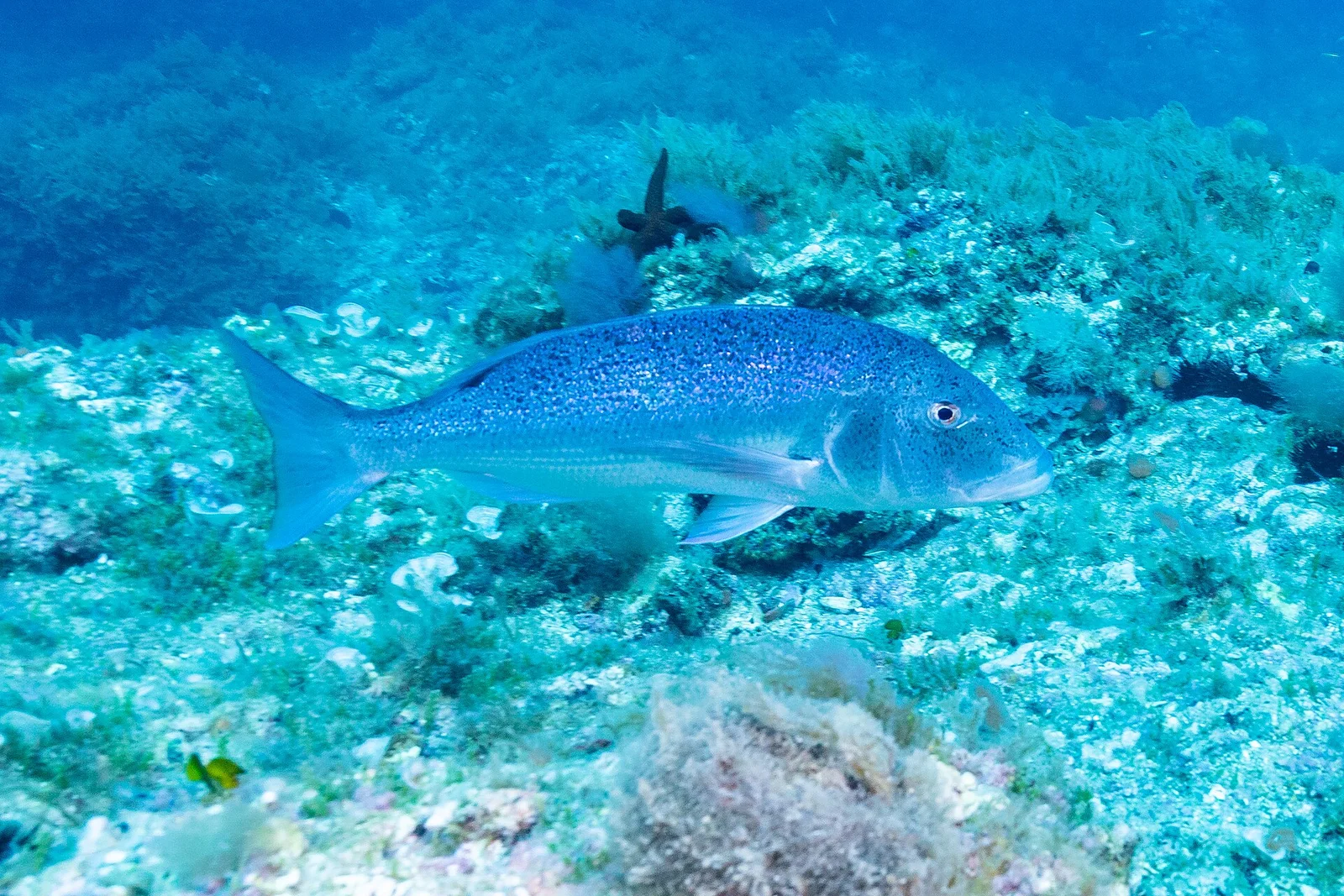
Protected park waters support thriving fish populations: stout dusky groupers rest on ledges beneath sea fans, while fast-moving packs of common dentex and greater amberjack patrol the blue edge above schooling bogues and damselfish.
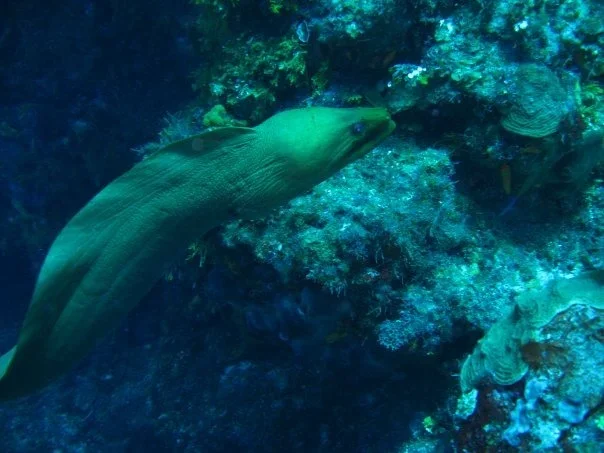
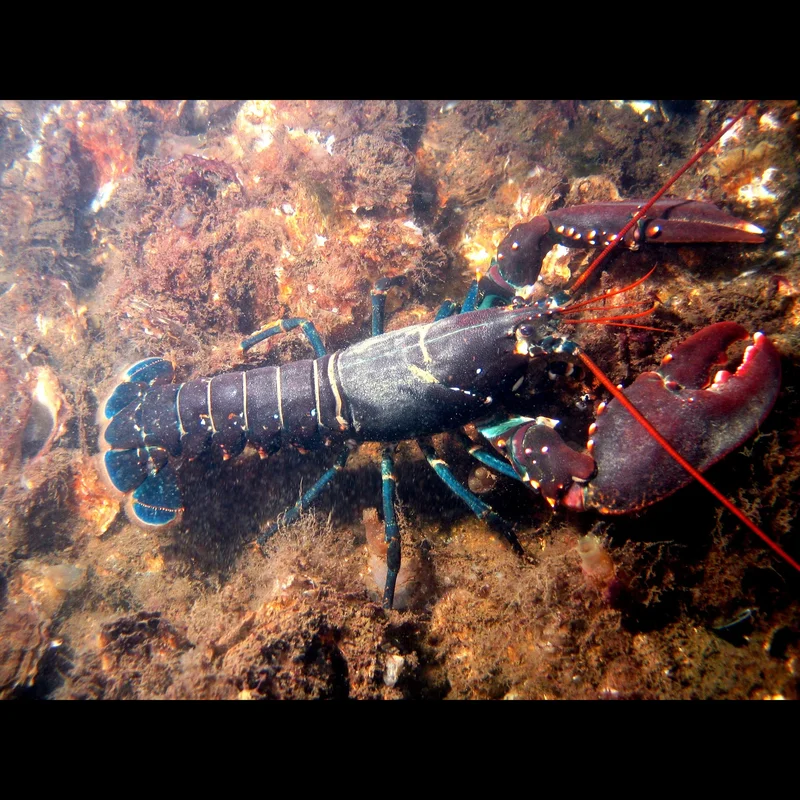
Two-banded and white sea bream, salema, ornate wrasse, and bright red-and-grey female Mediterranean parrotfish animate the shallow boulder slopes, while moray eels and European lobsters peer from dark basal crevices.
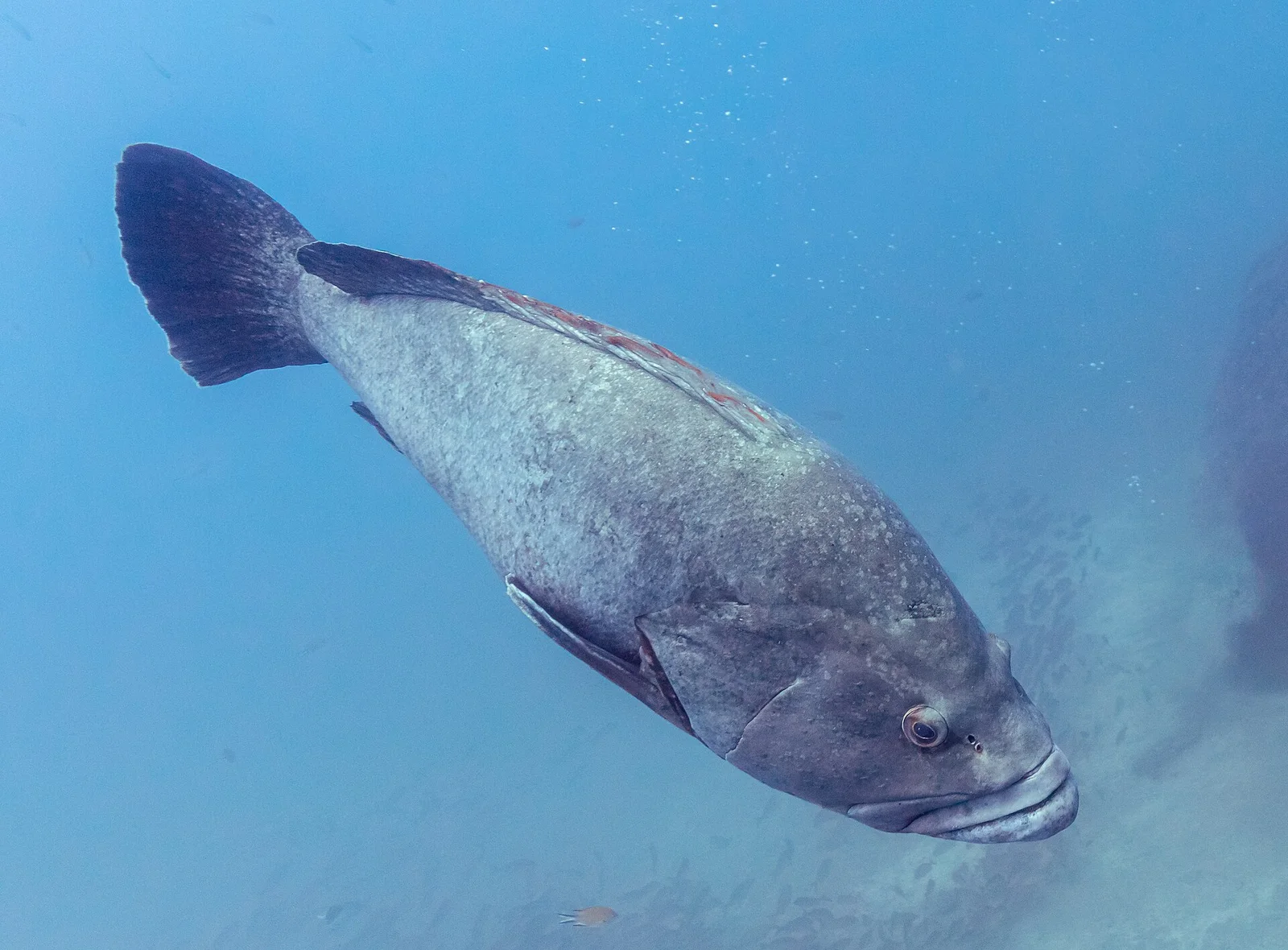
1 / 2
Image contributors:Diego Delso, Bart Braun + 2 more
Want to contribute photos or local dive knowledge? Learn how to contributeDive Sites Near Glavat Islet & Coral Reef
View all dive sites in CroatiaDiscover more underwater gems in this area.
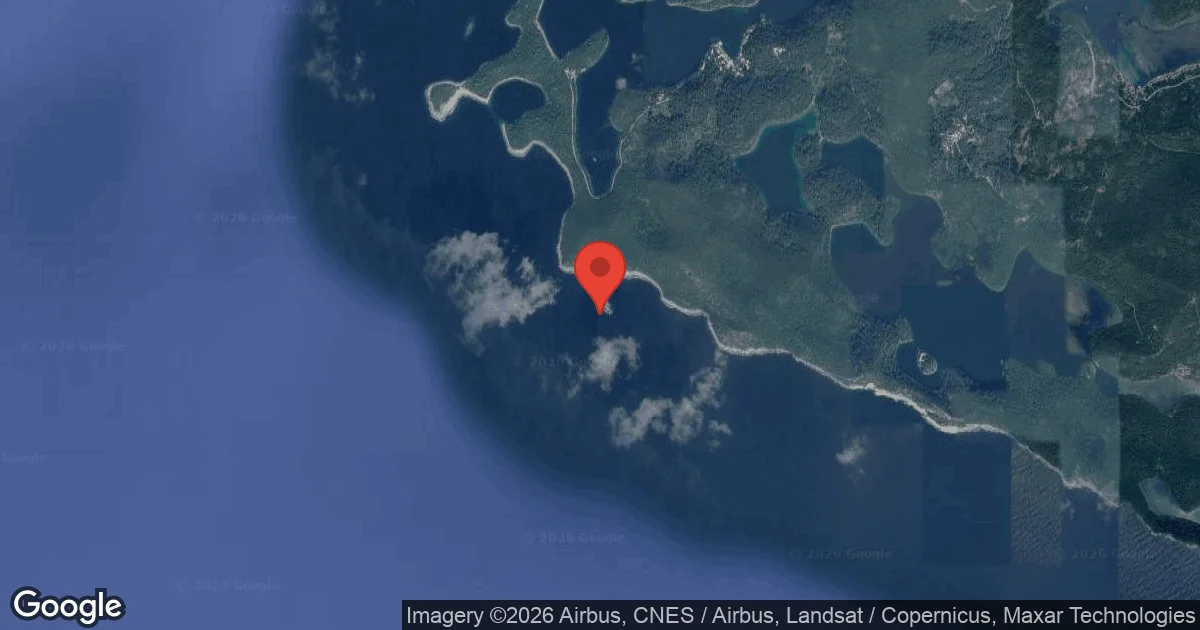
Max 42 m
4.6 km
intermediateCape Korizmeni Rat
BoatCanyon
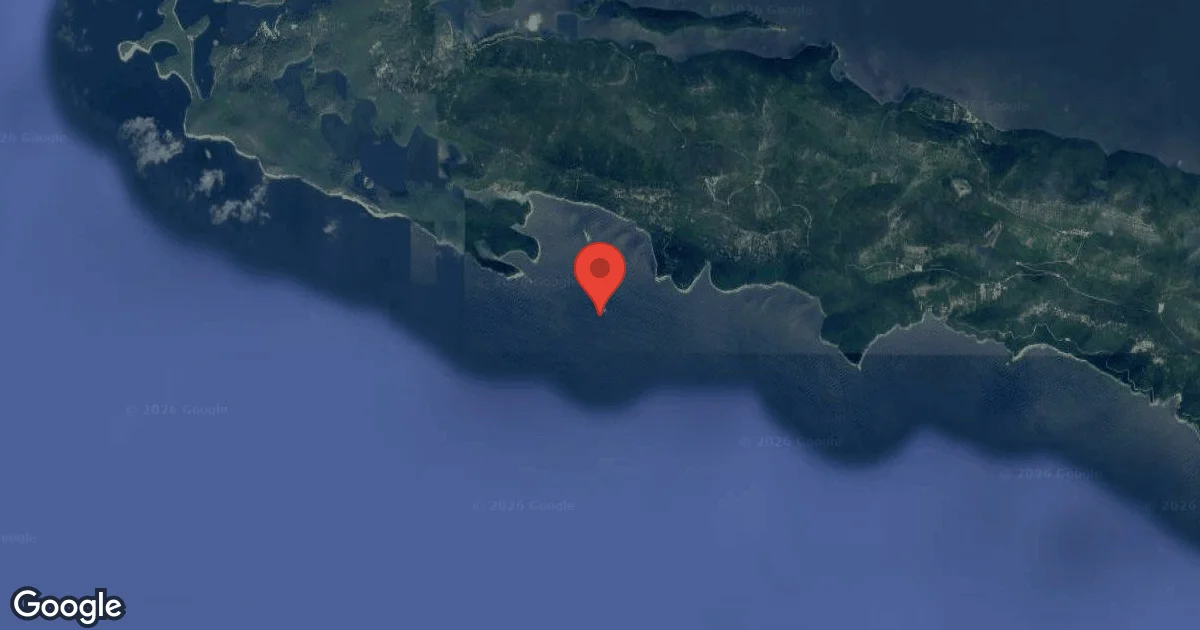
Max 42 m
6.9 km
intermediateVanji Škoj Wall
BoatCanyon
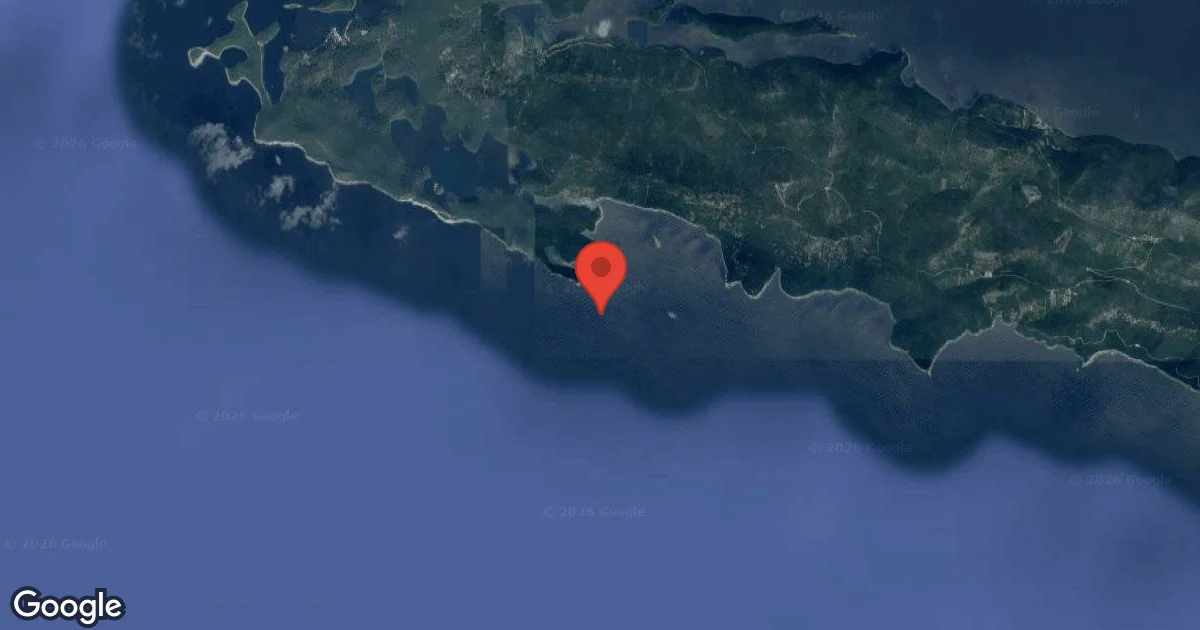
Max 45 m
6.5 km
advancedCape Lenga Wall
BoatCanyon
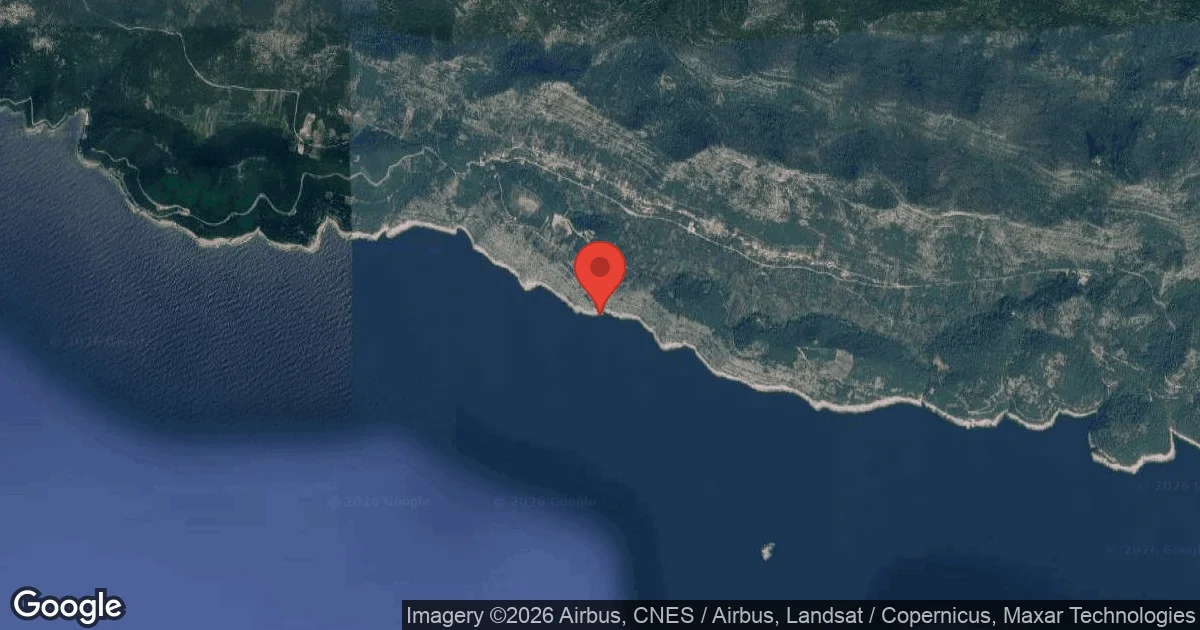
Max 40 m
17.3 km
360°intermediateOdysseus Cave
BoatCanyon
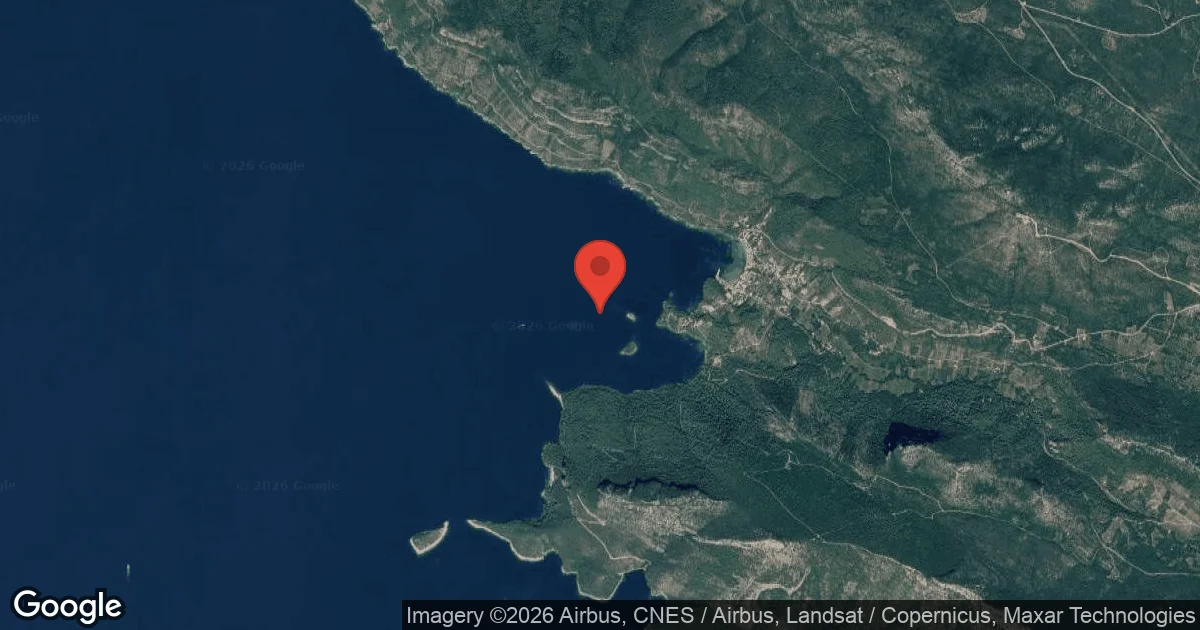
Max 25 m
11.2 km
intermediateŽuljana WWII Landing Craft
Anchor DiveBoat
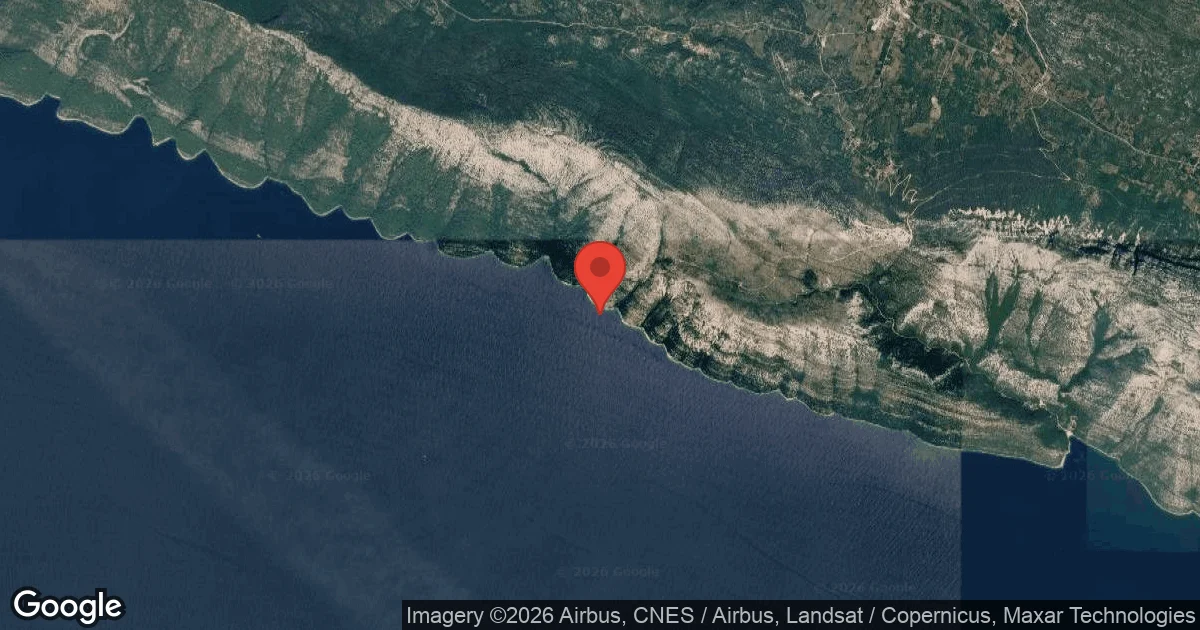
Max 39 m
12.5 km
advancedSchnellboot S-57
BoatDown Line
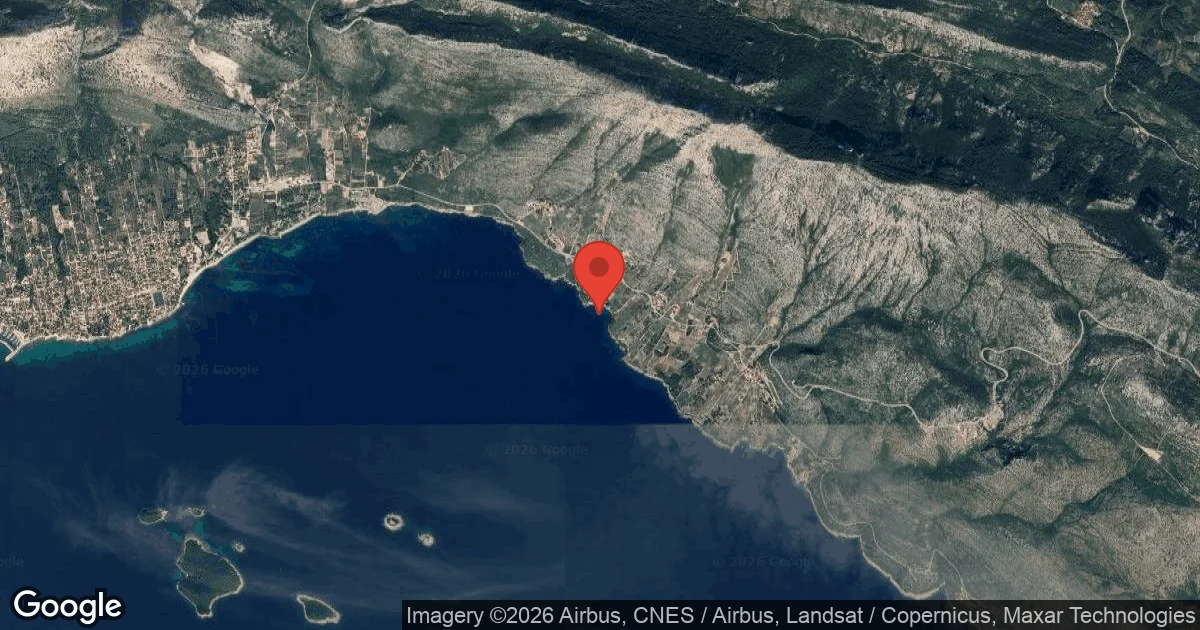
Max 15 m
21.7 km
360°beginnerWreck Boka
BeachOcean
Max 42 m
4.6 km
intermediateCape Korizmeni Rat
BoatCanyon
Max 42 m
6.9 km
intermediateVanji Škoj Wall
BoatCanyon
Max 45 m
6.5 km
advancedCape Lenga Wall
BoatCanyon
Max 40 m
17.3 km
360°intermediateOdysseus Cave
BoatCanyon
Max 25 m
11.2 km
intermediateŽuljana WWII Landing Craft
Anchor DiveBoat
Max 39 m
12.5 km
advancedSchnellboot S-57
BoatDown Line
Max 15 m
21.7 km
360°beginnerWreck Boka
BeachOcean
Dive Centers Near Glavat Islet & Coral Reef
Working Hours
SunClosed
Mon09:00 - 17:00
Tue09:00 - 17:00
Wed09:00 - 17:00
Thu09:00 - 17:00
Fri09:00 - 17:00
Sat09:00 - 17:00
Today: 09:00 - 17:00
SunClosed
Mon09:00 - 17:00
Tue09:00 - 17:00
Wed09:00 - 17:00
Thu09:00 - 17:00
Fri09:00 - 17:00
Sat09:00 - 17:00
5| 341 reviews
73 km
4.9| 255 reviews
68.5 km
4.9| 214 reviews
86.2 km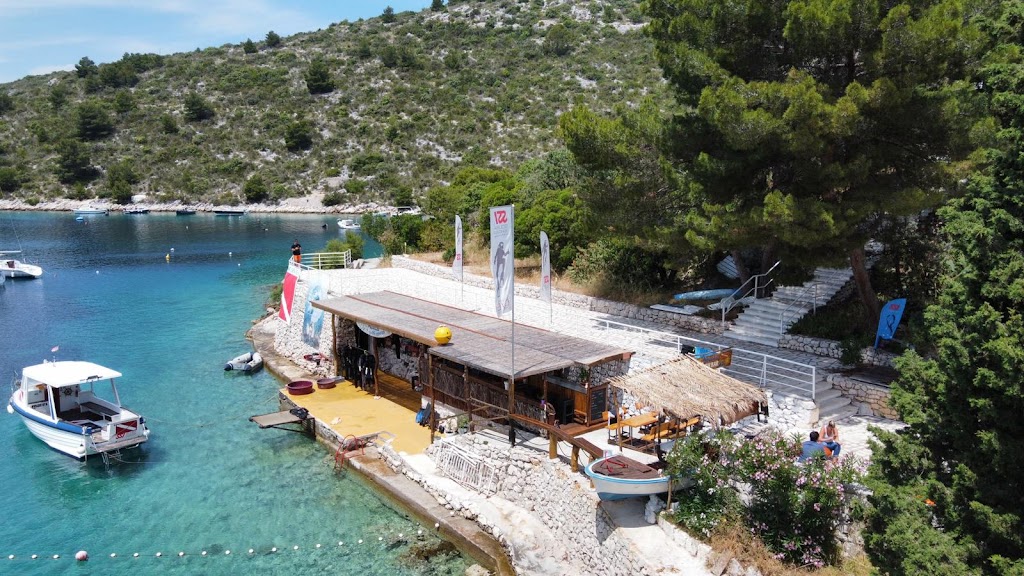
Diving Center Aqualis
4.9(206)• 86.7 km
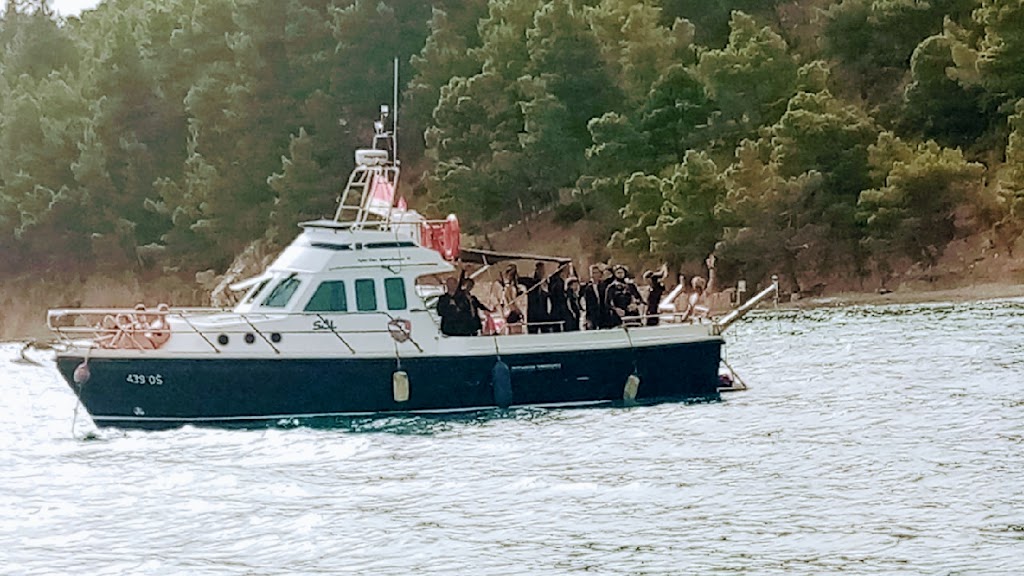
Calypso Scuba Diving
4.8(153)• 89.6 km
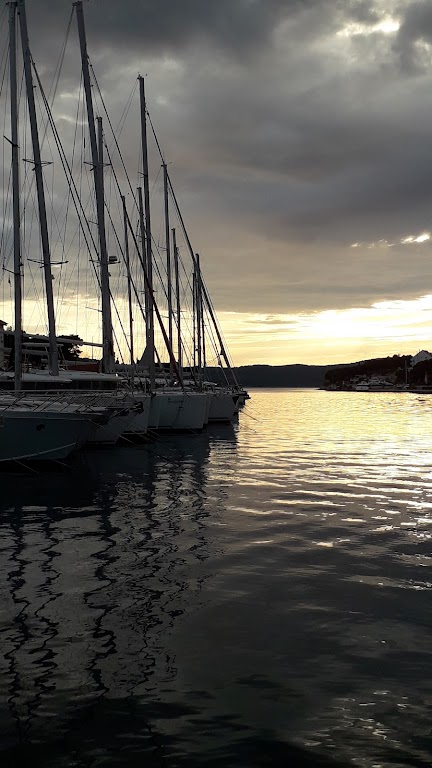
Draulik Diving Center
4.8(70)• 94.1 km
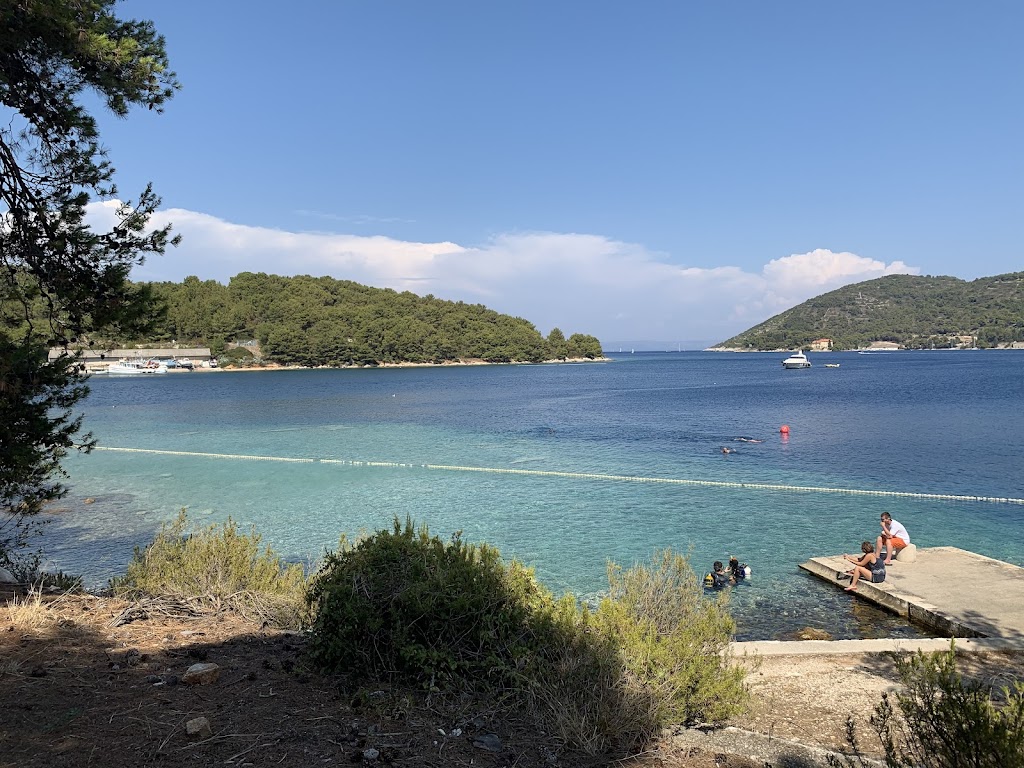
Nautica Vis Diving Center
4.9(174)• 99.6 km
Nearest Airports
Nearest airports to help plan travel to this dive area.
Brač Airport BWK
77 km
Dubrovnik Ruđer Bošković Airport DBV
79 km
Split Saint Jerome Airport SPU
119 km
💵 Currency: EUR
Search Flights
Check available flights and routes on Expedia, using the nearby airports listed in this section.
Search Flights on ExpediaAffiliate link · Dive Navigator may earn a commission at no extra cost to you.
Frequently Asked Questions
Can divers see Mediterranean pillow coral at Glavat since diving in Mljet's lakes is banned?
Yes. While scuba diving inside Veliko Jezero and Malo Jezero is strictly prohibited to protect the inland coral bank, Glavat Islet hosts healthy open-sea colonies of Cladocora caespitosa on its sunlit coastal reef shelves at 8 to 18 meters.
Is Glavat Islet suitable for both Open Water and Advanced divers?
Yes. Its tiered profile allows open-water divers to stay on the vibrant 6 to 18 meter coral and boulder reef while advanced divers explore the adjacent 25 to 42 meter gorgonian wall.
How close is Glavat Islet to Pomena dive centers?
Glavat sits just off the northwestern tip of Mljet, roughly a 10-minute boat ride from Pomena harbor.
Do I need a permit to dive Glavat Islet?
Yes. Glavat lies fully within Mljet National Park's marine boundaries, so diving is restricted to organized excursions with licensed park dive operators.
Are ancient artifacts visible underwater around Glavat?
Because Glavat guards the ancient sea lane toward Roman Polače, encrusted amphora sherds from Classical merchant traffic occasionally rest among the rocks and must remain strictly untouched in situ.
Which weather pattern offers the best conditions at Glavat?
Calm mornings or light southerly breezes provide smooth anchorage on the islet's southern flank, whereas strong northeasterly bura winds create rough seas across the exposed northern Mljet Channel side.
Trip Inquiry
Planning to dive Glavat Islet & Coral Reef?
Tell us your dates and diving needs. We'll review your request and seek offers from relevant local dive centers.
Request Dive Offers Free request for offers • No booking obligation
Glavat Islet & Coral Reef
Conditions are Poor
4/10
Confidence: 8/10
Indicates meteorological model agreement and data availability.
DIVE WARNING
High Wind Advisory (42km/h). Unsafe surface.
06:12
18:45
H: 10:45
L: 16:20
Air / Sea Temp
17° / 19°
Wave Height
1.8 m
Wind Speed
42 km/h N
Rain Chance
100%
Current conditions near Glavat Islet & Coral Reef show 17° air, 19° sea temperature, 1.8 m waves, and 42 km/h wind. Forecast data is refreshed regularly to ensure accuracy.
Radius: ~12km
Updated: Nov 22, 2026, 13:17 local timeMARINE: OPEN-METEOWEATHER: YR.NO


