Loading...

Diving at Cape Lenga Wall (Croatia)
Published
A flagship vertical drop-off inside Mljet National Park where sheer karst cliffs plunge past 45 meters into sapphire open-sea clarity draped with crimson gorgonians.
Early observations for Cape Lenga Wall report a surface air temperature of 15.5°C. The water surface is currently presenting wave heights of 1.7 m. Consider these environmental metrics before beginning your descent.
Dive Site Location & Key Facts
Site Characteristics
Max Depth45m / 148ft
Entry Typeboat
Water Typesalt
Dive Types
DeepReefWall
Dive Site Overview
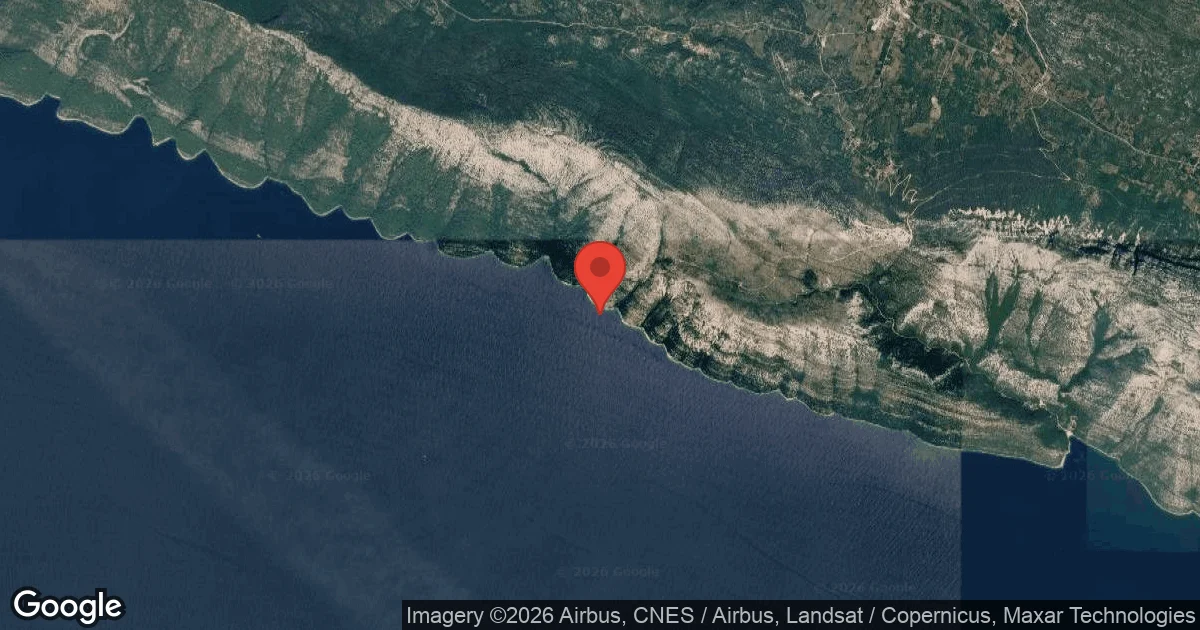
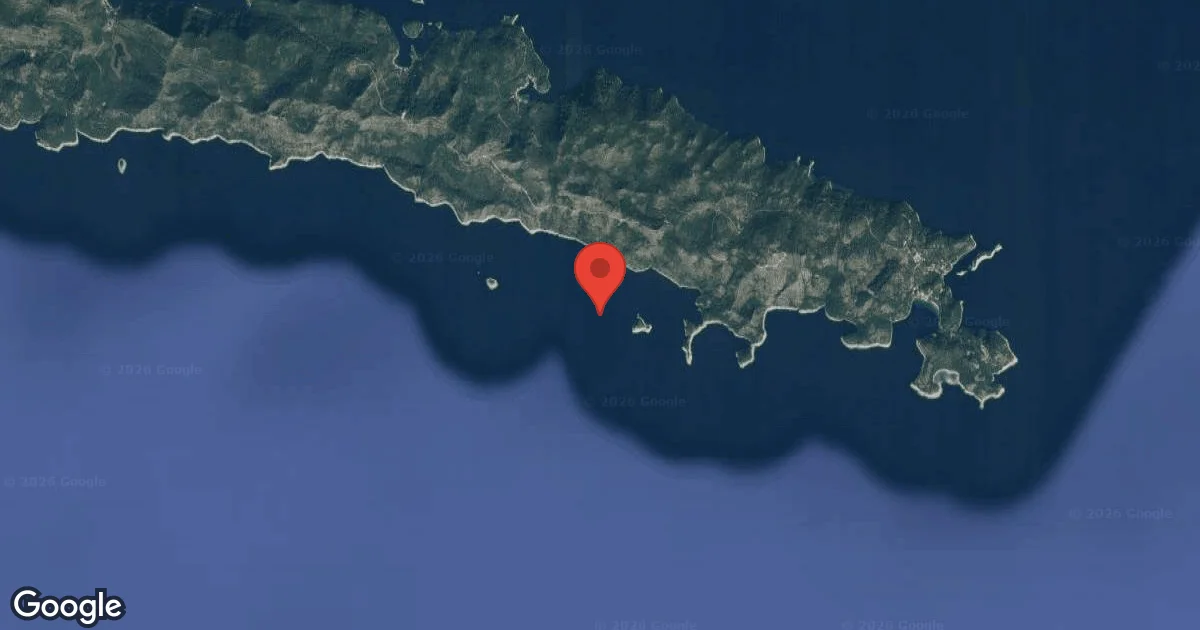
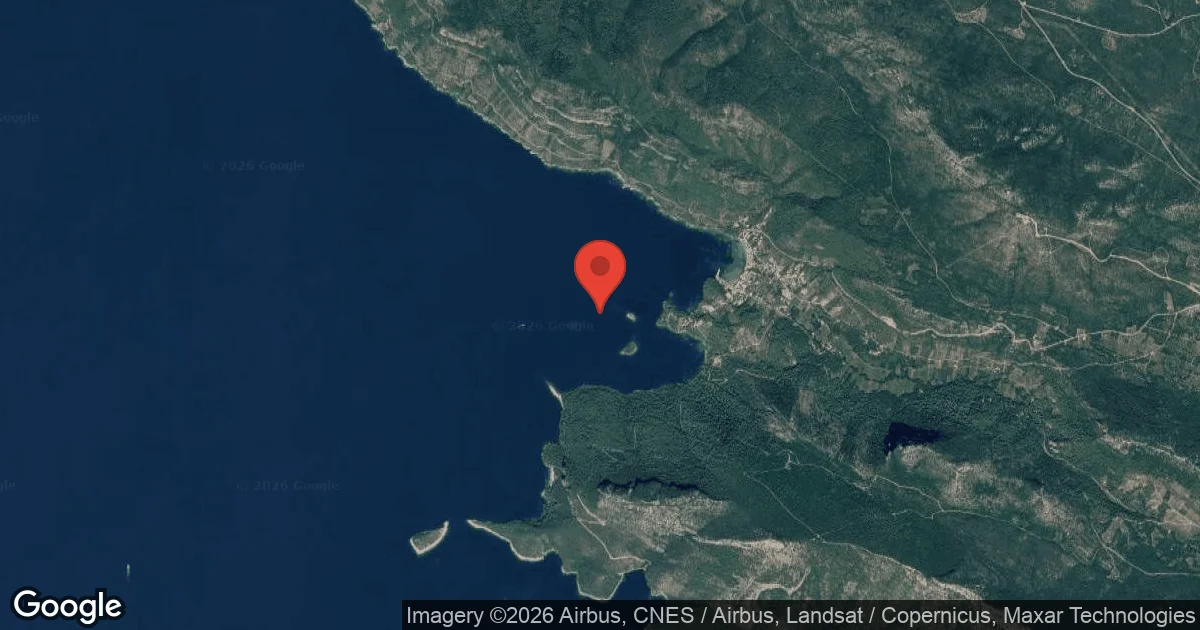
Positioned directly south of Veliko Jezero at the western headland of Gonoturska Bay, Cape Lenga (Rt Lenga) projects squarely into the open southern Adriatic within the protected marine waters of Mljet National Park. Exposed to clean offshore currents sweeping along the outer island rim, the headland's submerged limestone face drops almost vertically from a narrow shallow terrace down beyond recreational limits.
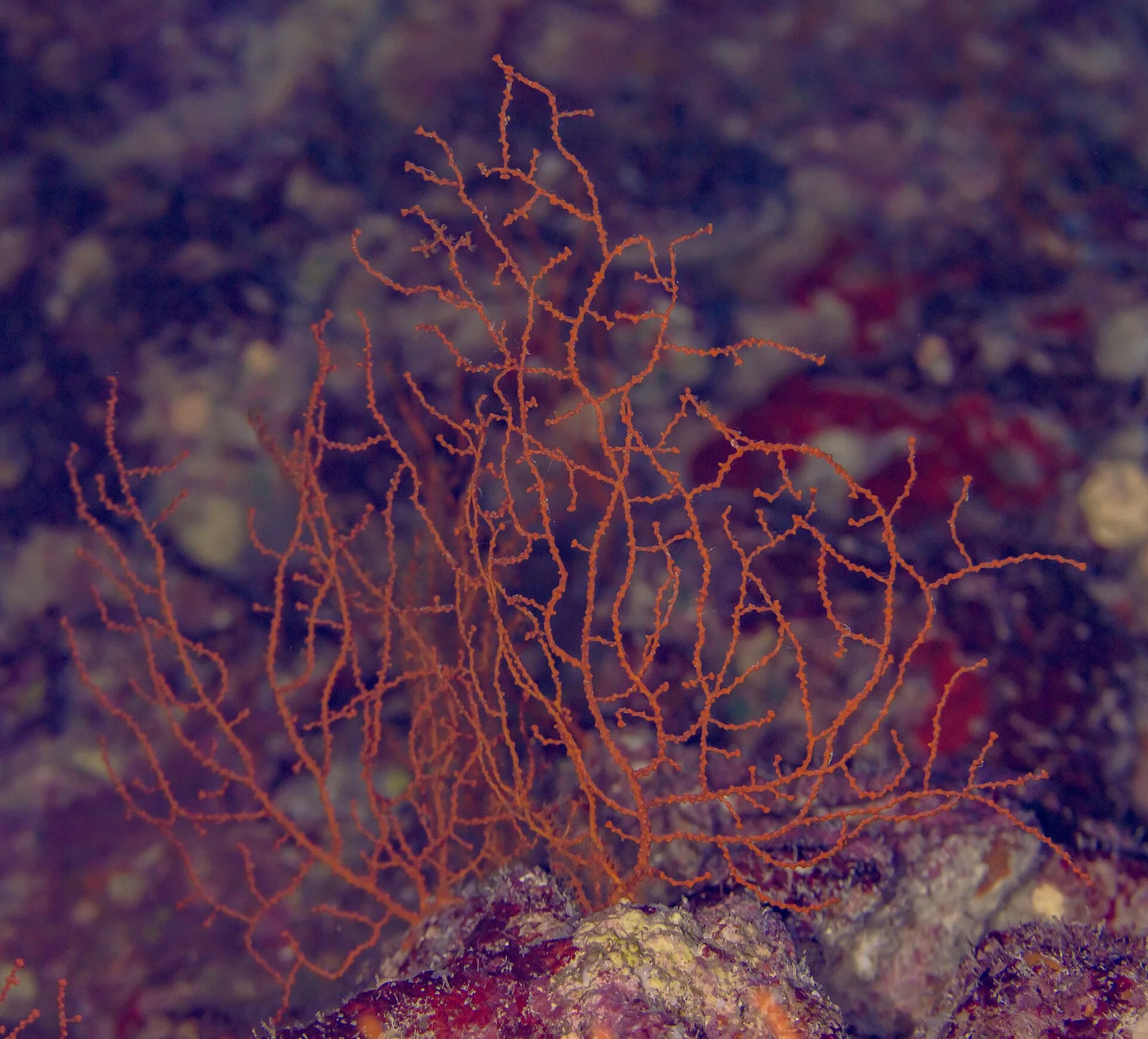
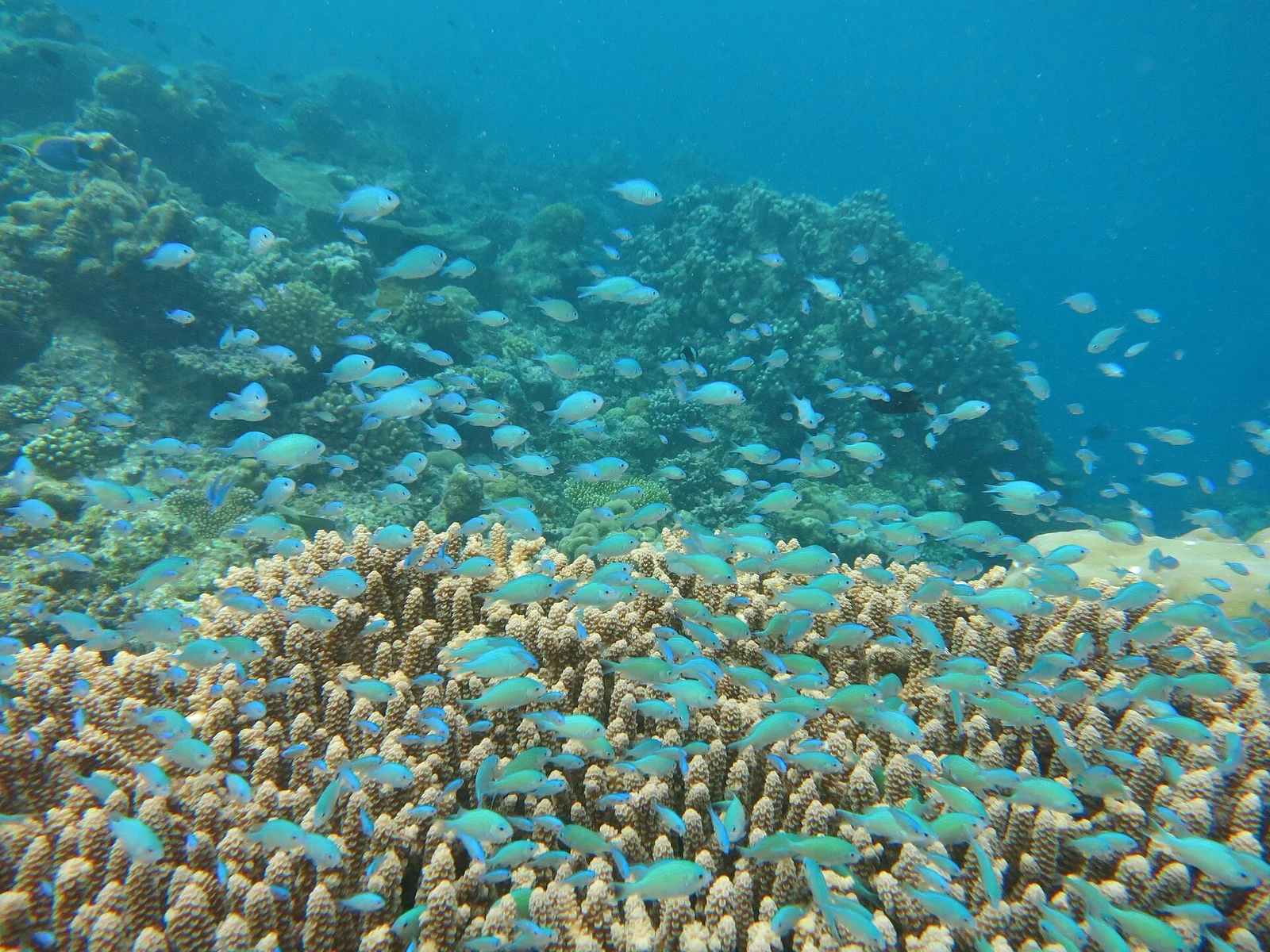
Between 10 and 22 meters, the upper cliff is sculpted with vertical chimneys, stepped ledges, and shaded recesses colonized by encrusting sponges and schools of damselfish. Passing 25 meters, the topography steepens into an imposing sheer wall where dense fans of purple-red gorgonians stretch outward into nutrient-rich water against an electric-blue backdrop.
Because fishing pressure is strictly regulated under national park protection and deep pelagic water lies immediately offshore, Cape Lenga consistently showcases impressive biomass alongside 25 to 35 meters of horizontal visibility, making it a centerpiece wall dive for boats departing nearby Pomena.
Cape Lenga Wall
Conditions are Poor
4/10
Confidence: 8/10
Indicates meteorological model agreement and data availability.
DIVE WARNING
High Wind Advisory (48km/h). Unsafe surface.
06:12
18:45
H: 10:45
L: 16:20
Air / Sea Temp
15° / 19°
Wave Height
1.8 m
Wind Speed
48 km/h NNE
Rain Chance
50%
Current conditions near Cape Lenga Wall show 15° air, 19° sea temperature, 1.8 m waves, and 48 km/h wind. Forecast data is refreshed regularly to ensure accuracy.
Radius: ~12km
Updated: Nov 23, 2026, 05:36 local timeMARINE: OPEN-METEOWEATHER: YR.NO
Best Time to Dive
Cape Lenga is diveable from May through October, with peak conditions occurring from June to September when stable summer high pressure calms the open southern Adriatic. Morning departures typically encounter glassy surface conditions before afternoon maestral breezes build light chop around the exposed point.
Summer surface temperatures climb to 24–26°C, while a distinct thermocline around 18 to 22 meters drops temperatures along the gorgonian zone to a brisk 15–16°C. Late August and September bring the warmest upper water column and peak pelagic hunting activity along the outer edge of the cape.
Because the promontory faces south and southwest without offshore barrier islands directly in front of the tip, operations shift to sheltered northern park coves whenever strong jugo winds generate heavy swell.
PEAK SEASON SCORE
89/100
Very GoodScores combine air & water temps, waves, wind & rainfall for overall conditions.
BEST MONTHS TO DIVE
JUN
JUL
AUG
DIVE SCORE GUIDE (0–100)
Excellent (90–100)
Very Good (80–89)
Good (70–79)
Moderate (50–69)
Poor (30–49)
Not Recommended (0–29)
Monthly records compiled from satellite and marine observation nodes over the last 3 years. Data provided by Open-Meteo and MET Norway.
Dive Experience & Conditions
Dive boats from Pomena typically secure in the calmer lee beside the cape before divers descend a reference slope to the lip of the drop-off at 8 to 10 meters. From there, teams angle down the vertical wall into the 28 to 40 meter band, keeping the current gently on the nose for the outbound leg.
In crystal-clear water exceeding 30 meters of visibility, the sensation of exposure on the sheer face requires disciplined depth awareness, as the seabed falls away past 45 meters without an immediate visual floor. Sweeping a primary torch across deep horizontal cracks and gorgonian stalks reveals vivid reds and oranges masked by depth attenuation.
Turning the dive with ample no-decompression margin and reserve gas, divers ascend diagonally across terraced karst steps between 18 and 6 meters, finishing their safety stop amid sunlit boulders and clouds of chromis.
Dive Difficulty & Safety Guidelines
Strict depth and no-decompression management are essential on Cape Lenga's bottomless wall profile, where exceptional southern Adriatic clarity can easily tempt divers deeper than planned. Agree on a firm maximum depth and turn pressure with your buddy before descending, and monitor your dive computer continuously.
Maintain neutral buoyancy and frog-kick trim well away from the fragile red gorgonian colonies below 25 meters; decades-old sea fans fracture easily from careless fin strokes or dangling gauges. Enriched air nitrox is advantageous for extending bottom time in the 28 to 36 meter gorgonian belt while respecting maximum operating depth limits.
As Cape Lenga lies entirely inside Mljet National Park, independent diving from private yachts is prohibited; all dives must be conducted with an authorized park-licensed dive operator under guide supervision.
Recommended Equipment
Technical depth range. Advanced planning, gas management, and appropriate certification required.
- Dive Computer
- DSMB
- Primary & Backup Lights
This gear list is based on verified equipment signals for Cape Lenga Wall, Croatia. Always confirm final gear choices with your dive operator, guide, or liveaboard.
Recommended Dive Suit
5mm wetsuit is frequently recommended by dive operators for conditions like these. Strong winds are present; please take strong precautions against rapid cooling during surface intervals. A thermal robe or jacket is recommended between dives. For divers entering the water at Cape Lenga Wall, temperatures are currently hovering around 19°C (66°F). Surface air temperatures are resting at 15°C (60°F).
Forecast trends indicate little change in overall diving conditions during the next few days.
Even small thermoclines can occasionally cause noticeable changes in water temperature.
Cape Lenga Wall conditions last reviewed: 05:36 local time (UTC+1), Nov 23, 2026
Emergency & Medical Support
Essential information to help you plan your dive trip to Cape Lenga Wall.

Hyperbaric chambers are a critical part of dive safety infrastructure. Availability varies significantly by region, and not all dive areas have immediate access.
Before diving, it's recommended to:
- confirm nearest medical facilities
- check emergency procedures with local dive operators
- ensure dive insurance covers evacuation if required
24/7 Available
Divers Alert Network
Diving emergency assistance available through DAN Europe.
+39 0642115685- 24/7 emergency hotline
- Diving medical assistance
- Evacuation coordination
Emergency contacts are provided for reference. Always verify local emergency services before diving.
Closest Listed Hyperbaric Chambers (≤ 200 km)
Approximate straight-line distances from this dive site — emergency travel times may vary.
112 km112 kmZavod za pomorsku medicinu Split – Odjel za podvodnu i hiperbaričnu medicinu
Split, Croatia24/7ICU194Details112 kmZavod za pomorsku medicinu Split – Odjel za podvodnu i hiperbaričnu medicinu
24/7 ListedICU CapableSplit, Croatia · Multiplace
24/7 Emergency194CollapseHours: 24/7 EmergencyFacility: Zavod za pomorsku medicinu / KBC Split (Križine)ICU On-Site: YesSource: KBC Rijeka / Poliklinika OXY
112 km
Zavod za pomorsku medicinu Split – Odjel za podvodnu i hiperbaričnu medicinu
Split, Croatia24/7ICU194Details
112 km
Zavod za pomorsku medicinu Split – Odjel za podvodnu i hiperbaričnu medicinu
24/7 ListedICU CapableSplit, Croatia · Multiplace
24/7 Emergency194
CollapseHours: 24/7 Emergency
Facility: Zavod za pomorsku medicinu / KBC Split (Križine)
ICU On-Site: Yes
Source: KBC Rijeka / Poliklinika OXY
Chamber data is sourced from official Croatian hospital and baromedicine facility records and has not been independently verified by Dive Navigator. Always contact local emergency services, DAN, your dive operator, or the facility directly before travelling.
Reference onlyMarine Life at Cape Lenga Wall
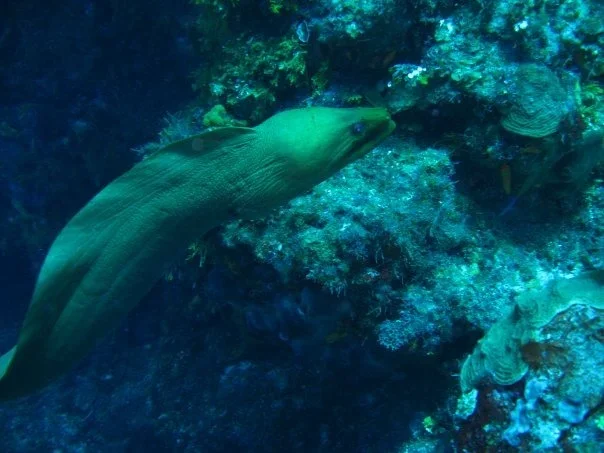
Below 25 meters, Cape Lenga transforms into a vertical garden of red gorgonians (Paramuricea clavata), whose branching crimson and gold-tipped fans filter plankton carried around the headland. Tucked into deep limestone slots beneath the sea fans, large European lobsters share shelter with thick-bodied moray eels, squat lobsters, and bright red scorpionfish.
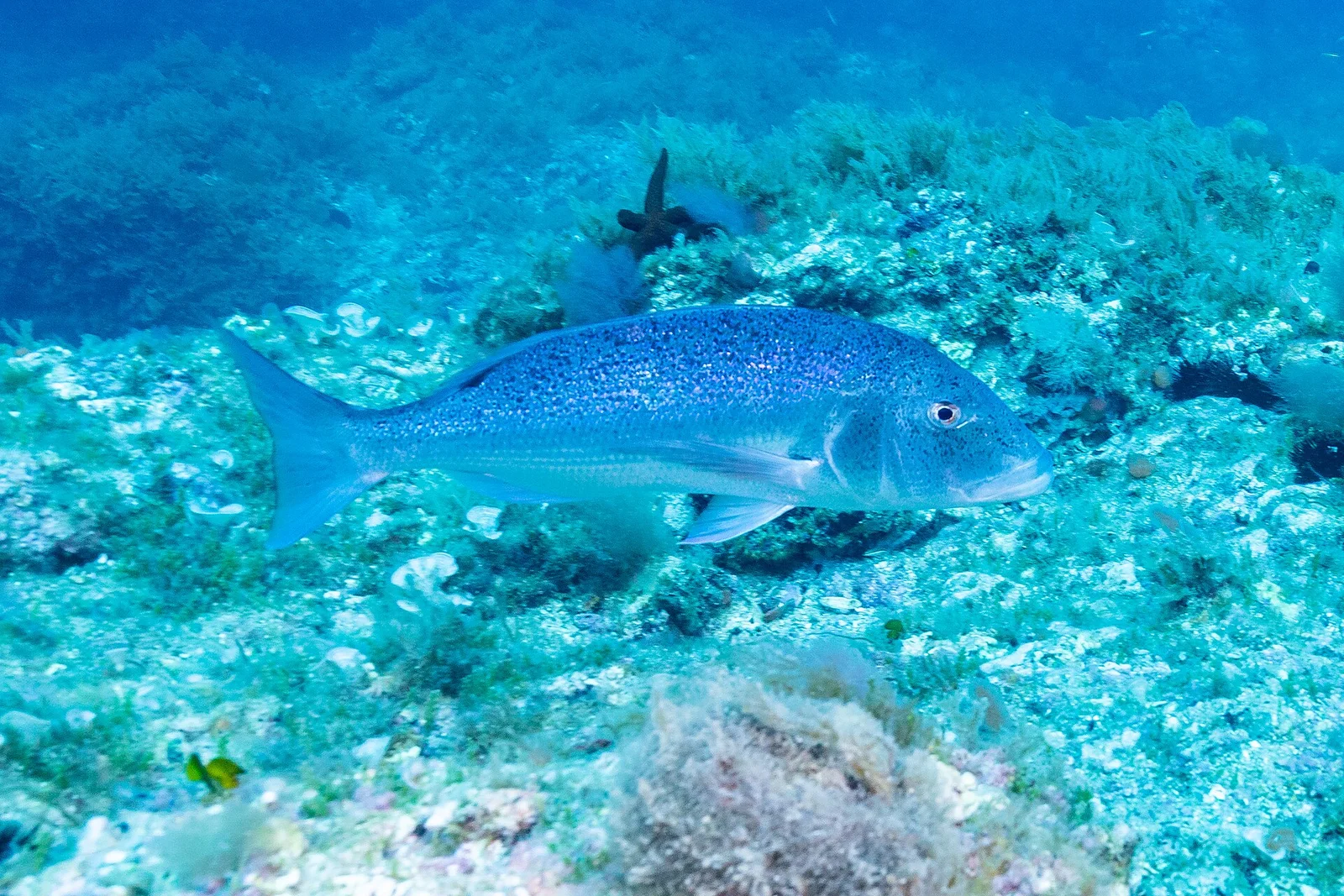
Mature dusky groupers hold territories along boulder ledges between 18 and 35 meters, while silver schools of common dentex, white sea bream, and occasional greater amberjack cruise the blue water just off the wall face.
Shallower sunlit shelves from 5 to 15 meters teem with Mediterranean damselfish, rainbow and ornate wrasse, octopuses hunting among crevices, and colorful Mediterranean parrotfish grazing across coralline algae.

1 / 2
Image contributors:Diego Delso, MDC SeaMarc Maldives + 2 more
Want to contribute photos or local dive knowledge? Learn how to contributeDive Sites Near Cape Lenga Wall
View all dive sites in CroatiaDiscover more underwater gems in this area.
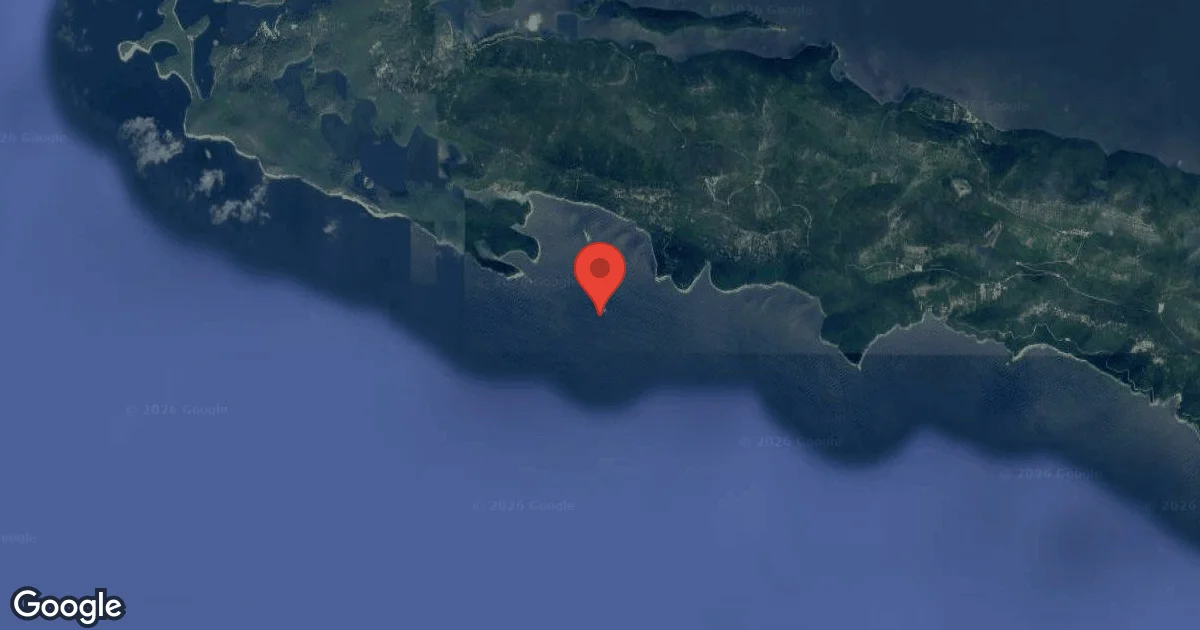
Max 42 m
1 km
intermediateVanji Škoj Wall
BoatCanyon
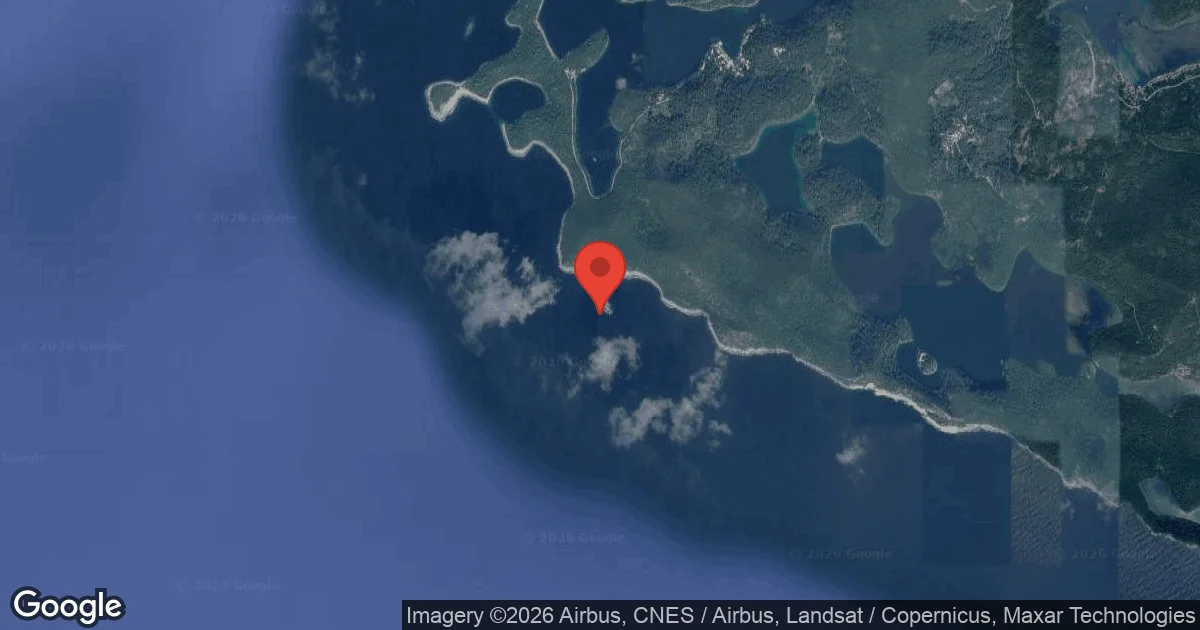
Max 42 m
5 km
intermediateCape Korizmeni Rat
BoatCanyon
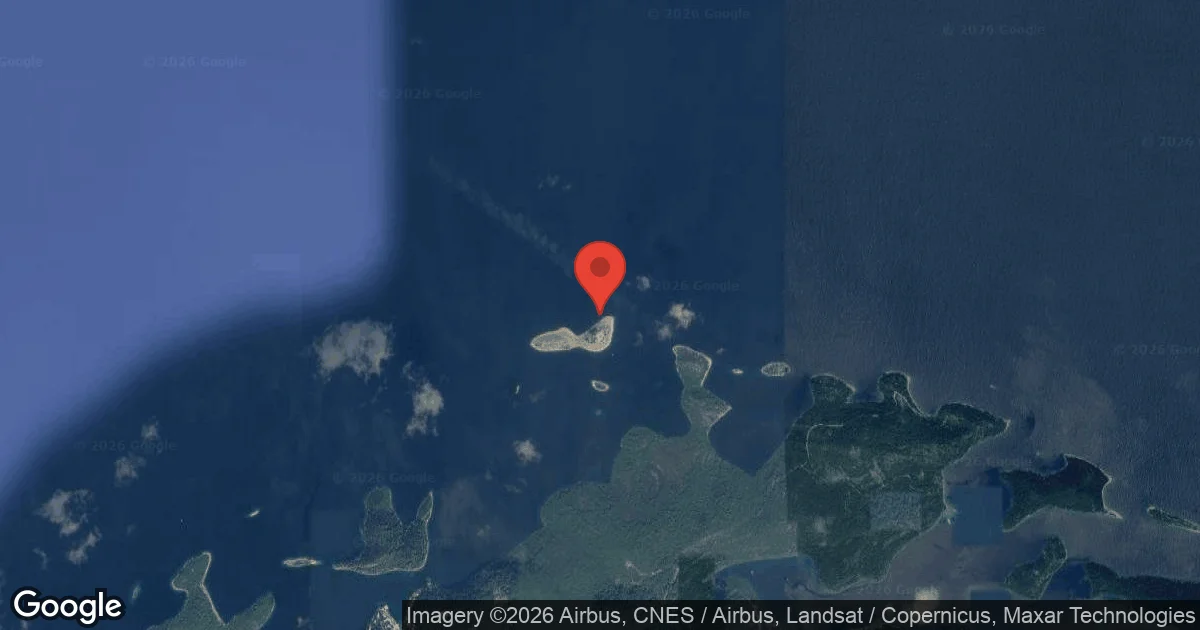
Max 42 m
6.5 km
intermediateGlavat Islet & Coral Reef
BoatCanyon
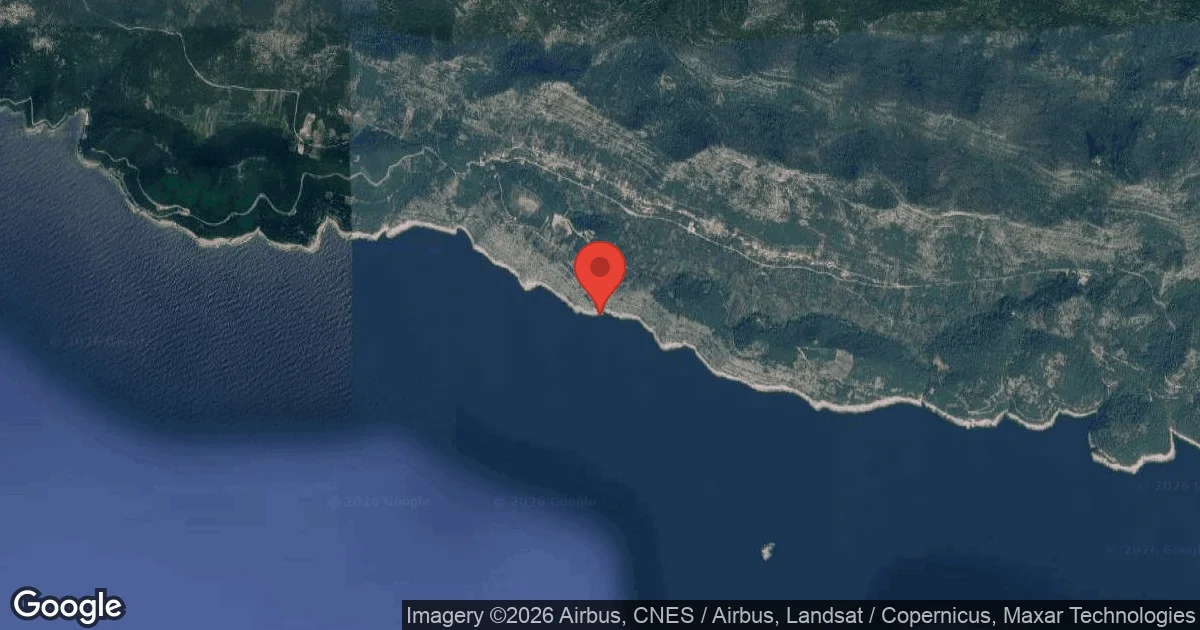
Max 40 m
13 km
360°intermediateOdysseus Cave
BoatCanyon
Max 39 m
14.5 km
advancedSchnellboot S-57
BoatDown Line
Max 46 m
24.9 km
advancedSveti Pavao Shallows Venetian Wreck
BoatDown Line
Max 25 m
15.7 km
intermediateŽuljana WWII Landing Craft
Anchor DiveBoat
Max 42 m
1 km
intermediateVanji Škoj Wall
BoatCanyon
Max 42 m
5 km
intermediateCape Korizmeni Rat
BoatCanyon
Max 42 m
6.5 km
intermediateGlavat Islet & Coral Reef
BoatCanyon
Max 40 m
13 km
360°intermediateOdysseus Cave
BoatCanyon
Max 39 m
14.5 km
advancedSchnellboot S-57
BoatDown Line
Max 46 m
24.9 km
advancedSveti Pavao Shallows Venetian Wreck
BoatDown Line
Max 25 m
15.7 km
intermediateŽuljana WWII Landing Craft
Anchor DiveBoat
Dive Centers Near Cape Lenga Wall
Working Hours
SunClosed
Mon09:00 - 17:00
Tue09:00 - 17:00
Wed09:00 - 17:00
Thu09:00 - 17:00
Fri09:00 - 17:00
Sat09:00 - 17:00
Today: 09:00 - 17:00
SunClosed
Mon09:00 - 17:00
Tue09:00 - 17:00
Wed09:00 - 17:00
Thu09:00 - 17:00
Fri09:00 - 17:00
Sat09:00 - 17:00
4.9| 255 reviews
74.1 km
5| 341 reviews
79.4 km
4.9| 214 reviews
91.2 km
Diving Center Aqualis
4.9(206)• 91.6 km
Calypso Scuba Diving
4.8(153)• 95.7 km
Nautica Vis Diving Center
4.9(174)• 103.6 km
Draulik Diving Center
4.8(70)• 99.6 km
Nearest Airports
Nearest airports to help plan travel to this dive area.
Dubrovnik Ruđer Bošković Airport DBV
75 km
Brač Airport BWK
83 km
Tivat Airport TIV
116 km
💵 Currency: EUR
Search Flights
Check available flights and routes on Expedia, using the nearby airports listed in this section.
Search Flights on ExpediaAffiliate link · Dive Navigator may earn a commission at no extra cost to you.
Frequently Asked Questions
Does Cape Lenga require a Mljet National Park diving permit?
Yes. Cape Lenga lies within the southern marine boundary of Mljet National Park, meaning all scuba dives must be organized through an authorized dive center holding a valid national park concession.
What certification level is recommended for Cape Lenga Wall?
Advanced open-water certification—ideally paired with deep-diving experience—is recommended because the wall's prime red gorgonian and lobster habitats sit between 25 and 40 meters.
How strong are the currents at Cape Lenga?
Currents are typically mild to moderate around the tip of the headland, bringing exceptional visibility and nutrient flow for sea fans while occasionally allowing a gentle one-way wall drift back toward the sheltered bay.
How long is the boat ride to Cape Lenga?
Dive boats departing Pomena harbor round the western tip of Mljet and reach Cape Lenga in roughly 20 to 25 minutes during calm morning conditions.
Can scuba divers combine Cape Lenga with a dive inside Mljet's saltwater lakes?
No. Scuba diving is strictly prohibited inside both Veliko Jezero and Malo Jezero to protect fragile lake ecosystems, so all park scuba diving takes place at designated open-sea sites such as Cape Lenga.
What visibility and water temperatures should divers expect?
Visibility regularly spans 25 to 35 meters in the open southern Adriatic, with summer surface temperatures of 24–26°C dropping across a thermocline to 15–16°C below 20 meters.
Trip Inquiry
Planning to dive Cape Lenga Wall?
Tell us your dates and diving needs. We'll review your request and seek offers from relevant local dive centers.
Request Dive Offers Free request for offers • No booking obligation
Cape Lenga Wall
Conditions are Poor
4/10
Confidence: 8/10
Indicates meteorological model agreement and data availability.
DIVE WARNING
High Wind Advisory (48km/h). Unsafe surface.
06:12
18:45
H: 10:45
L: 16:20
Air / Sea Temp
15° / 19°
Wave Height
1.8 m
Wind Speed
48 km/h NNE
Rain Chance
50%
Current conditions near Cape Lenga Wall show 15° air, 19° sea temperature, 1.8 m waves, and 48 km/h wind. Forecast data is refreshed regularly to ensure accuracy.
Radius: ~12km
Updated: Nov 23, 2026, 05:36 local timeMARINE: OPEN-METEOWEATHER: YR.NO


