Loading...

Diving at Odysseus Cave (Croatia)
Published
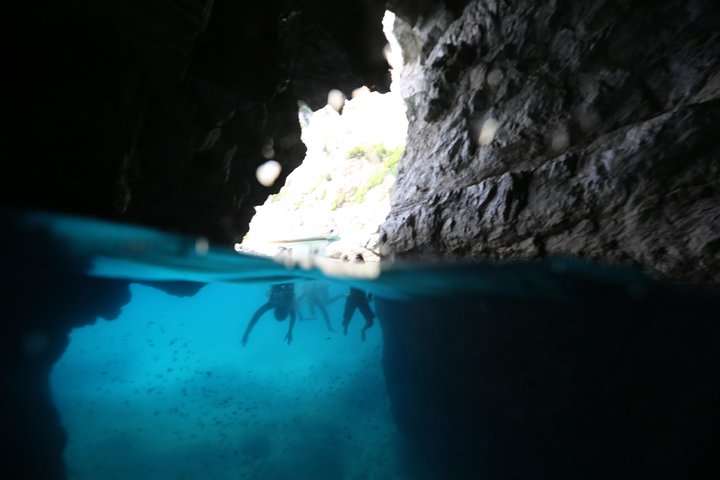
Southern Mljet's signature karst cavern and outer drop-off, where midday sunbeams pierce a 20-meter limestone sea tunnel before giving way to a 40-meter open-Adriatic wall.
Current morning readings from Odysseus Cave indicate an air temperature of 19°C. Surface wave heights are averaging around 1.7 m at this time. These local measurements provide a baseline for your daily dive planning.
Dive Site Location & Key Facts
Site Characteristics
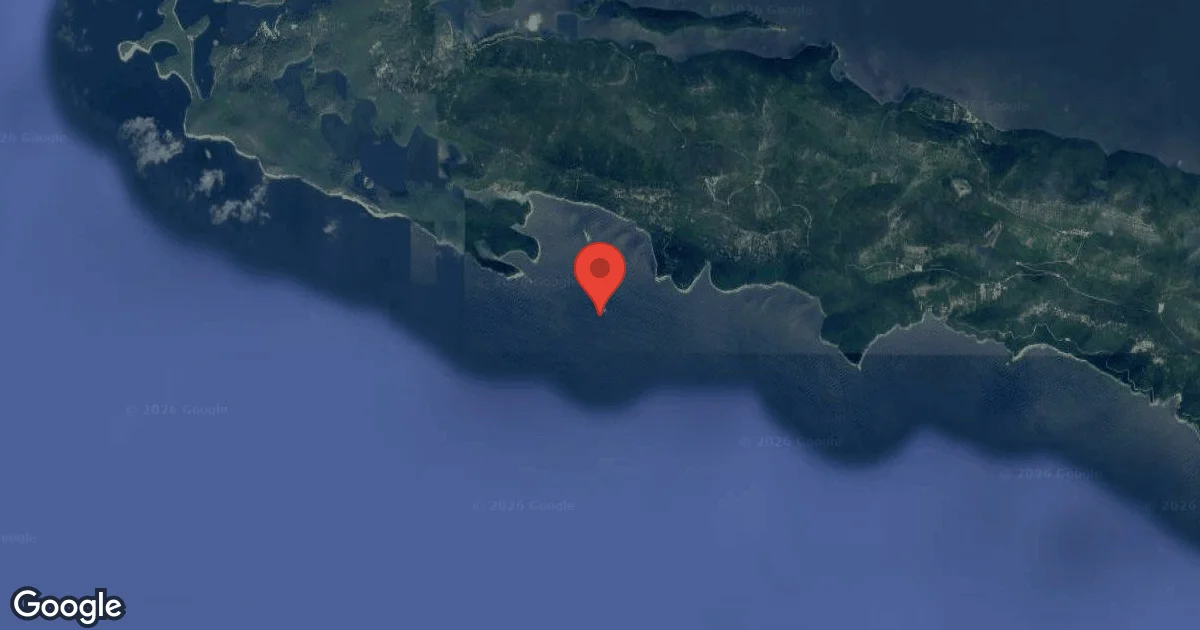
Interactive map & 360° view for Odysseus Cave. To help you plan your trip to Odysseus Cave in Croatia, combine the satellite map above with the interactive 360° panorama (62 m from the map pin) to preview the approach to the water, entry and exit points, and surrounding surface landmarks. Panorama imagery captured Aug 2021; site access and local conditions may have changed since, so always verify on arrival.
Max Depth40m / 131ft
Entry TypeBoat & Shore
Water Typesalt
Dive Types
CaveCavernWall
Dive Site Overview
Set beneath the olive groves and steep limestone cliffs below Babino Polje on Mljet's rugged southern coast, Odysseus Cave—known locally as Odisejeva špilja or Jama—is a classic Adriatic karst collapse feature shaped by millennia of wave action and subterranean dissolution. Viewed from land, the inner chamber forms an ovoid vertical shaft open to the sky, while seaward access passes through a natural limestone arch and submerged tunnel approximately 20 meters long and 4 to 5 meters wide.
Beneath the waterline, the tunnel floor lies between 5 and 12 meters, carpeted with smooth white limestone pebbles and angular ceiling boulders that create an atmospheric, light-filled passageway. Around midday in summer, high-angle sunlight strikes the outer cliff face and refracts through the clear southern Adriatic water into electric cobalt and turquoise shafts that illuminate the entire cavern corridor from end to end.
Exiting the tunnel toward the open sea and the offshore rock of Ogiran, the seabed transitions abruptly from boulder-strewn karst ledges into a steep vertical wall descending to 35 and 40 meters. Because this site sits outside the eastern boundary of Mljet National Park, it offers flexible access for both dive boats running along the southern coast and well-prepared shore divers descending the steep coastal path during settled weather.
Odysseus Cave
Conditions are Poor
4/10
Confidence: 8/10
Indicates meteorological model agreement and data availability.
DIVE WARNING
High Wind Advisory (50km/h). Unsafe surface.
06:12
18:45
H: 10:45
L: 16:20
Air / Sea Temp
19° / 19°
Wave Height
1.8 m
Wind Speed
50 km/h NNW
Rain Chance
50%
Current conditions near Odysseus Cave show 19° air, 19° sea temperature, 1.8 m waves, and 50 km/h wind. Forecast data is refreshed regularly to ensure accuracy.
Radius: ~12km
Updated: Nov 22, 2026, 23:22 local timeMARINE: OPEN-METEOWEATHER: YR.NO
Best Time to Dive
The prime window for diving Odysseus Cave runs from May through October, when high-pressure systems bring calm seas to Mljet's exposed southern shoreline. Midday dives between 11:00 and 14:00 from June through August deliver the most dramatic underwater light beams inside the 20-meter tunnel, turning the white pebble floor into a natural reflector.
Surface waters warm from 18°C in May to 25–26°C in August, while a pronounced Adriatic thermocline typically settles between 15 and 22 meters, keeping the lower wall around 15–17°C even at the height of summer. September and early October combine warm upper layers, minimal boat and swimmer traffic inside the inner grotto, and crisp 30-meter visibility.
Avoid attempting this site whenever southerly jugo winds or residual open-sea swells roll up from the Otranto Strait. Even moderate southerly wave energy compresses inside the low-ceilinged sea arch—where air clearance is only 1 to 1.5 meters—creating hazardous surge inside the tunnel.
PEAK SEASON SCORE
93/100
ExcellentScores combine air & water temps, waves, wind & rainfall for overall conditions.
BEST MONTHS TO DIVE
JUN
JUL
AUG
DIVE SCORE GUIDE (0–100)
Excellent (90–100)
Very Good (80–89)
Good (70–79)
Moderate (50–69)
Poor (30–49)
Not Recommended (0–29)
Monthly records compiled from satellite and marine observation nodes over the last 3 years. Data provided by Open-Meteo and MET Norway.
Dive Experience & Conditions
Most profiles begin anchored or moored on the sheltered rocky shelf just outside the seaward mouth, or via a controlled descent inside the open-sky sinkhole before swimming outward through the tunnel. Moving along the 20-meter passage at 8 to 10 meters depth, divers enjoy wide clearance, continuous natural daylight zones at both ends, and intricate sponge-encrusted walls overhead.
Once outside the limestone portal, advanced divers follow the cliff contour downward along a fissured vertical wall to 30–40 meters, inspecting deep undercuts and stepped ledges before ascending gradually back along the sunlit upper reef terrace. Open-water certified divers can remain comfortably within 12 to 18 meters around the cavern mouth and adjacent boulder slopes without entering deep-wall decompression territory.
Currents inside the cavern are negligible and remain mild along the outer cliff face on calm days, though light longshore drift can develop near the offshore Ogiran rock. Visibility routinely reaches 25 to 35 meters thanks to deep oceanic water directly offshore along the Southern Adriatic Pit.
Dive Difficulty & Safety Guidelines
Sea-state assessment is the single most important safety rule at Odysseus Cave. Never enter the tunnel when southerly or southwesterly swell is breaking against the cliff face, as surge accelerates rapidly through the constricted rock passage and can push divers toward overhead ledges.
During July and August, surface swimmers, cliff jumpers, and kayaks frequently gather inside the open-air Jama basin between late morning and mid-afternoon. Remain submerged along the floor when transiting the tunnel, maintain strict buoyancy control above delicate encrusting sponges on the ceiling, and deploy a surface marker buoy only when well clear of the cliff and boat approach lane.
Although the main tunnel has daylight visible at both ends, carry a primary dive torch to inspect dark lateral crevices and maintain team communication. Monitor gas reserves and thermal comfort closely if combining a 35–40 meter outer wall excursion with a prolonged shallow cavern exploration.
Recommended Equipment
Deep dive hazard. Increased narcosis and gas consumption risk.
Overhead environment. Do not enter beyond training and gas planning limits.
- Dive Computer
- DSMB
- Primary & Backup Lights
- Reel / Spool
- Cutting Tool
- Hard-soled Dive Boots
This gear list is based on verified equipment signals for Odysseus Cave, Croatia. Always confirm final gear choices with your dive operator, guide, or liveaboard.
Recommended Dive Suit
5mm wetsuit usually provides adequate warmth in water around this temperature. Strong winds are present; please take strong precautions against rapid cooling during surface intervals. Surface intervals may feel cooler. Those diving at Odysseus Cave today will likely encounter water temperatures in the region of 19°C (66°F). Surface air temperatures are resting at 19°C (66°F).
Surface temperatures may decrease slightly later in the week. Cooler days are ahead; you might want a warmer option for later in the week. Some divers bring an extra layer for surface intervals between dives.
Conditions can vary slightly across different parts of the same dive site.
Odysseus Cave conditions last reviewed: 23:22 local time (UTC+1), Nov 22, 2026
Emergency & Medical Support
Essential information to help you plan your dive trip to Odysseus Cave.

Hyperbaric chambers are a critical part of dive safety infrastructure. Availability varies significantly by region, and not all dive areas have immediate access.
Before diving, it's recommended to:
- confirm nearest medical facilities
- check emergency procedures with local dive operators
- ensure dive insurance covers evacuation if required
24/7 Available
Divers Alert Network
Diving emergency assistance available through DAN Europe.
+39 0642115685- 24/7 emergency hotline
- Diving medical assistance
- Evacuation coordination
Emergency contacts are provided for reference. Always verify local emergency services before diving.
Closest Listed Hyperbaric Chambers (≤ 200 km)
Approximate straight-line distances from this dive site — emergency travel times may vary.
123 km123 kmZavod za pomorsku medicinu Split – Odjel za podvodnu i hiperbaričnu medicinu
Split, Croatia24/7ICU194Details123 kmZavod za pomorsku medicinu Split – Odjel za podvodnu i hiperbaričnu medicinu
24/7 ListedICU CapableSplit, Croatia · Multiplace
24/7 Emergency194CollapseHours: 24/7 EmergencyFacility: Zavod za pomorsku medicinu / KBC Split (Križine)ICU On-Site: YesSource: KBC Rijeka / Poliklinika OXY
123 km
Zavod za pomorsku medicinu Split – Odjel za podvodnu i hiperbaričnu medicinu
Split, Croatia24/7ICU194Details
123 km
Zavod za pomorsku medicinu Split – Odjel za podvodnu i hiperbaričnu medicinu
24/7 ListedICU CapableSplit, Croatia · Multiplace
24/7 Emergency194
CollapseHours: 24/7 Emergency
Facility: Zavod za pomorsku medicinu / KBC Split (Križine)
ICU On-Site: Yes
Source: KBC Rijeka / Poliklinika OXY
Chamber data is sourced from official Croatian hospital and baromedicine facility records and has not been independently verified by Dive Navigator. Always contact local emergency services, DAN, your dive operator, or the facility directly before travelling.
Reference onlyMarine Life at Odysseus Cave
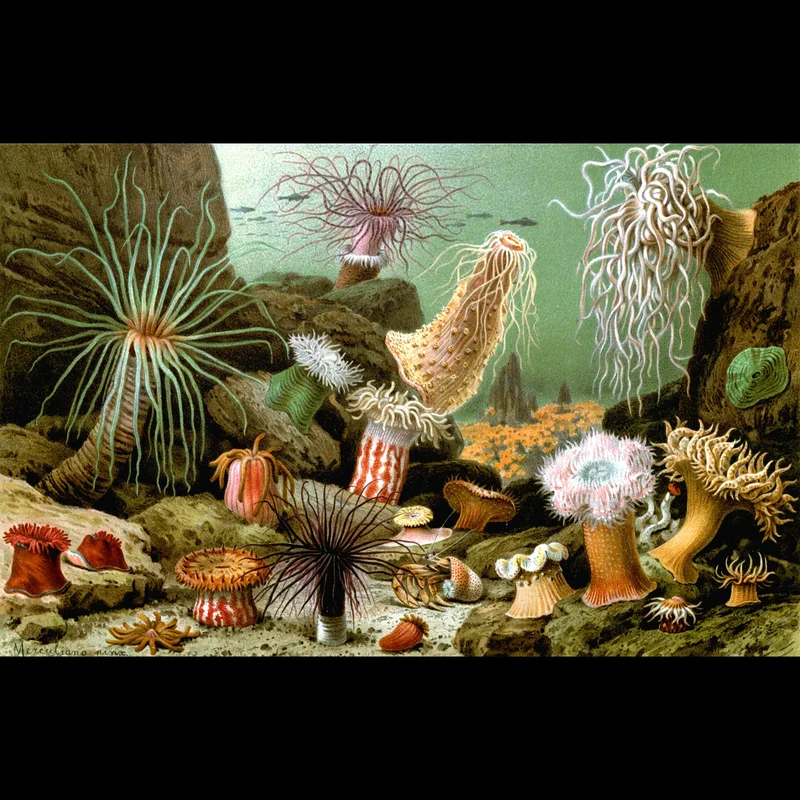
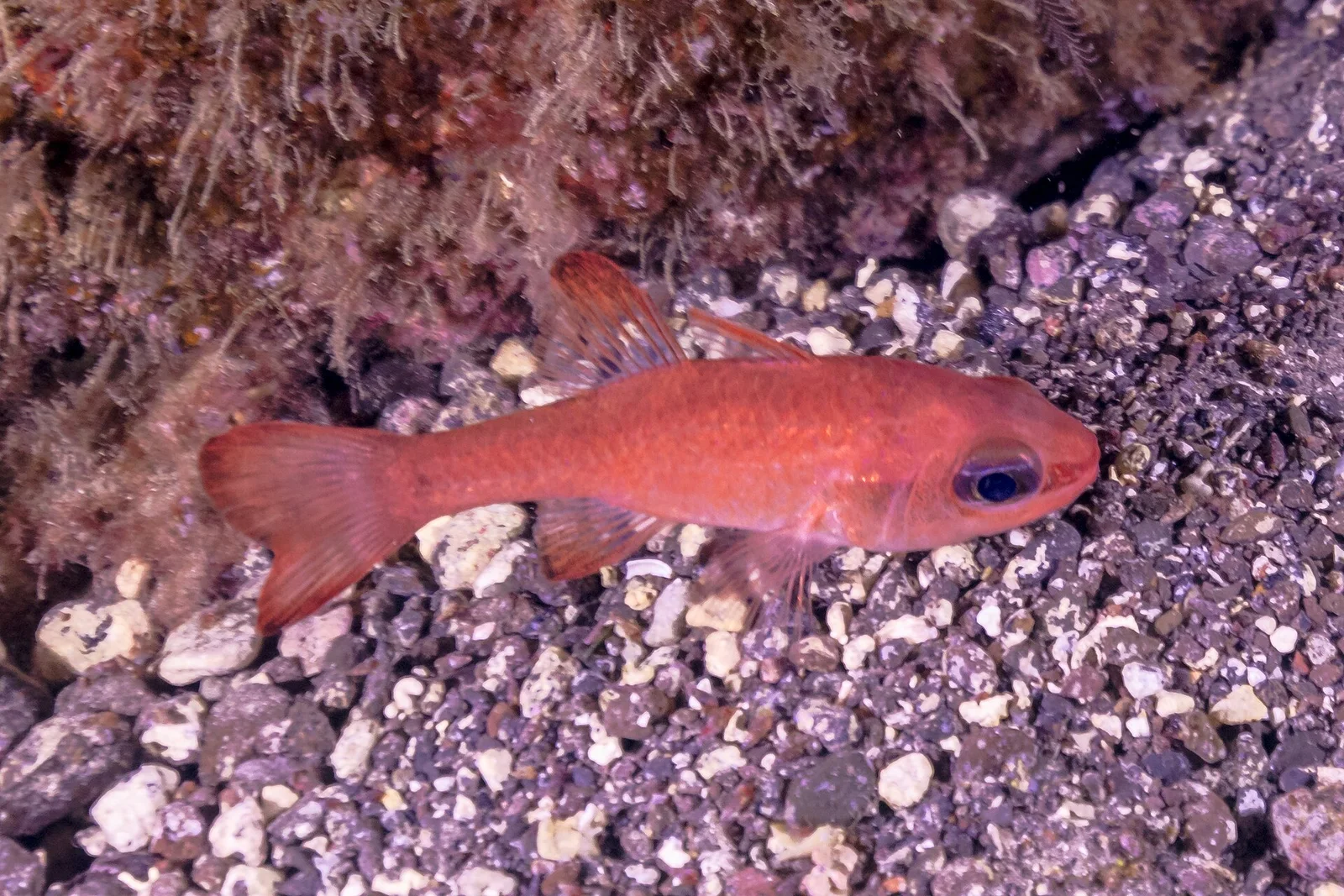
The contrast between shaded karst tunnel walls and sun-drenched southern Adriatic rock supports a vibrant cross-section of Mediterranean marine life. Dense schools of cardinalfish hover motionless inside dark ceiling pockets, while yellow cluster anemones, orange spirastrella sponges, and lacy bryozoans coat every shaded overhang.
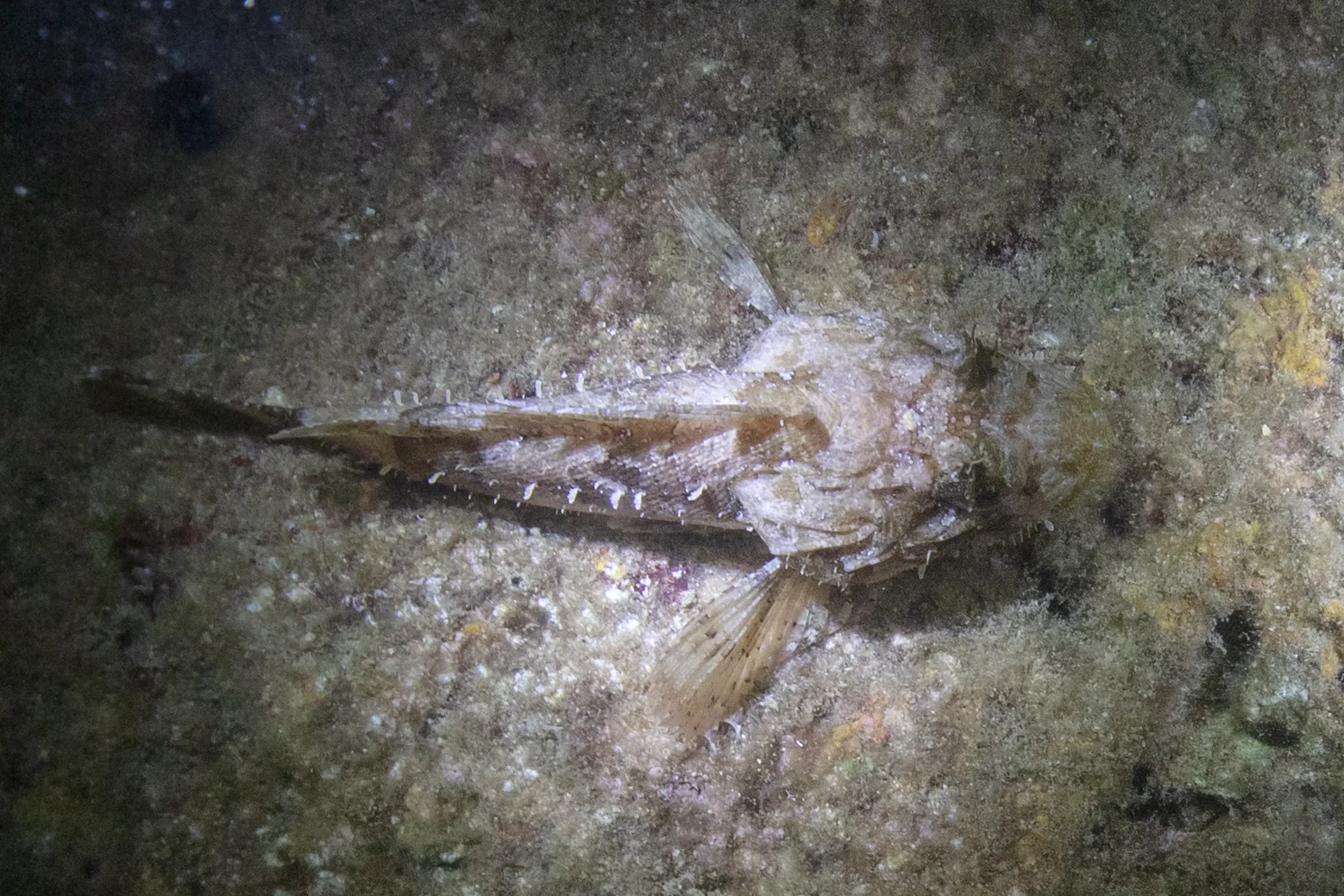
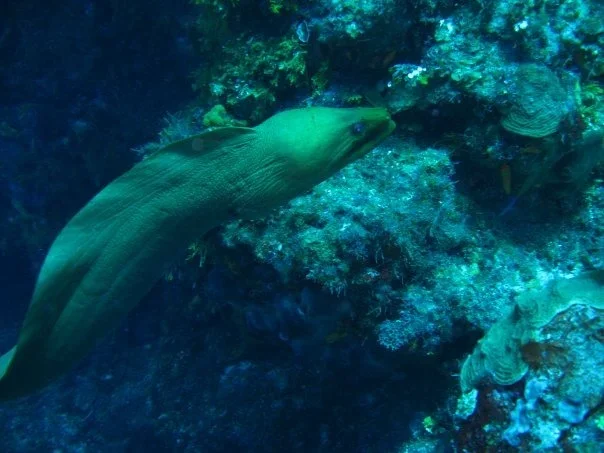
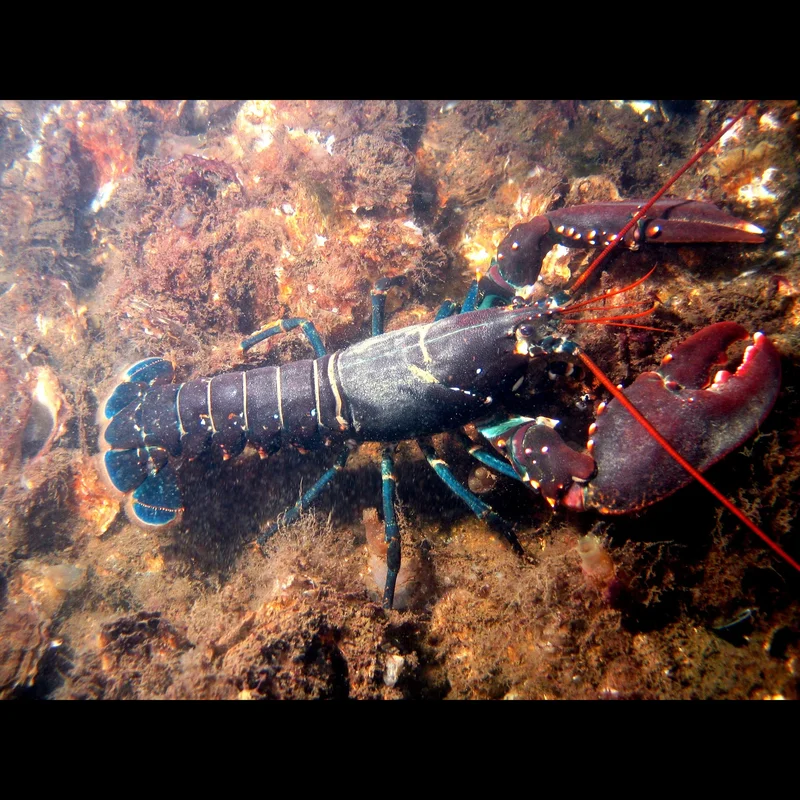
Along the deeper fissures of the outer wall between 20 and 40 meters, European lobsters extend their antennae from narrow horizontal cracks beside resident moray eels, conger eels, and camouflaged red scorpionfish. Dusky groupers patrol the boulder talus at the base of the cliff, darting into deep karst cavities as divers approach.
In the warm, sunlit shallows from 3 to 15 meters outside the cave entrance, vibrant Mediterranean parrotfish graze actively across algal-covered limestone terraces alongside ornate wrasse, white sea bream, and hunting common octopus.
1 / 2
Image contributors:Diego Delso, Giacomo Merculiano + 2 more
Want to contribute photos or local dive knowledge? Learn how to contributeDive Sites Near Odysseus Cave
View all dive sites in CroatiaDiscover more underwater gems in this area.
Max 42 m
12 km
intermediateVanji Škoj Wall
BoatCanyon
Max 42 m
17.3 km
intermediateGlavat Islet & Coral Reef
BoatCanyon
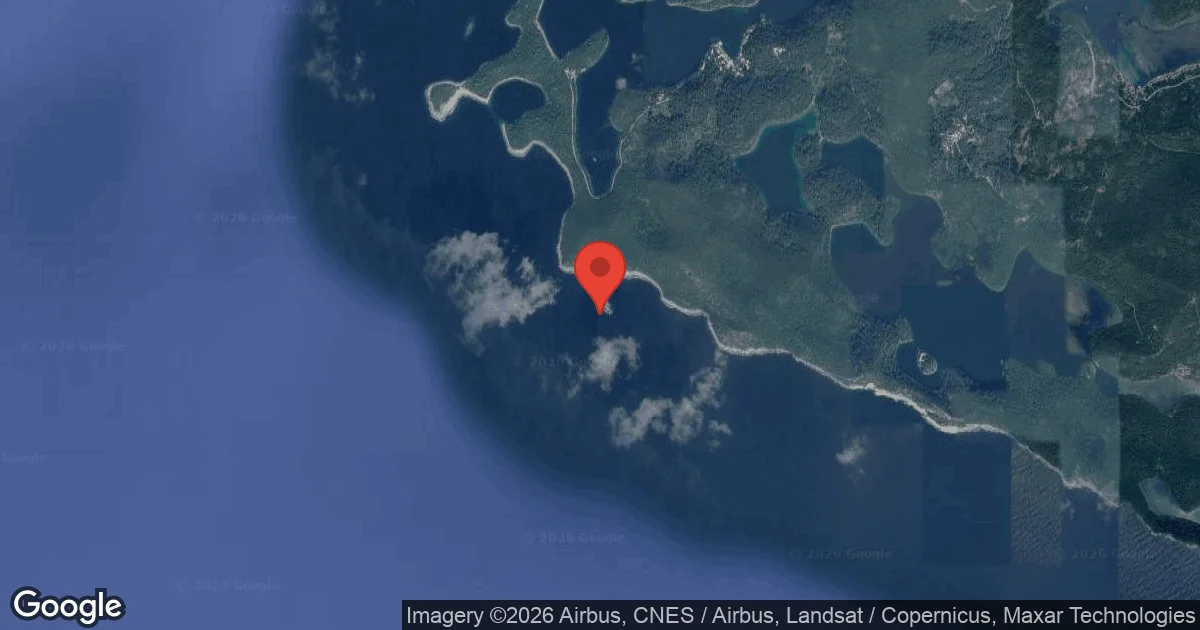
Max 42 m
18 km
intermediateCape Korizmeni Rat
BoatCanyon
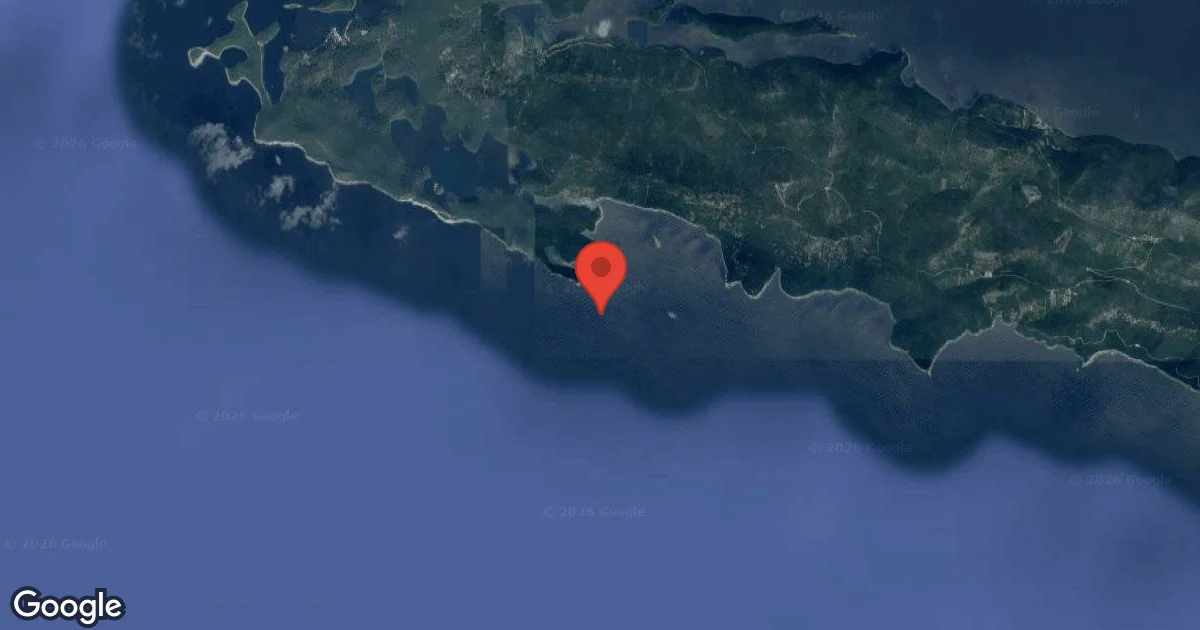
Max 45 m
13 km
advancedCape Lenga Wall
BoatCanyon
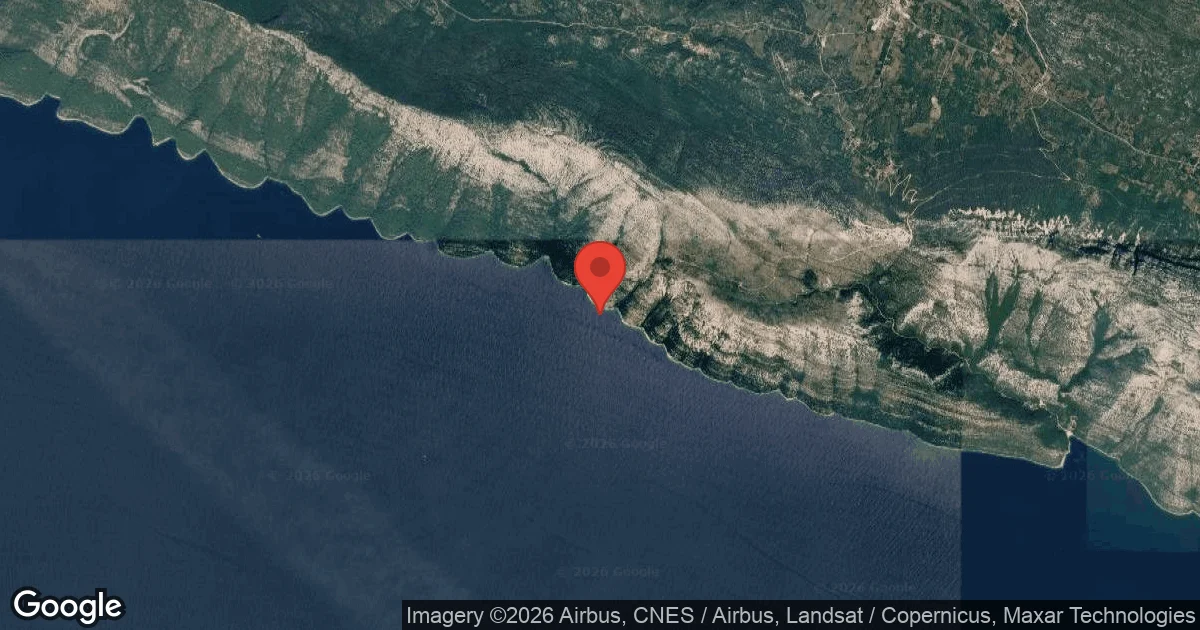
Max 39 m
14.3 km
advancedSchnellboot S-57
BoatDown Line
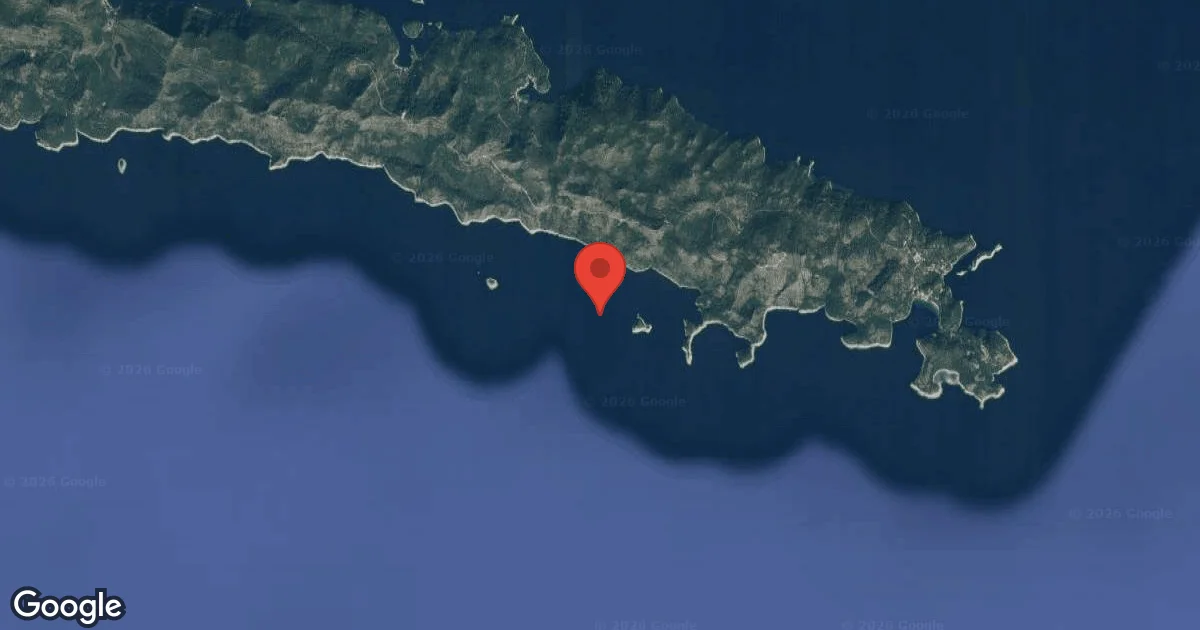
Max 46 m
11.9 km
advancedSveti Pavao Shallows Venetian Wreck
BoatDown Line
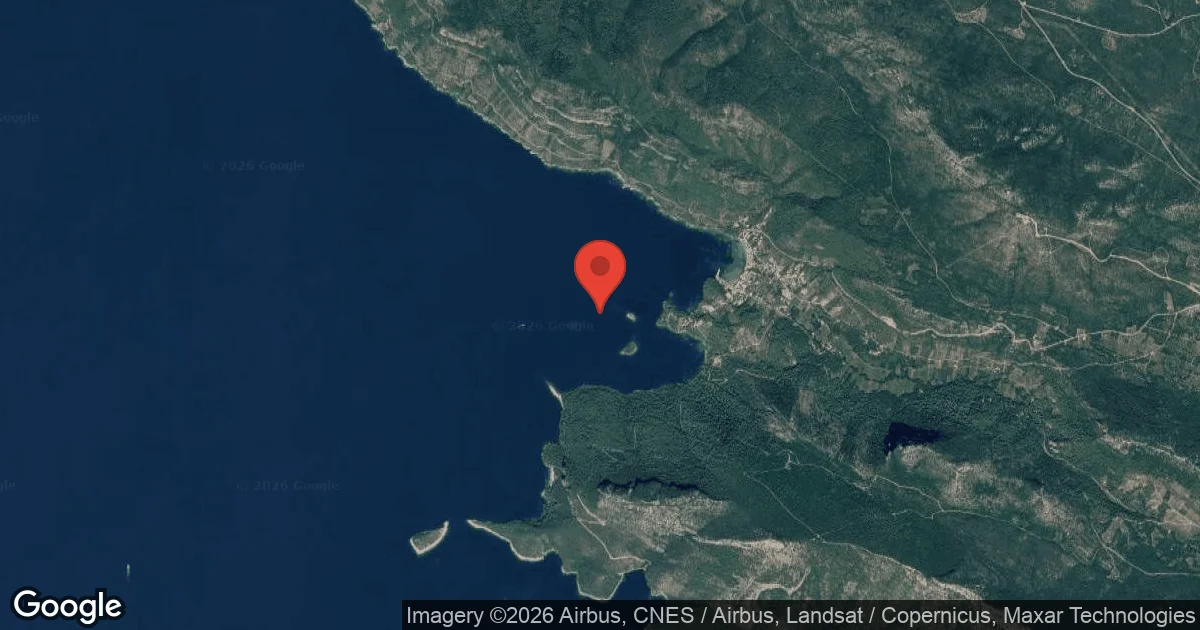
Max 25 m
19.5 km
intermediateŽuljana WWII Landing Craft
Anchor DiveBoat
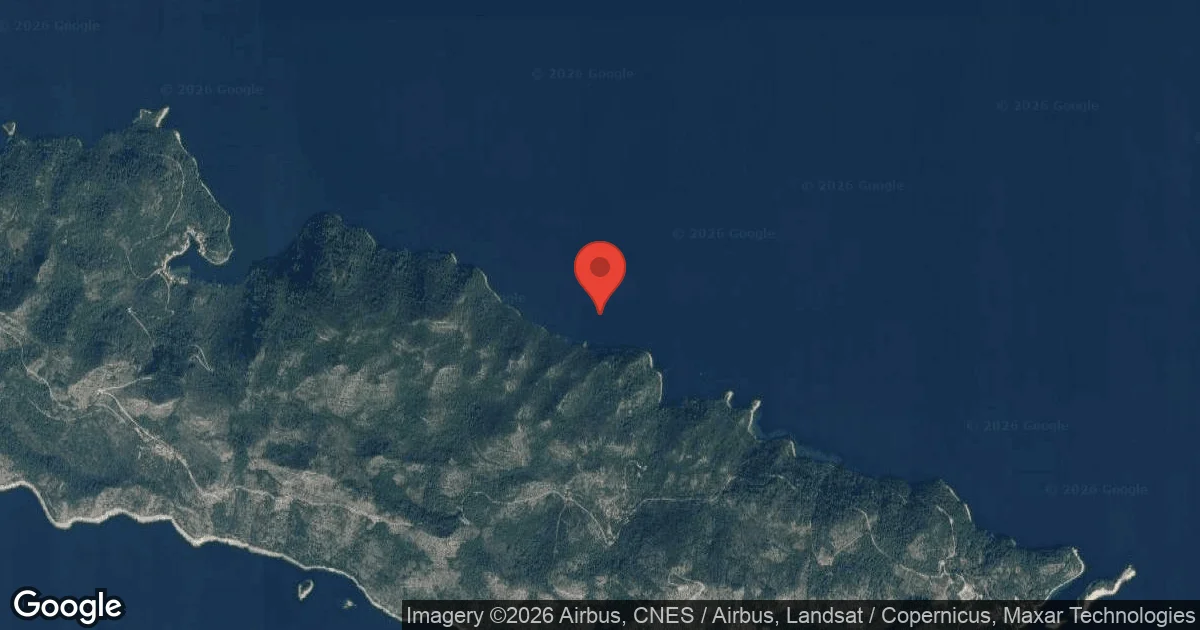
Max 34 m
13.3 km
advancedKlačine Roman Wreck
BoatChannel
Max 42 m
12 km
intermediateVanji Škoj Wall
BoatCanyon
Max 42 m
17.3 km
intermediateGlavat Islet & Coral Reef
BoatCanyon
Max 42 m
18 km
intermediateCape Korizmeni Rat
BoatCanyon
Max 45 m
13 km
advancedCape Lenga Wall
BoatCanyon
Max 39 m
14.3 km
advancedSchnellboot S-57
BoatDown Line
Max 46 m
11.9 km
advancedSveti Pavao Shallows Venetian Wreck
BoatDown Line
Max 25 m
19.5 km
intermediateŽuljana WWII Landing Craft
Anchor DiveBoat
Max 34 m
13.3 km
advancedKlačine Roman Wreck
BoatChannel
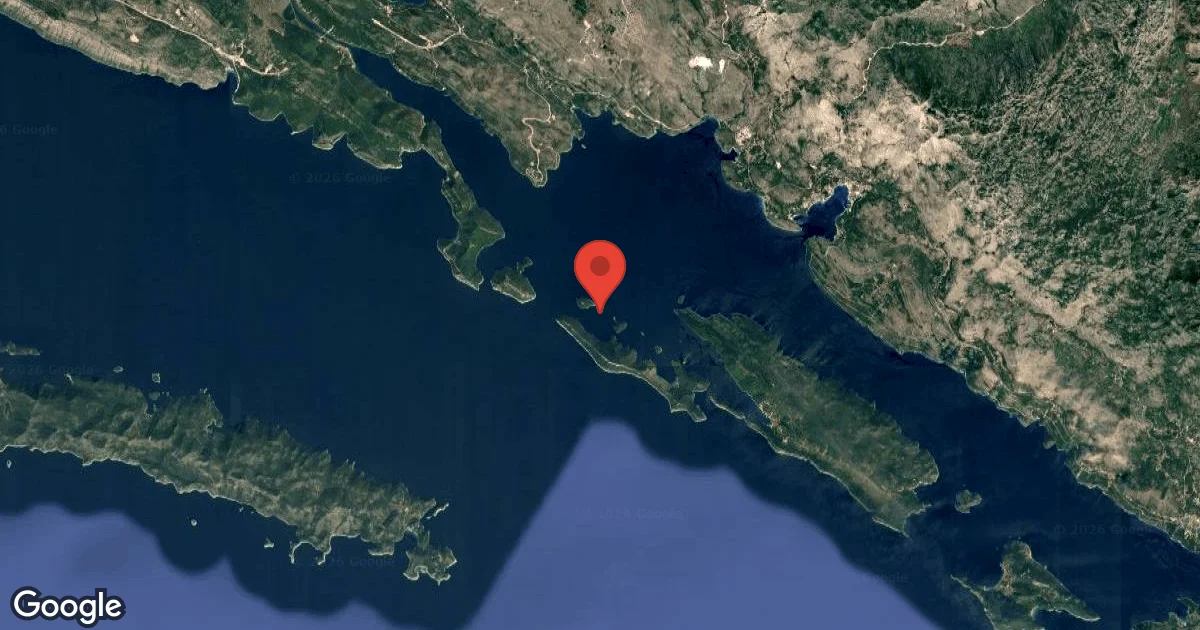
Max 37 m
21.5 km
advancedJakljan Roman Sarcophagi Wreck
BoatChannel
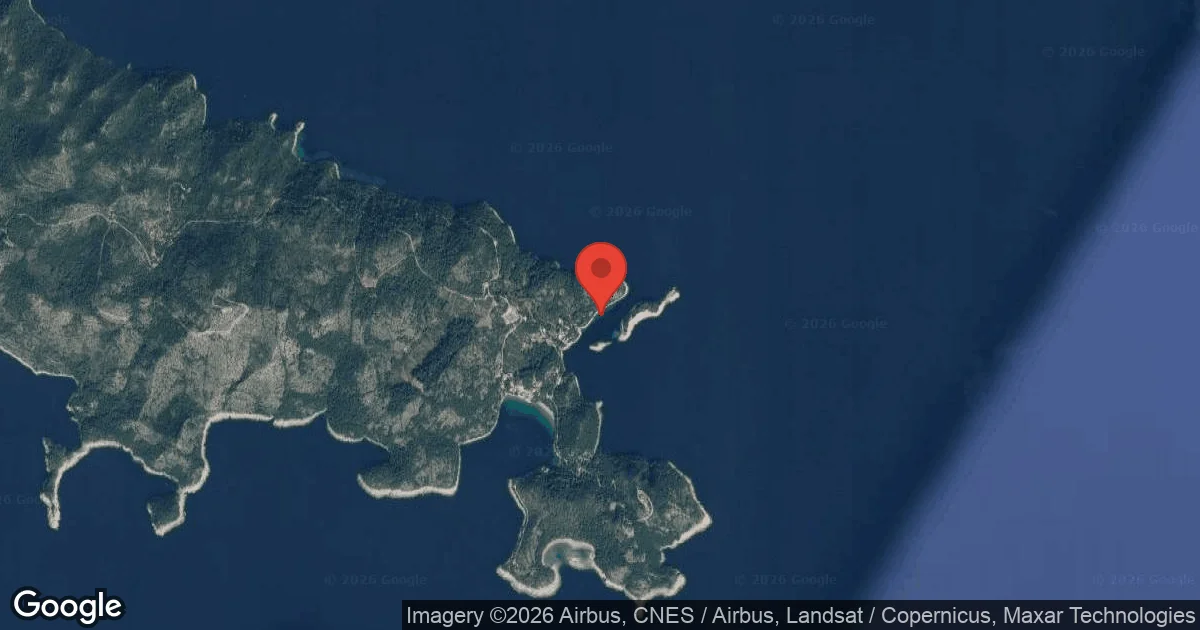
Max 31 m
16.7 km
advancedVeli Školj Roman Sarcophagi Wreck
BoatChannel
Dive Centers Near Odysseus Cave
Working Hours
SunClosed
Mon09:00 - 17:00
Tue09:00 - 17:00
Wed09:00 - 17:00
Thu09:00 - 17:00
Fri09:00 - 17:00
Sat09:00 - 17:00
Today: 09:00 - 17:00
SunClosed
Mon09:00 - 17:00
Tue09:00 - 17:00
Wed09:00 - 17:00
Thu09:00 - 17:00
Fri09:00 - 17:00
Sat09:00 - 17:00
Nearest Airports
Nearest airports to help plan travel to this dive area.
Dubrovnik Ruđer Bošković Airport DBV
62 km
Brač Airport BWK
94 km
Tivat Airport TIV
103 km
💵 Currency: EUR
Search Flights
Check available flights and routes on Expedia, using the nearby airports listed in this section.
Search Flights on ExpediaAffiliate link · Dive Navigator may earn a commission at no extra cost to you.
Frequently Asked Questions
Is Odysseus Cave located inside Mljet National Park?
No. Odysseus Cave sits on the central-southern coast below Babino Polje, well east of the Mljet National Park boundary, so national park diving permits do not apply here, though standard Croatian diving regulations remain in effect.
Do divers need full cave certification to swim through the Odysseus Cave tunnel?
No. The underwater passage is approximately 20 meters long, 4 to 5 meters wide, and 8 to 10 meters deep with open daylight visible at the entrance and the collapsed sinkhole, placing it firmly within recreational cavern conditions during calm seas.
What is the best time of day to photograph the light beams inside the cave?
Between 11:30 and 13:30 on clear sunny days from late May through August, when the sun aligns with the southern seaward opening and projects brilliant blue rays across the white pebble floor.
Can Odysseus Cave be dived from shore?
Experienced, physically fit divers occasionally access the sinkhole via the steep footpath and rock steps descending from Babino Polje, but carrying heavy cylinders down the cliff trail is strenuous, making boat access far safer and more practical.
How deep is the dive outside the cave mouth?
While the inner sinkhole and tunnel range from 5 to 12 meters, the limestone cliff immediately outside the seaward portal drops steeply as a vertical wall to 35–40 meters.
Which wind conditions make Odysseus Cave unsafe to dive?
Southerly jugo winds and southwesterly swells strike the southern cliffs directly without shelter, creating dangerous surge inside the low-arched tunnel; wait for calm mornings or light northerly winds.
Trip Inquiry
Planning to dive Odysseus Cave?
Tell us your dates and diving needs. We'll review your request and seek offers from relevant local dive centers.
Request Dive Offers Free request for offers • No booking obligation
Odysseus Cave
Conditions are Poor
4/10
Confidence: 8/10
Indicates meteorological model agreement and data availability.
DIVE WARNING
High Wind Advisory (50km/h). Unsafe surface.
06:12
18:45
H: 10:45
L: 16:20
Air / Sea Temp
19° / 19°
Wave Height
1.8 m
Wind Speed
50 km/h NNW
Rain Chance
50%
Current conditions near Odysseus Cave show 19° air, 19° sea temperature, 1.8 m waves, and 50 km/h wind. Forecast data is refreshed regularly to ensure accuracy.
Radius: ~12km
Updated: Nov 22, 2026, 23:22 local timeMARINE: OPEN-METEOWEATHER: YR.NO