Loading...

Diving at Žuljana WWII Landing Craft (Croatia)
Published
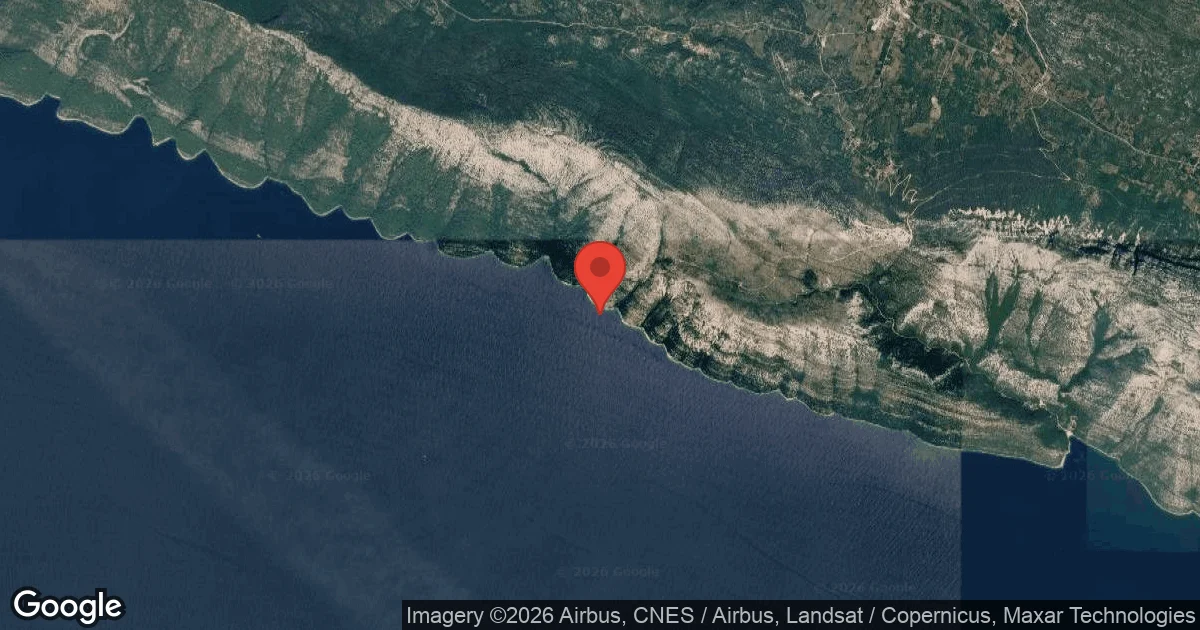
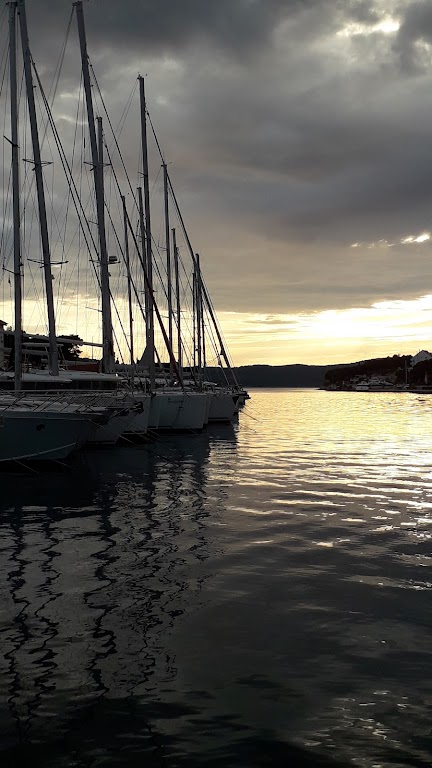
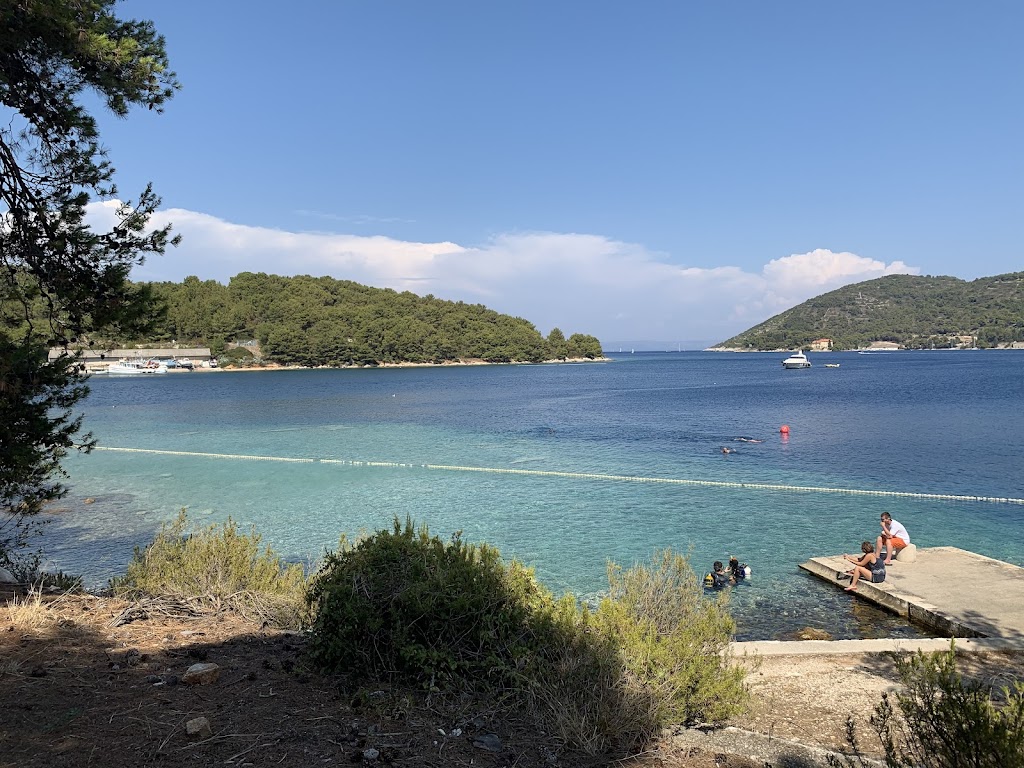
Sheltered inside pine-bordered Žuljana Bay on southern Pelješac, the Žuljana WWII Landing Craft offers an intimate 12-to-25-meter encounter with a German naval barge lost during the August 1944 Operation Hammer convoy battle.
Starting the day at Žuljana WWII Landing Craft, the ambient air temperature is recorded at 13.5°C. Ongoing monitoring shows wave heights measuring 1.3 m. This data represents the current surface conditions for early activities.
Dive Site Location & Key Facts
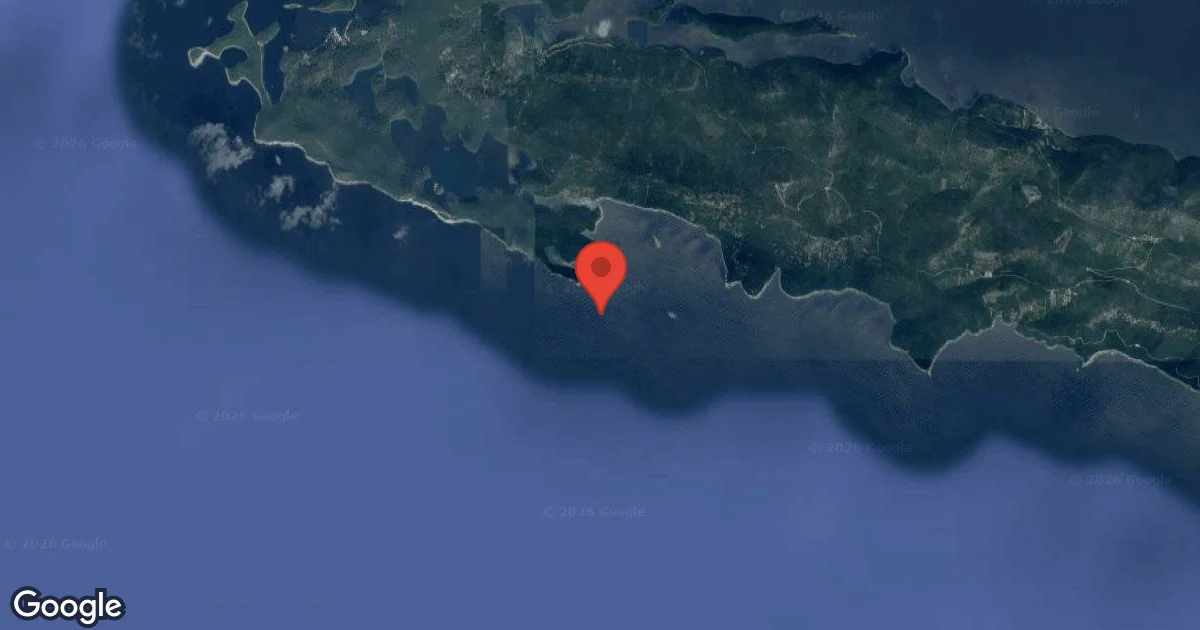
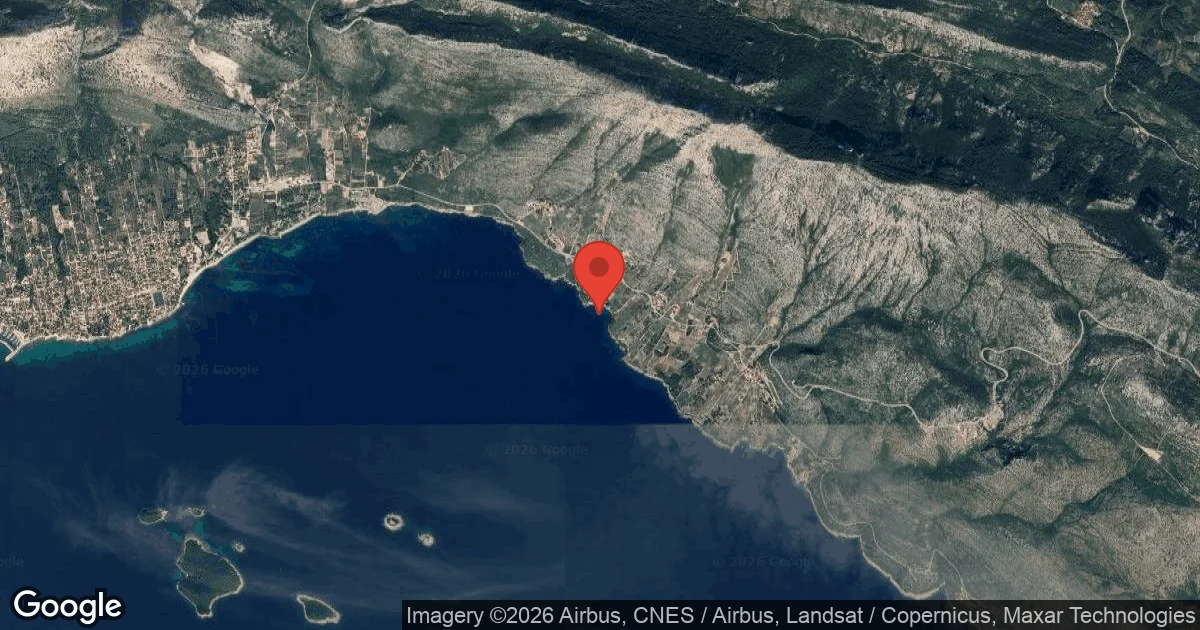
Coordinates42.8882, 17.4420
Estimated Coordinates
Coordinates are estimated from the best available maritime charts and local dive references, as exact GPS pins are not publicly confirmed. Always verify the precise entry or mooring point with a local dive operator.
Site Characteristics
Max Depth25m / 82ft
Entry Typeboat
Water Typesalt
Dive Types
RecreationalWreck
Dive Site Overview
On the night of August 17–18, 1944, British motor torpedo boats and gunboats from Vis staged Operation Hammer off Lirica Lighthouse and Žuljana Bay, ambushing a German convoy steaming from Korčula toward Dubrovnik. Five German vessels—including troop-and-artillery Marinefährprahm landing craft alongside convoy ships Vega and Dora—were sunk in the close-range battle that prompted Schnellboot S-57's fateful rescue mission the following night.
Settled across a gentle sand, shell-gravel, and Posidonia seagrass slope inside Žuljana Bay between 12 and 25 meters, the landing craft wreckage showcases the unmistakable flat-bottomed, squared-off engineering of a wartime amphibious barge. Battle blasts and post-war salvage opened the hull, exposing heavy steel plating, box-section ribs, bow-ramp winch gear, and engine-bed foundations.
Unlike deep channel warships with tight no-decompression windows, this moderate-depth site gives divers unhurried bottom time to trace riveted bulkheads encrusted in sponges, bryozoans, and tubeworms under bright ambient light.
Local Žuljana operators frequently run the landing craft as a relaxed second dive following a morning descent on Schnellboot S-57, completing the complete two-chapter story of Pelješac's August 1944 naval battle.
Žuljana WWII Landing Craft
Conditions are Moderate
6/10
Confidence: 8/10
Indicates meteorological model agreement and data availability.
Best Dive Window
Optimal conditions expected
06:12
18:45
H: 10:45
L: 16:20
Air / Sea Temp
14° / 19°
Wave Height
1.5 m
Wind Speed
37 km/h NNE
Rain Chance
50%
Current conditions near Žuljana WWII Landing Craft show 14° air, 19° sea temperature, 1.5 m waves, and 37 km/h wind. Forecast data is refreshed regularly to ensure accuracy.
Radius: ~12km
Updated: Nov 23, 2026, 05:44 local timeMARINE: OPEN-METEOWEATHER: YR.NO
Best Time to Dive
May through October provides calm, reliable conditions inside Žuljana Bay, which is shielded from northerly bura gusts by Pelješac's high limestone ridge. Surface temperatures climb from 18°C in May to 25°C in July and August, with bottom water at 25 meters holding 18°C–20°C in summer.
June, September, and October deliver peak 20-to-25-meter water clarity and lively cuttlefish, octopus, and bream activity, while morning dives in midsummer beat light afternoon sea breezes.
PEAK SEASON SCORE
89/100
Very GoodScores combine air & water temps, waves, wind & rainfall for overall conditions.
BEST MONTHS TO DIVE
JUN
JUL
AUG
DIVE SCORE GUIDE (0–100)
Excellent (90–100)
Very Good (80–89)
Good (70–79)
Moderate (50–69)
Poor (30–49)
Not Recommended (0–29)
Monthly records compiled from satellite and marine observation nodes over the last 3 years. Data provided by Open-Meteo and MET Norway.
Dive Experience & Conditions
Reached by a five-to-ten-minute boat ride from Žuljana's stone pier, divers descend through calm bay water to upper structural plates at 12 to 14 meters before following the hull scatter downslope to 25 meters.
Because the barge lies completely open to the water column with no enclosed overhead ceilings, navigation along the keel axis is simple and sunlit. Currents are minimal and visibility averages 18 to 22 meters when divers keep fins clear of fine sand pockets.
Dive Difficulty & Safety Guidelines
Hold clean horizontal trim above the seabed to prevent silting and avoid contact with corroded steel edges or snagged fishing line.
Follow strict hands-off discipline around all Second World War wreckage—never touch or disturb any metal casing or munition remnant on the sand. Ascend along the mooring line and deploy a surface marker buoy if surfacing away from the dive boat inside the bay.
Recommended Equipment
Overhead / entanglement risk. Wreck penetration requires proper training.
- Dive Computer
- DSMB
- Primary & Backup Lights
- Wreck Reel
- Cutting Tool
This gear list is based on verified equipment signals for Žuljana WWII Landing Craft, Croatia. Always confirm final gear choices with your dive operator, guide, or liveaboard.
Recommended Dive Suit
With water temperatures around 19°C (66°F), many divers find a 5mm wetsuit provides comfortable protection.
Being prepared with flexible exposure options is a common approach among experienced divers.
The next few days appear likely to bring similar environmental conditions.
Žuljana WWII Landing Craft conditions last reviewed: 05:44 local time (UTC+1), Nov 23, 2026
Emergency & Medical Support
Essential information to help you plan your dive trip to Žuljana WWII Landing Craft.

Hyperbaric chambers are a critical part of dive safety infrastructure. Availability varies significantly by region, and not all dive areas have immediate access.
Before diving, it's recommended to:
- confirm nearest medical facilities
- check emergency procedures with local dive operators
- ensure dive insurance covers evacuation if required
24/7 Available
Divers Alert Network
Diving emergency assistance available through DAN Europe.
+39 0642115685- 24/7 emergency hotline
- Diving medical assistance
- Evacuation coordination
Emergency contacts are provided for reference. Always verify local emergency services before diving.
Closest Listed Hyperbaric Chambers (≤ 200 km)
Approximate straight-line distances from this dive site — emergency travel times may vary.
105 km105 kmZavod za pomorsku medicinu Split – Odjel za podvodnu i hiperbaričnu medicinu
Split, Croatia24/7ICU194Details105 kmZavod za pomorsku medicinu Split – Odjel za podvodnu i hiperbaričnu medicinu
24/7 ListedICU CapableSplit, Croatia · Multiplace
24/7 Emergency194CollapseHours: 24/7 EmergencyFacility: Zavod za pomorsku medicinu / KBC Split (Križine)ICU On-Site: YesSource: KBC Rijeka / Poliklinika OXY
105 km
Zavod za pomorsku medicinu Split – Odjel za podvodnu i hiperbaričnu medicinu
Split, Croatia24/7ICU194Details
105 km
Zavod za pomorsku medicinu Split – Odjel za podvodnu i hiperbaričnu medicinu
24/7 ListedICU CapableSplit, Croatia · Multiplace
24/7 Emergency194
CollapseHours: 24/7 Emergency
Facility: Zavod za pomorsku medicinu / KBC Split (Križine)
ICU On-Site: Yes
Source: KBC Rijeka / Poliklinika OXY
Chamber data is sourced from official Croatian hospital and baromedicine facility records and has not been independently verified by Dive Navigator. Always contact local emergency services, DAN, your dive operator, or the facility directly before travelling.
Reference onlyMarine Life at Žuljana WWII Landing Craft
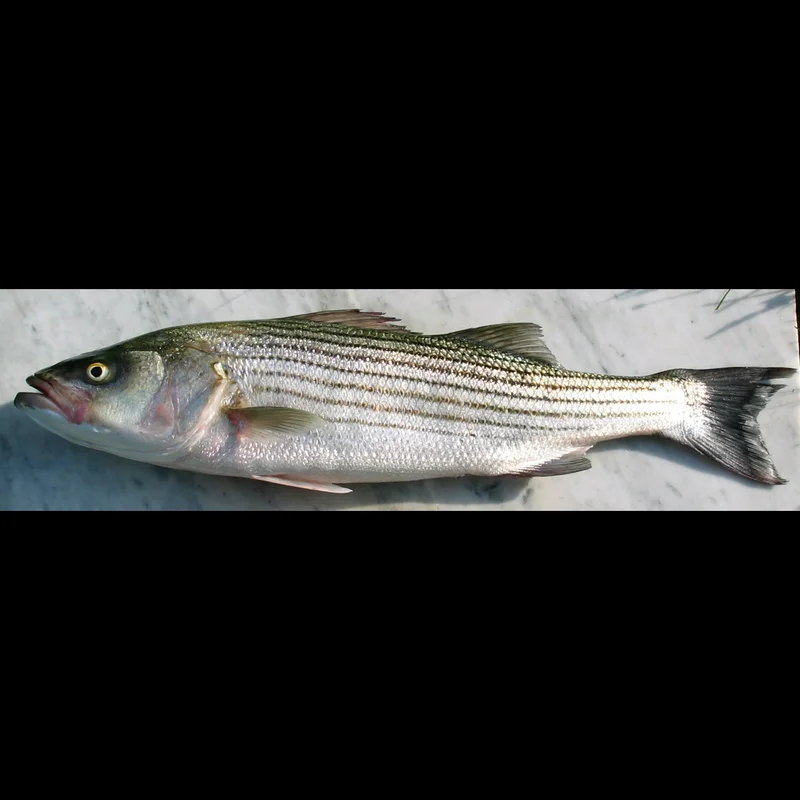
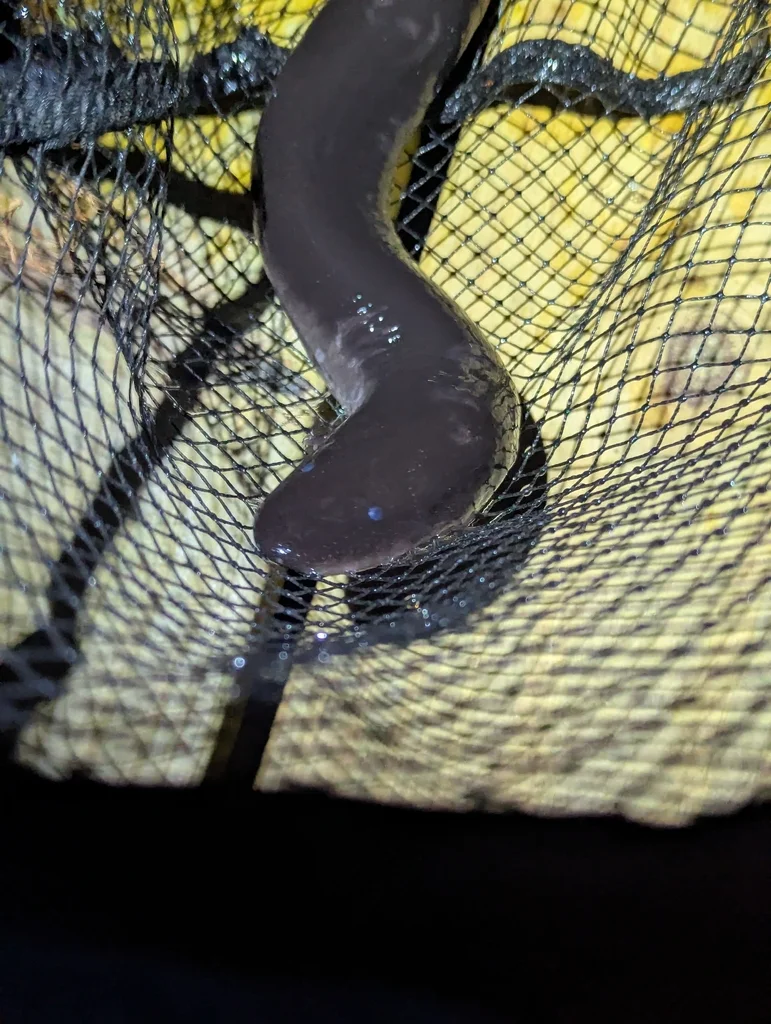
Surrounded by sand flats and Posidonia meadows, the steel frames concentrate cryptic Adriatic reef life. European conger eels and Mediterranean octopuses inhabit hollow box girders, while red scorpionfish rest motionless atop sponge-coated plates.
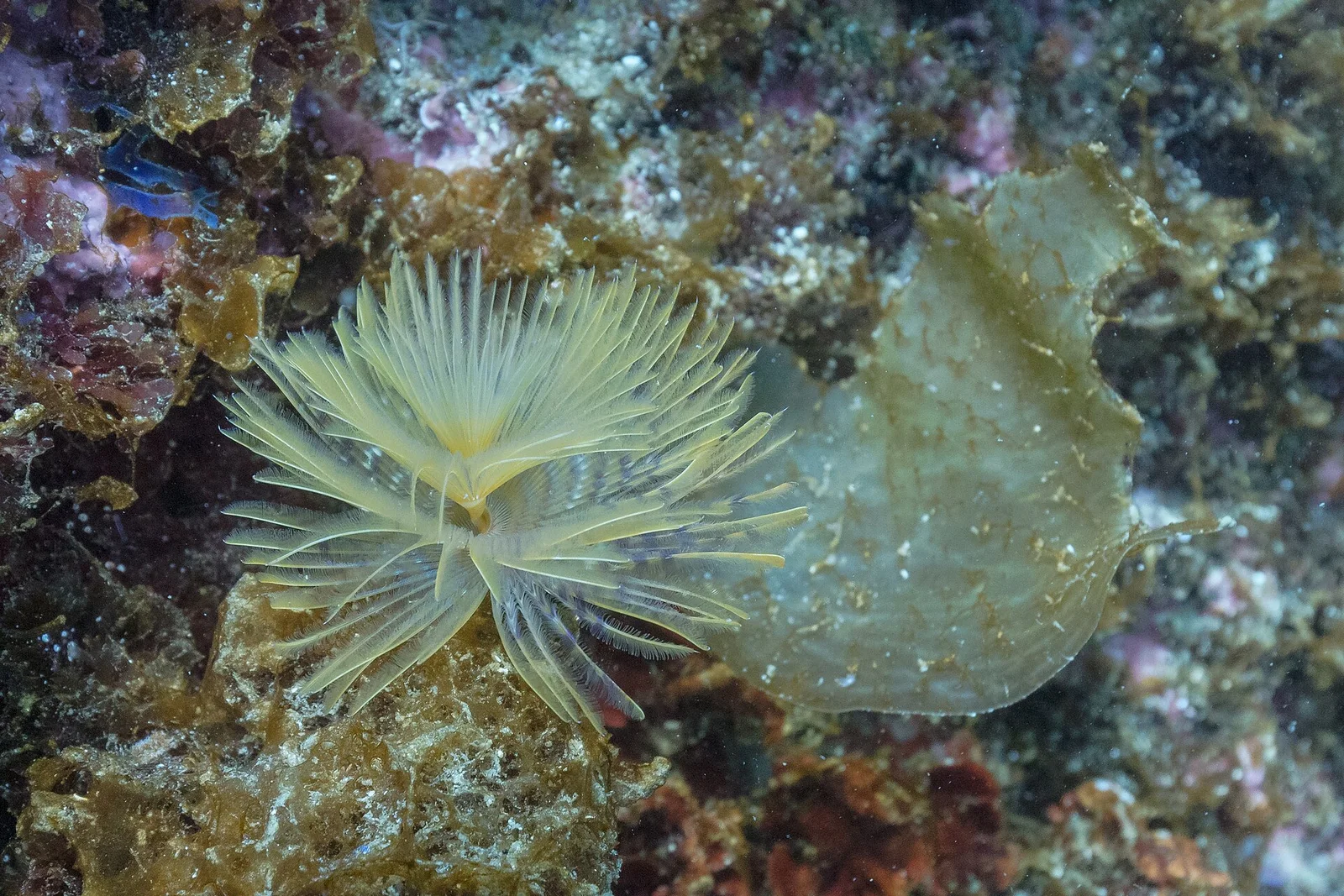
Two-banded sea bream and combers school over the bulkheads, and macro enthusiasts find nudibranchs, feather-duster tubeworms, and cuttlefish along the seagrass edge.


1 / 2
Image contributors:Diego Delso, laszlo-photo + 1 more
Want to contribute photos or local dive knowledge? Learn how to contributeDive Sites Near Žuljana WWII Landing Craft
View all dive sites in CroatiaDiscover more underwater gems in this area.
Max 39 m
6.1 km
advancedSchnellboot S-57
BoatDown Line
Max 42 m
11.2 km
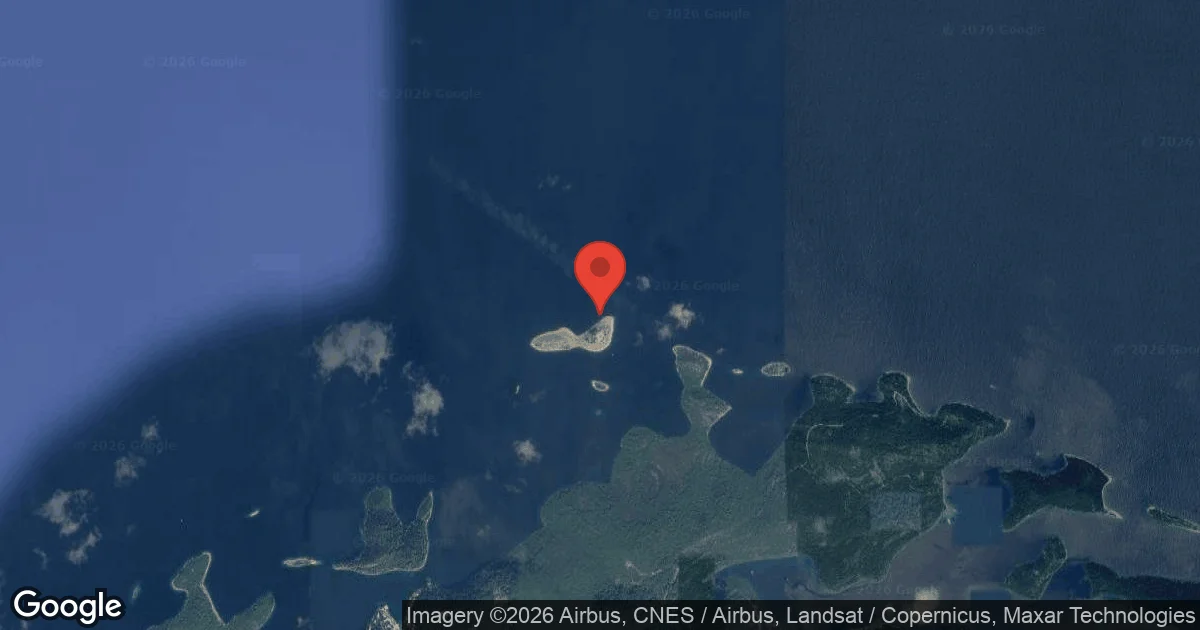
intermediateGlavat Islet & Coral Reef
BoatCanyon
Max 42 m
15.5 km
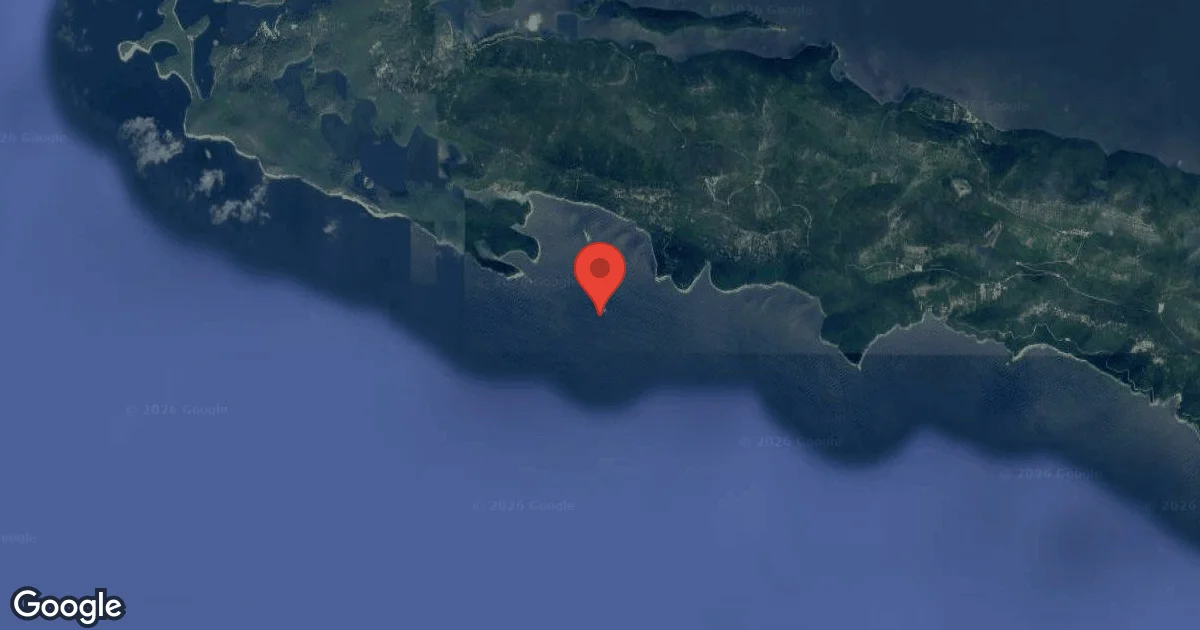
intermediateVanji Škoj Wall
BoatCanyon
Max 42 m
15.8 km
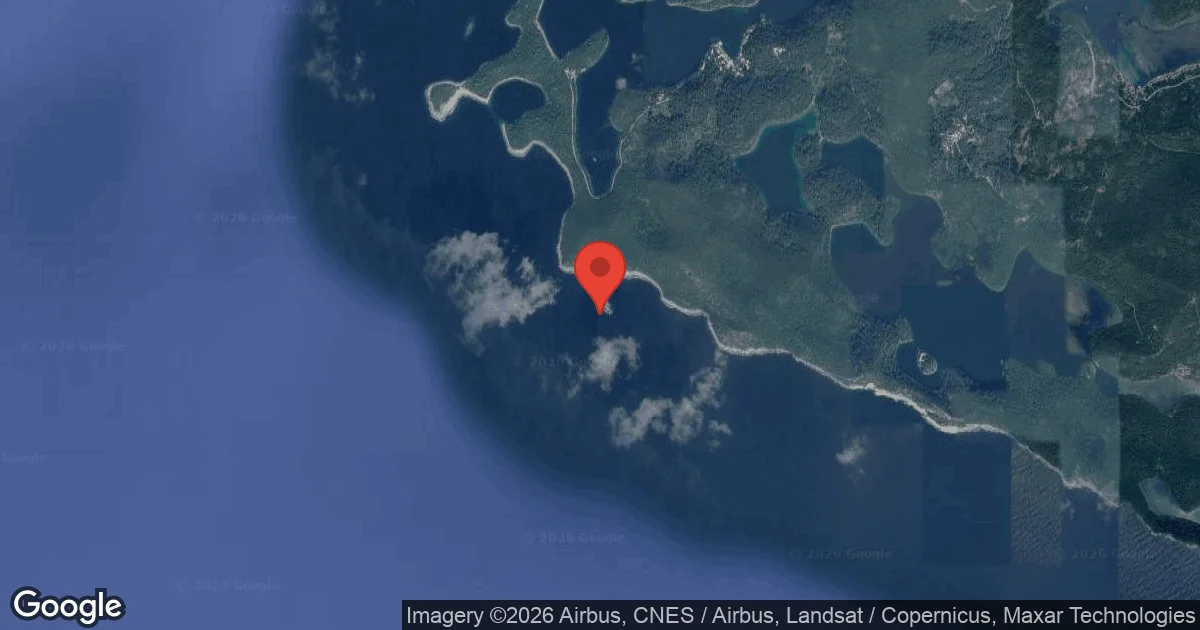
intermediateCape Korizmeni Rat
BoatCanyon
Max 40 m
19.5 km
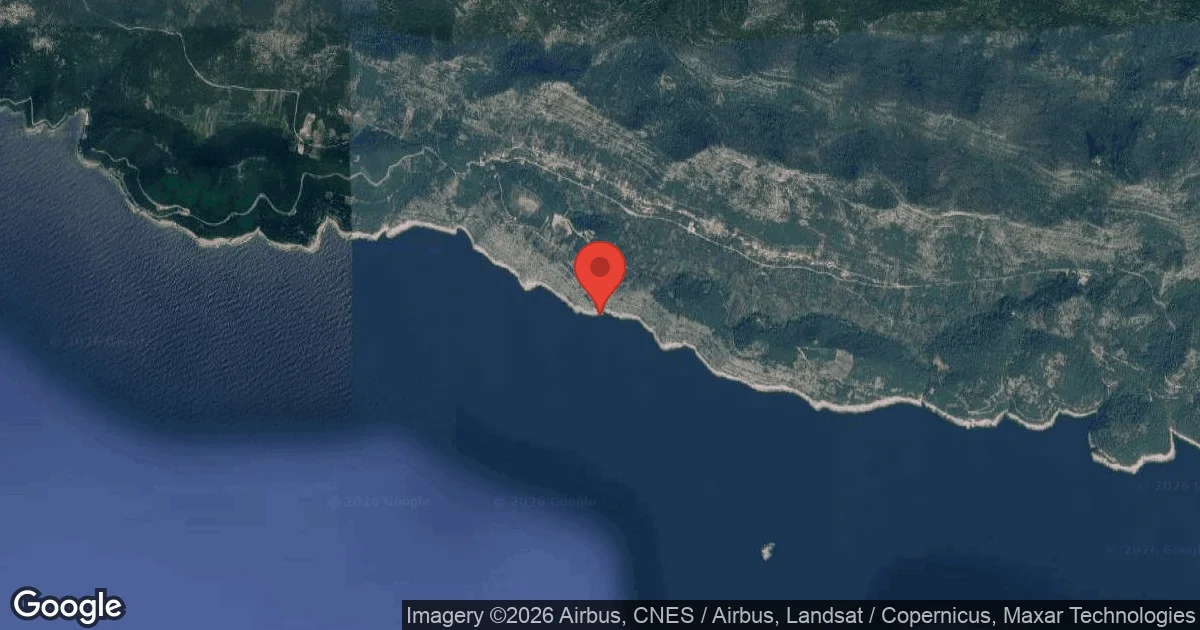
360°intermediateOdysseus Cave
BoatCanyon
Max 45 m
15.7 km
advancedCape Lenga Wall
BoatCanyon
Max 15 m
20.1 km
360°beginnerWreck Boka
BeachOcean
Max 39 m
6.1 km
advancedSchnellboot S-57
BoatDown Line
Max 42 m
11.2 km
intermediateGlavat Islet & Coral Reef
BoatCanyon
Max 42 m
15.5 km
intermediateVanji Škoj Wall
BoatCanyon
Max 42 m
15.8 km
intermediateCape Korizmeni Rat
BoatCanyon
Max 40 m
19.5 km
360°intermediateOdysseus Cave
BoatCanyon
Max 45 m
15.7 km
advancedCape Lenga Wall
BoatCanyon
Max 15 m
20.1 km
360°beginnerWreck Boka
BeachOcean
Dive Centers Near Žuljana WWII Landing Craft
Working Hours
SunClosed
Mon09:00 - 17:00
Tue09:00 - 17:00
Wed09:00 - 17:00
Thu09:00 - 17:00
Fri09:00 - 17:00
Sat09:00 - 17:00
Today: 09:00 - 17:00
SunClosed
Mon09:00 - 17:00
Tue09:00 - 17:00
Wed09:00 - 17:00
Thu09:00 - 17:00
Fri09:00 - 17:00
Sat09:00 - 17:00
5| 341 reviews
69.2 km
4.9| 255 reviews
69.3 km
4.9| 214 reviews
88.4 km
Diving Center Aqualis
4.9(206)• 88.8 km
Calypso Scuba Diving
4.8(153)• 87.1 km
Draulik Diving Center
4.8(70)• 94.4 km
Nautica Vis Diving Center
4.9(174)• 103.8 km
Nearest Airports
Nearest airports to help plan travel to this dive area.
Brač Airport BWK
76 km
Dubrovnik Ruđer Bošković Airport DBV
77 km
Split Saint Jerome Airport SPU
118 km
💵 Currency: EUR
Search Flights
Check available flights and routes on Expedia, using the nearby airports listed in this section.
Search Flights on ExpediaAffiliate link · Dive Navigator may earn a commission at no extra cost to you.
Frequently Asked Questions
What is the depth range of the Žuljana WWII Landing Craft?
The wreckage slopes across a sandy and seagrass bottom from 12 meters at its shallowest frames down to 25 meters.
Which WWII engagement sank this landing craft?
British Royal Navy coastal forces from Vis sank the barge during Operation Hammer in mid-August 1944 while ambushing a German convoy off Žuljana Bay and Lirica Islet.
Can open-water divers visit the Žuljana landing craft?
Yes. Confident open-water divers can explore the upper 12-to-18-meter sections, while advanced open-water divers can survey the entire 25-meter slope.
Do I need a special cultural heritage permit for this site?
No special Ministry of Culture concession is required, though standard Croatian diving registration applies and all wartime remains must be left untouched.
How far is the wreck from Žuljana harbor?
It lies inside outer Žuljana Bay less than 1.5 kilometers from the village pier, taking only five to ten minutes by dive boat.
Is night diving possible on the landing craft?
Yes. Sheltered bay waters allow calm night dives when conger eels, octopuses, and crustaceans emerge across the steel plates.
Trip Inquiry
Planning to dive Žuljana WWII Landing Craft?
Tell us your dates and diving needs. We'll review your request and seek offers from relevant local dive centers.
Request Dive Offers Free request for offers • No booking obligation
Žuljana WWII Landing Craft
Conditions are Moderate
6/10
Confidence: 8/10
Indicates meteorological model agreement and data availability.
Best Dive Window
Optimal conditions expected
06:12
18:45
H: 10:45
L: 16:20
Air / Sea Temp
14° / 19°
Wave Height
1.5 m
Wind Speed
37 km/h NNE
Rain Chance
50%
Current conditions near Žuljana WWII Landing Craft show 14° air, 19° sea temperature, 1.5 m waves, and 37 km/h wind. Forecast data is refreshed regularly to ensure accuracy.
Radius: ~12km
Updated: Nov 23, 2026, 05:44 local timeMARINE: OPEN-METEOWEATHER: YR.NO


