Loading...

Diving at Cesare Rossarol (Croatia)
Published
An 85-meter Italian First World War scout cruiser cleaved in two off Cape Marlera, preserving intact 102 mm naval artillery and exposed magazine shells across a 50-meter Kvarner war grave.
Starting the day at Cesare Rossarol, the ambient air temperature is recorded at 10.5°C. Ongoing monitoring shows wave heights measuring 0.9 m. This data represents the current surface conditions for early activities.
Dive Site Location & Key Facts
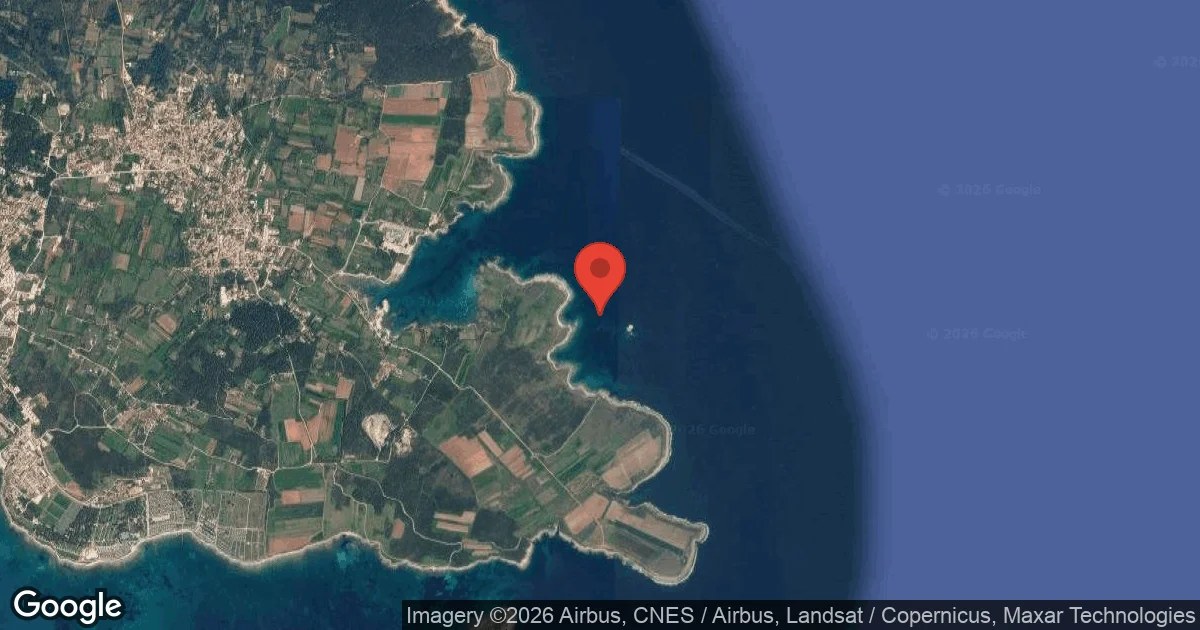
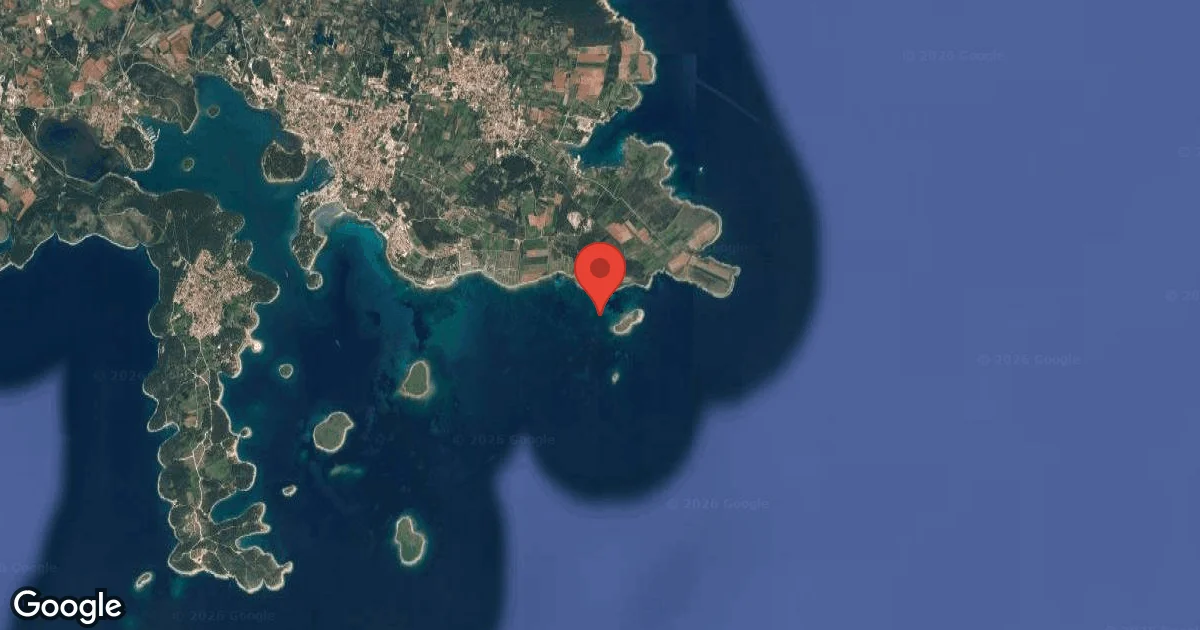
Coordinates44.8302, 14.0162
Estimated Coordinates
Coordinates are estimated from the best available maritime charts and local dive references, as exact GPS pins are not publicly confirmed. Always verify the precise entry or mooring point with a local dive operator.
Site Characteristics
Max Depth50m / 164ft
Entry Typeboat
Water Typesalt
Dive Types
DeepTechnicalWreck
Dive Site Overview
Built at the Ansaldo shipyard in Sestri Ponente near Genoa and launched in August 1914, the Regia Marina esploratore leggero Cesare Rossarol belonged to the fast, lightly armored Alessandro Poerio class. Powered by Belluzzo steam turbines delivering 24,000 horsepower for speeds exceeding 30 knots, she spent the First World War escorting raids, laying mines, and patrolling the Adriatic before arriving in Pula following the November 1918 armistice.
Around noon on November 16, 1918, under the command of Captain Ludovico De Filippi with a pilot guiding her through the coastal corridor past the former Austro-Hungarian mine barrages, Cesare Rossarol steamed past Cape Kamenjak and rounded Cape Marlera bound for Rijeka. At 12:45 off Ližnjan, a violent mine detonation amidships broke her keel instantaneously. Both halves plunged beneath the surface within three minutes, claiming 98 Italian officers and sailors, whose sacrifice is commemorated by an anchor monument at Munat Point on the Ližnjan shore.
Because the stern drifted briefly before settling, the wreck today comprises two distinct dive sites separated by roughly 310 meters of flat, silty-sand seabed at 48 to 50 meters depth, with a debris field of boiler components and deck plating scattered in between. The 30-meter stern section rests nearly upright with a slight port list, showcasing a well-preserved 102 mm stern gun, a 40 mm anti-aircraft mount, the rudder, and the starboard propeller shaft.
To the north-northeast, the 40-meter bow section lies completely inverted with its sharp stem buried in sediment and hull plates peeling back over time. Through fractures along the upturned hull, divers can peer without entering at stacked artillery shells, capstan machinery, and forward structural frames.
Cesare Rossarol
Conditions are Moderate
6/10
Confidence: 8/10
Indicates meteorological model agreement and data availability.
DIVE WARNING
High Wind Advisory (49km/h). Unsafe surface.
06:12
18:45
H: 10:45
L: 16:20
Air / Sea Temp
10° / 17°
Wave Height
1.0 m
Wind Speed
49 km/h ENE
Rain Chance
0%
Current conditions near Cesare Rossarol show 10° air, 17° sea temperature, 1.0 m waves, and 49 km/h wind. Forecast data is refreshed regularly to ensure accuracy.
Radius: ~12km
Updated: Nov 23, 2026, 05:35 local timeMARINE: OPEN-METEOWEATHER: YR.NO
Best Time to Dive
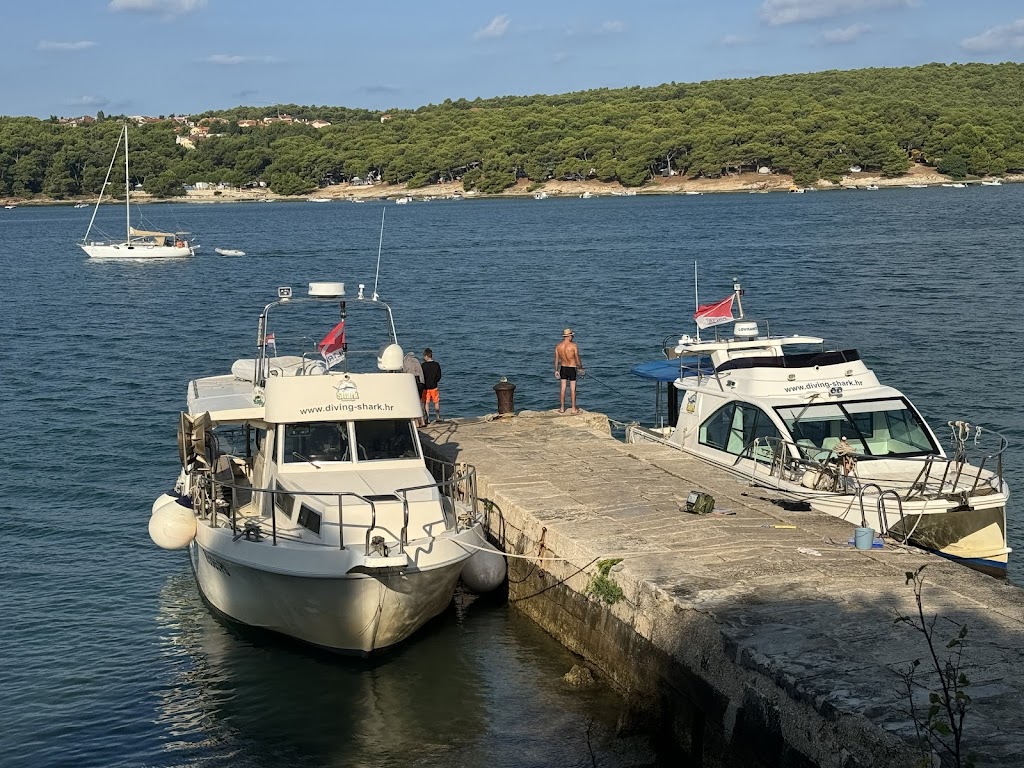
The primary operating window runs from May through October, when surface conditions off southeastern Istria and the entrance to Kvarner Bay are most reliable for offshore boat runs from Krnica, Medulin, or Premantura. Calm morning windows between late spring and early autumn allow dive vessels to secure down-lines accurately over either the stern or bow section without heavy wind chop.
During July and August, surface waters reach 23 to 25 degrees Celsius, though a pronounced thermocline between 18 and 28 meters drops bottom temperatures on the 50-meter seabed to a chilly 13 to 15 degrees Celsius. Summer plankton blooms can occasionally soften upper-water clarity, leaving moody, blue-green ambient light on the hull.
Experienced drysuit teams frequently favor May, June, September, and October—and even crisp, settled winter high-pressure windows when centers operate—because cooler, well-mixed water columns regularly push bottom visibility past 20 meters while keeping boat traffic minimal.
PEAK SEASON SCORE
92/100
ExcellentScores combine air & water temps, waves, wind & rainfall for overall conditions.
BEST MONTHS TO DIVE
JUN
JUL
AUG
DIVE SCORE GUIDE (0–100)
Excellent (90–100)
Very Good (80–89)
Good (70–79)
Moderate (50–69)
Poor (30–49)
Not Recommended (0–29)
Monthly records compiled from satellite and marine observation nodes over the last 3 years. Data provided by Open-Meteo and MET Norway.
Dive Experience & Conditions
Because the bow and stern lie more than 300 meters apart at 48 to 50 meters depth, attempting to swim between the two sections on open-circuit gas is impractical; each dive focuses exclusively on either Cesare Rossarol I (stern) or Cesare Rossarol II (bow). Descents follow a shot line straight through open blue water, as the Kvarner entrance off Cape Marlera is exposed to moderate currents that require steady line discipline.
On the stern section, the silhouette materializes around 35 to 40 meters, drawing divers directly to the crustacean-draped 102 mm deck cannon and the anti-aircraft gun mount at 42 to 45 meters. Dropping briefly to the 50-meter sand line beneath the counter reveals the rudder assembly and exposed starboard shaft before working forward to the jagged blast break where twisted bulkheads, piping, and engine-room hatches terminate abruptly in the silt.
On a dedicated second expedition dive to the inverted bow section, divers trace the streamlined keel ridge at 44 meters down to the seabed at 50 meters, illuminating racks of brass-cased projectiles visible through parted hull seams. Fine silt coats every horizontal surface and swirls upward easily, rewarding frog-kick propulsion and immaculate trim throughout bottom time and staged decompression.
Dive Difficulty & Safety Guidelines
Cesare Rossarol is a legally protected First World War war grave overseen by the Croatian Ministry of Culture, and diving is strictly restricted to vessels operated by authorized local concessionaires. Divers must treat both hull sections with solemn respect: touching, disturbing, or recovering artifacts is prohibited, and interior penetration is banned due to progressive structural collapse of the century-old plating and war-grave protections.
Live World War I artillery shells and munitions remain exposed beneath the fractured bow plates and along the blast break. Divers must never touch, illuminate at point-blank contact, or disturb ordnance, nor tie reels onto fragile corroded deck railings.
At 48 to 50 meters depth in cold bottom water, gas density, narcosis, and mandatory staged decompression govern dive planning. Normoxic trimix or helitrox mixes paired with oxygen-rich decompression gases, redundant buoyancy and cutting tools, a high-visibility surface marker buoy for mid-water drift ascents if currents pick up, and conservative thermal protection are essential.
Recommended Equipment
Technical depth range. Advanced planning, gas management, and appropriate certification required.
Overhead / entanglement risk. Wreck penetration requires proper training.
- Dive Computer
- DSMB
- Primary & Backup Lights
- Wreck Reel
- Cutting Tool
This gear list is based on verified equipment signals for Cesare Rossarol, Croatia. Always confirm final gear choices with your dive operator, guide, or liveaboard.
Recommended Dive Suit
Individual comfort in the water can vary significantly from diver to diver, even under the same conditions.
For most recreational dives, 5-7mm wetsuit should provide comfortable protection. Strong winds are present; please take strong precautions against rapid cooling during surface intervals. Strong cold advisory: dress warmly immediately after exiting the water. Forecast conditions over the next few days suggest temperatures will remain relatively stable.
Current temperature readings suggest that the water at Cesare Rossarol is around 17°C (62°F). Surface air temperatures are resting at 10°C (51°F).
Cesare Rossarol conditions last reviewed: 05:35 local time (UTC+1), Nov 23, 2026
Emergency & Medical Support
Essential information to help you plan your dive trip to Cesare Rossarol.

Hyperbaric chambers are a critical part of dive safety infrastructure. Availability varies significantly by region, and not all dive areas have immediate access.
Before diving, it's recommended to:
- confirm nearest medical facilities
- check emergency procedures with local dive operators
- ensure dive insurance covers evacuation if required
24/7 Available
Divers Alert Network
Diving emergency assistance available through DAN Europe.
+39 0642115685- 24/7 emergency hotline
- Diving medical assistance
- Evacuation coordination
Emergency contacts are provided for reference. Always verify local emergency services before diving.
Closest Listed Hyperbaric Chambers (≤ 200 km)
Approximate straight-line distances from this dive site — emergency travel times may vary.
13 km13 kmPoliklinika za baromedicinu OXY – Podružnica Pula
Pula, Croatia+385 52 215 663Details13 kmPoliklinika za baromedicinu OXY – Podružnica Pula
Pula, Croatia · Multiplace
Hours: Mon–Fri 07:30–15:30Facility: Opća bolnica PulaICU On-Site: Not reportedSource: KBC Rijeka / Poliklinika OXYOfficial website
13 km
Poliklinika za baromedicinu OXY – Podružnica Pula
Pula, Croatia+385 52 215 663Details
13 km
Poliklinika za baromedicinu OXY – Podružnica Pula
Pula, Croatia · Multiplace
Hours: Mon–Fri 07:30–15:30
Facility: Opća bolnica Pula
ICU On-Site: Not reported
Source: KBC Rijeka / Poliklinika OXY
Official website65 km65 kmPoliklinika za baromedicinu OXY – Poslovna jedinica Crikvenica
Crikvenica, Croatia+385 51 785 229Details65 kmPoliklinika za baromedicinu OXY – Poslovna jedinica Crikvenica
Crikvenica, Croatia · Multiplace
Hours: Mon–Fri 07:30–15:30Facility: Thalassotherapia CrikvenicaICU On-Site: Not reportedSource: KBC Rijeka / Poliklinika OXYOfficial website
65 km
Poliklinika za baromedicinu OXY – Poslovna jedinica Crikvenica
Crikvenica, Croatia+385 51 785 229Details
65 km
Poliklinika za baromedicinu OXY – Poslovna jedinica Crikvenica
Crikvenica, Croatia · Multiplace
Hours: Mon–Fri 07:30–15:30
Facility: Thalassotherapia Crikvenica
ICU On-Site: Not reported
Source: KBC Rijeka / Poliklinika OXY
Official website66 km66 kmZavod za podvodnu i hiperbaričnu medicinu – KBC Rijeka
Rijeka, Croatia24/7ICU+385 51 407 435Details66 kmZavod za podvodnu i hiperbaričnu medicinu – KBC Rijeka
24/7 ListedICU CapableRijeka, Croatia · Multiplace (8 seated / 2 stretcher ICU)
Hours: 24/7 EmergencyFacility: Klinički bolnički centar Rijeka (Lokalitet Sušak)ICU On-Site: YesSource: KBC Rijeka / Poliklinika OXYOfficial website
66 km
Zavod za podvodnu i hiperbaričnu medicinu – KBC Rijeka
Rijeka, Croatia24/7ICU+385 51 407 435Details
66 km
Zavod za podvodnu i hiperbaričnu medicinu – KBC Rijeka
24/7 ListedICU CapableRijeka, Croatia · Multiplace (8 seated / 2 stretcher ICU)
Hours: 24/7 Emergency
Facility: Klinički bolnički centar Rijeka (Lokalitet Sušak)
ICU On-Site: Yes
Source: KBC Rijeka / Poliklinika OXY
Official websiteChamber data is sourced from official Croatian hospital and baromedicine facility records and has not been independently verified by Dive Navigator. Always contact local emergency services, DAN, your dive operator, or the facility directly before travelling.
Reference onlyMarine Life at Cesare Rossarol
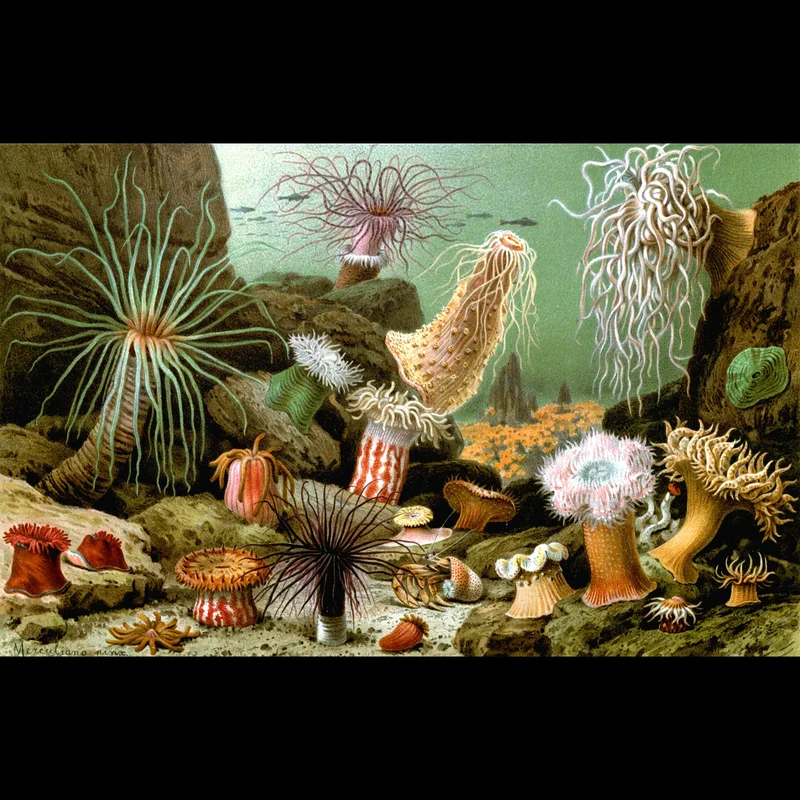
Rising from an otherwise featureless expanse of Kvarner sand and silt, the two steel hull sections act as isolated deep-water oases that concentrate benthic and pelagic life. Dense carpets of yellow cluster anemones, colonial ascidians, and encrusting sponges coat the 102 mm cannon barrel, gun shields, and fractured hull frames.
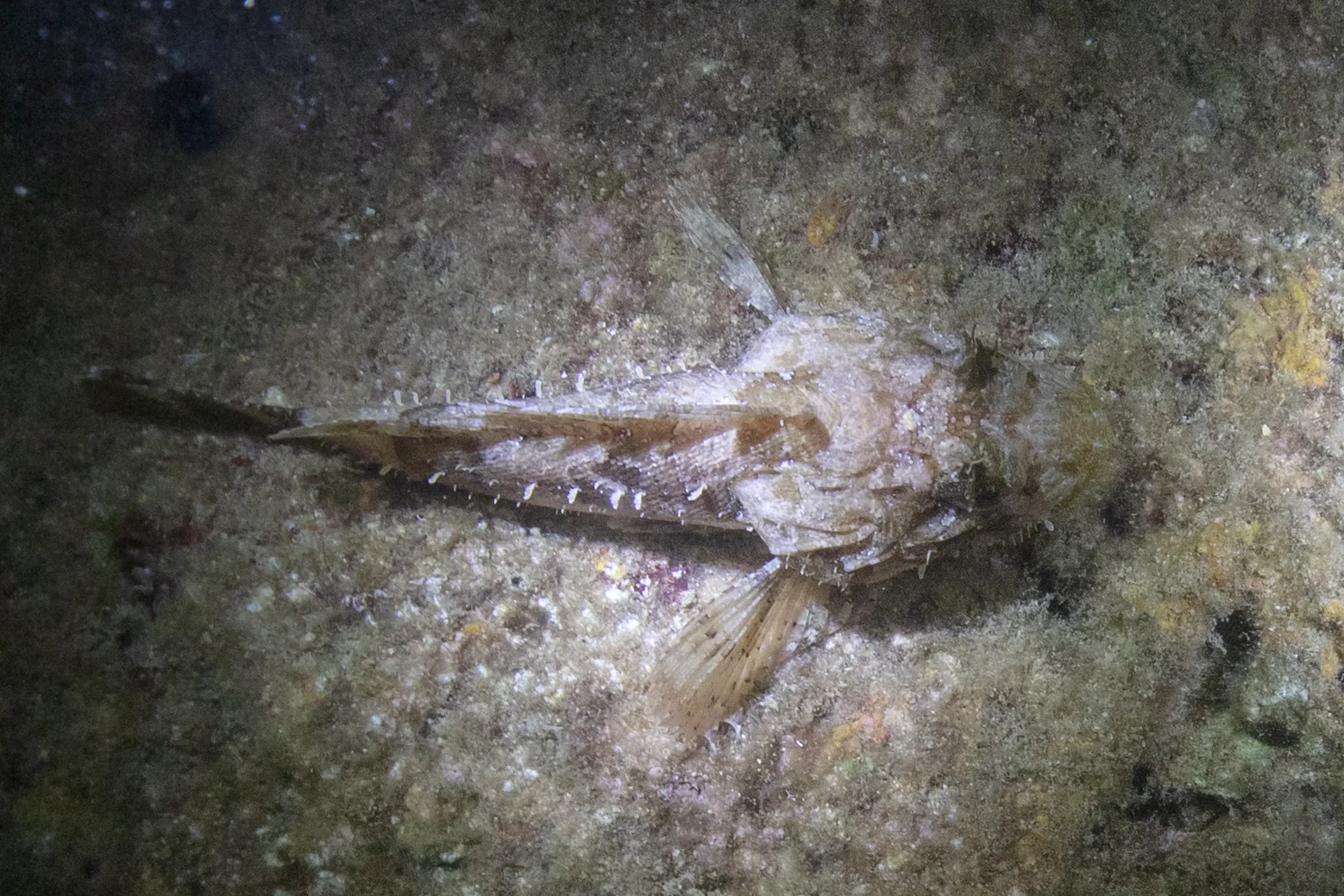
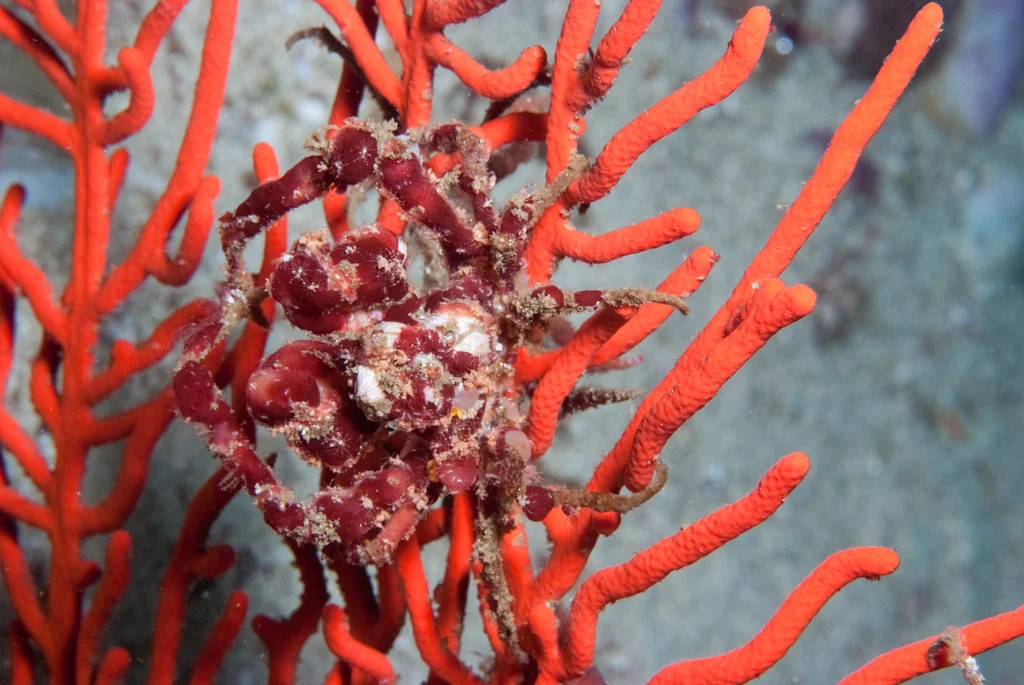
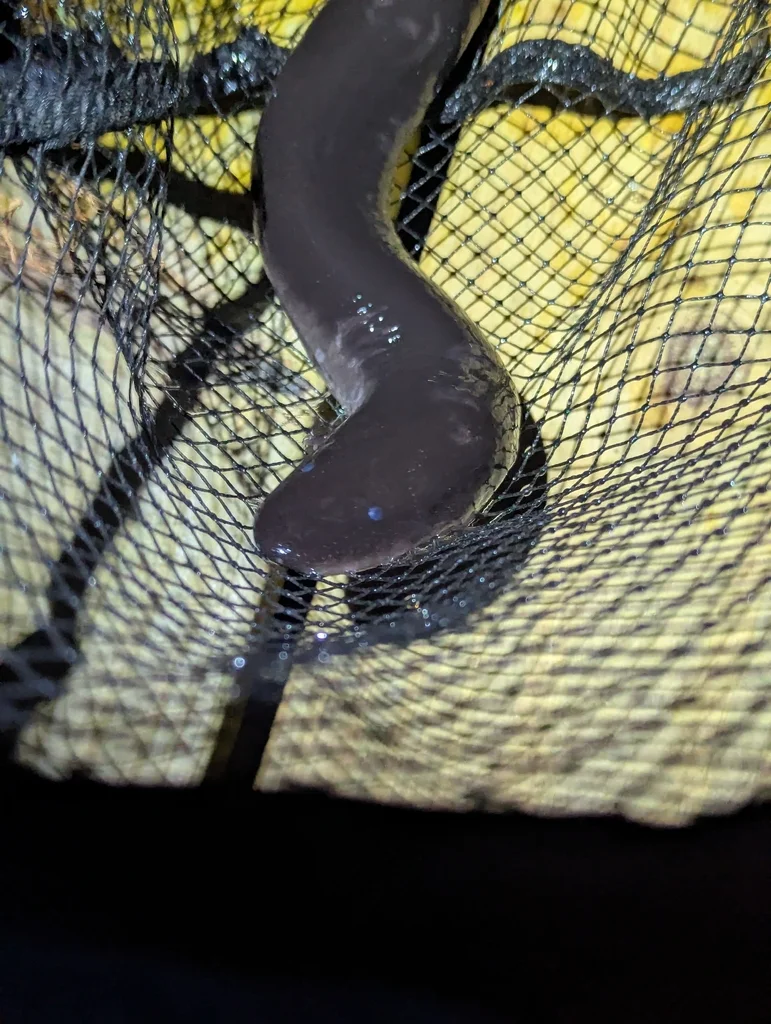
Thick-bodied European conger eels and European lobsters peer from beneath fallen hull plates, prop-shaft brackets, and deck overhangs, sharing dark crevices with forkbeards and camouflaged red scorpionfish. Spiny spider crabs patrol the silty perimeter during late spring, while nudibranchs graze on hydroid colonies across the upper deck.
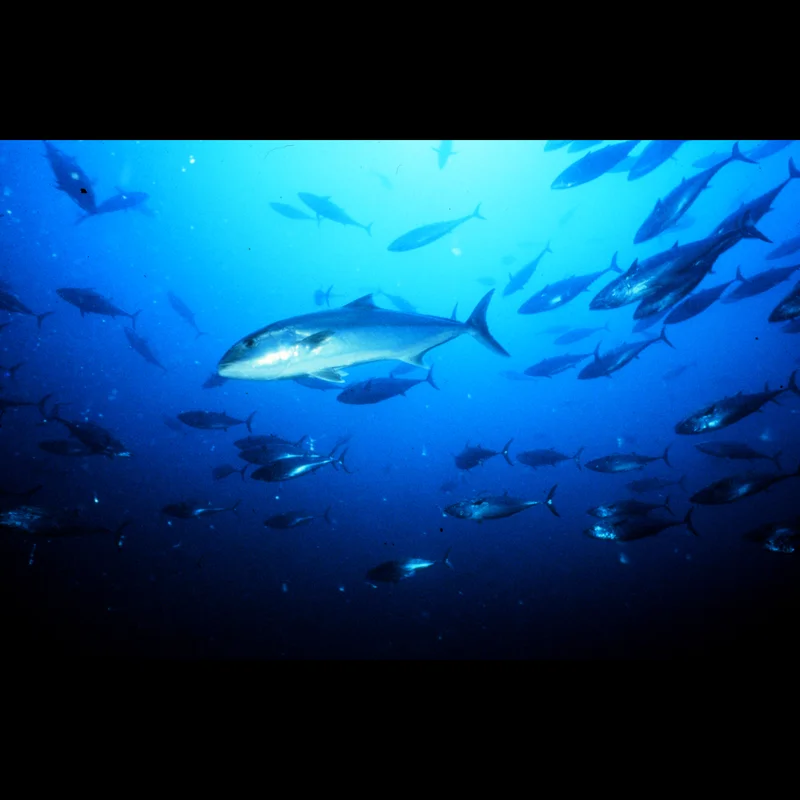
Mid-water above the wreck frequently hosts swirling clouds of anthias, poor cod, and picarel, which draw hunting John Dory, dentex, and schools of greater amberjack patrolling the current line off Cape Marlera.
1 / 2
Image contributors:Diego Delso, Giacomo Merculiano + 5 more
Want to contribute photos or local dive knowledge? Learn how to contributeDive Sites Near Cesare Rossarol
View all dive sites in CroatiaDiscover more underwater gems in this area.
Max 48 m
14.3 km
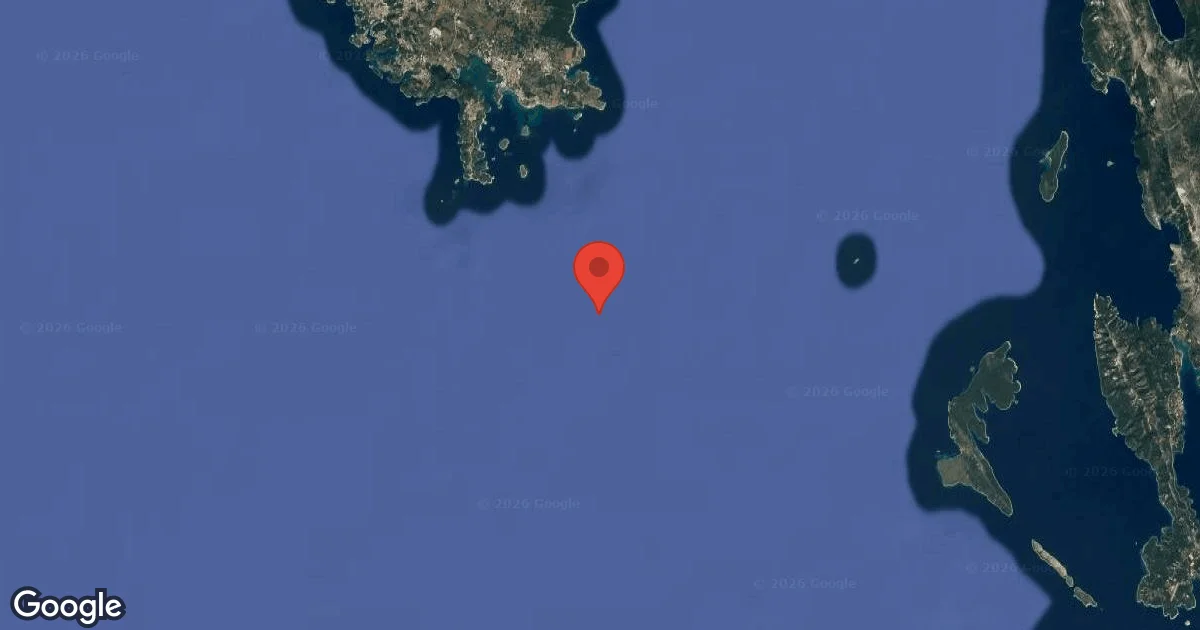
advancedWreck Luana
BoatDown Line
Max 38 m
5.9 km
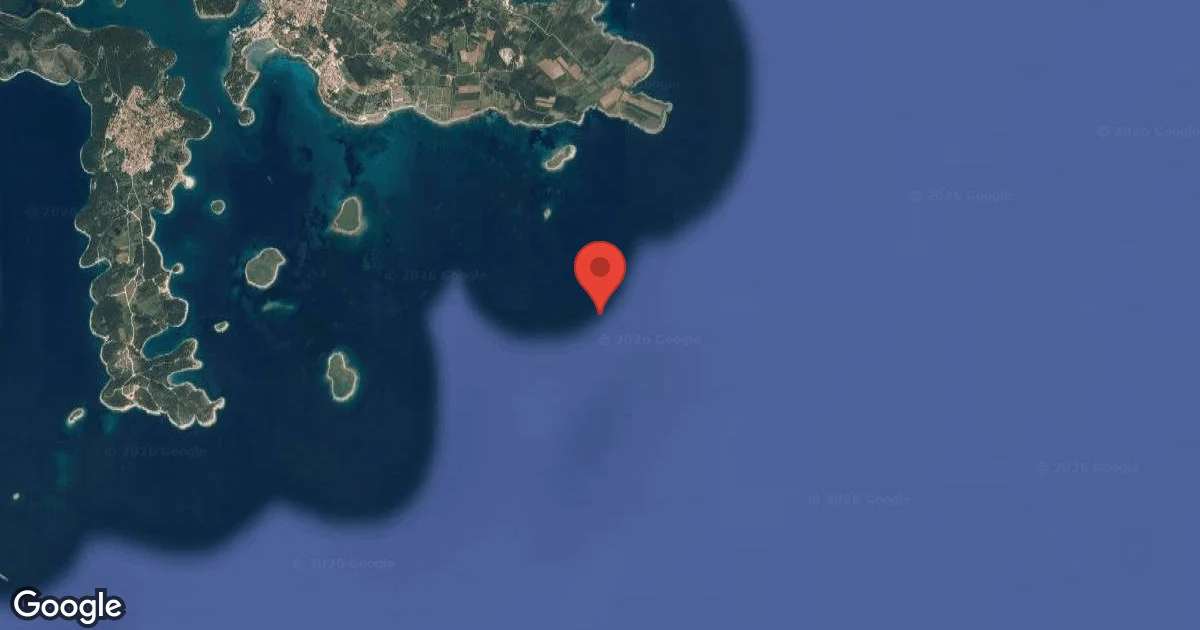
advancedŠeka Levanić
BoatDown Line
Max 40 m
3 km
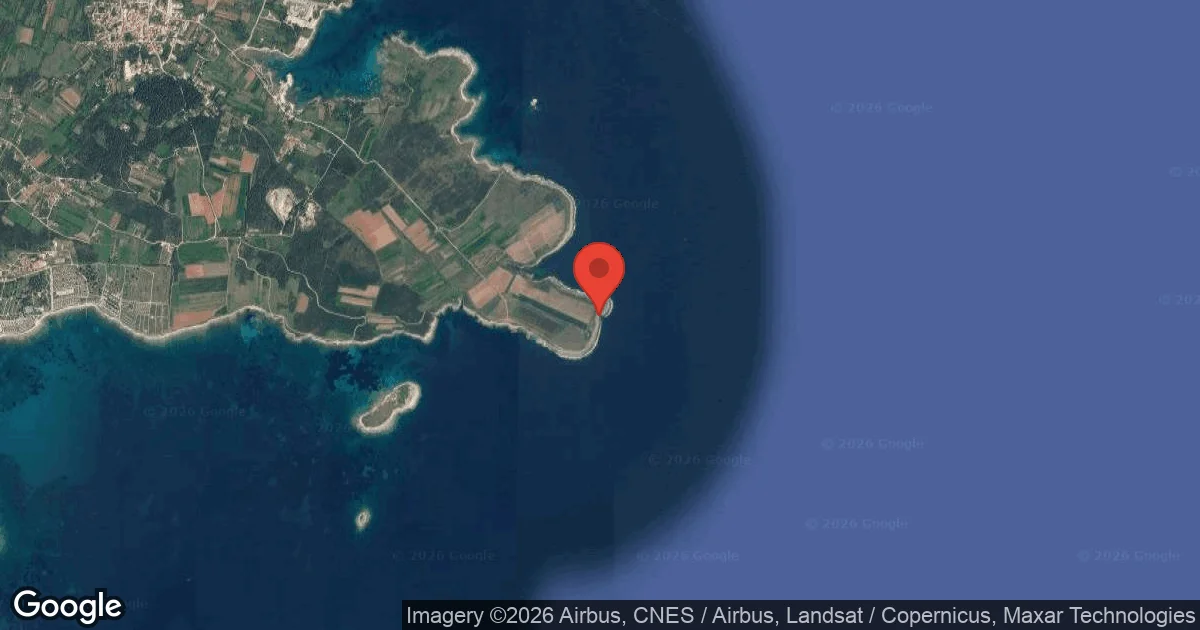
360°intermediateCape Marlera
BoatOcean
Max 12 m
2.2 km
beginnerCape Uljeva
ArchaeologicalOcean
Max 45 m
20.3 km
advancedTB 26 Flamingo
ArchaeologicalBoat
Max 30 m
11.4 km
advancedFenoliga Island
ArchaeologicalBoat
Max 14 m
4.5 km
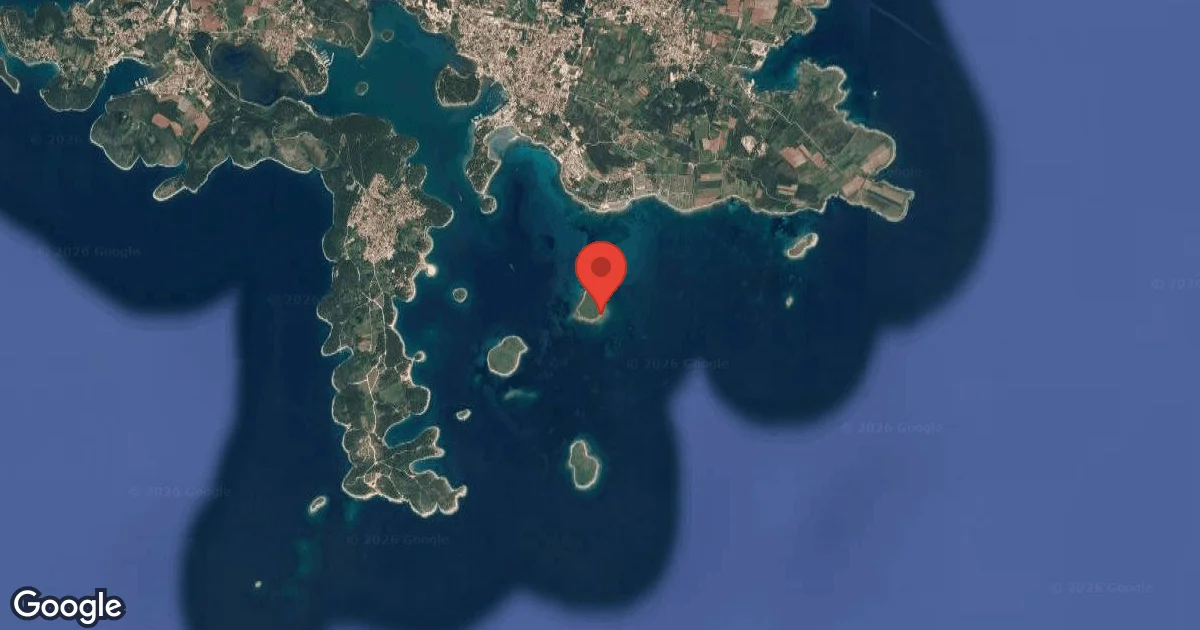
beginnerLokvica Cove
BeachBoat
Max 20 m
6.9 km
beginnerBodulaš Island
Anchor DiveBoat
Max 48 m
14.3 km
advancedWreck Luana
BoatDown Line
Max 38 m
5.9 km
advancedŠeka Levanić
BoatDown Line
Max 40 m
3 km
360°intermediateCape Marlera
BoatOcean
Max 12 m
2.2 km
beginnerCape Uljeva
ArchaeologicalOcean
Max 45 m
20.3 km
advancedTB 26 Flamingo
ArchaeologicalBoat
Max 30 m
11.4 km
advancedFenoliga Island
ArchaeologicalBoat
Max 14 m
4.5 km
beginnerLokvica Cove
BeachBoat
Max 20 m
6.9 km
beginnerBodulaš Island
Anchor DiveBoat
Max 42 m
17 km
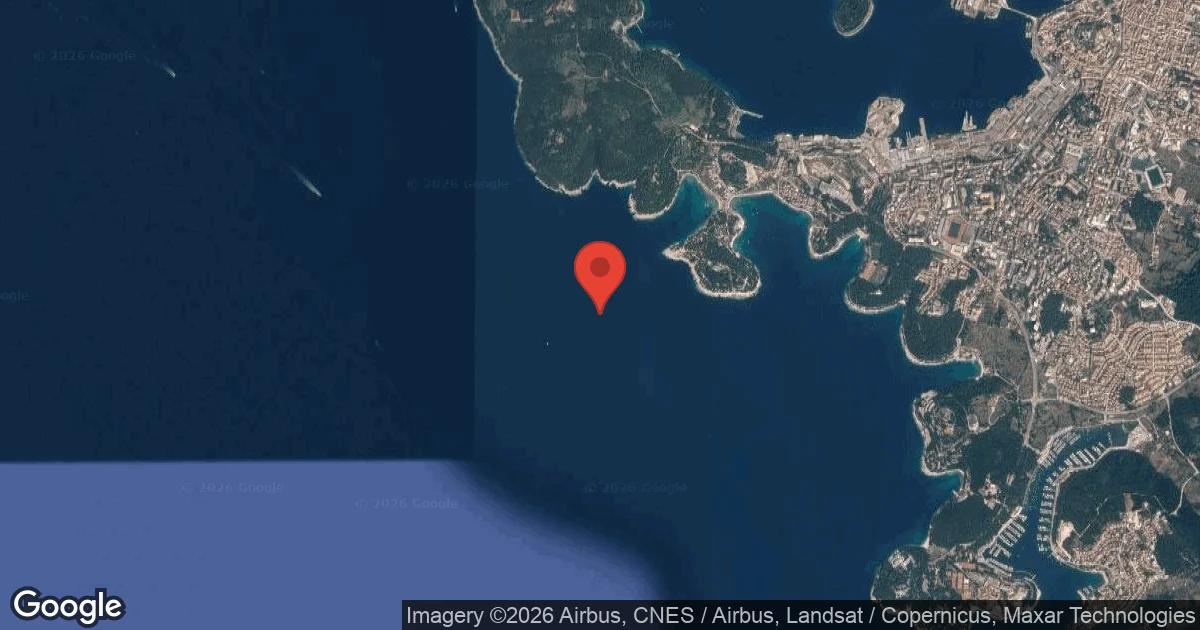
advancedSubmarine Medusa
BoatDown Line
Max 42 m
17.1 km
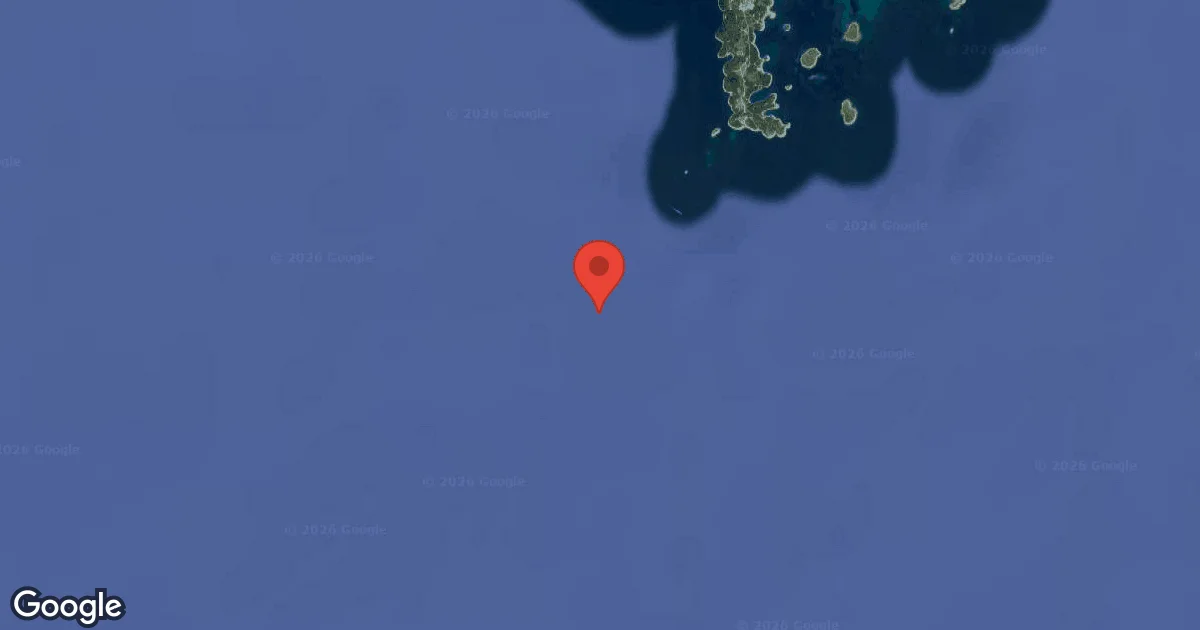
advancedSubmarine U-81
ArchaeologicalBoat
1 / 2
Dive Centers Near Cesare Rossarol
Working Hours
Sun09:30 - 19:00
Mon09:30 - 19:00
Tue09:30 - 19:00
Wed09:30 - 19:00
Thu09:30 - 19:00
Fri09:30 - 19:00
Sat09:30 - 19:00
Today: 09:30 - 19:00
Sun09:30 - 19:00
Mon09:30 - 19:00
Tue09:30 - 19:00
Wed09:30 - 19:00
Thu09:30 - 19:00
Fri09:30 - 19:00
Sat09:30 - 19:00
4.6| 244 reviews
7.4 km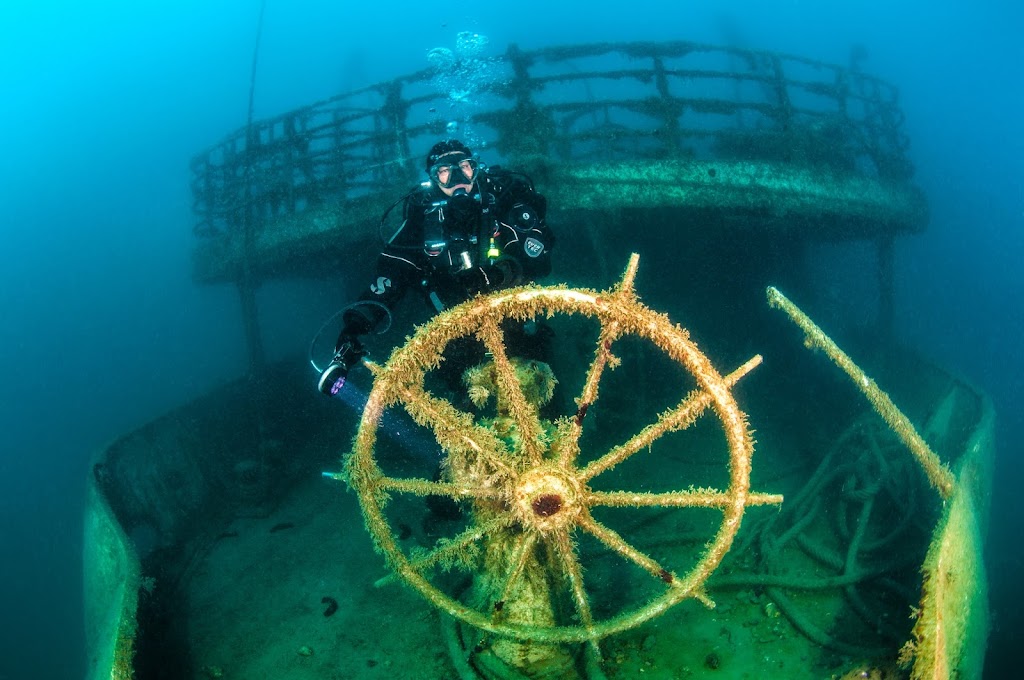
4.7| 211 reviews
13.4 km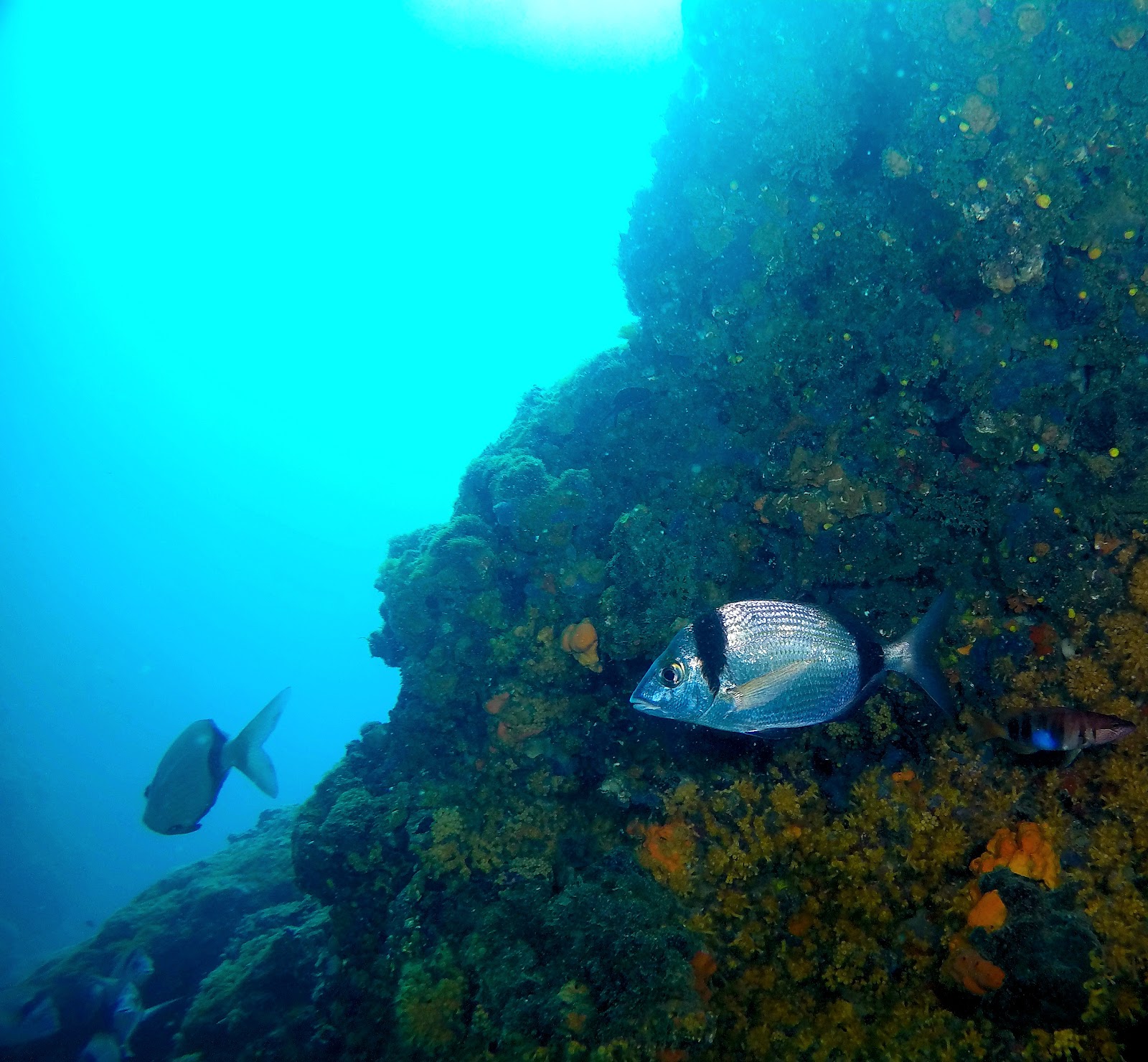
4.7| 129 reviews
13.7 km
Girandella Diving Centre
4.8(231)• 30.4 km
Marine Sport Dive Center
4.8(140)• 48.9 km
Triton Diving
4.8(132)• 48.4 km
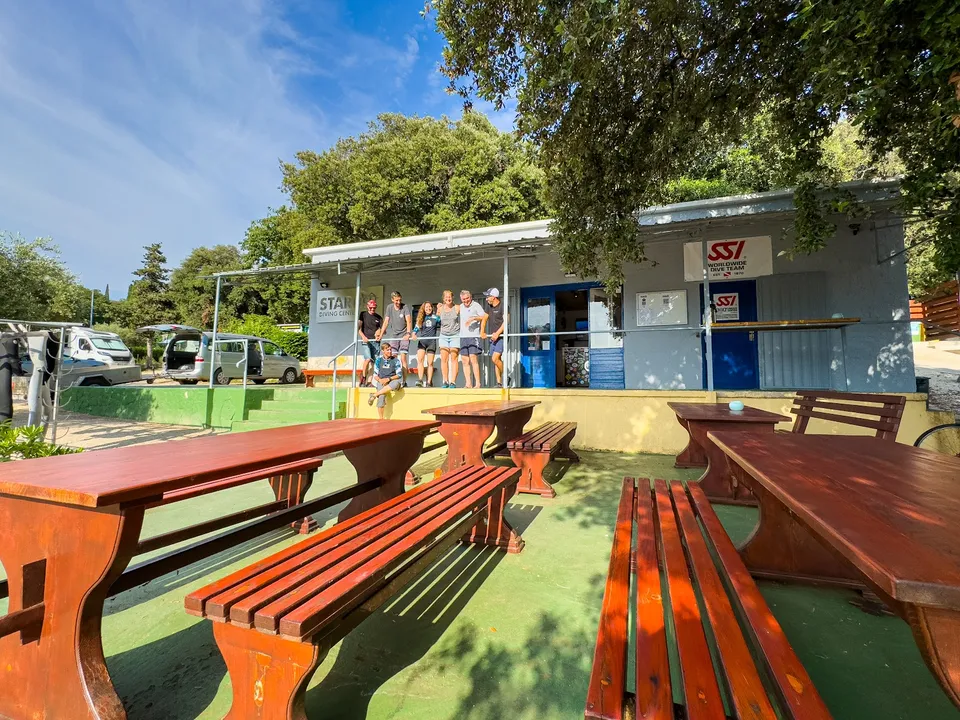
Starfish Diving Center
4.7(240)• 47.7 km
Nearest Airports
Nearest airports to help plan travel to this dive area.
Pula Airport PUY
10 km
Rijeka Airport RJK
61 km
Trieste Airport TRS
119 km
💵 Currency: EUR
Search Flights
Check available flights and routes on Expedia, using the nearby airports listed in this section.
Search Flights on ExpediaAffiliate link · Dive Navigator may earn a commission at no extra cost to you.
Frequently Asked Questions
Can divers explore both sections of Cesare Rossarol on a single dive?
No. The stern and inverted bow rest roughly 310 meters apart at 48 to 50 meters depth across open silt, so dive centers moor on and explore each section as a separate dedicated deep dive.
Is a special permit required to dive Cesare Rossarol?
Yes. Because 98 Italian sailors lost their lives in the sinking, the wreck is a protected war grave under Croatian cultural heritage law and may only be dived with specially licensed concessionaire dive centers.
Is wreck penetration permitted inside Cesare Rossarol?
Penetration is prohibited both out of respect for its protected war-grave status and because more than a century of corrosion has weakened the deck plates and narrow internal bulkheads.
Which section of Cesare Rossarol is more popular to dive first?
Most visiting teams dive the upright 30-meter stern section first because it sits slightly shallower on deck and displays the iconic 102 mm gun, anti-aircraft mount, rudder, and propeller shaft.
What gas mix and certification level are appropriate for this wreck?
Technical decompression training with normoxic trimix is strongly advised so divers can manage gas density and narcosis clearly during a 20-minute bottom phase at 50 meters.
How cold is the water on the wreck during summer?
Even when July and August surface temperatures climb to 25 degrees Celsius, a sharp thermocline keeps water at 45 to 50 meters around 13 to 15 degrees Celsius, making a drysuit ideal year-round.
Trip Inquiry
Planning to dive Cesare Rossarol?
Tell us your dates and diving needs. We'll review your request and seek offers from relevant local dive centers.
Request Dive Offers Free request for offers • No booking obligation
Cesare Rossarol
Conditions are Moderate
6/10
Confidence: 8/10
Indicates meteorological model agreement and data availability.
DIVE WARNING
High Wind Advisory (49km/h). Unsafe surface.
06:12
18:45
H: 10:45
L: 16:20
Air / Sea Temp
10° / 17°
Wave Height
1.0 m
Wind Speed
49 km/h ENE
Rain Chance
0%
Current conditions near Cesare Rossarol show 10° air, 17° sea temperature, 1.0 m waves, and 49 km/h wind. Forecast data is refreshed regularly to ensure accuracy.
Radius: ~12km
Updated: Nov 23, 2026, 05:35 local timeMARINE: OPEN-METEOWEATHER: YR.NO


