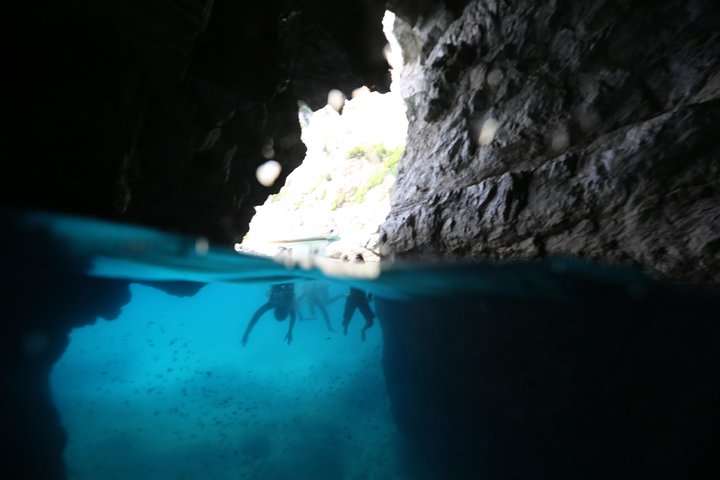
Loading...

Diving at Klačine Roman Wreck (Croatia)
Published
An in-situ underwater museum in the Mljet Channel where over a hundred 1st-century BC Roman Lamboglia 2 amphorae rest intact beneath a protective iron cage at 29 to 34 meters.
Early observations for Klačine Roman Wreck report a surface air temperature of 19°C. The water surface is currently presenting wave heights of 1.6 m. Consider these environmental metrics before beginning your descent.
Dive Site Location & Key Facts
Coordinates42.7232, 17.7055
Estimated Coordinates
Coordinates are estimated from the best available maritime charts and local dive references, as exact GPS pins are not publicly confirmed. Always verify the precise entry or mooring point with a local dive operator.
Site Characteristics
Max Depth34m / 112ft
Entry Typeboat
Water Typesalt
Dive Types
ArchaeologicalDeepWreck
Dive Site Overview
Lying in the Mljet Channel off the northern shore of eastern Mljet—roughly 1,200 meters north of Korita and east of sheltered Okuklje Bay near Cape Maharac at the Klačine locality—this 1st-century BC Roman shipwreck preserves a vivid snapshot of Late Republican Adriatic wine and oil commerce. Sailing the busy coastal sea lane between the Pelješac Peninsula and Mljet, the wooden merchantman sank onto a sloping rocky-sandy seabed just west of a small submerged reef between 29 and 34 meters.
Over two millennia, the vessel's exposed upper hull decayed while surviving lower ship timbers remained sealed beneath protective marine sand. Above the sediment, its tightly stowed cargo of more than one hundred Lamboglia 2 amphorae fused together with calcareous coralline concretions, preserving the classic mound silhouette of an unplundered ancient cargo carrier.
Following archaeological documentation in 2001, Croatian underwater heritage authorities enclosed the entire amphora mound inside a custom-welded galvanized-iron protective cage—pioneering Croatia's celebrated underwater museum model that safeguards fragile antiquities in situ while allowing permitted divers unobstructed visual inspection through the grid.
Klačine Roman Wreck
Conditions are Poor
4/10
Confidence: 8/10
Indicates meteorological model agreement and data availability.
DIVE WARNING
High Wind Advisory (50km/h). Unsafe surface.
06:12
18:45
H: 10:45
L: 16:20
Air / Sea Temp
19° / 19°
Wave Height
1.8 m
Wind Speed
50 km/h NNW
Rain Chance
50%
Current conditions near Klačine Roman Wreck show 19° air, 19° sea temperature, 1.8 m waves, and 50 km/h wind. Forecast data is refreshed regularly to ensure accuracy.
Radius: ~12km
Updated: Nov 22, 2026, 23:34 local timeMARINE: OPEN-METEOWEATHER: YR.NO
Best Time to Dive
The Klačine Roman Wreck is best dived from May through October, when calm Mljet Channel conditions make boat positioning and shot-line descents comfortable and precise. Because the site sits on Mljet's northern shoreline facing Pelješac, it enjoys natural shelter from southerly jugo swells that close southern island sites.
Summer surface temperatures reach 23–25°C from June through September, but at 29 to 34 meters below the Adriatic thermocline, water temperatures remain a cool 15–16°C throughout the season. Early morning departures before afternoon maestral winds funnel down the Mljet Channel offer the smoothest boat rides.
Avoid scheduling dives here during strong northeasterly bura episodes, which blow directly off the Pelješac mountains across the channel and create steep surface chop over Cape Maharac.
PEAK SEASON SCORE
94/100
ExcellentScores combine air & water temps, waves, wind & rainfall for overall conditions.
BEST MONTHS TO DIVE
JUN
JUL
AUG
DIVE SCORE GUIDE (0–100)
Excellent (90–100)
Very Good (80–89)
Good (70–79)
Moderate (50–69)
Poor (30–49)
Not Recommended (0–29)
Monthly records compiled from satellite and marine observation nodes over the last 3 years. Data provided by Open-Meteo and MET Norway.
Dive Experience & Conditions
Licensed dive vessels position carefully off Cape Maharac and deploy a descent line so teams drop cleanly to the edge of the submerged reef without disturbing the archaeological zone. Emerging through 20 to 30 meters of clear blue channel water, divers are greeted by the striking geometric grid of the galvanized-iron cage spanning the amphora mound from 29 down to 34 meters.
Cruising slowly around the perimeter and hovering just above the cage roof, divers can examine over a hundred intact and necked Lamboglia 2 amphorae still stacked in rows, encrusted with vibrant pink coralline algae, sponges, and serpulid worm tubes. Neither entry beneath the cage nor physical contact with the mesh is permitted, keeping visibility pristine across the sandy apron.
After spending 15 to 20 minutes circling and photographing the cargo mound—especially rewarding on enriched air nitrox—teams ascend along the adjacent rocky reef slope toward Cape Maharac to complete an unhurried safety stop in warmer shallow water.
Dive Difficulty & Safety Guidelines
Strict archaeological discipline governs every dive at Klačine: the site is inscribed in the Croatian Register of Cultural Goods (Z-88) within Protected Zone 32, where independent diving and anchoring are prohibited by law. Access is granted exclusively through dive centers holding a valid Ministry of Culture concession, with strict group-size supervision.
Maintain neutral, horizontal trim at least half a meter clear of the protective iron cage at all times—both to avoid stirring fine sediment around the amphorae and to prevent entanglement or contact with weathered metal sections of the structure. Never insert cameras, torches, or hands through the grid bars.
At 29 to 34 meters, no-decompression time passes quickly on air; using nitrox (such as EAN32) significantly increases safety margins and bottom time while allowing divers to inspect the entire cargo perimeter unhurriedly.
Recommended Equipment
Deep dive hazard. Increased narcosis and gas consumption risk.
Overhead / entanglement risk. Wreck penetration requires proper training.
- Dive Computer
- DSMB
- Primary & Backup Lights
- Wreck Reel
- Cutting Tool
This gear list is based on verified equipment signals for Klačine Roman Wreck, Croatia. Always confirm final gear choices with your dive operator, guide, or liveaboard.
Recommended Dive Suit
Forecasts suggest a slight cooling pattern in the days ahead. Cooler days are ahead; you might want a warmer option for later in the week. A hood or vest can noticeably improve warmth during longer dives.
Many experienced divers would consider 5mm wetsuit an appropriate choice here. Strong winds are present; please take strong precautions against rapid cooling during surface intervals. Surface intervals may feel cooler.
At Klačine Roman Wreck, the water is currently sitting around 19°C (66°F). Surface air temperatures are resting at 19°C (66°F).
Klačine Roman Wreck conditions last reviewed: 23:34 local time (UTC+1), Nov 22, 2026
Emergency & Medical Support
Essential information to help you plan your dive trip to Klačine Roman Wreck.

Hyperbaric chambers are a critical part of dive safety infrastructure. Availability varies significantly by region, and not all dive areas have immediate access.
Before diving, it's recommended to:
- confirm nearest medical facilities
- check emergency procedures with local dive operators
- ensure dive insurance covers evacuation if required
24/7 Available
Divers Alert Network
Diving emergency assistance available through DAN Europe.
+39 0642115685- 24/7 emergency hotline
- Diving medical assistance
- Evacuation coordination
Emergency contacts are provided for reference. Always verify local emergency services before diving.
Closest Listed Hyperbaric Chambers (≤ 200 km)
Approximate straight-line distances from this dive site — emergency travel times may vary.
133 km133 kmZavod za pomorsku medicinu Split – Odjel za podvodnu i hiperbaričnu medicinu
Split, Croatia24/7ICU194Details133 kmZavod za pomorsku medicinu Split – Odjel za podvodnu i hiperbaričnu medicinu
24/7 ListedICU CapableSplit, Croatia · Multiplace
24/7 Emergency194CollapseHours: 24/7 EmergencyFacility: Zavod za pomorsku medicinu / KBC Split (Križine)ICU On-Site: YesSource: KBC Rijeka / Poliklinika OXY
133 km
Zavod za pomorsku medicinu Split – Odjel za podvodnu i hiperbaričnu medicinu
Split, Croatia24/7ICU194Details
133 km
Zavod za pomorsku medicinu Split – Odjel za podvodnu i hiperbaričnu medicinu
24/7 ListedICU CapableSplit, Croatia · Multiplace
24/7 Emergency194
CollapseHours: 24/7 Emergency
Facility: Zavod za pomorsku medicinu / KBC Split (Križine)
ICU On-Site: Yes
Source: KBC Rijeka / Poliklinika OXY
Chamber data is sourced from official Croatian hospital and baromedicine facility records and has not been independently verified by Dive Navigator. Always contact local emergency services, DAN, your dive operator, or the facility directly before travelling.
Reference onlyMarine Life at Klačine Roman Wreck
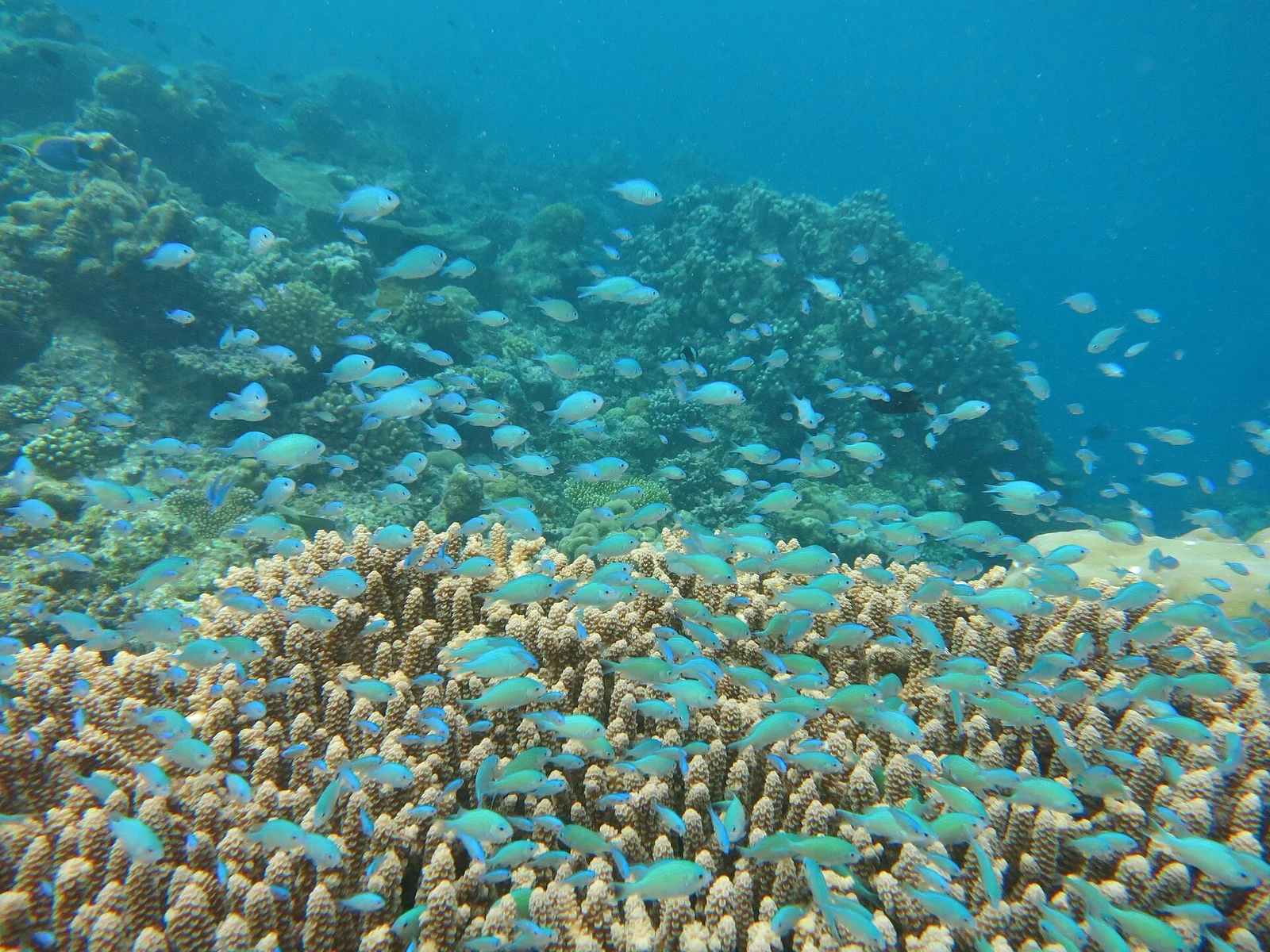
Over more than two decades on the seabed, both the ancient ceramic amphora mound and its surrounding galvanized cage have evolved into a thriving artificial-and-archaeological oasis on the northern Mljet slope. Bright orange and violet encrusting sponges, colonial ascidians, and lacy bryozoans coat the amphora shoulders and cage struts.
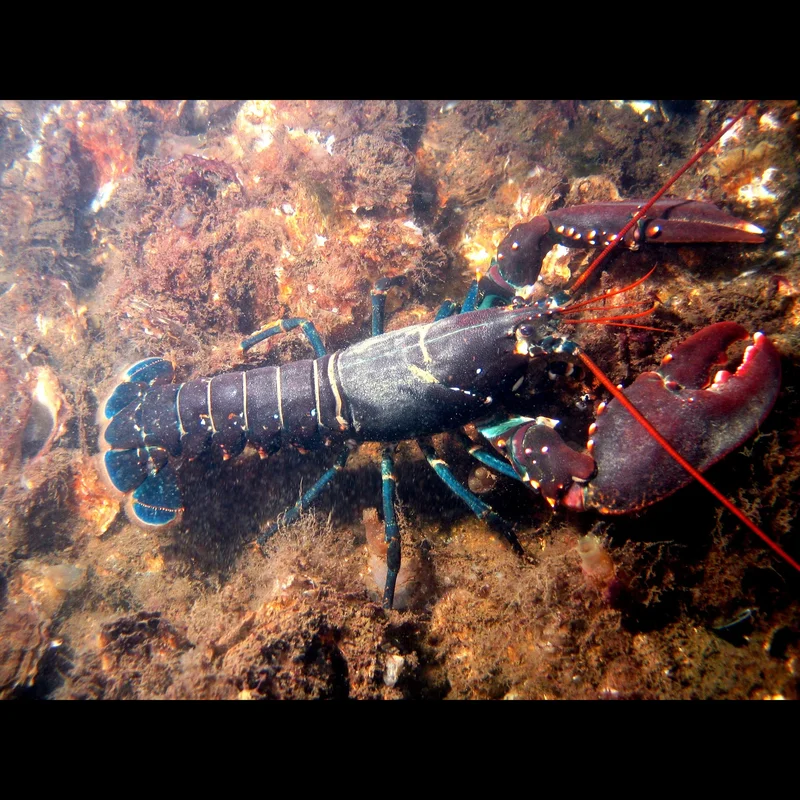
Inside the protected recesses between ceramic necks—completely safe from fishing gear—curious common octopuses, moray eels, conger eels, and juvenile European lobsters establish permanent dens, while well-camouflaged red scorpionfish perch motionless along the base of the cage.
Above the cage grid, schools of Mediterranean damselfish, bogues, and white sea bream hover in midwater, watched closely by resident dusky groupers patrolling the adjacent rocky reef.
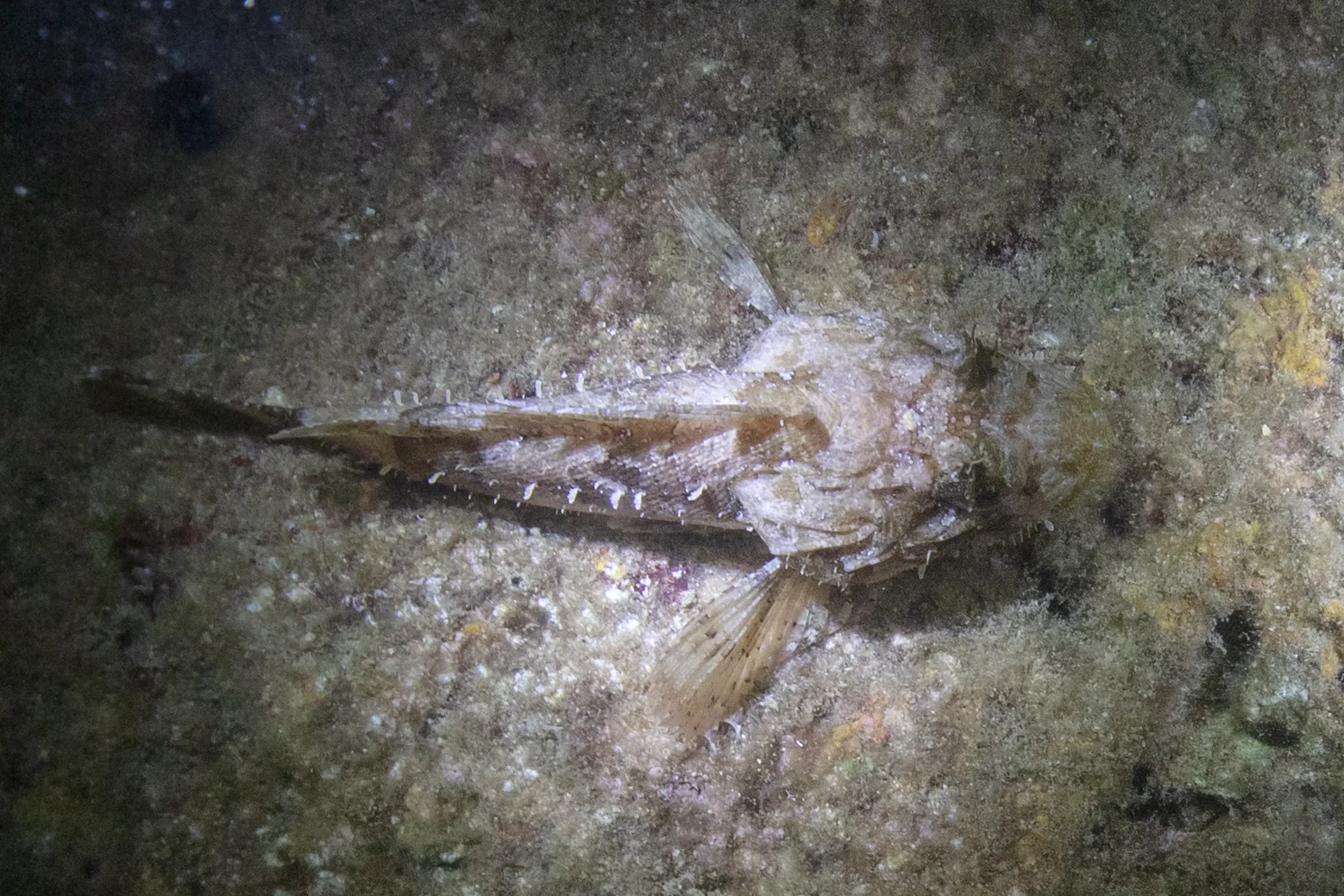
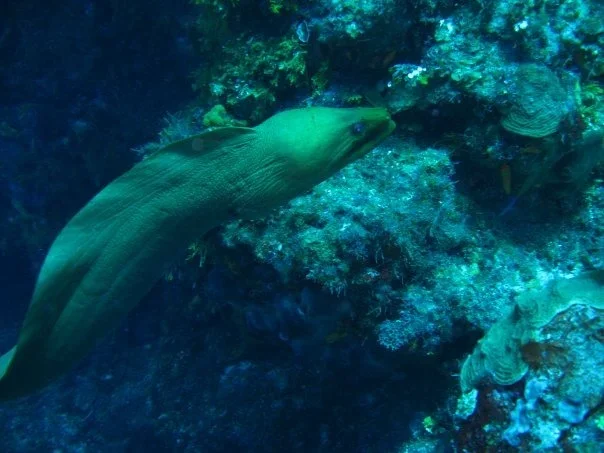
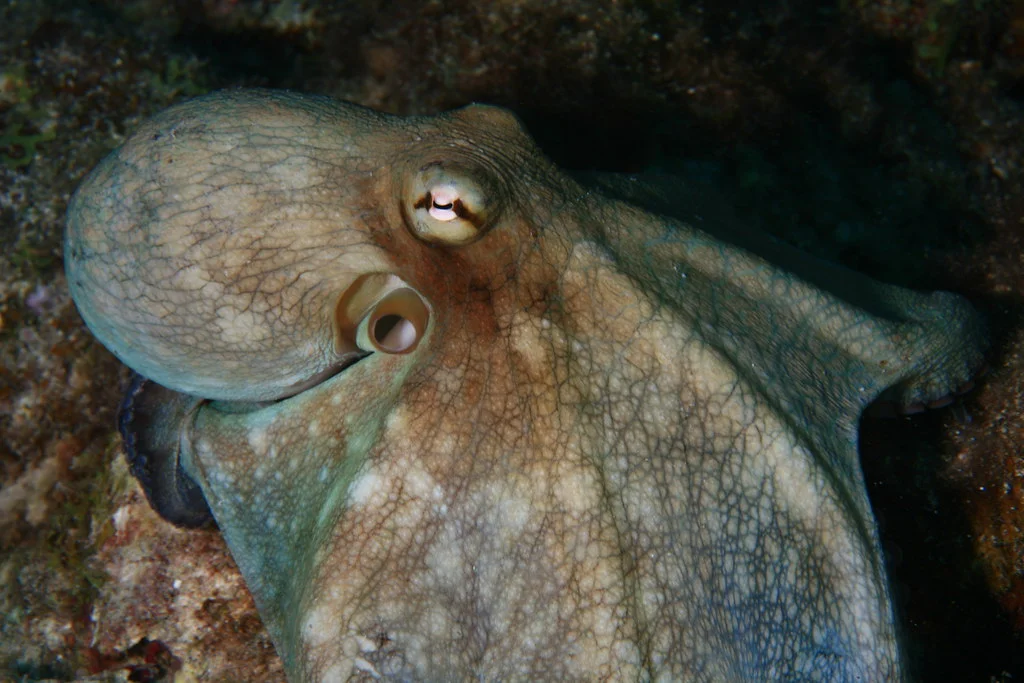
1 / 2
Image contributors:Diego Delso, laszlo-photo + 2 more
Want to contribute photos or local dive knowledge? Learn how to contributeDive Sites Near Klačine Roman Wreck
View all dive sites in CroatiaDiscover more underwater gems in this area.
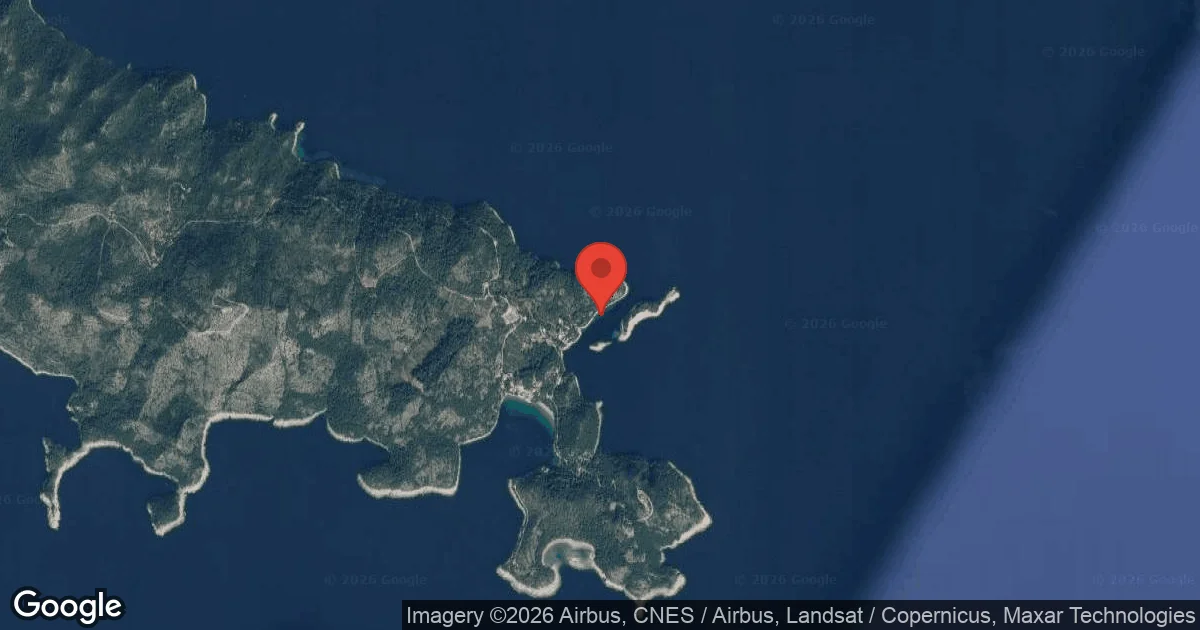
Max 31 m
3.8 km
advancedVeli Školj Roman Sarcophagi Wreck
BoatChannel
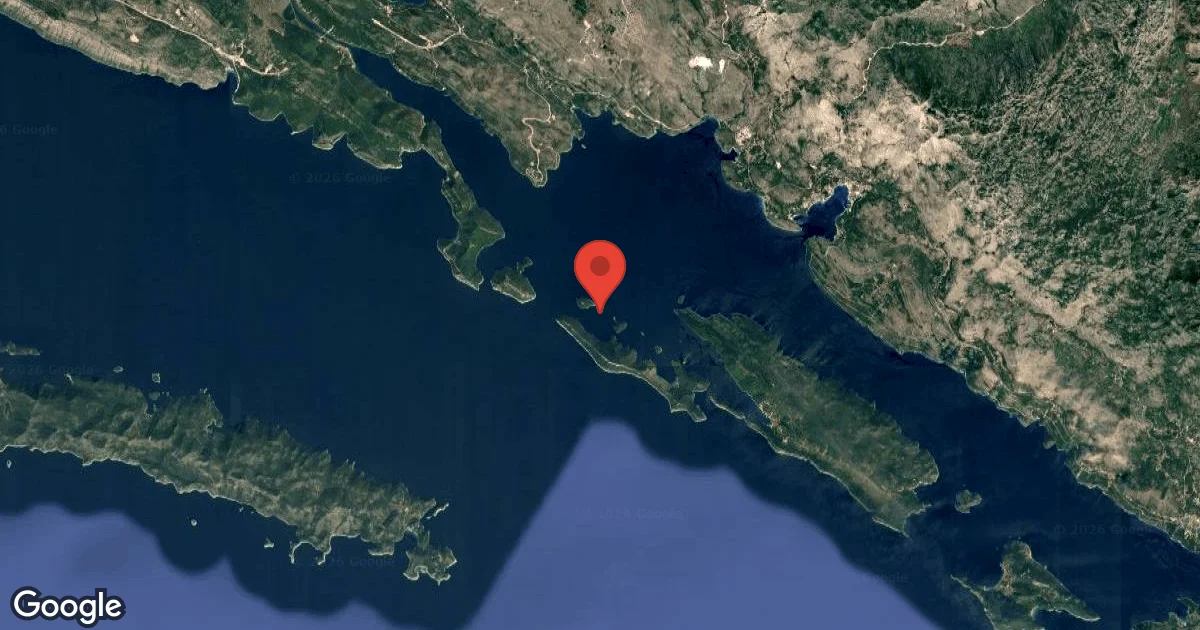
Max 37 m
8.8 km
advancedJakljan Roman Sarcophagi Wreck
BoatChannel
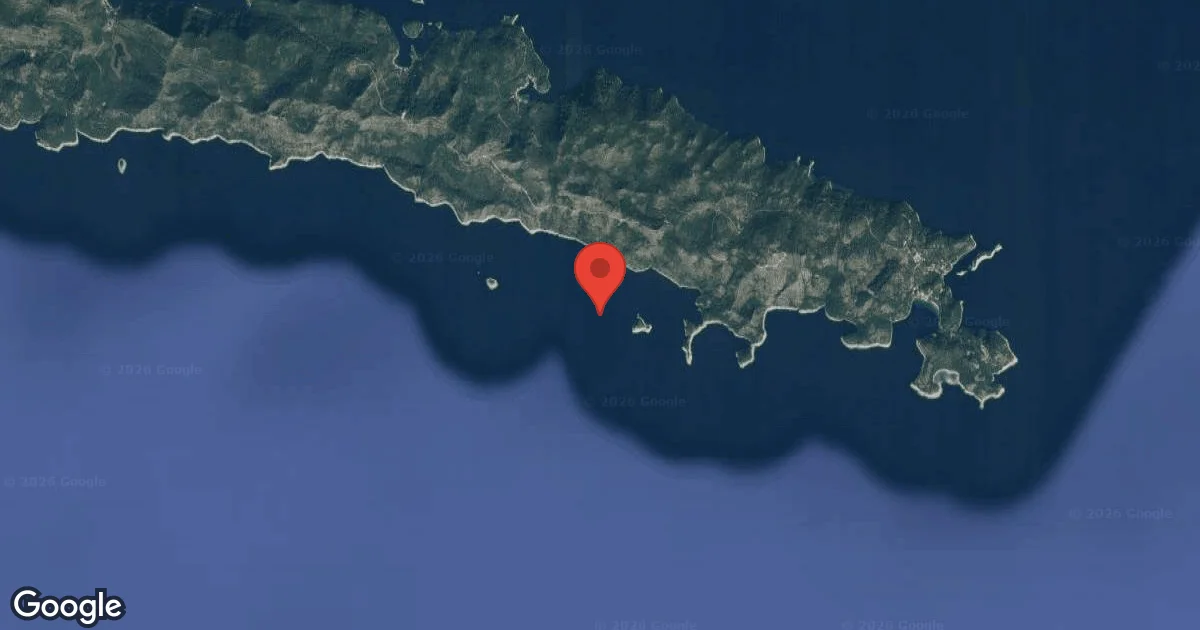
Max 46 m
3.4 km
advancedSveti Pavao Shallows Venetian Wreck
BoatDown Line
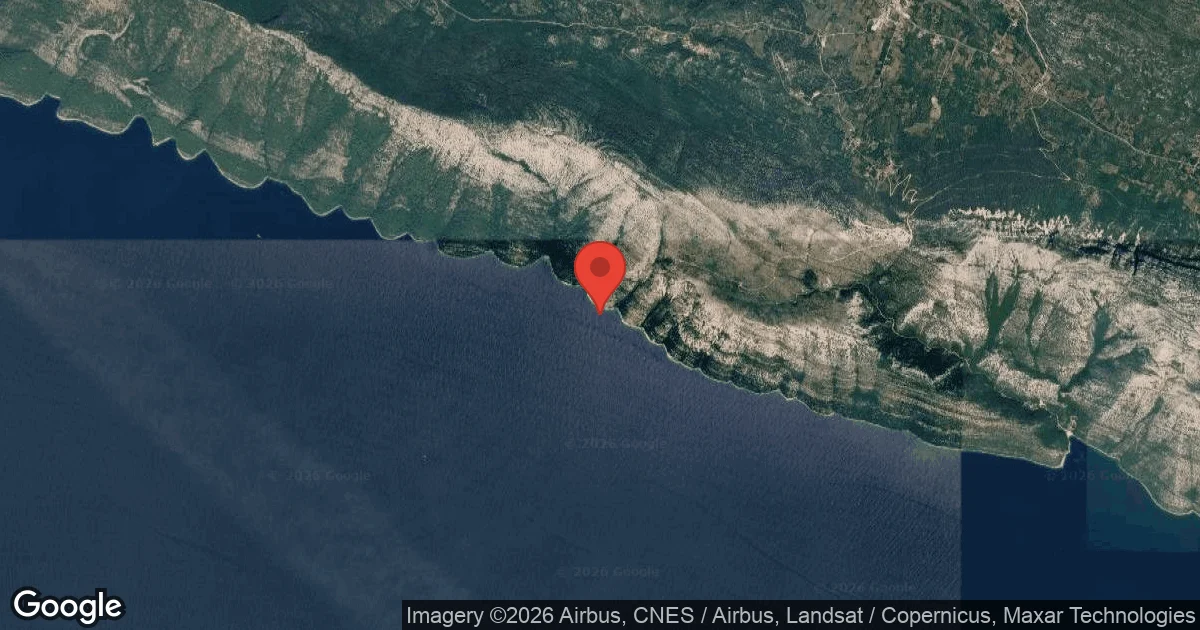
Max 39 m
22.2 km
advancedSchnellboot S-57
BoatDown Line
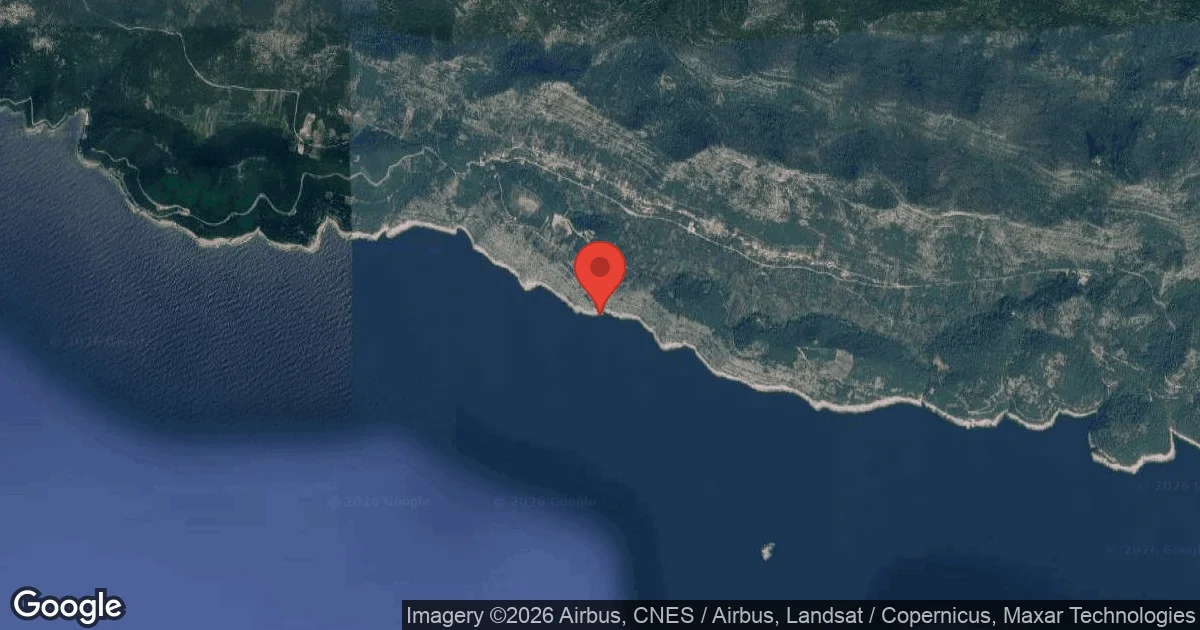
Max 40 m
13.3 km
360°intermediateOdysseus Cave
BoatCanyon
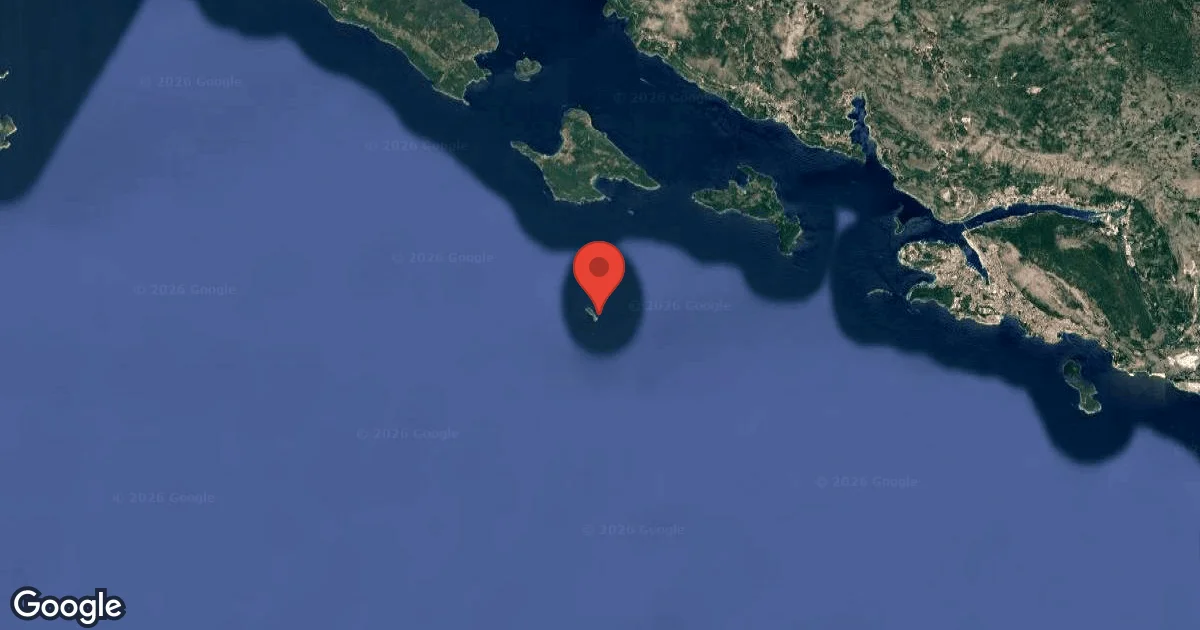
Max 80 m
22.1 km
St. Andrew Islet
BoatCavern
Max 31 m
3.8 km
advancedVeli Školj Roman Sarcophagi Wreck
BoatChannel
Max 37 m
8.8 km
advancedJakljan Roman Sarcophagi Wreck
BoatChannel
Max 46 m
3.4 km
advancedSveti Pavao Shallows Venetian Wreck
BoatDown Line
Max 39 m
22.2 km
advancedSchnellboot S-57
BoatDown Line
Max 40 m
13.3 km
360°intermediateOdysseus Cave
BoatCanyon
Max 80 m
22.1 km
St. Andrew Islet
BoatCavern
Dive Centers Near Klačine Roman Wreck
Working Hours
SunClosed
Mon09:00 - 17:00
Tue09:00 - 17:00
Wed09:00 - 17:00
Thu09:00 - 17:00
Fri09:00 - 17:00
Sat09:00 - 17:00
Today: 09:00 - 17:00
SunClosed
Mon09:00 - 17:00
Tue09:00 - 17:00
Wed09:00 - 17:00
Thu09:00 - 17:00
Fri09:00 - 17:00
Sat09:00 - 17:00
Nearest Airports
Nearest airports to help plan travel to this dive area.
Dubrovnik Ruđer Bošković Airport DBV
49 km
Tivat Airport TIV
91 km
Brač Airport BWK
104 km
💵 Currency: EUR
Search Flights
Check available flights and routes on Expedia, using the nearby airports listed in this section.
Search Flights on ExpediaAffiliate link · Dive Navigator may earn a commission at no extra cost to you.
Frequently Asked Questions
Can independent divers visit the Klačine Roman Wreck from a private boat?
No. Klačine is a legally protected underwater cultural monument (Z-88) in Ministry of Culture Zone 32; independent diving and anchoring are forbidden, and visits are allowed only with specially licensed dive centers.
Which side of Mljet is the Klačine wreck located on?
The wreck lies off Mljet's northern coast in the Mljet Channel near Cape Maharac, between Okuklje and Korita, roughly 1,200 meters north of Korita village.
Why is the wreck covered by an iron cage?
Installed in 2001 after archaeological documentation, the welded galvanized-iron cage protects more than a hundred intact 1st-century BC Lamboglia 2 amphorae from looting and anchor damage while letting divers view the cargo in situ.
Can divers swim inside the protective cage?
No. Penetration inside the cage is strictly closed; the mesh spacing is designed specifically so divers can clearly observe and photograph the amphora cargo from outside the grid.
What did Lamboglia 2 amphorae carry in antiquity?
Produced primarily along the Adriatic coast during the late 2nd and 1st centuries BC, thick-walled Lamboglia 2 amphorae were the standard Roman Republican transport jars for wine—and occasionally olive oil—shipped along Dalmatian trade routes.
Is enriched air nitrox useful for this dive?
Yes. Because the entire amphora mound sits on a narrow depth band between 29 and 34 meters, diving on EAN32 extends no-decompression bottom time comfortably while maintaining conservative safety margins.
Trip Inquiry
Planning to dive Klačine Roman Wreck?
Tell us your dates and diving needs. We'll review your request and seek offers from relevant local dive centers.
Request Dive Offers Free request for offers • No booking obligation
Klačine Roman Wreck
Conditions are Poor
4/10
Confidence: 8/10
Indicates meteorological model agreement and data availability.
DIVE WARNING
High Wind Advisory (50km/h). Unsafe surface.
06:12
18:45
H: 10:45
L: 16:20
Air / Sea Temp
19° / 19°
Wave Height
1.8 m
Wind Speed
50 km/h NNW
Rain Chance
50%
Current conditions near Klačine Roman Wreck show 19° air, 19° sea temperature, 1.8 m waves, and 50 km/h wind. Forecast data is refreshed regularly to ensure accuracy.
Radius: ~12km
Updated: Nov 22, 2026, 23:34 local timeMARINE: OPEN-METEOWEATHER: YR.NO