Loading...

Diving at Veli Školj Roman Sarcophagi Wreck (Croatia)
Published
One of only three ancient sarcophagus-cargo shipwrecks discovered in the Croatian Adriatic, lying encrusted with reef life at 31 meters off Mljet's southeastern Veli Školj Islet.
Current morning readings from Veli Školj Roman Sarcophagi Wreck indicate an air temperature of 15.5°C. Surface wave heights are averaging around 1.1 m at this time. These local measurements provide a baseline for your daily dive planning.
Dive Site Location & Key Facts
Site Characteristics
Max Depth31m / 102ft
Entry Typeboat
Water Typesalt
Dive Types
ArchaeologicalReefWreck
Dive Site Overview
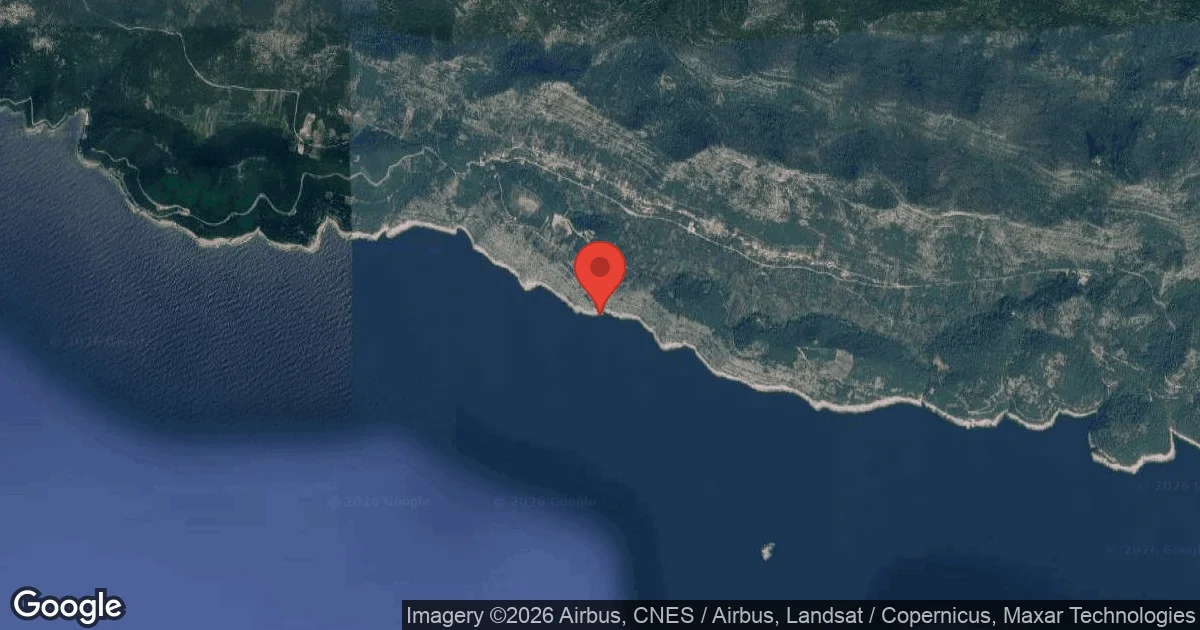
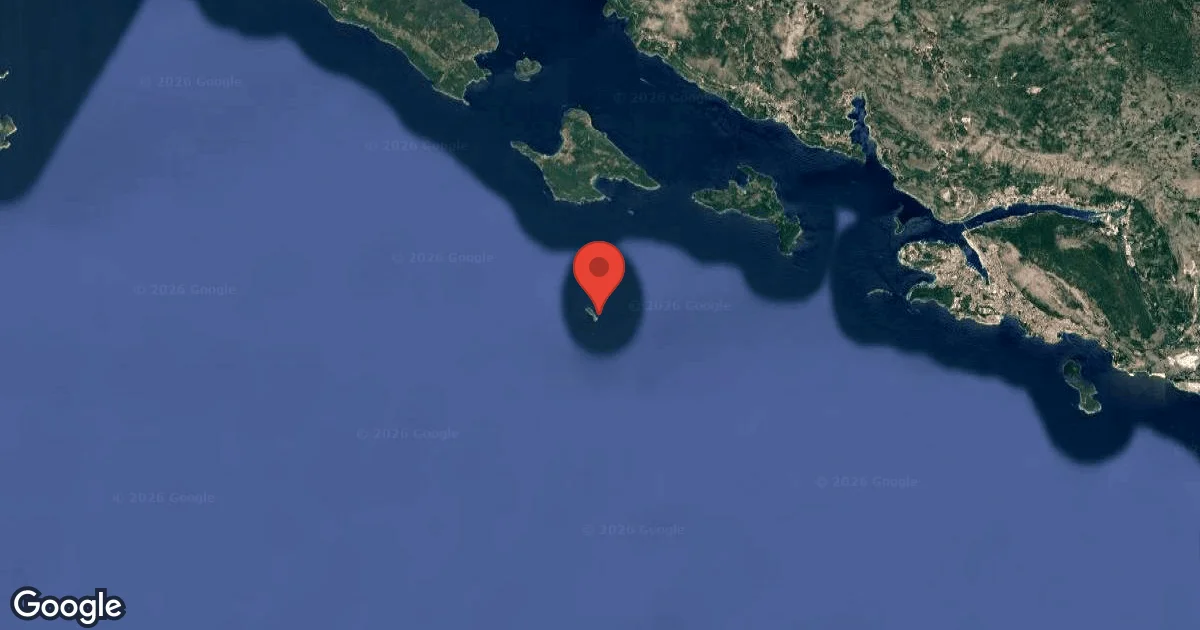
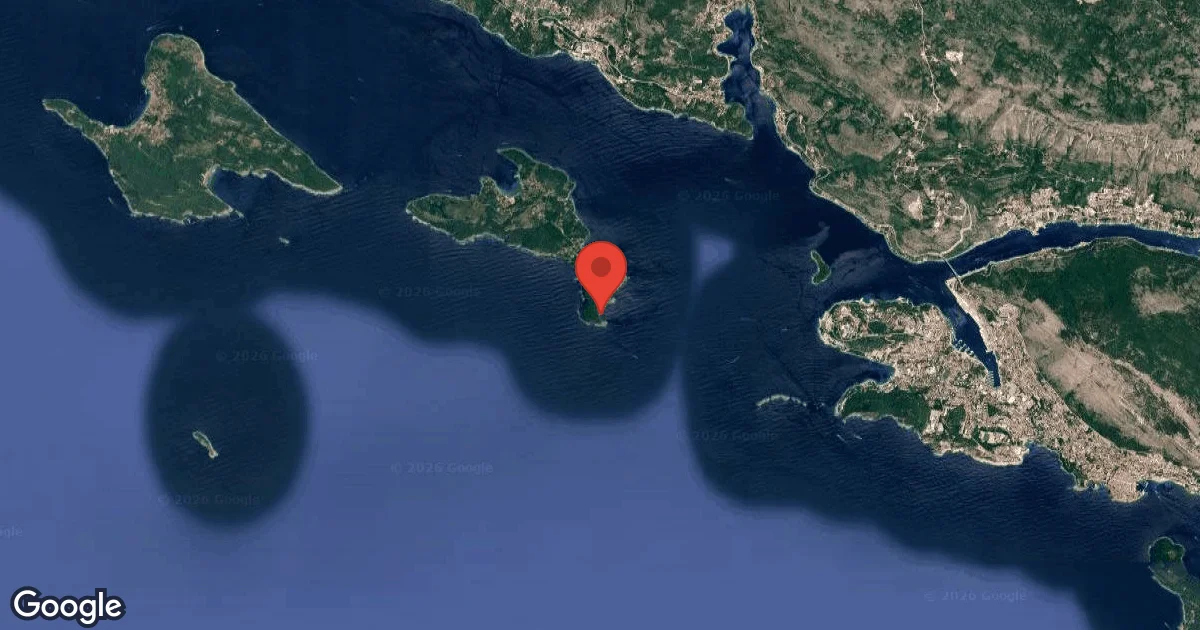
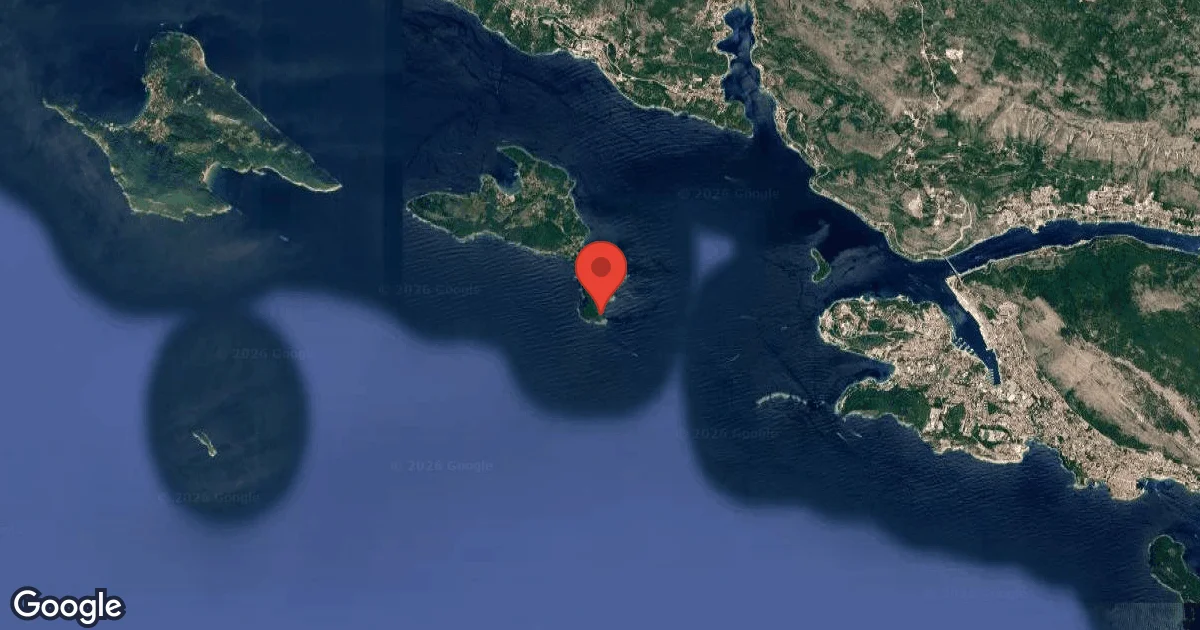
Set at the extreme southeastern tip of Mljet outside the pine-fringed sandy coves of Saplunara and Cape Vratnički, uninhabited Veli Školj (Veliki Školj) marks the strategic maritime crossroads where the Mljet Channel meets the open southern Adriatic and Elafiti sea lanes. Roughly 100 meters north of Veli Školj at a depth of 30 to 31 meters rests one of Dalmatia's rarest Roman cargoes: an early-2nd-century AD merchantman lost while transporting heavy carved stone sarcophagi and basins.
First surveyed by maritime archaeologists from Dubrovnik in 1975 and re-examined by the Croatian Conservation Institute in 2009, the site comprises approximately fifteen rectangular stone elements—including hollowed stone chests measuring roughly 155 to 220 centimeters in length by 90 to 100 centimeters in width alongside accompanying stone slabs and lids. Ceramic finds scattered among the stones, including Hispanic and Dressel 6 amphora fragments, oinohoe jugs, and Aegean Eastern Coarse Ware galley vessels, anchor the wreck to the Roman Imperial high-water mark around AD 100–150.
Nearly two thousand years underwater have fused the limestone chests seamlessly into the rocky seabed under thick crusts of calcified algae, sponges, and bryozoans, requiring a keen archaeological eye to trace the crisp rectangular corners and hollowed interiors emerging from the living reef.
Veli Školj Roman Sarcophagi Wreck
Conditions are Poor
4/10
Confidence: 8/10
Indicates meteorological model agreement and data availability.
DIVE WARNING
High Wind Advisory (42km/h). Unsafe surface.
06:12
18:45
H: 10:45
L: 16:20
Air / Sea Temp
16° / 19°
Wave Height
1.8 m
Wind Speed
42 km/h N
Rain Chance
100%
Current conditions near Veli Školj Roman Sarcophagi Wreck show 16° air, 19° sea temperature, 1.8 m waves, and 42 km/h wind. Forecast data is refreshed regularly to ensure accuracy.
Radius: ~12km
Updated: Nov 22, 2026, 16:27 local timeMARINE: OPEN-METEOWEATHER: YR.NO
Best Time to Dive
The prime window runs from May through October, when calm channel weather allows smooth boat positioning between Veli Školj and Cape Vratnički. Summer months from June through September deliver bright underwater light that helps distinguish the rectilinear shapes of the encrusted sarcophagi at 31 meters.
Surface temperatures climb to 24–26°C in peak summer, while a thermocline around 18 to 22 meters keeps the 31-meter wreck bed at a refreshing 16–17°C. Early mornings offer the lightest currents through the strait off Saplunara before afternoon sea breezes freshen.
Because southeastern Mljet lies exposed to open-channel fetch from both northeasterly bura and southeasterly jugo winds, select settled high-pressure days for optimal 25-to-30-meter visibility.
PEAK SEASON SCORE
94/100
ExcellentScores combine air & water temps, waves, wind & rainfall for overall conditions.
BEST MONTHS TO DIVE
JUN
JUL
AUG
DIVE SCORE GUIDE (0–100)
Excellent (90–100)
Very Good (80–89)
Good (70–79)
Moderate (50–69)
Poor (30–49)
Not Recommended (0–29)
Monthly records compiled from satellite and marine observation nodes over the last 3 years. Data provided by Open-Meteo and MET Norway.
Dive Experience & Conditions
Descending from the dive boat off Veli Školj's northern flank, teams follow the sloping rocky reef northward across boulders and sand patches down to 30–31 meters. At first glance, the cargo blends remarkably into the surrounding reef, until rectangular parallel walls and hollowed stone basins—up to 2.2 meters long—reveal the unmistakable geometry of Roman quarry workmanship.
Hovering just above the seabed with a dive torch, divers can trace five clearly hollowed chests and roughly ten encrusted stone lids and slabs fused to the rock, imagining the immense deadweight stability challenge faced by the ancient wooden ship as waves swept around Mljet's eastern cape.
After thoroughly exploring the 31-meter stone scatter within conservative no-decompression limits, divers swim gently southward back up the sloping northern reef of Veli Školj, ascending across boulder steps from 20 down to 5 meters for a bright, fish-filled safety stop.
Dive Difficulty & Safety Guidelines
All submerged antiquities in Croatian waters are strictly protected by national cultural heritage legislation. Never scrape marine growth off the sarcophagi to inspect stonework, never disturb ceramic sherds resting inside or beside the hollowed chests, and never drop anchors near the cargo field.
Watch currents carefully in the passage north of Veli Školj, where flow rounding Cape Vratnički between the Mljet Channel and open southern Adriatic can pick up noticeably during tidal changes. Agree on turn pressures and ascent headings back toward the sheltered islet slope before entering.
At 30 to 31 meters depth, enriched air nitrox provides a comfortable buffer over air no-decompression limits while allowing unhurried visual study of all fifteen stone elements.
Recommended Equipment
Deep dive hazard. Increased narcosis and gas consumption risk.
Overhead / entanglement risk. Wreck penetration requires proper training.
- Dive Computer
- DSMB
- Primary & Backup Lights
- Wreck Reel
- Cutting Tool
This gear list is based on verified equipment signals for Veli Školj Roman Sarcophagi Wreck, Croatia. Always confirm final gear choices with your dive operator, guide, or liveaboard.
Recommended Dive Suit
Divers visiting Veli Školj Roman Sarcophagi Wreck today can expect water conditions around 19°C (66°F). Surface air temperatures are resting at 16°C (60°F).
5mm wetsuit is generally considered suitable for water temperatures like this. Consider warmer surface protection (like a boat coat) due to brisk winds. A thermal robe or jacket is recommended between dives.
Forecast trends indicate similar diving conditions over the next few days.
Veli Školj Roman Sarcophagi Wreck conditions last reviewed: 16:27 local time (UTC+1), Nov 22, 2026
Emergency & Medical Support
Essential information to help you plan your dive trip to Veli Školj Roman Sarcophagi Wreck.

Hyperbaric chambers are a critical part of dive safety infrastructure. Availability varies significantly by region, and not all dive areas have immediate access.
Before diving, it's recommended to:
- confirm nearest medical facilities
- check emergency procedures with local dive operators
- ensure dive insurance covers evacuation if required
24/7 Available
Divers Alert Network
Diving emergency assistance available through DAN Europe.
+39 0642115685- 24/7 emergency hotline
- Diving medical assistance
- Evacuation coordination
Emergency contacts are provided for reference. Always verify local emergency services before diving.
Closest Listed Hyperbaric Chambers (≤ 200 km)
Approximate straight-line distances from this dive site — emergency travel times may vary.
137 km137 kmZavod za pomorsku medicinu Split – Odjel za podvodnu i hiperbaričnu medicinu
Split, Croatia24/7ICU194Details137 kmZavod za pomorsku medicinu Split – Odjel za podvodnu i hiperbaričnu medicinu
24/7 ListedICU CapableSplit, Croatia · Multiplace
24/7 Emergency194CollapseHours: 24/7 EmergencyFacility: Zavod za pomorsku medicinu / KBC Split (Križine)ICU On-Site: YesSource: KBC Rijeka / Poliklinika OXY
137 km
Zavod za pomorsku medicinu Split – Odjel za podvodnu i hiperbaričnu medicinu
Split, Croatia24/7ICU194Details
137 km
Zavod za pomorsku medicinu Split – Odjel za podvodnu i hiperbaričnu medicinu
24/7 ListedICU CapableSplit, Croatia · Multiplace
24/7 Emergency194
CollapseHours: 24/7 Emergency
Facility: Zavod za pomorsku medicinu / KBC Split (Križine)
ICU On-Site: Yes
Source: KBC Rijeka / Poliklinika OXY
Chamber data is sourced from official Croatian hospital and baromedicine facility records and has not been independently verified by Dive Navigator. Always contact local emergency services, DAN, your dive operator, or the facility directly before travelling.
Reference onlyMarine Life at Veli Školj Roman Sarcophagi Wreck
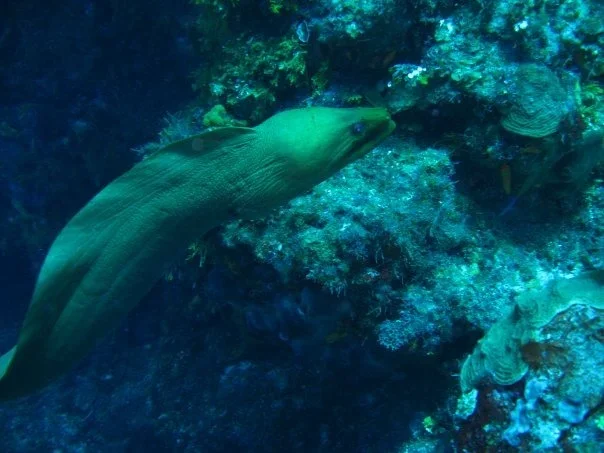
Because the hollowed Roman stone chests and tilted slabs create permanent, storm-proof cavities on an otherwise open seabed, marine life treats the ancient cargo as prime real estate. Common octopuses, moray eels, and conger eels den directly beneath the undercut edges of the stone lids, while red scorpionfish blend effortlessly into the sponge-encrusted rims.
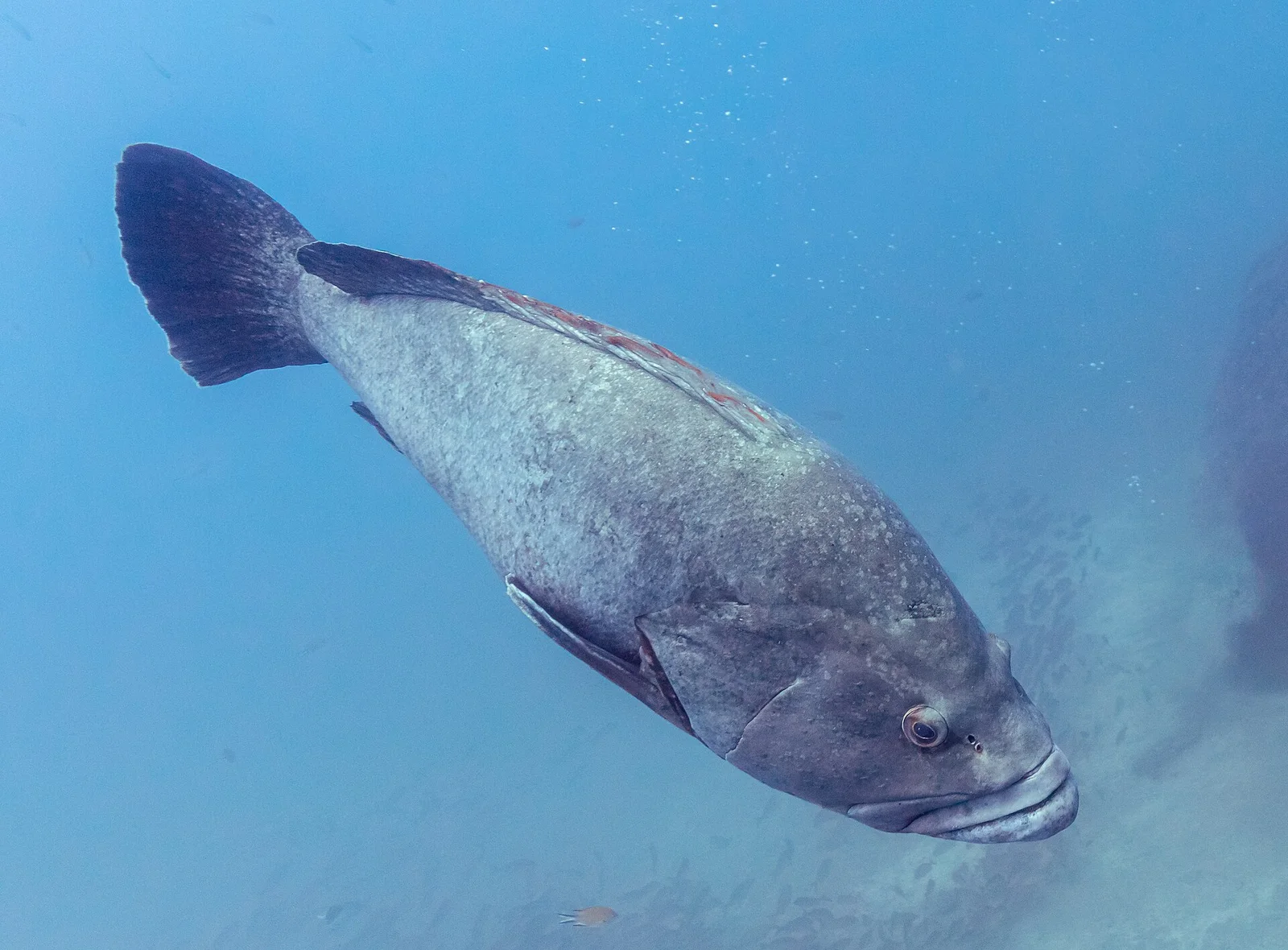
Dusky groupers and white sea bream patrol the surrounding boulder reef, accompanied by painted combers, saddled bream, and schools of damselfish hovering in the gentle channel current.
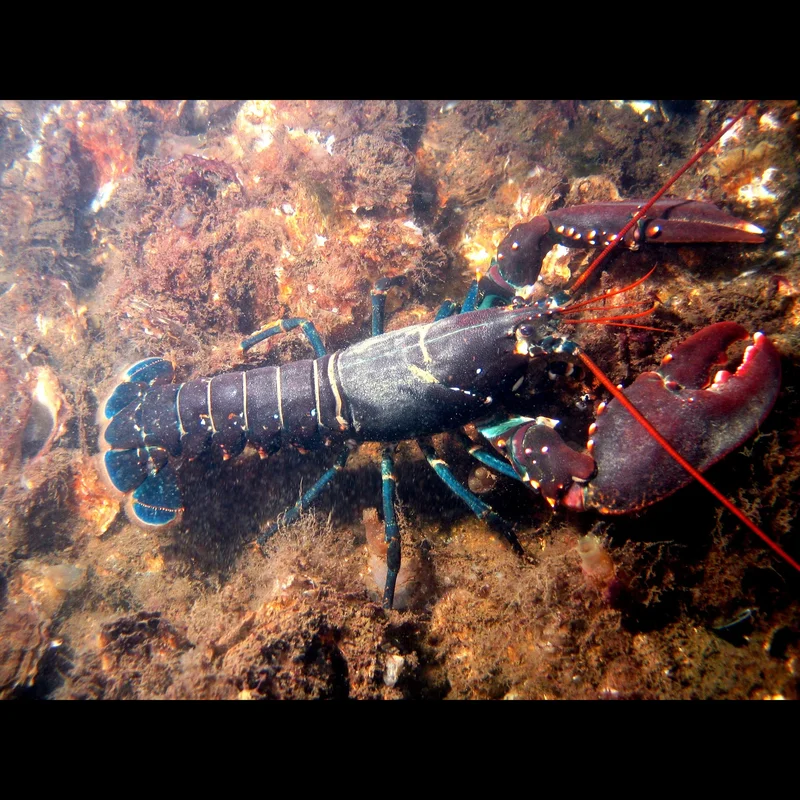
On the sunlit ascent up Veli Školj's rocky slope between 15 and 5 meters, divers frequently spot Mediterranean parrotfish, ornate wrasse, and spiny lobsters tucked into limestone fissures.


1 / 2
Image contributors:Diego Delso, laszlo-photo + 2 more
Want to contribute photos or local dive knowledge? Learn how to contributeDive Sites Near Veli Školj Roman Sarcophagi Wreck
View all dive sites in CroatiaDiscover more underwater gems in this area.
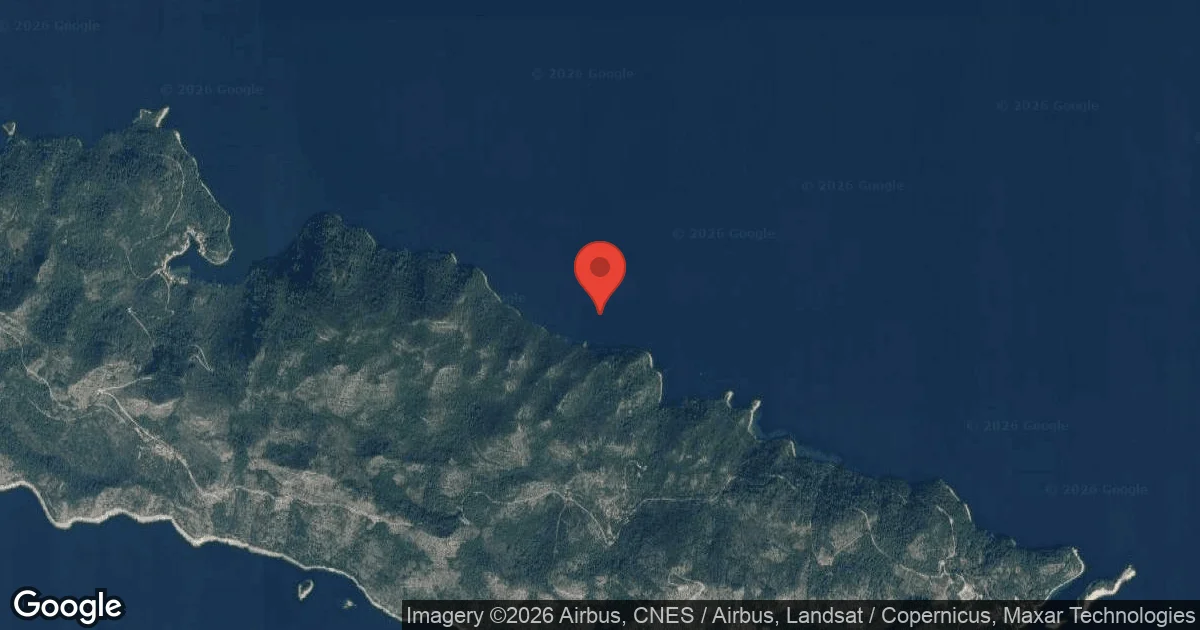
Max 34 m
3.8 km
advancedKlačine Roman Wreck
BoatChannel
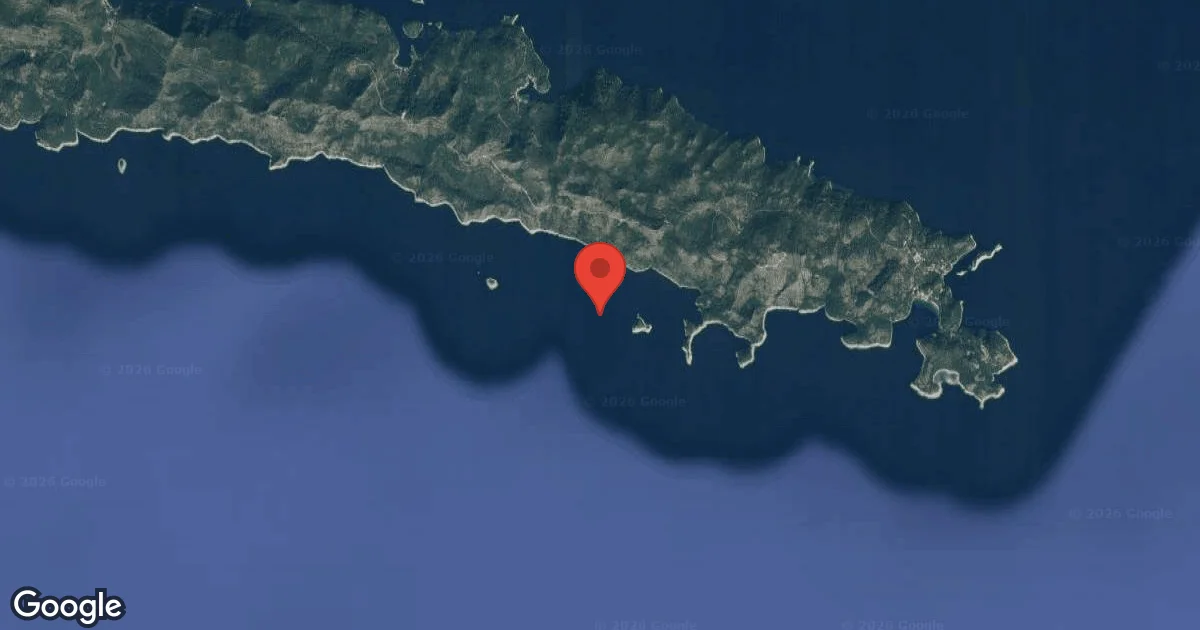
Max 46 m
5.2 km
advancedSveti Pavao Shallows Venetian Wreck
BoatDown Line
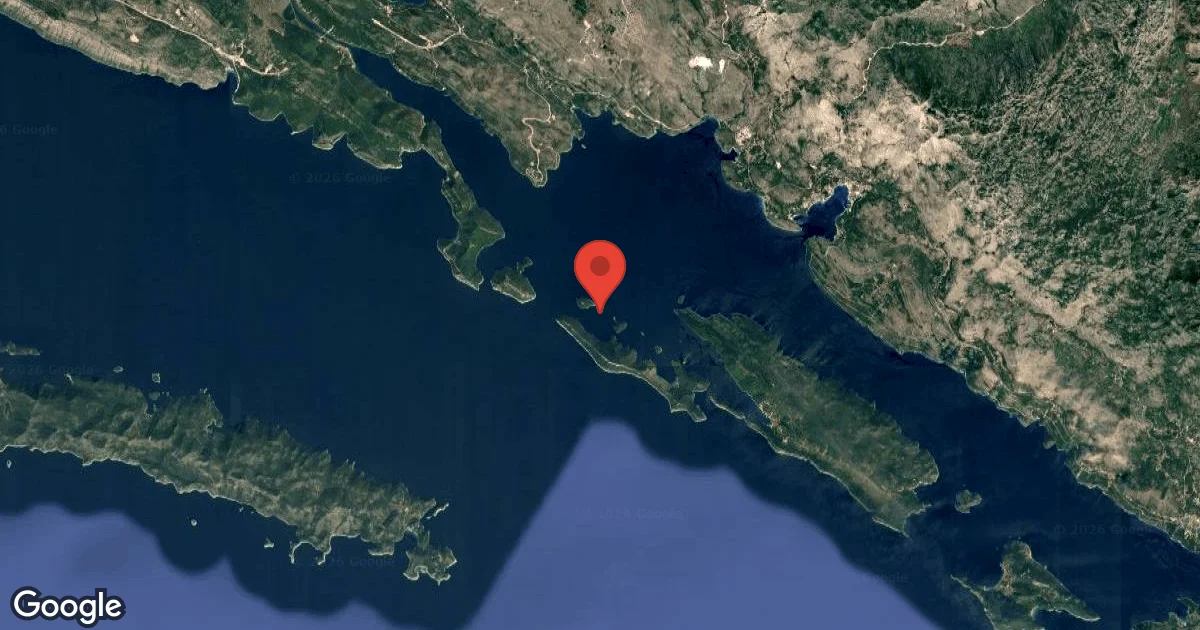
Max 37 m
7.3 km
advancedJakljan Roman Sarcophagi Wreck
BoatChannel
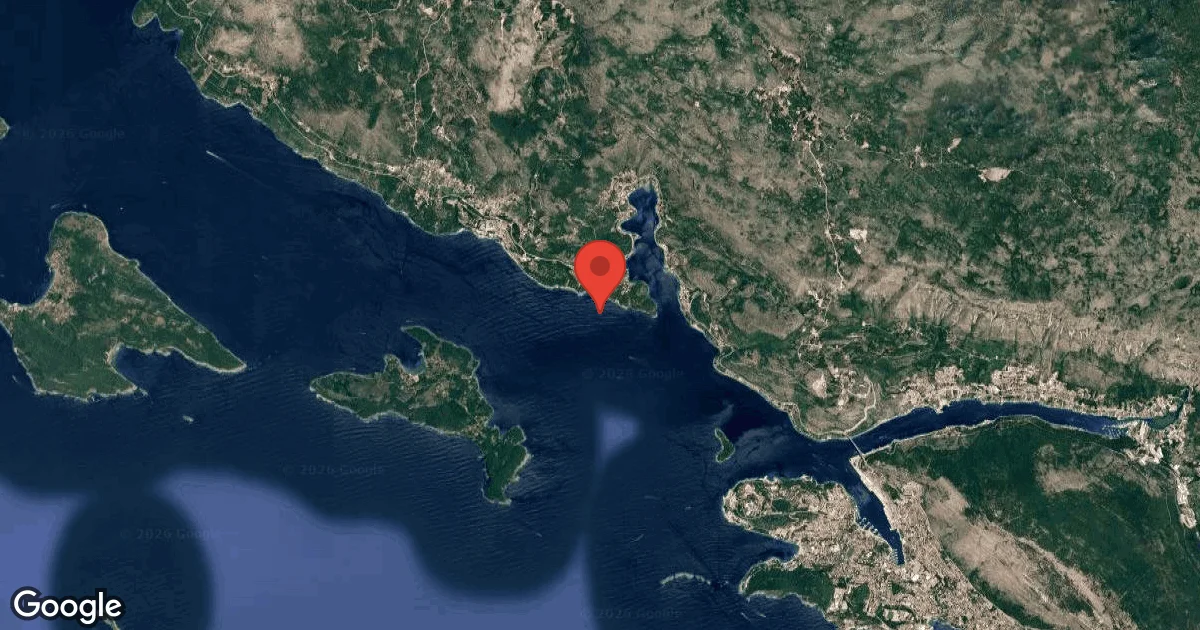
Max 30 m
24 km
Zaton Bay
BoatCavern
Max 40 m
16.7 km
360°intermediateOdysseus Cave
BoatCanyon
Max 80 m
18.4 km
St. Andrew Islet
BoatCavern
Max 50 m
23 km
Jabuka Caves
BoatCave
Max 40 m
23 km
Bezdan
CaveLake
Max 34 m
3.8 km
advancedKlačine Roman Wreck
BoatChannel
Max 46 m
5.2 km
advancedSveti Pavao Shallows Venetian Wreck
BoatDown Line
Max 37 m
7.3 km
advancedJakljan Roman Sarcophagi Wreck
BoatChannel
Max 30 m
24 km
Zaton Bay
BoatCavern
Max 40 m
16.7 km
360°intermediateOdysseus Cave
BoatCanyon
Max 80 m
18.4 km
St. Andrew Islet
BoatCavern
Max 50 m
23 km
Jabuka Caves
BoatCave
Max 40 m
23 km
Bezdan
CaveLake
Dive Centers Near Veli Školj Roman Sarcophagi Wreck
Working Hours
SunClosed
Mon09:00 - 17:00
Tue09:00 - 17:00
Wed09:00 - 17:00
Thu09:00 - 17:00
Fri09:00 - 17:00
Sat09:00 - 17:00
Today: 09:00 - 17:00
SunClosed
Mon09:00 - 17:00
Tue09:00 - 17:00
Wed09:00 - 17:00
Thu09:00 - 17:00
Fri09:00 - 17:00
Sat09:00 - 17:00
Nearest Airports
Nearest airports to help plan travel to this dive area.
Dubrovnik Ruđer Bošković Airport DBV
46 km
Tivat Airport TIV
87 km
Brač Airport BWK
108 km
💵 Currency: EUR
Search Flights
Check available flights and routes on Expedia, using the nearby airports listed in this section.
Search Flights on ExpediaAffiliate link · Dive Navigator may earn a commission at no extra cost to you.
Frequently Asked Questions
How many stone sarcophagi lie on the Veli Školj wreck site?
Archaeological surveys have recorded approximately fifteen carved stone elements on the seabed, including five clearly identifiable hollowed rectangular chests and roughly ten heavily encrusted stone slabs and lids.
How old is the Veli Školj shipwreck?
Associated ceramic finds—including Hispanic and Dressel 6 amphora fragments alongside Aegean Eastern Coarse Ware cooking pots—date the wreck to the early 2nd century AD.
Why do the sarcophagi look like part of the natural reef?
Over nineteen centuries at 30 to 31 meters on a rocky bottom, calcareous algae, sponges, and marine organisms have heavily encrusted the limestone blocks and fused their bases to the bedrock, leaving rectangular contours and hollowed interiors visible.
Which Veli Školj on Mljet is this wreck located near?
This site lies about 100 meters north of Veli (Veliki) Školj outside Saplunara harbor at the southeastern tip of Mljet, not the smaller western islet near Gonoturska Bay.
Is a permit required to dive the Veli Školj Roman Sarcophagi Wreck?
Yes. As a documented underwater archaeological site in Croatian territorial waters, diving requires authorized guide supervision and strict adherence to non-disturbance heritage rules.
What depth certification is needed for this dive?
Because the stone cargo rests on a flat-to-sloping bottom at 30 to 31 meters, advanced open-water certification—ideally paired with deep-specialty and nitrox training—is required.
Trip Inquiry
Planning to dive Veli Školj Roman Sarcophagi Wreck?
Tell us your dates and diving needs. We'll review your request and seek offers from relevant local dive centers.
Request Dive Offers Free request for offers • No booking obligation
Veli Školj Roman Sarcophagi Wreck
Conditions are Poor
4/10
Confidence: 8/10
Indicates meteorological model agreement and data availability.
DIVE WARNING
High Wind Advisory (42km/h). Unsafe surface.
06:12
18:45
H: 10:45
L: 16:20
Air / Sea Temp
16° / 19°
Wave Height
1.8 m
Wind Speed
42 km/h N
Rain Chance
100%
Current conditions near Veli Školj Roman Sarcophagi Wreck show 16° air, 19° sea temperature, 1.8 m waves, and 42 km/h wind. Forecast data is refreshed regularly to ensure accuracy.
Radius: ~12km
Updated: Nov 22, 2026, 16:27 local timeMARINE: OPEN-METEOWEATHER: YR.NO