Loading...

Diving at St. Andrew Islet (Croatia)
Published
Last updated
Rising as an isolated limestone sentinel on the seaward rim of the Elaphiti archipelago west of Dubrovnik, St. Andrew Islet plunges straight into the deep southern Adriatic basin. Topped by an active stone lighthouse completed in 1873 according to the official Plovput lighthouse registry, this uninhabited rock shelters a vertical carbonate wall dropping from 3 m / 10 ft down to 80 m / 262 ft. Beneath the waves, protected cliffs and three karst caverns inside Natura 2000 zone HR3000164 overseen by the Public Institution for Nature Protection of Dubrovnik-Neretva County nurture rich coralligenous walls and deep colonies of precious red coral. Reserved for advanced recreational and technical divers, the site pairs shallow sunlit ledges with sheer blue-water drop-offs.
Current morning readings from St. Andrew Islet indicate an air temperature of 14°C. Surface wave heights are averaging around 2 m at this time. These local measurements provide a baseline for your daily dive planning.
Dive Site Location & Key Facts
Site Characteristics
Max Depth80m / 262ft
Entry Typeboat
Water Typesalt
Dive Types
CavernDeepTechnical
Dive Site Overview
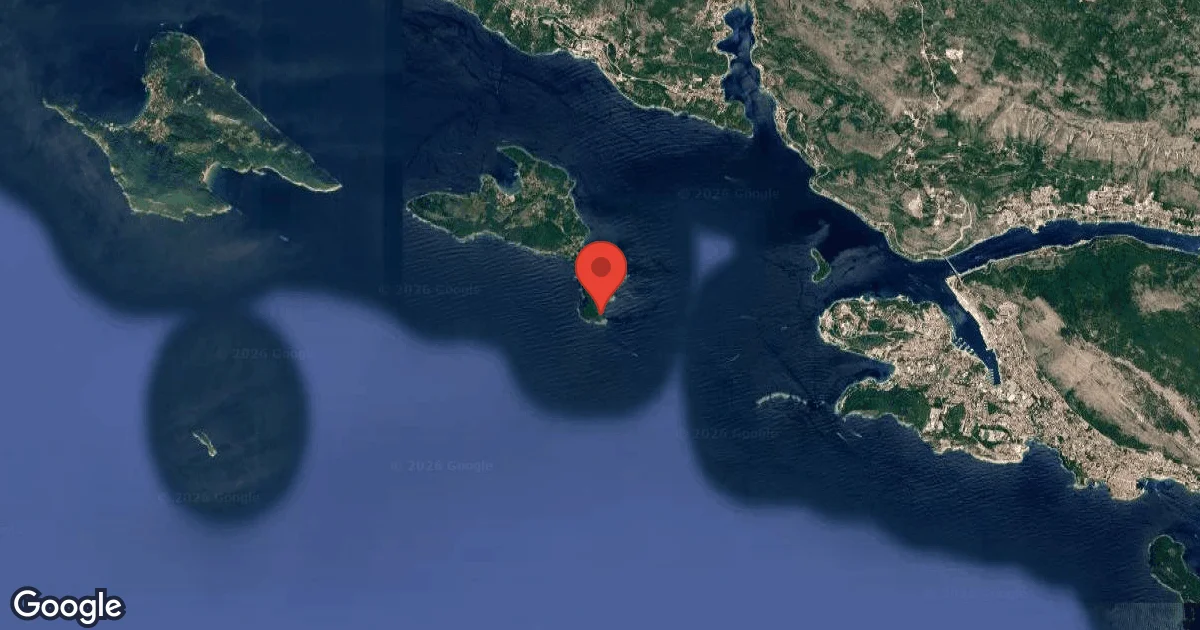
Forming the southernmost offshore outpost of the Elaphiti island chain northwest of Dubrovnik, St. Andrew Islet covers just 0.05 sq km / 0.02 sq mi with a 1.0 km / 0.62 mi coastline roughly 3.7 km / 2.3 mi southwest of Lopud Island. Physical-geographical surveys of the Elaphiti archipelago in Geoadria note that the 100 m / 328 ft bathymetric contour passes within 500 m / 1,640 ft of shore, creating immediate pelagic wall relief.
Boat dives begin on the sheltered northeastern lee of the rock at 3 m / 10 ft before rounding onto normal and vertical Cretaceous carbonate faults inclined at 80 to 90 degrees down to 80 m / 262 ft. Sun-drenched upper boulders carry dense brown and green macroalgae, whereas shaded vertical fractures transition rapidly into sponges, bryozoans, and calcareous red algae.
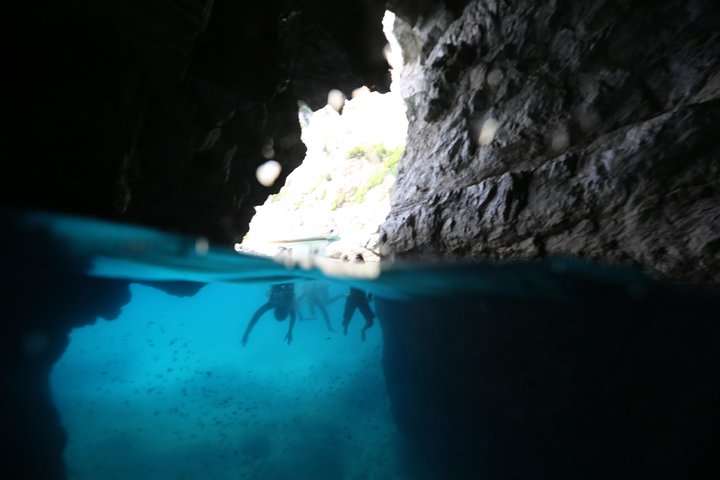
Three distinct karst caverns indent the upper and middle wall within European Union habitat types 1170 Reefs and 8330 Submerged sea caves designated under Croatia's national Natura 2000 decree. A shallow cavern opens around 12 m / 39 ft draped in pink coralline algae and sea slugs, while two deeper caverns cut into the limestone face at 35 m / 115 ft just above the lower ceiling of recreational air diving.
High above the cliff stands the manned 1873 stone lighthouse rising 17 m / 56 ft with a 24 NM / 44 km light range recorded in Plovput navigation specifications. Celebrated in Lopud maritime legends and centuries of Koločep coral-harvesting history, the islet's deep red coral walls continue to yield new Adriatic crustacean records in Institute of Oceanography and Fisheries research in Acta Adriatica.
St. Andrew Islet
Conditions are Poor
4/10
Confidence: 8/10
Indicates meteorological model agreement and data availability.
DIVE WARNING
High Swell Advisory. Not recommended.
06:12
18:45
H: 10:45
L: 16:20
Air / Sea Temp
14° / 19°
Wave Height
2.0 m
Wind Speed
45 km/h N
Rain Chance
50%
Current conditions near St. Andrew Islet show 14° air, 19° sea temperature, 2.0 m waves, and 45 km/h wind. Forecast data is refreshed regularly to ensure accuracy.
Radius: ~12km
Updated: Nov 23, 2026, 06:41 local timeMARINE: OPEN-METEOWEATHER: YR.NO
Best Time to Dive
Diving at St. Andrew Islet runs primarily from May through October, when stable summer anticyclones allow smooth boat crossings across the Koločep Channel to this exposed offshore rock. Climatological normals from the Croatian Meteorological and Hydrological Service station in Dubrovnik show July and August averaging 25.4°C / 78°F air temperatures alongside minimal July rainfall of 32 mm / 1.3 in. Surface waters warm from roughly 18°C / 64°F in May to 23 to 25°C / 73 to 77°F in August, while a sharp thermocline below 18 to 20 m / 59 to 66 ft keeps water around the 35 m / 115 ft caverns cool at 14 to 16°C / 57 to 61°F. September and early October combine warm shallow safety stops with lighter boat wakes around Dubrovnik's offshore islands. Between November and March, southeasterly gales and northeasterly squalls raise 2 to 3 m / 7 to 10 ft swells that close the outer wall, making calm morning departures before afternoon northwesterly breezes ideal.
PEAK SEASON SCORE
95/100
ExcellentScores combine air & water temps, waves, wind & rainfall for overall conditions.
BEST MONTHS TO DIVE
JUN
JUL
AUG
DIVE SCORE GUIDE (0–100)
Excellent (90–100)
Very Good (80–89)
Good (70–79)
Moderate (50–69)
Poor (30–49)
Not Recommended (0–29)
Monthly records compiled from satellite and marine observation nodes over the last 3 years. Data provided by Open-Meteo and MET Norway.
Dive Experience & Conditions
Dive boats departing Dubrovnik's Lapad peninsula reach St. Andrew Islet in 25 to 35 minutes across open channel water, mooring in calm 3 m / 10 ft shallows on the leeward northeastern shelf. Because zero river sediment reaches this outer pelagic pinnacle, horizontal visibility averages 20 to 30 m / 66 to 98 ft in deep azure water documented in Elaphiti hydrographic studies. After checking weighting on the shallow ledge, teams glide over the drop-off lip and inspect the 12 m / 39 ft cavern lined with pink coralline crusts and nudibranchs under primary torch beams. Continuing down the sheer wall toward 30 to 40 m / 98 to 131 ft brings an immediate temperature drop through the summer thermocline as ambient light shifts to deep cobalt blue. At 35 m / 115 ft, twin deeper caverns and overhanging stone ribs reveal shade-loving sponges and branching red coral tucked beneath rock roofs. While the leeward anchorage stays slack, rounding onto the southwestern cliff exposes divers to the prevailing southeast-to-northwest Adriatic coastal current of 0.5 to 0.7 knots. Teams ascend gradually back up the sculpted limestone shoulder to complete a sheltered 5 m / 16 ft safety stop below the boat.
Dive Difficulty & Safety Guidelines
Immediate vertical exposure down to 80 m / 262 ft and deep cavern overhangs at 35 m / 115 ft restrict St. Andrew Islet to advanced recreational and technical divers. Under Article 9 of Croatia's Ordinance on Underwater Activities, recreational scuba diving on compressed air is strictly capped at 40 m / 131 ft, reserving the 40 to 80 m / 131 to 262 ft wall exclusively for certified technical divers breathing Trimix with staged decompression gases. Recreational visitors need Advanced Open Water and Deep Diver certifications, disciplined buoyancy along bottomless vertical walls, close no-decompression monitoring at 35 m / 115 ft, and awareness of long-period 2 to 3 m / 7 to 10 ft swells arriving ahead of southerly fronts.
Vessels must display a statutory 30 cm / 12 in dive buoy or flag, and every diver should carry a delayed surface marker buoy in case outer-wall drift requires a blue-water ascent. Inside Natura 2000 zone HR3000164 and the island bird reserve managed by the Public Institution for Nature Protection of Dubrovnik-Neretva County, divers must avoid trapping exhaust bubbles beneath fragile cavern roofs, and harvesting or breaking precious red coral carries a permanent year-round ban from 1 January to 31 December under Croatia's 2024 Marine Organism Protection Ordinance. Emergency evacuation is coordinated via national emergency number 112 or Maritime Rescue Centre 195 to the 24-hour Emergency Hospital Admission Department of General Hospital Dubrovnik and onward hyperbaric chamber care in Split.
Recommended Equipment
Technical depth range. Advanced planning, gas management, and appropriate certification required.
Overhead environment. Do not enter beyond training and gas planning limits.
- Dive Computer
- DSMB
- Primary & Backup Lights
- Reel / Spool
- Cutting Tool
This gear list is based on verified equipment signals for St. Andrew Islet, Croatia. Always confirm final gear choices with your dive operator, guide, or liveaboard.
Recommended Dive Suit
For divers planning standard recreational dives, 5mm wetsuit is usually a suitable option. Consider warmer surface protection (like a boat coat) due to brisk winds. A thermal robe or jacket is recommended between dives. Divers vary widely in how quickly they feel cold underwater.
The waters surrounding St. Andrew Islet are currently maintaining temperatures close to 19°C (67°F). Surface air temperatures are resting at 14°C (57°F).
The forecast outlook suggests that temperatures will stay close to current levels.
St. Andrew Islet conditions last reviewed: 06:41 local time (UTC+1), Nov 23, 2026
Emergency & Medical Support
Essential information to help you plan your dive trip to St. Andrew Islet.

Hyperbaric chambers are a critical part of dive safety infrastructure. Availability varies significantly by region, and not all dive areas have immediate access.
Before diving, it's recommended to:
- confirm nearest medical facilities
- check emergency procedures with local dive operators
- ensure dive insurance covers evacuation if required
24/7 Available
Divers Alert Network
Diving emergency assistance available through DAN Europe.
+39 0642115685- 24/7 emergency hotline
- Diving medical assistance
- Evacuation coordination
Emergency contacts are provided for reference. Always verify local emergency services before diving.
Closest Listed Hyperbaric Chambers (≤ 200 km)
Approximate straight-line distances from this dive site — emergency travel times may vary.
154 km154 kmZavod za pomorsku medicinu Split – Odjel za podvodnu i hiperbaričnu medicinu
Split, Croatia24/7ICU194Details154 kmZavod za pomorsku medicinu Split – Odjel za podvodnu i hiperbaričnu medicinu
24/7 ListedICU CapableSplit, Croatia · Multiplace
24/7 Emergency194CollapseHours: 24/7 EmergencyFacility: Zavod za pomorsku medicinu / KBC Split (Križine)ICU On-Site: YesSource: KBC Rijeka / Poliklinika OXY
154 km
Zavod za pomorsku medicinu Split – Odjel za podvodnu i hiperbaričnu medicinu
Split, Croatia24/7ICU194Details
154 km
Zavod za pomorsku medicinu Split – Odjel za podvodnu i hiperbaričnu medicinu
24/7 ListedICU CapableSplit, Croatia · Multiplace
24/7 Emergency194
CollapseHours: 24/7 Emergency
Facility: Zavod za pomorsku medicinu / KBC Split (Križine)
ICU On-Site: Yes
Source: KBC Rijeka / Poliklinika OXY
Chamber data is sourced from official Croatian hospital and baromedicine facility records and has not been independently verified by Dive Navigator. Always contact local emergency services, DAN, your dive operator, or the facility directly before travelling.
Reference onlyMarine Life at St. Andrew Islet
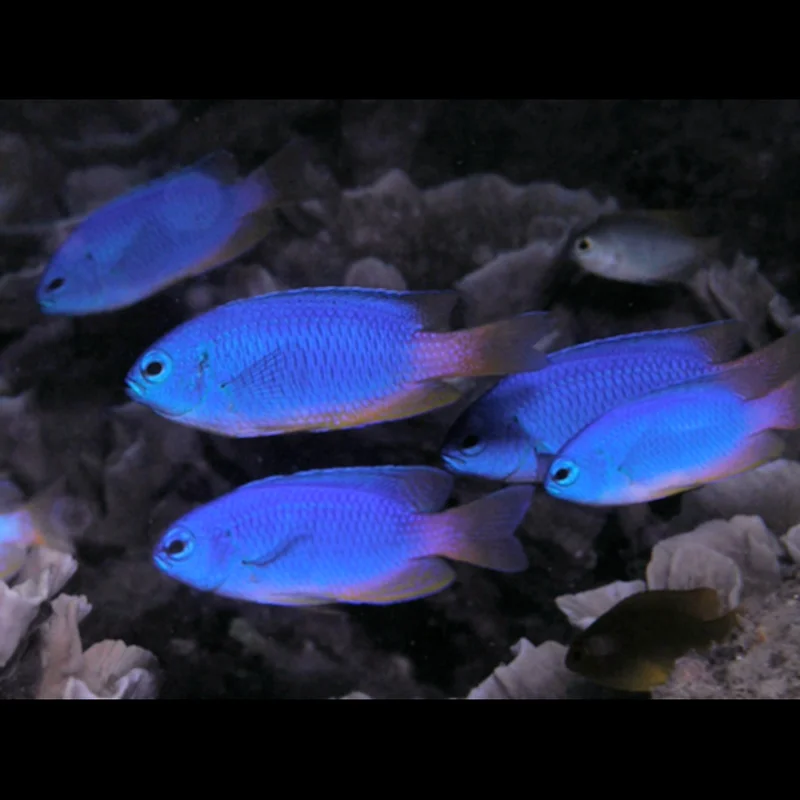
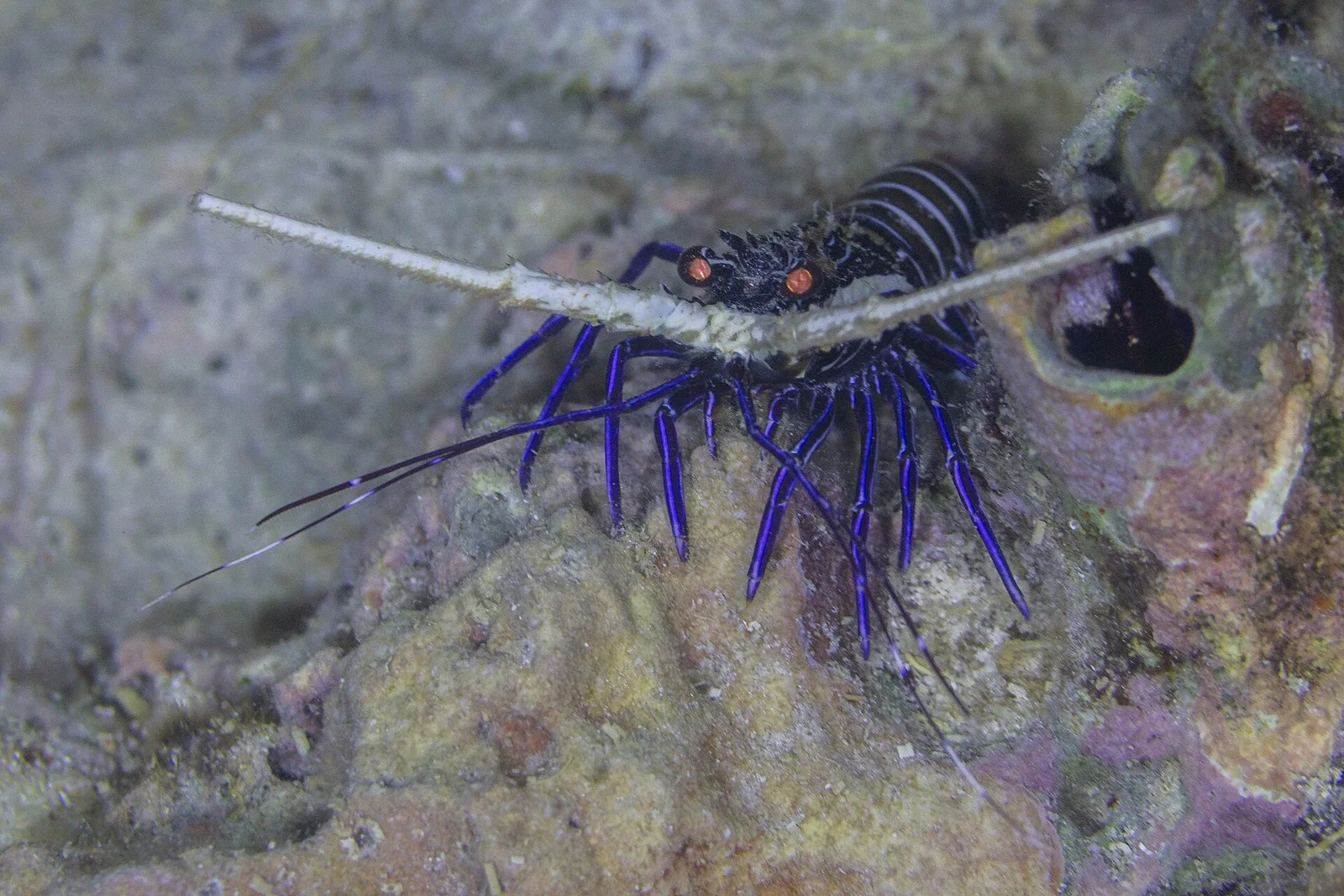
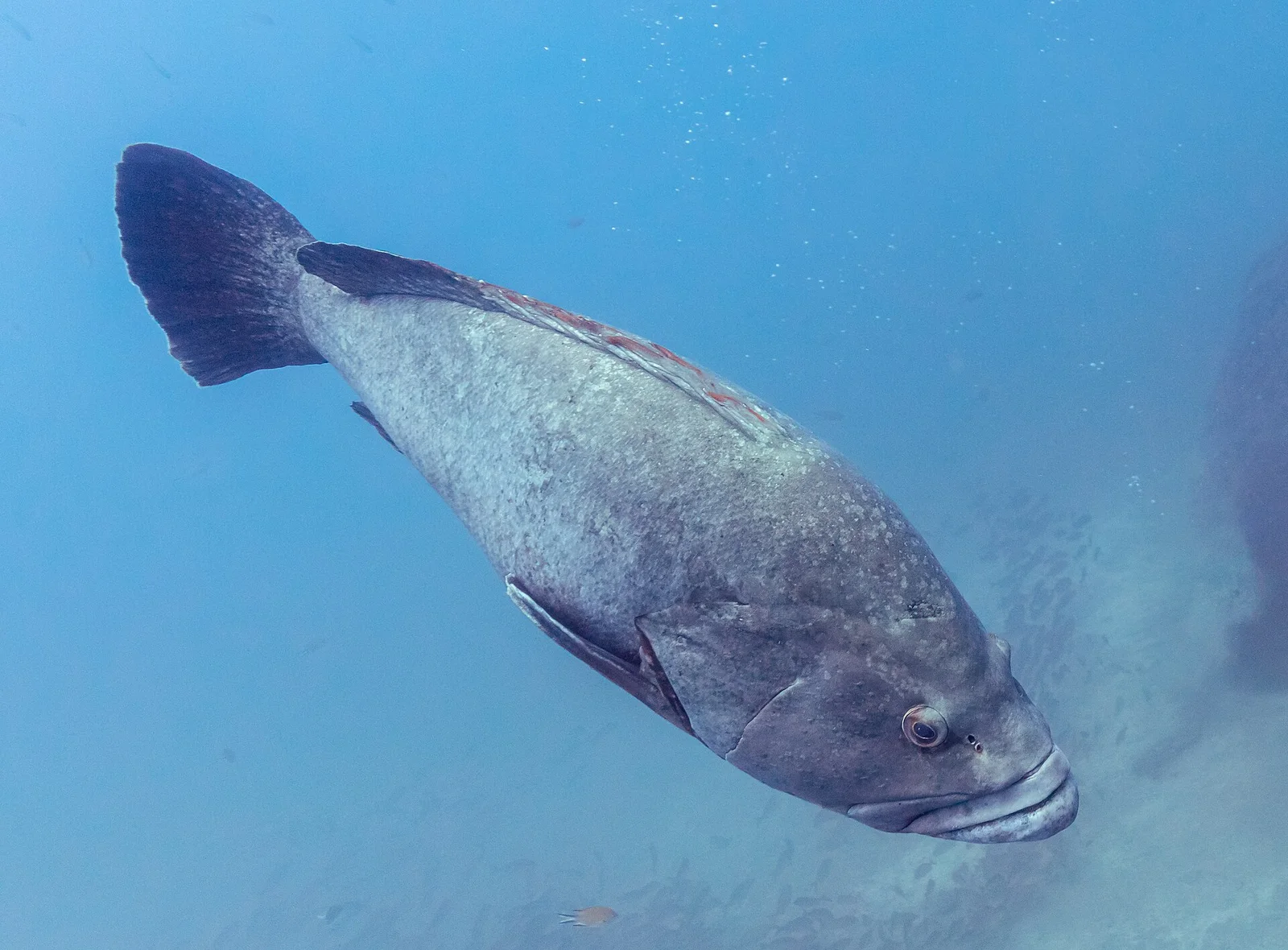
Steep light gradients along the limestone wall structure a classic eastern Adriatic coralligenous ecosystem. Across sunlit upper ledges down to 15 m / 49 ft, dense shoals of damselfish, bogue, and picarel swirl above macroalgae, while inside the 12 m / 39 ft and 35 m / 115 ft caverns red cardinalfish hover in dark recesses above motionless red scorpionfish, dusky groupers, two-banded and sharpsnout seabream, brown meagre, and European spiny lobsters recorded in Elaphiti marine surveys.
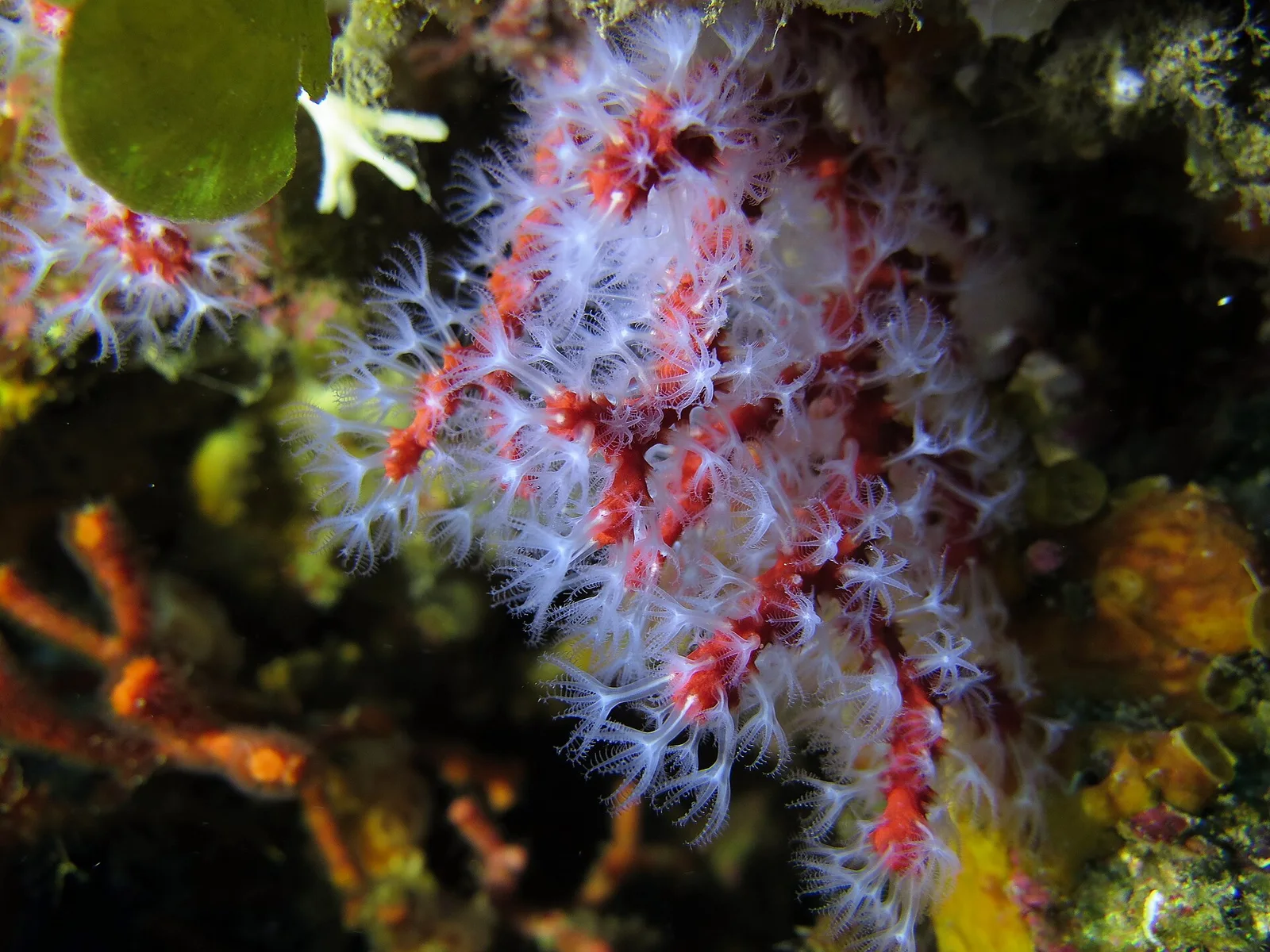
Below 25 to 30 m / 82 to 98 ft, shaded overhangs and cave roofs support branching colonies of precious red coral growing roughly 6 mm / 0.24 in per year as detailed in peer-reviewed red coral growth studies. Biological sampling of those deep coral branches at St. Andrew Islet published in Acta Adriatica documented the first Adriatic record of the cryptic symbiotic coral shrimp Eualus drachi living alongside nudibranchs and lacy bryozoans.

1 / 2
Image contributors:Diego Delso, Nick Hobgood + 1 more
Want to contribute photos or local dive knowledge? Learn how to contributeDive Sites Near St. Andrew Islet
View all dive sites in CroatiaDiscover more underwater gems in this area.
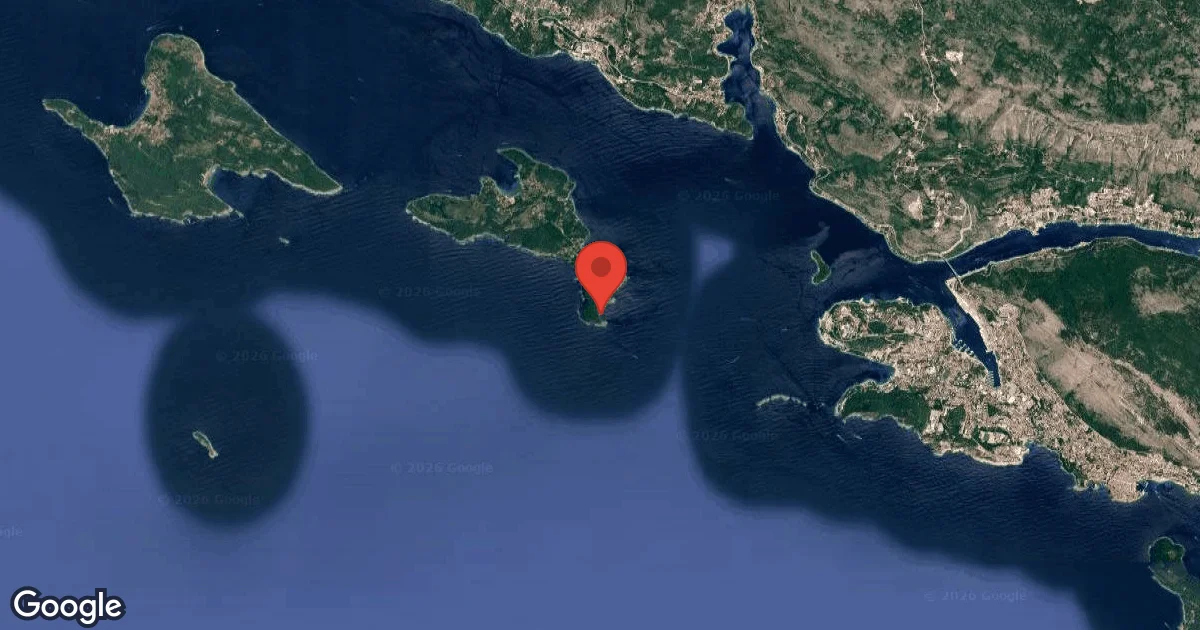
Max 50 m
5.7 km
Jabuka Caves
BoatCave
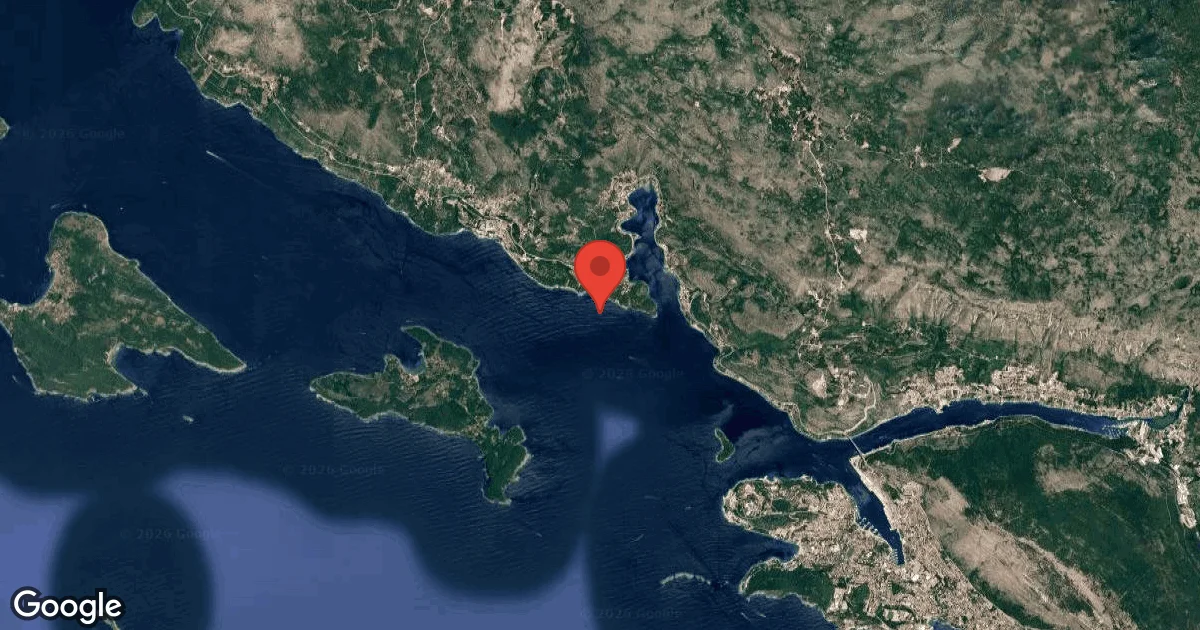
Max 30 m
8 km
Zaton Bay
BoatCavern
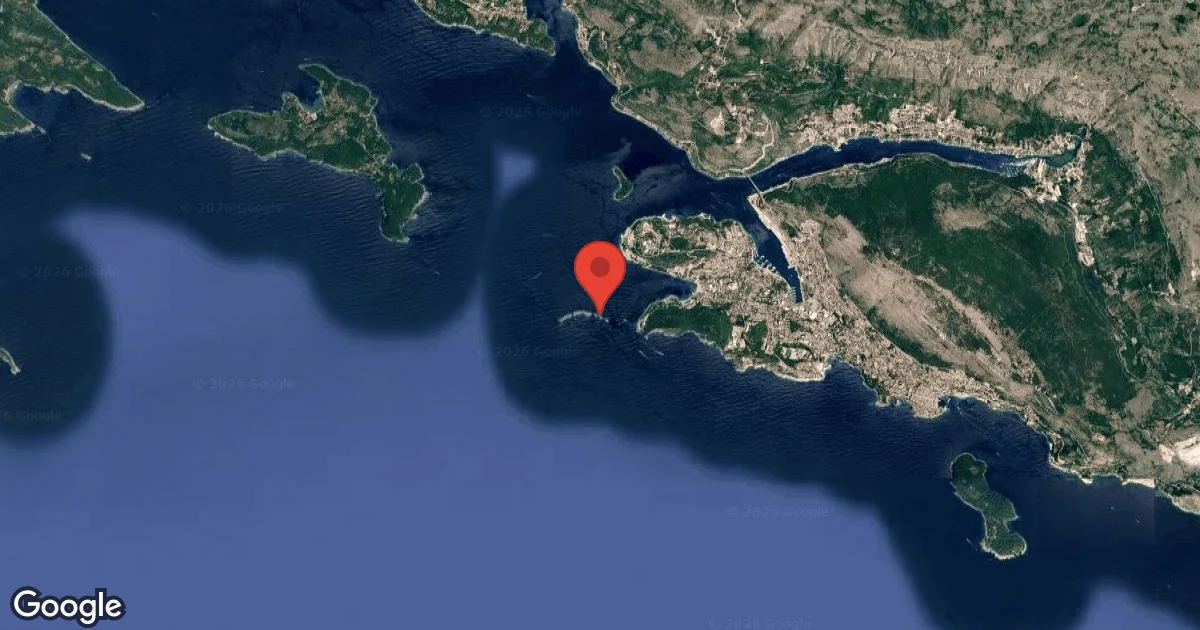
Max 40 m
8.2 km
Grebeni Islets
BoatCanyon
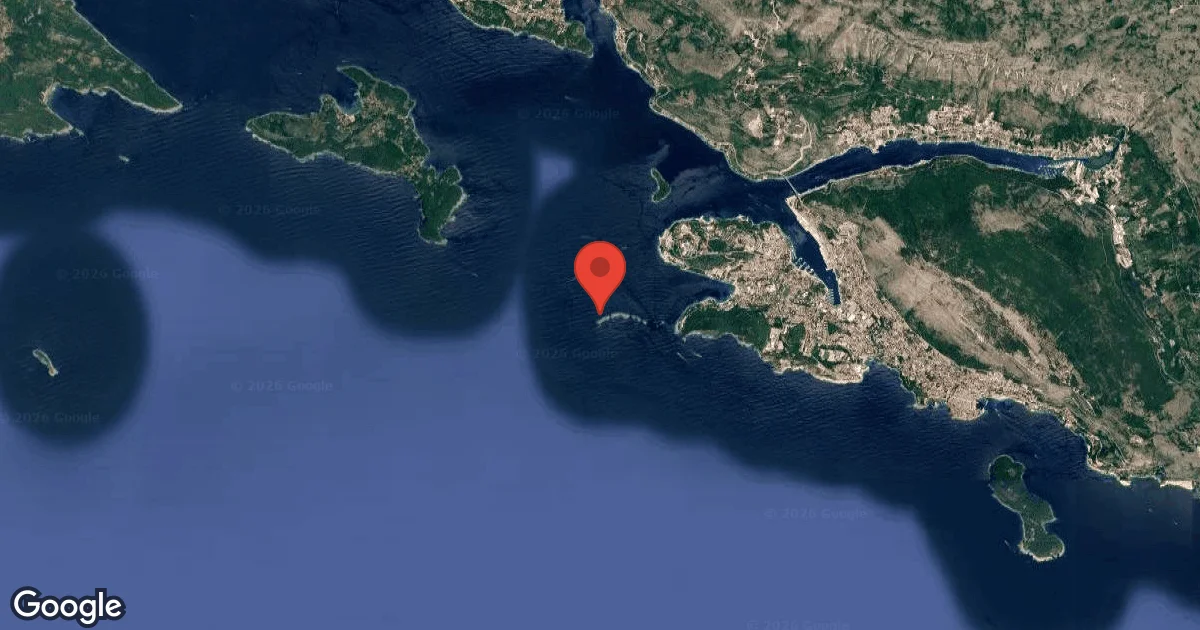
Max 52 m
7.6 km
SS Taranto
BoatOcean
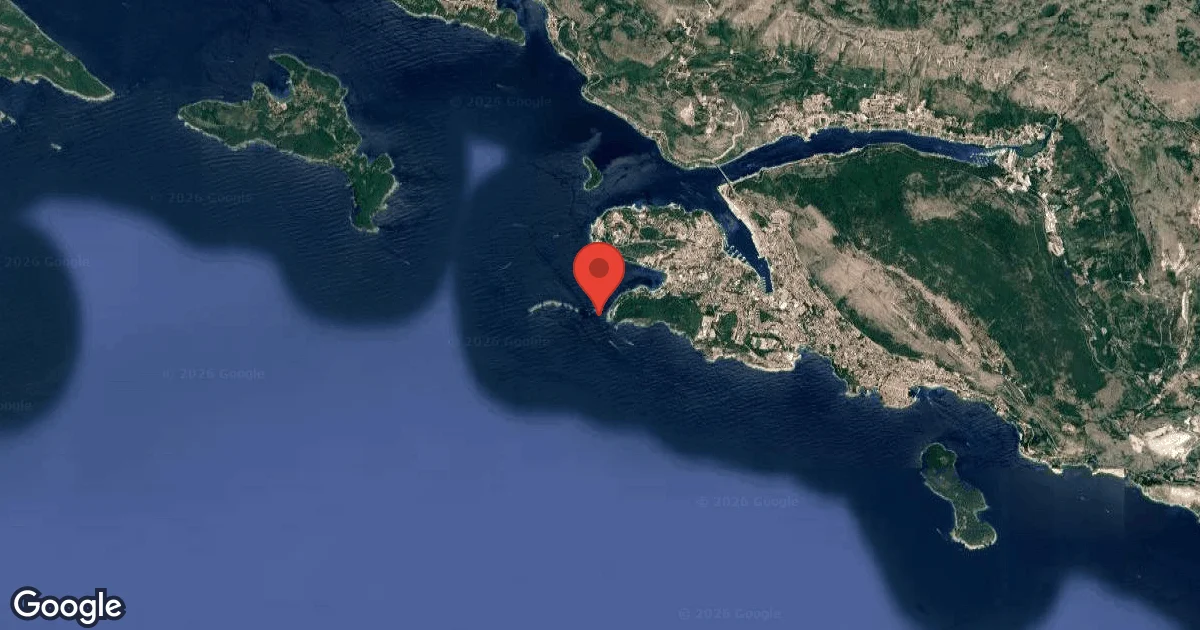
Max 47 m
8.6 km
Maro's Cave
CaveOcean
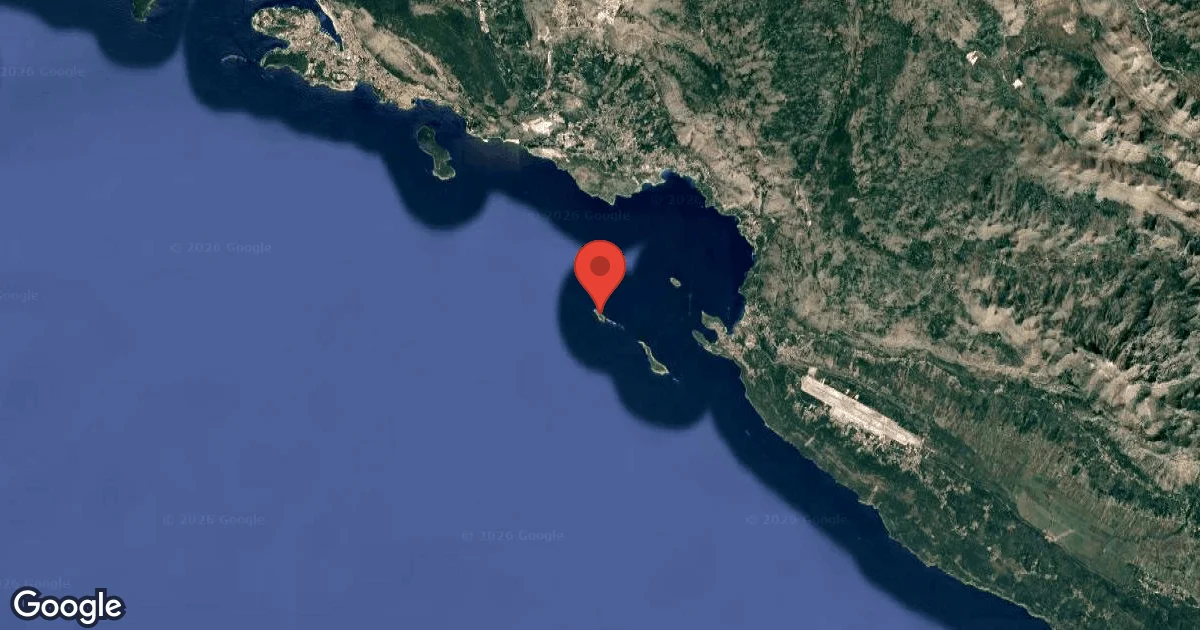
Max 80 m
19.3 km
Bobara Islet
BoatCanyon
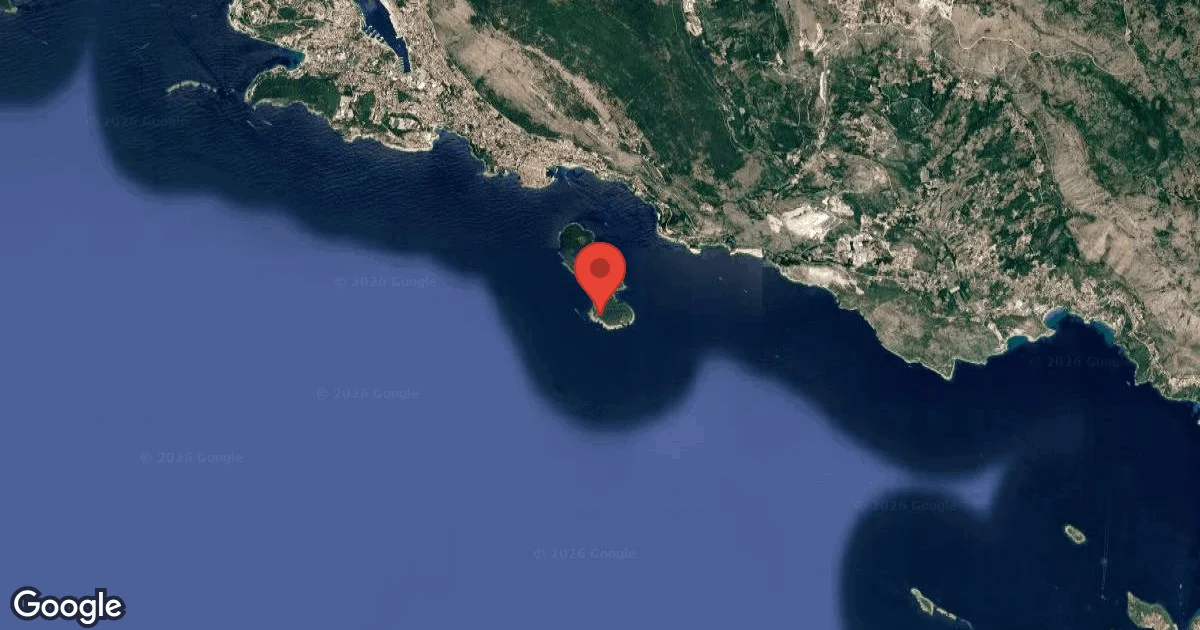
Max 30 m
13.9 km
Lokrum Island and Dead Sea Lake
BoatCavern
Max 40 m
5.7 km
Bezdan
CaveLake
Max 50 m
5.7 km
Jabuka Caves
BoatCave
Max 30 m
8 km
Zaton Bay
BoatCavern
Max 40 m
8.2 km
Grebeni Islets
BoatCanyon
Max 52 m
7.6 km
SS Taranto
BoatOcean
Max 47 m
8.6 km
Maro's Cave
CaveOcean
Max 80 m
19.3 km
Bobara Islet
BoatCanyon
Max 30 m
13.9 km
Lokrum Island and Dead Sea Lake
BoatCavern
Max 40 m
5.7 km
Bezdan
CaveLake
Max 35 m
13.6 km
Tomislav Wreck
BoatOcean
8.6 km
360°Mala Afrika
CaveReef
1 / 2
Dive Centers Near St. Andrew Islet
Working Hours
SunClosed
Mon09:00 - 17:00
Tue09:00 - 17:00
Wed09:00 - 17:00
Thu09:00 - 17:00
Fri09:00 - 17:00
Sat09:00 - 17:00
Today: 09:00 - 17:00
SunClosed
Mon09:00 - 17:00
Tue09:00 - 17:00
Wed09:00 - 17:00
Thu09:00 - 17:00
Fri09:00 - 17:00
Sat09:00 - 17:00
Nearest Airports
Nearest airports to help plan travel to this dive area.
Dubrovnik Ruđer Bošković Airport DBV
27 km
Tivat Airport TIV
69 km
Brač Airport BWK
126 km
💵 Currency: EUR
Search Flights
Check available flights and routes on Expedia, using the nearby airports listed in this section.
Search Flights on ExpediaAffiliate link · Dive Navigator may earn a commission at no extra cost to you.
Frequently Asked Questions
How deep is the wall at St. Andrew Islet near Dubrovnik?
Starting from a sheltered ledge at 3 m / 10 ft, the vertical limestone cliff plunges to 80 m / 262 ft with the 100 m / 328 ft contour just 500 m / 1,640 ft offshore according to Elaphiti bathymetric studies. Recreational compressed-air divers must stay within Croatia's 40 m / 131 ft legal ceiling set by Croatia's Underwater Activities Ordinance, leaving deeper sections to technical Trimix teams.
Can Open Water divers dive at St. Andrew Islet?
No, the site is reserved for advanced and technical divers because the seabed drops away vertically almost immediately below the mooring shelf. Exploring the twin caverns at 35 m / 115 ft requires confident midwater buoyancy, cold-thermocline gear, and disciplined gas tracking.
Is touching or collecting red coral legal at St. Andrew Islet?
No, harvesting, breaking, or disturbing precious red coral (Corallium rubrum) is strictly illegal year-round across Croatia under a permanent closed season enacted in Croatia's 2024 Marine Organism Protection Ordinance. The submerged cliffs and caves also lie inside protected Natura 2000 zone HR3000164.
When was the lighthouse on St. Andrew Islet actually built?
While some tour brochures mistakenly print 1847, official state records in the Plovput lighthouse inventory confirm the stone lighthouse on St. Andrew Islet was built in 1873. Its 17 m / 56 ft tower crowns the summit with a 24 NM / 44 km light range.
How long is the boat trip to St. Andrew Islet?
Shore diving is impossible on this uninhabited offshore rock, which has no public ferry link. Authorized dive boats reach the leeward anchorage in 25 to 35 minutes from Dubrovnik's Lapad peninsula or 10 to 15 minutes from Lopud Island.
Are there underwater caves along the St. Andrew Islet wall?
Yes, three karst sea caves open along the cliff face, starting with a sunlit cavern around 12 m / 39 ft coated in pink coralline algae and nudibranchs. Two deeper caverns sit side by side at 35 m / 115 ft inside protected European Union sea-cave habitat.
Trip Inquiry
Planning to dive St. Andrew Islet?
Tell us your dates and diving needs. We'll review your request and seek offers from relevant local dive centers.
Request Dive Offers Free request for offers • No booking obligation
St. Andrew Islet
Conditions are Poor
4/10
Confidence: 8/10
Indicates meteorological model agreement and data availability.
DIVE WARNING
High Swell Advisory. Not recommended.
06:12
18:45
H: 10:45
L: 16:20
Air / Sea Temp
14° / 19°
Wave Height
2.0 m
Wind Speed
45 km/h N
Rain Chance
50%
Current conditions near St. Andrew Islet show 14° air, 19° sea temperature, 2.0 m waves, and 45 km/h wind. Forecast data is refreshed regularly to ensure accuracy.
Radius: ~12km
Updated: Nov 23, 2026, 06:41 local timeMARINE: OPEN-METEOWEATHER: YR.NO