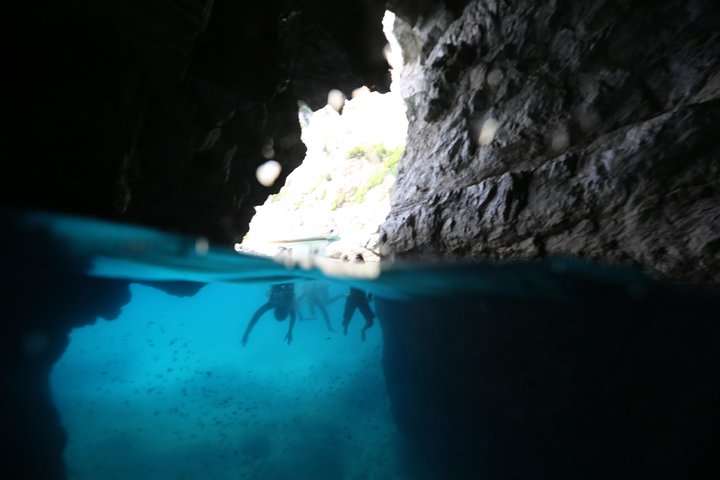
Loading...

Diving at Jakljan Roman Sarcophagi Wreck (Croatia)
Published
An atmospheric 37-meter archaeological time capsule in the Elafiti archipelago near Dubrovnik, where three Roman stone sarcophagi and gabled acroteria lids rise starkly from pale seabed sand.
Early observations for Jakljan Roman Sarcophagi Wreck report a surface air temperature of 13.5°C. The water surface is currently presenting wave heights of 1.3 m. Consider these environmental metrics before beginning your descent.
Dive Site Location & Key Facts
Coordinates42.7548, 17.8035
Estimated Coordinates
Coordinates are estimated from the best available maritime charts and local dive references, as exact GPS pins are not publicly confirmed. Always verify the precise entry or mooring point with a local dive operator.
Site Characteristics
Max Depth37m / 121ft
Entry Typeboat
Water Typesalt
Dive Types
ArchaeologicalDeepWreck
Dive Site Overview
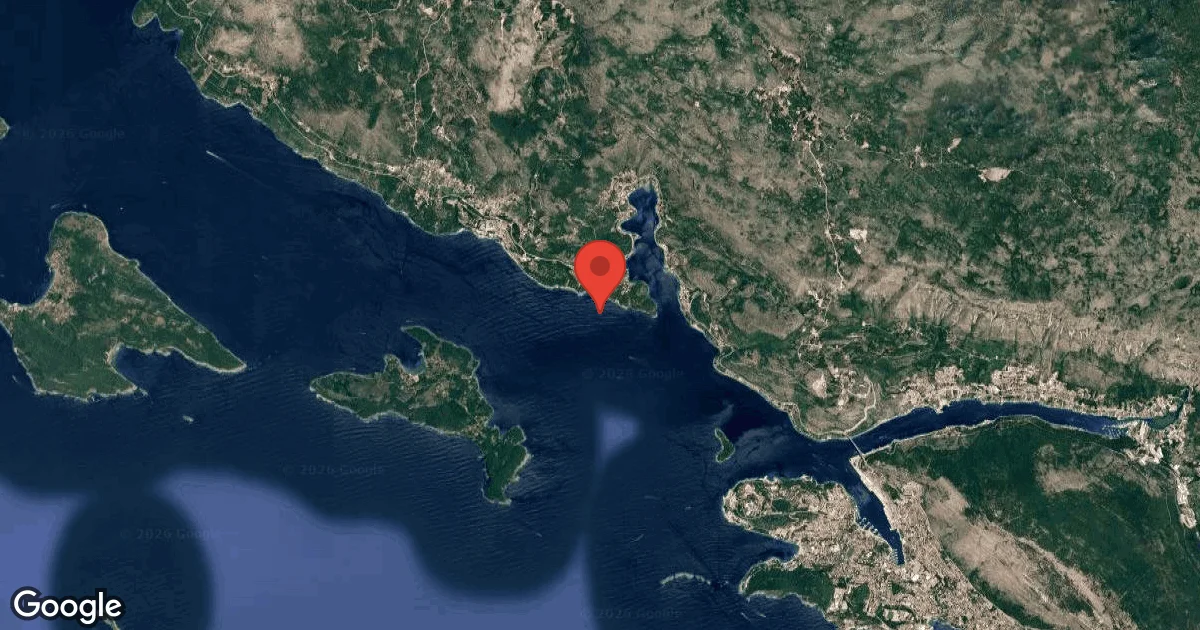
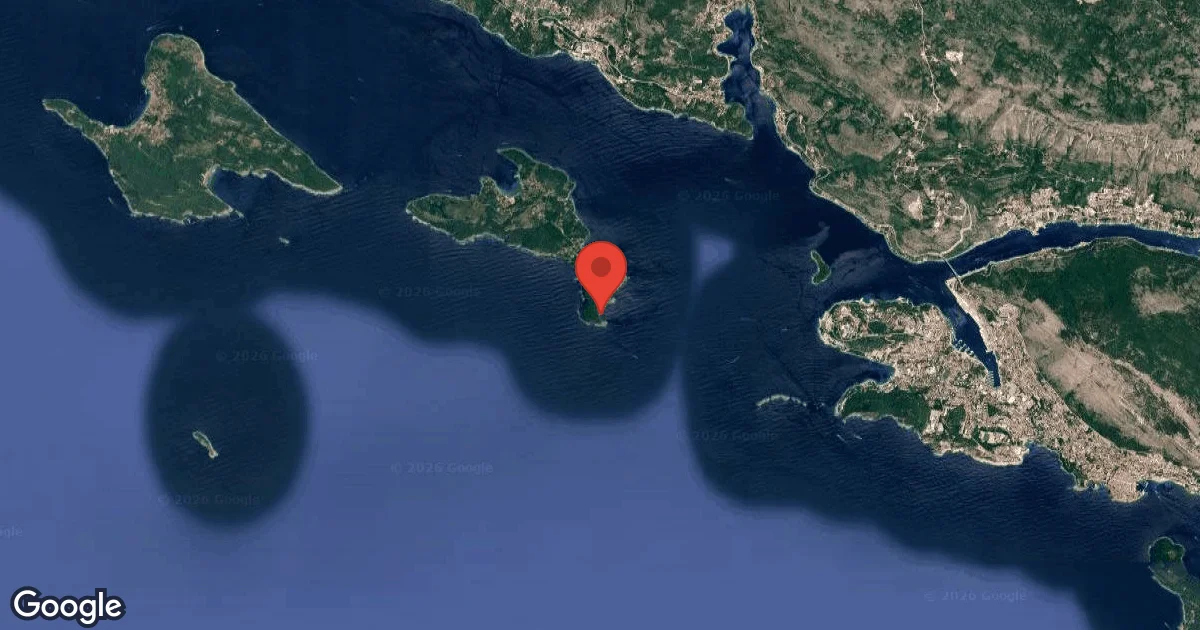
Tucked into the sheltered outer waters of the Elafiti Islands northwest of Dubrovnik—on the northern side of uninhabited Jakljan Island between the rocky islets of Crkvina and Tajan near the approach to Šipanska Luka—lies a remarkably legible Roman Imperial stone-cargo shipwreck at 37 meters depth. Reported by a Šipan fisherman in 2003, verified that same year by Ministry of Culture inspectors, and mapped in detail by the Croatian Conservation Institute in 2012, the site illustrates how Roman quarries shipped heavy, semi-finished funerary monuments by sea toward major Dalmatian cities for final carving.
Concentrated across a compact 7 by 5 meter (roughly 35 square meter) patch of flat marine sand, the cargo consists of three matching sets of undecorated rectangular stone sarcophagi—each chest measuring 214 centimeters long, 70 centimeters wide, and 74 centimeters high with a 54-centimeter interior cavity—paired with three pitched, roof-shaped lids featuring prominent corner acroteria projections and an adjacent cylindrical stone element.
Unlike rocky-bottom wrecks fused into bedrock, Jakljan's sandy setting preserves crisp architectural outlines: one massive chest rests upright with its open cavity facing the surface, a second lies tipped onto its side, a gabled lid juts diagonally from the sand between them with clear corner acroteria, and the third sarcophagus set sits partially buried beside buried hull remains.
Jakljan Roman Sarcophagi Wreck
Conditions are Moderate
5/10
Confidence: 8/10
Indicates meteorological model agreement and data availability.
DIVE WARNING
High Wind Advisory (42km/h). Unsafe surface.
06:12
18:45
H: 10:45
L: 16:20
Air / Sea Temp
13° / 19°
Wave Height
1.6 m
Wind Speed
42 km/h N
Rain Chance
50%
Current conditions near Jakljan Roman Sarcophagi Wreck show 13° air, 19° sea temperature, 1.6 m waves, and 42 km/h wind. Forecast data is refreshed regularly to ensure accuracy.
Radius: ~12km
Updated: Nov 23, 2026, 06:59 local timeMARINE: OPEN-METEOWEATHER: YR.NO
Best Time to Dive
May through October offers the most reliable boat access through the Elafiti channels from Dubrovnik or Šipan. Protected on multiple sides by Jakljan, Šipan, Crkvina, and Tajan, this northern basin enjoys noticeably calmer sea states than open-sea Mljet shoals during light summer southerly or westerly breezes.
Surface waters reach 23–26°C between June and September, while the flat 37-meter channel floor remains cool at 15–16°C below a distinct thermocline. Because fine channel sediment sits on the bottom, choosing calm periods following several days without heavy rain or bura wind ensures crisp 20 to 25 meter visibility.
Morning dives provide the brightest overhead natural light penetrating down to 37 meters, illuminating the white sand apron around the dark encrusted stone chests.
PEAK SEASON SCORE
94/100
ExcellentScores combine air & water temps, waves, wind & rainfall for overall conditions.
BEST MONTHS TO DIVE
JUN
JUL
AUG
DIVE SCORE GUIDE (0–100)
Excellent (90–100)
Very Good (80–89)
Good (70–79)
Moderate (50–69)
Poor (30–49)
Not Recommended (0–29)
Monthly records compiled from satellite and marine observation nodes over the last 3 years. Data provided by Open-Meteo and MET Norway.
Dive Experience & Conditions
Dives begin down a weighted reference line into open blue-green channel water, passing through the thermocline around 20 meters before the pale sandy seafloor materializes at 37 meters. Because the entire stone assemblage occupies a tight 7 by 5 meter oasis on open sand, divers can take in the whole wreck layout in a single sweeping view—an ideal geometry for wide-angle photography and photogrammetry.
Circling slowly one to two meters off the sand with impeccable trim, divers can examine the chisel-dressed walls of the 2.14-meter upright chest, peer across the tilted second chest, and study the unmistakable classical triangular gable and four corner acroteria of the stone roof lids.
With no surrounding shallow wall directly attached to the mid-channel sand patch, ascents take place back up the shot-line into open water, requiring steady buoyancy control through midwater deep stops and a 5-meter safety stop.
Dive Difficulty & Safety Guidelines
At a flat 37-meter bottom depth with blue-water shot-line ascents, this site demands deep-specialty training, disciplined gas management, and strong midwater buoyancy control. Using enriched air nitrox within safe partial-pressure limits (such as EAN28 or EAN30) meaningfully extends no-decompression bottom time over air while keeping narcosis low.
Keep fins elevated in frog-kick trim well above the fine sandy bottom surrounding the sarcophagi; a single downward fin stroke clouds visibility across the compact 35-square-meter site and risks uncovering fragile wooden ship timbers preserved beneath the sand.
Every submerged antiquity in Croatia is protected state property under the Law on the Protection and Preservation of Cultural Goods; never touch, lean on, or disturb the sarcophagi, lids, or surrounding sand, and dive only with authorized conservation-compliant operators.
Recommended Equipment
Deep dive hazard. Increased narcosis and gas consumption risk.
Overhead / entanglement risk. Wreck penetration requires proper training.
- Dive Computer
- DSMB
- Primary & Backup Lights
- Wreck Reel
- Cutting Tool
This gear list is based on verified equipment signals for Jakljan Roman Sarcophagi Wreck, Croatia. Always confirm final gear choices with your dive operator, guide, or liveaboard.
Recommended Dive Suit
Experienced divers often bring flexible gear options.
Environmental readings suggest that the waters surrounding Jakljan Roman Sarcophagi Wreck are about 19°C (66°F) at the moment. Surface air temperatures are resting at 13°C (56°F). Divers who spend longer periods underwater often choose 5mm wetsuit. Consider warmer surface protection (like a boat coat) due to brisk winds. A thermal robe or jacket is recommended between dives.
The next few days appear likely to bring similar environmental conditions.
Jakljan Roman Sarcophagi Wreck conditions last reviewed: 06:59 local time (UTC+1), Nov 23, 2026
Emergency & Medical Support
Essential information to help you plan your dive trip to Jakljan Roman Sarcophagi Wreck.

Hyperbaric chambers are a critical part of dive safety infrastructure. Availability varies significantly by region, and not all dive areas have immediate access.
Before diving, it's recommended to:
- confirm nearest medical facilities
- check emergency procedures with local dive operators
- ensure dive insurance covers evacuation if required
24/7 Available
Divers Alert Network
Diving emergency assistance available through DAN Europe.
+39 0642115685- 24/7 emergency hotline
- Diving medical assistance
- Evacuation coordination
Emergency contacts are provided for reference. Always verify local emergency services before diving.
Closest Listed Hyperbaric Chambers (≤ 200 km)
Approximate straight-line distances from this dive site — emergency travel times may vary.
137 km137 kmZavod za pomorsku medicinu Split – Odjel za podvodnu i hiperbaričnu medicinu
Split, Croatia24/7ICU194Details137 kmZavod za pomorsku medicinu Split – Odjel za podvodnu i hiperbaričnu medicinu
24/7 ListedICU CapableSplit, Croatia · Multiplace
24/7 Emergency194CollapseHours: 24/7 EmergencyFacility: Zavod za pomorsku medicinu / KBC Split (Križine)ICU On-Site: YesSource: KBC Rijeka / Poliklinika OXY
137 km
Zavod za pomorsku medicinu Split – Odjel za podvodnu i hiperbaričnu medicinu
Split, Croatia24/7ICU194Details
137 km
Zavod za pomorsku medicinu Split – Odjel za podvodnu i hiperbaričnu medicinu
24/7 ListedICU CapableSplit, Croatia · Multiplace
24/7 Emergency194
CollapseHours: 24/7 Emergency
Facility: Zavod za pomorsku medicinu / KBC Split (Križine)
ICU On-Site: Yes
Source: KBC Rijeka / Poliklinika OXY
Chamber data is sourced from official Croatian hospital and baromedicine facility records and has not been independently verified by Dive Navigator. Always contact local emergency services, DAN, your dive operator, or the facility directly before travelling.
Reference onlyMarine Life at Jakljan Roman Sarcophagi Wreck
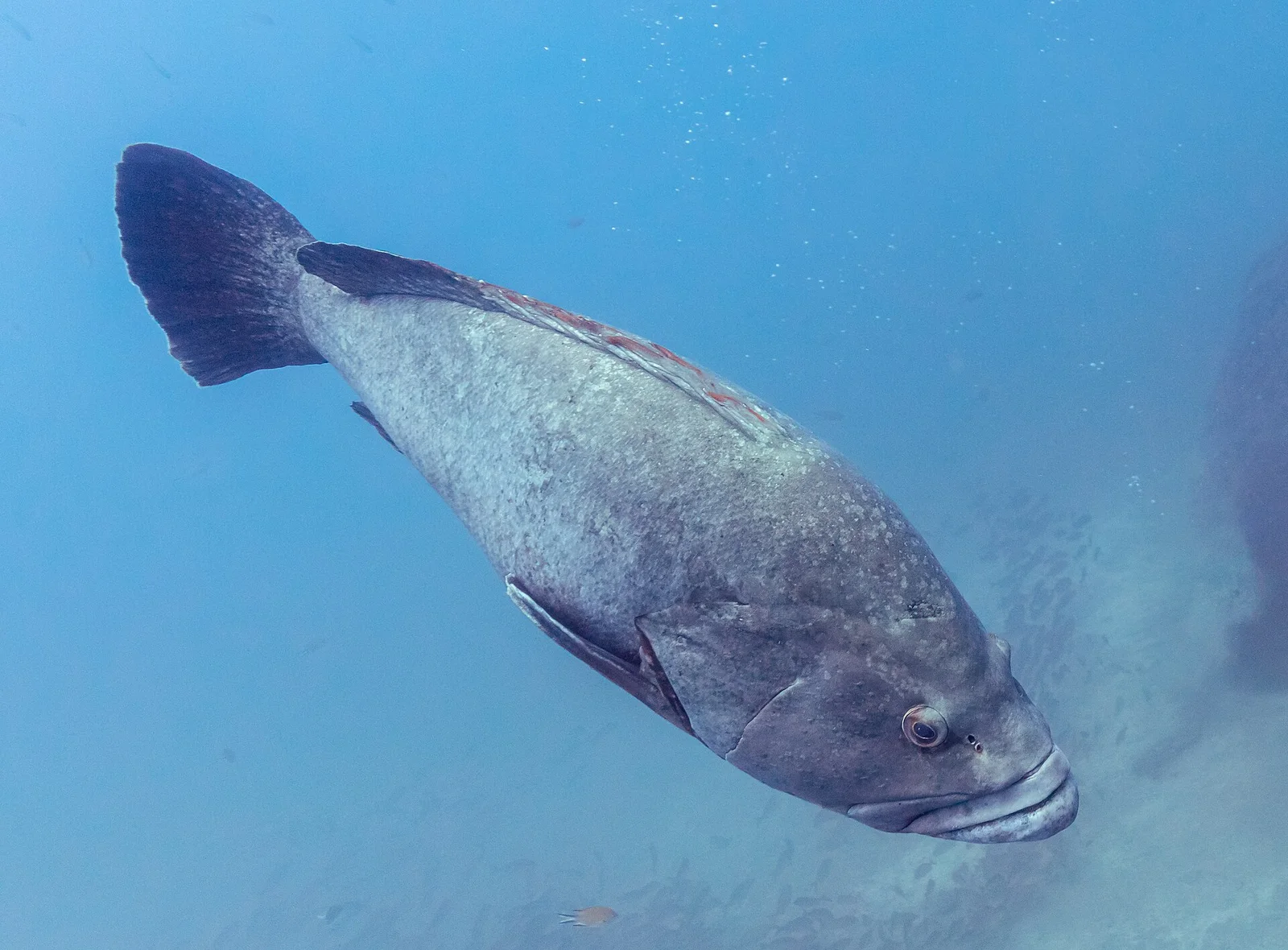
Isolated across an expanse of open channel sand at 37 meters, the three massive Roman sarcophagi function as a concentrated benthic oasis for cryptic and sand-dwelling Adriatic species. Well-camouflaged red scorpionfish and tub gurnards rest motionless atop the encrusted stone rims and surrounding sand apron.
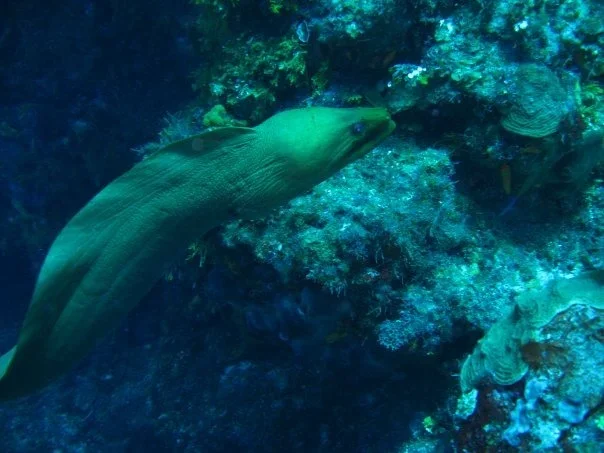
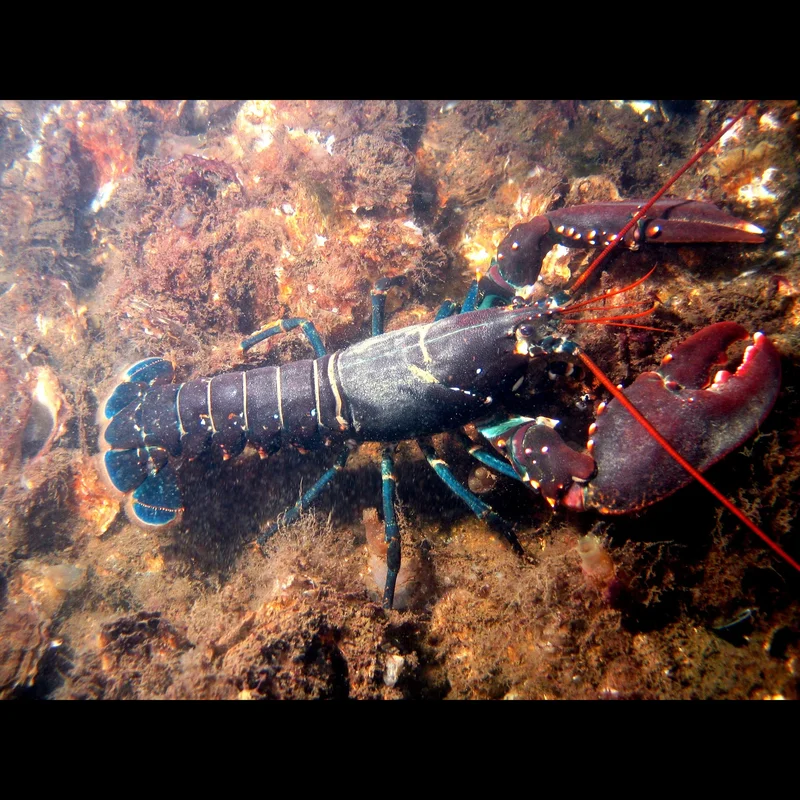
Beneath the tilted chest and protruding acroteria lids, moray eels, conger eels, common octopuses, and squat lobsters shelter inside dark, predator-proof hollows, while vibrant sponges, ascidians, and serpulid tube worms decorate the stone surfaces.
During cooler late-spring and early-summer dives, solitary John Dory (Zeus faber) occasionally glide around the upright stone chests hunting small schooling anthias and damselfish.


1 / 2
Image contributors:Diego Delso, laszlo-photo + 2 more
Want to contribute photos or local dive knowledge? Learn how to contributeDive Sites Near Jakljan Roman Sarcophagi Wreck
View all dive sites in CroatiaDiscover more underwater gems in this area.
Max 34 m
8.8 km
advancedKlačine Roman Wreck
BoatChannel
Max 31 m
7.3 km
advancedVeli Školj Roman Sarcophagi Wreck
BoatChannel
Max 46 m
11.7 km
advancedSveti Pavao Shallows Venetian Wreck
BoatDown Line
Max 40 m
21.5 km
360°intermediateOdysseus Cave
BoatCanyon
Max 40 m
23.5 km
Grebeni Islets
BoatCanyon
Max 80 m
17.3 km
St. Andrew Islet
BoatCavern
Max 40 m
20.5 km
Bezdan
CaveLake
Max 52 m
23 km
SS Taranto
BoatOcean
Max 34 m
8.8 km
advancedKlačine Roman Wreck
BoatChannel
Max 31 m
7.3 km
advancedVeli Školj Roman Sarcophagi Wreck
BoatChannel
Max 46 m
11.7 km
advancedSveti Pavao Shallows Venetian Wreck
BoatDown Line
Max 40 m
21.5 km
360°intermediateOdysseus Cave
BoatCanyon
Max 40 m
23.5 km
Grebeni Islets
BoatCanyon
Max 80 m
17.3 km
St. Andrew Islet
BoatCavern
Max 40 m
20.5 km
Bezdan
CaveLake
Max 52 m
23 km
SS Taranto
BoatOcean
Max 30 m
20.6 km
Zaton Bay
BoatCavern
Max 50 m
20.5 km
Jabuka Caves
BoatCave
1 / 2
Dive Centers Near Jakljan Roman Sarcophagi Wreck
Working Hours
SunClosed
Mon09:00 - 17:00
Tue09:00 - 17:00
Wed09:00 - 17:00
Thu09:00 - 17:00
Fri09:00 - 17:00
Sat09:00 - 17:00
Today: 09:00 - 17:00
SunClosed
Mon09:00 - 17:00
Tue09:00 - 17:00
Wed09:00 - 17:00
Thu09:00 - 17:00
Fri09:00 - 17:00
Sat09:00 - 17:00
Nearest Airports
Nearest airports to help plan travel to this dive area.
Dubrovnik Ruđer Bošković Airport DBV
44 km
Tivat Airport TIV
85 km
Brač Airport BWK
109 km
💵 Currency: EUR
Search Flights
Check available flights and routes on Expedia, using the nearby airports listed in this section.
Search Flights on ExpediaAffiliate link · Dive Navigator may earn a commission at no extra cost to you.
Frequently Asked Questions
Is this the same Jakljan wreck as the World War II cargo steamer in the northern Adriatic?
No. While a modern WWII steamer named Jakljan lies deeper off Krk in Kvarner Bay, this southern Dalmatian archaeological site is an ancient Roman stone-carrier wreck off Jakljan Island in Dubrovnik's Elafiti archipelago.
What are the exact dimensions of the Roman sarcophagi on the seabed?
Archaeological measurements record each semi-finished rectangular stone chest at 214 centimeters long, 70 centimeters wide, and 74 centimeters high (with a 54-centimeter interior depth), paired with matching gabled lids featuring four corner acroteria.
Why were the sarcophagi left undecorated when shipped?
In Roman maritime stone trade, quarries roughed out standard chests and gabled acroteria lids to reduce weight before shipping, leaving delicate relief portraits and inscriptions to master workshops at the destination city.
How was the Jakljan sarcophagi wreck discovered?
After a brief inconclusive sighting in poor visibility in 1991, a fisherman from nearby Šipan relocated the cargo in 2003 and notified authorities, prompting official Ministry of Culture inspection in 2003 and full site mapping in 2012.
What depth and seabed conditions should divers expect?
All three sarcophagus sets rest on a flat sandy seabed at 37 meters across a compact 7 by 5 meter area, requiring careful frog-kick buoyancy to avoid silting and a controlled line ascent.
Can divers visit this site independently?
No. Exact coordinates are withheld from public charts to prevent looting, and all archaeological remains on the Croatian seabed are strictly protected under Ministry of Culture jurisdiction.
Trip Inquiry
Planning to dive Jakljan Roman Sarcophagi Wreck?
Tell us your dates and diving needs. We'll review your request and seek offers from relevant local dive centers.
Request Dive Offers Free request for offers • No booking obligation
Jakljan Roman Sarcophagi Wreck
Conditions are Moderate
5/10
Confidence: 8/10
Indicates meteorological model agreement and data availability.
DIVE WARNING
High Wind Advisory (42km/h). Unsafe surface.
06:12
18:45
H: 10:45
L: 16:20
Air / Sea Temp
13° / 19°
Wave Height
1.6 m
Wind Speed
42 km/h N
Rain Chance
50%
Current conditions near Jakljan Roman Sarcophagi Wreck show 13° air, 19° sea temperature, 1.6 m waves, and 42 km/h wind. Forecast data is refreshed regularly to ensure accuracy.
Radius: ~12km
Updated: Nov 23, 2026, 06:59 local timeMARINE: OPEN-METEOWEATHER: YR.NO