Loading...

Diving at TA 35 Giuseppe Dezza (Croatia)
Published
Few wrecks in the Mediterranean trace twentieth-century naval history as vividly as TA 35 Giuseppe Dezza, a sleek warship that served under three names and two navies across both World Wars. Sitting upright at 30 to 37 meters off the Brijuni-Fažana approach south of Rovinj, her severed stern section bristles with intact anti-aircraft cannons and depth-charge racks frozen in battle readiness.
Starting the day at TA 35 Giuseppe Dezza, the ambient air temperature is recorded at 10°C. Ongoing monitoring shows wave heights measuring 0.7 m. This data represents the current surface conditions for early activities.
Dive Site Location & Key Facts
Site Characteristics
Max Depth37m / 121ft
Entry Typeboat
Water Typesalt
Dive Types
ArchaeologicalDeepWreck
Dive Site Overview
Laid down at the Odero shipyard in Genoa and completed in 1915, this 73-meter, narrow-beamed (7.33-meter) oil-fired turbine warship began service in the Italian Regia Marina as the Rosolino Pilo-class destroyer Pilade Bronzetti. After First World War Adriatic patrols, she gained political notoriety in December 1920 when her crew sailed into Rijeka to join Gabriele D'Annunzio's forces, prompting the Italian Navy to rename her Giuseppe Dezza in 1921 and reclassify her as a torpedo boat in 1929. Following Italy's armistice in September 1943, German forces captured the vessel, upgraded her anti-aircraft battery, and commissioned her into the Kriegsmarine as Torpedoboot Ausland TA 35.
On August 17, 1944, while transiting the coastal shipping lane off Barbariga and the northern approach to the Fažana-Brijuni channel, TA 35 struck a naval mine that detonated catastrophically near her forward magazines. Seventy-one crewmen died in the blast, which sheared the hull cleanly in two and hurled the bow section roughly 80 meters away from the main midship-and-stern structure.
Today, virtually all recreational dives focus on the upright main stern section resting on a sandy-silty floor at 35 to 37 meters, with deck guns and superstructure rising to 30 meters. Because 80 meters of open, featureless sediment separates the two halves, traversing between stern and bow in a single recreational dive is impractical without technical propulsion and decompression gas.
TA 35 Giuseppe Dezza
Conditions are Good
7/10
Confidence: 8/10
Indicates meteorological model agreement and data availability.
Best Dive Window
Optimal conditions expected
06:12
18:45
H: 10:45
L: 16:20
Air / Sea Temp
10° / 17°
Wave Height
1.1 m
Wind Speed
31 km/h ENE
Rain Chance
0%
Current conditions near TA 35 Giuseppe Dezza show 10° air, 17° sea temperature, 1.1 m waves, and 31 km/h wind. Forecast data is refreshed regularly to ensure accuracy.
Radius: ~12km
Updated: Nov 23, 2026, 04:23 local timeMARINE: OPEN-METEOWEATHER: YR.NO
Best Time to Dive
TA 35 Giuseppe Dezza is dived consistently from May through October out of Rovinj, Fažana, Barbariga, and Pula. Positioned roughly seven to eight nautical miles south-southeast of Rovinj near the outer mouth of the Fažana channel, the site benefits from relatively short 30-to-45-minute boat transits when morning seas are calm.
Visibility fluctuates more than on farther-offshore reefs because tidal exchanges sweeping through the Brijuni archipelago carry nutrient-rich water, averaging 10 to 15 meters and occasionally opening to 18 meters on crisp June and September days. Bottom water temperatures sit at 15 to 17 degrees Celsius below the summer thermocline, rewarding cold-water gloves, hoods, and thick neoprene or drysuits.
PEAK SEASON SCORE
93/100
ExcellentScores combine air & water temps, waves, wind & rainfall for overall conditions.
BEST MONTHS TO DIVE
JUN
JUL
AUG
DIVE SCORE GUIDE (0–100)
Excellent (90–100)
Very Good (80–89)
Good (70–79)
Moderate (50–69)
Poor (30–49)
Not Recommended (0–29)
Monthly records compiled from satellite and marine observation nodes over the last 3 years. Data provided by Open-Meteo and MET Norway.
Dive Experience & Conditions
Descending down the shotline onto the upright stern section reveals an unmistakable greyhound-slim warship hull only 7.33 meters wide. Along the fracture zone at roughly 32 to 36 meters, divers can peer directly into exposed steam-turbine plumbing, twisted deck beams, drive shafts, and electrical cabling laid bare where the mine tore the vessel apart.
Working aft along the 30-to-33-meter weather deck brings divers face to face with the wreck's centerpiece attractions: a remarkably preserved twin-mounted anti-aircraft cannon pointing skyward over the fantail, ammunition ready-lockers, pedestal mounts, and stern depth-charge racks. Encrusting sponges and lacy bryozoans soften the sharp angles of gun shields and rangefinder pedestals, creating extraordinary wide-angle photography compositions when ambient light is strong.
Moderate currents frequently sweep parallel to the Istrian coast outside the Fažana channel, so descending and ascending directly on the line is standard procedure. Fine silt accumulates around the rudder and stern base at 37 meters, demanding disciplined frog kicks when framing low-angle shots of the propellers and hull plating.
Dive Difficulty & Safety Guidelines
Because 71 sailors lost their lives when TA 35 sank, the wreck is respected and regulated as a protected Second World War naval war grave requiring dive access through licensed concessionaire centers. Touching, prying, or disturbing shell casings, depth-charge mechanisms, or ship fittings is both hazardous—due to live wartime ordnance still present on the wreck—and strictly illegal under Croatian heritage law.
Interior penetration is not conducted because the 7.33-meter beam leaves extremely cramped destroyer compartments filled with jagged blast debris and silt. Keep your entire profile outside the hull, using a focused primary beam to illuminate exposed turbine machinery at the midship break.
At 30 to 37 meters, air consumption and nitrogen loading climb briskly; diving on enriched air nitrox 30 percent extends safe viewing time around the gun mounts while maintaining a conservative oxygen exposure ceiling. Carry a cutting tool for occasional snagged monofilament line and deploy a delayed surface marker buoy only if separated from the ascent line.
Recommended Equipment
Deep dive hazard. Increased narcosis and gas consumption risk.
Overhead / entanglement risk. Wreck penetration requires proper training.
- Dive Computer
- DSMB
- Primary & Backup Lights
- Wreck Reel
- Cutting Tool
This gear list is based on verified equipment signals for TA 35 Giuseppe Dezza, Croatia. Always confirm final gear choices with your dive operator, guide, or liveaboard.
Recommended Dive Suit
According to recent observations, water temperatures near TA 35 Giuseppe Dezza are approximately 17°C (63°F). Surface air temperatures are resting at 10°C (50°F).
Current forecasts indicate relatively stable conditions for the coming days.
Most divers exploring waters at this temperature rely on 5-7mm wetsuit for effective insulation. Consider warmer surface protection (like a boat coat) due to brisk winds. Strong cold advisory: dress warmly immediately after exiting the water. Water temperature is only one factor influencing overall comfort during a dive. Stronger winds may also make surface intervals feel cooler than usual. Surface intervals may feel noticeably cooler once you exit the water.
TA 35 Giuseppe Dezza conditions last reviewed: 04:23 local time (UTC+1), Nov 23, 2026
Emergency & Medical Support
Essential information to help you plan your dive trip to TA 35 Giuseppe Dezza.

Hyperbaric chambers are a critical part of dive safety infrastructure. Availability varies significantly by region, and not all dive areas have immediate access.
Before diving, it's recommended to:
- confirm nearest medical facilities
- check emergency procedures with local dive operators
- ensure dive insurance covers evacuation if required
24/7 Available
Divers Alert Network
Diving emergency assistance available through DAN Europe.
+39 0642115685- 24/7 emergency hotline
- Diving medical assistance
- Evacuation coordination
Emergency contacts are provided for reference. Always verify local emergency services before diving.
Closest Listed Hyperbaric Chambers (≤ 200 km)
Approximate straight-line distances from this dive site — emergency travel times may vary.
18 km18 kmPoliklinika za baromedicinu OXY – Podružnica Pula
Pula, Croatia+385 52 215 663Details18 kmPoliklinika za baromedicinu OXY – Podružnica Pula
Pula, Croatia · Multiplace
Hours: Mon–Fri 07:30–15:30Facility: Opća bolnica PulaICU On-Site: Not reportedSource: KBC Rijeka / Poliklinika OXYOfficial website
18 km
Poliklinika za baromedicinu OXY – Podružnica Pula
Pula, Croatia+385 52 215 663Details
18 km
Poliklinika za baromedicinu OXY – Podružnica Pula
Pula, Croatia · Multiplace
Hours: Mon–Fri 07:30–15:30
Facility: Opća bolnica Pula
ICU On-Site: Not reported
Source: KBC Rijeka / Poliklinika OXY
Official website74 km74 kmZavod za podvodnu i hiperbaričnu medicinu – KBC Rijeka
Rijeka, Croatia24/7ICU+385 51 407 435Details74 kmZavod za podvodnu i hiperbaričnu medicinu – KBC Rijeka
24/7 ListedICU CapableRijeka, Croatia · Multiplace (8 seated / 2 stretcher ICU)
Hours: 24/7 EmergencyFacility: Klinički bolnički centar Rijeka (Lokalitet Sušak)ICU On-Site: YesSource: KBC Rijeka / Poliklinika OXYOfficial website
74 km
Zavod za podvodnu i hiperbaričnu medicinu – KBC Rijeka
Rijeka, Croatia24/7ICU+385 51 407 435Details
74 km
Zavod za podvodnu i hiperbaričnu medicinu – KBC Rijeka
24/7 ListedICU CapableRijeka, Croatia · Multiplace (8 seated / 2 stretcher ICU)
Hours: 24/7 Emergency
Facility: Klinički bolnički centar Rijeka (Lokalitet Sušak)
ICU On-Site: Yes
Source: KBC Rijeka / Poliklinika OXY
Official website83 km83 kmPoliklinika za baromedicinu OXY – Poslovna jedinica Crikvenica
Crikvenica, Croatia+385 51 785 229Details83 kmPoliklinika za baromedicinu OXY – Poslovna jedinica Crikvenica
Crikvenica, Croatia · Multiplace
Hours: Mon–Fri 07:30–15:30Facility: Thalassotherapia CrikvenicaICU On-Site: Not reportedSource: KBC Rijeka / Poliklinika OXYOfficial website
83 km
Poliklinika za baromedicinu OXY – Poslovna jedinica Crikvenica
Crikvenica, Croatia+385 51 785 229Details
83 km
Poliklinika za baromedicinu OXY – Poslovna jedinica Crikvenica
Crikvenica, Croatia · Multiplace
Hours: Mon–Fri 07:30–15:30
Facility: Thalassotherapia Crikvenica
ICU On-Site: Not reported
Source: KBC Rijeka / Poliklinika OXY
Official websiteChamber data is sourced from official Croatian hospital and baromedicine facility records and has not been independently verified by Dive Navigator. Always contact local emergency services, DAN, your dive operator, or the facility directly before travelling.
Reference onlyMarine Life at TA 35 Giuseppe Dezza
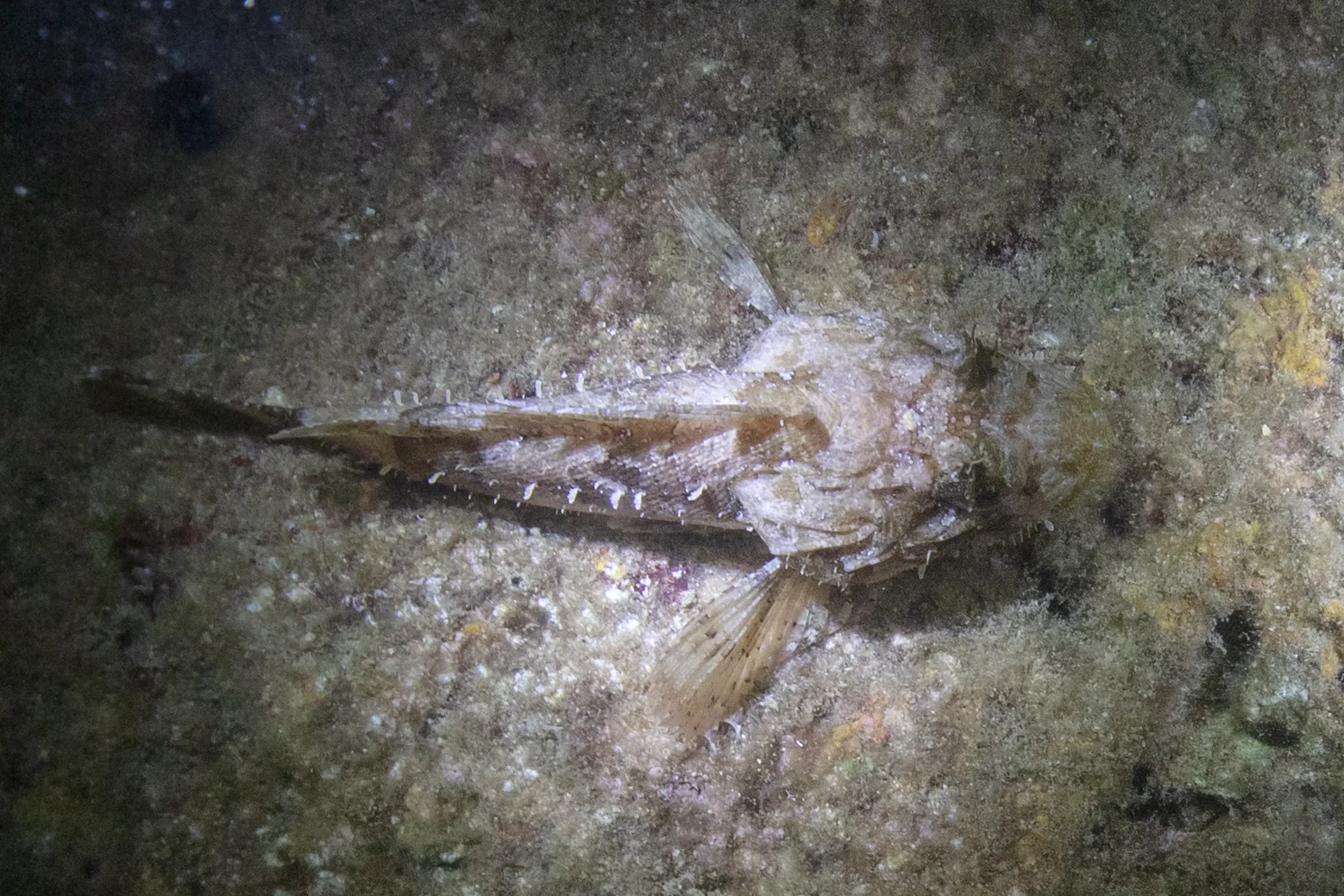
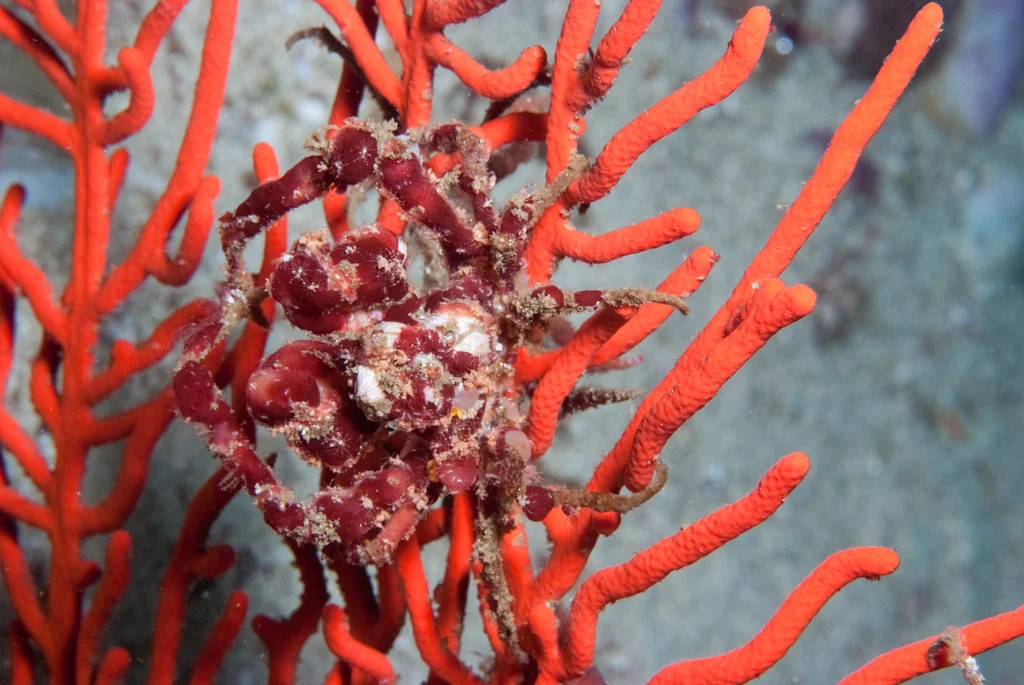
Nutrient-rich currents flowing past the Brijuni archipelago fuel dense filter-feeding growth across TA 35's vertical steel sides and gun barrels. Vibrant orange, yellow, and purple sponges, plumose anemones, and mossy bryozoan colonies coat the anti-aircraft mounts, providing grazing grounds for colorful Adriatic nudibranchs.
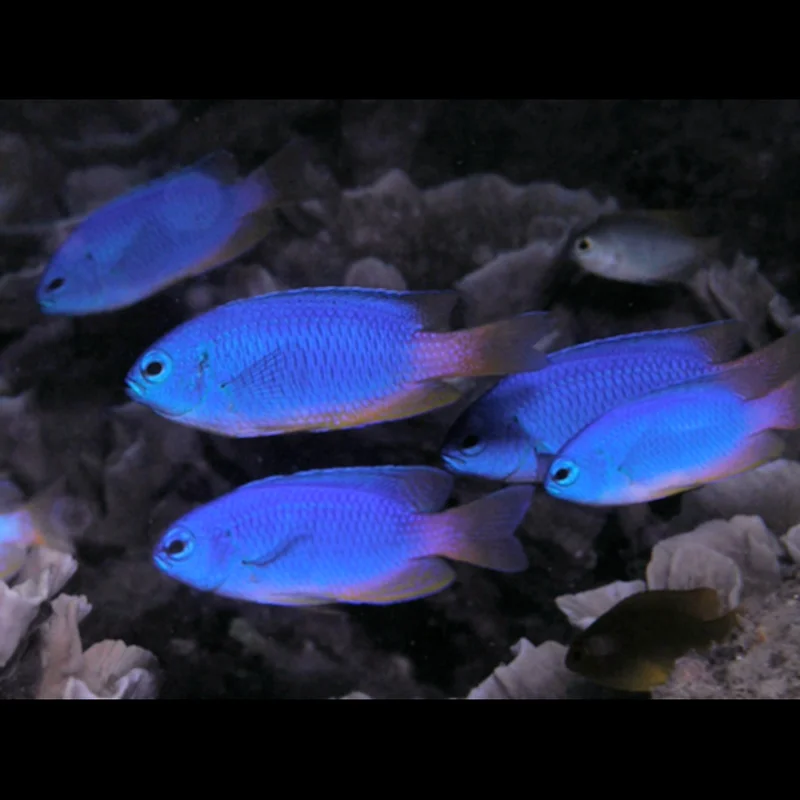
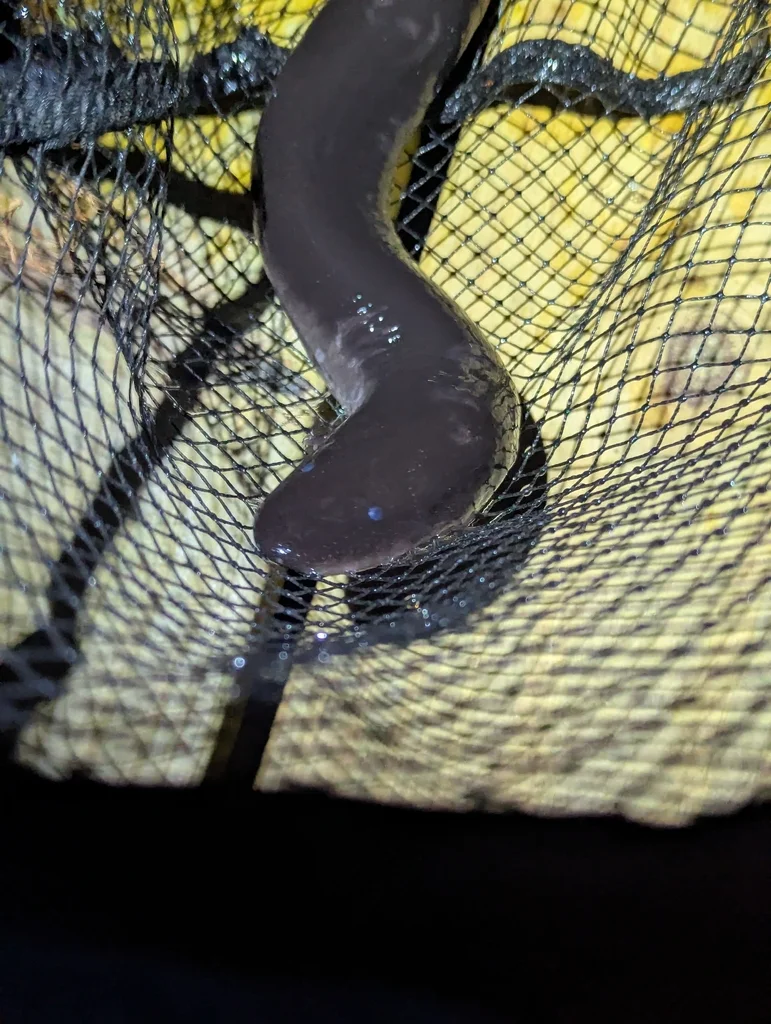
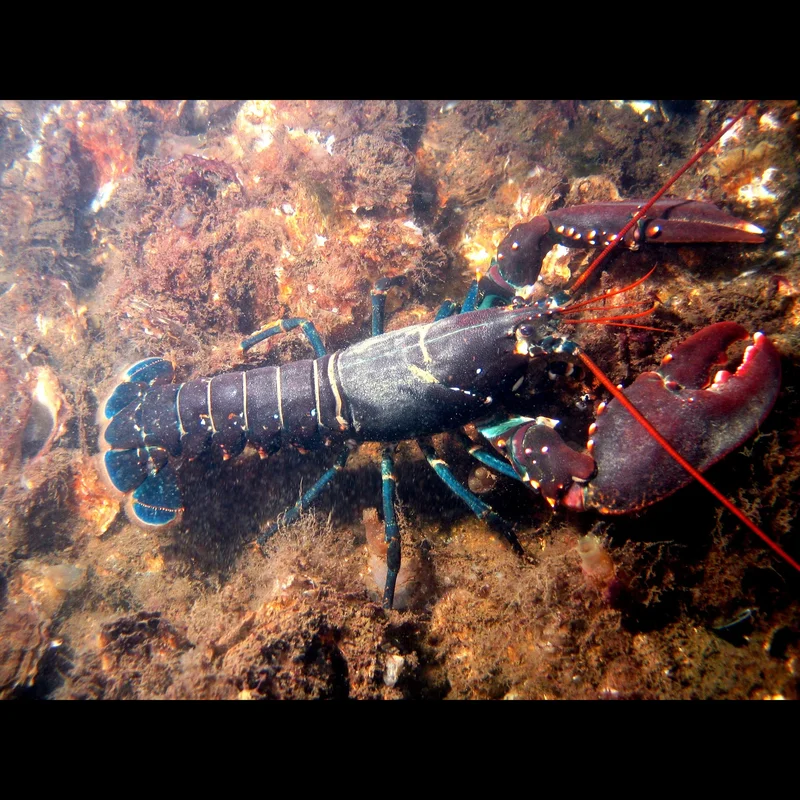
Solitary John Dory are regular stars on the stern deck, stalking schools of damselfish and bogue with slow, vertical precision alongside the gun shields. Beneath the fractured midship hull plates and depth-charge racks, hefty European lobsters, spider crabs, forkbeards, and thick-bodied conger eels shelter in the dark recesses.
1 / 2
Image contributors:Diego Delso, Georgina Jones + 2 more
Want to contribute photos or local dive knowledge? Learn how to contributeDive Sites Near TA 35 Giuseppe Dezza
View all dive sites in CroatiaDiscover more underwater gems in this area.
Max 38 m
6.3 km
advancedWreck Marija
BoatDown Line
Max 42 m
8.5 km
advancedBaron Gautsch
ArchaeologicalBoat
Max 41 m
9.7 km
advancedWreck Hans Schmidt
BoatDown Line
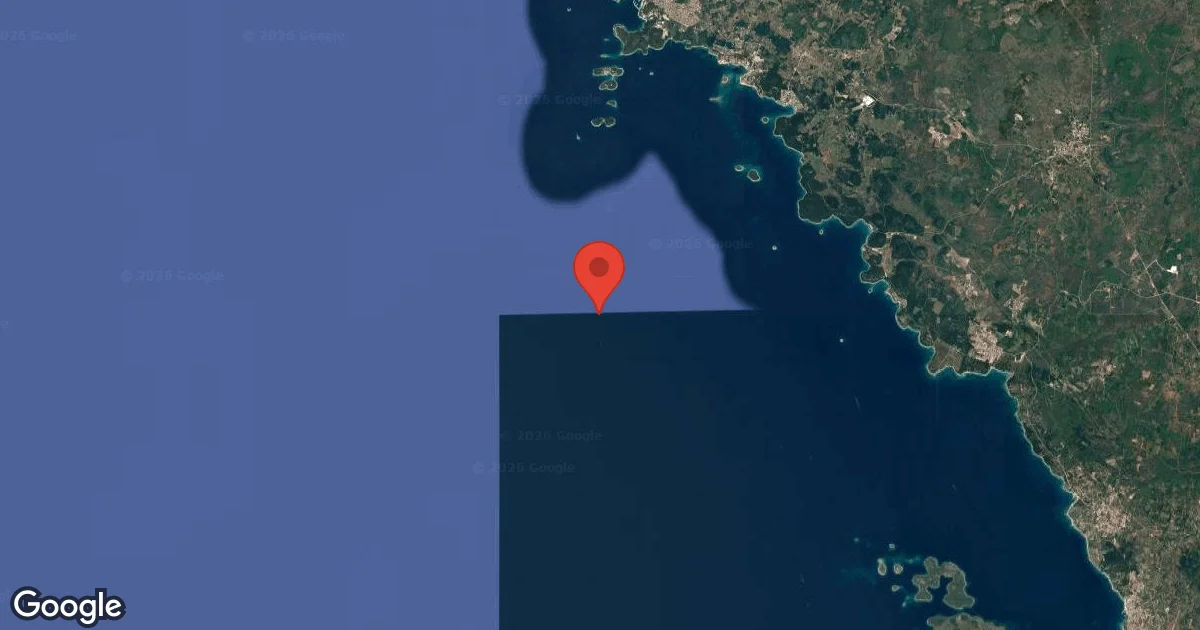
Max 35 m
5.6 km
intermediateWreck Maona
BoatDown Line
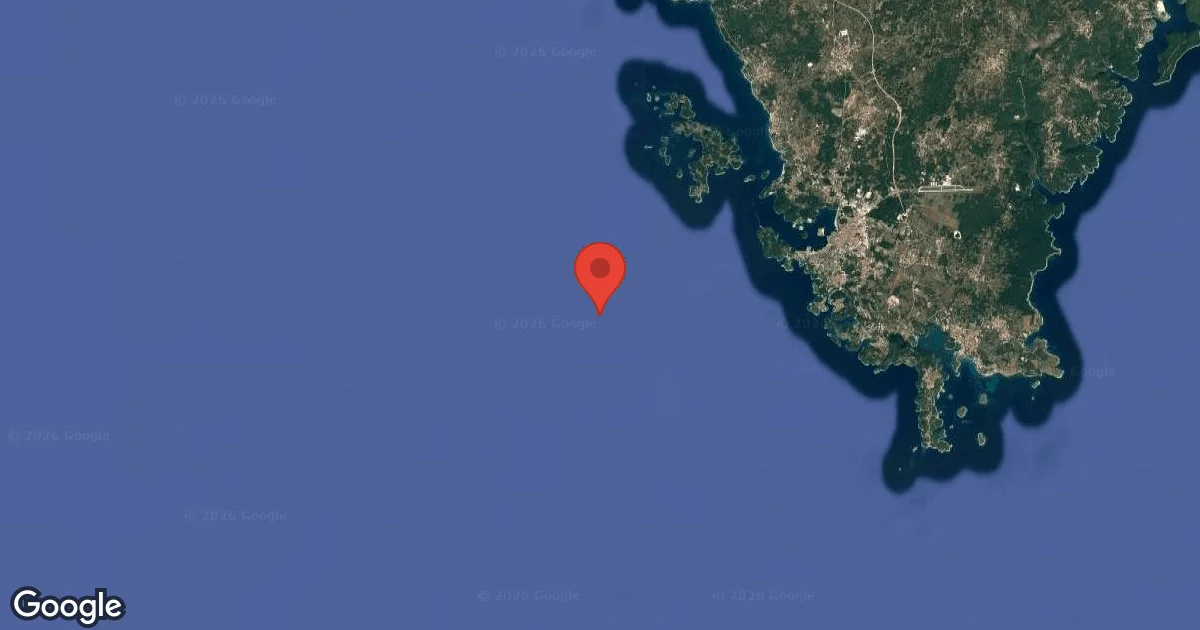
Max 42 m
14.9 km
advancedWreck Varese
ArchaeologicalBoat
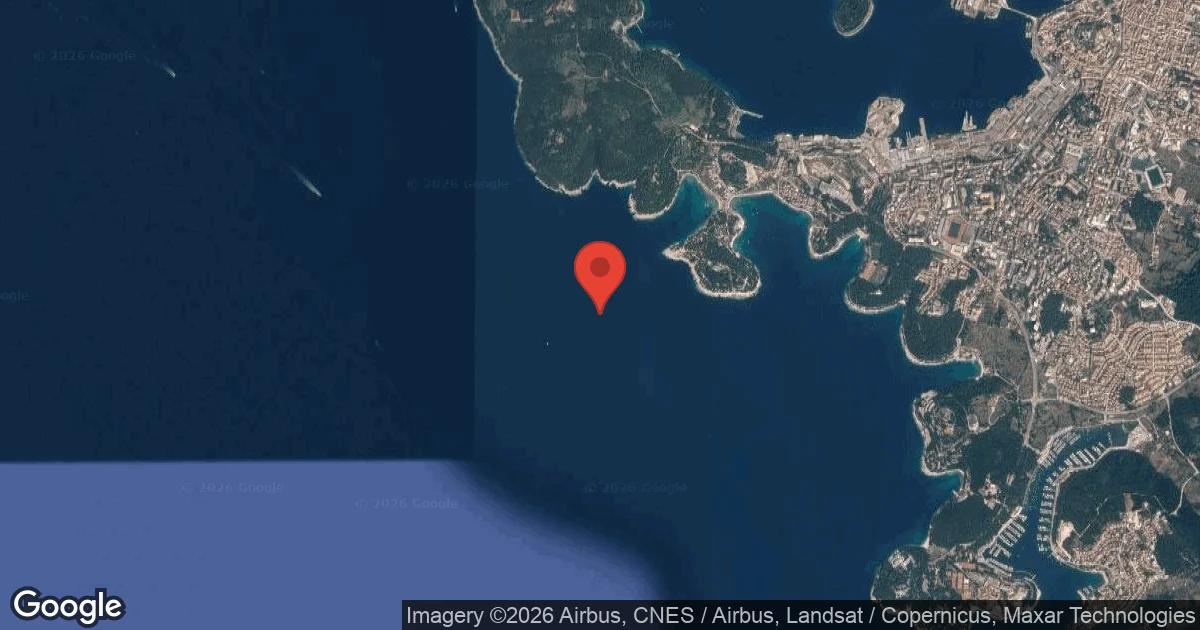
Max 42 m
16.2 km
advancedSubmarine Medusa
BoatDown Line
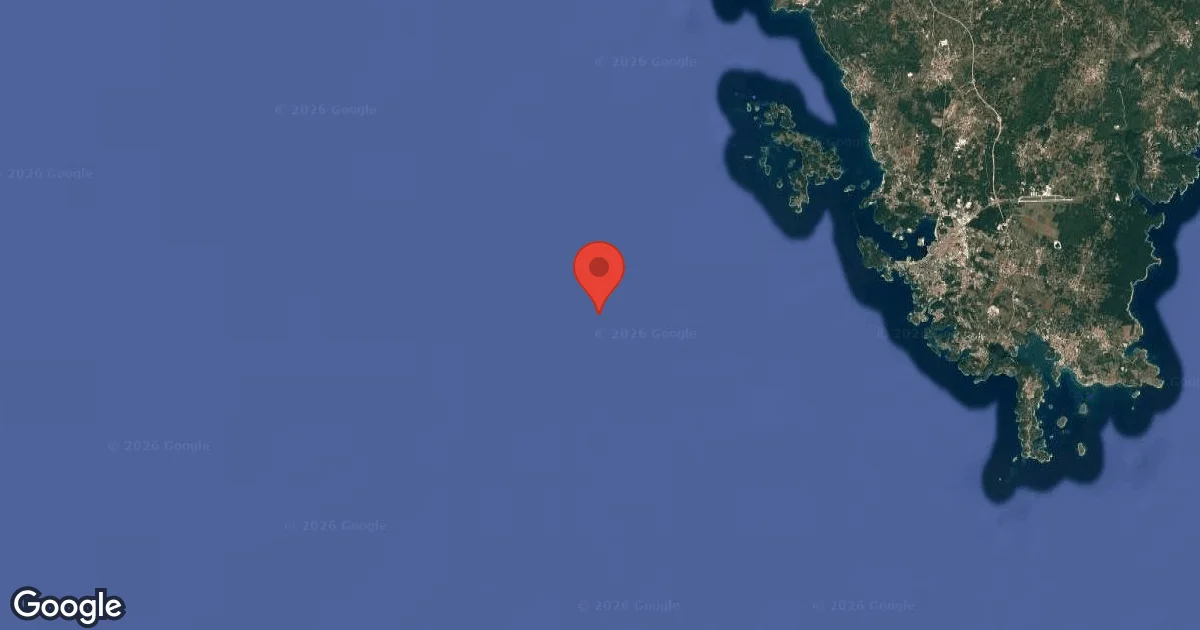
Max 44 m
15 km
advancedWreck John Gilmore
ArchaeologicalBoat
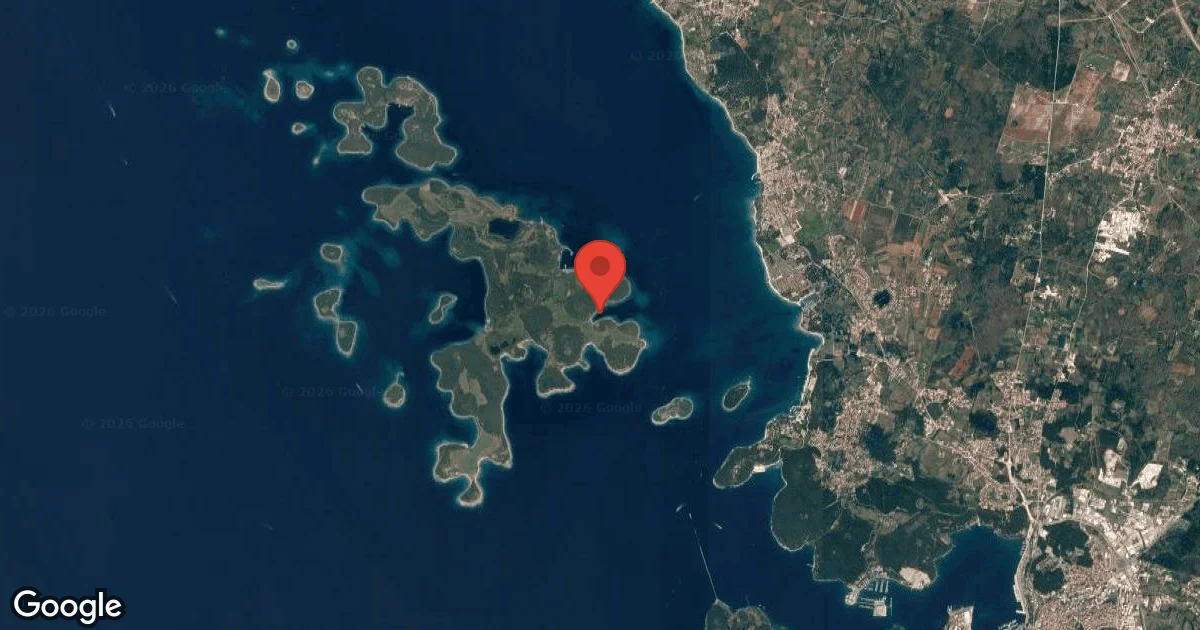
Max 6 m
10.1 km
beginnerVerige Bay Roman Villa Trail
BoatOcean
Max 38 m
6.3 km
advancedWreck Marija
BoatDown Line
Max 42 m
8.5 km
advancedBaron Gautsch
ArchaeologicalBoat
Max 41 m
9.7 km
advancedWreck Hans Schmidt
BoatDown Line
Max 35 m
5.6 km
intermediateWreck Maona
BoatDown Line
Max 42 m
14.9 km
advancedWreck Varese
ArchaeologicalBoat
Max 42 m
16.2 km
advancedSubmarine Medusa
BoatDown Line
Max 44 m
15 km
advancedWreck John Gilmore
ArchaeologicalBoat
Max 6 m
10.1 km
beginnerVerige Bay Roman Villa Trail
BoatOcean
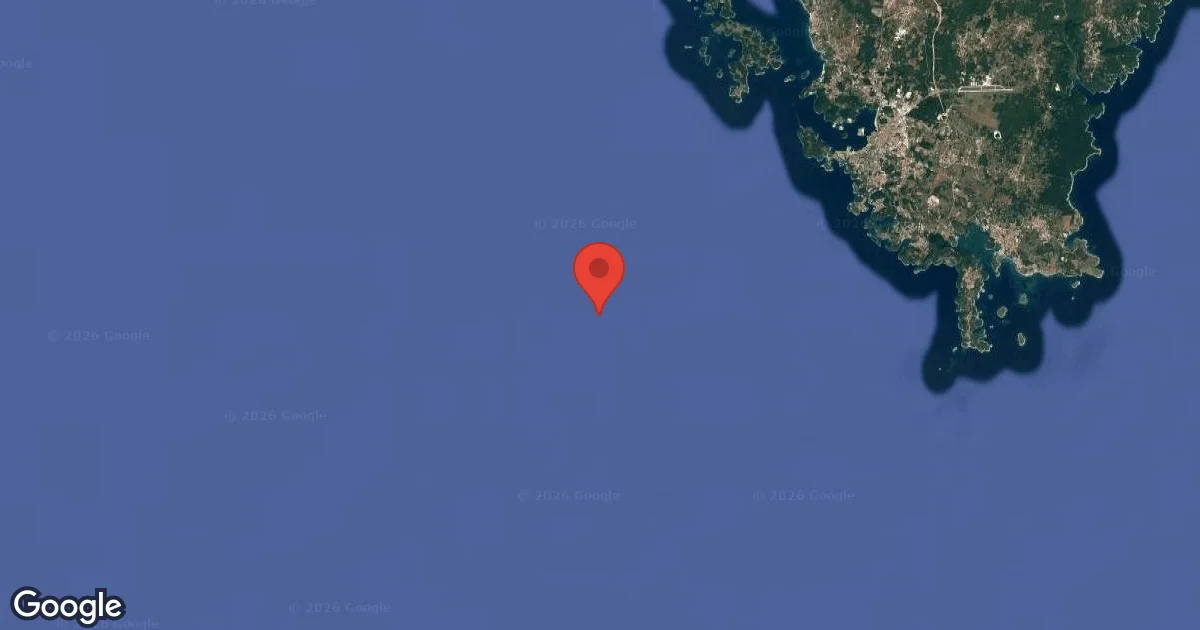
Max 45 m
20.3 km
advancedWreck Josephine
ArchaeologicalBoat
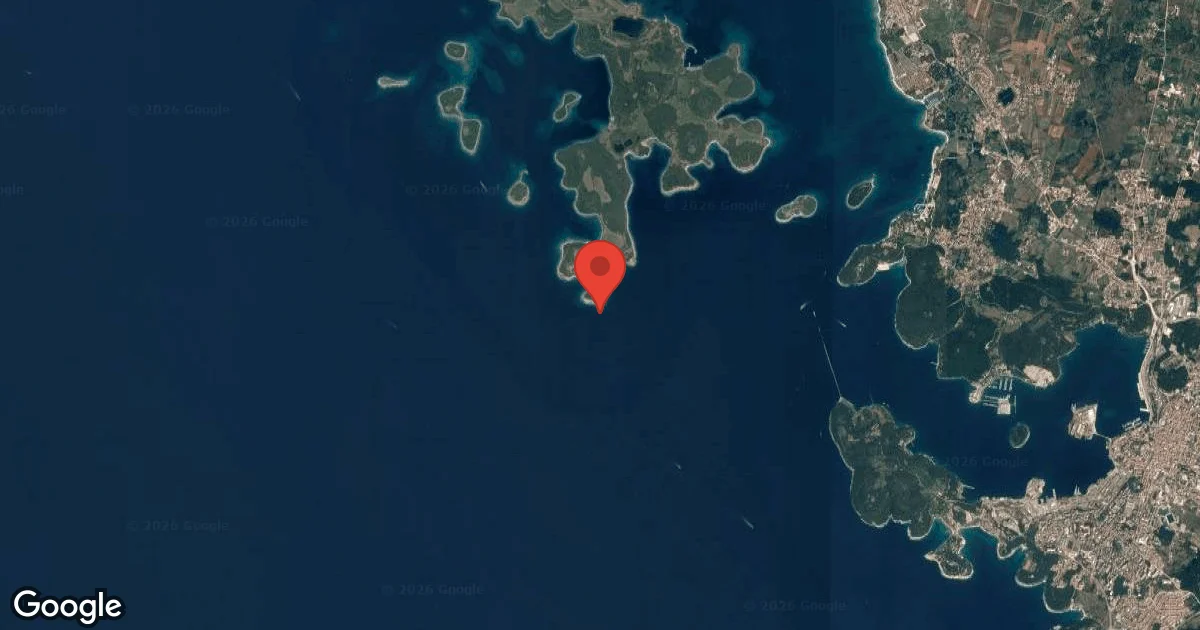
Max 45 m
10.9 km
intermediateCape Peneda
BoatCanyon
1 / 2
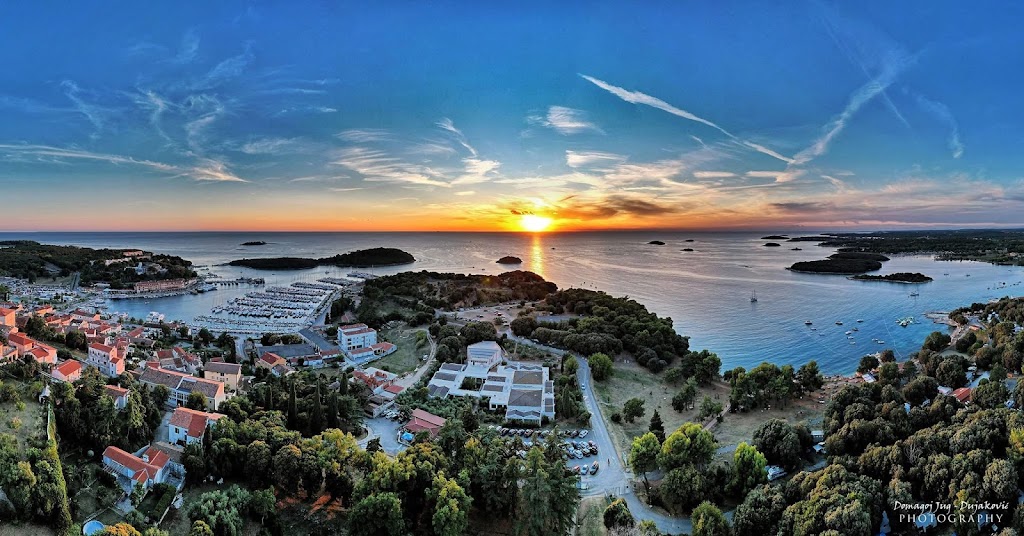
Dive Centers Near TA 35 Giuseppe Dezza
Working Hours
Sun09:00 - 17:00
Mon09:00 - 17:00
Tue09:00 - 17:00
Wed09:00 - 17:00
Thu09:00 - 17:00
Fri09:00 - 17:00
Sat09:00 - 17:00
Today: 09:00 - 17:00
Sun09:00 - 17:00
Mon09:00 - 17:00
Tue09:00 - 17:00
Wed09:00 - 17:00
Thu09:00 - 17:00
Fri09:00 - 17:00
Sat09:00 - 17:00
4.7| 240 reviews
20.6 km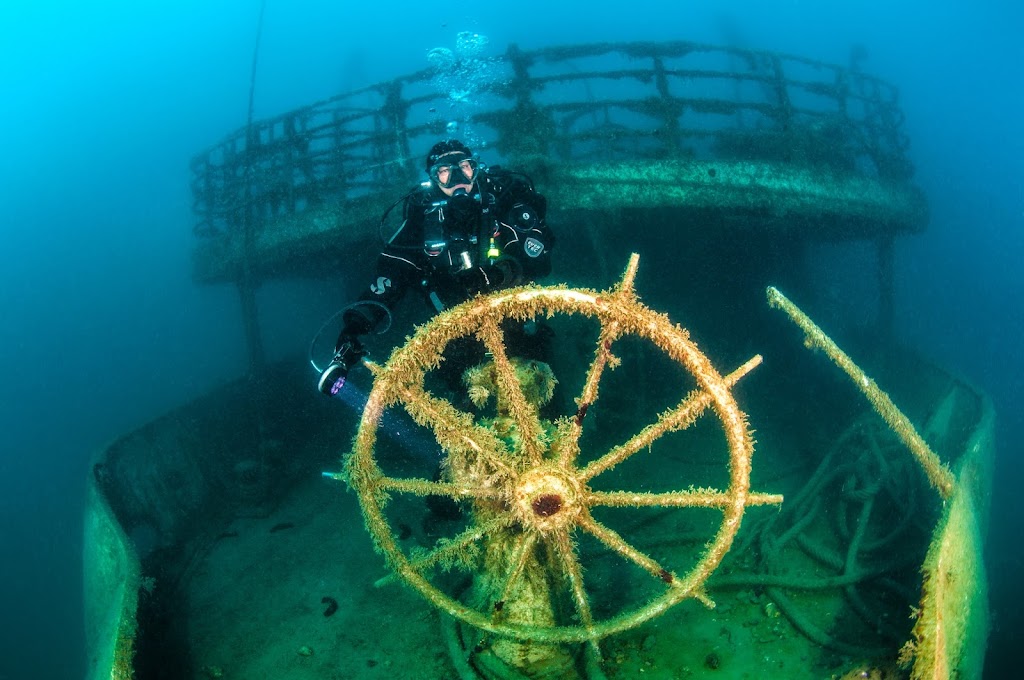
4.7| 211 reviews
20.6 km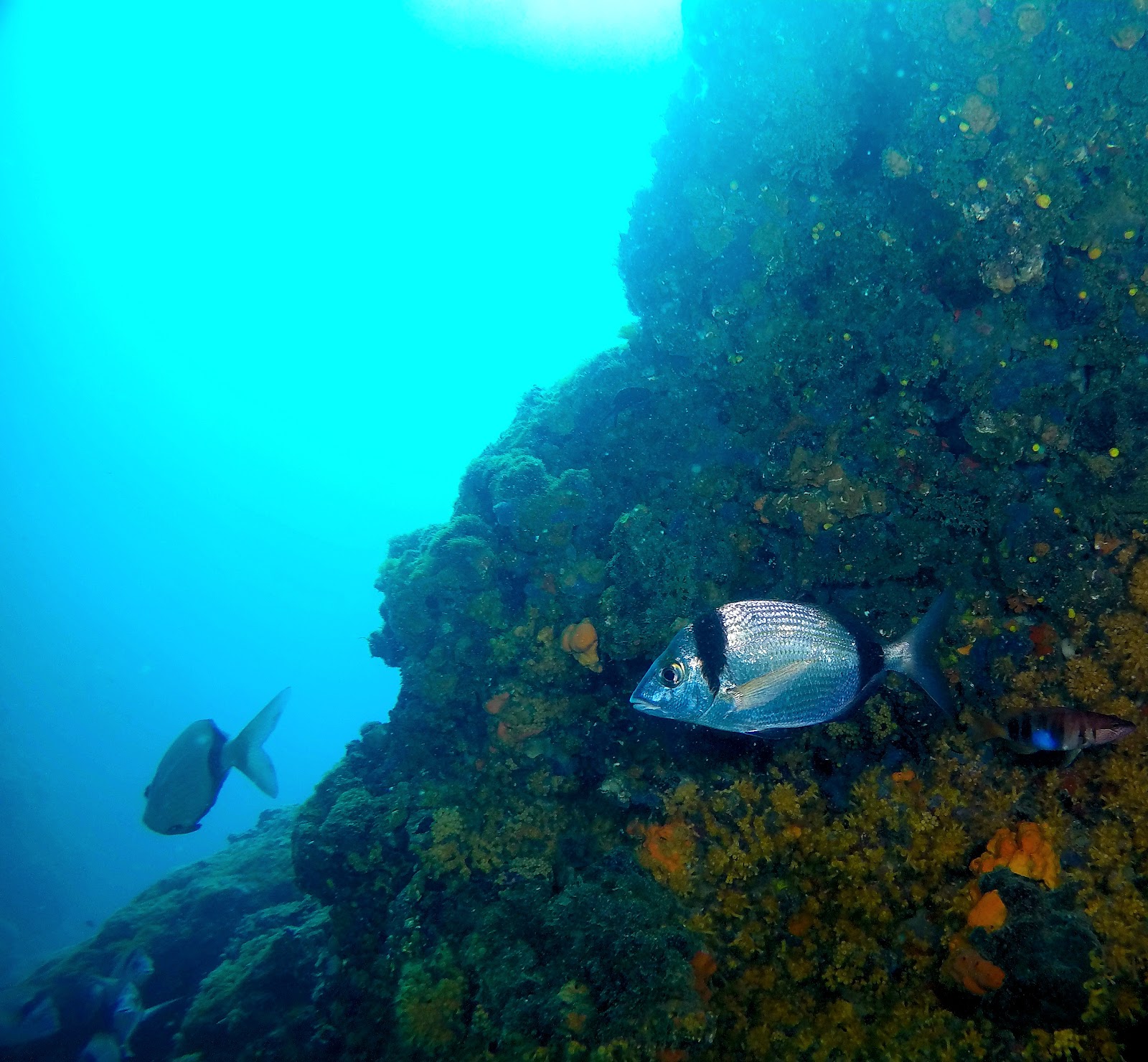
4.7| 129 reviews
19.5 km
Dive Center Scuba Libre
4.8(166)• 25.9 km
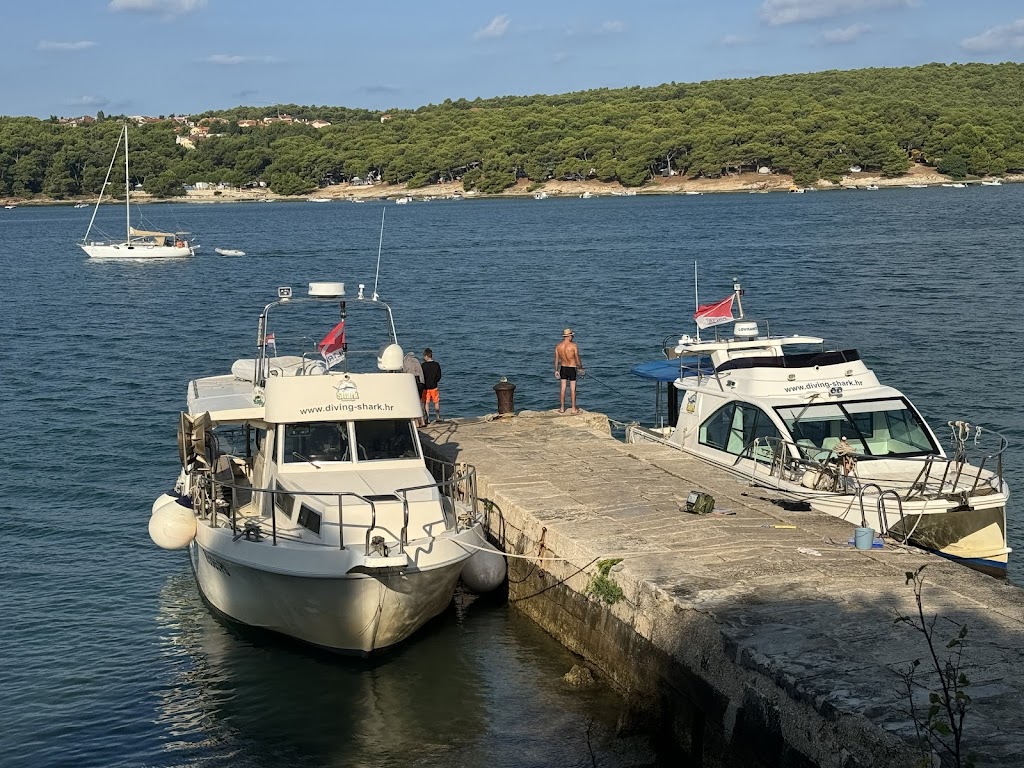
Diving Center Shark
4.6(244)• 26.7 km
Girandella Diving Centre
4.8(231)• 41.3 km
Nearest Airports
Nearest airports to help plan travel to this dive area.
Pula Airport PUY
21 km
Rijeka Airport RJK
76 km
Trieste Airport TRS
97 km
💵 Currency: EUR
Search Flights
Check available flights and routes on Expedia, using the nearby airports listed in this section.
Search Flights on ExpediaAffiliate link · Dive Navigator may earn a commission at no extra cost to you.
Frequently Asked Questions
Why does this wreck carry both Italian and German names?
Built in Genoa in 1915 as the Italian destroyer Pilade Bronzetti and renamed Giuseppe Dezza in 1921, she was captured by German naval forces after Italy's September 1943 armistice and recommissioned into the Kriegsmarine as Torpedoboot Ausland TA 35.
Can divers visit both the bow and stern sections of TA 35 on one dive?
Not on a standard recreational dive. The August 1944 mine explosion threw the bow roughly 80 meters across open silty seabed from the stern, so dive boats moor on the larger, heavily armed stern section at 30 to 37 meters.
Are the warship's guns still intact underwater?
Yes. TA 35 is famous for its well-preserved stern anti-aircraft gun mounts, pedestal armaments, ammunition lockers, and depth-charge racks, all encrusted in colorful sponges.
Is TA 35 Giuseppe Dezza a protected war grave?
Yes. Seventy-one crew members perished in the sinking on August 17, 1944, and the site is protected under Croatian heritage regulations requiring access through permitted dive centers and complete respect for the structure.
Is live ammunition still present on the wreck?
Yes, wartime shells and depth-charge components remain visible on deck and near the break zone, so divers must maintain strict hands-off buoyancy and never touch ordnance.
What minimum experience is appropriate for diving TA 35?
Divers should hold at least an advanced open-water certification—ideally paired with deep-diver and nitrox credentials—and at least 35 logged dives with confident open-water down-line skills.
Trip Inquiry
Planning to dive TA 35 Giuseppe Dezza?
Tell us your dates and diving needs. We'll review your request and seek offers from relevant local dive centers.
Request Dive Offers Free request for offers • No booking obligation
TA 35 Giuseppe Dezza
Conditions are Good
7/10
Confidence: 8/10
Indicates meteorological model agreement and data availability.
Best Dive Window
Optimal conditions expected
06:12
18:45
H: 10:45
L: 16:20
Air / Sea Temp
10° / 17°
Wave Height
1.1 m
Wind Speed
31 km/h ENE
Rain Chance
0%
Current conditions near TA 35 Giuseppe Dezza show 10° air, 17° sea temperature, 1.1 m waves, and 31 km/h wind. Forecast data is refreshed regularly to ensure accuracy.
Radius: ~12km
Updated: Nov 23, 2026, 04:23 local timeMARINE: OPEN-METEOWEATHER: YR.NO


