Loading...

Diving at Wreck Hans Schmidt (Croatia)
Published
At 110 meters overall, Wreck Hans Schmidt is the largest Second World War freighter resting within deep recreational range off Rovinj. Ripped apart by a mine detonation amplified by her cargo of military munitions in January 1943, this towering Dutch-built steamer delivers cathedral-scale steel wreckage, classic century-old bow anchors, and dense clouds of Adriatic reef fish.
Early observations for Wreck Hans Schmidt report a surface air temperature of 13.5°C. The water surface is currently presenting wave heights of 0.6 m. Consider these environmental metrics before beginning your descent.
Dive Site Location & Key Facts
Site Characteristics
Max Depth41m / 135ft
Entry Typeboat
Water Typesalt
Dive Types
DeepTechnicalWreck
Dive Site Overview
Launched in 1920 from a Dutch shipyard under the name SS Albireo, this 110-meter steam-powered freighter spent two decades in commercial merchant service before passing into German wartime operation under the name of her Hamburg shipping owner, Hans Schmidt. For decades after her discovery by local fishermen and pioneer scuba explorers, Istrian dive logs referred to the massive offshore hull simply as Istra until maritime historians matched her hull architecture and wartime loss records.
On January 23, 1943, while steaming off southwestern Istria loaded with military hardware, anti-aircraft ordnance, and boxed ammunition, Hans Schmidt struck an underwater mine. The initial hull breach triggered a violent secondary blast in her munitions hold, snapping the 110-meter steamer into two distinct sections that settled onto the offshore sandy plain.
Resting between 32 meters along the upper deck structures and 41 meters on the seabed, the wreck commands immediate awe for its sheer bulk. Towering hull plates, collapsed cargo masts, cargo winches, accessible bridge and machinery spaces, a distinctive historic stockless-and-stocked anchor arrangement forward, and scattered artillery remnants make Hans Schmidt a multi-dive centerpiece for seasoned deep wreck enthusiasts.
Wreck Hans Schmidt
Conditions are Moderate
5/10
Confidence: 8/10
Indicates meteorological model agreement and data availability.
DIVE WARNING
High Wind Advisory (43km/h). Unsafe surface.
06:12
18:45
H: 10:45
L: 16:20
Air / Sea Temp
13° / 17°
Wave Height
1.8 m
Wind Speed
43 km/h E
Rain Chance
50%
Current conditions near Wreck Hans Schmidt show 13° air, 17° sea temperature, 1.8 m waves, and 43 km/h wind. Forecast data is refreshed regularly to ensure accuracy.
Radius: ~12km
Updated: Nov 21, 2026, 05:40 local timeMARINE: OPEN-METEOWEATHER: YR.NO
Best Time to Dive
Lying well offshore southwest of Rovinj and west of the Brijuni islands, Hans Schmidt requires settled open-sea weather and is primarily dived from May through October. Because the site sits far from coastal river mouths and nearshore boat wake, horizontal visibility at 32 to 41 meters regularly reaches 14 to 20 meters—among the clearest deep-wreck conditions in Istria.
Early summer (June) and September combine warm surface intervals with reliable calm windows between summer thunderstorms. Even at the height of August, water temperature at 35 to 41 meters remains a crisp 15 to 17 degrees Celsius below a sharp mid-water thermocline, making cold-water thermal insulation essential.
PEAK SEASON SCORE
93/100
ExcellentScores combine air & water temps, waves, wind & rainfall for overall conditions.
BEST MONTHS TO DIVE
JUN
JUL
AUG
DIVE SCORE GUIDE (0–100)
Excellent (90–100)
Very Good (80–89)
Good (70–79)
Moderate (50–69)
Poor (30–49)
Not Recommended (0–29)
Monthly records compiled from satellite and marine observation nodes over the last 3 years. Data provided by Open-Meteo and MET Norway.
Dive Experience & Conditions
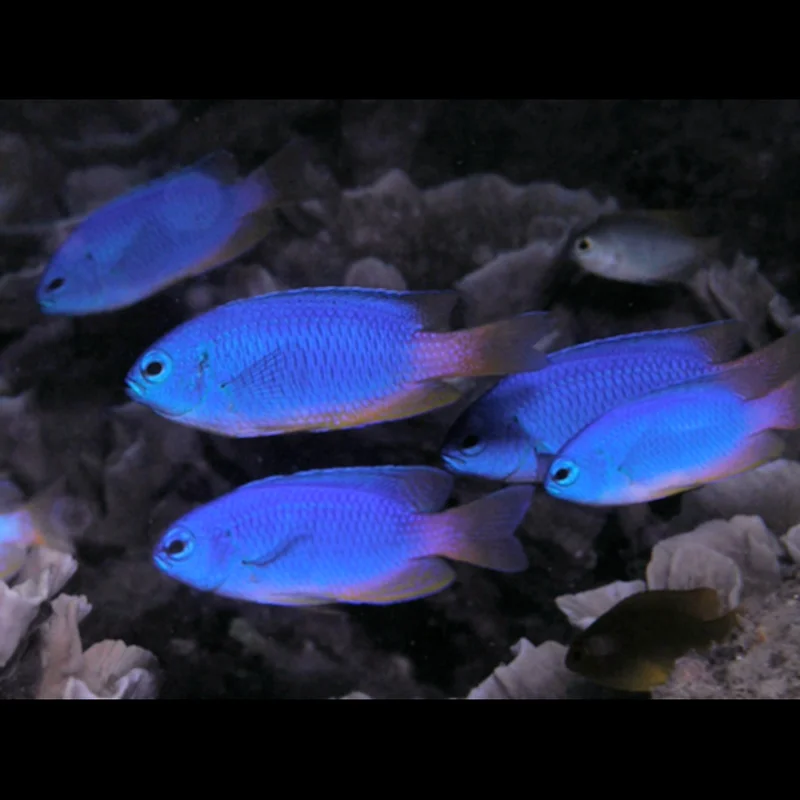
Due to the vessel's 110-meter length and split hull layout, a single recreational no-decompression dive covers only one selected sector—typically either the dramatic midship break, machinery room, and bridge area or the severed bow section with its monumental anchors. Descending down the mooring or shotline, divers are greeted by dense curtains of damselfish (Chromis chromis) and pink anthias swirling above sponge-encrusted deck coamings at 32 meters.
Exploring the midship chasm reveals twisted steel ribs, boiler and steam-engine components, collapsed derricks, and scattered wartime cargo including anti-aircraft munitions resting on the 40-to-41-meter floor. Trained wreck divers with overhead certification and redundant lighting can peer or glide through spacious, open sections of the bridge and upper engine casing while steering well clear of draped fishing nets.
Open-sea currents can run at a moderate clip across the upper hull and shotline before easing down beside the towering steel plating. Because the entire dive takes place below 30 meters, gas consumption, narcosis awareness, and time-to-surface tracking dictate a disciplined, tightly coordinated team profile.
Dive Difficulty & Safety Guidelines
With deck structures starting around 32 meters and the seabed reaching 41 meters, Hans Schmidt demands a Deep Diver certification (or technical decompression credentials for extended exploration) and at least 40 logged dives. Under the Croatian Ministry of Culture and Media 2024–2029 Underwater Cultural Heritage Program (Zone 4, Registration Z-23), diving is permitted exclusively in organized groups through concession-holding dive centers.
Live Second World War shells, fuses, and anti-aircraft ordnance remain scattered inside holds and on the sand around the blast break; touching, lifting, or disturbing any military debris or surrounding artifacts is strictly prohibited by law. Snagged trawl nets also hang across portions of the masts and fractured hull plates, requiring every diver to carry a line cutter or dive knife.
Under the official Zone 4 heritage permit conditions, entering unlit interior sections of the wreck lacking natural daylight is prohibited. Ascend steadily on the down-line and carry a high-visibility delayed surface marker buoy in case offshore currents require a free drift ascent.
Recommended Equipment
Technical depth range. Advanced planning, gas management, and appropriate certification required.
Overhead / entanglement risk. Wreck penetration requires proper training.
- Dive Computer
- DSMB
- Primary & Backup Lights
- Wreck Reel
- Cutting Tool
This gear list is based on verified equipment signals for Wreck Hans Schmidt, Croatia. Always confirm final gear choices with your dive operator, guide, or liveaboard.
Recommended Dive Suit
Forecasts suggest a slight cooling pattern in the days ahead. Cooler days are ahead; you might want a warmer option for later in the week. Divers planning multiple dives may appreciate having a warmer option available.
Factors such as dive duration, depth, and activity level can influence how warm a diver feels underwater. Surface intervals may feel noticeably cooler once you exit the water.
5-7mm wetsuit typically balances flexibility and thermal protection in these temperatures. A thermal robe or jacket is recommended between dives. The latest environmental readings for Wreck Hans Schmidt suggest water temperatures around 17°C (63°F). Surface air temperatures are resting at 13°C (56°F).
Wreck Hans Schmidt conditions last reviewed: 05:40 local time (UTC+1), Nov 21, 2026
Due to technical issues with our weather providers, data hasn't been fetched for over 48 hours. The data above reflects the conditions at the time of the last successful fetch.
Emergency & Medical Support
Essential information to help you plan your dive trip to Wreck Hans Schmidt.

Hyperbaric chambers are a critical part of dive safety infrastructure. Availability varies significantly by region, and not all dive areas have immediate access.
Before diving, it's recommended to:
- confirm nearest medical facilities
- check emergency procedures with local dive operators
- ensure dive insurance covers evacuation if required
24/7 Available
Divers Alert Network
Diving emergency assistance available through DAN Europe.
+39 0642115685- 24/7 emergency hotline
- Diving medical assistance
- Evacuation coordination
Emergency contacts are provided for reference. Always verify local emergency services before diving.
Closest Listed Hyperbaric Chambers (≤ 200 km)
Approximate straight-line distances from this dive site — emergency travel times may vary.
22 km22 kmPoliklinika za baromedicinu OXY – Podružnica Pula
Pula, Croatia+385 52 215 663Details22 kmPoliklinika za baromedicinu OXY – Podružnica Pula
Pula, Croatia · Multiplace
Hours: Mon–Fri 07:30–15:30Facility: Opća bolnica PulaICU On-Site: Not reportedSource: KBC Rijeka / Poliklinika OXYOfficial website
22 km
Poliklinika za baromedicinu OXY – Podružnica Pula
Pula, Croatia+385 52 215 663Details
22 km
Poliklinika za baromedicinu OXY – Podružnica Pula
Pula, Croatia · Multiplace
Hours: Mon–Fri 07:30–15:30
Facility: Opća bolnica Pula
ICU On-Site: Not reported
Source: KBC Rijeka / Poliklinika OXY
Official website84 km84 kmZavod za podvodnu i hiperbaričnu medicinu – KBC Rijeka
Rijeka, Croatia24/7ICU+385 51 407 435Details84 kmZavod za podvodnu i hiperbaričnu medicinu – KBC Rijeka
24/7 ListedICU CapableRijeka, Croatia · Multiplace (8 seated / 2 stretcher ICU)
Hours: 24/7 EmergencyFacility: Klinički bolnički centar Rijeka (Lokalitet Sušak)ICU On-Site: YesSource: KBC Rijeka / Poliklinika OXYOfficial website
84 km
Zavod za podvodnu i hiperbaričnu medicinu – KBC Rijeka
Rijeka, Croatia24/7ICU+385 51 407 435Details
84 km
Zavod za podvodnu i hiperbaričnu medicinu – KBC Rijeka
24/7 ListedICU CapableRijeka, Croatia · Multiplace (8 seated / 2 stretcher ICU)
Hours: 24/7 Emergency
Facility: Klinički bolnički centar Rijeka (Lokalitet Sušak)
ICU On-Site: Yes
Source: KBC Rijeka / Poliklinika OXY
Official website91 km91 kmPoliklinika za baromedicinu OXY – Poslovna jedinica Crikvenica
Crikvenica, Croatia+385 51 785 229Details91 kmPoliklinika za baromedicinu OXY – Poslovna jedinica Crikvenica
Crikvenica, Croatia · Multiplace
Hours: Mon–Fri 07:30–15:30Facility: Thalassotherapia CrikvenicaICU On-Site: Not reportedSource: KBC Rijeka / Poliklinika OXYOfficial website
91 km
Poliklinika za baromedicinu OXY – Poslovna jedinica Crikvenica
Crikvenica, Croatia+385 51 785 229Details
91 km
Poliklinika za baromedicinu OXY – Poslovna jedinica Crikvenica
Crikvenica, Croatia · Multiplace
Hours: Mon–Fri 07:30–15:30
Facility: Thalassotherapia Crikvenica
ICU On-Site: Not reported
Source: KBC Rijeka / Poliklinika OXY
Official websiteChamber data is sourced from official Croatian hospital and baromedicine facility records and has not been independently verified by Dive Navigator. Always contact local emergency services, DAN, your dive operator, or the facility directly before travelling.
Reference onlyMarine Life at Wreck Hans Schmidt
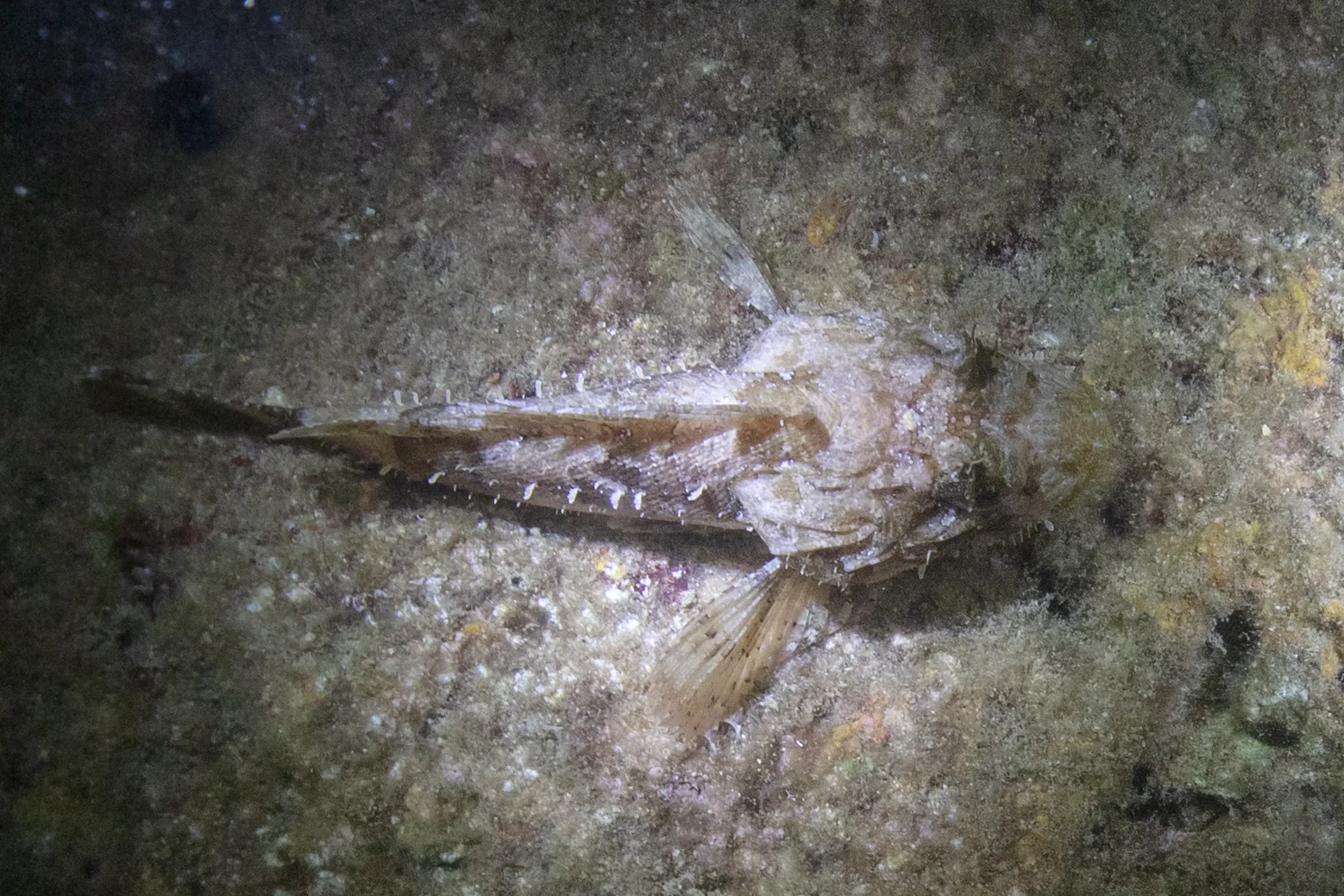
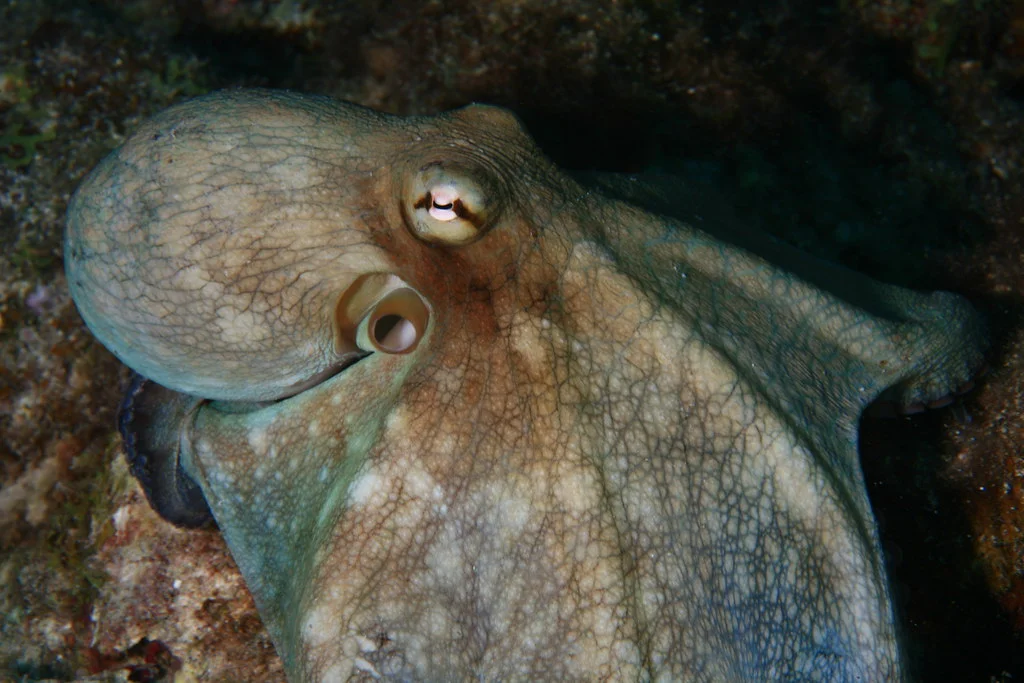
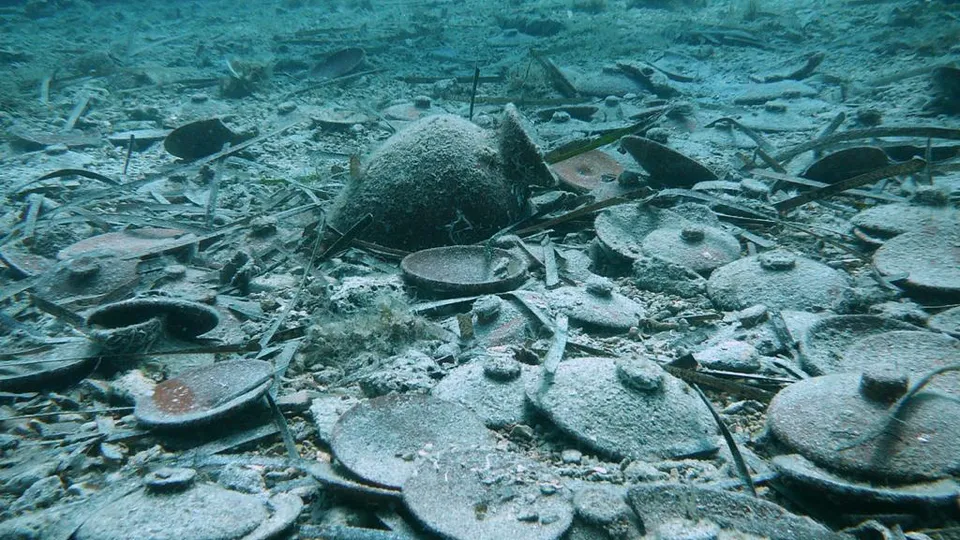
Far out on the open offshore sand plain, the gigantic steel relief of Hans Schmidt acts as an isolated pelagic and benthic oasis. Shimmering clouds of damselfish and vibrant anthias cascade down the hull walls, attracting hunting dentex, amberjack, and solitary John Dory during late-summer dives.
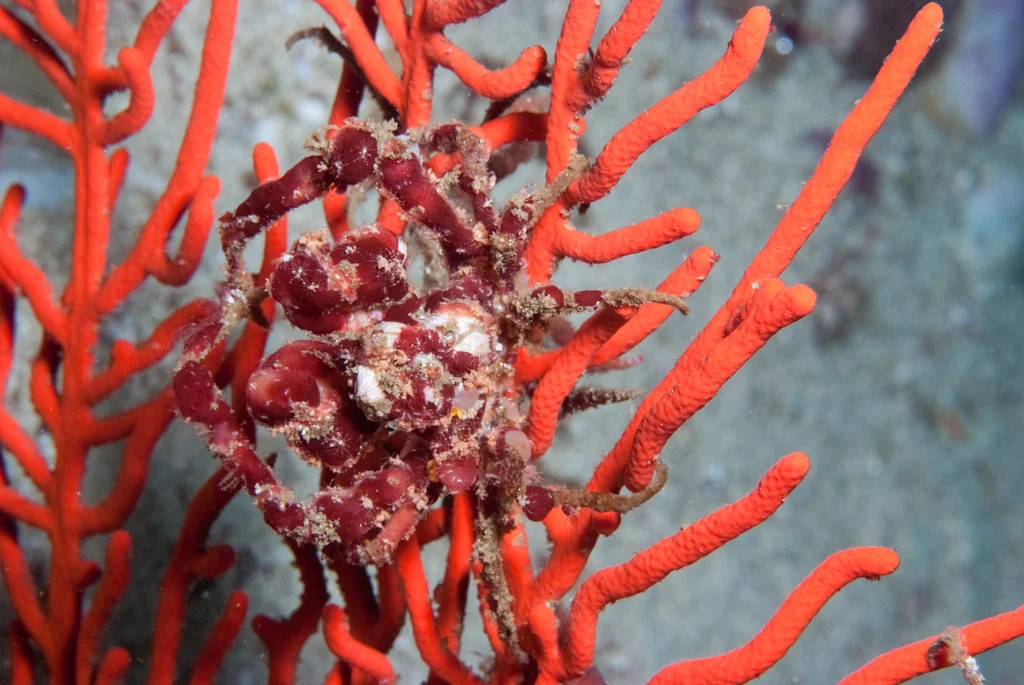
Thick carpets of yellow, orange, and violet sponges coat the winches, masts, and historic bow anchor, while deep overhangs shelter massive European conger eels, nocturnal forkbeards, and prized European lobsters. Large spider crabs and red scorpionfish patrol the munitions-strewn deck plates.
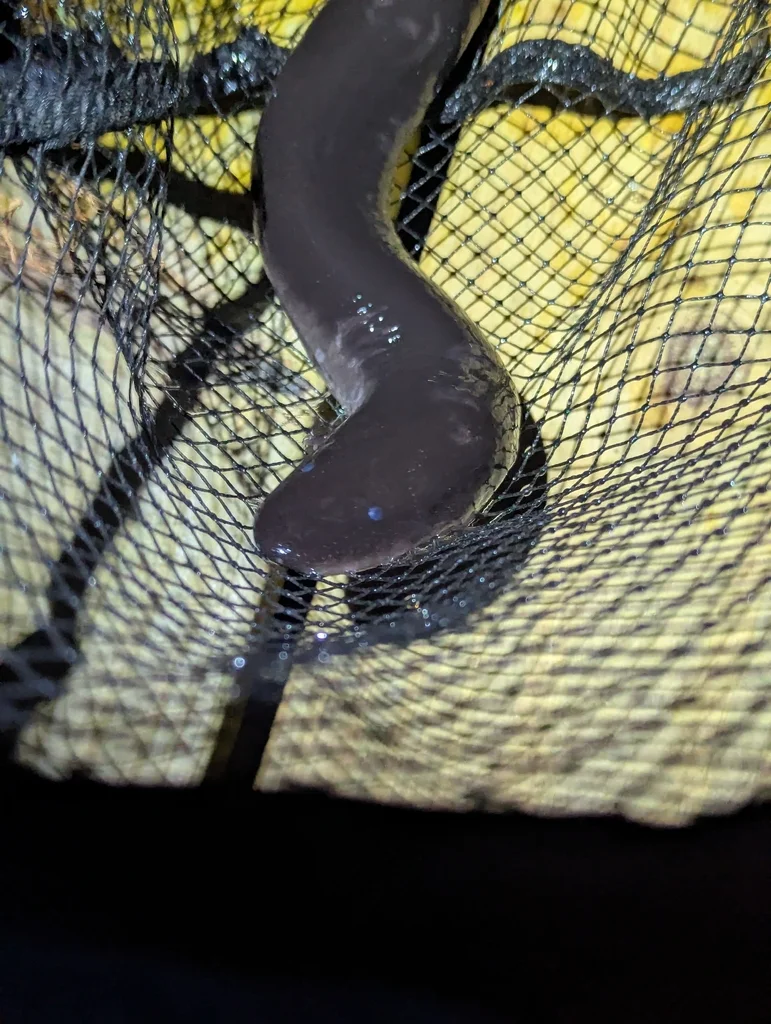
1 / 2
Image contributors:Diego Delso, laszlo-photo + 4 more
Want to contribute photos or local dive knowledge? Learn how to contributeDive Sites Near Wreck Hans Schmidt
View all dive sites in CroatiaDiscover more underwater gems in this area.
Max 42 m
3.8 km
advancedBaron Gautsch
ArchaeologicalBoat
Max 38 m
4.6 km
advancedWreck Marija
BoatDown Line
Max 44 m
7.8 km
advancedWreck John Gilmore
ArchaeologicalBoat
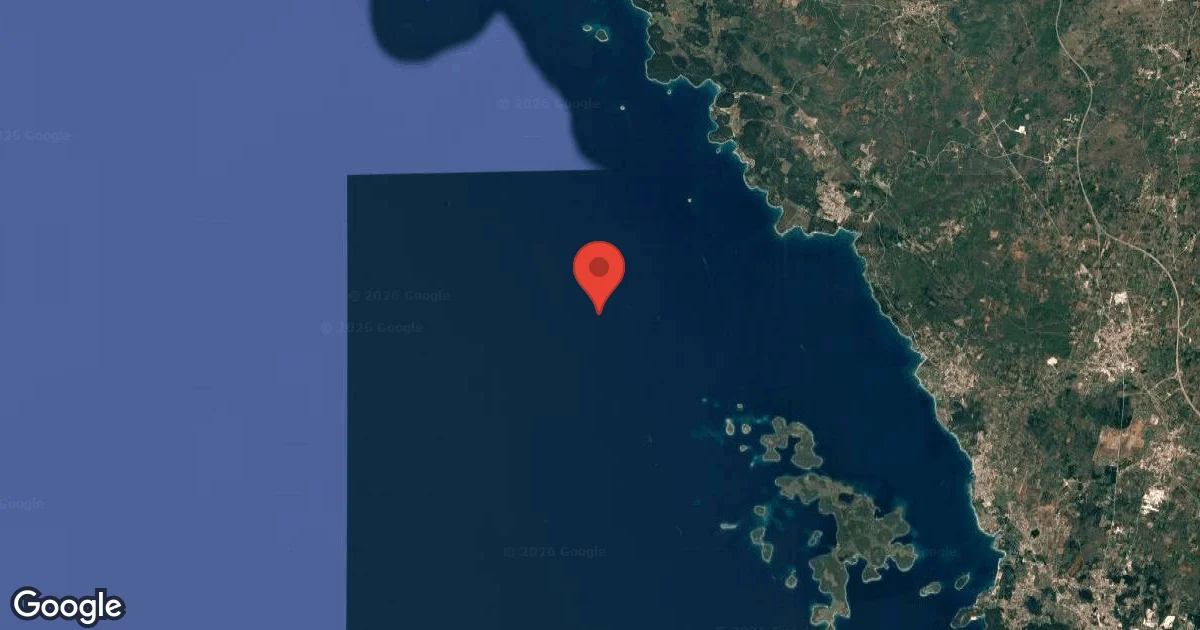
Max 37 m
9.7 km
advancedTA 35 Giuseppe Dezza
ArchaeologicalBoat
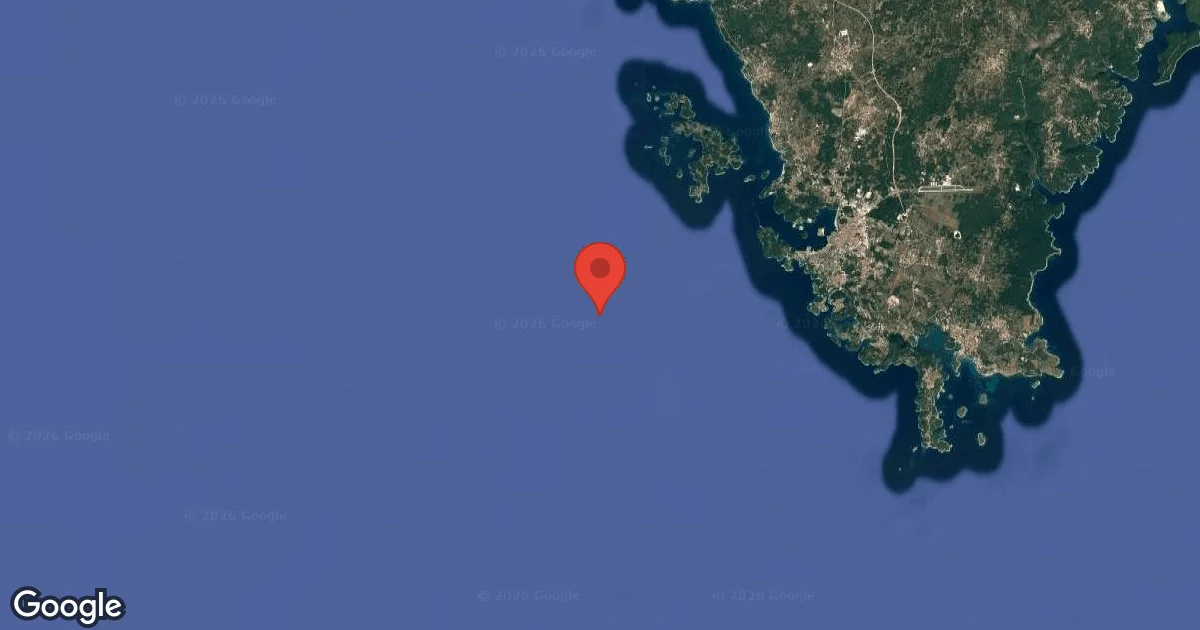
Max 42 m
11.2 km
advancedWreck Varese
ArchaeologicalBoat
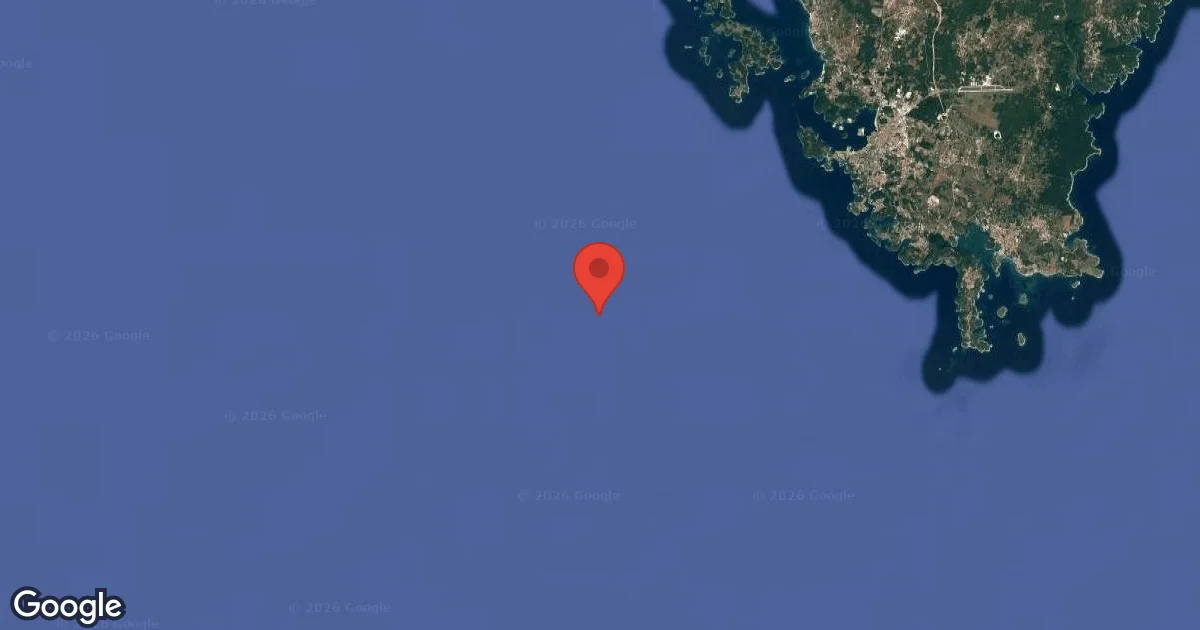
Max 45 m
14.6 km
advancedWreck Josephine
ArchaeologicalBoat
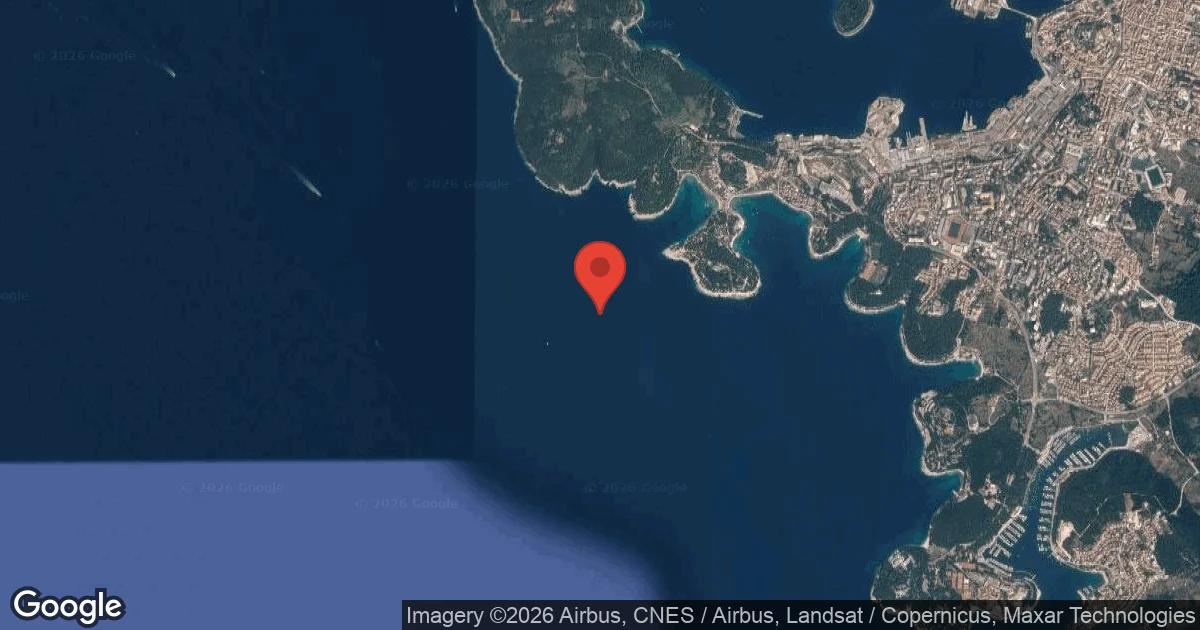
Max 42 m
18.1 km
advancedSubmarine Medusa
BoatDown Line
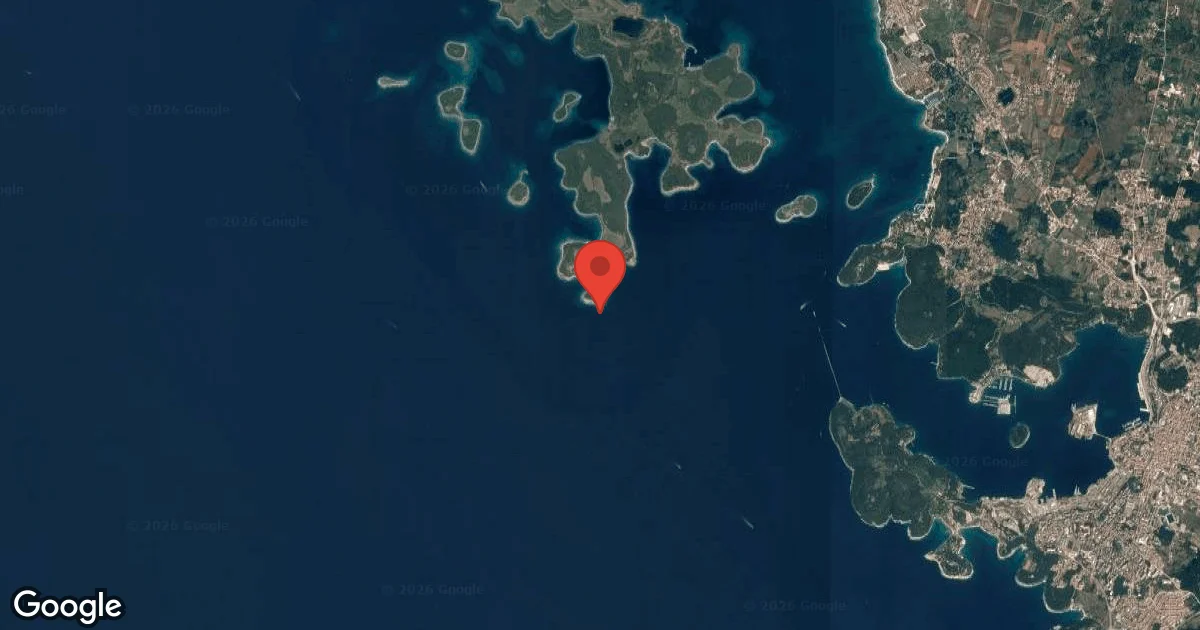
Max 45 m
13.3 km
intermediateCape Peneda
BoatCanyon
Max 42 m
3.8 km
advancedBaron Gautsch
ArchaeologicalBoat
Max 38 m
4.6 km
advancedWreck Marija
BoatDown Line
Max 44 m
7.8 km
advancedWreck John Gilmore
ArchaeologicalBoat
Max 37 m
9.7 km
advancedTA 35 Giuseppe Dezza
ArchaeologicalBoat
Max 42 m
11.2 km
advancedWreck Varese
ArchaeologicalBoat
Max 45 m
14.6 km
advancedWreck Josephine
ArchaeologicalBoat
Max 42 m
18.1 km
advancedSubmarine Medusa
BoatDown Line
Max 45 m
13.3 km
intermediateCape Peneda
BoatCanyon
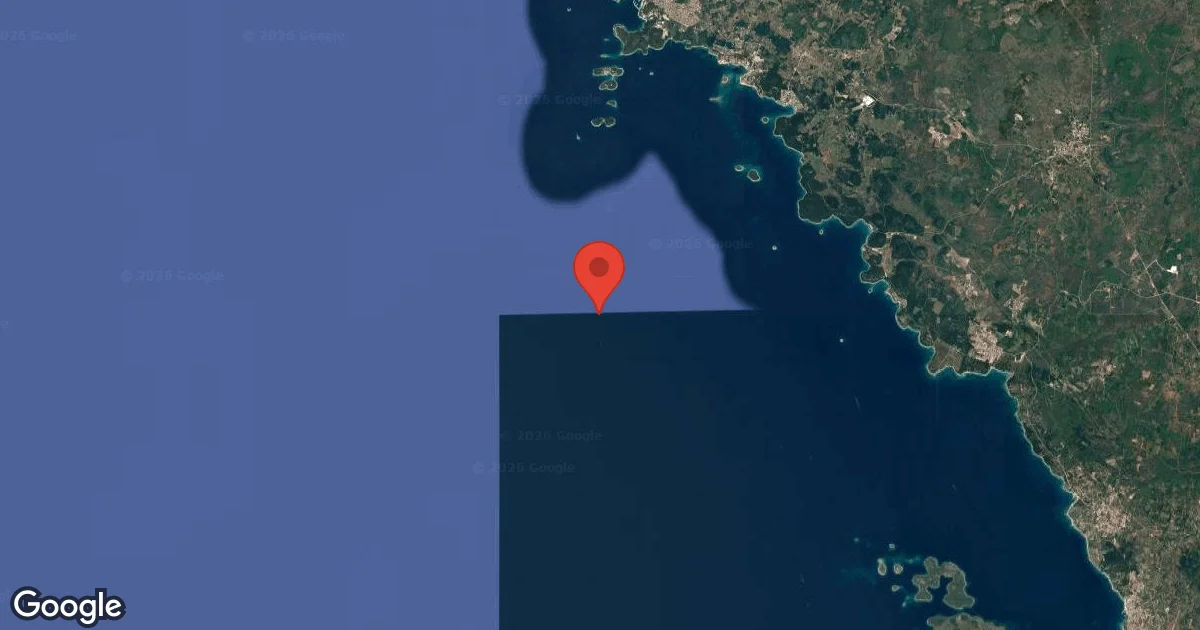
Max 35 m
11 km
intermediateWreck Maona
BoatDown Line
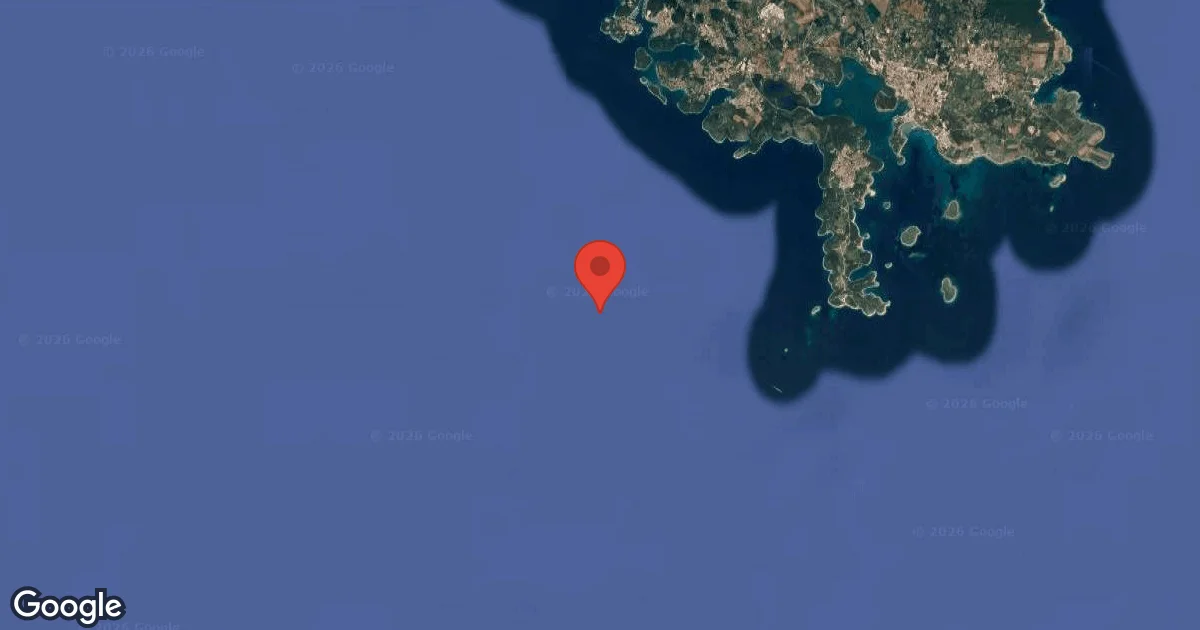
Max 40 m
24.4 km
intermediateWreck Draga
BoatDown Line
1 / 2
Dive Centers Near Wreck Hans Schmidt
Working Hours
Sun09:30 - 19:00
Mon09:30 - 19:00
Tue09:30 - 19:00
Wed09:30 - 19:00
Thu09:30 - 19:00
Fri09:30 - 19:00
Sat09:30 - 19:00
Today: 09:30 - 19:00
Sun09:30 - 19:00
Mon09:30 - 19:00
Tue09:30 - 19:00
Wed09:30 - 19:00
Thu09:30 - 19:00
Fri09:30 - 19:00
Sat09:30 - 19:00
4.8| 132 reviews
28 km
4.7| 240 reviews
26.6 km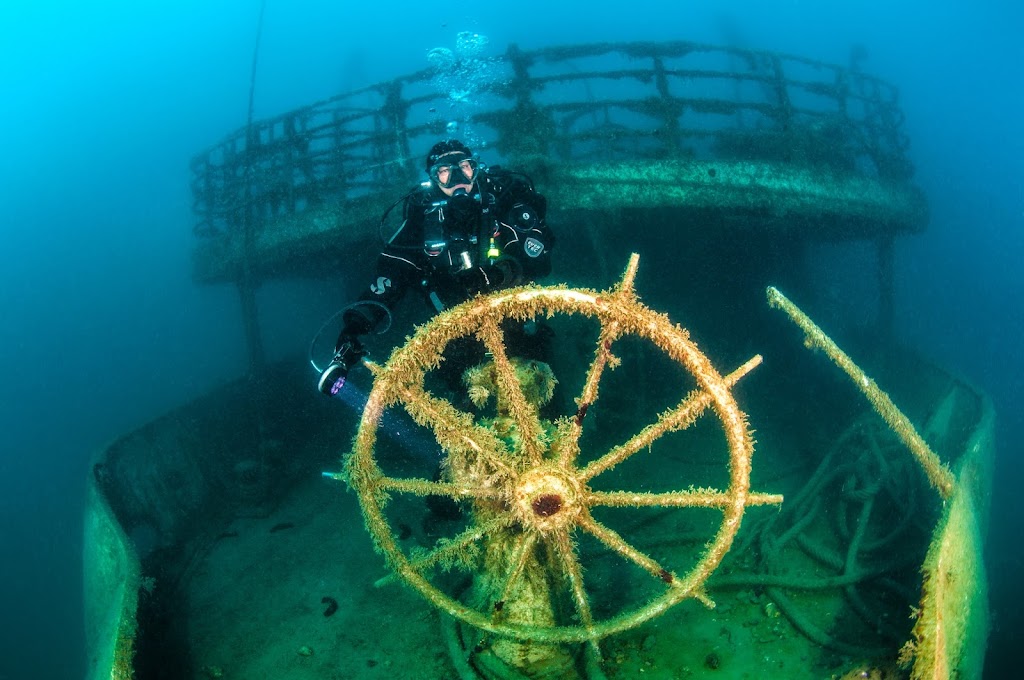
4.7| 211 reviews
22.2 km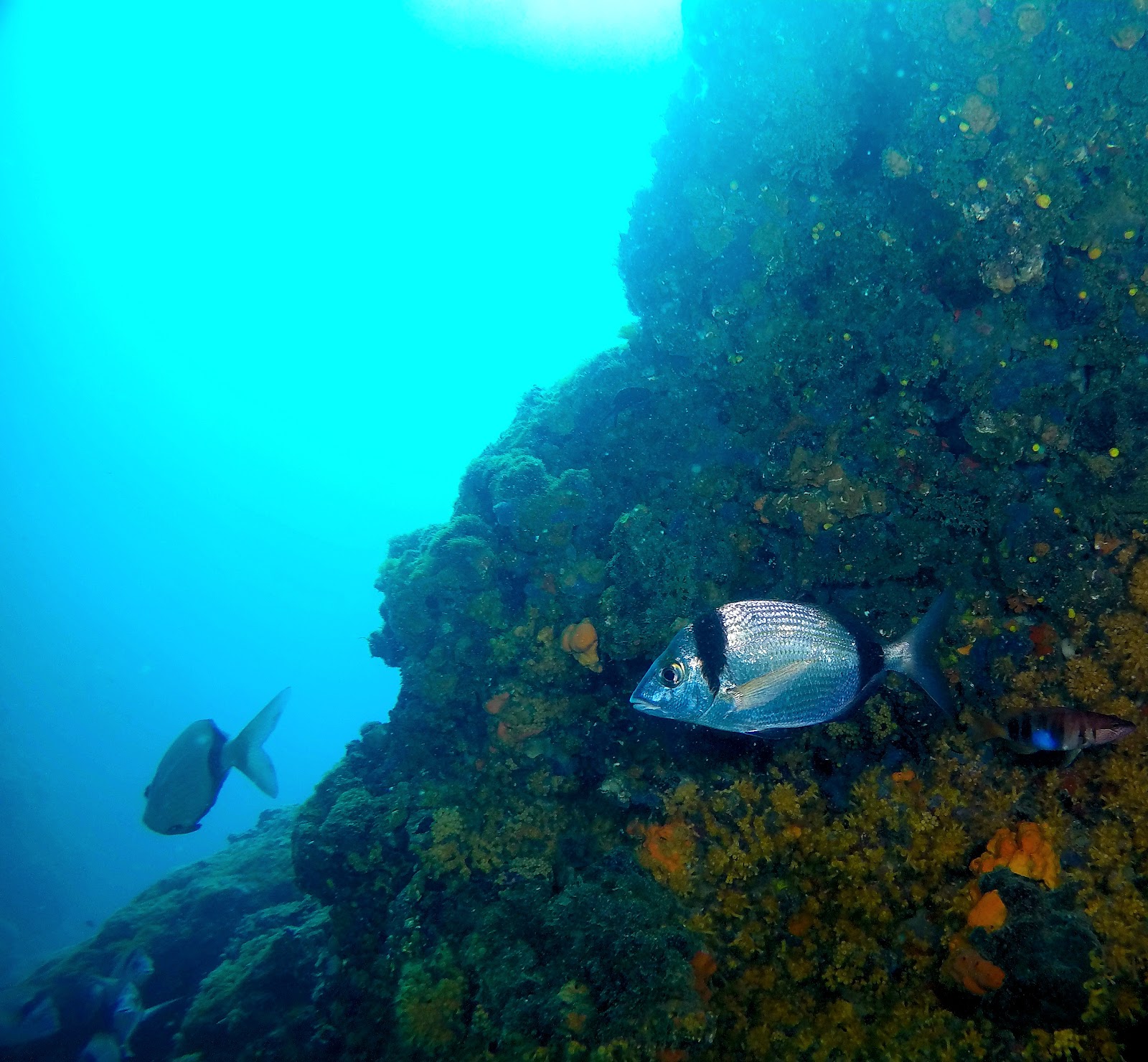
Diving Pula
4.7(129)• 21.5 km
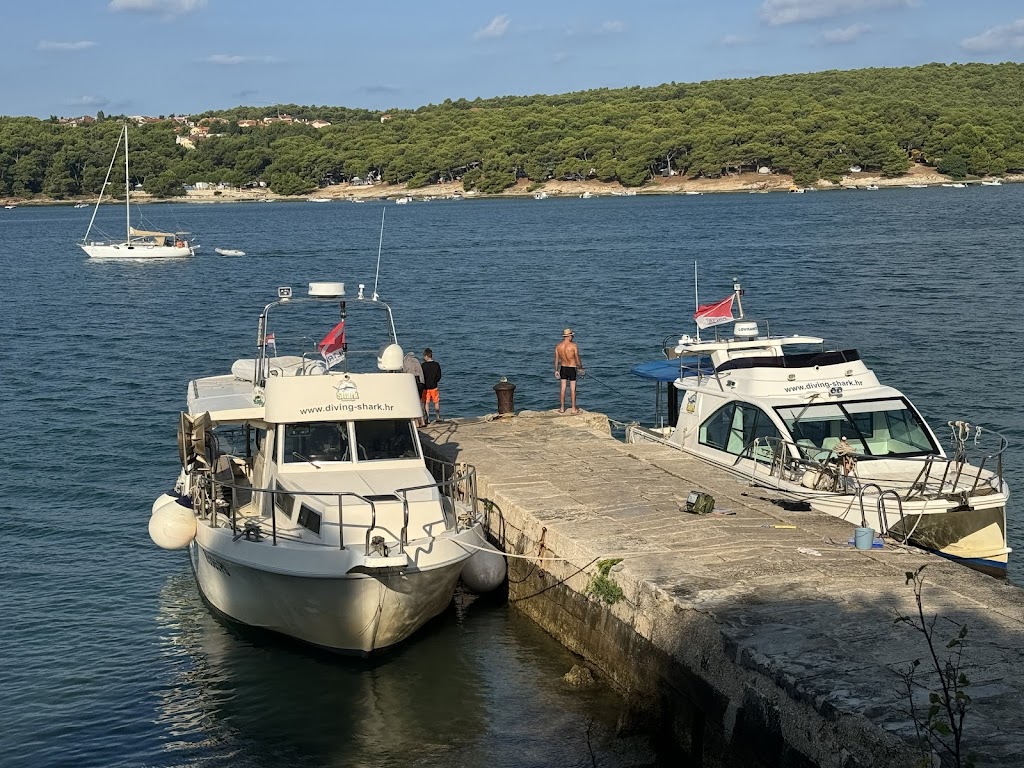
Diving Center Shark
4.6(244)• 29 km
Nearest Airports
Nearest airports to help plan travel to this dive area.
Pula Airport PUY
27 km
Rijeka Airport RJK
85 km
Trieste Airport TRS
103 km
💵 Currency: EUR
Search Flights
Check available flights and routes on Expedia, using the nearby airports listed in this section.
Search Flights on ExpediaAffiliate link · Dive Navigator may earn a commission at no extra cost to you.
Frequently Asked Questions
Why do local Istrian divers sometimes call Hans Schmidt the Istra wreck?
For decades after the wreck was located off Rovinj, its wartime identity had not yet been matched to shipping archives, so local fishermen and divers dubbed it Istra before historians confirmed she was the 1920 Dutch-built steamer Albireo operating as Hans Schmidt.
Can you see the entire 110-meter wreck in one recreational dive?
No. Between her 110-meter length, the blast separation between bow and stern, and the 32-to-41-meter depth profile, recreational divers typically dedicate separate dives to the machinery-and-bridge sector and the bow section.
What caused Hans Schmidt to break in half?
On January 23, 1943, the ship struck a naval mine while transporting military armaments and ammunition; the mine triggered a secondary explosion in her cargo that tore the hull in two.
Is a special Ministry of Culture permit required to dive Hans Schmidt?
Yes. Hans Schmidt is a registered Cultural Good of the Republic of Croatia (Z-23, Zone 4 in the 2024–2029 Ministry of Culture and Media Program), so diving is permitted exclusively with authorized dive centers holding an annual Ministry concession, and entering unlit compartments or touching artifacts is prohibited.
What is the shallowest part of Wreck Hans Schmidt?
Intact upper superstructure and deck sections sit between 28 and 32 meters depending on the hull sector, while the main cargo decks and sandy bottom extend down to 40–41 meters.
Is Wreck Hans Schmidt suitable for technical diving?
Yes. Its 110-meter scale, 41-meter seabed, and split-hull layout make it one of Istria's favorite twinset and decompression nitrox or normoxic trimix sites, allowing extended bottom times to explore both sections.
Trip Inquiry
Planning to dive Wreck Hans Schmidt?
Tell us your dates and diving needs. We'll review your request and seek offers from relevant local dive centers.
Request Dive Offers Free request for offers • No booking obligation
Wreck Hans Schmidt
Conditions are Moderate
5/10
Confidence: 8/10
Indicates meteorological model agreement and data availability.
DIVE WARNING
High Wind Advisory (43km/h). Unsafe surface.
06:12
18:45
H: 10:45
L: 16:20
Air / Sea Temp
13° / 17°
Wave Height
1.8 m
Wind Speed
43 km/h E
Rain Chance
50%
Current conditions near Wreck Hans Schmidt show 13° air, 17° sea temperature, 1.8 m waves, and 43 km/h wind. Forecast data is refreshed regularly to ensure accuracy.
Radius: ~12km
Updated: Nov 21, 2026, 05:40 local timeMARINE: OPEN-METEOWEATHER: YR.NO


