Loading...

Diving at Wreck John Gilmore (Croatia)
Published
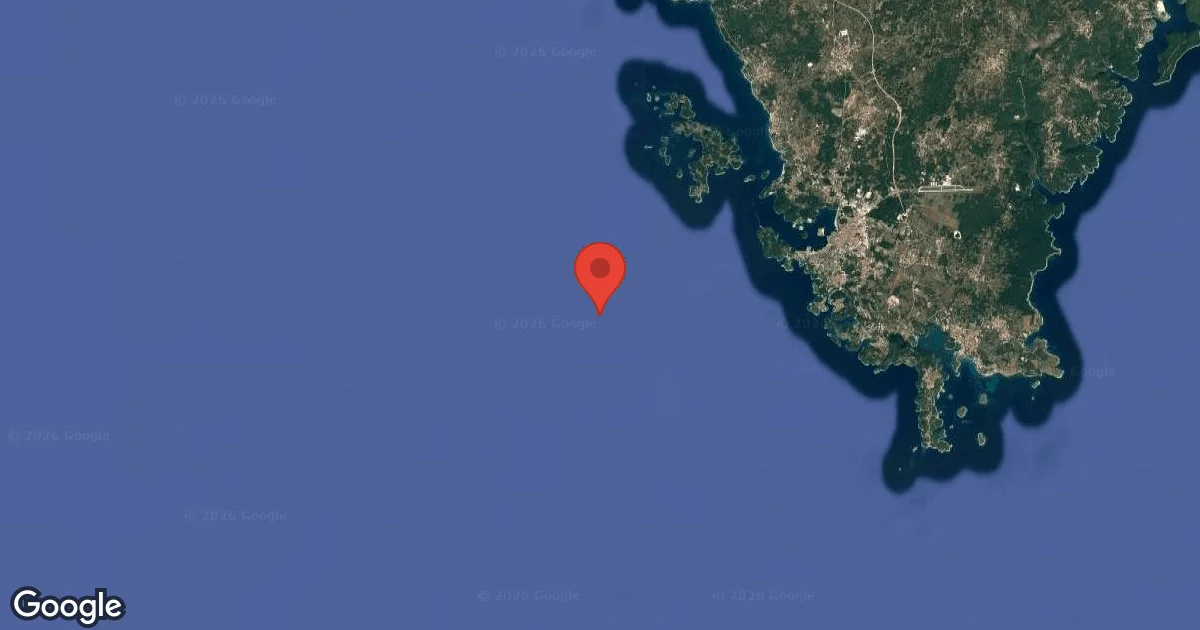
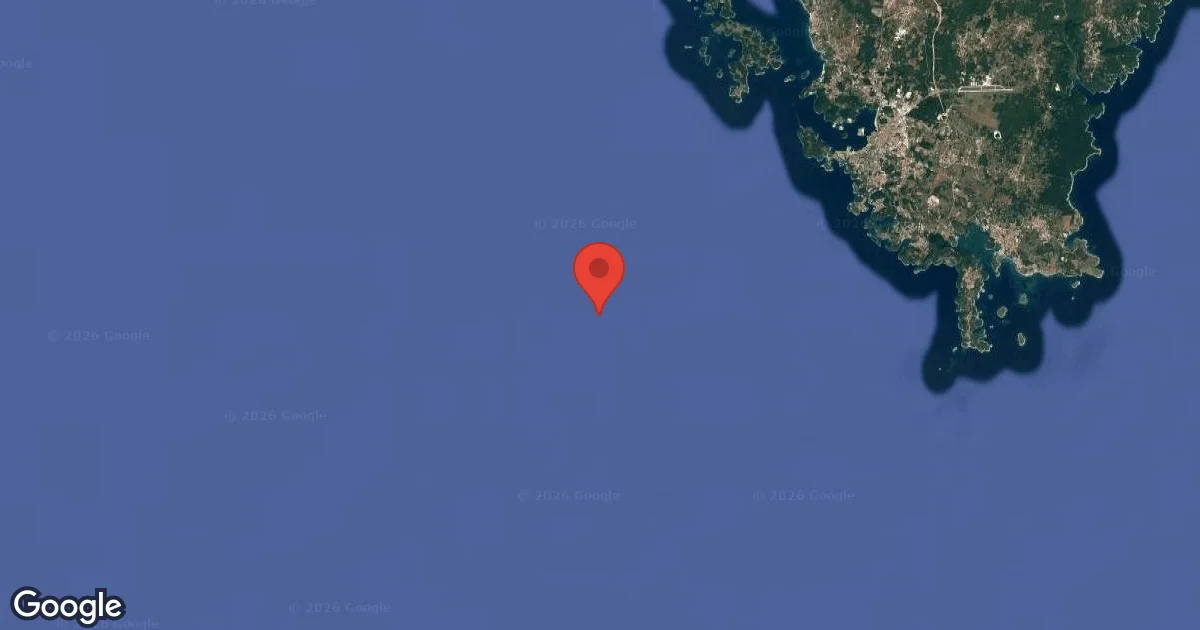
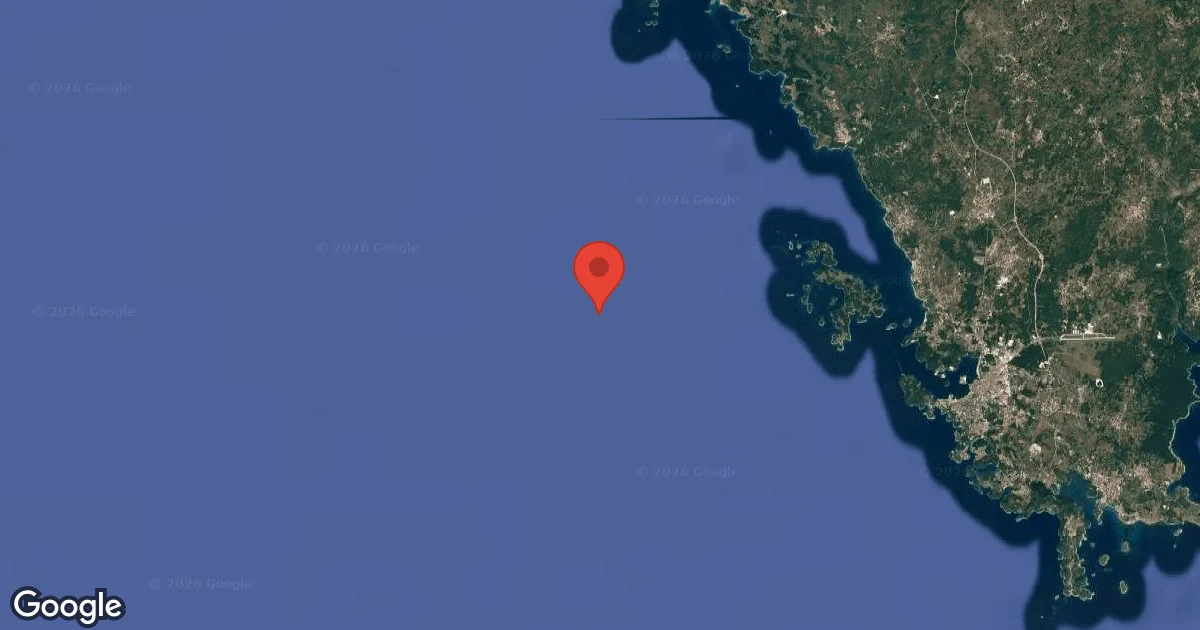
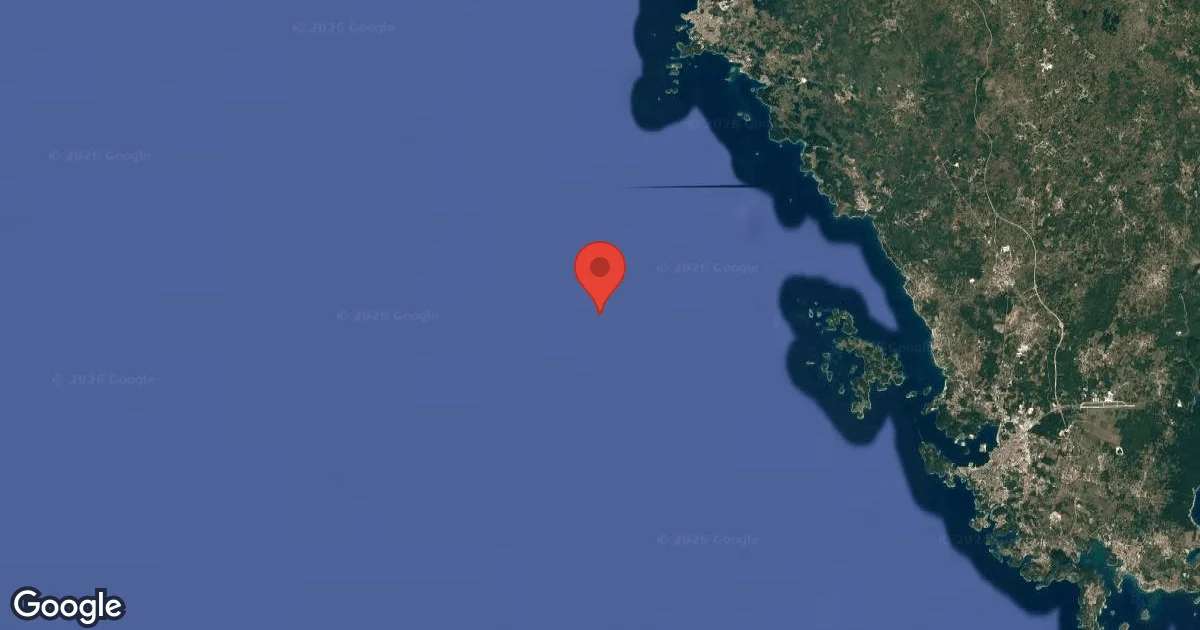
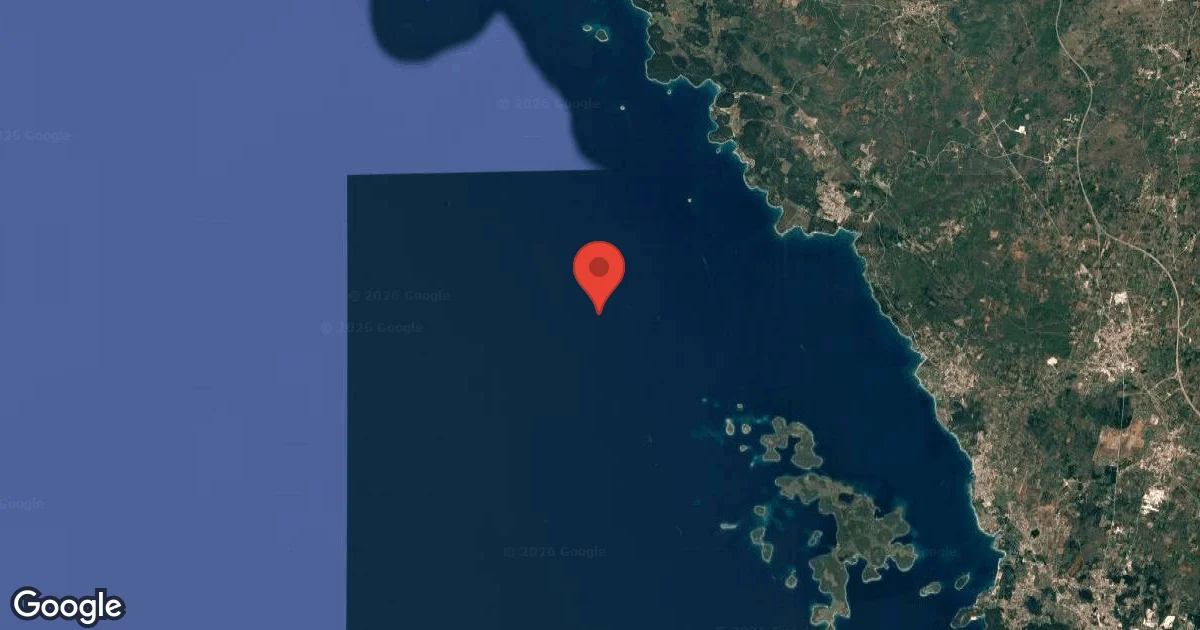
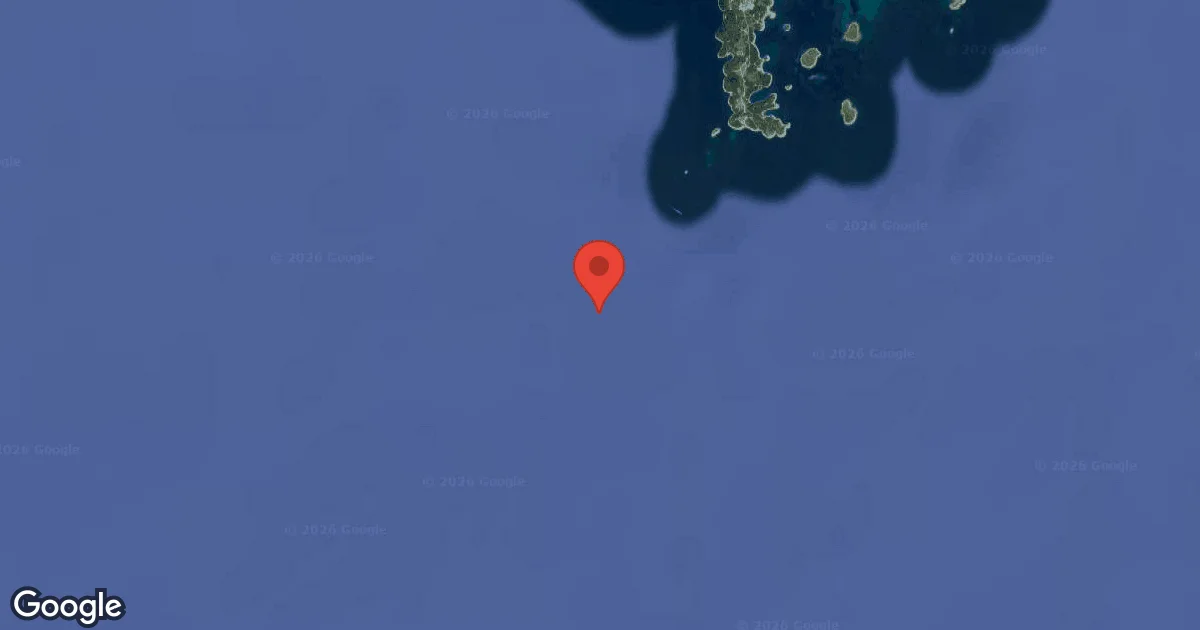
Upright at 36 to 44 meters along Pula's WWI defensive mine belt, 65-meter steamer Wreck John Gilmore pairs Scottish builder's heritage with spacious holds and clear offshore water.
Starting the day at Wreck John Gilmore, the ambient air temperature is recorded at 13.5°C. Ongoing monitoring shows wave heights measuring 0.6 m. This data represents the current surface conditions for early activities.
Dive Site Location & Key Facts
Site Characteristics
Max Depth44m / 144ft
Entry Typeboat
Water Typesalt
Dive Types
DeepTechnicalWreck
Dive Site Overview
In 1915, this 65-by-8-meter (213-by-26-foot) British iron-and-steel merchant steamship struck one of the 1,450 moored mines defending Austria-Hungary's main naval port at Pula, heavily damaging her forward hull.
Pinpointed offshore during subsea gas-pipeline surveys, the wreck received its diving name from the engraved Scottish John Gilmore shipyard brass builder's plaque discovered aboard her machinery.
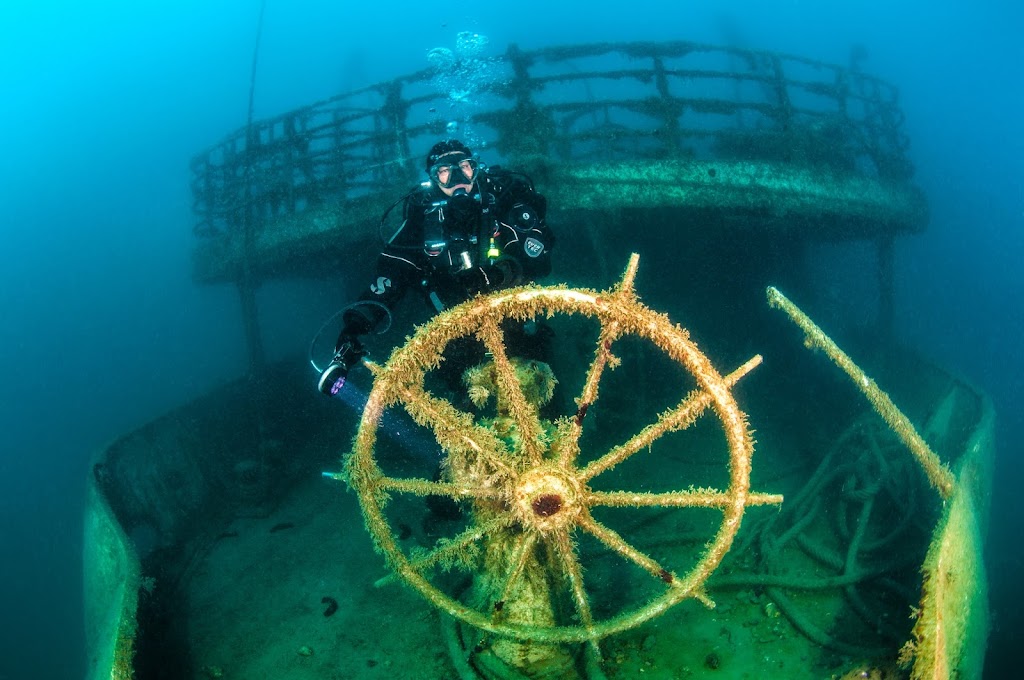
Sitting upright on a 44-meter (144-foot) sandy floor with intact midship cargo holds rising to 36 meters (118 feet) and two fallen masts resting alongside, she delivers rewarding deep-water exploration.
Wreck John Gilmore
Conditions are Moderate
5/10
Confidence: 8/10
Indicates meteorological model agreement and data availability.
DIVE WARNING
High Wind Advisory (43km/h). Unsafe surface.
06:12
18:45
H: 10:45
L: 16:20
Air / Sea Temp
13° / 17°
Wave Height
1.8 m
Wind Speed
43 km/h E
Rain Chance
50%
Current conditions near Wreck John Gilmore show 13° air, 17° sea temperature, 1.8 m waves, and 43 km/h wind. Forecast data is refreshed regularly to ensure accuracy.
Radius: ~12km
Updated: Nov 21, 2026, 05:40 local timeMARINE: OPEN-METEOWEATHER: YR.NO
Best Time to Dive
Roughly seven nautical miles west of Pula, settled May-to-October high-pressure systems provide smooth offshore boat crossings and clear 14 to 18 meter deep visibility.
Sub-thermocline water temperatures at 36 to 44 meters remain cold at 15 to 16 °C even in August.
PEAK SEASON SCORE
88/100
Very GoodScores combine air & water temps, waves, wind & rainfall for overall conditions.
BEST MONTHS TO DIVE
JUN
JUL
AUG
DIVE SCORE GUIDE (0–100)
Excellent (90–100)
Very Good (80–89)
Good (70–79)
Moderate (50–69)
Poor (30–49)
Not Recommended (0–29)
Monthly records compiled from satellite and marine observation nodes over the last 3 years. Data provided by Open-Meteo and MET Norway.
Dive Experience & Conditions
Mild bottom currents allow teams to inspect the mine-shattered bow plates at 36 meters before swimming aft past cargo winches, skylights, and the two fallen masts resting on the 42-to-44-meter sand.
Wreck-certified divers carrying redundant lights can glide through the spacious cargo holds, with twinset decompression gear unlocking unhurried bottom times.
Dive Difficulty & Safety Guidelines
At 36 to 44 meters depth, Deep Diver (45+ dives) or technical decompression certification is essential; respect oxygen partial-pressure ceilings on nitrox 27–28% or dive twinsets with staged decompression gases.
Restrict hold entry to divers trained for deep overhead environments using non-silting frog kicks, backup lights, a line cutter, and a surface marker buoy.
Recommended Equipment
Technical depth range. Advanced planning, gas management, and appropriate certification required.
Overhead / entanglement risk. Wreck penetration requires proper training.
- Dive Computer
- DSMB
- Primary & Backup Lights
- Wreck Reel
- Cutting Tool
This gear list is based on verified equipment signals for Wreck John Gilmore, Croatia. Always confirm final gear choices with your dive operator, guide, or liveaboard.
Recommended Dive Suit
Divers planning deeper dives may feel cooler than those staying in shallower areas.
Many divers find that 5-7mm wetsuit offers a comfortable balance between warmth and mobility. A thermal robe or jacket is recommended between dives. The coming days appear slightly cooler according to the latest forecast. Cooler days are ahead; you might want a warmer option for later in the week. Carrying a secondary suit is common practice among experienced divers.
Current temperature readings suggest that the water at Wreck John Gilmore is around 17°C (63°F). Surface air temperatures are resting at 13°C (56°F).
Wreck John Gilmore conditions last reviewed: 05:40 local time (UTC+1), Nov 21, 2026
Due to technical issues with our weather providers, data hasn't been fetched for over 48 hours. The data above reflects the conditions at the time of the last successful fetch.
Emergency & Medical Support
Essential information to help you plan your dive trip to Wreck John Gilmore.

Hyperbaric chambers are a critical part of dive safety infrastructure. Availability varies significantly by region, and not all dive areas have immediate access.
Before diving, it's recommended to:
- confirm nearest medical facilities
- check emergency procedures with local dive operators
- ensure dive insurance covers evacuation if required
24/7 Available
Divers Alert Network
Diving emergency assistance available through DAN Europe.
+39 0642115685- 24/7 emergency hotline
- Diving medical assistance
- Evacuation coordination
Emergency contacts are provided for reference. Always verify local emergency services before diving.
Closest Listed Hyperbaric Chambers (≤ 200 km)
Approximate straight-line distances from this dive site — emergency travel times may vary.
20 km20 kmPoliklinika za baromedicinu OXY – Podružnica Pula
Pula, Croatia+385 52 215 663Details20 kmPoliklinika za baromedicinu OXY – Podružnica Pula
Pula, Croatia · Multiplace
Hours: Mon–Fri 07:30–15:30Facility: Opća bolnica PulaICU On-Site: Not reportedSource: KBC Rijeka / Poliklinika OXYOfficial website
20 km
Poliklinika za baromedicinu OXY – Podružnica Pula
Pula, Croatia+385 52 215 663Details
20 km
Poliklinika za baromedicinu OXY – Podružnica Pula
Pula, Croatia · Multiplace
Hours: Mon–Fri 07:30–15:30
Facility: Opća bolnica Pula
ICU On-Site: Not reported
Source: KBC Rijeka / Poliklinika OXY
Official website86 km86 kmZavod za podvodnu i hiperbaričnu medicinu – KBC Rijeka
Rijeka, Croatia24/7ICU+385 51 407 435Details86 kmZavod za podvodnu i hiperbaričnu medicinu – KBC Rijeka
24/7 ListedICU CapableRijeka, Croatia · Multiplace (8 seated / 2 stretcher ICU)
Hours: 24/7 EmergencyFacility: Klinički bolnički centar Rijeka (Lokalitet Sušak)ICU On-Site: YesSource: KBC Rijeka / Poliklinika OXYOfficial website
86 km
Zavod za podvodnu i hiperbaričnu medicinu – KBC Rijeka
Rijeka, Croatia24/7ICU+385 51 407 435Details
86 km
Zavod za podvodnu i hiperbaričnu medicinu – KBC Rijeka
24/7 ListedICU CapableRijeka, Croatia · Multiplace (8 seated / 2 stretcher ICU)
Hours: 24/7 Emergency
Facility: Klinički bolnički centar Rijeka (Lokalitet Sušak)
ICU On-Site: Yes
Source: KBC Rijeka / Poliklinika OXY
Official website92 km92 kmPoliklinika za baromedicinu OXY – Poslovna jedinica Crikvenica
Crikvenica, Croatia+385 51 785 229Details92 kmPoliklinika za baromedicinu OXY – Poslovna jedinica Crikvenica
Crikvenica, Croatia · Multiplace
Hours: Mon–Fri 07:30–15:30Facility: Thalassotherapia CrikvenicaICU On-Site: Not reportedSource: KBC Rijeka / Poliklinika OXYOfficial website
92 km
Poliklinika za baromedicinu OXY – Poslovna jedinica Crikvenica
Crikvenica, Croatia+385 51 785 229Details
92 km
Poliklinika za baromedicinu OXY – Poslovna jedinica Crikvenica
Crikvenica, Croatia · Multiplace
Hours: Mon–Fri 07:30–15:30
Facility: Thalassotherapia Crikvenica
ICU On-Site: Not reported
Source: KBC Rijeka / Poliklinika OXY
Official websiteChamber data is sourced from official Croatian hospital and baromedicine facility records and has not been independently verified by Dive Navigator. Always contact local emergency services, DAN, your dive operator, or the facility directly before travelling.
Reference onlyMarine Life at Wreck John Gilmore
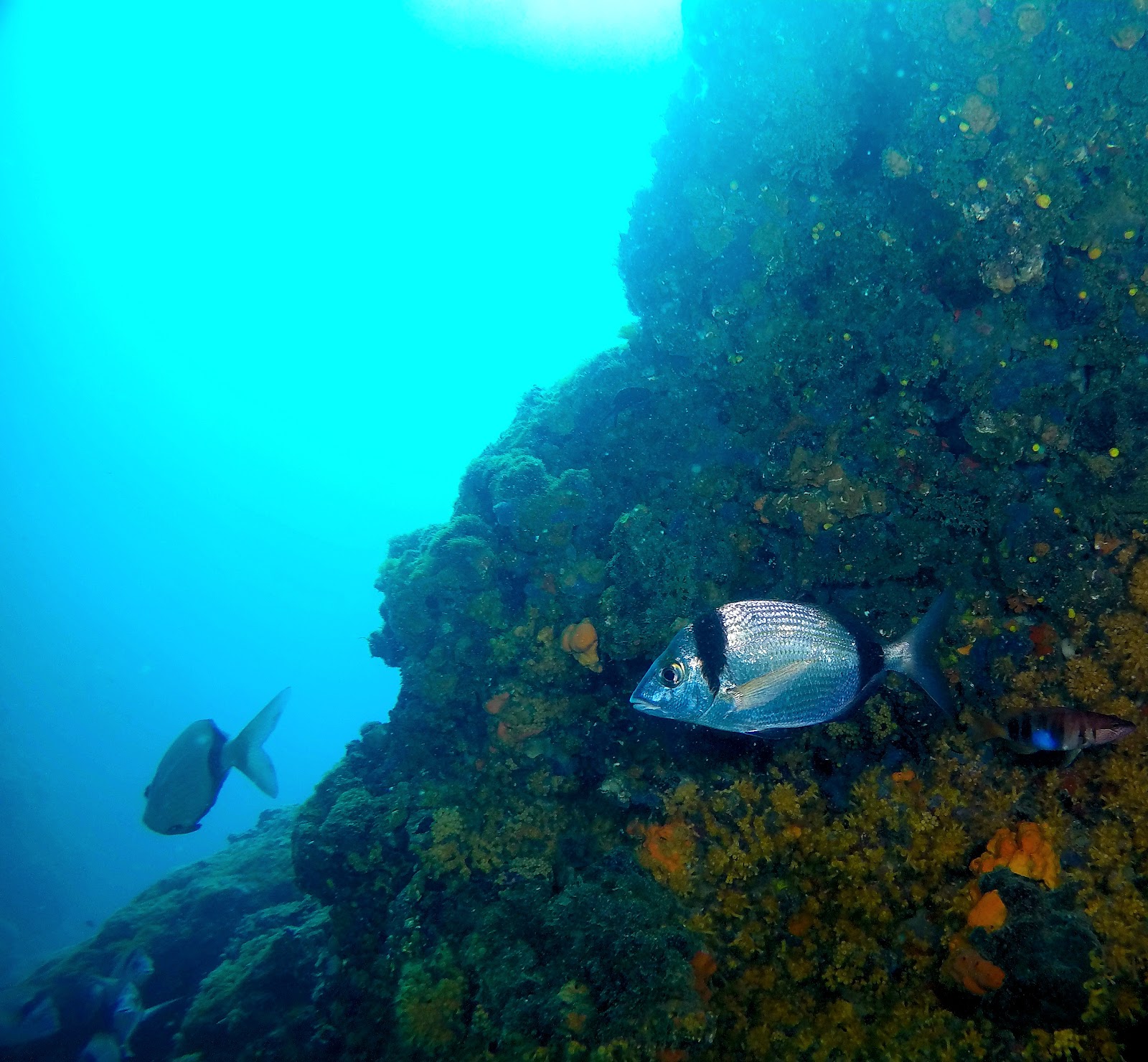
Quiet offshore waters leave large European conger eels and clawed European lobsters undisturbed inside dark hold corners beneath shimmering clouds of sea bream and damselfish.
Common soles, forkbeards, spiny spider crabs, and red scorpionfish inhabit the 44-meter sand perimeter beside the fallen masts.
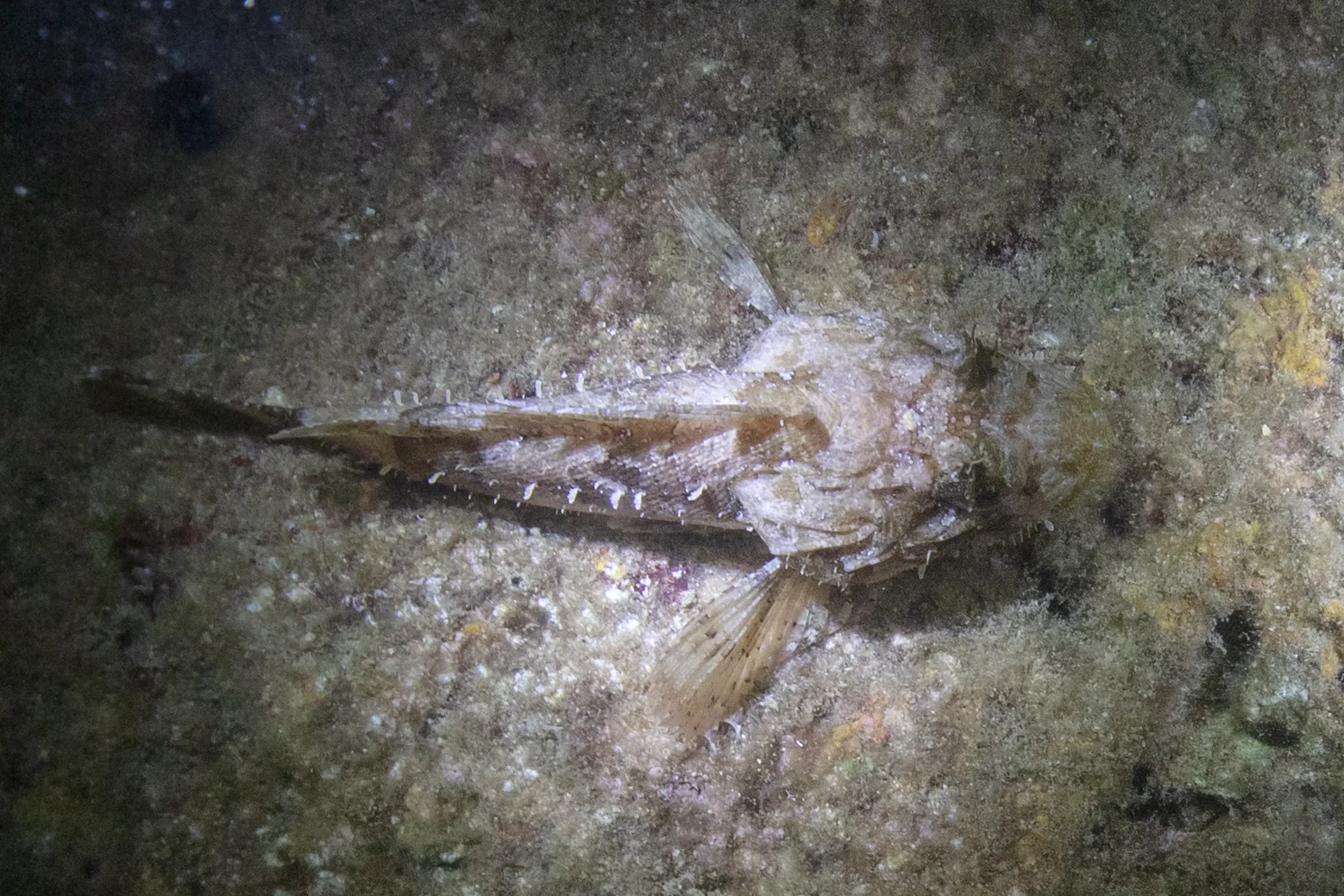
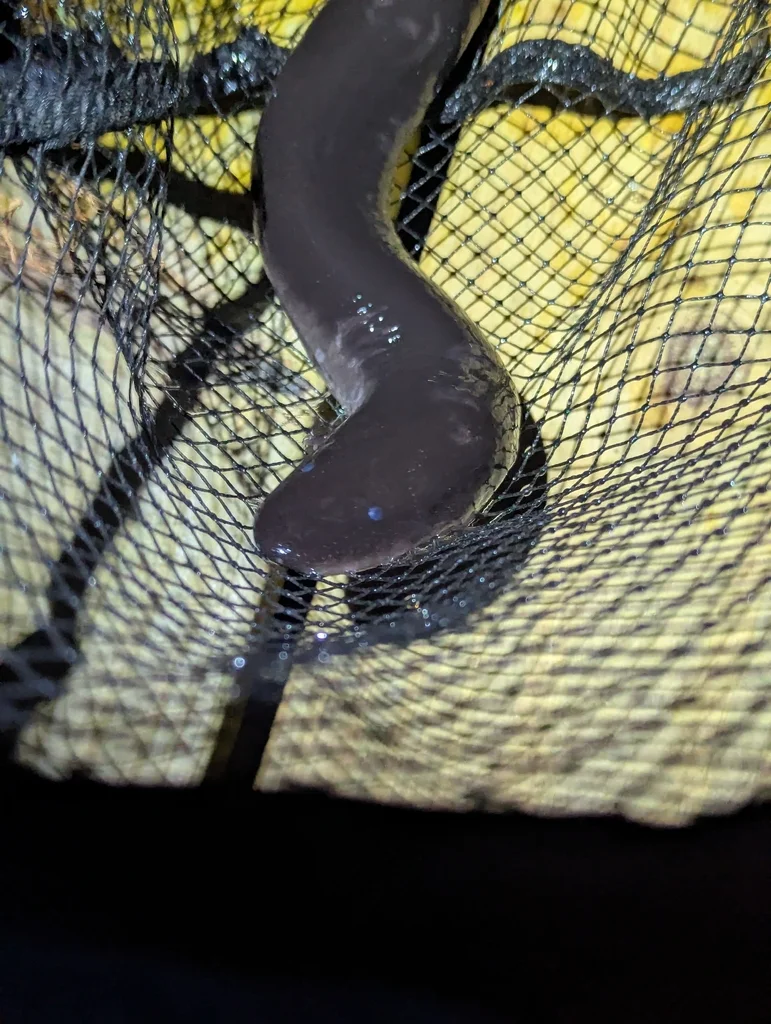
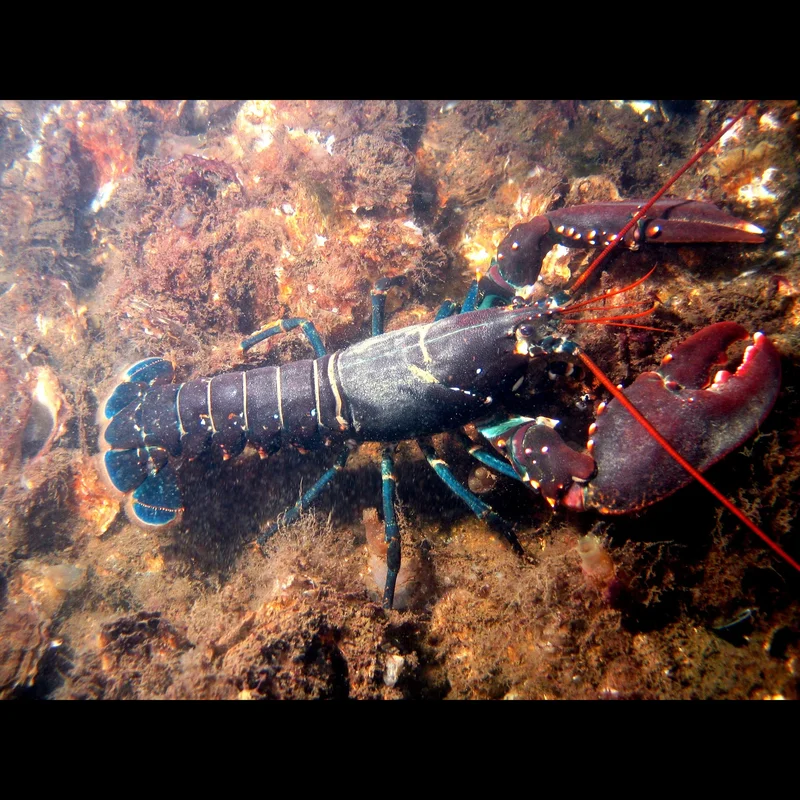
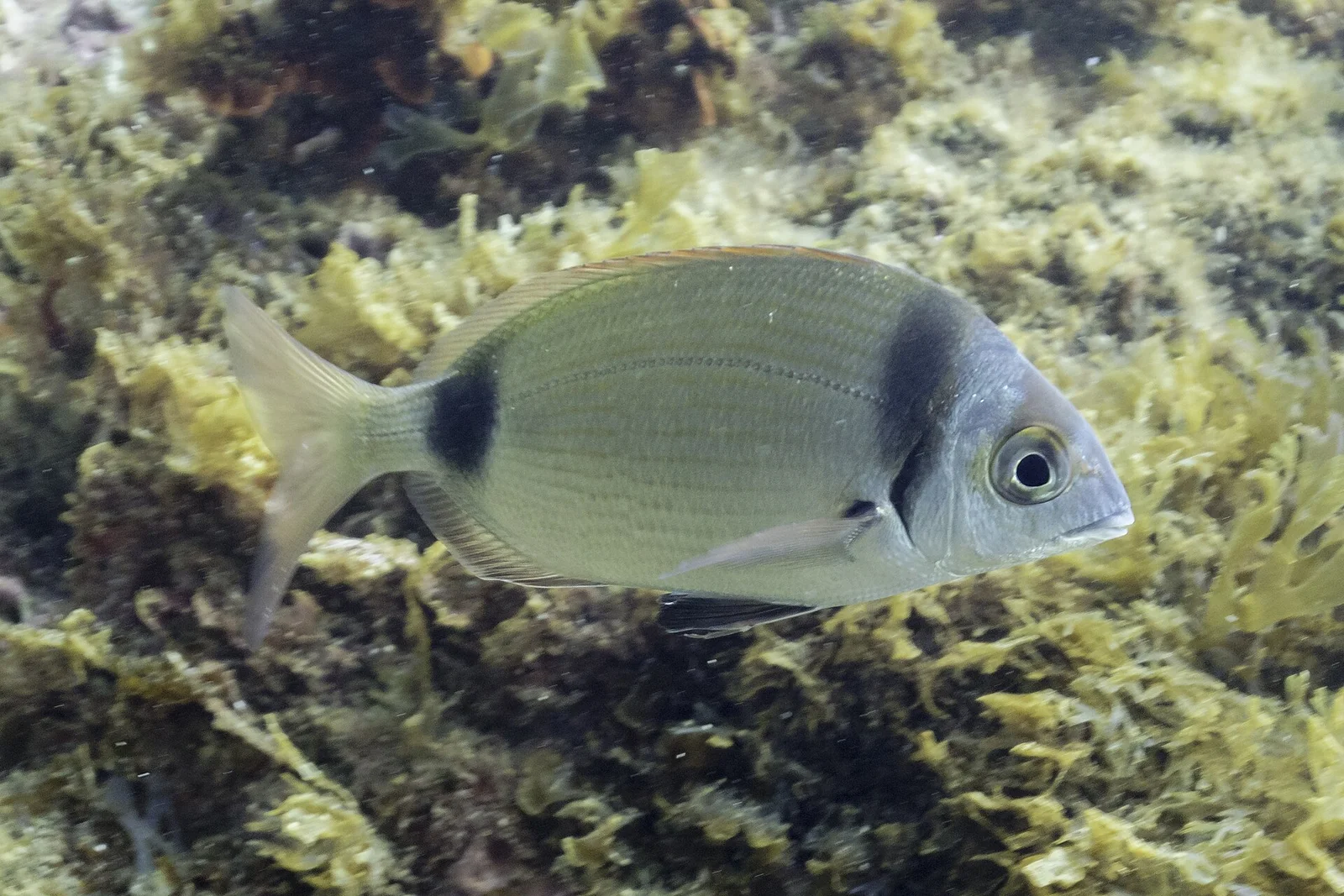
Image contributors:Diego Delso, Bart Braun
Want to contribute photos or local dive knowledge? Learn how to contributeDive Sites Near Wreck John Gilmore
View all dive sites in CroatiaDiscover more underwater gems in this area.
Max 42 m
5.5 km
advancedWreck Varese
ArchaeologicalBoat
Max 45 m
6.8 km
advancedWreck Josephine
ArchaeologicalBoat
Max 41 m
7.8 km
advancedWreck Hans Schmidt
BoatDown Line
Max 42 m
11.6 km
advancedBaron Gautsch
ArchaeologicalBoat
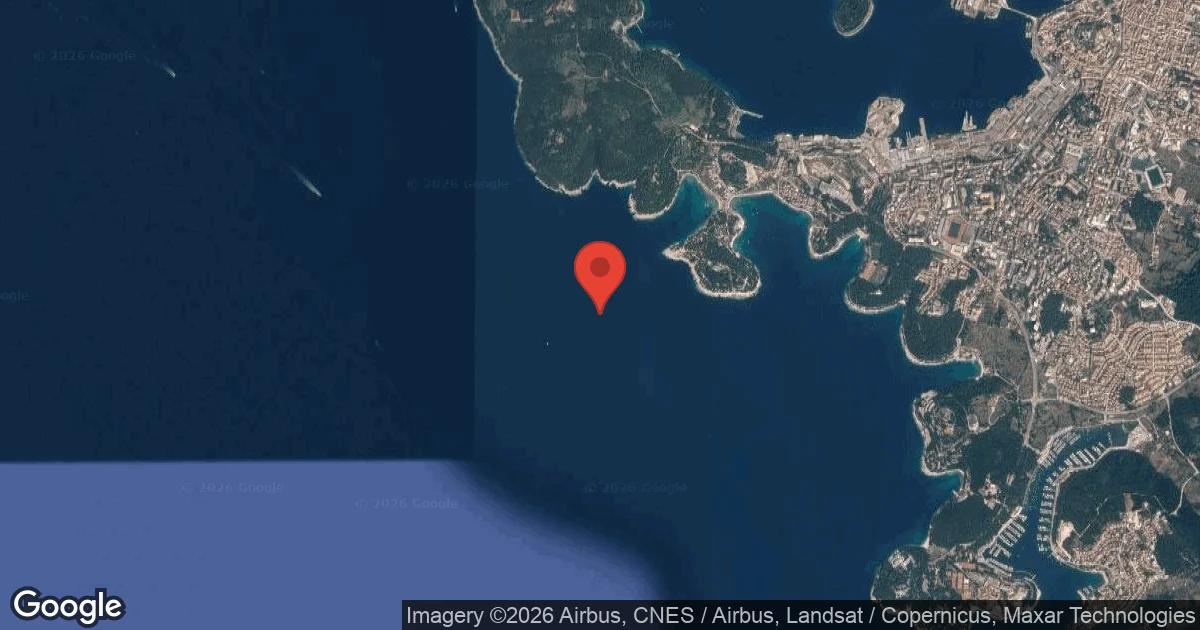
Max 42 m
15 km
advancedSubmarine Medusa
BoatDown Line
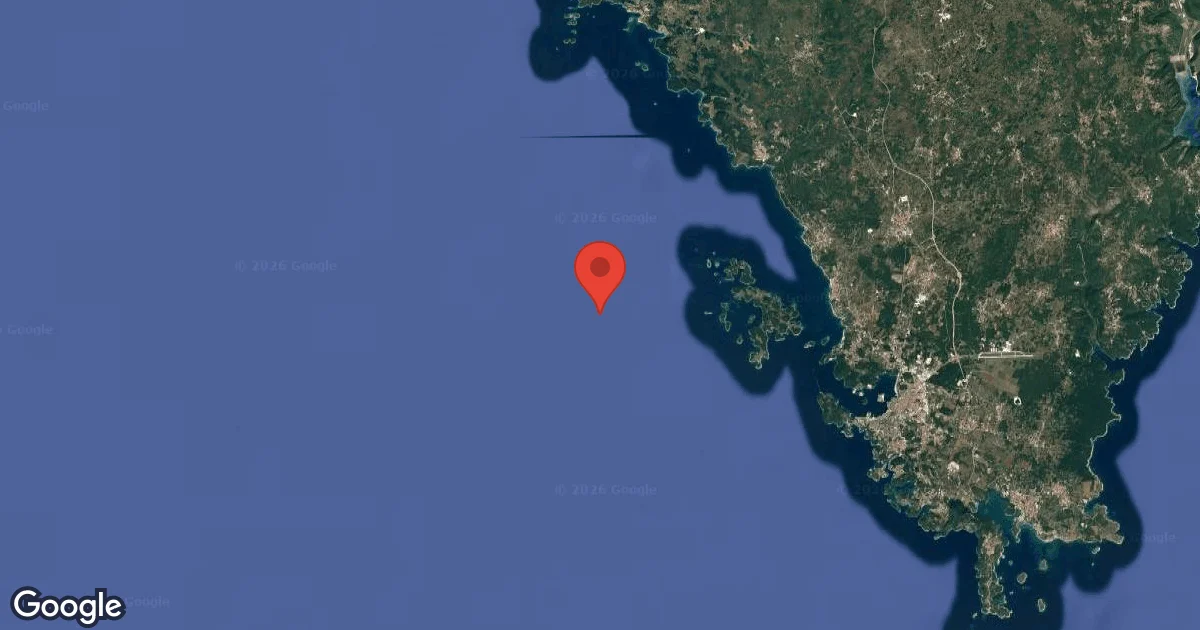
Max 38 m
8.7 km
advancedWreck Marija
BoatDown Line
Max 45 m
20.2 km
advancedTB 26 Flamingo
ArchaeologicalBoat
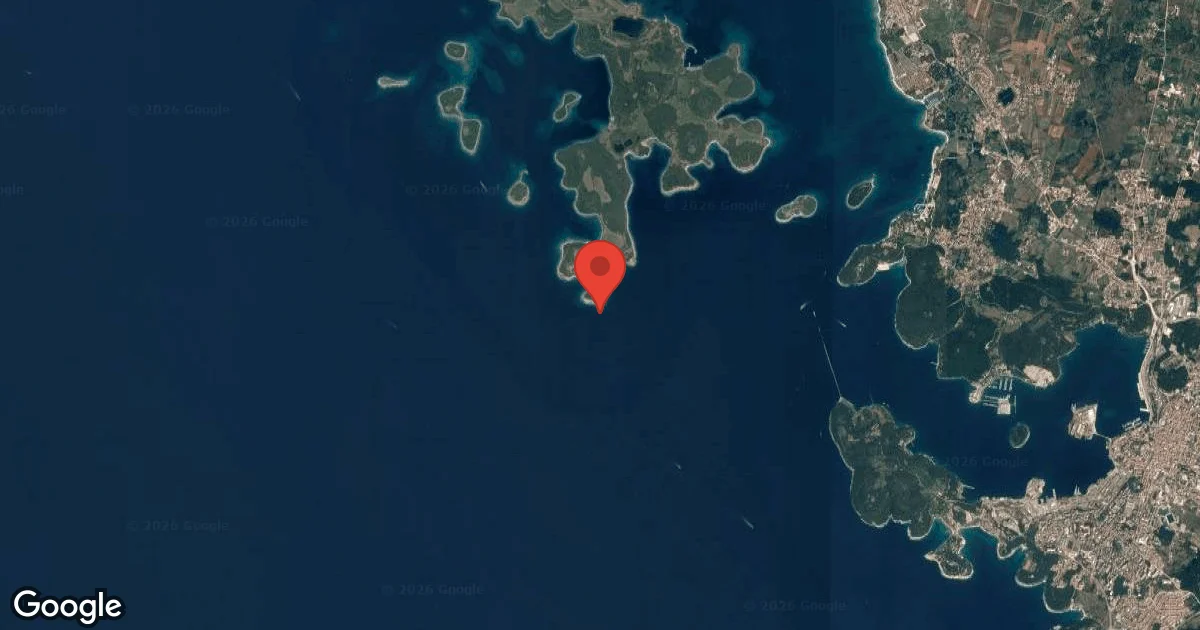
Max 45 m
12.2 km
intermediateCape Peneda
BoatCanyon
Max 42 m
5.5 km
advancedWreck Varese
ArchaeologicalBoat
Max 45 m
6.8 km
advancedWreck Josephine
ArchaeologicalBoat
Max 41 m
7.8 km
advancedWreck Hans Schmidt
BoatDown Line
Max 42 m
11.6 km
advancedBaron Gautsch
ArchaeologicalBoat
Max 42 m
15 km
advancedSubmarine Medusa
BoatDown Line
Max 38 m
8.7 km
advancedWreck Marija
BoatDown Line
Max 45 m
20.2 km
advancedTB 26 Flamingo
ArchaeologicalBoat
Max 45 m
12.2 km
intermediateCape Peneda
BoatCanyon
Max 37 m
15 km
advancedTA 35 Giuseppe Dezza
ArchaeologicalBoat
Max 42 m
23.2 km
advancedSubmarine U-81
ArchaeologicalBoat
1 / 2
Dive Centers Near Wreck John Gilmore
Working Hours
Sun09:00 - 18:00
Mon09:00 - 18:00
Tue09:00 - 18:00
Wed09:00 - 18:00
Thu09:00 - 18:00
Fri09:00 - 18:00
Sat09:00 - 18:00
Today: 09:00 - 18:00
Sun09:00 - 18:00
Mon09:00 - 18:00
Tue09:00 - 18:00
Wed09:00 - 18:00
Thu09:00 - 18:00
Fri09:00 - 18:00
Sat09:00 - 18:00
4.7| 129 reviews
17.9 km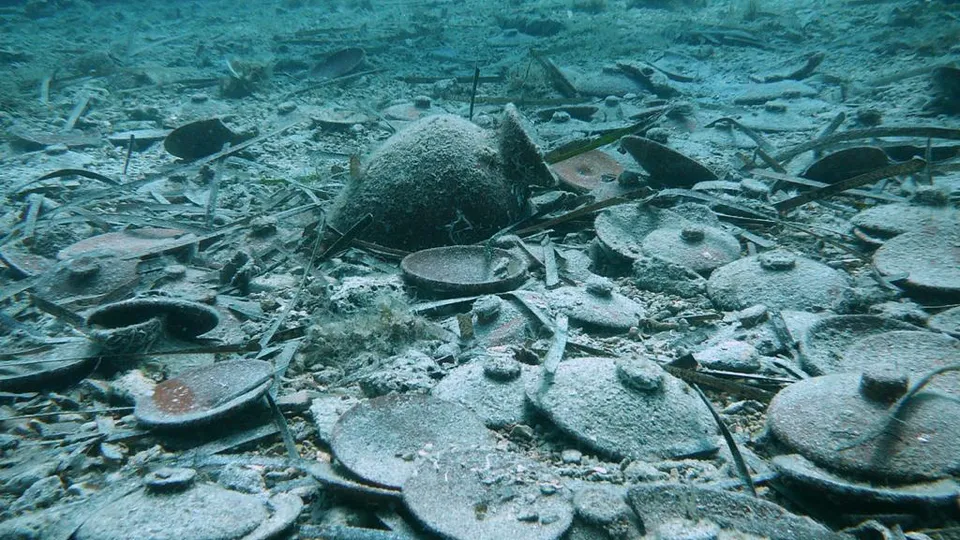
4.8| 166 reviews
24 km
4.6| 244 reviews
24.8 km
Triton Diving
4.8(132)• 35.4 km
Starfish Diving Center
4.7(240)• 34.1 km
Nearest Airports
Nearest airports to help plan travel to this dive area.
Pula Airport PUY
25 km
Rijeka Airport RJK
86 km
Trieste Airport TRS
111 km
💵 Currency: EUR
Search Flights
Check available flights and routes on Expedia, using the nearby airports listed in this section.
Search Flights on ExpediaAffiliate link · Dive Navigator may earn a commission at no extra cost to you.
Frequently Asked Questions
How did John Gilmore get its name?
Divers named her after the engraved Scottish John Gilmore brass plaque discovered on her machinery.
Why are several WWI wrecks aligned off Pula?
Pula naval port was shielded to the west by 1,450 Austro-Hungarian contact mines that sank multiple ships.
What are the depths?
She sits upright on a 44 m seabed with intact midship decks rising to 36 m.
Can divers enter the holds?
Yes. Spacious holds are accessible to divers trained and equipped for deep wreck penetration.
How are currents and visibility?
Bottom currents are typically mild with 14–18 m offshore visibility.
Is technical gear recommended?
Yes. Twinsets and decompression stages provide ample time to explore both holds and the fallen masts.
Trip Inquiry
Planning to dive Wreck John Gilmore?
Tell us your dates and diving needs. We'll review your request and seek offers from relevant local dive centers.
Request Dive Offers Free request for offers • No booking obligation
Wreck John Gilmore
Conditions are Moderate
5/10
Confidence: 8/10
Indicates meteorological model agreement and data availability.
DIVE WARNING
High Wind Advisory (43km/h). Unsafe surface.
06:12
18:45
H: 10:45
L: 16:20
Air / Sea Temp
13° / 17°
Wave Height
1.8 m
Wind Speed
43 km/h E
Rain Chance
50%
Current conditions near Wreck John Gilmore show 13° air, 17° sea temperature, 1.8 m waves, and 43 km/h wind. Forecast data is refreshed regularly to ensure accuracy.
Radius: ~12km
Updated: Nov 21, 2026, 05:40 local timeMARINE: OPEN-METEOWEATHER: YR.NO


