Loading...

Diving at Submarine Medusa (Croatia)
Published
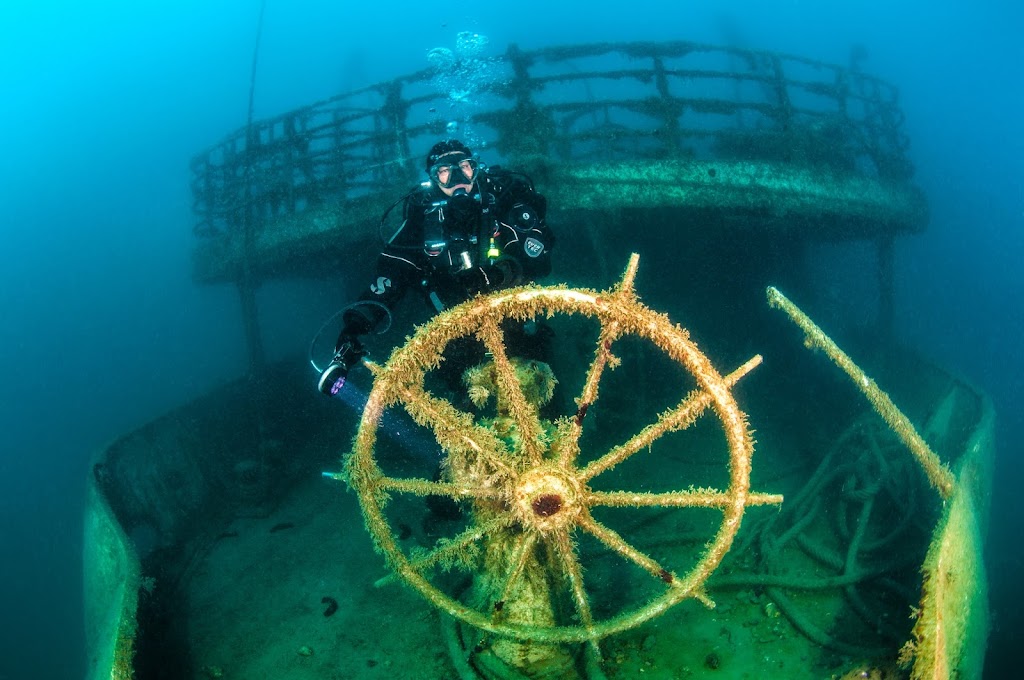
An eerie, close-shore submarine relic off Pula's Stoja headland—the open stern and hydroplanes of the 1942 Italian coastal boat Medusa emerging from moody 42-meter silt.
Starting the day at Submarine Medusa, the ambient air temperature is recorded at 12.5°C. Ongoing monitoring shows wave heights measuring 1.4 m. This data represents the current surface conditions for early activities.
Dive Site Location & Key Facts
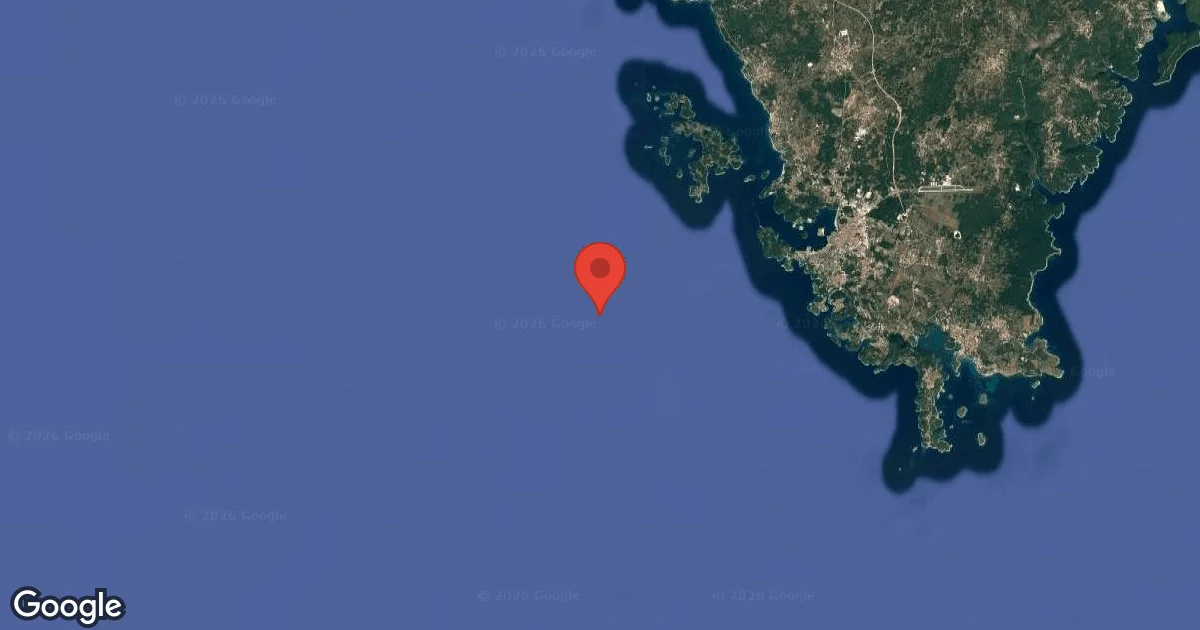
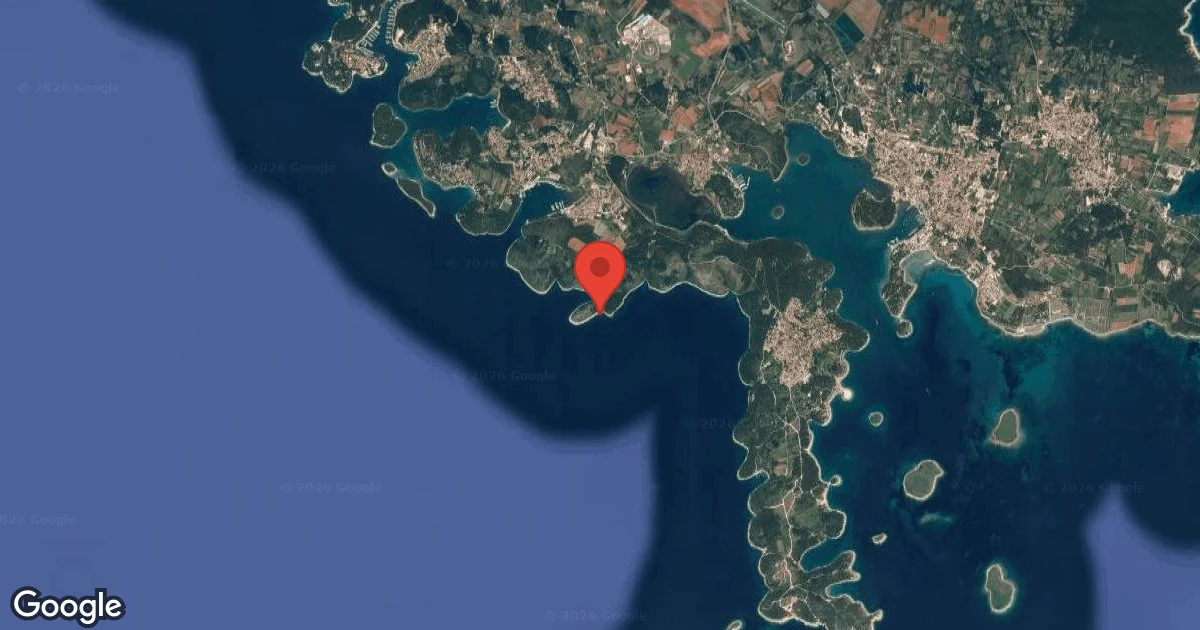
Coordinates44.8532, 13.8038
Estimated Coordinates
Coordinates are estimated from the best available maritime charts and local dive references, as exact GPS pins are not publicly confirmed. Always verify the precise entry or mooring point with a local dive operator.
Site Characteristics
Max Depth42m / 138ft
Entry Typeboat
Water Typesalt
Dive Types
DeepMuckWreck
Dive Site Overview
Built by Cantieri Riuniti dell'Adriatico at Monfalcone and commissioned into the Regia Marina in September 1932, Regio Sommergibile Medusa was a 61.5-meter Argonauta-class coastal submarine armed with six 533-millimeter torpedo tubes and a 102-millimeter deck gun. Assigned during World War II to the Naval Submarine School in Pula, she conducted training sorties across Istrian and Kvarner waters while also performing wartime patrols.
Around midday on January 30, 1942, while returning surfaced toward Pula with naval trainees aboard, Medusa was ambushed off southern Istria by the patrolling British Royal Navy submarine HMS Thorn under Lieutenant Commander Robert Galliano Norfolk. Struck amidships by a torpedo from a four-fish salvo, Medusa sank almost immediately; out of 60 officers, instructors, and crew aboard, only two men thrown from the conning tower survived.
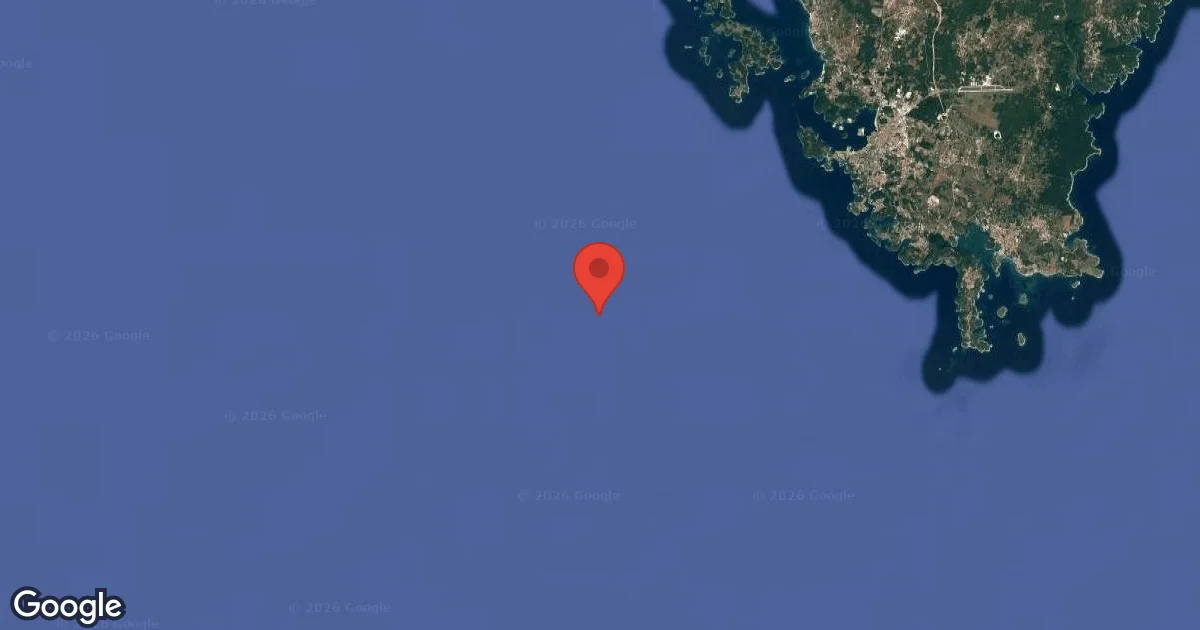
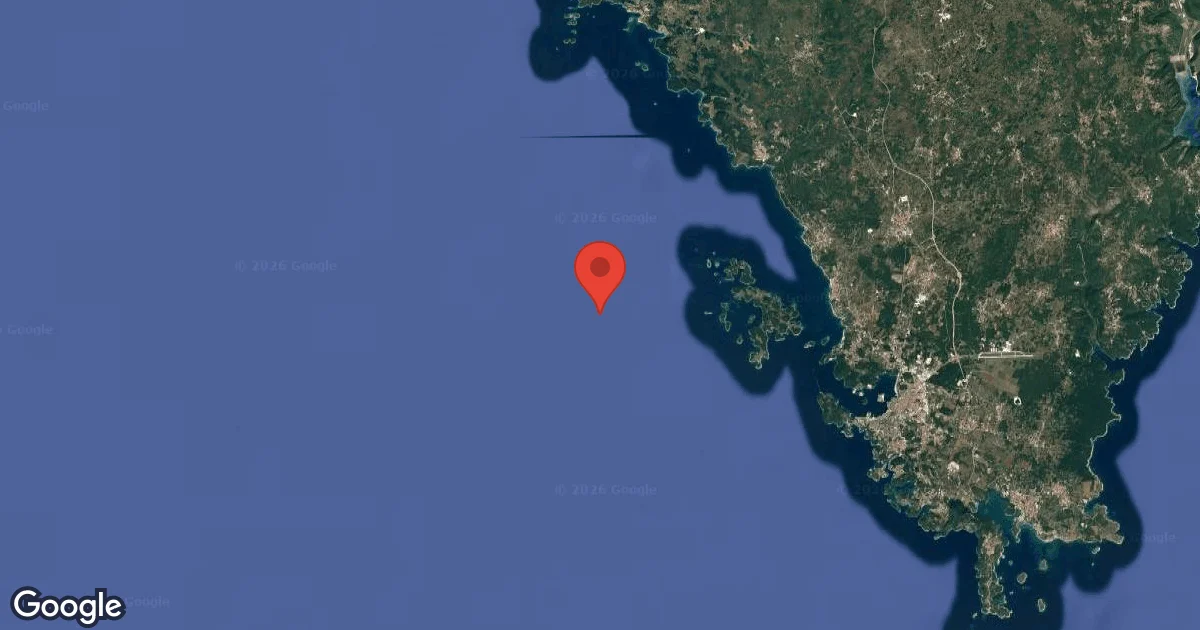
During extensive Yugoslav salvage operations in the 1950s, the main hull was raised and cut up for scrap, leaving behind the severed stern section off Pula's Stoja and Veruda approach, just 500 to 600 meters from the rocky shoreline of Camp Stoja. Resting on a flat bed of fine coastal silt and mud between 36 and 42 meters depth, this surviving submarine fragment offers a haunting, intimate glimpse into World War II undersea engineering.
Because the salvage cut left the forward end of the stern open, divers can peer from the outside into the circular pressure-hull framing, engine-mount and shaft structures, ballast-tank air vents, and the unmistakable horizontal stern hydroplanes jutting above the mud.
Submarine Medusa
Conditions are Good
7/10
Confidence: 8/10
Indicates meteorological model agreement and data availability.
Best Dive Window
Optimal conditions expected
06:12
18:45
H: 10:45
L: 16:20
Air / Sea Temp
13° / 17°
Wave Height
1.4 m
Wind Speed
33 km/h ENE
Rain Chance
0%
Current conditions near Submarine Medusa show 13° air, 17° sea temperature, 1.4 m waves, and 33 km/h wind. Forecast data is refreshed regularly to ensure accuracy.
Radius: ~12km
Updated: Nov 22, 2026, 22:48 local timeMARINE: OPEN-METEOWEATHER: YR.NO
Best Time to Dive
Thanks to its sheltered proximity just a few minutes by boat off Camp Stoja and Veruda, Submarine Medusa can be dived consistently from May through October, and frequently serves as a dependable foul-weather alternative when offshore swells prevent long runs to open-sea wrecks.
Visibility on the silty 42-meter bottom near Pula harbor's outer approaches is famously moody, averaging 5 to 10 meters during summer plankton blooms and improving to 12 to 15 meters during cooler, settled spring and autumn weeks when biological activity subsides.
Bottom temperatures remain a brisk 14 to 16 degrees Celsius below the summer thermocline while surface waters reach 24 degrees Celsius in July and August, rewarding divers who bring high-output narrow-beam lights and proper cold-water exposure protection.
PEAK SEASON SCORE
92/100
ExcellentScores combine air & water temps, waves, wind & rainfall for overall conditions.
BEST MONTHS TO DIVE
JUN
JUL
AUG
DIVE SCORE GUIDE (0–100)
Excellent (90–100)
Very Good (80–89)
Good (70–79)
Moderate (50–69)
Poor (30–49)
Not Recommended (0–29)
Monthly records compiled from satellite and marine observation nodes over the last 3 years. Data provided by Open-Meteo and MET Norway.
Dive Experience & Conditions
The boat ride from Stoja or Veruda takes barely five to ten minutes before crews drop a shot line directly alongside the wreck, as GPS precision is essential to locate the compact stern fragment in low visibility. Descending through green-tinted coastal water, divers pass a sharp thermocline around 22 meters before the curved casing and stern hydroplanes materialize out of the gloom at 36 to 38 meters.
Hovering motionless off the open salvage cut at 38 to 40 meters, divers shine primary torches inside the exposed pressure cylinder, revealing heavy circumferential ribs, air-vent apertures, high-pressure piping, and shaft tunnel fittings without needing to enter the tight interior.
Moving aft to the 42-meter silt line showcases the tapered submarine tail assembly and horizontal diving planes encrusted in sponges and anemones. Because the surrounding seabed is composed of flour-fine harbor-approach mud, divers must maintain strict horizontal trim and gentle frog kicks throughout the tour so the compact site stays clear for every buddy pair.
Dive Difficulty & Safety Guidelines
Although close to shore with generally mild currents, Submarine Medusa sits at 36 to 42 meters in dark, low-visibility water where spatial disorientation and silt-outs are primary hazards. Divers must hold Deep Diver certification with solid low-visibility experience, maintain continuous visual or light-beam contact with their buddy and the shot line, and never enter the narrow open stern cylinder.
Jagged flame-cut steel edges from the 1950s salvage operation and occasional snagged monofilament fishing lines line the open bulkhead rim, requiring cut-resistant gloves, streamlined hose routing, and a handy line cutter.
Monitor bottom time conservatively—whether diving rich deep-stop profiles on Nitrox 28 or light decompression gas—and deploy a delayed surface marker buoy before ascending into nearshore coastal boat traffic off Stoja and Veruda.
Recommended Equipment
Technical depth range. Advanced planning, gas management, and appropriate certification required.
Overhead / entanglement risk. Wreck penetration requires proper training.
- Dive Computer
- DSMB
- Primary & Backup Lights
- Wreck Reel
- Cutting Tool
- Pointer / Muck Stick
This gear list is based on verified equipment signals for Submarine Medusa, Croatia. Always confirm final gear choices with your dive operator, guide, or liveaboard.
Recommended Dive Suit
According to recent observations, water temperatures near Submarine Medusa are approximately 17°C (62°F). Surface air temperatures are resting at 13°C (55°F).
The next few days appear likely to bring similar environmental conditions.
Most divers exploring waters at this temperature rely on 5-7mm wetsuit for effective insulation. Strong winds are present; please take strong precautions against rapid cooling during surface intervals. A thermal robe or jacket is recommended between dives. Water temperature is only one factor influencing overall comfort during a dive. Stronger winds may also make surface intervals feel cooler than usual. Surface intervals may feel noticeably cooler once you exit the water.
Submarine Medusa conditions last reviewed: 22:48 local time (UTC+1), Nov 22, 2026
Emergency & Medical Support
Essential information to help you plan your dive trip to Submarine Medusa.

Hyperbaric chambers are a critical part of dive safety infrastructure. Availability varies significantly by region, and not all dive areas have immediate access.
Before diving, it's recommended to:
- confirm nearest medical facilities
- check emergency procedures with local dive operators
- ensure dive insurance covers evacuation if required
24/7 Available
Divers Alert Network
Diving emergency assistance available through DAN Europe.
+39 0642115685- 24/7 emergency hotline
- Diving medical assistance
- Evacuation coordination
Emergency contacts are provided for reference. Always verify local emergency services before diving.
Closest Listed Hyperbaric Chambers (≤ 200 km)
Approximate straight-line distances from this dive site — emergency travel times may vary.
5 km5 kmPoliklinika za baromedicinu OXY – Podružnica Pula
Pula, Croatia+385 52 215 663Details5 kmPoliklinika za baromedicinu OXY – Podružnica Pula
Pula, Croatia · Multiplace
Hours: Mon–Fri 07:30–15:30Facility: Opća bolnica PulaICU On-Site: Not reportedSource: KBC Rijeka / Poliklinika OXYOfficial website
5 km
Poliklinika za baromedicinu OXY – Podružnica Pula
Pula, Croatia+385 52 215 663Details
5 km
Poliklinika za baromedicinu OXY – Podružnica Pula
Pula, Croatia · Multiplace
Hours: Mon–Fri 07:30–15:30
Facility: Opća bolnica Pula
ICU On-Site: Not reported
Source: KBC Rijeka / Poliklinika OXY
Official website74 km74 kmZavod za podvodnu i hiperbaričnu medicinu – KBC Rijeka
Rijeka, Croatia24/7ICU+385 51 407 435Details74 kmZavod za podvodnu i hiperbaričnu medicinu – KBC Rijeka
24/7 ListedICU CapableRijeka, Croatia · Multiplace (8 seated / 2 stretcher ICU)
Hours: 24/7 EmergencyFacility: Klinički bolnički centar Rijeka (Lokalitet Sušak)ICU On-Site: YesSource: KBC Rijeka / Poliklinika OXYOfficial website
74 km
Zavod za podvodnu i hiperbaričnu medicinu – KBC Rijeka
Rijeka, Croatia24/7ICU+385 51 407 435Details
74 km
Zavod za podvodnu i hiperbaričnu medicinu – KBC Rijeka
24/7 ListedICU CapableRijeka, Croatia · Multiplace (8 seated / 2 stretcher ICU)
Hours: 24/7 Emergency
Facility: Klinički bolnički centar Rijeka (Lokalitet Sušak)
ICU On-Site: Yes
Source: KBC Rijeka / Poliklinika OXY
Official website78 km78 kmPoliklinika za baromedicinu OXY – Poslovna jedinica Crikvenica
Crikvenica, Croatia+385 51 785 229Details78 kmPoliklinika za baromedicinu OXY – Poslovna jedinica Crikvenica
Crikvenica, Croatia · Multiplace
Hours: Mon–Fri 07:30–15:30Facility: Thalassotherapia CrikvenicaICU On-Site: Not reportedSource: KBC Rijeka / Poliklinika OXYOfficial website
78 km
Poliklinika za baromedicinu OXY – Poslovna jedinica Crikvenica
Crikvenica, Croatia+385 51 785 229Details
78 km
Poliklinika za baromedicinu OXY – Poslovna jedinica Crikvenica
Crikvenica, Croatia · Multiplace
Hours: Mon–Fri 07:30–15:30
Facility: Thalassotherapia Crikvenica
ICU On-Site: Not reported
Source: KBC Rijeka / Poliklinika OXY
Official websiteChamber data is sourced from official Croatian hospital and baromedicine facility records and has not been independently verified by Dive Navigator. Always contact local emergency services, DAN, your dive operator, or the facility directly before travelling.
Reference onlyMarine Life at Submarine Medusa
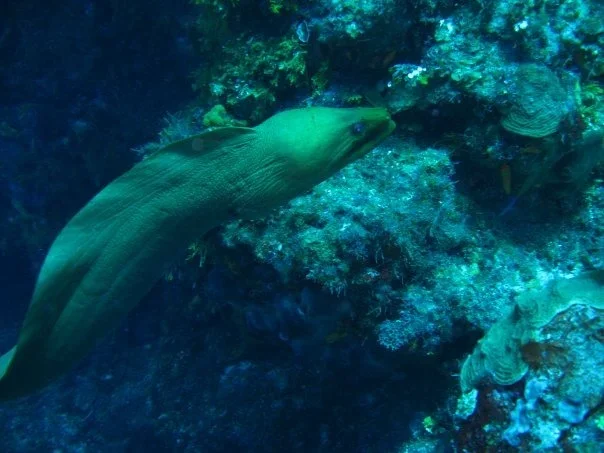
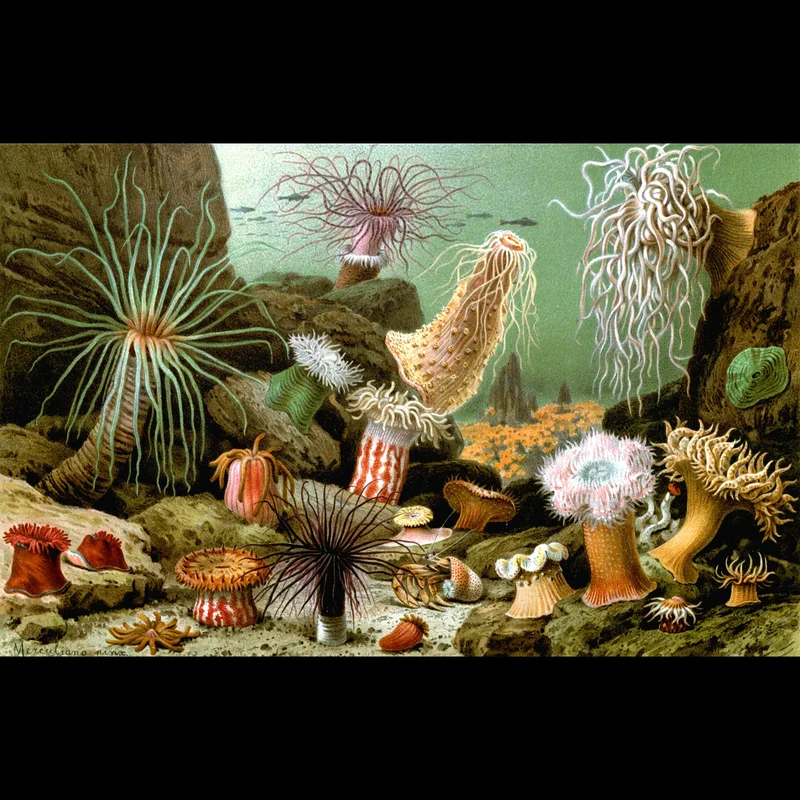
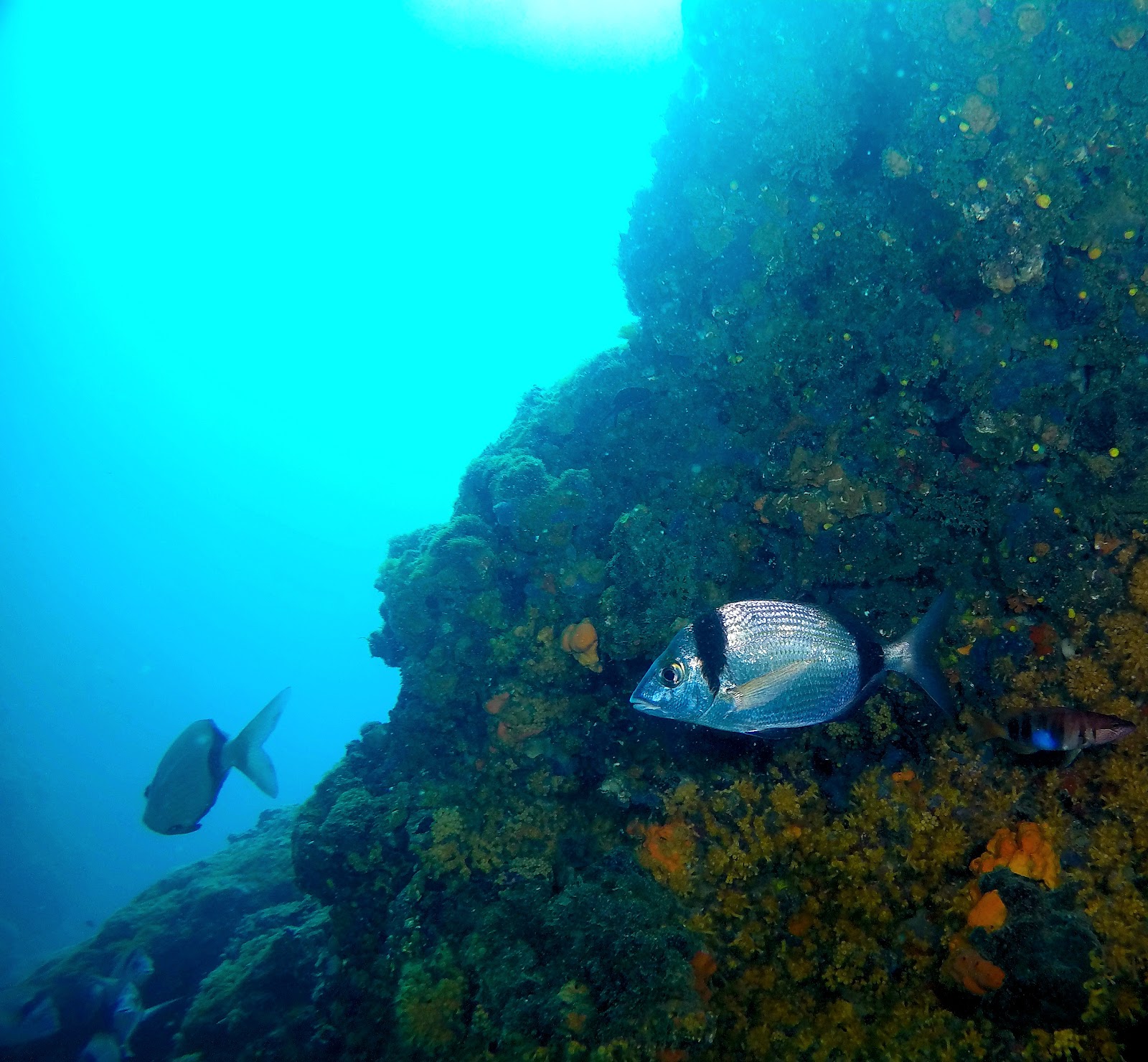
Set against a barren plain of coastal mud and silt, the curved steel stern of Medusa concentrates nocturnal and crevice-loving Adriatic species into a remarkably compact space. Thick European conger eels coil inside the open pressure-hull ribs and shaft housing, often sharing adjacent holes with European lobsters whose white antennae protrude into torchlight.
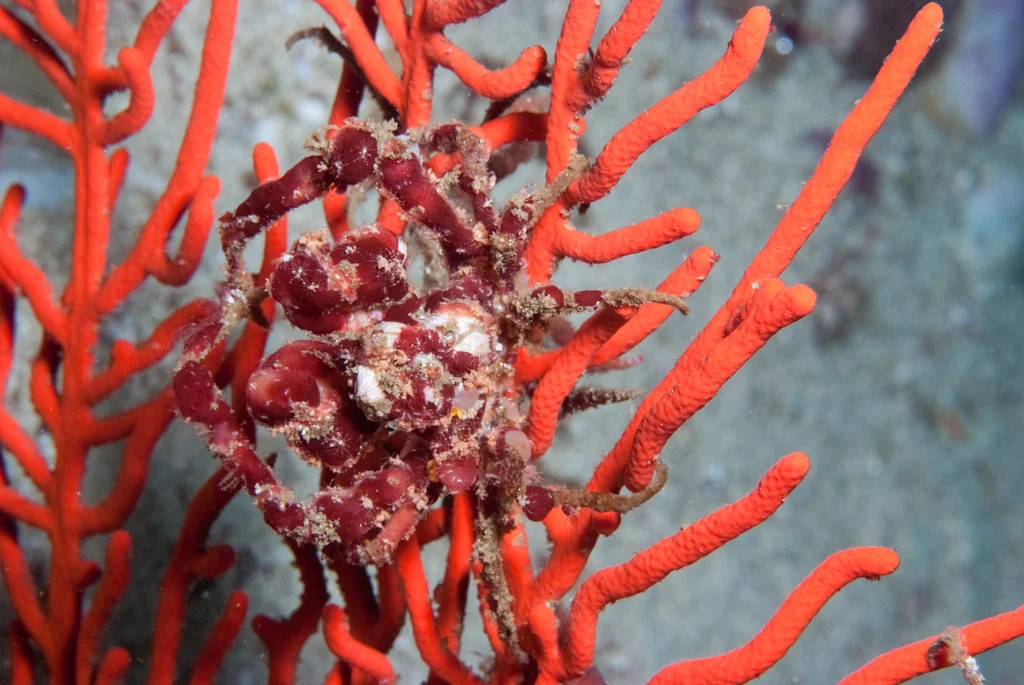
Well-camouflaged red scorpionfish sit perched along the stern hydroplanes and ballast-tank vents, surrounded by bright yellow cluster anemones, colonial tunicates, and filter-feeding sabellid tubeworms that thrive in nutrient-rich coastal water.
Common octopuses and spiny spider crabs patrol the mud-to-steel interface at 42 meters, while shoals of poor cod and damselfish hover tightly over the upper casing.


1 / 2
Image contributors:Diego Delso, laszlo-photo + 3 more
Want to contribute photos or local dive knowledge? Learn how to contributeDive Sites Near Submarine Medusa
View all dive sites in CroatiaDiscover more underwater gems in this area.
Max 42 m
9.7 km
advancedWreck Varese
ArchaeologicalBoat
Max 45 m
14 km
advancedWreck Josephine
ArchaeologicalBoat
Max 38 m
14.3 km
advancedWreck Marija
BoatDown Line
Max 45 m
14.7 km
advancedTB 26 Flamingo
ArchaeologicalBoat
Max 44 m
15 km
advancedWreck John Gilmore
ArchaeologicalBoat
Max 42 m
15.2 km
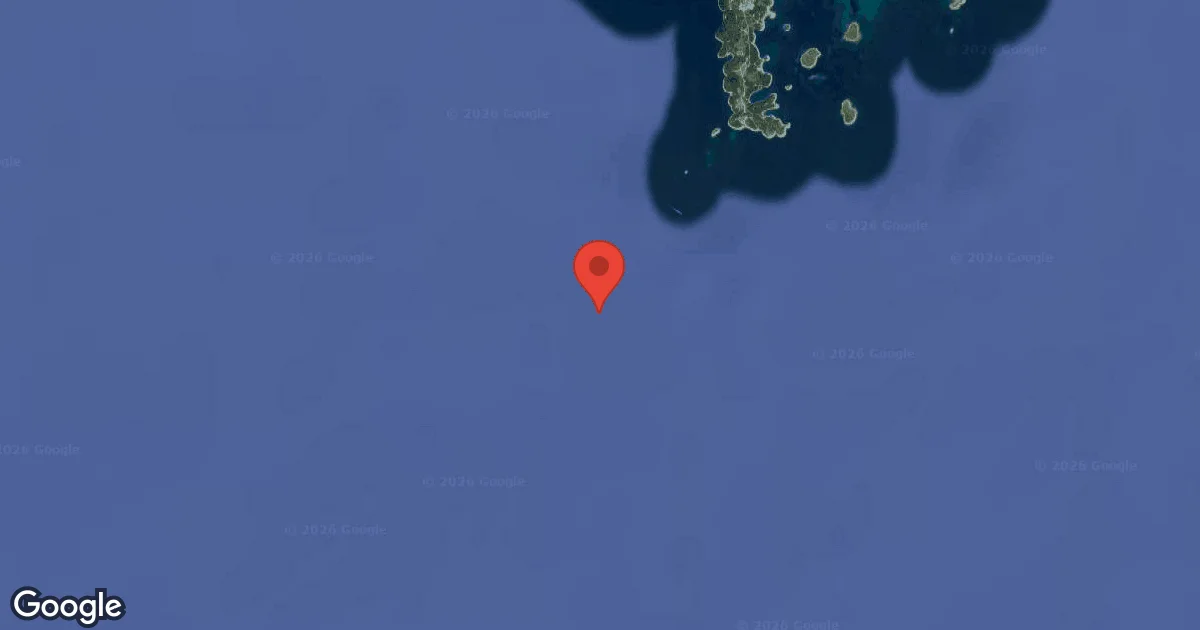
advancedSubmarine U-81
ArchaeologicalBoat
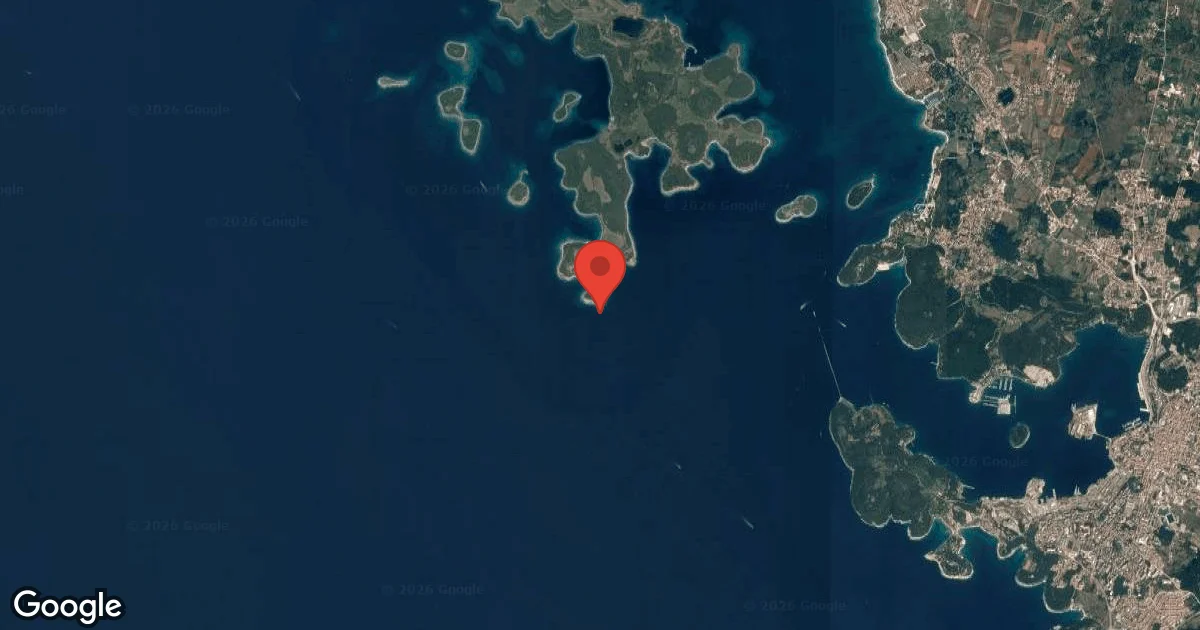
Max 45 m
5.4 km
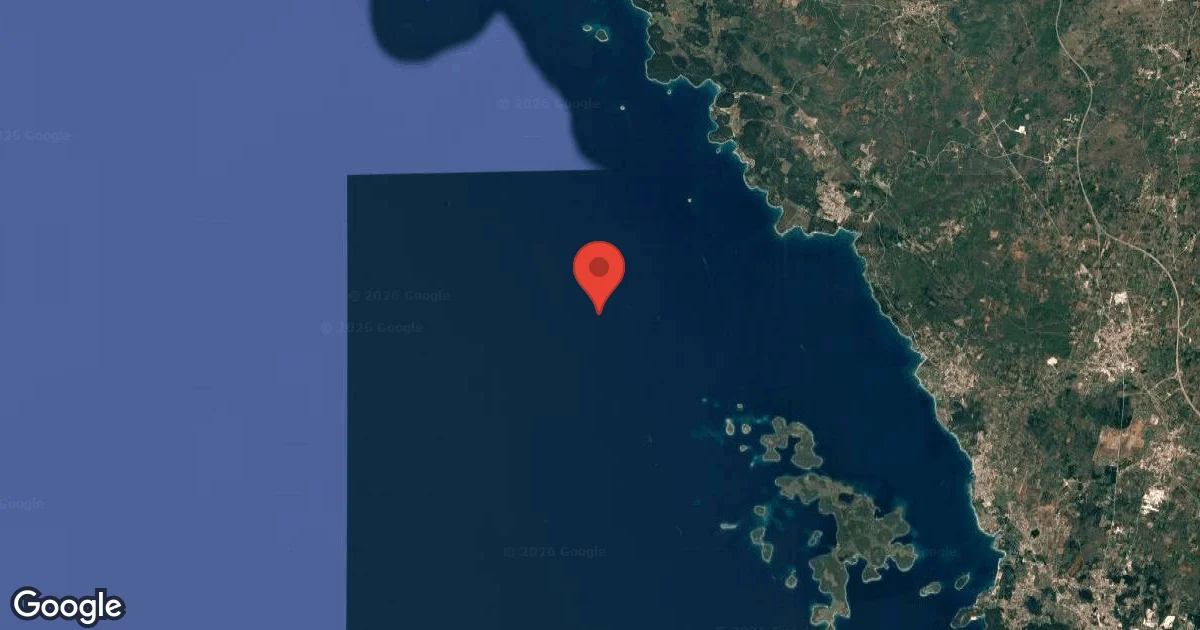
intermediateCape Peneda
BoatCanyon
Max 37 m
16.2 km
advancedTA 35 Giuseppe Dezza
ArchaeologicalBoat
Max 42 m
9.7 km
advancedWreck Varese
ArchaeologicalBoat
Max 45 m
14 km
advancedWreck Josephine
ArchaeologicalBoat
Max 38 m
14.3 km
advancedWreck Marija
BoatDown Line
Max 45 m
14.7 km
advancedTB 26 Flamingo
ArchaeologicalBoat
Max 44 m
15 km
advancedWreck John Gilmore
ArchaeologicalBoat
Max 42 m
15.2 km
advancedSubmarine U-81
ArchaeologicalBoat
Max 45 m
5.4 km
intermediateCape Peneda
BoatCanyon
Max 37 m
16.2 km
advancedTA 35 Giuseppe Dezza
ArchaeologicalBoat
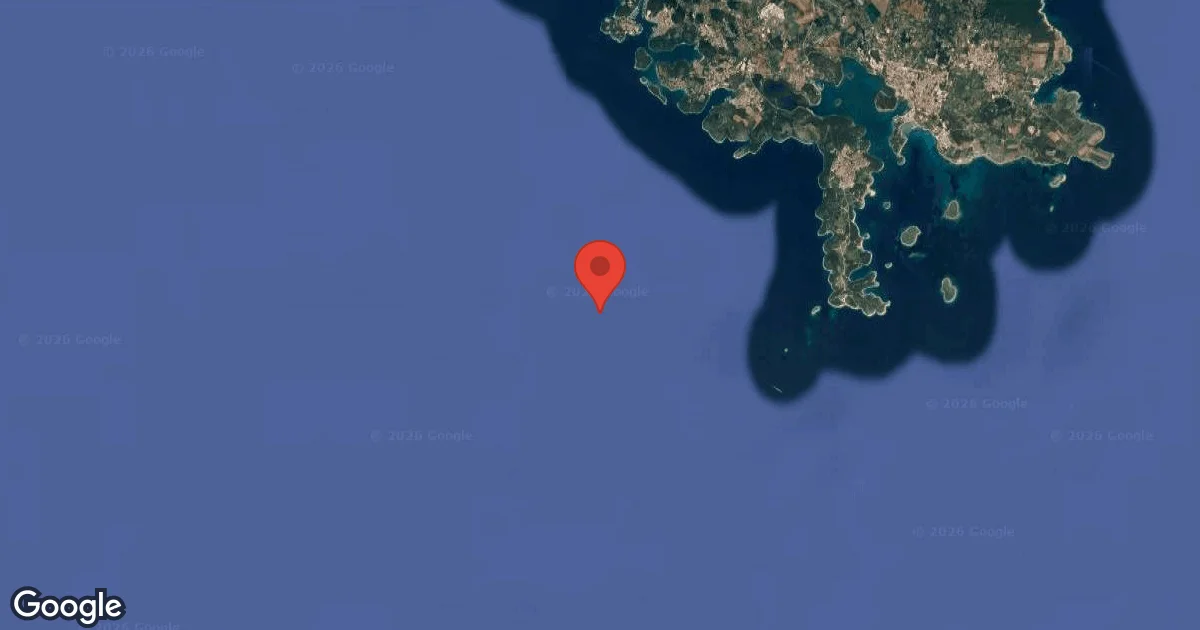
Max 40 m
9.8 km
intermediateWreck Draga
BoatDown Line
Max 38 m
7.9 km
360°intermediateRed Rocks Kamenjak
BoatCanyon
1 / 2
Dive Centers Near Submarine Medusa
Working Hours
Sun09:00 - 18:00
Mon09:00 - 18:00
Tue09:00 - 18:00
Wed09:00 - 18:00
Thu09:00 - 18:00
Fri09:00 - 18:00
Sat09:00 - 18:00
Today: 09:00 - 18:00
Sun09:00 - 18:00
Mon09:00 - 18:00
Tue09:00 - 18:00
Wed09:00 - 18:00
Thu09:00 - 18:00
Fri09:00 - 18:00
Sat09:00 - 18:00
4.7| 129 reviews
3.5 km
4.8| 166 reviews
10.2 km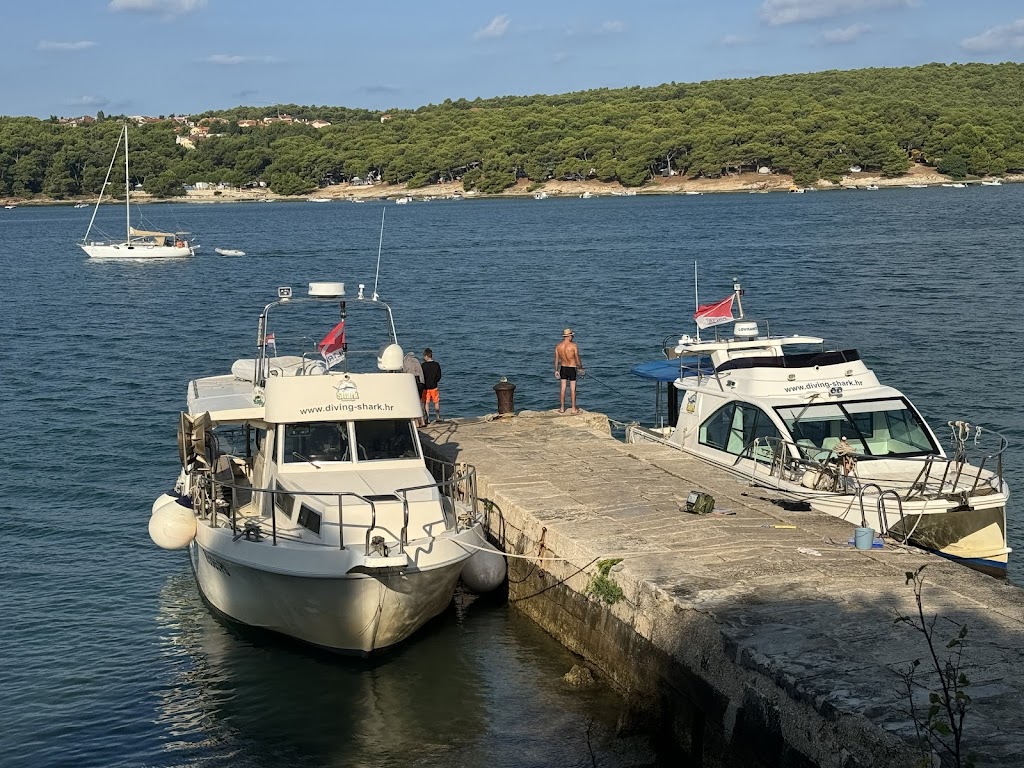
4.6| 244 reviews
11 km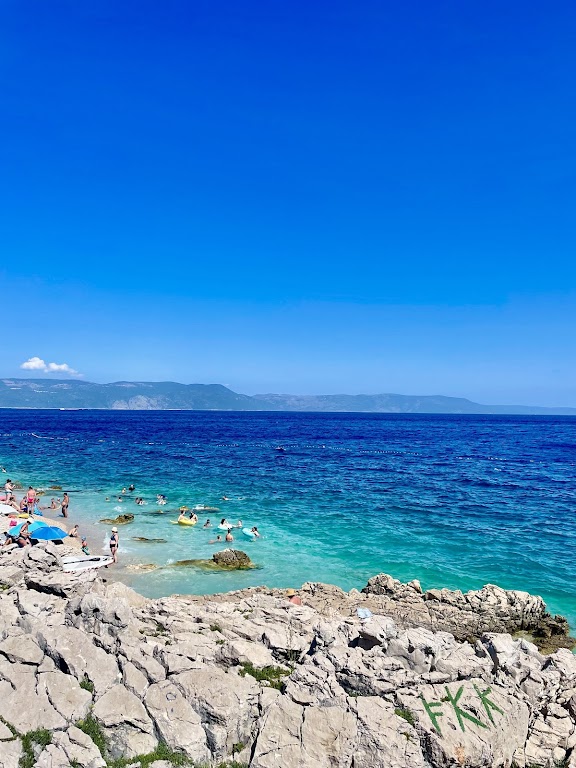
Girandella Diving Centre
4.8(231)• 38.5 km
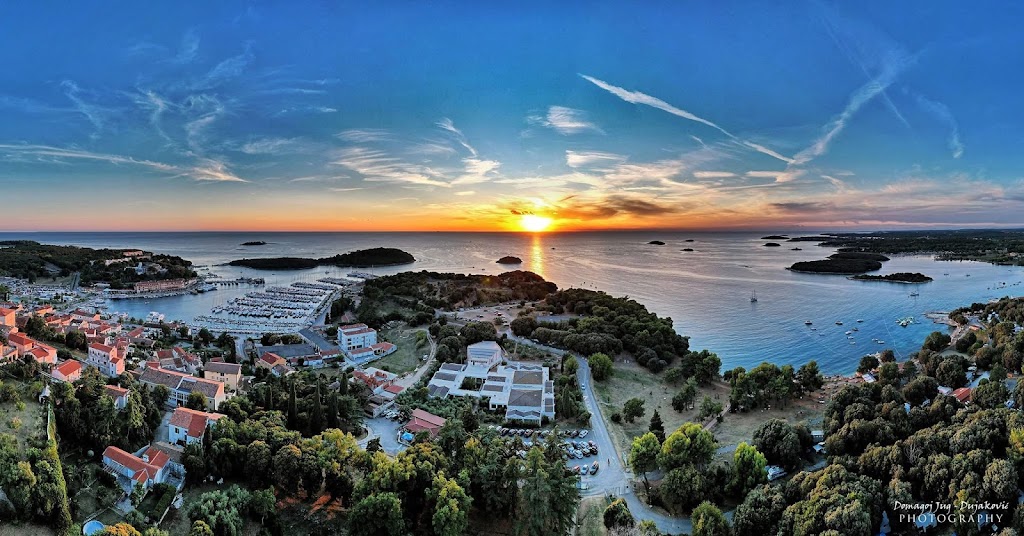
Triton Diving
4.8(132)• 37 km
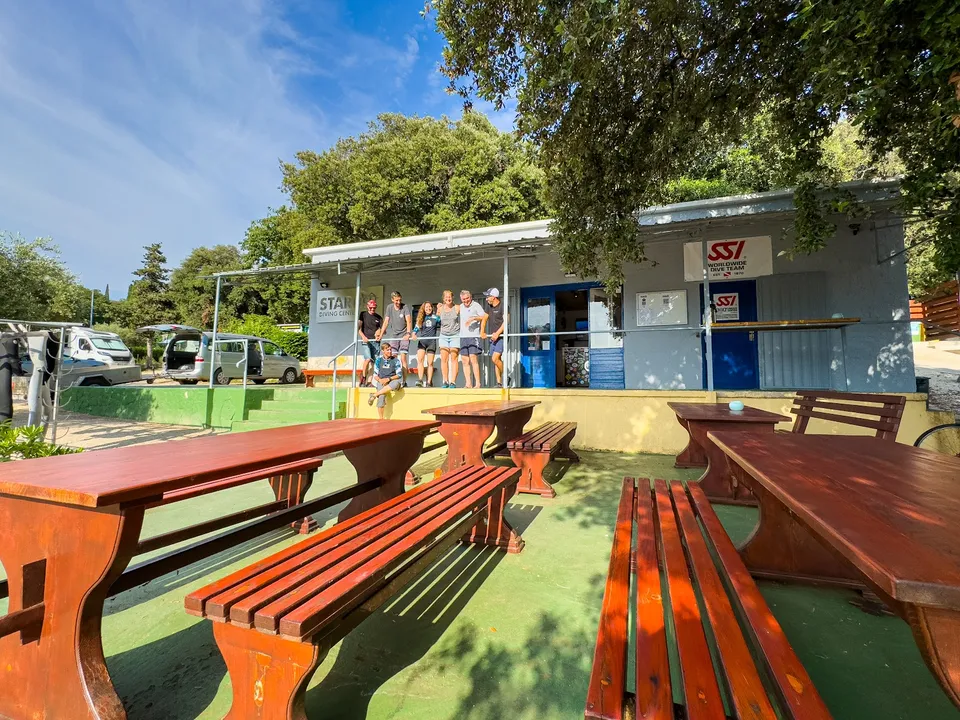
Starfish Diving Center
4.7(240)• 36 km
Nearest Airports
Nearest airports to help plan travel to this dive area.
Pula Airport PUY
10 km
Rijeka Airport RJK
73 km
Trieste Airport TRS
111 km
💵 Currency: EUR
Search Flights
Check available flights and routes on Expedia, using the nearby airports listed in this section.
Search Flights on ExpediaAffiliate link · Dive Navigator may earn a commission at no extra cost to you.
Frequently Asked Questions
Is the entire hull of Submarine Medusa still underwater?
No. Most of the 61.5-meter submarine was raised and scrapped during salvage work in the 1950s, leaving only the severed stern section with its hydroplanes and open pressure-hull framing on the seabed.
How was Regio Sommergibile Medusa sunk in 1942?
On January 30, 1942, while returning surfaced to Pula from a training exercise, Medusa was torpedoed by the British submarine HMS Thorn, sinking rapidly with 58 of the 60 men aboard lost.
Why did older local dive guides sometimes confuse Medusa with a German U-boat off Stoja?
Because several submarines sank or were salvaged around Pula after World War II, early recreational guides misattributed the salvaged stern off Stoja before archival research confirmed its Argonauta-class Italian stern structure.
What is typical visibility like on Submarine Medusa?
Due to the fine muddy seabed and nearshore nutrients off Pula, visibility typically ranges from 5 to 10 meters in summer and reaches 12 to 15 meters during cooler spring and autumn periods.
Can divers swim inside the open stern section?
No. The severed pressure hull is narrow, silty, and lined with sharp salvaged metal edges, but its open forward cut allows divers to illuminate and view internal machinery clearly from outside.
How far from shore is the Submarine Medusa dive site?
The stern rests roughly 500 to 600 meters off Pula's Stoja peninsula, making it a five-to-ten-minute boat ride from local dive centers.
Trip Inquiry
Planning to dive Submarine Medusa?
Tell us your dates and diving needs. We'll review your request and seek offers from relevant local dive centers.
Request Dive Offers Free request for offers • No booking obligation
Submarine Medusa
Conditions are Good
7/10
Confidence: 8/10
Indicates meteorological model agreement and data availability.
Best Dive Window
Optimal conditions expected
06:12
18:45
H: 10:45
L: 16:20
Air / Sea Temp
13° / 17°
Wave Height
1.4 m
Wind Speed
33 km/h ENE
Rain Chance
0%
Current conditions near Submarine Medusa show 13° air, 17° sea temperature, 1.4 m waves, and 33 km/h wind. Forecast data is refreshed regularly to ensure accuracy.
Radius: ~12km
Updated: Nov 22, 2026, 22:48 local timeMARINE: OPEN-METEOWEATHER: YR.NO


