Loading...

Diving at Cape Peneda (Croatia)
Published
An untouched no-take marine sanctuary off Brijuni National Park's southernmost lighthouse, showcasing northern Istria's richest fish biomass and deepest coralligenous drop-offs.
Early observations for Cape Peneda report a surface air temperature of 13.5°C. The water surface is currently presenting wave heights of 0.6 m. Consider these environmental metrics before beginning your descent.
Dive Site Location & Key Facts
Site Characteristics
Max Depth45m / 148ft
Entry Typeboat
Water Typesalt
Dive Types
DeepReefWall
Dive Site Overview
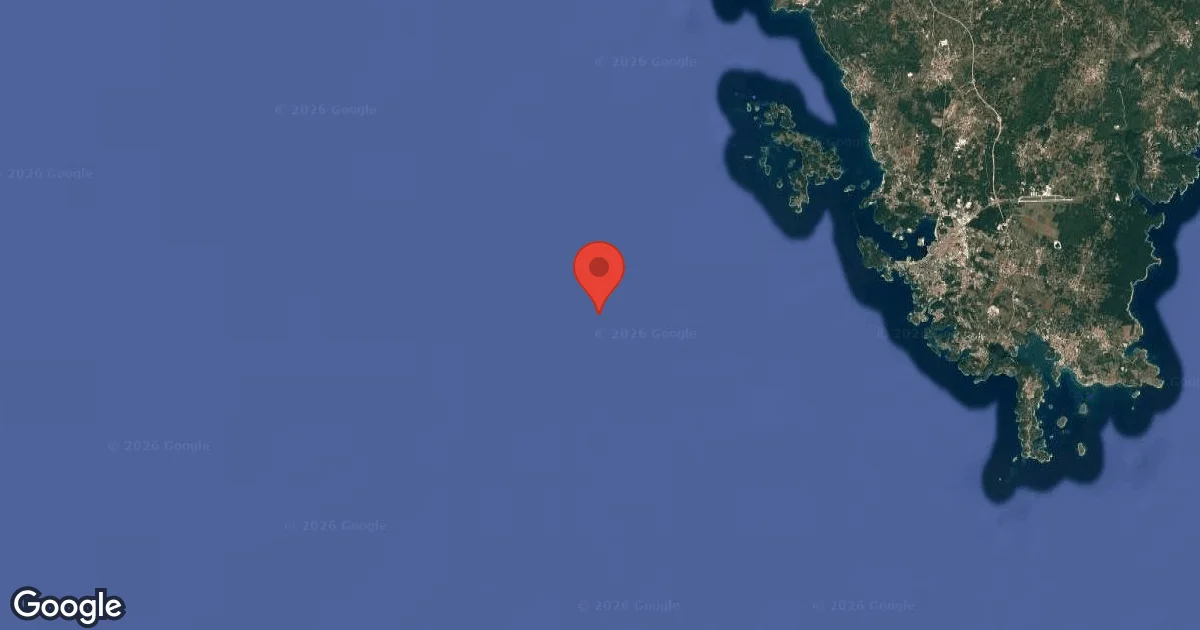
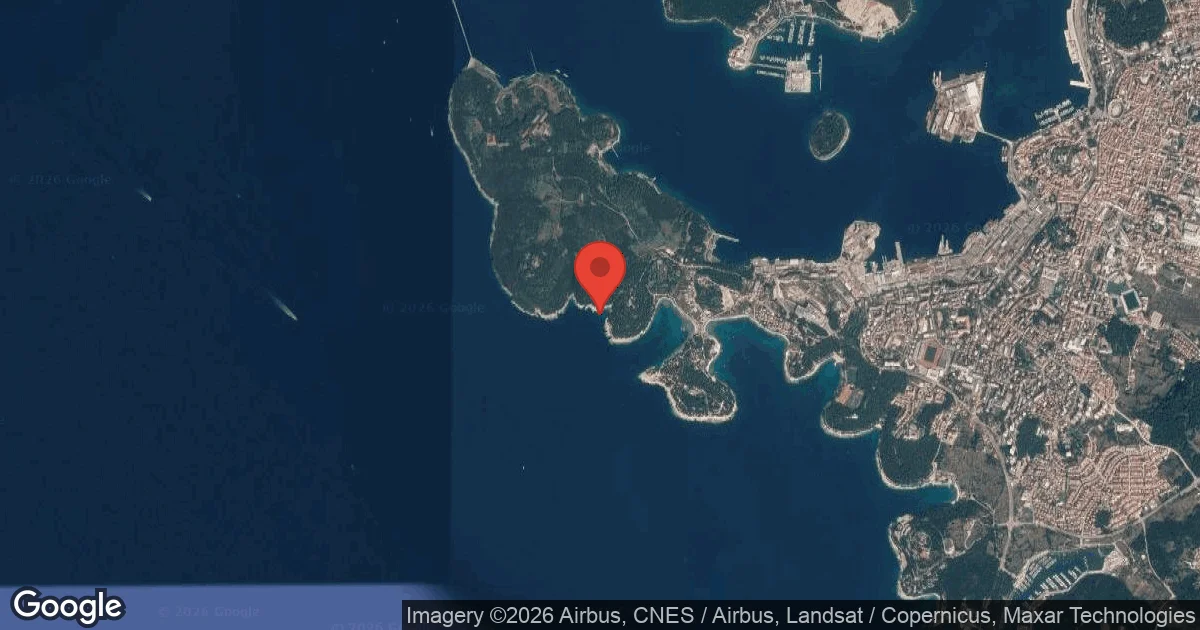
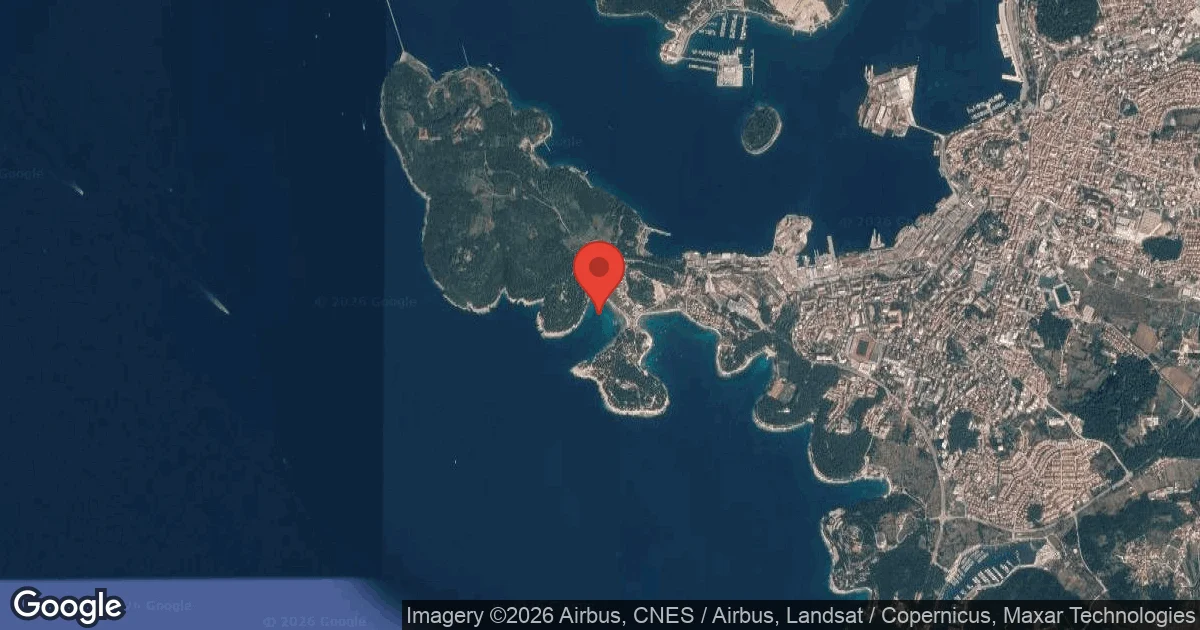
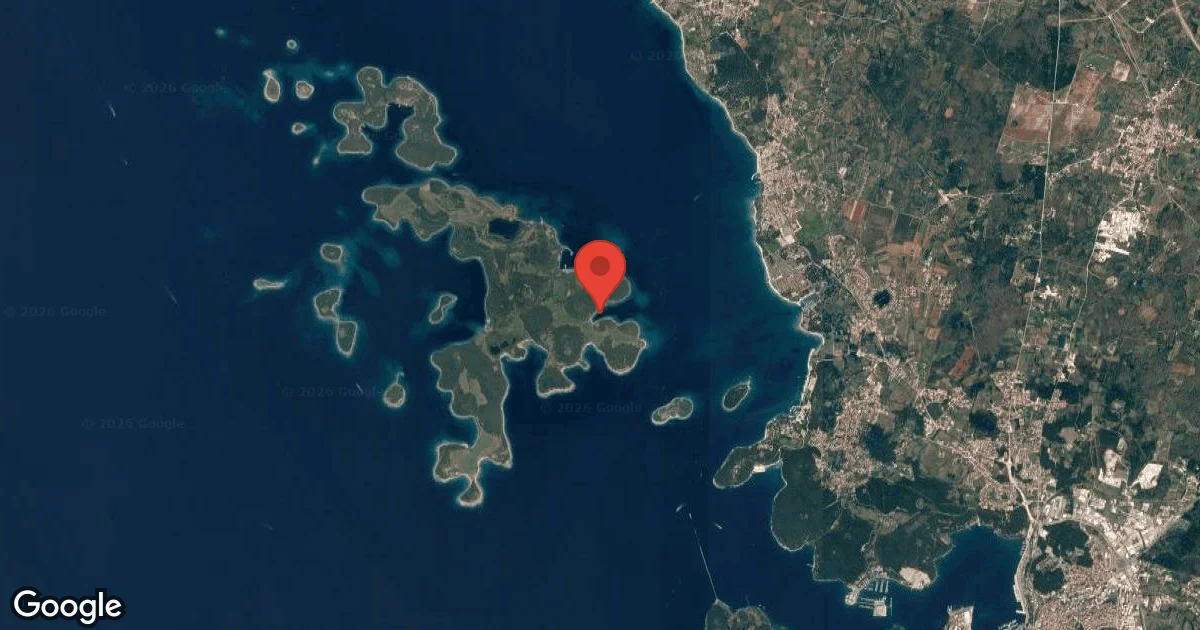
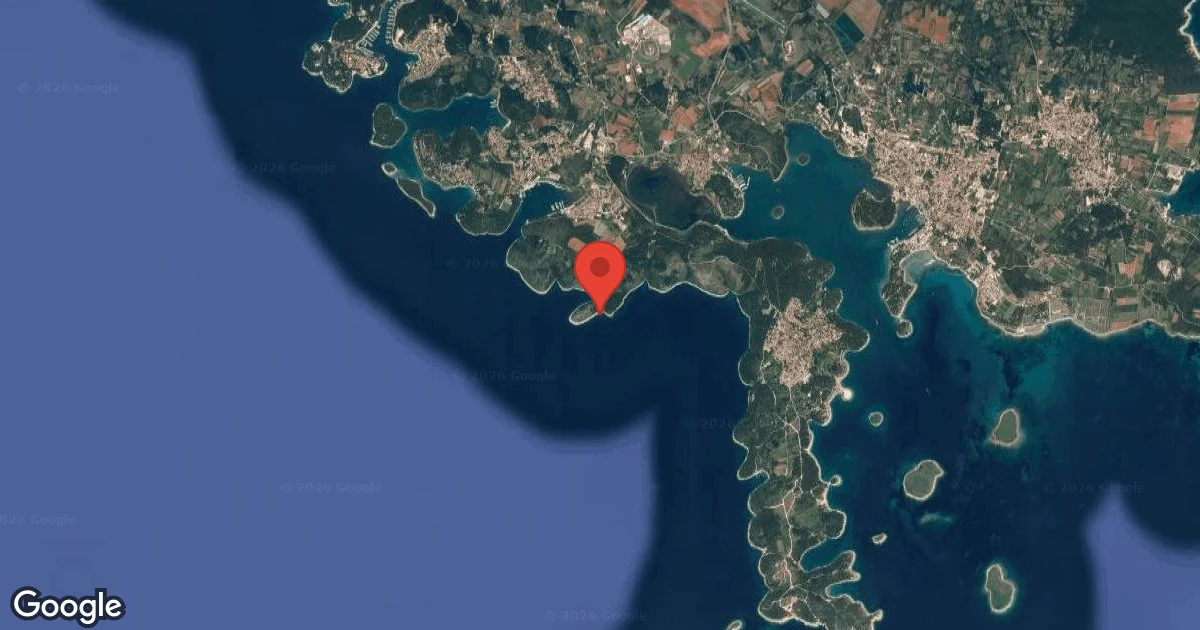
Positioned off the southern headland of Veli Brijun directly below the historic 1877 stone tower of Peneda Lighthouse, Cape Peneda demonstrates what the northern Adriatic looks like when shielded for decades from commercial and recreational fishing. As one of only three designated scuba zones inside Brijuni National Park, its waters serve as a vital biological nursery for the entire western Istrian coast.
Beneath the surface, a bright infralittoral limestone plateau at 5 to 6 meters steps downward through fissured karst ledges, gullies, and mini-walls to 28–30 meters, allowing recreational groups to tailor rich mid-depth profiles. Seaward to the south, pre-coralligenous and true coralligenous rock formations continue sloping steeply down to 40–45 meters, bordering the 50-meter trough just south of Peneda—the deepest point anywhere in the Brijuni archipelago.
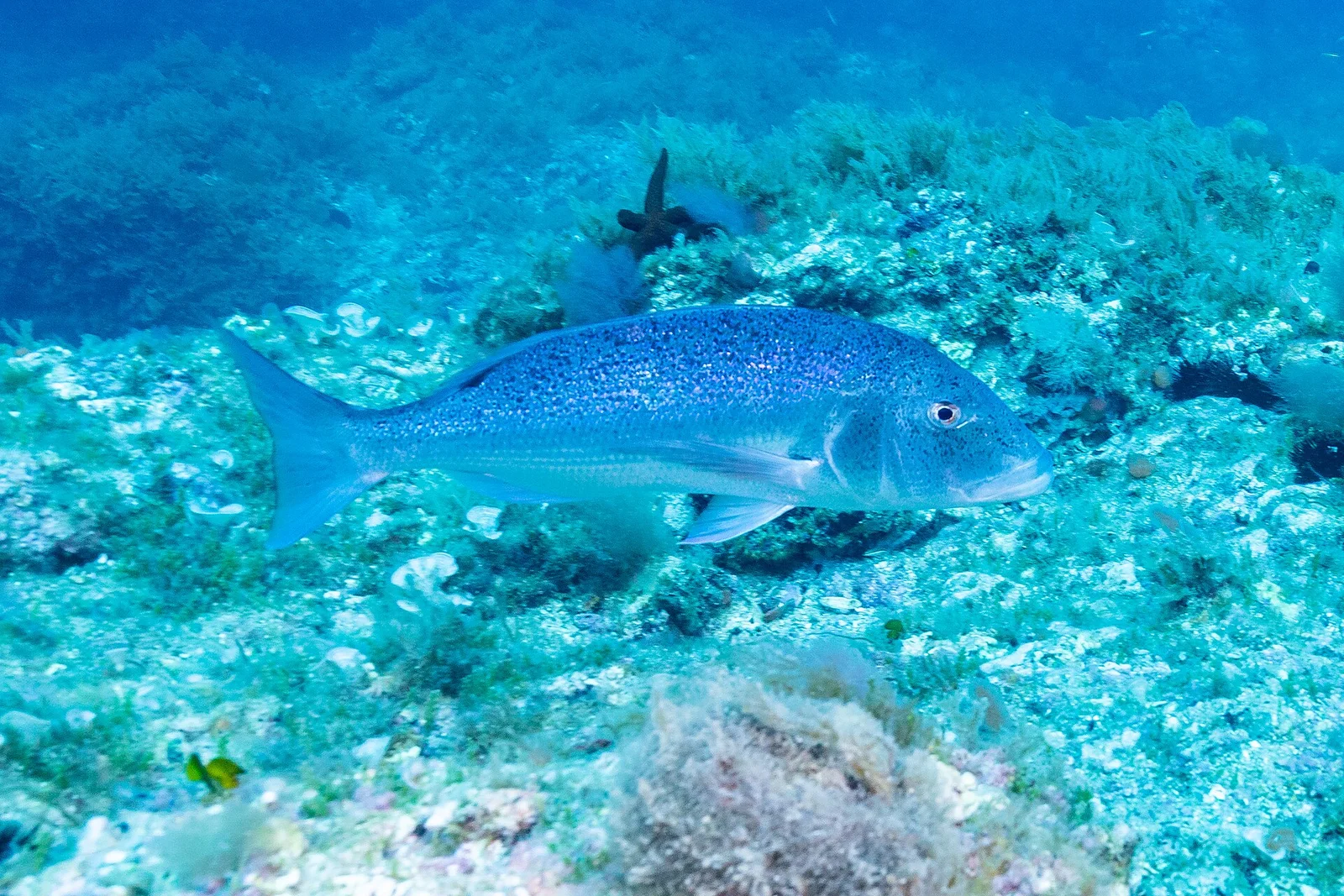
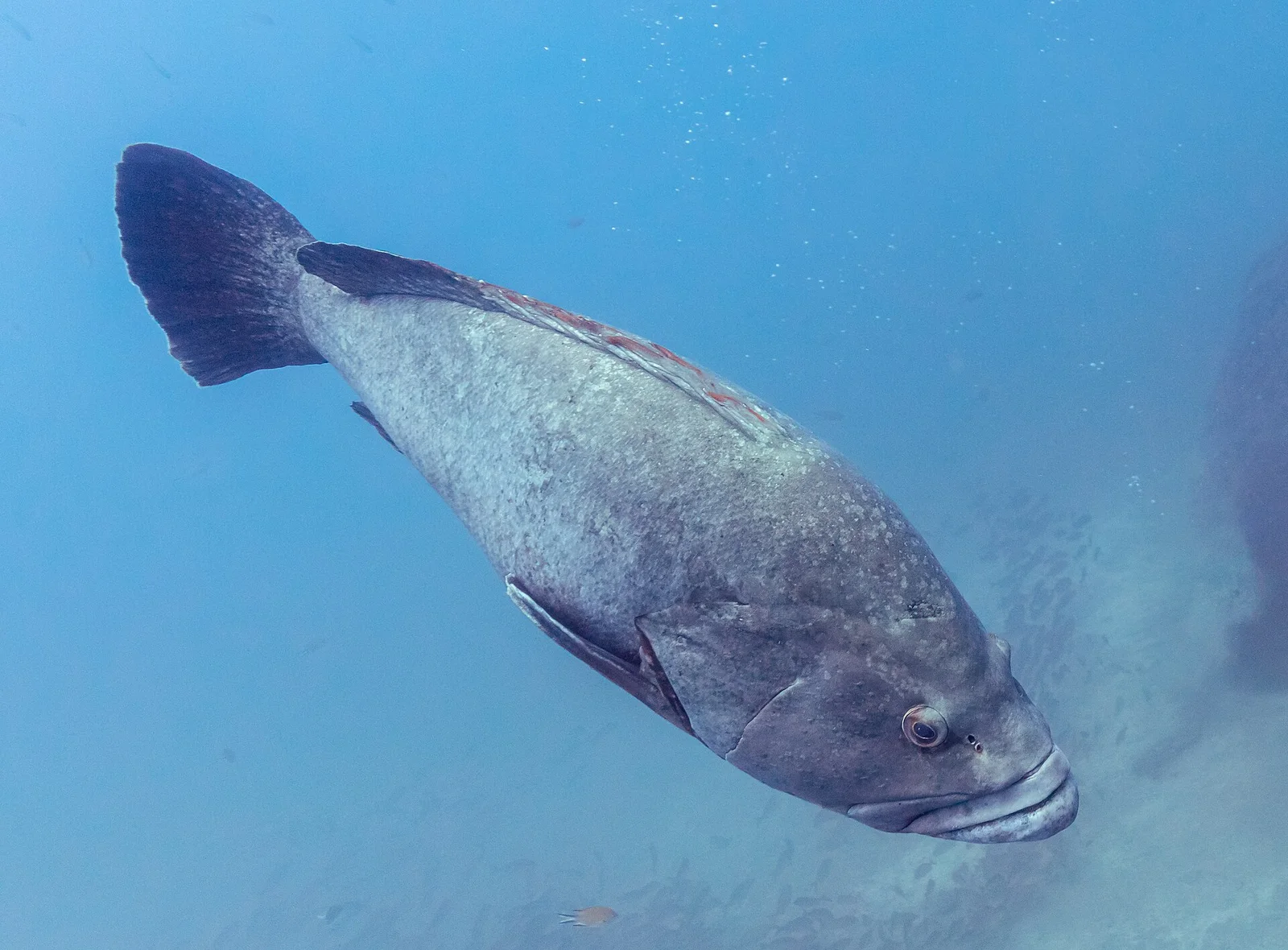
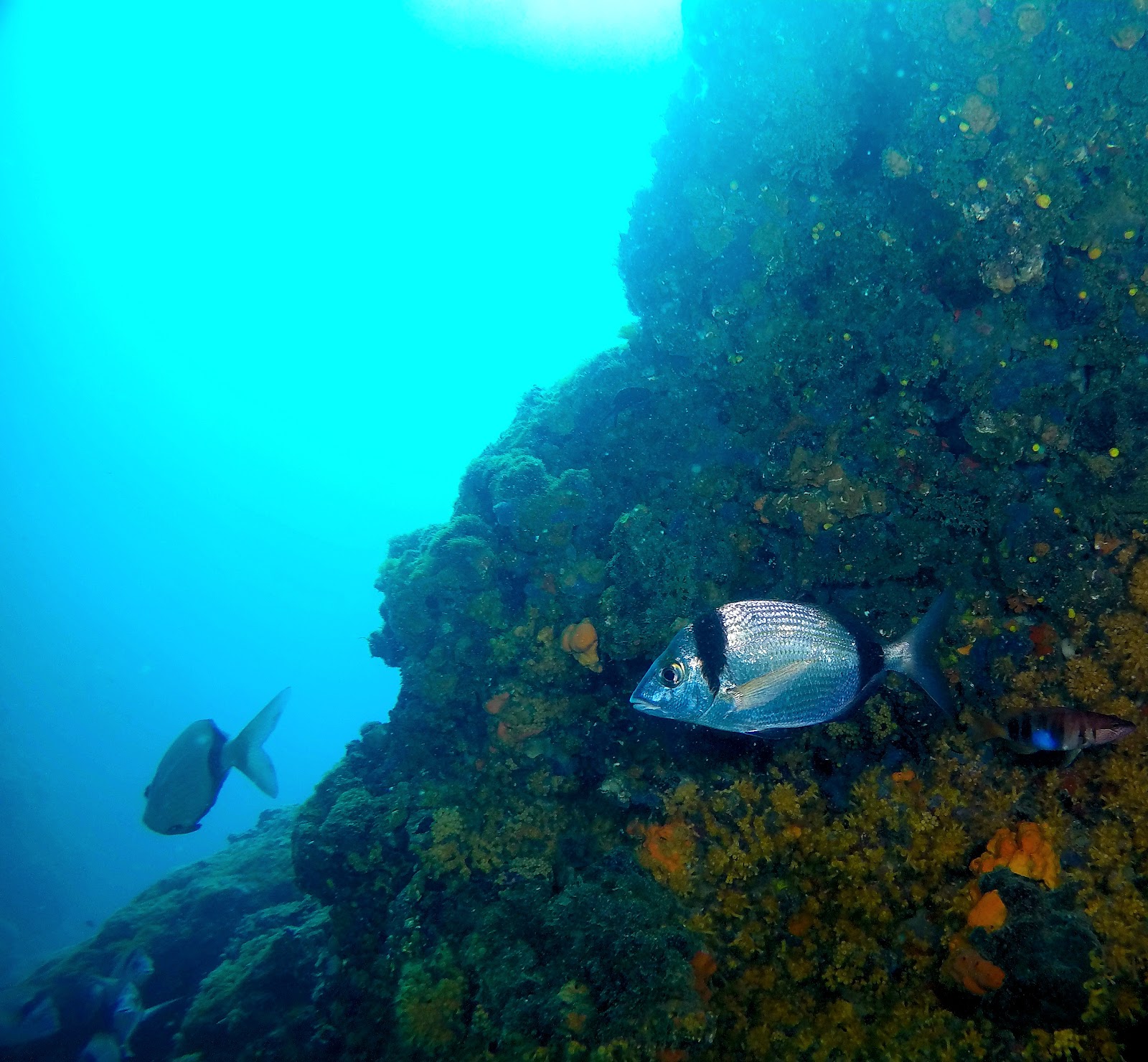
Within the first minutes of descent, the protected-park effect is unmistakable: unafraid schools of large seabream, hunting dentex, and bold dusky groupers cruise calmly within arm's reach against walls carpeted in golden cup corals, calcareous red algae, and towering branching sponges.
Cape Peneda
Conditions are Moderate
6/10
Confidence: 8/10
Indicates meteorological model agreement and data availability.
Best Dive Window
Optimal conditions expected
06:12
18:45
H: 10:45
L: 16:20
Air / Sea Temp
13° / 16°
Wave Height
1.4 m
Wind Speed
32 km/h ENE
Rain Chance
50%
Current conditions near Cape Peneda show 13° air, 16° sea temperature, 1.4 m waves, and 32 km/h wind. Forecast data is refreshed regularly to ensure accuracy.
Radius: ~12km
Updated: Nov 22, 2026, 12:05 local timeMARINE: OPEN-METEOWEATHER: YR.NO
Best Time to Dive
Authorized park dive excursions run primarily from May through October, when open-sea crossings from Fažana and Pula are smooth and visibility off the exposed southern cape routinely reaches 20 to 25 meters. Late August through October combines warm upper water layers with peak pelagic predator activity, as hunting dentex and amberjack patrol the thermocline.
Because Cape Peneda juts directly into open Adriatic currents at the southern mouth of the Fažana Channel, it catches clean, nutrient-rich water exchange. Calm mornings or light northerly winds keep the southern and southeastern lee of the headland sheltered, whereas strong southerly Jugo swells can make boat mooring exposed.
PEAK SEASON SCORE
91/100
ExcellentScores combine air & water temps, waves, wind & rainfall for overall conditions.
BEST MONTHS TO DIVE
JUN
JUL
AUG
DIVE SCORE GUIDE (0–100)
Excellent (90–100)
Very Good (80–89)
Good (70–79)
Moderate (50–69)
Poor (30–49)
Not Recommended (0–29)
Monthly records compiled from satellite and marine observation nodes over the last 3 years. Data provided by Open-Meteo and MET Norway.
Dive Experience & Conditions
Authorized dive boats from Fažana, Pula, Bale, or Rovinj moor on the shallow 6-meter shelf off the southeastern flank of the cape, just 10 to 15 minutes by boat from Fažana. Divers descend down the line onto sculpted karst steps and follow the drop-off with the prevailing mild-to-moderate current, conserving gas while drifting effortlessly past undercut ledges.
Summer surface temperatures of 22–24°C give way across a sharp thermocline around 16 to 20 meters to crisp 14–16°C water along the deeper 30-to-45-meter coralligenous slope. Bringing a powerful primary torch illuminates intense yellow and crimson hues across the deeper overhangs before ascending onto the sun-warmed 6-meter plateau for an unhurried safety stop surrounded by swirling bream.
Dive Difficulty & Safety Guidelines
Brijuni National Park enforces strict marine conservation and access regulations: independent boat anchoring or unguided diving is prohibited, and all divers must book through an officially licensed dive center that arranges the mandatory park permit and certified park guide. Collecting shells, touching benthic organisms, or wearing gloves to hold onto coral-encrusted rock is strictly forbidden.
Because the southern tip of Veli Brijun experiences moderate open-water currents and slopes toward 45–50 meters, stay close to your park guide, monitor gas consumption and no-decompression time carefully on deeper coralligenous excursions, and carry a personal surface marker buoy.
Recommended Equipment
Technical depth range. Advanced planning, gas management, and appropriate certification required.
- Dive Computer
- DSMB
- Primary & Backup Lights
This gear list is based on verified equipment signals for Cape Peneda, Croatia. Always confirm final gear choices with your dive operator, guide, or liveaboard.
Recommended Dive Suit
5-7mm wetsuit usually provides adequate warmth in water around this temperature. A hood or vest is suggested for sensitive divers due to surface winds. A thermal robe or jacket is recommended between dives. For divers entering the water at Cape Peneda, temperatures are currently hovering around 16°C (62°F). Surface air temperatures are resting at 13°C (56°F).
Weather models currently point toward consistent diving conditions over the next several days.
Conditions can vary slightly across different parts of the same dive site.
Cape Peneda conditions last reviewed: 12:05 local time (UTC+1), Nov 22, 2026
Emergency & Medical Support
Essential information to help you plan your dive trip to Cape Peneda.

Hyperbaric chambers are a critical part of dive safety infrastructure. Availability varies significantly by region, and not all dive areas have immediate access.
Before diving, it's recommended to:
- confirm nearest medical facilities
- check emergency procedures with local dive operators
- ensure dive insurance covers evacuation if required
24/7 Available
Divers Alert Network
Diving emergency assistance available through DAN Europe.
+39 0642115685- 24/7 emergency hotline
- Diving medical assistance
- Evacuation coordination
Emergency contacts are provided for reference. Always verify local emergency services before diving.
Closest Listed Hyperbaric Chambers (≤ 200 km)
Approximate straight-line distances from this dive site — emergency travel times may vary.
9 km9 kmPoliklinika za baromedicinu OXY – Podružnica Pula
Pula, Croatia+385 52 215 663Details9 kmPoliklinika za baromedicinu OXY – Podružnica Pula
Pula, Croatia · Multiplace
Hours: Mon–Fri 07:30–15:30Facility: Opća bolnica PulaICU On-Site: Not reportedSource: KBC Rijeka / Poliklinika OXYOfficial website
9 km
Poliklinika za baromedicinu OXY – Podružnica Pula
Pula, Croatia+385 52 215 663Details
9 km
Poliklinika za baromedicinu OXY – Podružnica Pula
Pula, Croatia · Multiplace
Hours: Mon–Fri 07:30–15:30
Facility: Opća bolnica Pula
ICU On-Site: Not reported
Source: KBC Rijeka / Poliklinika OXY
Official website75 km75 kmZavod za podvodnu i hiperbaričnu medicinu – KBC Rijeka
Rijeka, Croatia24/7ICU+385 51 407 435Details75 kmZavod za podvodnu i hiperbaričnu medicinu – KBC Rijeka
24/7 ListedICU CapableRijeka, Croatia · Multiplace (8 seated / 2 stretcher ICU)
Hours: 24/7 EmergencyFacility: Klinički bolnički centar Rijeka (Lokalitet Sušak)ICU On-Site: YesSource: KBC Rijeka / Poliklinika OXYOfficial website
75 km
Zavod za podvodnu i hiperbaričnu medicinu – KBC Rijeka
Rijeka, Croatia24/7ICU+385 51 407 435Details
75 km
Zavod za podvodnu i hiperbaričnu medicinu – KBC Rijeka
24/7 ListedICU CapableRijeka, Croatia · Multiplace (8 seated / 2 stretcher ICU)
Hours: 24/7 Emergency
Facility: Klinički bolnički centar Rijeka (Lokalitet Sušak)
ICU On-Site: Yes
Source: KBC Rijeka / Poliklinika OXY
Official website80 km80 kmPoliklinika za baromedicinu OXY – Poslovna jedinica Crikvenica
Crikvenica, Croatia+385 51 785 229Details80 kmPoliklinika za baromedicinu OXY – Poslovna jedinica Crikvenica
Crikvenica, Croatia · Multiplace
Hours: Mon–Fri 07:30–15:30Facility: Thalassotherapia CrikvenicaICU On-Site: Not reportedSource: KBC Rijeka / Poliklinika OXYOfficial website
80 km
Poliklinika za baromedicinu OXY – Poslovna jedinica Crikvenica
Crikvenica, Croatia+385 51 785 229Details
80 km
Poliklinika za baromedicinu OXY – Poslovna jedinica Crikvenica
Crikvenica, Croatia · Multiplace
Hours: Mon–Fri 07:30–15:30
Facility: Thalassotherapia Crikvenica
ICU On-Site: Not reported
Source: KBC Rijeka / Poliklinika OXY
Official websiteChamber data is sourced from official Croatian hospital and baromedicine facility records and has not been independently verified by Dive Navigator. Always contact local emergency services, DAN, your dive operator, or the facility directly before travelling.
Reference onlyMarine Life at Cape Peneda
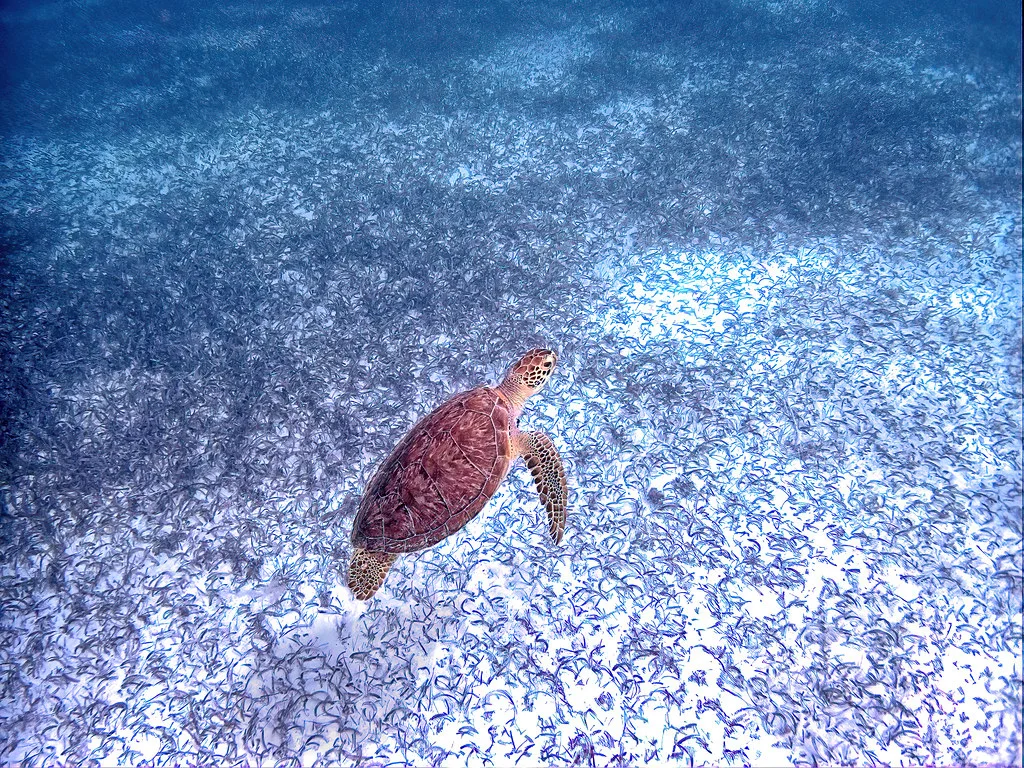
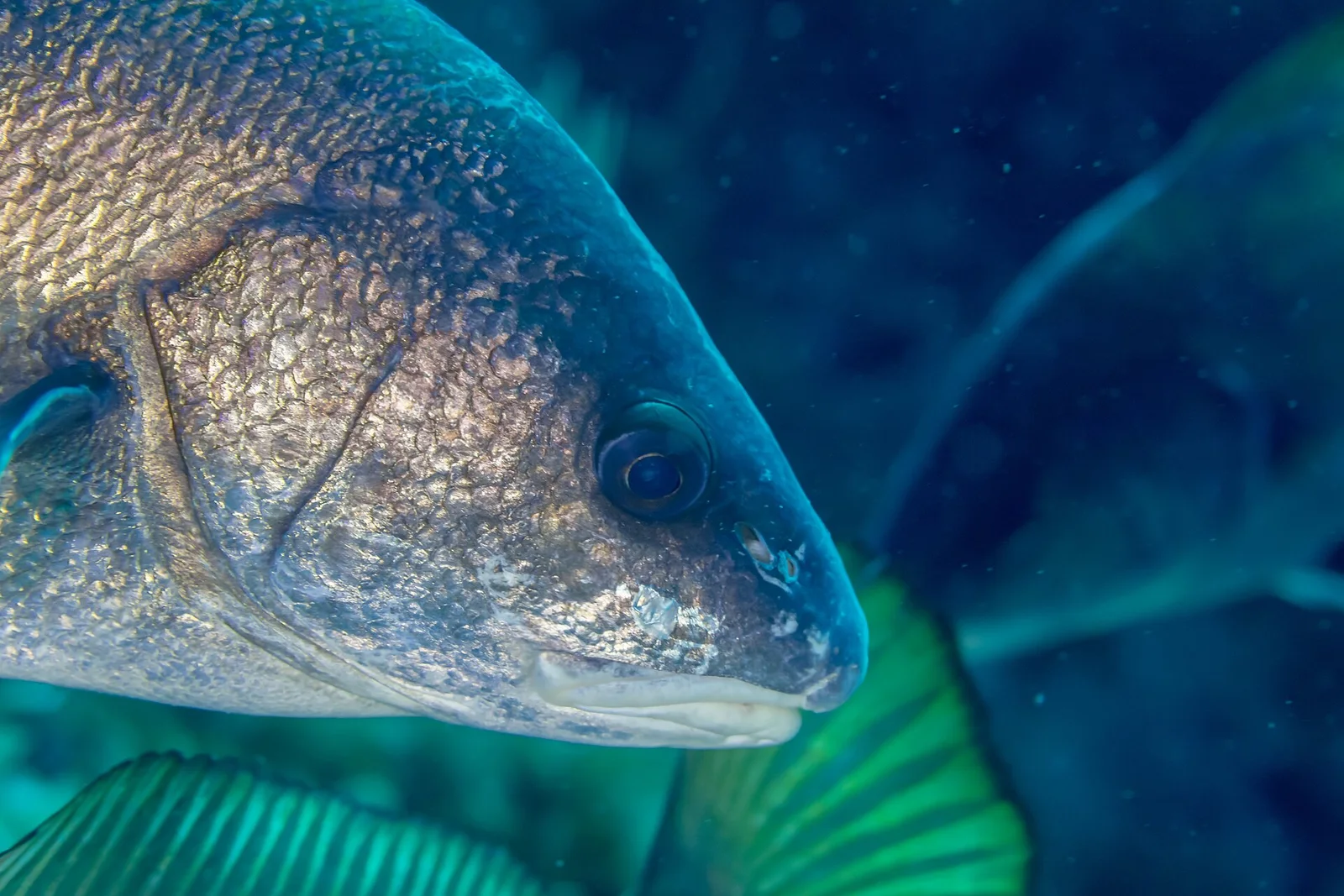
Cape Peneda boasts arguably the highest fish density and specimen size in northern Croatia. Large dusky groupers (Epinephelus marginatus), silver-blue packs of hunting common dentex (Dentex dentex), brown meagre (Sciaena umbra), white and two-banded seabreams, European conger eels, and red scorpionfish populate every terrace, with occasional loggerhead sea turtles (Caretta caretta) passing in the blue.
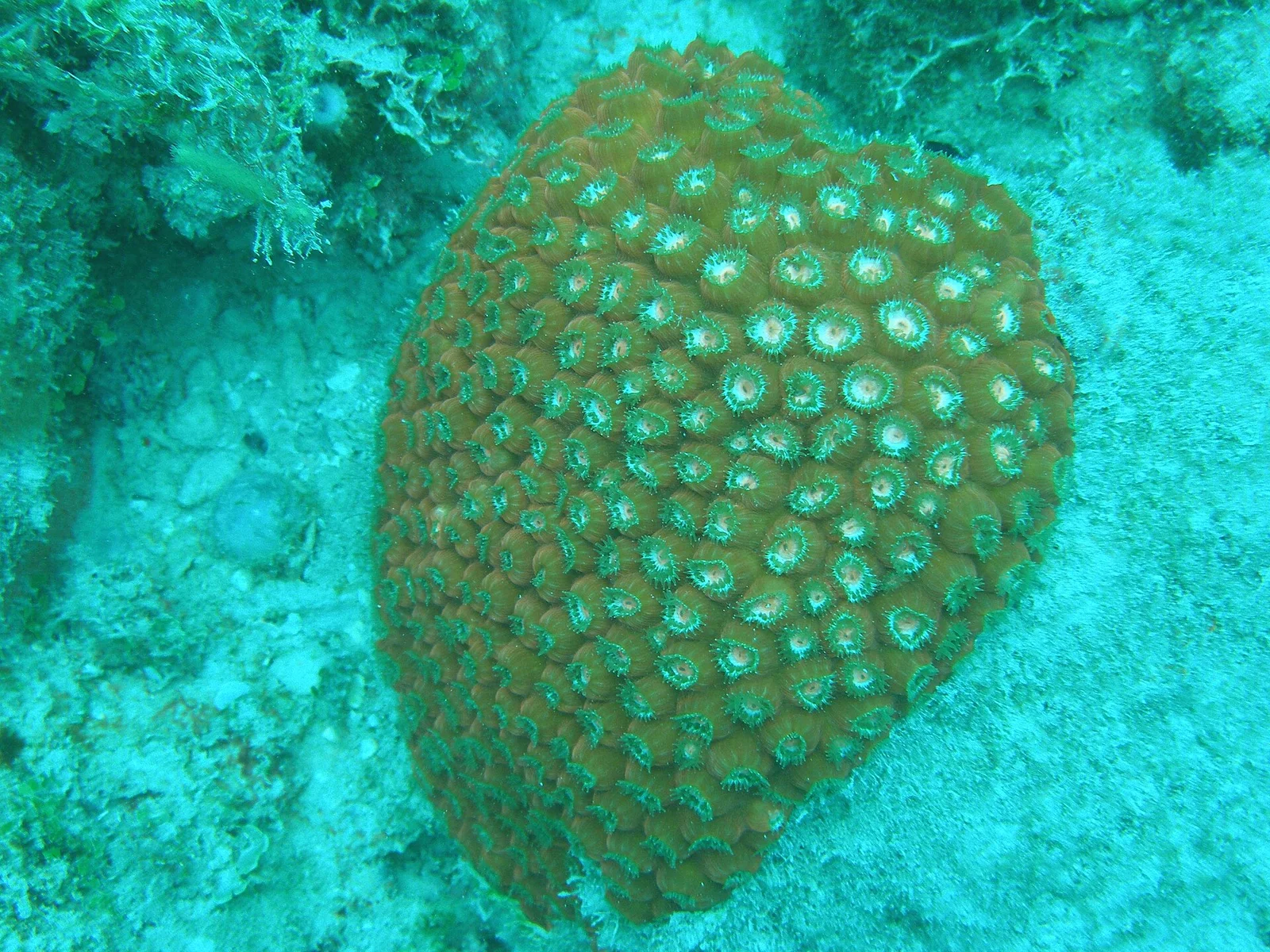
The deeper coralligenous zone below 20 meters supports classic Mediterranean reef-builders including colonies of Mediterranean pillow coral (Cladocora caespitosa), glowing carpets of yellow sunset cup coral (Leptopsammia pruvoti), erect Axinella sponges (Axinella polypoides and Axinella cannabina), yellow tube sponges, bryozoans, and legally protected bivalves including surviving habitats monitored for noble pen shells (Pinna nobilis).
1 / 2
Image contributors:joiseyshowaa, Diego Delso + 3 more
Want to contribute photos or local dive knowledge? Learn how to contributeDive Sites Near Cape Peneda
View all dive sites in CroatiaDiscover more underwater gems in this area.
Max 42 m
5.4 km
advancedSubmarine Medusa
BoatDown Line
Max 40 m
14.5 km
intermediateWreck Draga
BoatDown Line
Max 42 m
8.1 km
advancedWreck Varese
ArchaeologicalBoat
Max 44 m
12.2 km
advancedWreck John Gilmore
ArchaeologicalBoat
Max 20 m
5 km
360°beginnerSeagull Rocks & Valovine Caves
BeachBoat
Max 25 m
5.4 km
360°beginnerStoja Reef & Canyons
BoatCanyon
Max 6 m
3.2 km
beginnerVerige Bay Roman Villa Trail
BoatOcean
Max 38 m
13.3 km
360°intermediateRed Rocks Kamenjak
BoatCanyon
Max 42 m
5.4 km
advancedSubmarine Medusa
BoatDown Line
Max 40 m
14.5 km
intermediateWreck Draga
BoatDown Line
Max 42 m
8.1 km
advancedWreck Varese
ArchaeologicalBoat
Max 44 m
12.2 km
advancedWreck John Gilmore
ArchaeologicalBoat
Max 20 m
5 km
360°beginnerSeagull Rocks & Valovine Caves
BeachBoat
Max 25 m
5.4 km
360°beginnerStoja Reef & Canyons
BoatCanyon
Max 6 m
3.2 km
beginnerVerige Bay Roman Villa Trail
BoatOcean
Max 38 m
13.3 km
360°intermediateRed Rocks Kamenjak
BoatCanyon
Max 41 m
13.3 km
advancedWreck Hans Schmidt
BoatDown Line
Max 45 m
13.8 km
advancedWreck Josephine
ArchaeologicalBoat
1 / 2
Dive Centers Near Cape Peneda
Working Hours
Sun09:00 - 18:00
Mon09:00 - 18:00
Tue09:00 - 18:00
Wed09:00 - 18:00
Thu09:00 - 18:00
Fri09:00 - 18:00
Sat09:00 - 18:00
Today: 09:00 - 18:00
Sun09:00 - 18:00
Mon09:00 - 18:00
Tue09:00 - 18:00
Wed09:00 - 18:00
Thu09:00 - 18:00
Fri09:00 - 18:00
Sat09:00 - 18:00
4.7| 129 reviews
8.9 km
4.8| 166 reviews
15.5 km
4.6| 244 reviews
16.3 km
Triton Diving
4.8(132)• 32.1 km
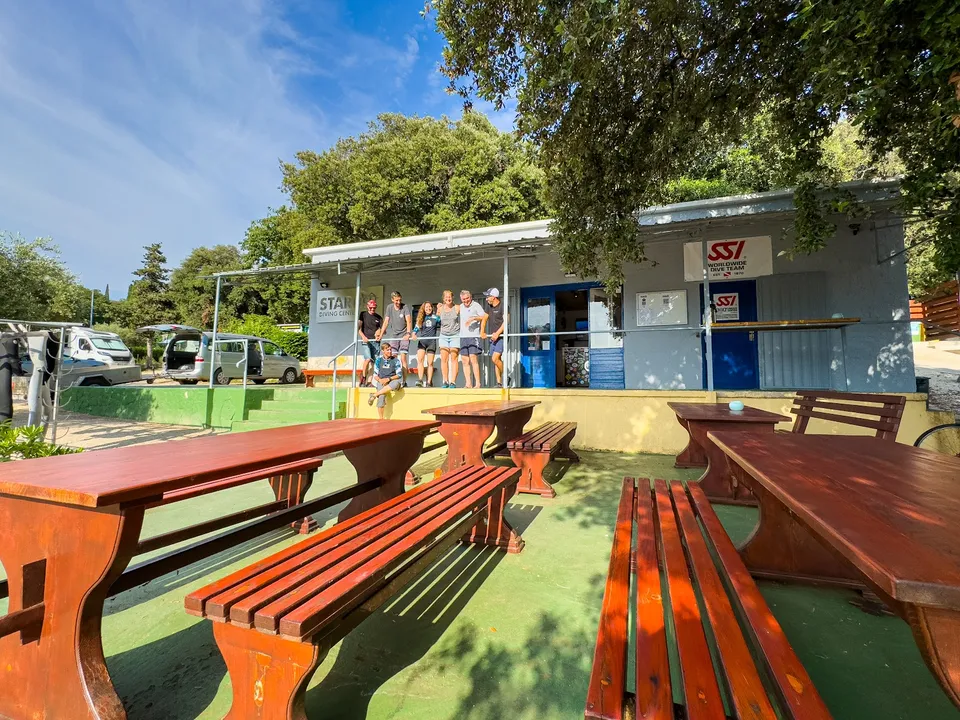
Starfish Diving Center
4.7(240)• 31 km
Girandella Diving Centre
4.8(231)• 39.5 km
Nearest Airports
Nearest airports to help plan travel to this dive area.
Pula Airport PUY
13 km
Rijeka Airport RJK
74 km
Trieste Airport TRS
107 km
💵 Currency: EUR
Search Flights
Check available flights and routes on Expedia, using the nearby airports listed in this section.
Search Flights on ExpediaAffiliate link · Dive Navigator may earn a commission at no extra cost to you.
Frequently Asked Questions
How do I get permission to dive Cape Peneda in Brijuni National Park?
Individual permits are not issued to independent divers; you simply book a guided boat trip through an authorized dive center in Fažana, Pula, Bale, or Rovinj, which handles the official national park dive fee and group permit.
Can Open Water divers dive Cape Peneda, or is it only for deep divers?
While advanced certification is recommended to experience the deeper 25-to-45-meter coralligenous walls, Open Water divers can comfortably explore the extraordinarily fish-rich upper limestone plateau and stepped ledges between 5 and 18 meters.
How deep is the seabed off Cape Peneda?
Guided wall profiles descend from a 5-meter plateau down stepped ledges to 28–45 meters, with the seabed just south of Cape Peneda reaching 50 meters—the deepest point in Brijuni National Park.
Why is fish life so abundant at Cape Peneda compared to mainland sites?
Decades of strict national park protection and a complete ban on fishing have allowed commercial target species like dentex, groupers, bream, and meagre to grow large, numerous, and remarkably unafraid of divers.
Are night dives permitted at Cape Peneda?
Standard recreational visits inside Brijuni National Park are conducted as daytime guided boat excursions under park scheduling rules.
How long is the boat transfer to Cape Peneda?
Boats departing Fažana reach Cape Peneda in roughly 10 to 15 minutes, while transfers from Pula marinas typically take 15 to 25 minutes.
Trip Inquiry
Planning to dive Cape Peneda?
Tell us your dates and diving needs. We'll review your request and seek offers from relevant local dive centers.
Request Dive Offers Free request for offers • No booking obligation
Cape Peneda
Conditions are Moderate
6/10
Confidence: 8/10
Indicates meteorological model agreement and data availability.
Best Dive Window
Optimal conditions expected
06:12
18:45
H: 10:45
L: 16:20
Air / Sea Temp
13° / 16°
Wave Height
1.4 m
Wind Speed
32 km/h ENE
Rain Chance
50%
Current conditions near Cape Peneda show 13° air, 16° sea temperature, 1.4 m waves, and 32 km/h wind. Forecast data is refreshed regularly to ensure accuracy.
Radius: ~12km
Updated: Nov 22, 2026, 12:05 local timeMARINE: OPEN-METEOWEATHER: YR.NO


