
Diving at Cyclops Cave (Cyprus)
Visibility here typically ranges from 20-30 meters, often averaging around 25 meters in good conditions. The water is consistently saline, reflecting its Mediterranean location near Cape Grecko, Protaras. Water temperatures, while not consistently reported for every month, generally fall between 22-27°C (72-81°F) during peak diving season, offering comfortable conditions. Expect limited current, contributing to a calm dive experience.
As evening covers Cyclops Cave, the local air temperature is measured at 25.5°C. The current wave height at the surface is recorded at 0.7 m. These late-day readings characterize the surface conditions for the night.
Dive Site Location & Key Facts
Dive Site Overview
Cyclops Cave distinguishes itself with a striking underwater topography, making it a highly versatile dive site for various certification levels. Located just minutes from Protaras, the site features huge boulders, intricate rock formations, seagrass, and sandy patches as you descend.
The entrance starts at a shallow 2 m (7 ft), then gradually slopes, inviting divers to explore depths beyond 40 m (131 ft) depending on their training. It's an ideal location for PADI Open Water courses due to its varied depth contours, but also attracts technical and sidemount divers training on its drop-offs. A short swim leads to a sunken jet ski at approximately 18 m (59 ft), serving as a distinct objective for PADI deep dives and a unique photo opportunity.
On this route, you can experience a 'free falling' sensation from about 10 m (33 ft) down to the jet ski. While accessible from shore, a boat dive is generally preferred due to the challenging walk down a steep sandy path to a rocky entry point.
Conditions are Good
07:00 - 14:00
Optimal conditions expected
Current conditions near Cyclops Cave show 25° air, 28° sea temperature, 0.8 m waves, and 26 km/h wind. Forecast data is refreshed regularly to ensure accuracy.
Best Time to Dive
For an optimal diving experience at Cyclops Cave, the months of June and October consistently present excellent conditions. These periods offer significantly calmer seas, with wave heights averaging under 0.5 meters, and minimal rainfall, ensuring clear access and comfortable surface intervals. Air temperatures during June average around 26°C (79°F), while October sees pleasant averages of 23°C (74°F). During these months, divers can anticipate the best overall environment, combining good visibility with comfortable above-water conditions. While June and October are prime, the site maintains a 'Good' dive score for the majority of the year, making it a viable destination almost year-round. Even in cooler months like January, air temperatures remain mild, around 14°C (57°F), though rain and wave activity are slightly higher.
PEAK SEASON SCORE
Scores combine air & water temps, waves, wind & rainfall for overall conditions.
BEST MONTHS TO DIVE
Monthly records compiled from satellite and marine observation nodes over the last 3 years. Data provided by Open-Meteo and MET Norway.
Dive Experience & Conditions
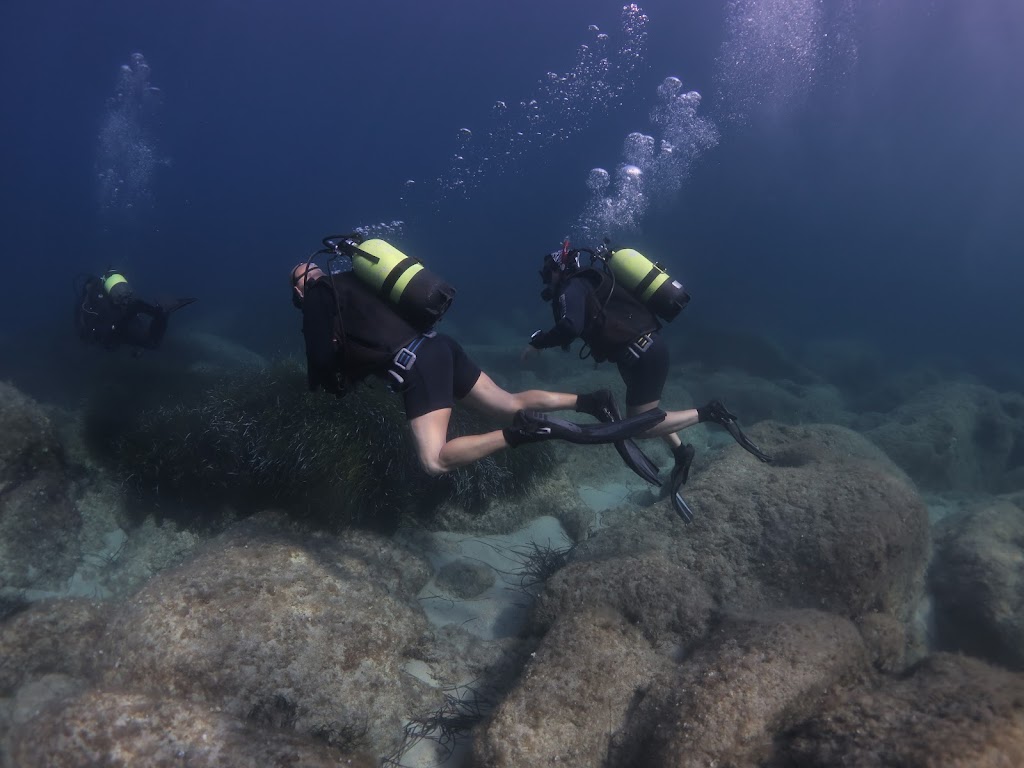
Entering the water at Cyclops Cave, divers are immediately met with a gently sloping bottom and excellent visibility often over 20 meters. The initial shallow entry depth quickly opens into deeper areas, with sunlight dappling through the water column. Beneath the surface, a rocky sloping bottom guides divers towards a semi-submerged cavern, creating a distinct sense of exploration. Expect limited current, which contributes to a calm and predictable diving environment, ideal for practicing buoyancy or extended exploration. The transition from shallow to deeper sections provides varied light and topography, from extensive rock formations to areas of seagrass and sand. Descending towards the deeper drop-offs offers a feeling of vastness, especially when heading towards the sunken jet ski.
Dive Difficulty & Safety Guidelines
For optimal safety and convenience when visiting Cyclops Cave, a boat dive is strongly recommended. Shore access, though possible, involves navigating a steep sandy path and a rocky entry, which can be challenging, especially when carrying heavy dive gear.
Divers planning to explore deeper sections of this site, which extend beyond 30 meters, should strictly adhere to their certification limits and training. The presence of technical and sidemount divers training here underscores the need for appropriate skills for advanced explorations.
Always conduct thorough buddy checks and plan your dive profiles carefully, especially if venturing into the cavern or deeper drop-offs. Deploying an SMB on ascent is a wise practice, considering the potential for boat traffic.
Recommended Equipment
Deep dive hazard. Increased narcosis and gas consumption risk.
Overhead environment. Do not enter beyond training and gas planning limits.
- Dive Computer
- DSMB
- Primary & Backup Lights
- Reel / Spool
- Cutting Tool
- Hard-soled Dive Boots
This gear list is based on verified equipment signals for Cyclops Cave, Cyprus. Always confirm final gear choices with your dive operator, guide, or liveaboard.
Recommended Dive Suit
Current diving conditions indicate water temperatures around 28°C (83°F) at Cyclops Cave. Surface air temperatures are resting at 25°C (78°F).
The forecast outlook suggests that temperatures will stay close to current levels.
Divers who prefer moderate insulation typically choose 2-3mm shorty or light wetsuit in similar environments. A hood or vest is suggested for sensitive divers due to surface winds. Many experienced divers adjust their exposure protection depending on the type of dive planned.
Emergency & Medical Support
Essential information to help you plan your dive trip to Cyclops Cave.

Hyperbaric chambers are a critical part of dive safety infrastructure. Availability varies significantly by region, and not all dive areas have immediate access.
Before diving, it's recommended to:
- confirm nearest medical facilities
- check emergency procedures with local dive operators
- ensure dive insurance covers evacuation if required
Divers Alert Network
Diving emergency assistance available through DAN Europe.
+39 0642115685- 24/7 emergency hotline
- Diving medical assistance
- Evacuation coordination
Emergency contacts are provided for reference. Always verify local emergency services before diving.
Closest Listed Hyperbaric Chambers
Showing listed hyperbaric chamber facilities within 200 km of this dive site.
Distances are approximate straight-line distances and may not reflect emergency travel time.
Hyperbaric Oxygen Therapy Department, General Hospital of Ammochostos (Famagusta)
Paralimni, Cyprus•Approx. 12 km straight-line
Hyperbaric Oxygen Therapy Department, General Hospital of Ammochostos (Famagusta)
Information is provided for reference and planning purposes only. Dive Navigator does not verify operational status, staffing, availability, or quality of care at listed facilities. In an emergency, contact local emergency services, DAN, your dive operator, or the chamber directly. Do not travel to a facility without calling ahead.
Poseidonia Medical Centre
24/7 ListedLarnaca, Cyprus•Approx. 44 km straight-line
Poseidonia Medical Centre
24/7 ListedInformation is provided for reference and planning purposes only. Dive Navigator does not verify operational status, staffing, availability, or quality of care at listed facilities. In an emergency, contact local emergency services, DAN, your dive operator, or the chamber directly. Do not travel to a facility without calling ahead.
Hyperbaric Medical Centre
24/7 ListedNicosia, Cyprus•Approx. 67 km straight-line
Hyperbaric Medical Centre
24/7 ListedInformation is provided for reference and planning purposes only. Dive Navigator does not verify operational status, staffing, availability, or quality of care at listed facilities. In an emergency, contact local emergency services, DAN, your dive operator, or the chamber directly. Do not travel to a facility without calling ahead.
Marine Life at Cyclops Cave
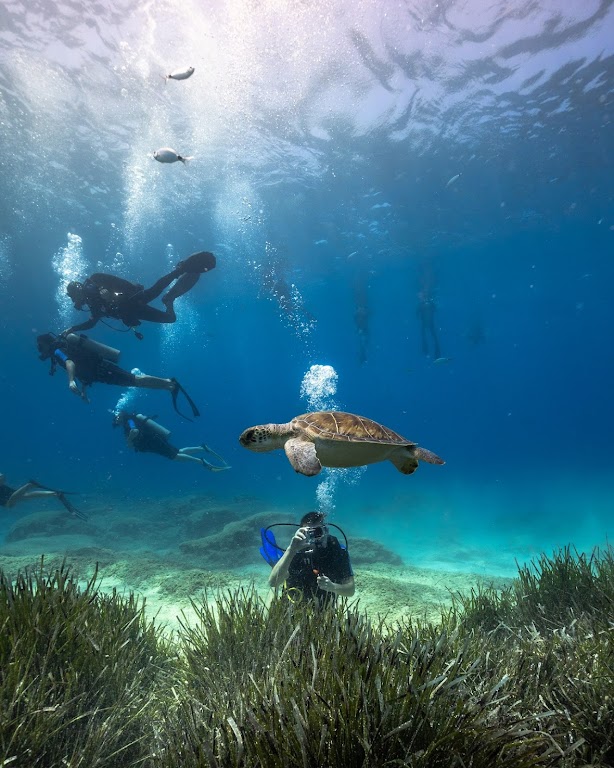
Upon entering the water at Cyclops Cave, divers frequently encounter diverse marine life scattered across the varied underwater landscape. Initially, schools of small fish often flutter among the seagrass and sandy patches, providing immediate visual interest.
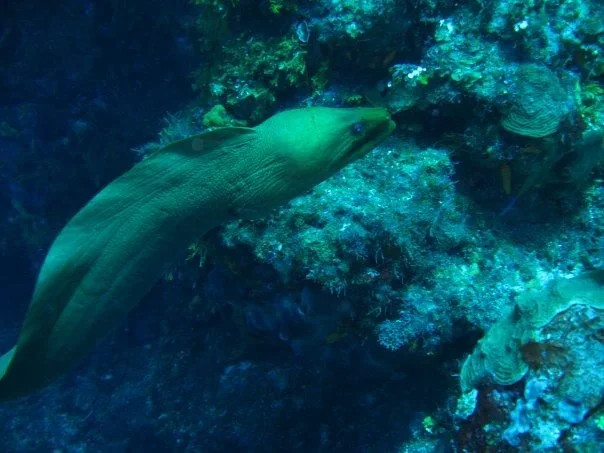
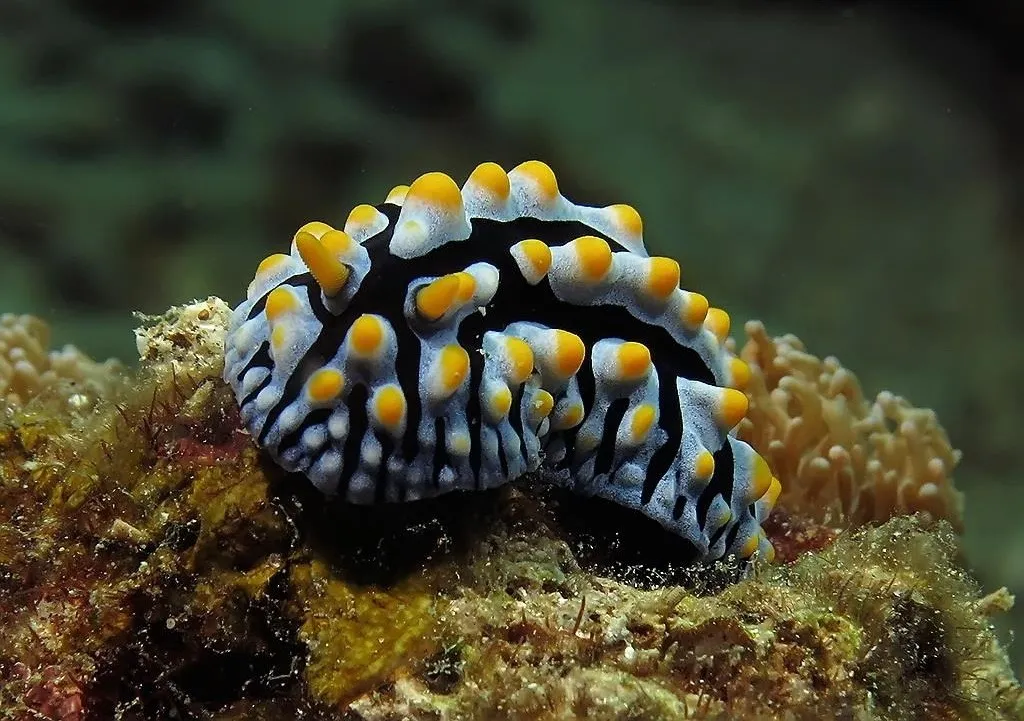
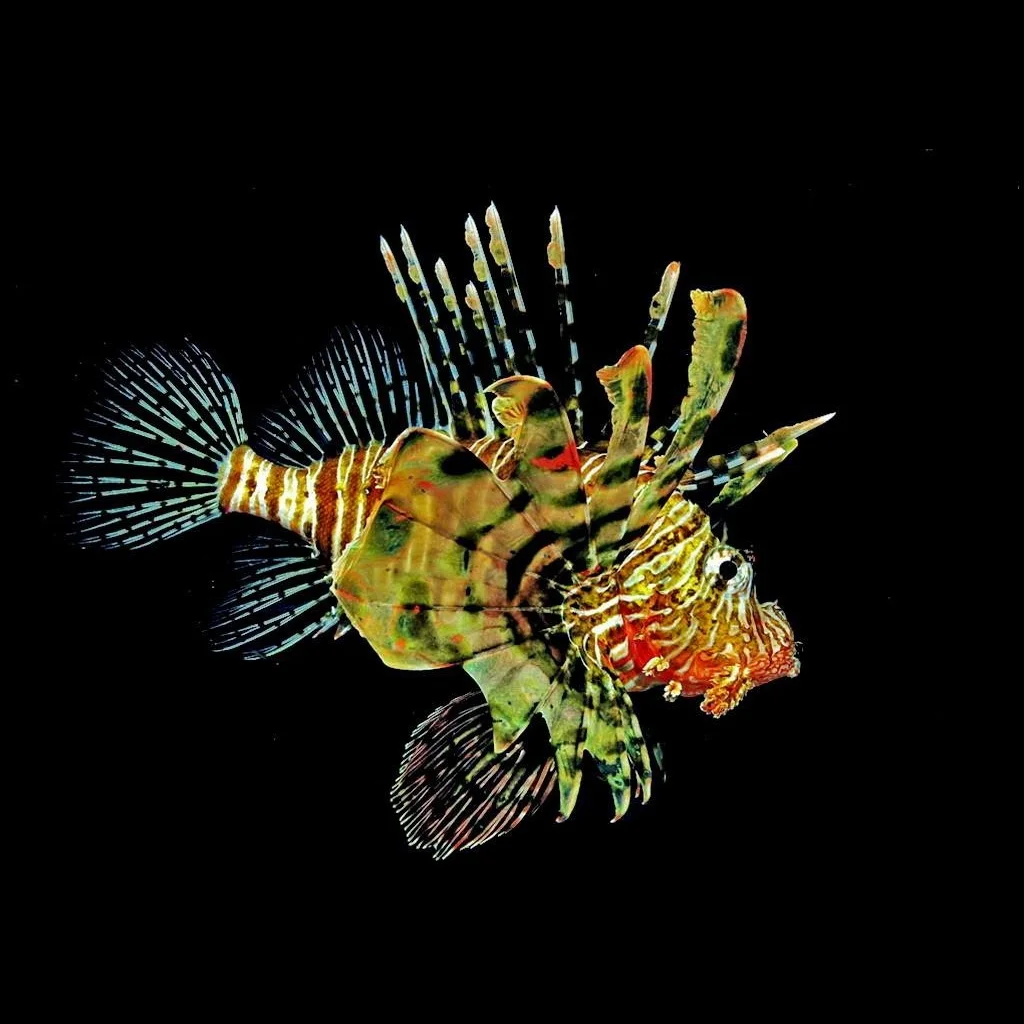
Moray eels are consistently reported to frequent crevices and rocky overhangs, and their presence is often a highlight. Keep an eye out for octopus and squid, which can be elusive among the rocks, while lionfish and nudibranchs add to the macro observations.
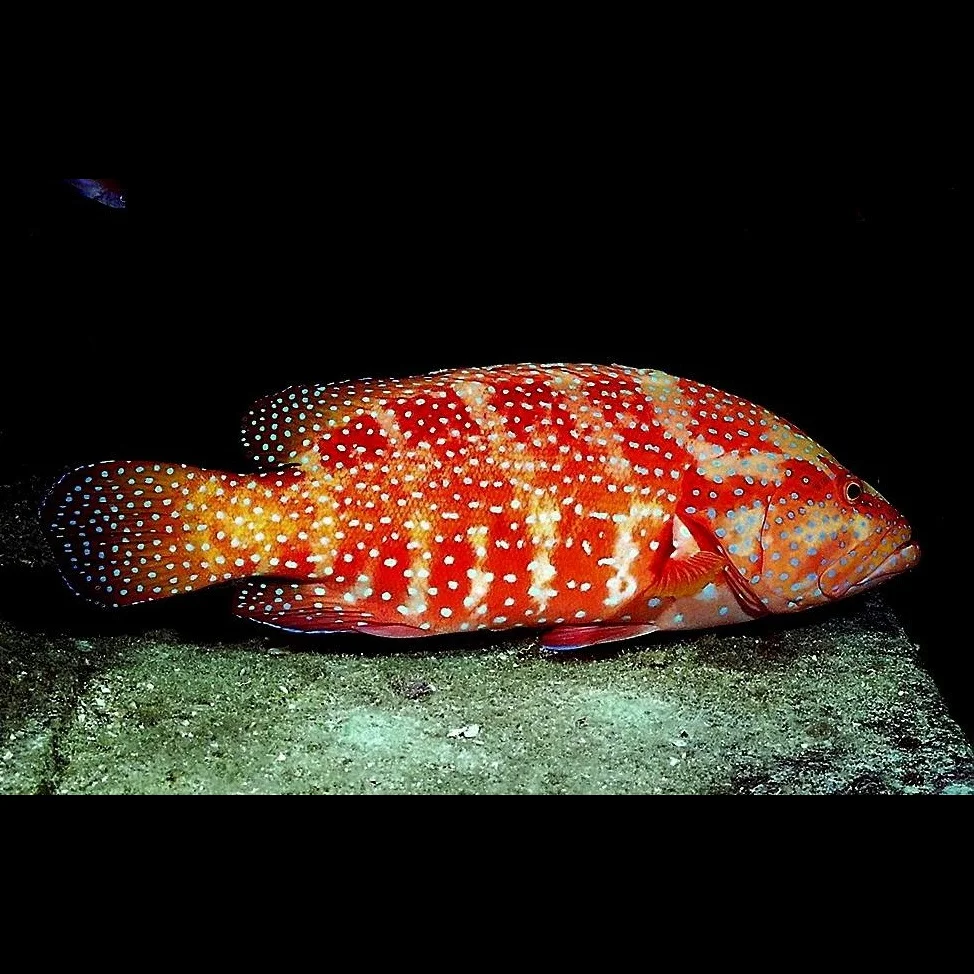
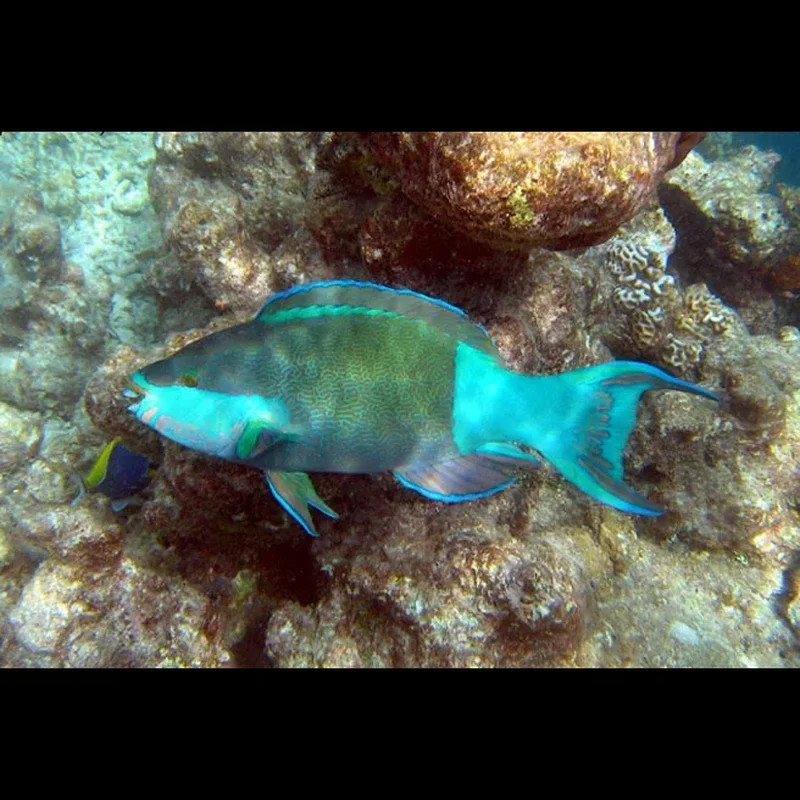
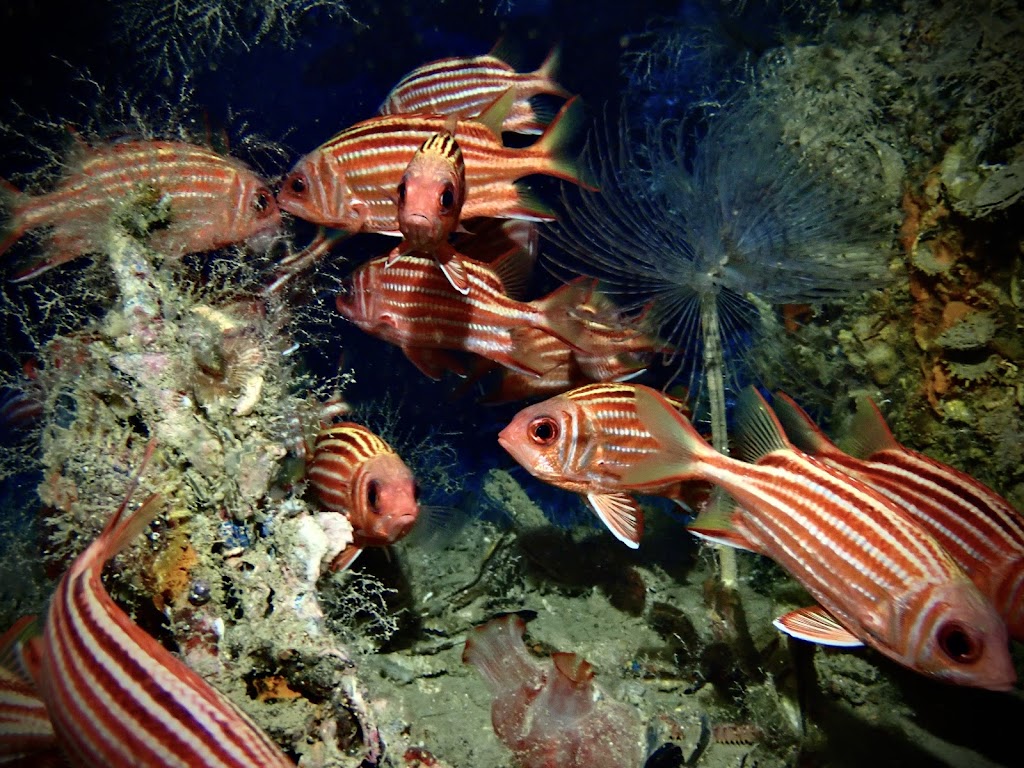
Larger species such as Jacks, Tuna, and Groupers might be spotted patrolling the open water or deeper sections of the dive site. You may also spot squirrel fish, parrot fish, cardinal fish, blennies, wrasse, bream, and tube worms.
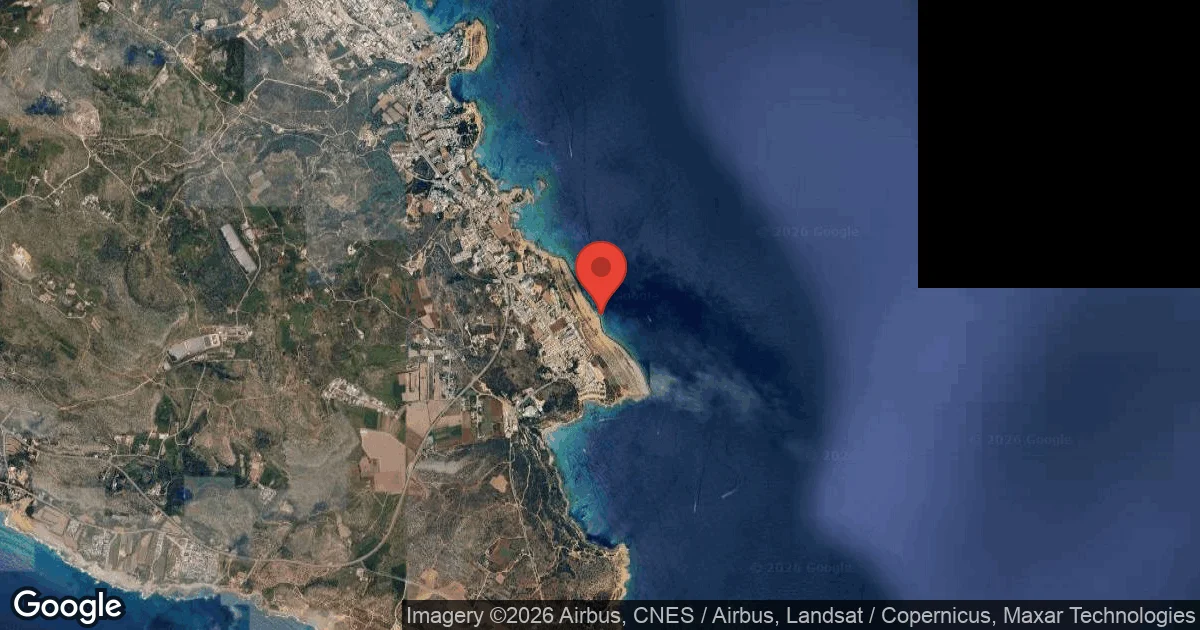
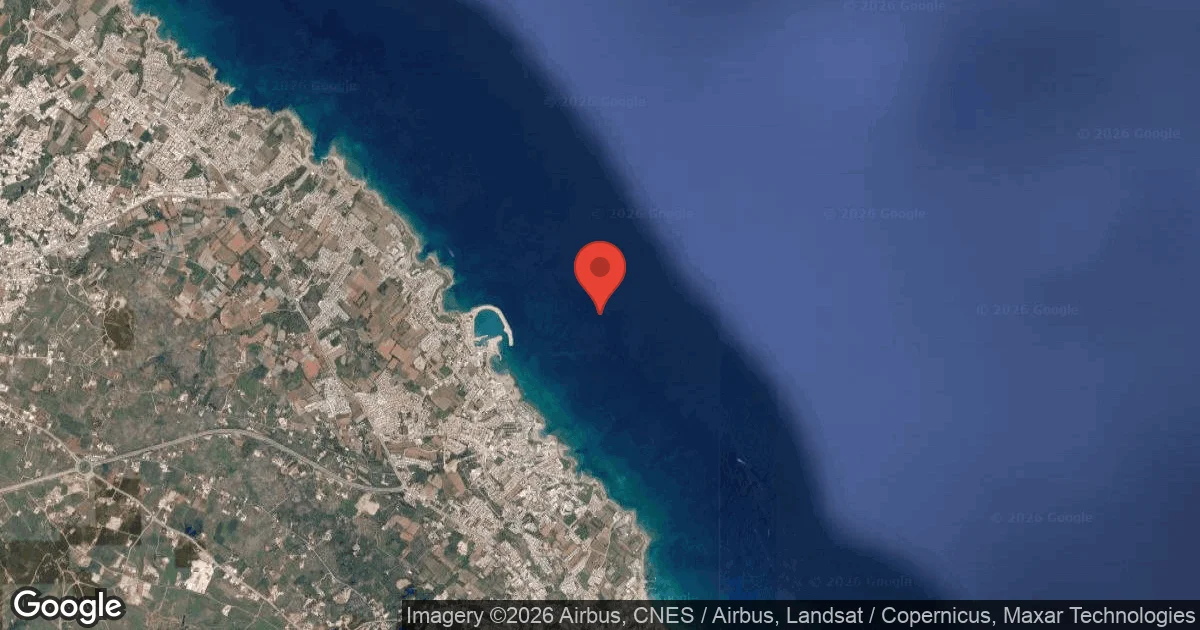
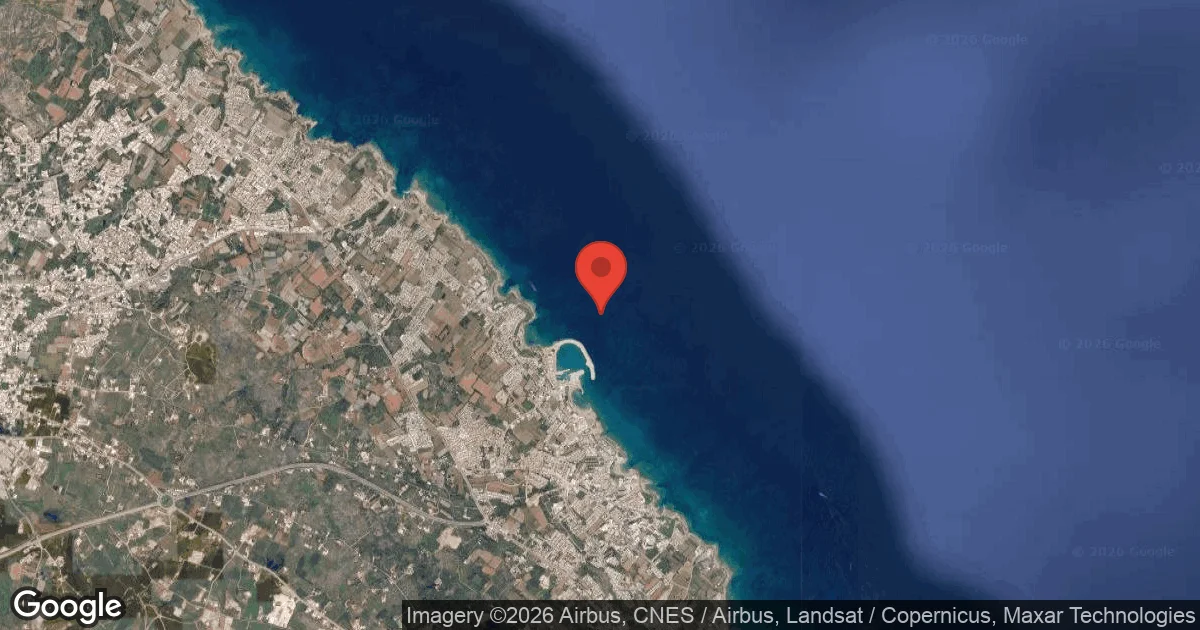
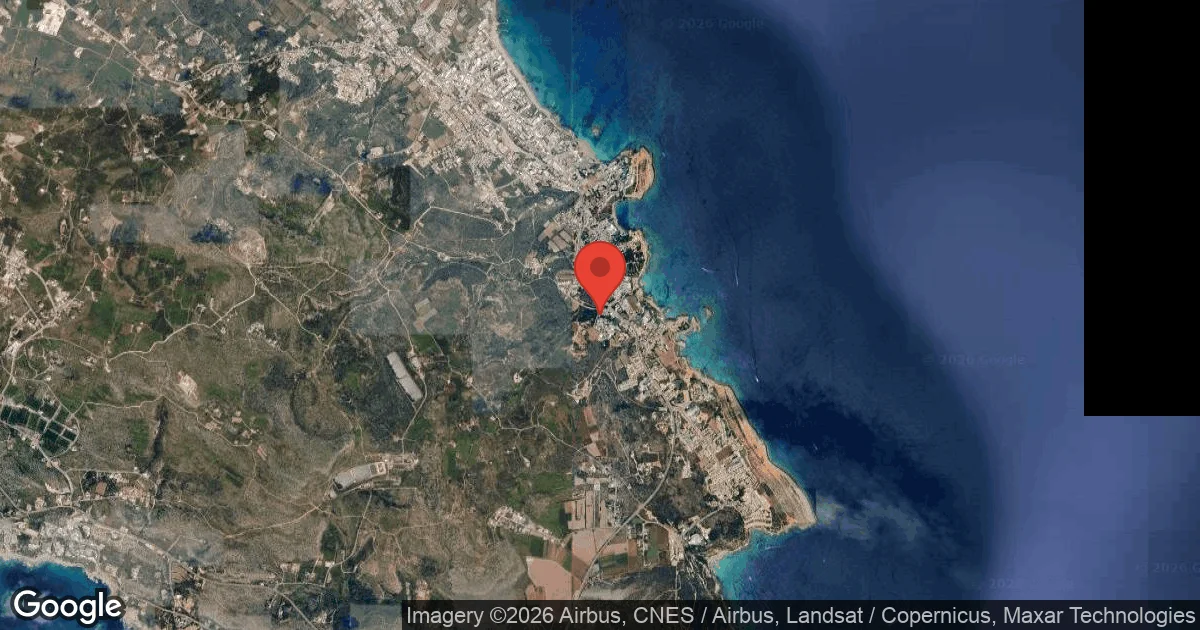
Dive Sites Near Cyclops Cave
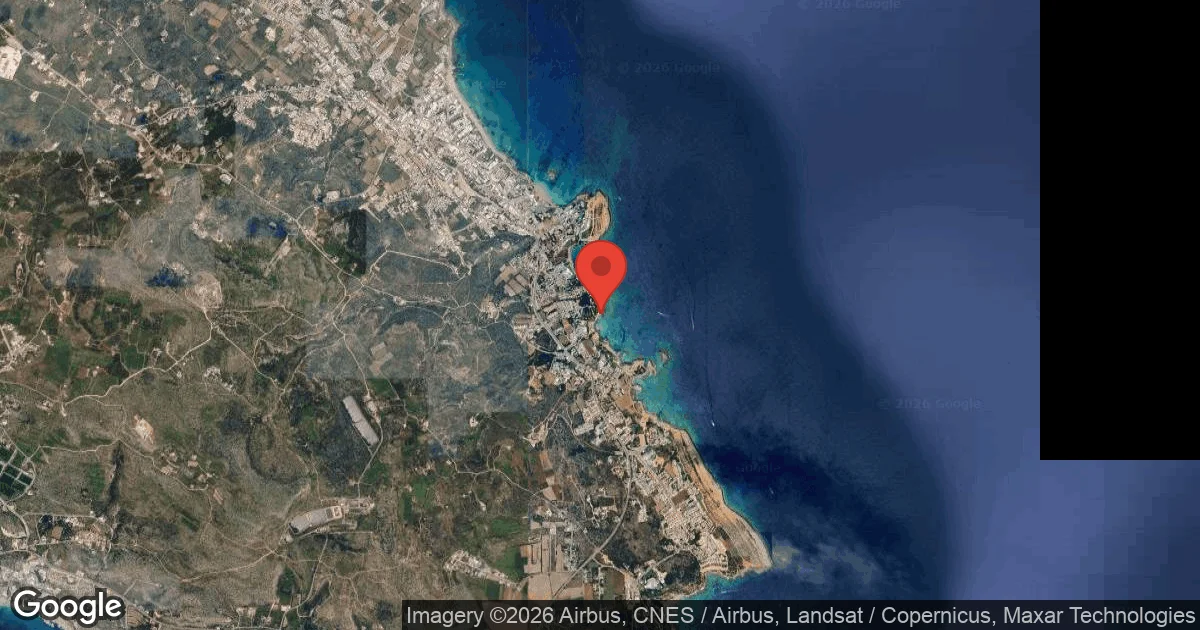
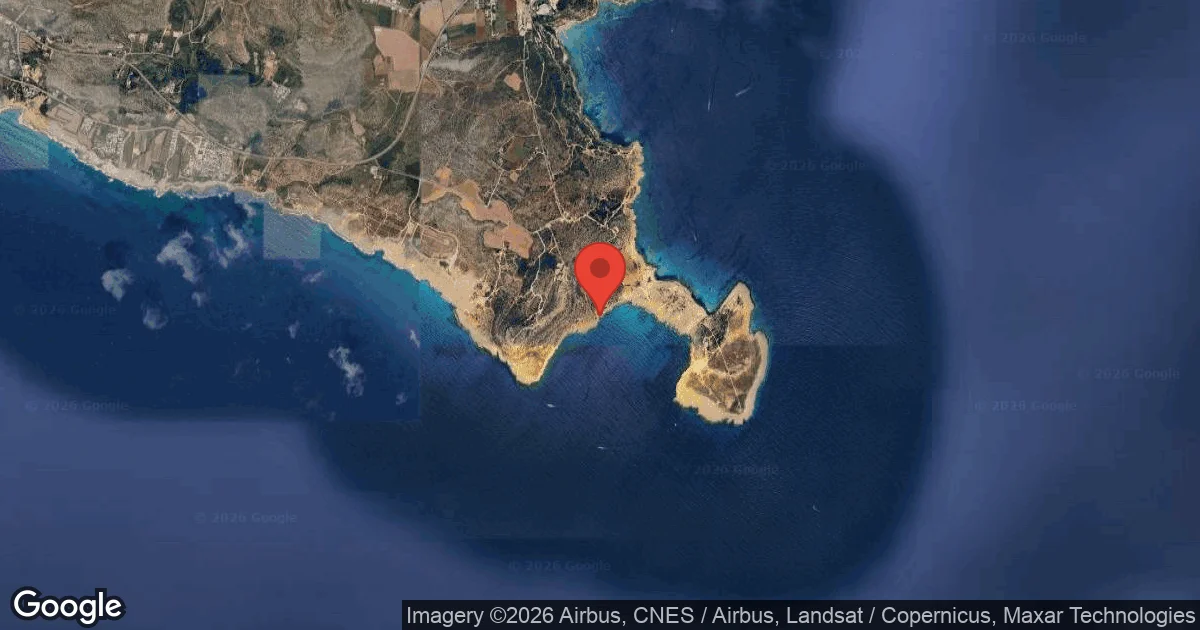
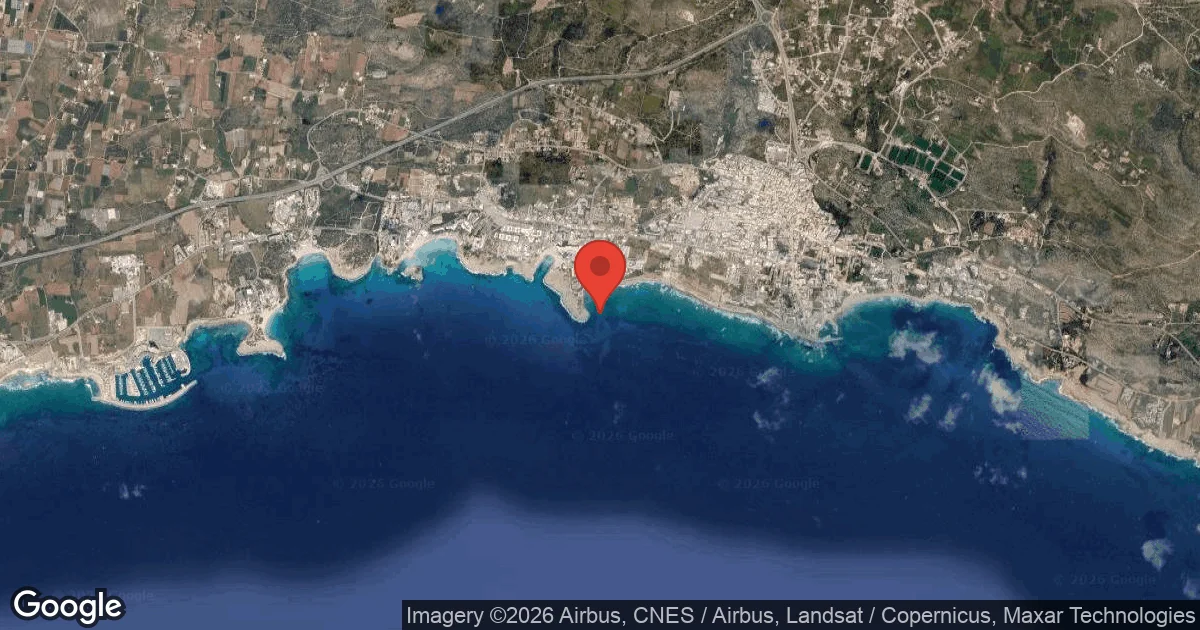
View all dive sites in CyprusDiscover more underwater gems in this area.
Dive Centers Near Cyclops Cave
Today: 07:00 - 23:00
Nearest Airports
Nearest airports to help plan travel to this dive area.
Search Flights
Check available flights and routes on Expedia, using the nearby airports listed in this section.
Search Flights on ExpediaFrequently Asked Questions
What is the maximum depth at Cyclops Cave?
The site offers depths exceeding 40 meters, accommodating various levels of diver certification.
Is Cyclops Cave suitable for beginners?
Yes, its varied depth contours, starting at a shallow entry, make it an ideal site for PADI Open Water training and divers of all levels.
How is the visibility at Cyclops Cave?
Visibility typically ranges from 20-30 meters, with an average often around 25 meters, offering clear views of the underwater topography.
What kind of marine life can I expect to see?
Common sightings include moray eels, octopus, squid, lionfish, and schools of smaller fish. You may also spot jacks, tuna, and groupers in deeper areas.
Is it better to access the site by shore or boat?
While shore access is possible, a boat dive is recommended due to a steep sandy path and rocky entry which can be challenging with dive gear.
Are there any specific features for experienced divers?
Experienced divers can explore depths beyond 30 meters, encounter deeper drop-offs, and visit a sunken jet ski at around 18 meters, which is often used for deep dive training.
What are the general water temperatures?
Water temperatures generally range from 22-27°C (72-81°F) during the warmer months, providing comfortable diving conditions.
Planning to dive Cyclops Cave?
Send one inquiry and receive offers directly from the best verified local dive operators.
Conditions are Good
07:00 - 14:00
Optimal conditions expected
Current conditions near Cyclops Cave show 25° air, 28° sea temperature, 0.8 m waves, and 26 km/h wind. Forecast data is refreshed regularly to ensure accuracy.