Loading...

Diving at Cannon Site (Dominica)
Published
Last updated
Set in the calm leeward waters off Cabrits National Park near Portsmouth in northwestern Dominica, Cannon Site centers on The Nadine L, a 17 m (55 ft) vessel purposefully scuttled in 2003 as an artificial reef. Resting on dark volcanic sand between 6 and 23 m (20 and 75 ft) amid gentle seabed fumarole bubbles, it offers one of Dominica's most approachable introductory wreck dives.
As evening covers Cannon Site, the local air temperature is measured at 27°C. The current wave height at the surface is recorded at 0.5 m. These late-day readings characterize the surface conditions for the night.
Dive Site Location & Key Facts
Max Depth23m / 75ft
Entry Typeboat
Water Typesalt
Dive Types
ReefWreck
Dive Site Overview
Cannon Site takes its name from the historic colonial artillery batteries crowning the adjacent Cabrits Peninsula, where Fort Shirley guarded Prince Rupert Bay and Douglas Bay during the eighteenth and nineteenth centuries. Rather than scattered colonial ordnance alone, the modern centerpiece of the dive is The Nadine L, a 55 ft (17 m) steel workboat cleaned and intentionally sunk in 2003 to create a sheltered habitat for reef life.
Because the Cabrits headland blocks open Atlantic trade-wind swells, the wreck sits upright and well preserved on a gently sloping dark volcanic sand plain bordered by patch reefs and sponge-draped boulders. Divers descend down a mooring line onto the upper deck and wheelhouse in clear, calm water before circling the hull at 16–22 m (52–72 ft) and working gradually back up the inshore reef slope toward 6–10 m (20–33 ft).
Subtle streams of warm volcanic gas occasionally percolate through surrounding sand patches, reminding divers of Dominica's active geothermal foundations beneath the northern coast. With virtually no heavy current, straightforward navigation, and generous bottom times, local operators in Portsmouth and Picard regularly choose Cannon Site for Open Water wreck orientations, buoyancy refreshers, night dives, and dedicated macro photography sessions.
Cannon Site
Conditions are Moderate
6/10
Confidence: 8/10
Indicates meteorological model agreement and data availability.
DIVE WARNING
High Wind Advisory (47km/h). Unsafe surface.
06:12
18:45
H: 10:45
L: 16:20
Air / Sea Temp
27° / 29°
Wave Height
0.7 m
Wind Speed
47 km/h E
Rain Chance
50%
Current conditions near Cannon Site show 27° air, 29° sea temperature, 0.7 m waves, and 47 km/h wind. Forecast data is refreshed regularly to ensure accuracy.
Radius: ~12km
Updated: Nov 23, 2026, 01:11 local timeMARINE: OPEN-METEOWEATHER: YR.NO
Best Time to Dive
Cannon Site is diveable year-round thanks to the natural wind shadow cast by Dominica's mountainous northern spine and the Cabrits Peninsula. Sea temperatures remain comfortably tropical throughout the year, ranging from 26°C (79°F) between January and March to 29°C (84°F) in September and October.
The dry season from December through May brings crisp trade-wind mornings, low rainfall, and consistent 18–25 m (60–80 ft) underwater visibility. Between June and November, surface waters in Prince Rupert Bay and Douglas Bay are often mirror-flat, though heavy tropical rain squalls descending from Morne Diablotins can briefly carry tannin-rich runoff into nearshore shallows for a day or two before currents clear the bay.
PEAK SEASON SCORE
88/100
Very GoodScores combine air & water temps, waves, wind & rainfall for overall conditions.
BEST MONTHS TO DIVE
APR
SEP
OCT
DIVE SCORE GUIDE (0–100)
Excellent (90–100)
Very Good (80–89)
Good (70–79)
Moderate (50–69)
Poor (30–49)
Not Recommended (0–29)
Monthly records compiled from satellite and marine observation nodes over the last 3 years. Data provided by Open-Meteo and MET Norway.
Dive Experience & Conditions
Boat runs from dive centers in Portsmouth, Picard, and Cabrits take roughly 5 to 10 minutes across sheltered coastal water. Entries are calm, currents are typically negligible to very mild, and horizontal visibility averages 18–25 m (60–80 ft), allowing divers to see nearly the entire 17 m silhouette of The Nadine L during descent.
Most profiles follow a classic multilevel plan: divers drop to the sandy seabed around the keel and stern between 18 and 23 m (60 and 75 ft) to search for rays and macro critters along the hull base, inspect the encrusted superstructure and open deck spaces without entering confined compartments, and then spend the second half of the dive meandering up adjacent coral-and-sponge outcrops into 6–9 m (20–30 ft) for an unhurried safety stop.
Dive Difficulty & Safety Guidelines
Although Cannon Site is rated as an easy, beginner-friendly wreck dive, careful trim and fin awareness are essential above the dark volcanic silt surrounding The Nadine L so sediment does not cloud subjects for photographers or trailing buddy teams. Divers should explore the exterior hull and open upper structure unless specifically trained and equipped for overhead environments, avoiding contact with sharp corroded metal edges, fire coral, or camouflaged scorpionfish.
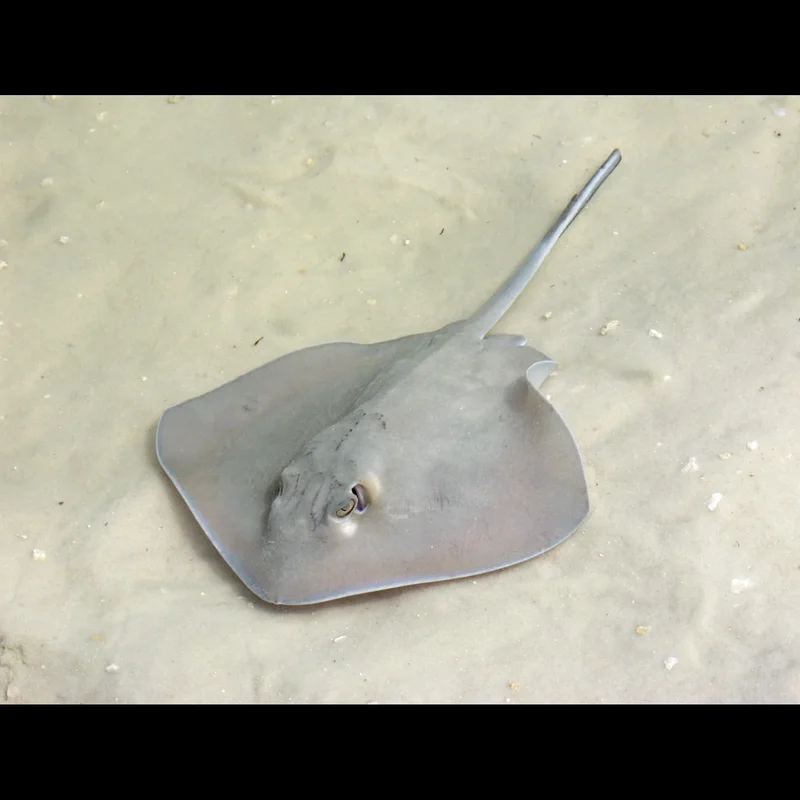
Keep a respectful distance from lesser electric rays resting on the sand, as they can deliver a defensive mild shock if touched or crowded. Carry a surface marker buoy for ascents in bays shared with moored yachts around Cabrits National Park, verify dive insurance coverage prior to travel, and note that air transfers operate primarily via Douglas-Charles Airport (DOM) on Dominica's northeast coast or Canefield Airport (DCF) near Roseau.
Recommended Equipment
Overhead / entanglement risk. Wreck penetration requires proper training.
- Dive Computer
- DSMB
- Primary & Backup Lights
- Wreck Reel
- Cutting Tool
This gear list is based on verified equipment signals for Cannon Site, Dominica. Always confirm final gear choices with your dive operator, guide, or liveaboard.
Recommended Dive Suit
Current diving conditions indicate water temperatures around 29°C (85°F) at Cannon Site. Surface air temperatures are resting at 27°C (81°F).
Current forecasts indicate relatively stable conditions for the coming days.
Most divers exploring waters at this temperature rely on dive skin or rash guard for effective insulation. Consider warmer surface protection (like a boat coat) due to brisk winds. Water temperature is only one factor influencing overall comfort during a dive. Stronger winds may also make surface intervals feel cooler than usual.
Cannon Site conditions last reviewed: 01:11 local time (UTC-4), Nov 23, 2026
Emergency & Medical Support
Essential information to help you plan your dive trip to Cannon Site.

Hyperbaric chambers are a critical part of dive safety infrastructure. Availability varies significantly by region, and not all dive areas have immediate access.
Before diving, it's recommended to:
- confirm nearest medical facilities
- check emergency procedures with local dive operators
- ensure dive insurance covers evacuation if required
24/7 Available
Divers Alert Network
Diving emergency assistance available through DAN World.
+1-919-684-9111- 24/7 emergency hotline
- Diving medical assistance
- Evacuation coordination
Emergency contacts are provided for reference. Always verify local emergency services before diving.
Marine Life at Cannon Site
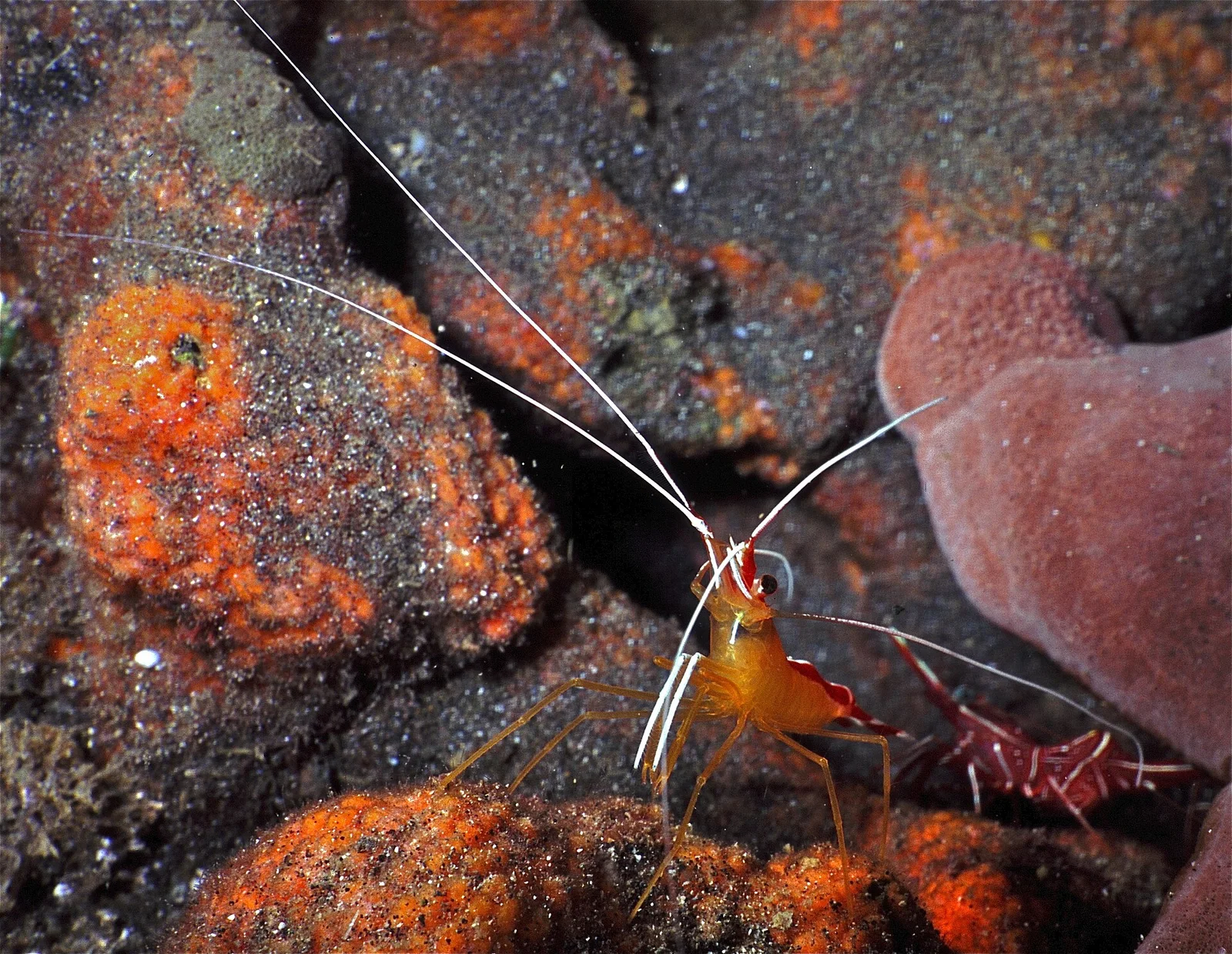
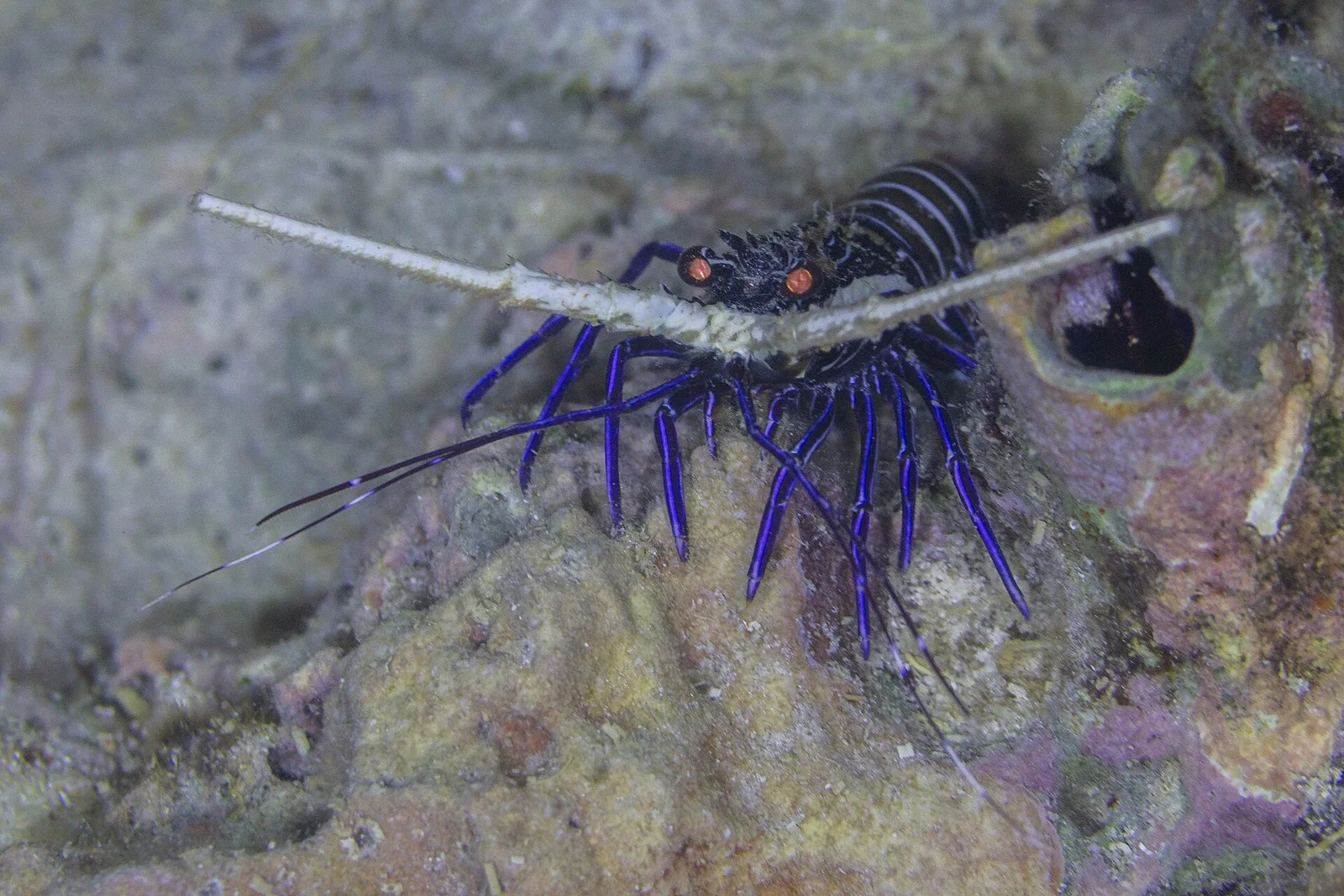
More than two decades underwater have coated The Nadine L's steel plates and railings in colorful encrusting sponges, cup corals, hydroids, and feather duster worms. Decorator crabs, arrow crabs, banded coral shrimp, and Pederson cleaner shrimp tuck into every rusting cleat and frame, while frogfish and longsnout seahorses are prized seasonal finds on neighboring rope sponges.
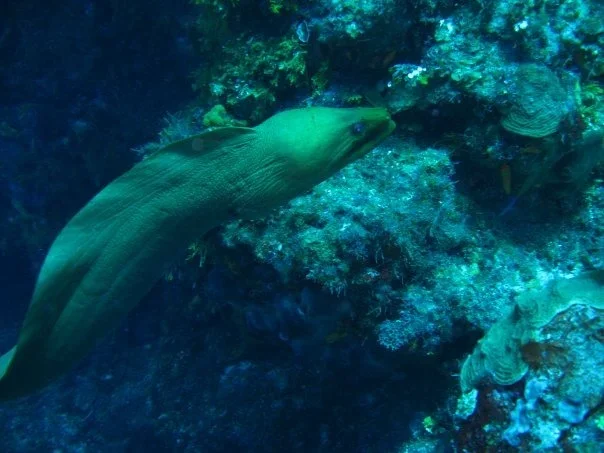
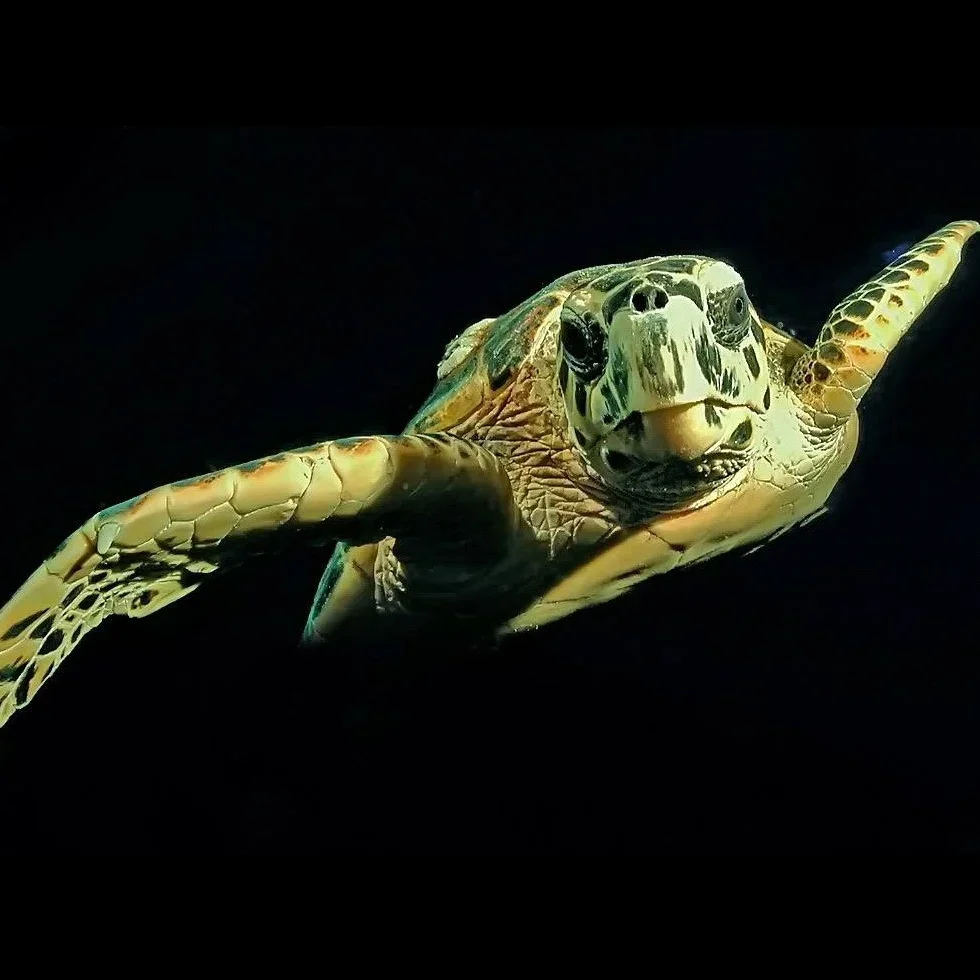
Across the surrounding dark volcanic sand apron, southern stingrays and lesser electric rays frequently lie partially buried beside garden eels, yellowhead jawfish, and peacock flounders. French, queen, and grey angelfish patrol the wheelhouse alongside spotted drums, juvenile trunkfish, squirrelfish, and spotted moray eels, while hawksbill turtles and small schools of creole wrasse and chromis cruise over the adjoining reef patches.
1 / 3
Image contributors:Bernard DUPONT, Diego Delso + 4 more
Want to contribute photos or local dive knowledge? Learn how to contributeDive Sites Near Cannon Site
View all dive sites in DominicaDiscover more underwater gems in this area.
Dive Centers Near Cannon Site
No Dive Centers Local To Cannon Site
Are you a dive center visiting this location? Get listed to reach divers.
Nearest Airports
Nearest airports to help plan travel to this dive area.
Douglas-Charles Airport DOM
19 km
Canefield Airport DCF
29 km
F. D. Roosevelt Airport EUX
265 km
💵 Currency: XCD
Search Flights
Check available flights and routes on Expedia, using the nearby airports listed in this section.
Search Flights on ExpediaAffiliate link · Dive Navigator may earn a commission at no extra cost to you.
Frequently Asked Questions
What wreck lies at Cannon Site in Dominica?
Cannon Site is home to The Nadine L, a 17 m (55 ft) workboat purposefully cleaned and sunk in 2003 off Cabrits National Park near Portsmouth to serve as an accessible artificial reef and introductory wreck dive.
What is the depth range and difficulty level of Cannon Site?
The dive ranges from shallow inshore reef patches around 6 m (20 ft) down to a maximum seabed depth of roughly 22–23 m (72–75 ft) around the hull, making it well suited to Open Water and beginner divers.
What marine life is most commonly spotted on The Nadine L?
Divers regularly encounter southern stingrays and lesser electric rays on the dark volcanic sand, French and grey angelfish around the superstructure, decorator crabs, cleaner shrimp, moray eels, jawfish, and occasional frogfish or hawksbill turtles.
Are currents strong at Cannon Site?
No. Sheltered by the Cabrits Peninsula on Dominica's leeward northwest coast, Cannon Site typically experiences calm surface conditions and negligible to very mild underwater currents year-round.
How long is the boat ride to Cannon Site?
Dive boats departing from Portsmouth, Picard, or the Cabrits National Park anchorage reach Cannon Site in approximately 5 to 10 minutes across sheltered coastal water.
Trip Inquiry
Planning to dive Cannon Site?
Tell us your dates and diving needs. We'll review your request and seek offers from relevant local dive centers.
Request Dive Offers Free request for offers • No booking obligation
Cannon Site
Conditions are Moderate
6/10
Confidence: 8/10
Indicates meteorological model agreement and data availability.
DIVE WARNING
High Wind Advisory (47km/h). Unsafe surface.
06:12
18:45
H: 10:45
L: 16:20
Air / Sea Temp
27° / 29°
Wave Height
0.7 m
Wind Speed
47 km/h E
Rain Chance
50%
Current conditions near Cannon Site show 27° air, 29° sea temperature, 0.7 m waves, and 47 km/h wind. Forecast data is refreshed regularly to ensure accuracy.
Radius: ~12km
Updated: Nov 23, 2026, 01:11 local timeMARINE: OPEN-METEOWEATHER: YR.NO


