Loading...

Diving at Toucari North (Dominica)
Published
Last updated
Set along the sheltered northern side of Toucari Bay on Dominica's northwest coast, Toucari North pairs bright volcanic sand clearings and waving turtle-grass beds with healthy coral heads and feather gorgonians. Spanning gentle depths from 5 to 22 m (16 to 72 ft) right across the cove from famed Toucari Caves, it offers relaxed, species-rich Caribbean diving for every certification level.
As evening covers Toucari North, the local air temperature is measured at 27.5°C. The current wave height at the surface is recorded at 0.6 m. These late-day readings characterize the surface conditions for the night.
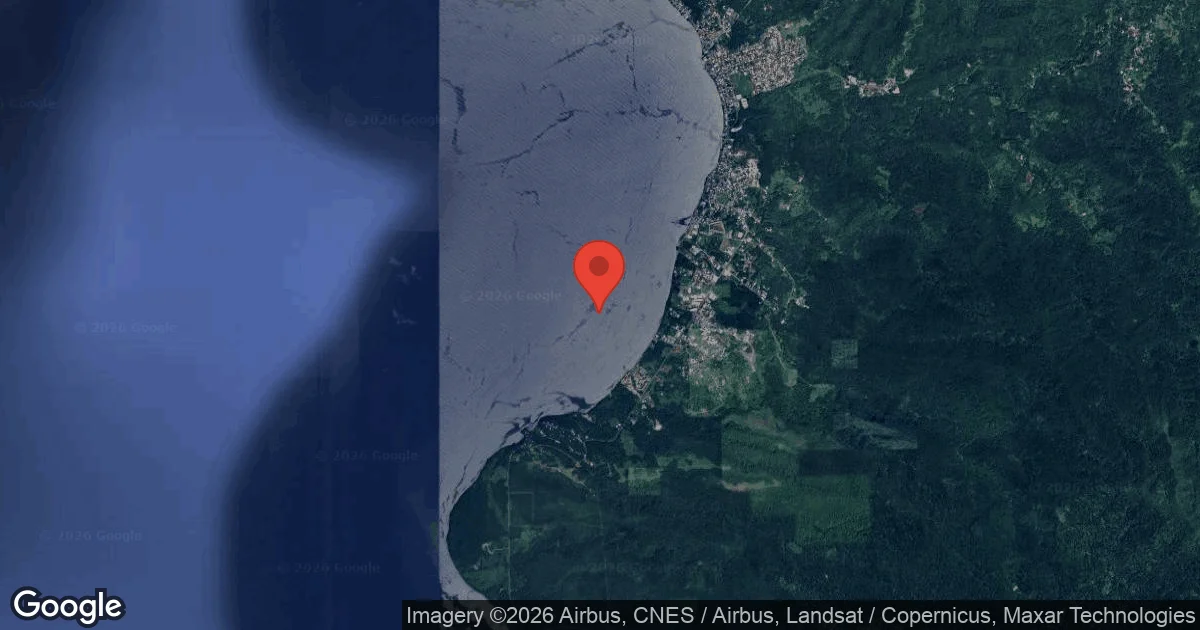
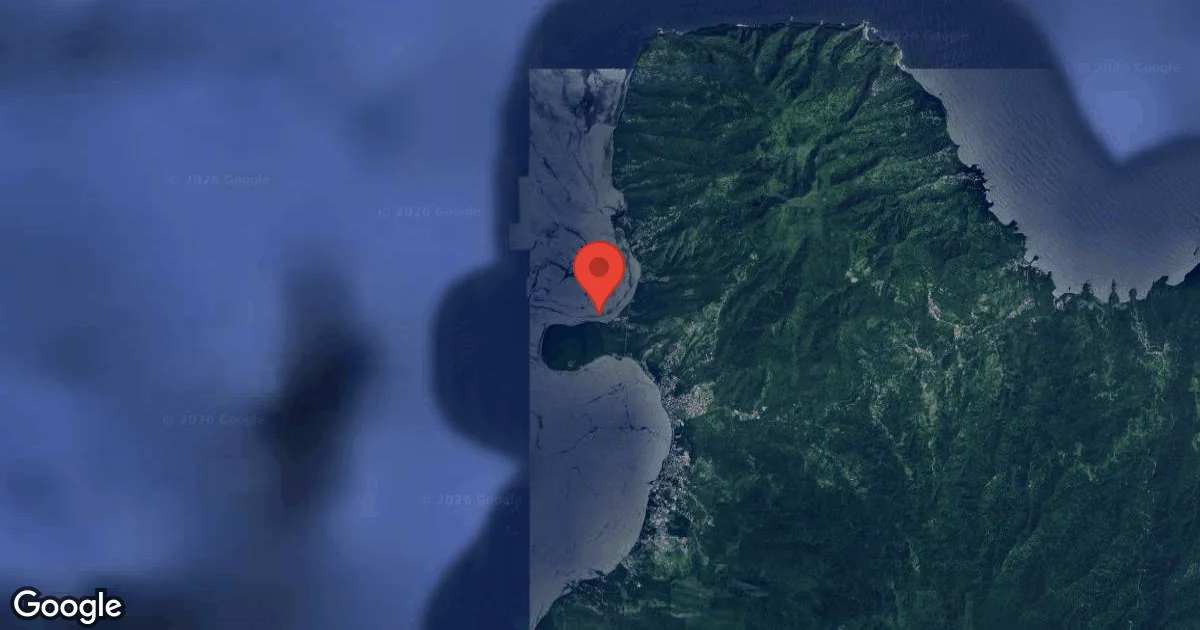
Dive Site Location & Key Facts
Max Depth22m / 72ft
Entry Typeboat
Water Typesalt
Dive Types
Reef
Dive Site Overview
Toucari Bay is a tranquil crescent fishing village cove north of Cabrits National Park where calm leeward water laps against steep green hillsides and black-sand shoreline. While the southern headland of the bay draws divers to the volcanic swim-throughs and fumaroles of Toucari Caves, Toucari North explores the opposite northern flank — a richly varied underwater mosaic of shallow seagrass meadows, dark-and-gold volcanic sand channels, encrusted boulders, and flourishing hard-and-soft coral patch reefs.
That side-by-side habitat diversity makes Toucari North a genuine crowd-pleaser for mixed-experience dive boats, snorkelers, and underwater photographers alike. Shallow inshore flats between 5 and 10 m (16 and 33 ft) allow extraordinarily long bottom times over turtle grass and delicate feather-like sea plumes, while the seaward reef slope steps smoothly down to 18–22 m (60–72 ft) where larger barrel sponges, symmetrical brain corals, star corals, and rocky overhangs appear.
Protected from prevailing northeast trade winds by Dominica's northern mountain ridge, Toucari North rarely sees rough chop or demanding currents. Portsmouth dive centers regularly choose the site for relaxed second-tank dives, Open Water checkouts, twilight and night dives, and unhurried macro critter hunts.
Toucari North
Conditions are Good
7/10
Confidence: 8/10
Indicates meteorological model agreement and data availability.
Best Dive Window
Optimal conditions expected
06:12
18:45
H: 10:45
L: 16:20
Air / Sea Temp
28° / 29°
Wave Height
0.7 m
Wind Speed
34 km/h E
Rain Chance
50%
Current conditions near Toucari North show 28° air, 29° sea temperature, 0.7 m waves, and 34 km/h wind. Forecast data is refreshed regularly to ensure accuracy.
Radius: ~12km
Updated: Nov 23, 2026, 07:01 local timeMARINE: OPEN-METEOWEATHER: YR.NO
Best Time to Dive
Toucari North is diveable twelve months a year, with warm Caribbean water temperatures holding between 26°C (79°F) from January through March and 29°C (84°F) in September and October. Bright morning and midday sun illuminates the shallow seagrass and feather-coral gardens particularly well before afternoon clouds build over Dominica's interior peaks.
Dry-season diving from December through May brings the most consistent 18–28 m (60–90 ft) visibility and crisp surface light across Toucari Bay. Between June and November, glassy calm summer mornings make surface intervals right off Toucari village idyllic, with only brief localized nearshore haze right after intense tropical downpours.
PEAK SEASON SCORE
88/100
Very GoodScores combine air & water temps, waves, wind & rainfall for overall conditions.
BEST MONTHS TO DIVE
APR
SEP
OCT
DIVE SCORE GUIDE (0–100)
Excellent (90–100)
Very Good (80–89)
Good (70–79)
Moderate (50–69)
Poor (30–49)
Not Recommended (0–29)
Monthly records compiled from satellite and marine observation nodes over the last 3 years. Data provided by Open-Meteo and MET Norway.
Dive Experience & Conditions
Dive boats departing Portsmouth, Picard, or Cabrits National Park reach Toucari Bay in about 12 to 15 minutes cruising north past Douglas Bay's volcanic cliffs. Entries are calm, underwater currents are typically nil to very light inside the cove, and visibility averages 18–25 m (60–80 ft) across the outer coral slope.
Guides usually begin along the deeper seaward reef edge at 18–22 m (60–72 ft) to look for rays, lobsters, and larger reef predators before winding slowly inshore across sand channels, swaying gorgonian feather corals, and shallow turtle-grass beds at 5–8 m (16–26 ft). Clear natural depth contours make underwater navigation intuitive and allow unhurried 55 to 65 minute profiles with minimal air consumption.
Dive Difficulty & Safety Guidelines
Toucari North presents minimal technical challenge, making careful reef-and-seagrass etiquette the top priority. Maintain clean horizontal trim over sand patches and seagrass meadows so fins neither uproot turtle grass nor kick fine dark volcanic sediment onto low-lying star corals and feather gorgonians, and give grazing sea turtles or partially buried stingrays generous space without crowding their ascent path to breathe.
Because small wooden artisanal fishing boats, kayakers, and snorkelers also share Toucari Bay, ascend near the mooring line or deploy a surface marker buoy when surfacing away from the dive boat, listen for outboard engines during your 5 m (15 ft) safety stop, and carry valid dive accident insurance when traveling into Dominica via Douglas-Charles (DOM) or Canefield (DCF) airports.
Recommended Equipment
- Dive Computer
- DSMB
This gear list is based on verified equipment signals for Toucari North, Dominica. Always confirm final gear choices with your dive operator, guide, or liveaboard.
Recommended Dive Suit
Current diving conditions indicate water temperatures around 29°C (85°F) at Toucari North. Surface air temperatures are resting at 28°C (82°F).
Current forecasts indicate relatively stable conditions for the coming days.
Most divers exploring waters at this temperature rely on dive skin or rash guard for effective insulation. A hood or vest is suggested for sensitive divers due to surface winds. Water temperature is only one factor influencing overall comfort during a dive.
Toucari North conditions last reviewed: 07:01 local time (UTC-4), Nov 23, 2026
Emergency & Medical Support
Essential information to help you plan your dive trip to Toucari North.

Hyperbaric chambers are a critical part of dive safety infrastructure. Availability varies significantly by region, and not all dive areas have immediate access.
Before diving, it's recommended to:
- confirm nearest medical facilities
- check emergency procedures with local dive operators
- ensure dive insurance covers evacuation if required
24/7 Available
Divers Alert Network
Diving emergency assistance available through DAN World.
+1-919-684-9111- 24/7 emergency hotline
- Diving medical assistance
- Evacuation coordination
Emergency contacts are provided for reference. Always verify local emergency services before diving.
Marine Life at Toucari North
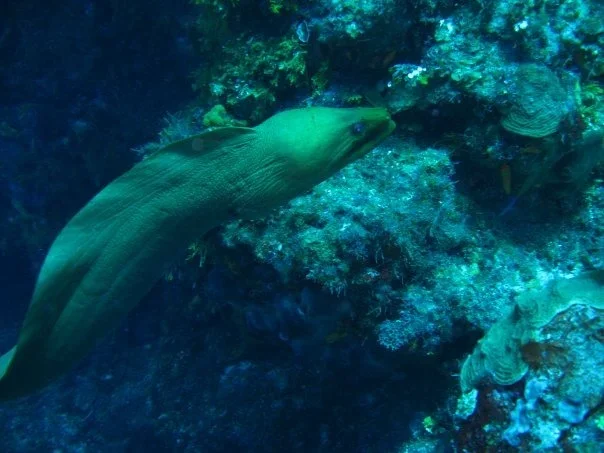
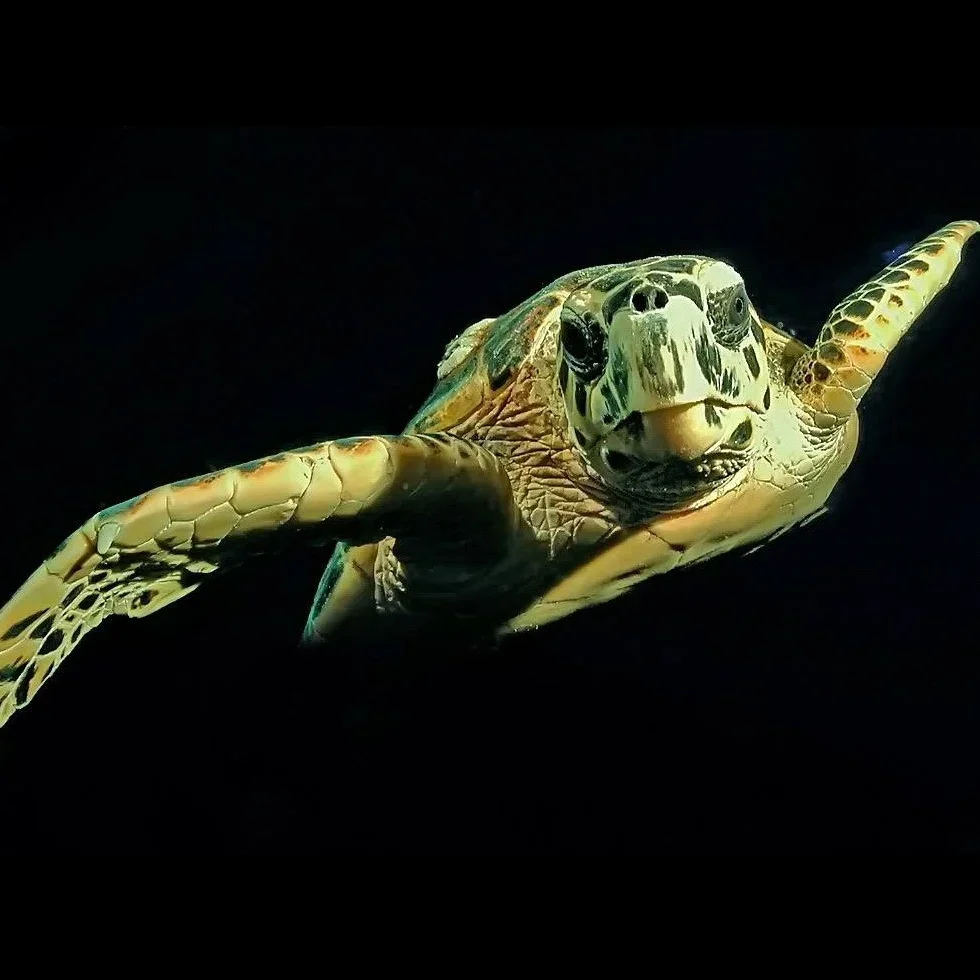
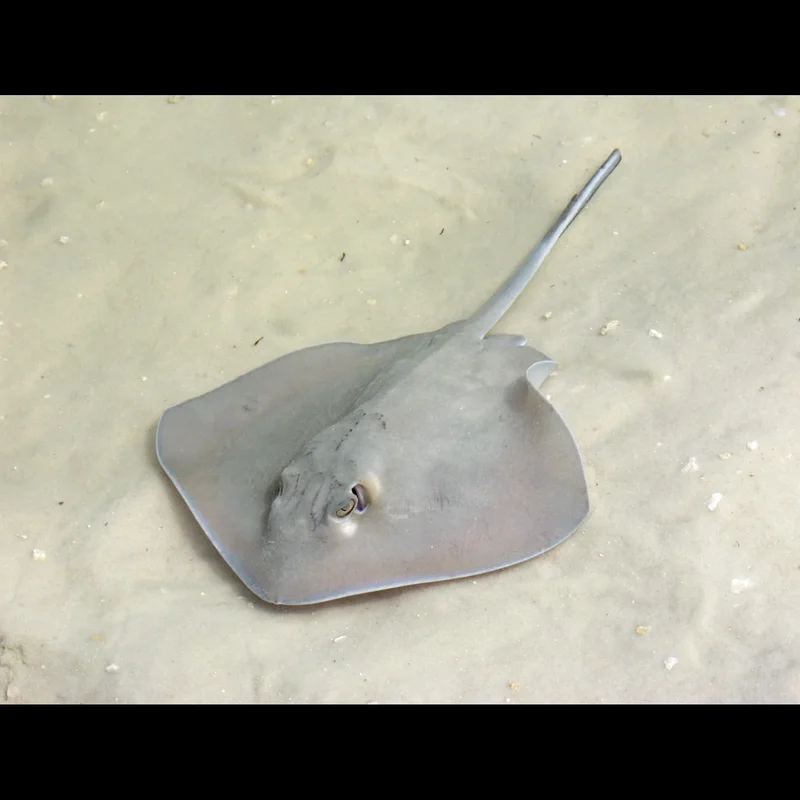
Where coral heads, volcanic sand, and turtle grass intersect at Toucari North, marine life concentrates across three distinct habitats on a single tank. Green sea turtles and hawksbill turtles regularly graze in the shallow seagrass or rest beside sponge-covered boulders, while southern stingrays, peacock flounders, flying gurnards, yellowhead jawfish, and garden eels inhabit the sandy clearings.
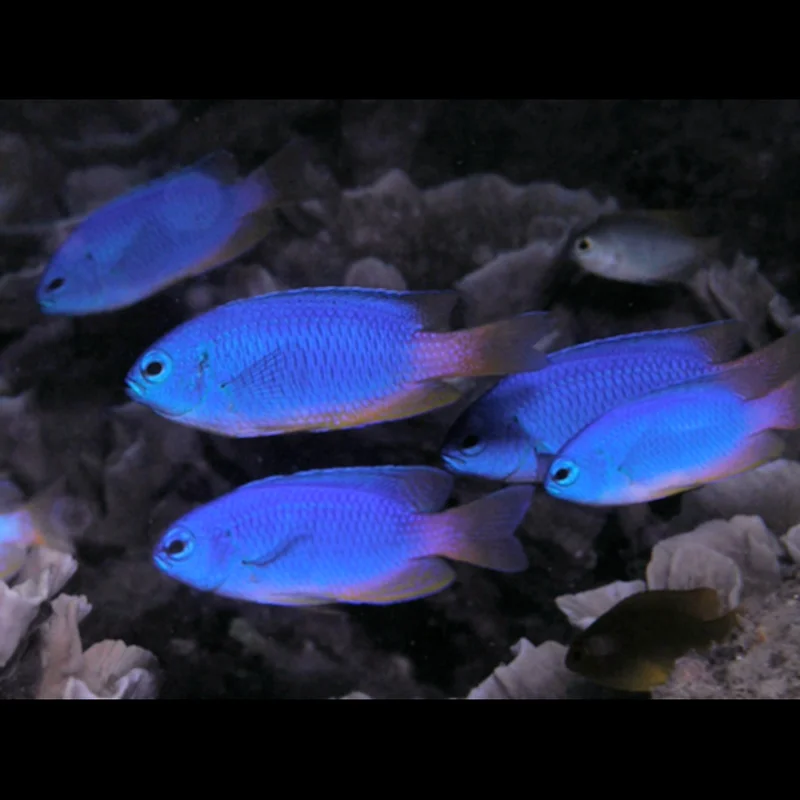
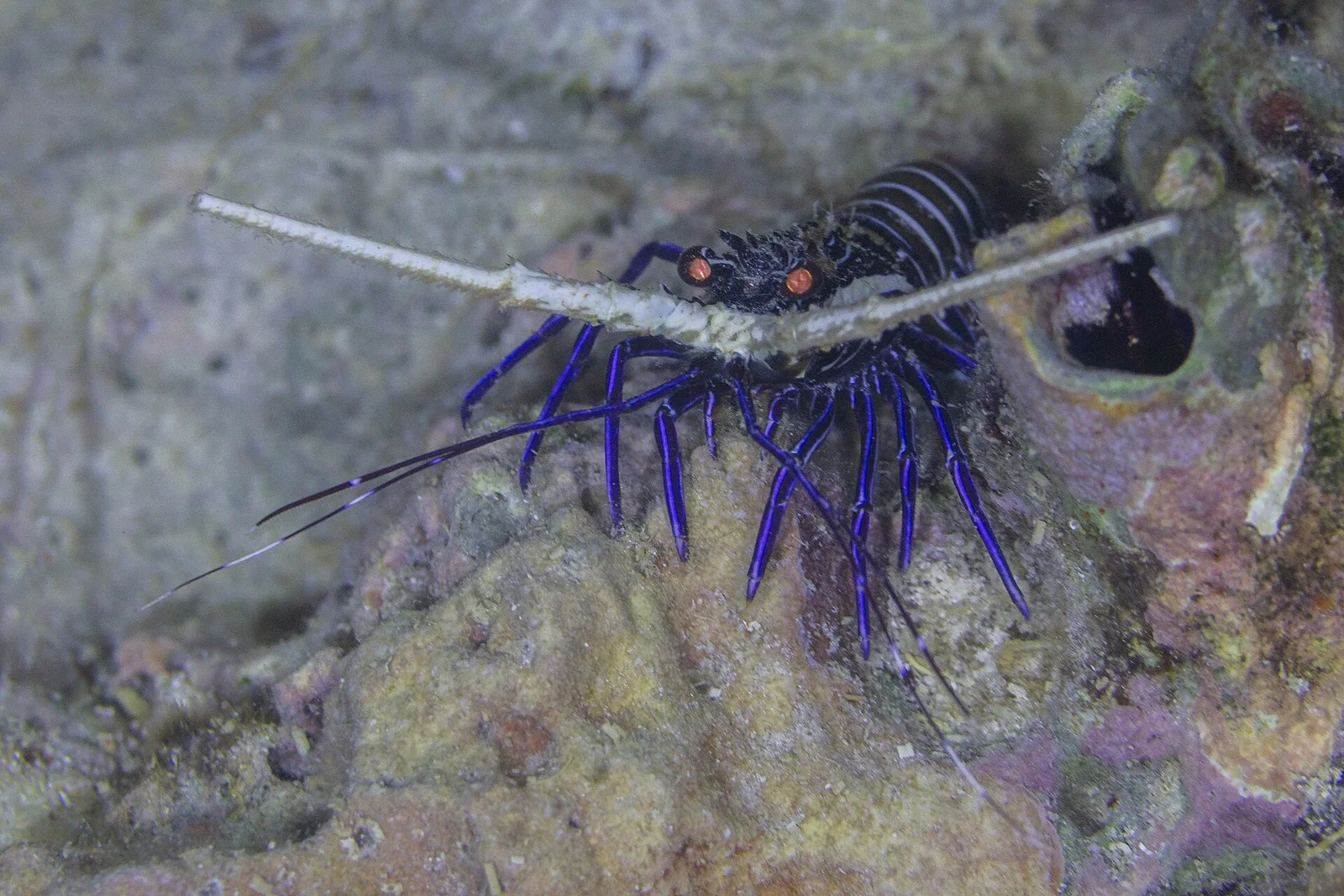
Plumose feather gorgonians and rope sponges harbor slender filefish, trumpetfish, arrow crabs, neck crabs, and occasional frogfish or longsnout seahorses. Stoplight and princess parrotfish, blue tangs, damselfish, banded butterflyfish, and juvenile French angelfish busy the upper coral heads, while spotted moray eels, Caribbean spiny lobsters, squirrelfish, and juvenile barracuda tuck beneath reef ledges.
1 / 2
Image contributors:Nick Hobgood, Diego Delso + 2 more
Want to contribute photos or local dive knowledge? Learn how to contributeDive Sites Near Toucari North
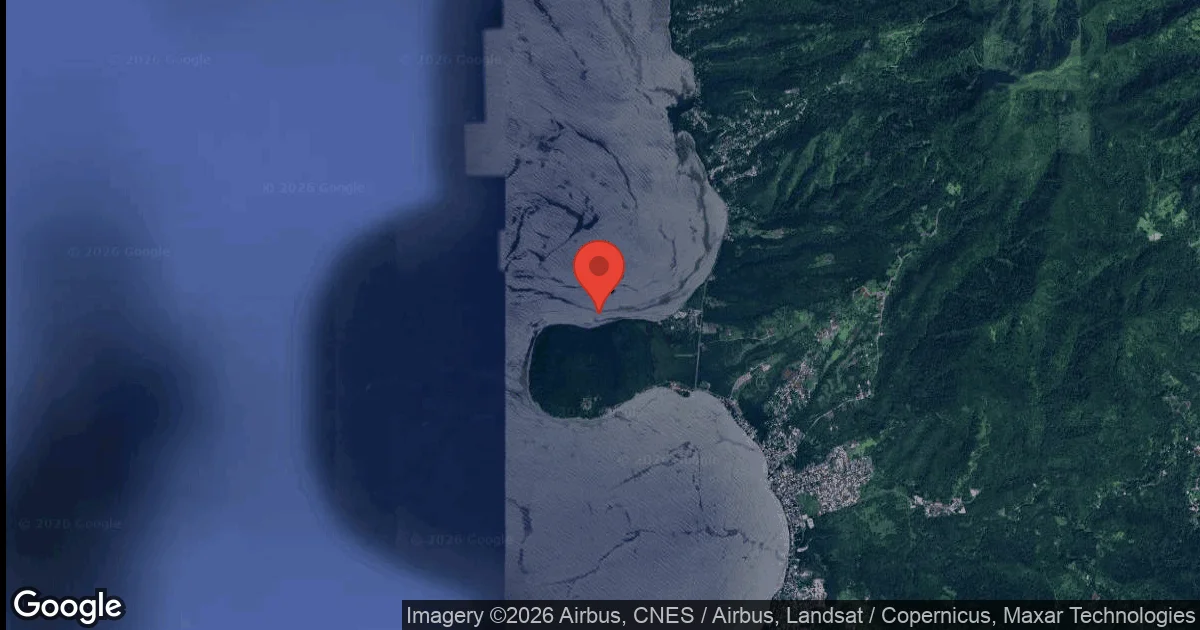
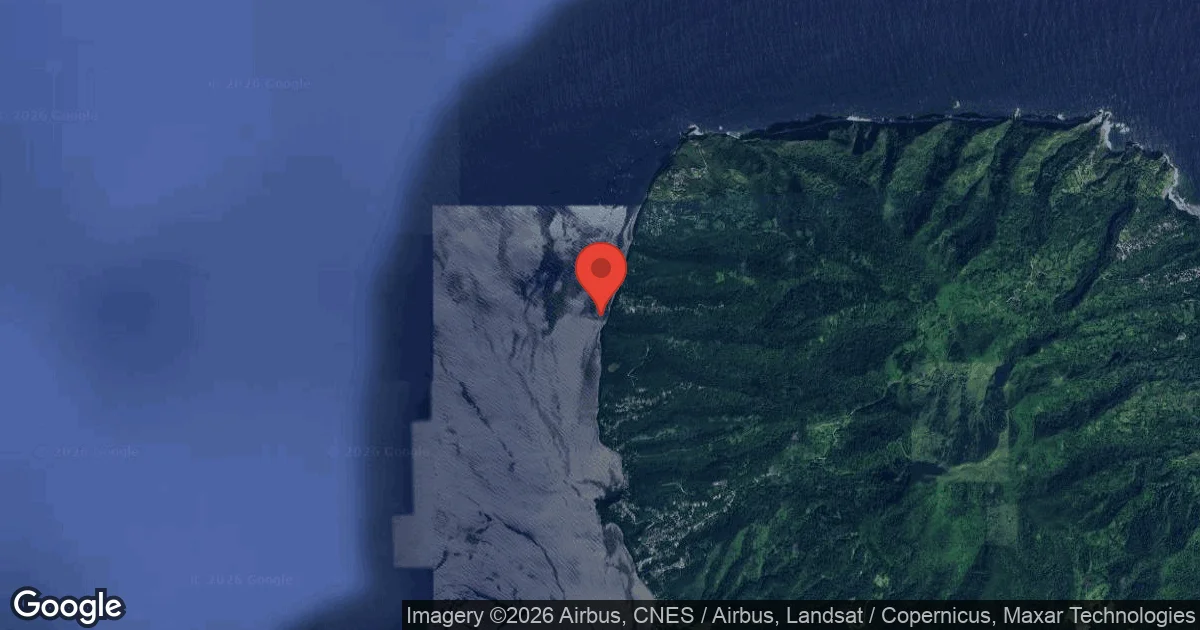
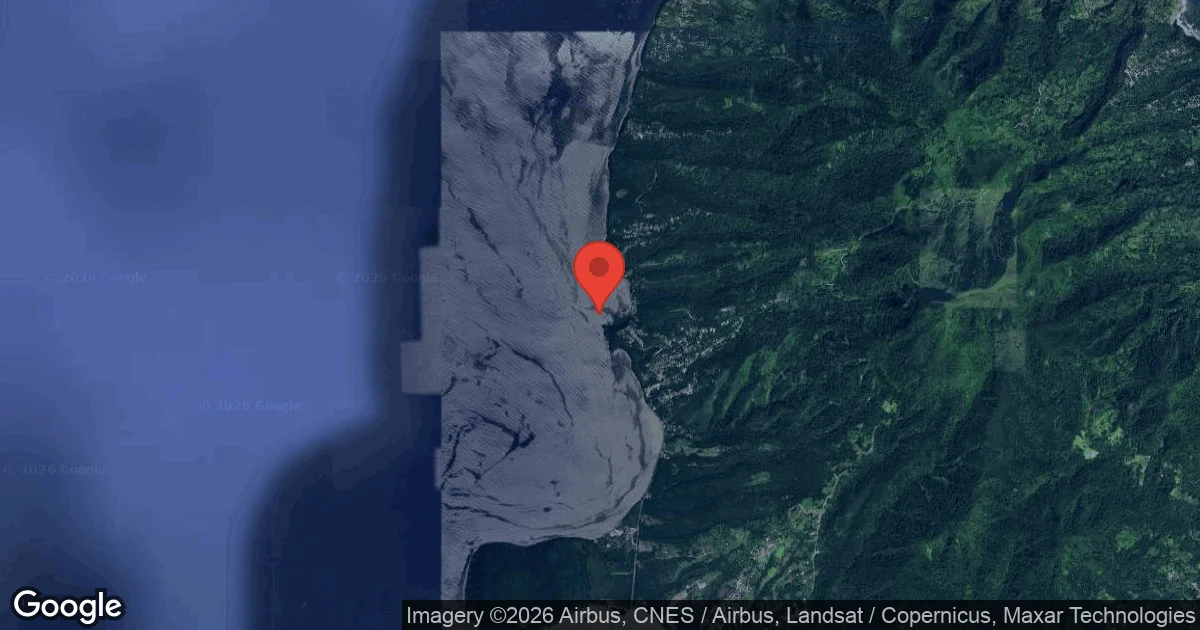
View all dive sites in DominicaDiscover more underwater gems in this area.
Dive Centers Near Toucari North
No Dive Centers Local To Toucari North
Are you a dive center visiting this location? Get listed to reach divers.
Nearest Airports
Nearest airports to help plan travel to this dive area.
Douglas-Charles Airport DOM
19 km
Canefield Airport DCF
32 km
F. D. Roosevelt Airport EUX
264 km
💵 Currency: XCD
Search Flights
Check available flights and routes on Expedia, using the nearby airports listed in this section.
Search Flights on ExpediaAffiliate link · Dive Navigator may earn a commission at no extra cost to you.
Frequently Asked Questions
Where is Toucari North located?
Toucari North sits on the sheltered northern side of Toucari Bay on Dominica's northwest Caribbean coast, directly across the cove from Toucari Caves and roughly 12 to 15 minutes by boat from Portsmouth.
Is Toucari North suitable for beginner divers?
Yes. With calm bay protection, negligible currents, and gentle depths starting around 5 m (16 ft) and sloping gradually to 22 m (72 ft), Toucari North is ideal for Open Water divers, underwater photographers, and relaxed multilevel profiles.
What underwater habitats make Toucari North distinctive?
Unlike sheer offshore drop-offs, Toucari North combines healthy hard-coral patch reefs and swaying feather gorgonians with volcanic sand channels and shallow turtle-grass meadows on a single dive.
What marine animals are commonly seen at Toucari North?
Divers frequently spot green and hawksbill sea turtles, southern stingrays, spotted moray eels, spiny lobsters, parrotfish, damselfish, barracuda, trumpetfish, flying gurnards, and macro crustaceans tucked into feather corals.
Is Toucari North a good night dive?
Yes. Its calm bay entry, shallow 5–18 m inner contour, and abundance of nocturnal octopuses, basket stars, hunting moray eels, and foraging spiny lobsters make Toucari North a favorite dusk and night dive out of Portsmouth.
Trip Inquiry
Planning to dive Toucari North?
Tell us your dates and diving needs. We'll review your request and seek offers from relevant local dive centers.
Request Dive Offers Free request for offers • No booking obligation
Toucari North
Conditions are Good
7/10
Confidence: 8/10
Indicates meteorological model agreement and data availability.
Best Dive Window
Optimal conditions expected
06:12
18:45
H: 10:45
L: 16:20
Air / Sea Temp
28° / 29°
Wave Height
0.7 m
Wind Speed
34 km/h E
Rain Chance
50%
Current conditions near Toucari North show 28° air, 29° sea temperature, 0.7 m waves, and 34 km/h wind. Forecast data is refreshed regularly to ensure accuracy.
Radius: ~12km
Updated: Nov 23, 2026, 07:01 local timeMARINE: OPEN-METEOWEATHER: YR.NO


