Loading...

Diving at Hot Sulfur (Dominica)
Published
Last updated
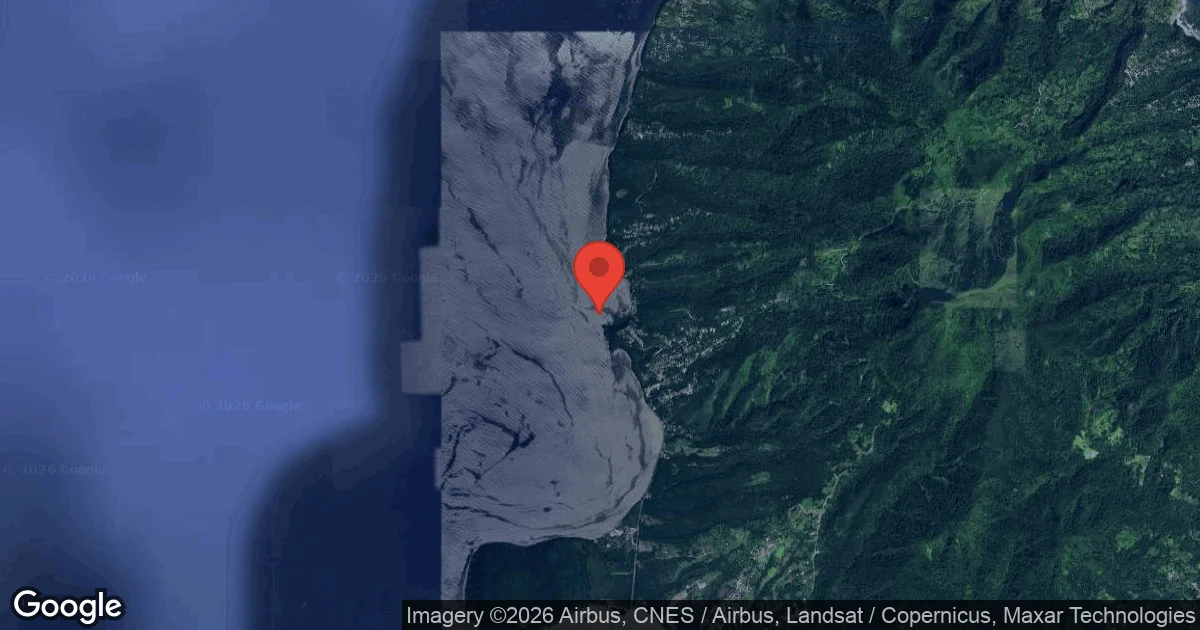
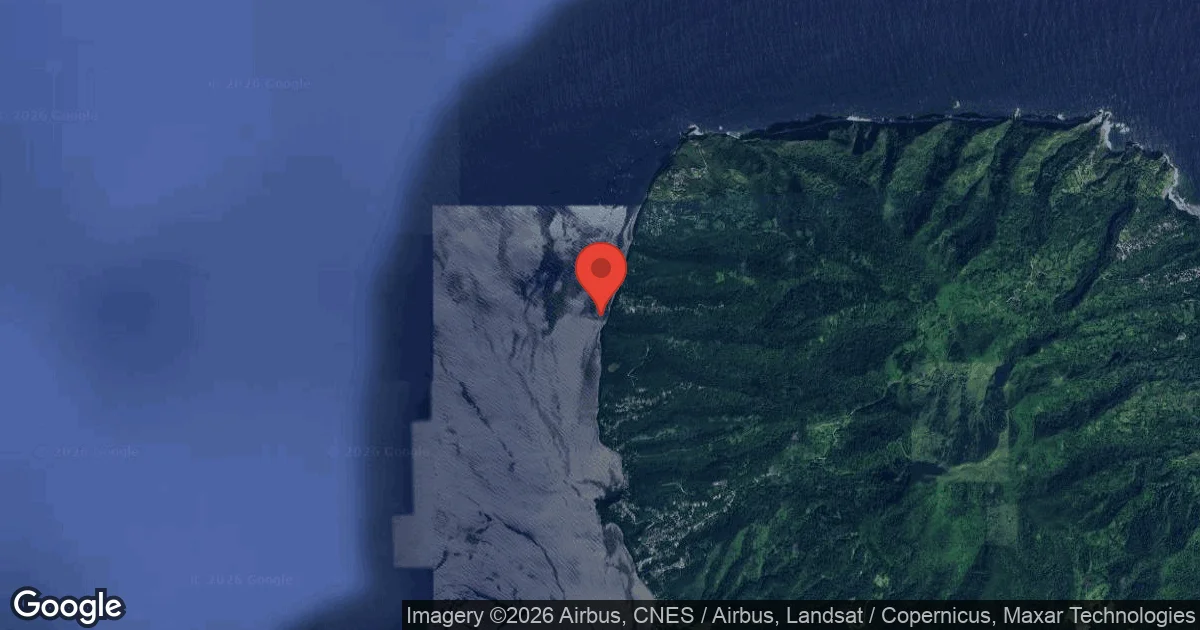
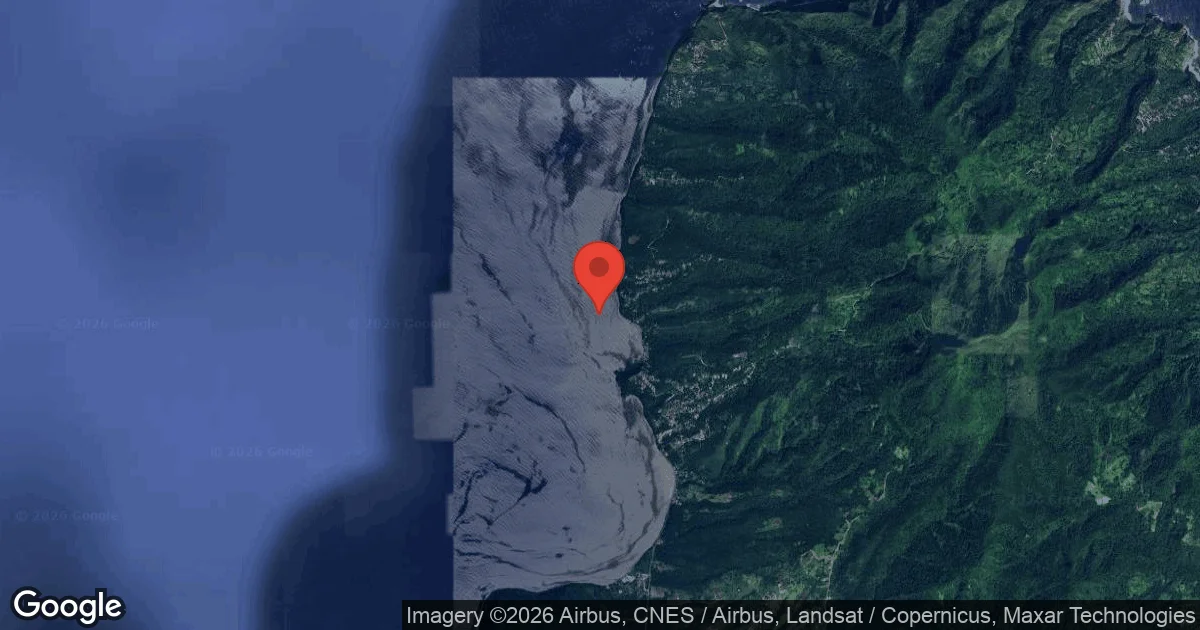
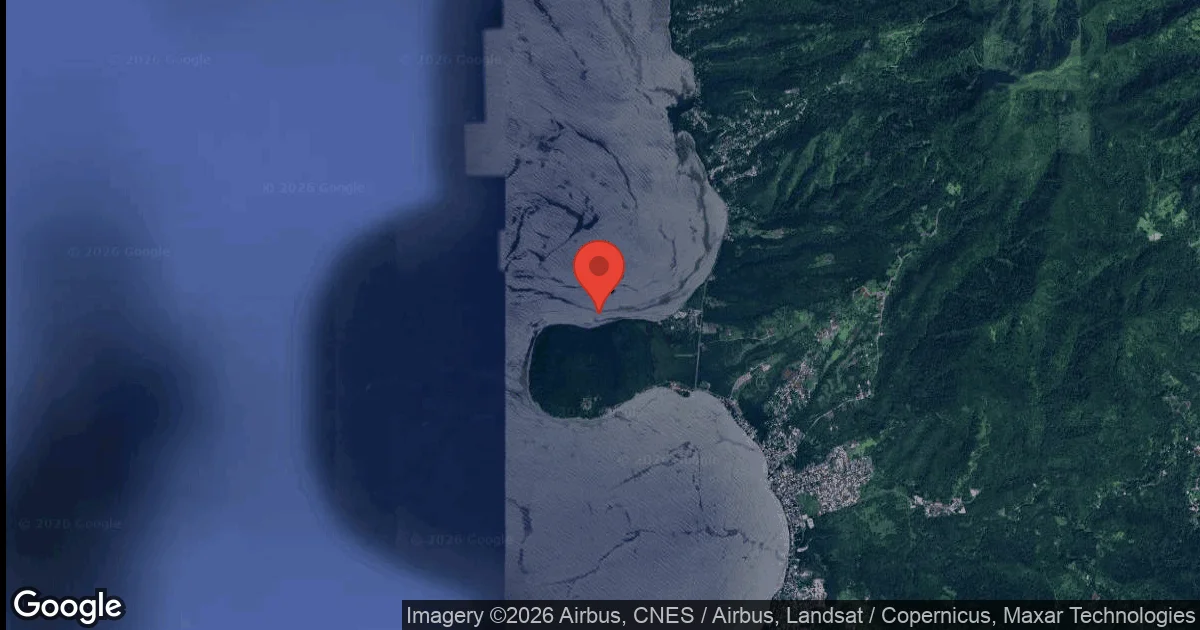
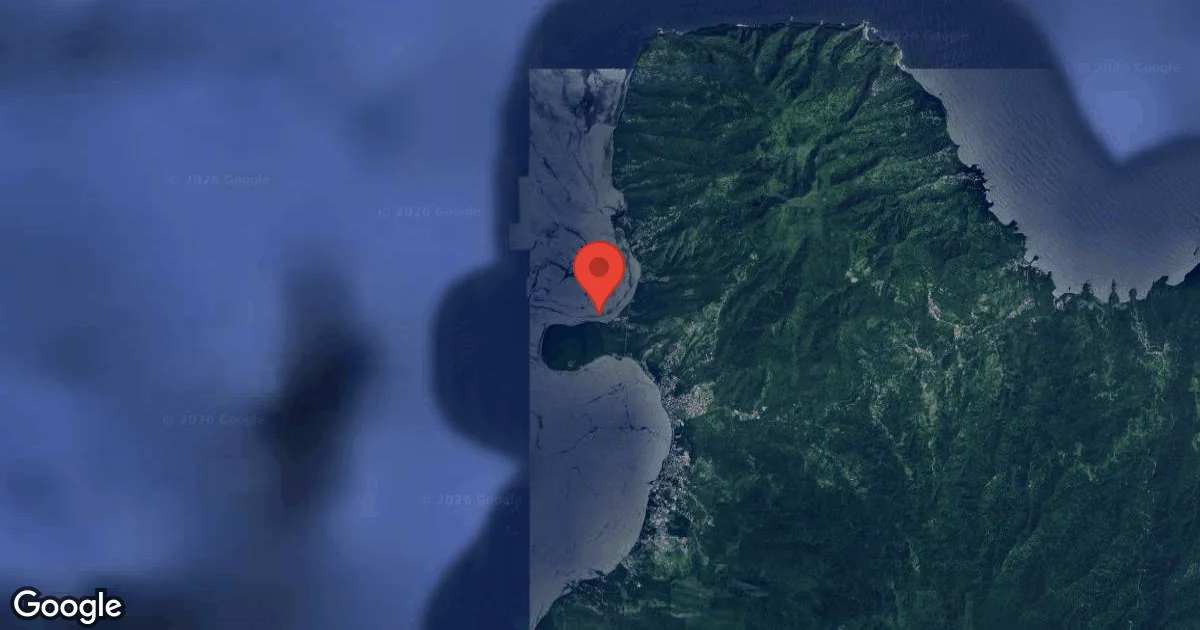
Located off Dominica's geothermal northwest coast south of Portsmouth and Prince Rupert Bay near Pointe Ronde, Hot Sulfur is a distinctive deep volcanic reef dive where heated mineral water and streams of sulfur gas vent directly through the seabed around 25 m (80 ft). Framed by multicolored mineral-stained volcanic sand, brain corals, and towering barrel sponges, it showcases Dominica's submarine volcanic geology in dramatic fashion.
Evening condition tracking at Hot Sulfur features an air temperature of 27.5°C. We have recorded wave heights measuring 0.4 m during this period. These figures outline the environmental parameters currently present.
Dive Site Location & Key Facts
Max Depth30m / 98ft
Entry Typeboat
Water Typesalt
Dive Types
DeepReef
Dive Site Overview
Dominica possesses nine volcanic complexes — one of the highest concentrations of active geothermal centers anywhere in the Caribbean arc — and Hot Sulfur demonstrates how that subterranean heat extends offshore beneath the northwestern shelf between Morne Diablotins and Portsmouth. Centered around 25 m (80 ft) and sloping deeper toward 30 m (98 ft), the site sits over fractured submarine volcanic rock and dark black-sand channels pierced by active fumarolic vents.
As divers descend onto the deep reef terrace, shimmering ribbons of noticeably warm water and continuous curtains of fine gas bubbles rise straight out of sand patches and coral crevices. Around the active vent orifices, dissolved sulfur and iron minerals tint patches of seabed sand in striking rust, amber, ochre, and pale yellow hues — warm enough to feel immediately with a bare hand hovering a few centimeters above the substrate, inspiring local Portsmouth dive guides' classic remark that the sand feels warm enough to cook an egg during the dive.
Just a few meters away from the hottest fumarole throats, cooler surrounding seawater and mineral upwelling support remarkably lush deep-reef architecture, including massive symmetrical brain corals, giant barrel sponges, rope sponges, and swaying sea fans. Because the signature geothermal vents begin around 25 m (80 ft), Hot Sulfur is run as an Advanced deep profile with disciplined bottom-time and gas management before ascending gradually up the inshore volcanic slope.
Hot Sulfur
Conditions are Good
7/10
Confidence: 8/10
Indicates meteorological model agreement and data availability.
Best Dive Window
Optimal conditions expected
06:12
18:45
H: 10:45
L: 16:20
Air / Sea Temp
27° / 29°
Wave Height
0.5 m
Wind Speed
34 km/h E
Rain Chance
50%
Current conditions near Hot Sulfur show 27° air, 29° sea temperature, 0.5 m waves, and 34 km/h wind. Forecast data is refreshed regularly to ensure accuracy.
Radius: ~12km
Updated: Nov 23, 2026, 05:28 local timeMARINE: OPEN-METEOWEATHER: YR.NO
Best Time to Dive
Hot Sulfur can be dived year-round along Dominica's sheltered Caribbean leeward coast, where ambient sea temperatures stay between 26°C (79°F) in winter and 29°C (84°F) in late summer — while water rising immediately above the active seabed vents feels several degrees warmer in every season.
December through May offers the driest trade-wind weather, bright overhead sunlight penetrating down to the 25 m (80 ft) vent zone, and steady 18–28 m (60–90 ft) visibility. June through November brings calm leeward seas and warm surface conditions off Picard and Colihaut, though heavy mountain cloudbursts over Morne Diablotins can temporarily lower shallow coastal clarity above 8 m (25 ft) while deeper water along the 25 m reef ledge remains clean and blue.
PEAK SEASON SCORE
90/100
ExcellentScores combine air & water temps, waves, wind & rainfall for overall conditions.
BEST MONTHS TO DIVE
APR
SEP
OCT
DIVE SCORE GUIDE (0–100)
Excellent (90–100)
Very Good (80–89)
Good (70–79)
Moderate (50–69)
Poor (30–49)
Not Recommended (0–29)
Monthly records compiled from satellite and marine observation nodes over the last 3 years. Data provided by Open-Meteo and MET Norway.
Dive Experience & Conditions
Reached by dive boat from Portsmouth, Picard, and Prince Rupert Bay in roughly 10 to 15 minutes heading south along the leeward coast, Hot Sulfur features a direct descent onto a deep volcanic shelf between 22 and 30 m (72 and 98 ft). Currents are generally mild to moderate along the coastal contour, and ambient visibility averages 18–25 m (60–80 ft), punctuated locally by shimmering optical thermoclines where heated mineral water mixes with cooler Caribbean water.
Because no-decompression limits tick down steadily at 25–30 m (80–98 ft), guides typically dedicate 12 to 18 minutes to exploring the bubbling sulfur vents, mineral-stained sand channels, and deep barrel-sponge buttresses before leading the group slowly up the sloping inshore reef through 15 m and 9 m (50 ft and 30 ft) and completing an unhurried 5 m (15 ft) safety stop.
Dive Difficulty & Safety Guidelines
With its core geothermal features situated at 25–30 m (80–98 ft), Hot Sulfur requires Advanced Open Water certification (or documented deep-diving experience) and strict attention to no-decompression limits and air consumption. Using Enriched Air Nitrox (such as EAN32) within verified maximum operating depth limits is strongly recommended to build conservative no-decompression margin at 25 m (80 ft) and reduce post-dive nitrogen loading.
Never press bare hands, knees, fins, or wetsuit neoprene directly into active vent openings, as subsurface sand and pore water inside the fumarole throats can reach scalding temperatures capable of burning skin or damaging equipment. Maintain neutral buoyancy well above the mineral crust and deep sponges, carry a surface marker buoy for coastal ascents, and ensure comprehensive dive evacuation insurance (hyperbaric evacuation from Dominica typically routes via Roseau medical stabilization to regional chambers in Guadeloupe or Martinique) before arriving via Douglas-Charles (DOM) or Canefield (DCF) airports.
Recommended Equipment
- Dive Computer
- DSMB
This gear list is based on verified equipment signals for Hot Sulfur, Dominica. Always confirm final gear choices with your dive operator, guide, or liveaboard.
Recommended Dive Suit
Recent conditions suggest the water at Hot Sulfur remains near 29°C (85°F), offering typical conditions for the area. Surface air temperatures are resting at 27°C (81°F).
The forecast outlook suggests that temperatures will stay close to current levels.
Divers who prefer moderate insulation typically choose dive skin or rash guard in similar environments. Consider warmer surface protection (like a boat coat) due to brisk winds. Many experienced divers adjust their exposure protection depending on the type of dive planned. Stronger winds may also make surface intervals feel cooler than usual.
Hot Sulfur conditions last reviewed: 05:28 local time (UTC-4), Nov 23, 2026
Emergency & Medical Support
Essential information to help you plan your dive trip to Hot Sulfur.

Hyperbaric chambers are a critical part of dive safety infrastructure. Availability varies significantly by region, and not all dive areas have immediate access.
Before diving, it's recommended to:
- confirm nearest medical facilities
- check emergency procedures with local dive operators
- ensure dive insurance covers evacuation if required
24/7 Available
Divers Alert Network
Diving emergency assistance available through DAN World.
+1-919-684-9111- 24/7 emergency hotline
- Diving medical assistance
- Evacuation coordination
Emergency contacts are provided for reference. Always verify local emergency services before diving.
Marine Life at Hot Sulfur
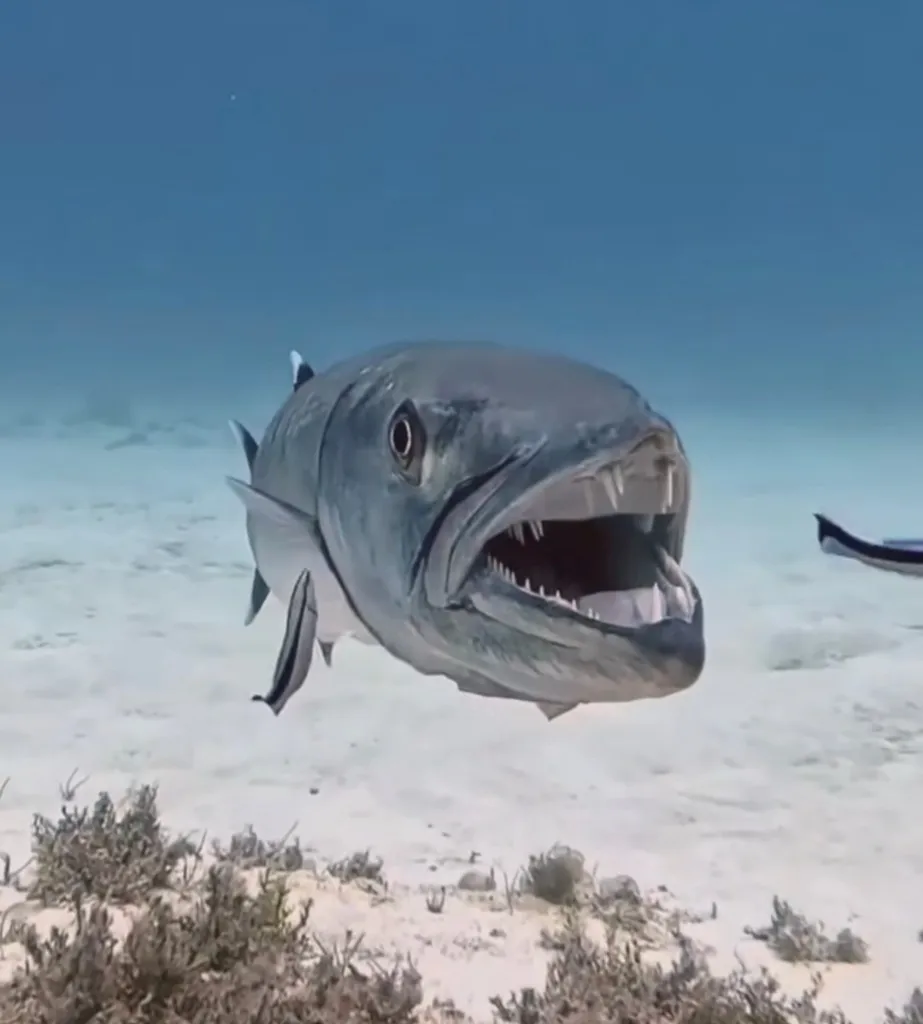
Despite localized geothermal heat right at the vent mouths, the surrounding deep reef at Hot Sulfur thrives with sturdy stony corals and towering sponges. Huge Xestospongia barrel sponges, orange elephant ear sponges, symmetrical brain corals, star corals, wire corals, and deep-water gorgonians crowd the volcanic ledges right alongside rising bubble curtains.
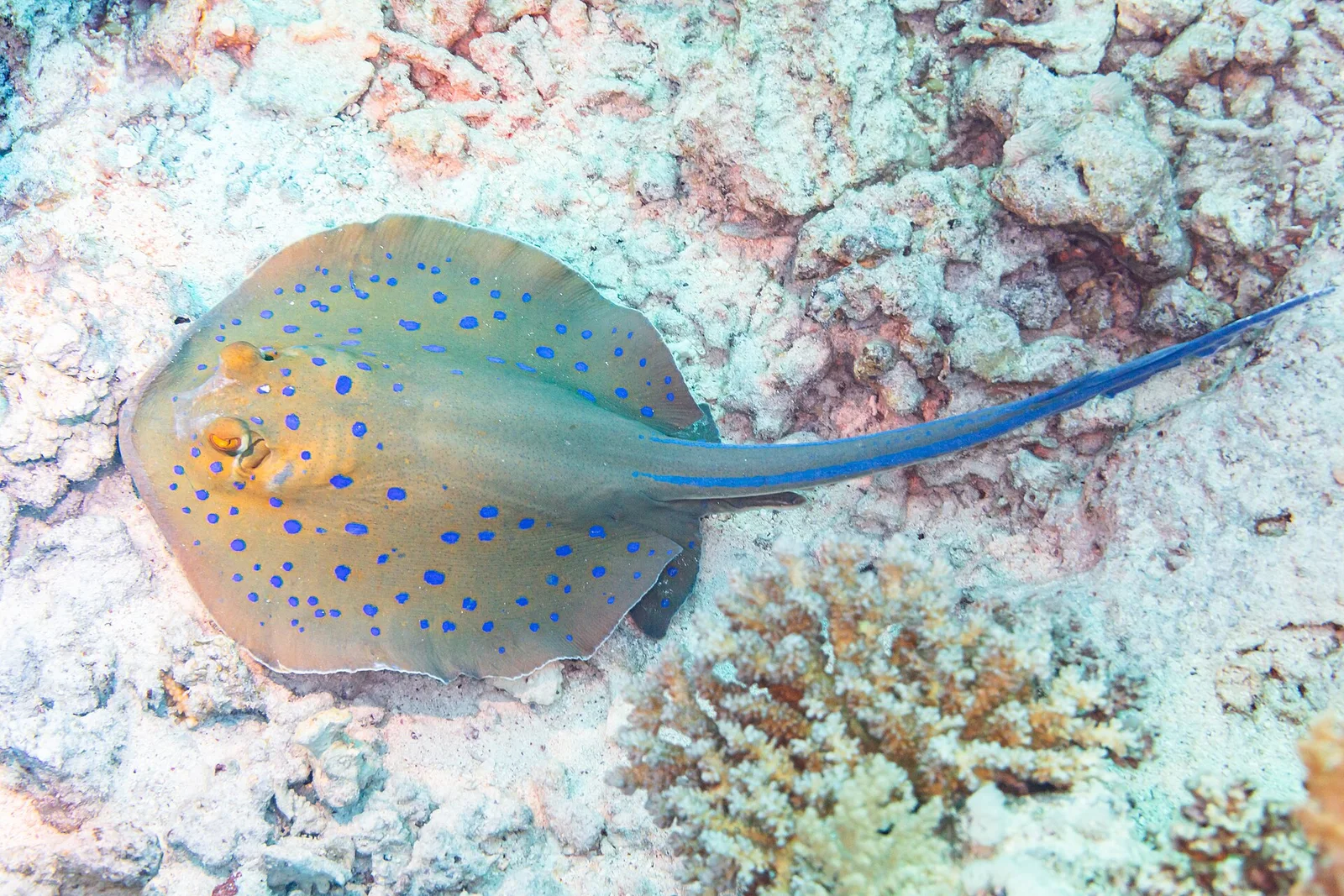
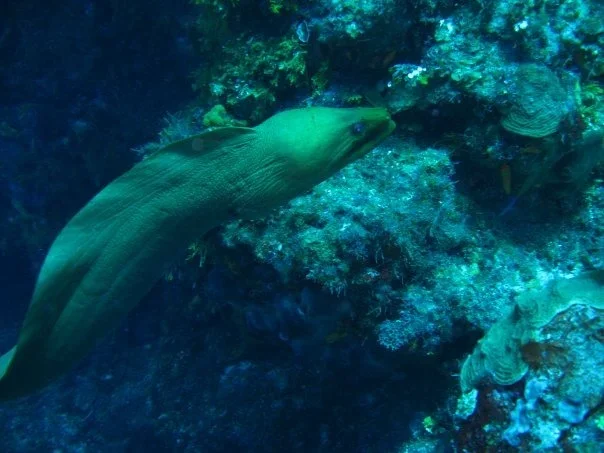
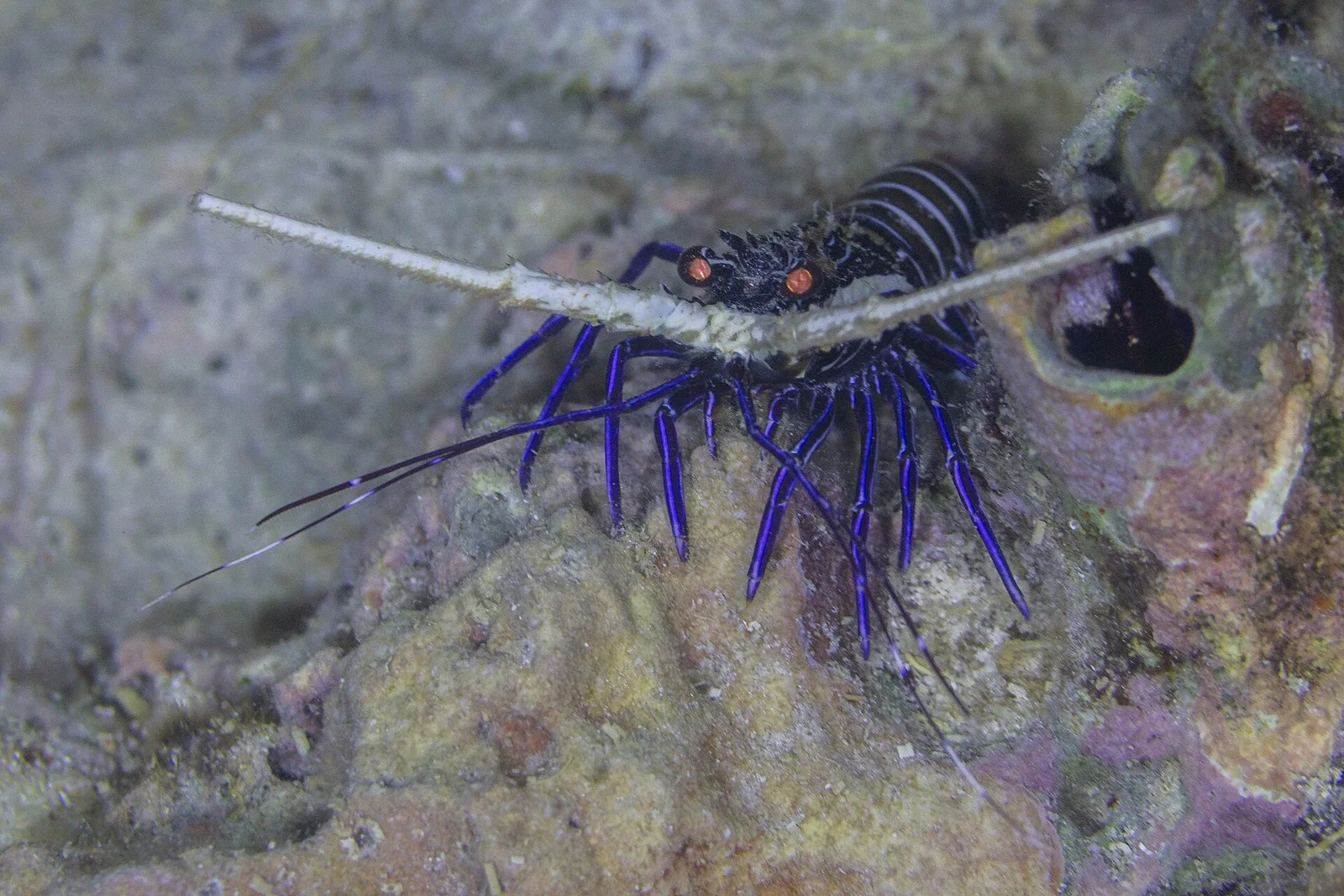
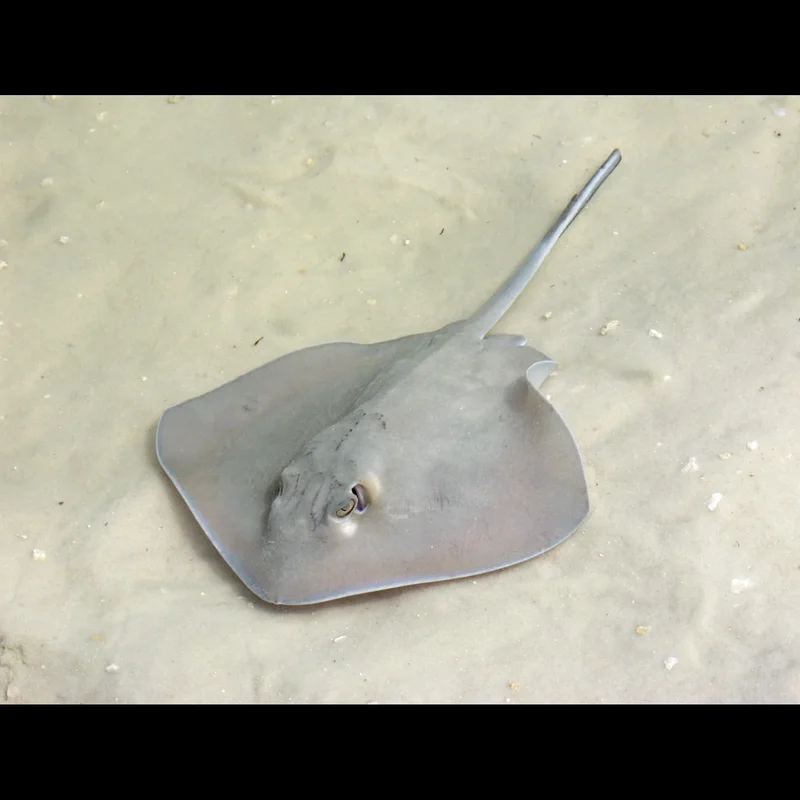
Creole wrasse, black durgon, boga, and blue chromis stream through the ascending bubble columns in midwater, hunted by patrolling great barracuda, horse-eye jacks, trevally, and Spanish mackerel. Nassau and tiger groupers, coneys, spotted moray eels, channel clinging crabs, and Caribbean spiny lobsters shelter beneath deep coral undercuts, while southern stingrays and occasional hawksbill turtles cruise across the adjacent volcanic sand apron.
1 / 2
Image contributors:Diego Delso, Wrtiii3644 at English Wikipedia + 1 more
Want to contribute photos or local dive knowledge? Learn how to contributeDive Sites Near Hot Sulfur
View all dive sites in DominicaDiscover more underwater gems in this area.
Dive Centers Near Hot Sulfur
No Dive Centers Local To Hot Sulfur
Are you a dive center visiting this location? Get listed to reach divers.
Nearest Airports
Nearest airports to help plan travel to this dive area.
Douglas-Charles Airport DOM
18 km
Canefield Airport DCF
26 km
F. D. Roosevelt Airport EUX
269 km
💵 Currency: XCD
Search Flights
Check available flights and routes on Expedia, using the nearby airports listed in this section.
Search Flights on ExpediaAffiliate link · Dive Navigator may earn a commission at no extra cost to you.
Frequently Asked Questions
Where is the Hot Sulfur dive site located?
Hot Sulfur lies off Dominica's sheltered northwest Caribbean coast just south of Portsmouth and Prince Rupert Bay, where submarine geothermal vents emerge from the volcanic seafloor.
How deep are the volcanic bubbles at Hot Sulfur?
The main hydrothermal vents and sulfur bubble streams emerge around 25 m (80 ft) alongside a deep coral-and-sponge reef slope that extends down toward 30 m (98 ft).
What certification level is recommended for diving Hot Sulfur?
Advanced Open Water certification or documented deep-diving experience is required because the signature geothermal vents and deep sponge reef sit between 25 and 30 m (80 and 98 ft), where no-decompression time is shorter.
Is it safe to touch the bubbling sand at Hot Sulfur?
Divers can safely feel the warm water rising several centimeters above the vents, but should never push bare hands, knees, or gear into the vent openings themselves, as subsurface pore water and sand inside active fumaroles can be scalding hot.
How does Hot Sulfur compare to Champagne Reef in southern Dominica?
While famous Champagne Reef near Soufrière vents volcanic bubbles in very shallow 2–10 m water accessible to snorkelers, Hot Sulfur on the northwest coast is a true deep scuba dive at 25 m (80 ft) combining hot mineral vents with large deep-water barrel sponges and pelagic fish.
What marine life lives around the geothermal vents at Hot Sulfur?
Beyond the immediate vent mouths, the deep reef supports giant barrel sponges, brain corals, sea fans, moray eels, groupers, spiny lobsters, stingrays, and passing barracuda, jacks, and trevally.
Trip Inquiry
Planning to dive Hot Sulfur?
Tell us your dates and diving needs. We'll review your request and seek offers from relevant local dive centers.
Request Dive Offers Free request for offers • No booking obligation
Hot Sulfur
Conditions are Good
7/10
Confidence: 8/10
Indicates meteorological model agreement and data availability.
Best Dive Window
Optimal conditions expected
06:12
18:45
H: 10:45
L: 16:20
Air / Sea Temp
27° / 29°
Wave Height
0.5 m
Wind Speed
34 km/h E
Rain Chance
50%
Current conditions near Hot Sulfur show 27° air, 29° sea temperature, 0.5 m waves, and 34 km/h wind. Forecast data is refreshed regularly to ensure accuracy.
Radius: ~12km
Updated: Nov 23, 2026, 05:28 local timeMARINE: OPEN-METEOWEATHER: YR.NO


