Loading...

Diving at Tube Reef (Dominica)
Published
Last updated
Running along the submerged volcanic cliff face outside Toucari Bay on Dominica's northwest coast, Tube Reef combines a sponge-packed wall dropping to 28 m (92 ft) with sandy garden-eel flats at its base. Framed by giant yellow tube sponges, barrel sponges, and feather gorgonians — and frequently dived as a gentle coastal drift toward Split Rock — it delivers classic Nature Island wall-and-reef scenery.
Tonight's objective overview for Tube Reef shows an air temperature of 27°C. The measured surface conditions include wave heights around 0.5 m. This environmental data is logged for the close of the day.
Dive Site Location & Key Facts
Max Depth28m / 92ft
Entry Typeboat
Water Typesalt
Dive Types
DriftReefWall
Dive Site Overview
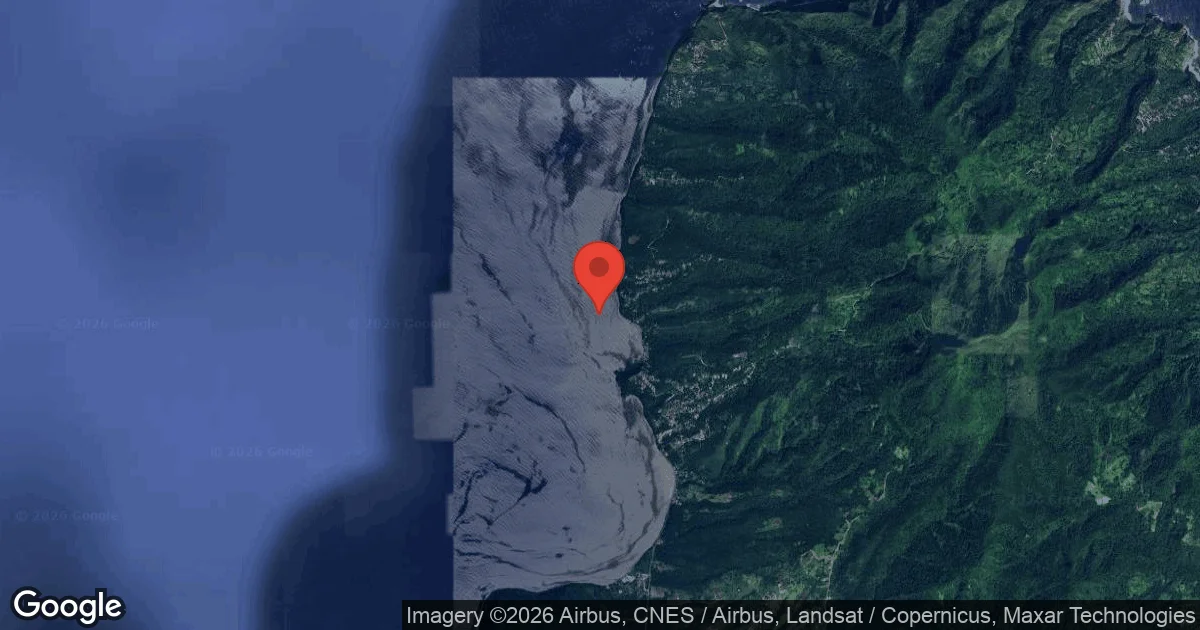
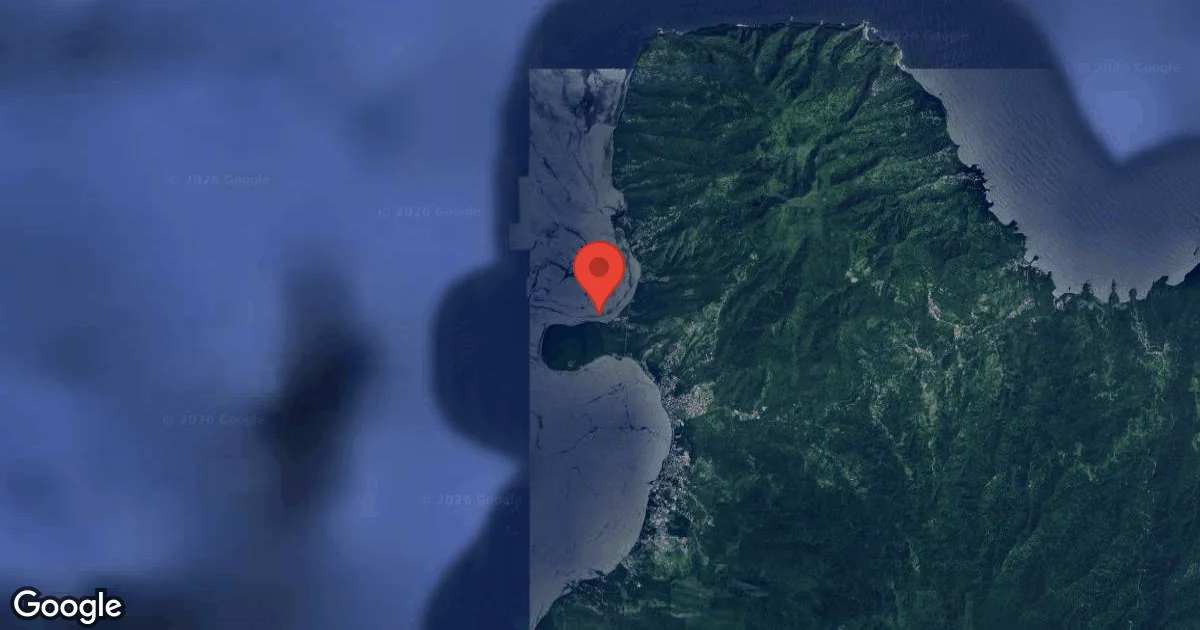
Just south of Toucari Bay toward Douglas Bay, Dominica's sheer volcanic sea cliffs continue uninterrupted beneath the waterline to form Tube Reef. True to its name, the steep cliff-hugging reef face and stepped volcanic ledges are densely colonized by vibrant clusters of elongated yellow and gold Aplysina tube sponges, oversized barrel sponges, rope sponges, and thick bushes of feather-like gorgonian sea plumes.
Divers follow the vertical-to-steeply-sloping wall down to 25–28 m (82–92 ft), where the encrusted volcanic rock transitions cleanly onto a gently sloping dark-sand apron populated by hundreds of swaying garden eels. Above that deep sand toe, healthy brain corals, star corals, and sheet corals interlock with tall sponge chimneys and shadowed rock crevices.
Whenever a mild coastal current sets along the headland, local Portsmouth dive operators run Tube Reef as an effortless one-way drift toward neighboring Split Rock — a dramatic cleft boulder formation nearshore — letting divers glide past a continuous tapestry of sponges and sea fans before ascending onto sun-dappled shallow boulders.
Tube Reef
Conditions are Moderate
6/10
Confidence: 8/10
Indicates meteorological model agreement and data availability.
DIVE WARNING
High Wind Advisory (47km/h). Unsafe surface.
06:12
18:45
H: 10:45
L: 16:20
Air / Sea Temp
27° / 29°
Wave Height
0.7 m
Wind Speed
47 km/h E
Rain Chance
50%
Current conditions near Tube Reef show 27° air, 29° sea temperature, 0.7 m waves, and 47 km/h wind. Forecast data is refreshed regularly to ensure accuracy.
Radius: ~12km
Updated: Nov 23, 2026, 01:38 local timeMARINE: OPEN-METEOWEATHER: YR.NO
Best Time to Dive
Tube Reef is diveable in all seasons thanks to the leeward shelter of northwestern Dominica, with sea temperatures ranging comfortably between 26°C (79°F) from January to March and 29°C (84°F) in September and October.
From December through May, dry trade-wind weather keeps cliffside runoff minimal and routinely delivers 20–30 m (65–100 ft) visibility all the way down to the 28 m (92 ft) garden-eel sand flat. Summer and autumn months from June through November bring glassy surface conditions off Toucari and Cabrits, interrupted only briefly when tropical waves cross the Eastern Caribbean.
PEAK SEASON SCORE
88/100
Very GoodScores combine air & water temps, waves, wind & rainfall for overall conditions.
BEST MONTHS TO DIVE
APR
SEP
OCT
DIVE SCORE GUIDE (0–100)
Excellent (90–100)
Very Good (80–89)
Good (70–79)
Moderate (50–69)
Poor (30–49)
Not Recommended (0–29)
Monthly records compiled from satellite and marine observation nodes over the last 3 years. Data provided by Open-Meteo and MET Norway.
Dive Experience & Conditions
Boat rides from Portsmouth, Picard, and Cabrits National Park take roughly 10 to 15 minutes north along the dramatic volcanic cliffs to Tube Reef. Horizontal visibility averages 20–28 m (65–90 ft), and underwater currents range from nearly still to a pleasant mild-to-moderate coastal drift parallel to the cliff wall.
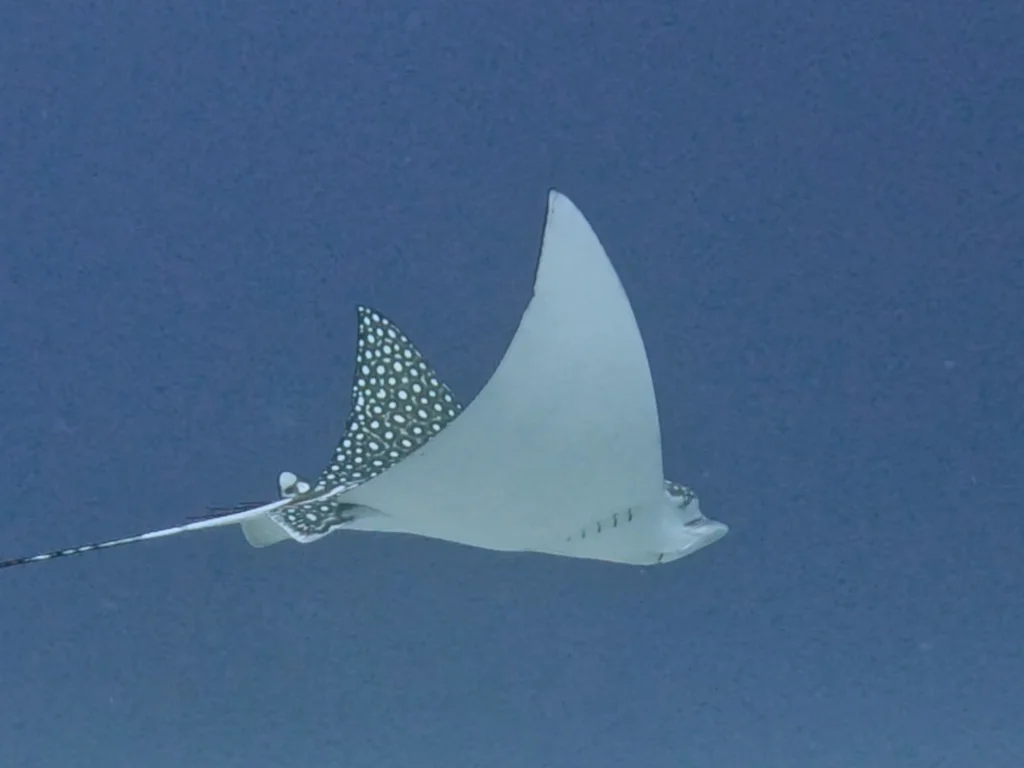
A classic intermediate profile drops promptly to 24–28 m (80–92 ft) during the opening third of the dive so divers can hover quietly above the deep sand interface watching garden eels and scanning out into the blue for cruising eagle rays or stingrays. From there, the group works diagonally up the sponge-draped cliff face through 18 m, 12 m, and 6 m (60 ft, 40 ft, and 20 ft), finishing near Split Rock while the dive skiff tracks surface bubbles for a live pickup.
Dive Difficulty & Safety Guidelines
Because the garden-eel sand flat sits at 28 m (92 ft) beside a steep volcanic wall, divers need solid intermediate buoyancy control and disciplined monitoring of depth gauges, air reserves, and no-decompression limits during the initial deep segment. Approach the deep sand base slowly from two to three meters above rather than dropping onto the substrate, both to keep shy garden eels extended above their burrows and to avoid stirring dark volcanic silt.
When diving Tube Reef as a coastal drift toward Split Rock, stay consolidated with the divemaster's group, keep consoles and alternate air sources clipped cleanly away from fragile tube-sponge chimneys, and carry a high-visibility surface marker buoy and whistle for live-boat pickups. Confirm active dive accident insurance prior to arriving through Dominica's Douglas-Charles (DOM) or Canefield (DCF) airports.
Recommended Equipment
Current and surface separation risk. Local briefing strongly recommended.
- Dive Computer
- DSMB
- Reel / Spool
This gear list is based on verified equipment signals for Tube Reef, Dominica. Always confirm final gear choices with your dive operator, guide, or liveaboard.
Recommended Dive Suit
With water temperatures around 29°C (85°F), many divers find a dive skin or rash guard provides comfortable protection.
Being prepared with flexible exposure options is a common approach among experienced divers.
Current forecasts indicate relatively stable conditions for the coming days.
Tube Reef conditions last reviewed: 01:38 local time (UTC-4), Nov 23, 2026
Emergency & Medical Support
Essential information to help you plan your dive trip to Tube Reef.

Hyperbaric chambers are a critical part of dive safety infrastructure. Availability varies significantly by region, and not all dive areas have immediate access.
Before diving, it's recommended to:
- confirm nearest medical facilities
- check emergency procedures with local dive operators
- ensure dive insurance covers evacuation if required
24/7 Available
Divers Alert Network
Diving emergency assistance available through DAN World.
+1-919-684-9111- 24/7 emergency hotline
- Diving medical assistance
- Evacuation coordination
Emergency contacts are provided for reference. Always verify local emergency services before diving.
Marine Life at Tube Reef
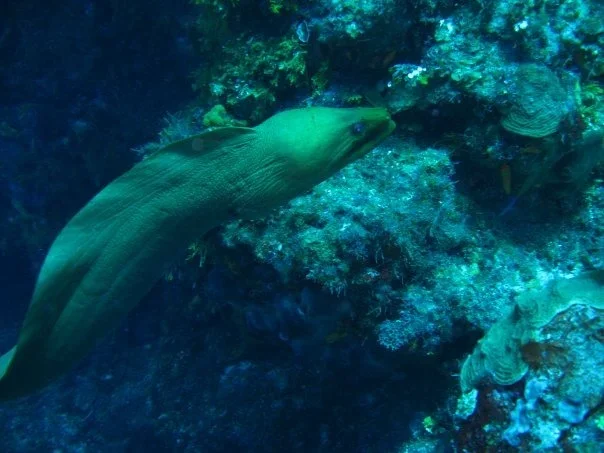
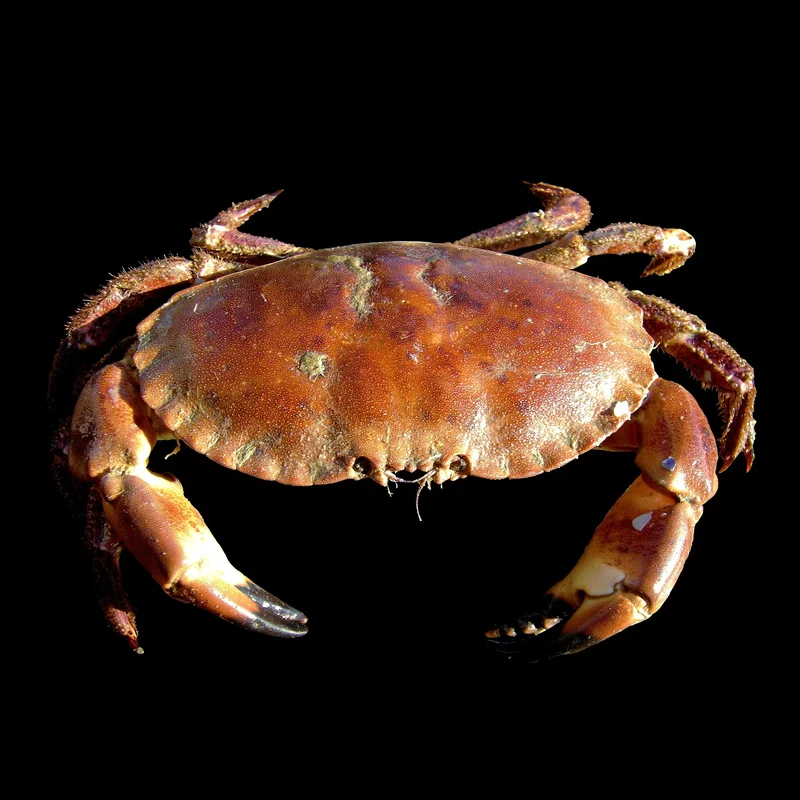
Towering yellow tube sponges, reddish-brown Xestospongia barrel sponges, azure vase sponges, and swaying feather gorgonians dominate every ledge of Tube Reef, hosting brittle stars, Pederson cleaner shrimp, arrow crabs, and cryptic neck crabs inside their rims. Along the 28 m (92 ft) sand base, dense colonies of garden eels sway into the current to pluck plankton before retracting smoothly into their burrows as southern stingrays and spotted eagle rays glide past.
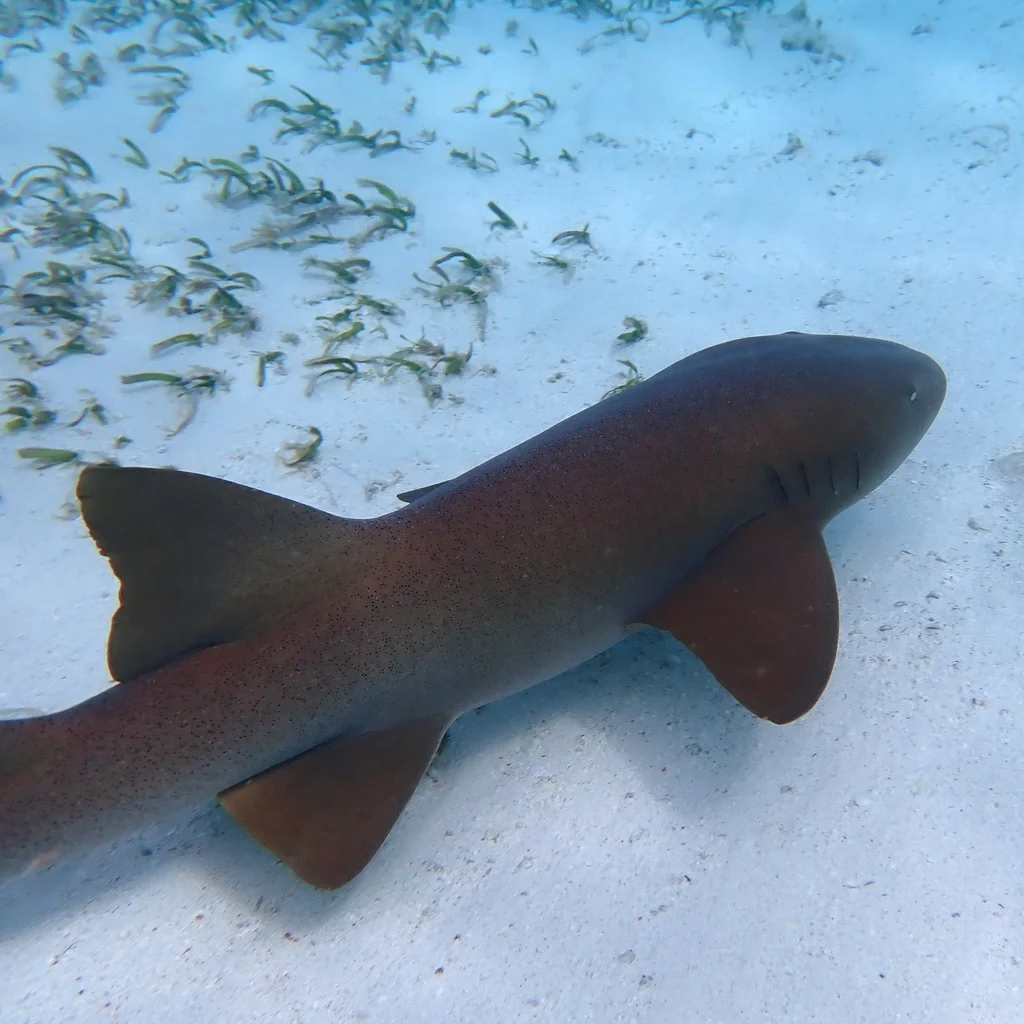
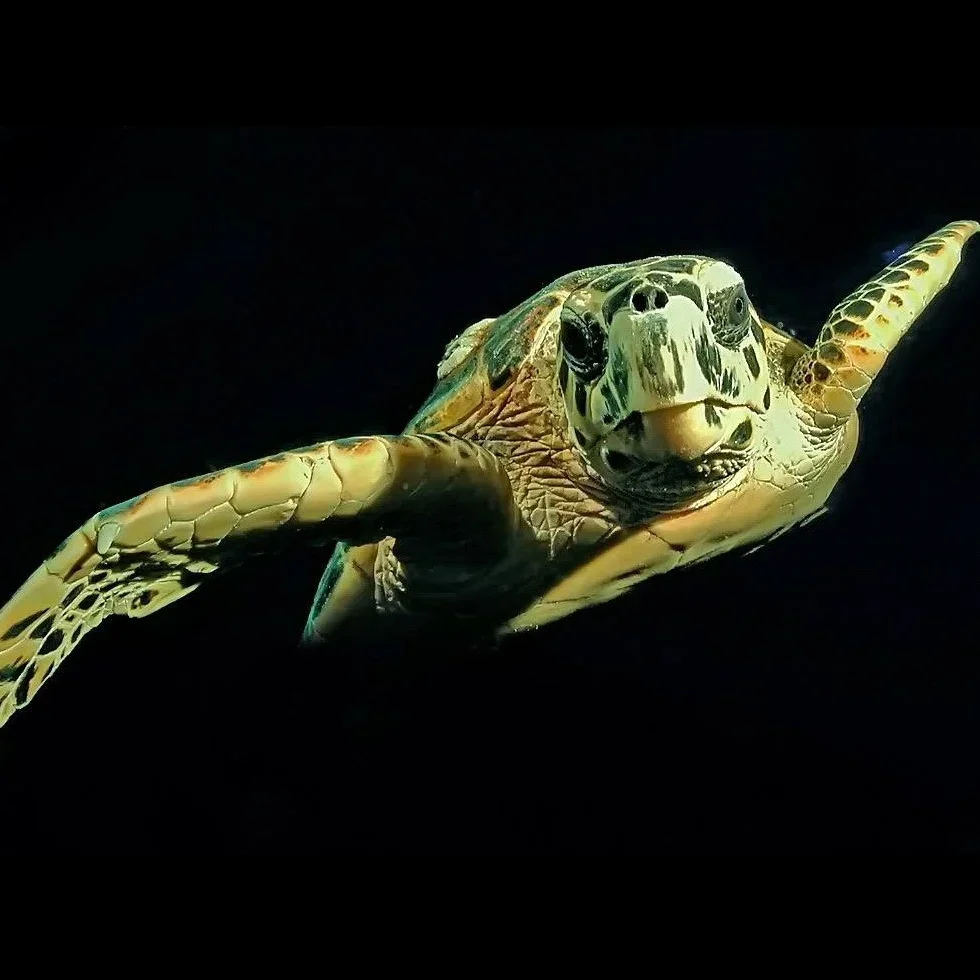
Hawksbill and green sea turtles frequently wedge into sponge-lined alcoves along the mid-wall to rest or feed on sponges, while nurse sharks occasionally nap beneath deeper overhangs. Green and spotted moray eels, Caribbean spiny lobsters, giant channel clinging crabs, coneys, creole wrasse, black durgon, chromis, and patrolling great barracuda complete a vibrant Caribbean wall community.
1 / 2
Image contributors:Dan Schofield, Hans Hillewaert + 5 more
Want to contribute photos or local dive knowledge? Learn how to contributeDive Sites Near Tube Reef
View all dive sites in DominicaDiscover more underwater gems in this area.
Dive Centers Near Tube Reef
No Dive Centers Local To Tube Reef
Are you a dive center visiting this location? Get listed to reach divers.
Nearest Airports
Nearest airports to help plan travel to this dive area.
Douglas-Charles Airport DOM
19 km
Canefield Airport DCF
31 km
F. D. Roosevelt Airport EUX
264 km
💵 Currency: XCD
Search Flights
Check available flights and routes on Expedia, using the nearby airports listed in this section.
Search Flights on ExpediaAffiliate link · Dive Navigator may earn a commission at no extra cost to you.
Frequently Asked Questions
Where is Tube Reef located?
Tube Reef runs along the submerged volcanic cliffs just off Toucari on Dominica's sheltered northwest Caribbean coast, roughly 10 to 15 minutes by boat north of Portsmouth and Cabrits National Park.
How deep is Tube Reef?
The cliffside reef wall begins in shallow nearshore water around 8 m (26 ft) and drops steeply to 28 m (92 ft), where the volcanic wall meets a sandy seabed colonized by garden eels.
Can Tube Reef be dived as a drift dive?
Yes. Whenever mild alongshore current flows past Toucari's cliffs, Portsmouth dive operators run Tube Reef as a relaxed one-way drift concluding near the shallow boulder cleft of Split Rock.
Why is the site named Tube Reef?
Its steep volcanic ledges and cliff face are densely covered in bright yellow and orange Aplysina tube sponges alongside giant barrel sponges, vase sponges, and feather gorgonians.
What certification level is best for Tube Reef?
Intermediate or Advanced Open Water divers get the most from the full 28 m (92 ft) wall-and-garden-eel profile, though Open Water divers can comfortably explore the colorful upper and mid-wall above 18 m (60 ft).
What marine life do divers regularly see at Tube Reef?
Common sightings include garden eels on the 28 m sand flat, hawksbill and green sea turtles, southern stingrays, spotted eagle rays, moray eels, spiny lobsters, channel clinging crabs, nurse sharks, and barracuda.
Trip Inquiry
Planning to dive Tube Reef?
Tell us your dates and diving needs. We'll review your request and seek offers from relevant local dive centers.
Request Dive Offers Free request for offers • No booking obligation
Tube Reef
Conditions are Moderate
6/10
Confidence: 8/10
Indicates meteorological model agreement and data availability.
DIVE WARNING
High Wind Advisory (47km/h). Unsafe surface.
06:12
18:45
H: 10:45
L: 16:20
Air / Sea Temp
27° / 29°
Wave Height
0.7 m
Wind Speed
47 km/h E
Rain Chance
50%
Current conditions near Tube Reef show 27° air, 29° sea temperature, 0.7 m waves, and 47 km/h wind. Forecast data is refreshed regularly to ensure accuracy.
Radius: ~12km
Updated: Nov 23, 2026, 01:38 local timeMARINE: OPEN-METEOWEATHER: YR.NO


