
Diving at Gordon Rocks (Ecuador)
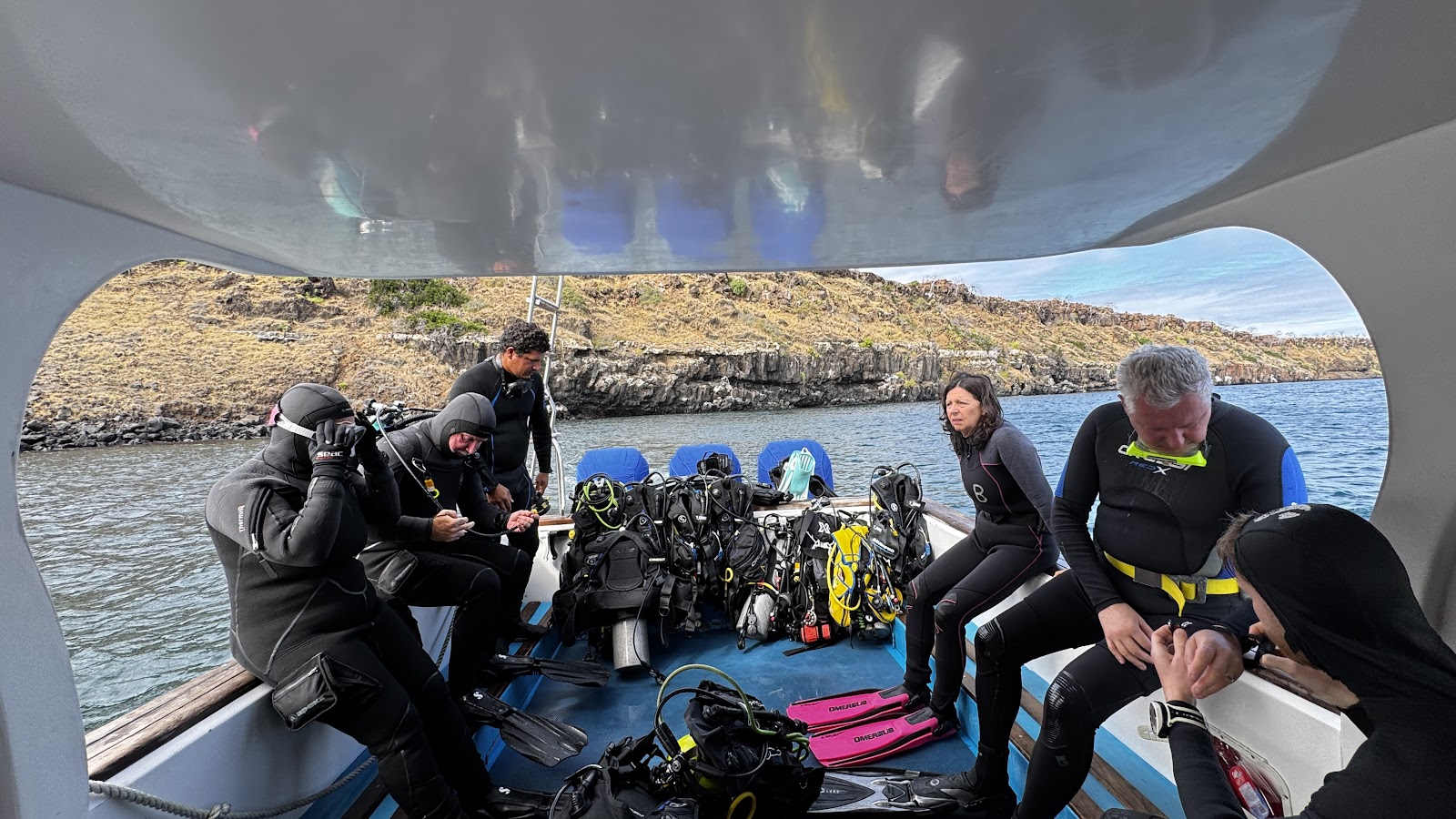
Accessing this premier dive site involves a 40-minute road journey from Puerto Ayora to the Itabaca Channel on Santa Cruz Island, followed by a 20-30 minute boat ride. This remarkable location features three distinct volcanic tuff cones, creating dramatic underwater topography. Most dive tours typically depart early, often around 7:00 am, and include two immersions of 45-55 minutes each. Divers generally make a boat entry before descending into the currents.
Tonight's objective overview for Gordon Rocks shows an air temperature of 25.5°C. The measured surface conditions include wave heights around 1.2 m. This environmental data is logged for the close of the day.
Dive Site Location & Key Facts
Dive Site Overview
Nicknamed 'The Washing Machine', this central Galapagos dive site stands out for its dynamic underwater environment. This designation highlights the significant currents and upwellings that define dives here, designating the site as suitable for intermediate to advanced divers.
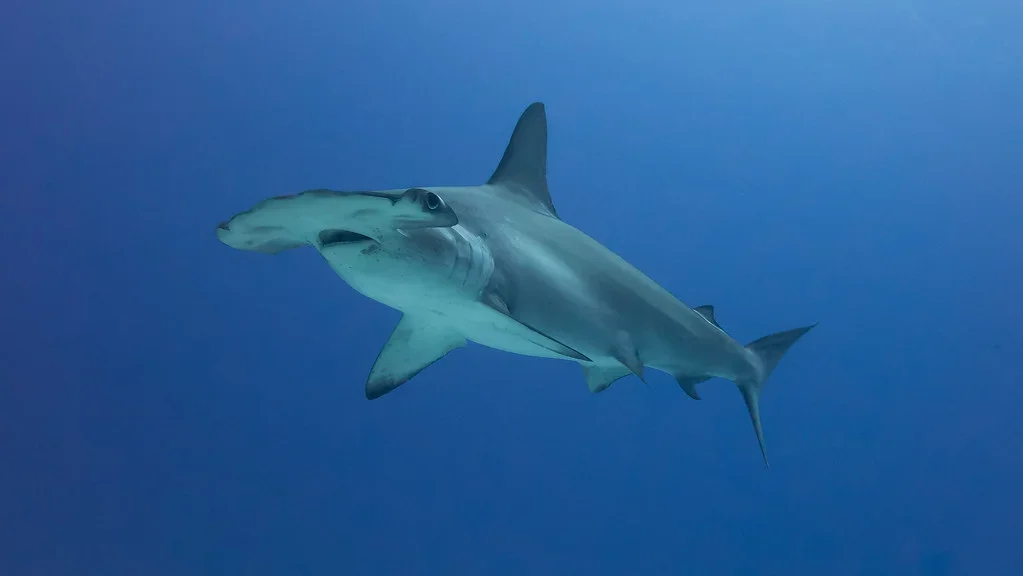
Three eroded volcanic tuff cones characterize the location, shaping a natural formation where powerful deep-sea currents push nutrient-rich waters towards the surface. These sustained hydrodynamic conditions foster an exceptionally thriving ecosystem, attracting a remarkable diversity and quantity of marine creatures. For many, this has become a key destination for encountering large pelagics, most notably impressive schools of Hammerhead Sharks, a primary draw.
Divers here seek active drift dives, with current intensities varying. Though presenting inherent challenges, the consistent marine spectacle makes the effort invaluable for experienced enthusiasts exploring the archipelago.
Furthermore, above the waterline, dramatic vertical cliffs provide nesting sites for various seabirds, including blue-footed boobies and frigate birds, extending the natural allure beyond the depths. Preparing for these conditions is essential, yet the underwater rewards are substantial, making this a pivotal experience.
Conditions are Good
Optimal conditions expected
Current conditions near Gordon Rocks show 25° air, 26° sea temperature, 1.2 m waves, and 37 km/h wind. Forecast data is refreshed regularly to ensure accuracy.
Best Time to Dive
Optimal diving conditions at Gordon Rocks vary throughout the year, primarily influenced by two distinct seasons. From January to May, the warmer season brings average air temperatures ranging from 25°C to 27°C (76.8°F to 80.8°F), with February and March seeing higher rainfall, up to 3.12 mm (0.12 inches). During these months, wave heights are generally lower, averaging around 0.9-1.0 meters (3.0-3.3 ft), and wind speeds are more moderate, around 16-24 km/h (10-15 mph), contributing to a 'Good' dive score. The cooler, dry season, extending from June to December, presents average air temperatures between 22°C and 24.5°C (76°F)to 75.9°F). Rainfall is minimal during this period, often less than 0.2 mm (0.01 inches). However, divers should anticipate stronger winds, peaking around 30.9 km/h (19.2 mph) in August, and higher average wave heights of 1.1-1.2 meters (3.6-3.9 ft). While dive scores are generally 'Good' to 'Moderate' in this season, the colder, nutrient-rich water is reported to attract more abundant and active marine life, making July to October particularly appealing for pelagic encounters. Planning visits from January to May typically offers calmer surface conditions, whereas June to December often promises richer underwater wildlife activity despite choppier waters.
PEAK SEASON SCORE
Scores combine air & water temps, waves, wind & rainfall for overall conditions.
BEST MONTHS TO DIVE
Monthly records compiled from satellite and marine observation nodes over the last 3 years. Data provided by Open-Meteo and MET Norway.
Dive Experience & Conditions
Descending into Gordon Rocks, divers immediately feel the influence of strong ocean currents and potential upwellings, creating a palpable sense of movement underwater. This is a drift dive, requiring confidence in turbulent conditions. Ocean depth typically ranges from 12 m (39 ft) down to 30 m (98 ft), reaching a sandy bottom in deeper sections. Water temperatures fluctuate significantly by season; expect average temperatures of 20-26°C (68-79°F) from January to May, cooling to 16-20°C (61-68°F) between June and December. Visibility can range from reasonable to good, but conditions are always dynamic due to the powerful water movement within the site's unique topography. The interplay of currents and cooler, nutrient-rich water creates a feeling of being in a vibrant, active ecosystem. Navigating these conditions demands good buoyancy control and an attentive approach to the dive leader's guidance.
Dive Difficulty & Safety Guidelines
Approaching Gordon Rocks, divers must recognize it's a site suited exclusively for intermediate to advanced certification levels. Strong currents and surges are consistently present, making proficient buoyancy control and experience in drift diving critical for safety. You must be a certified diver with a minimum of 25 logged dives and have actively dived within the past 12 months.
All groups are accompanied by an official PADI guide, a mandatory safety measure for navigating the dynamic conditions. Dive tours typically include two immersions, lasting roughly 45-55 minutes each.
Always attend the pre-dive briefing carefully; understanding the planned route and emergency procedures is paramount. Constant awareness of your dive buddy and maintaining appropriate depth are essential throughout the dive at this challenging location.
Recommended Equipment
Current and surface separation risk. Local briefing strongly recommended.
- Dive Computer
- DSMB
- Reel / Spool
This gear list is based on verified equipment signals for Gordon Rocks, Ecuador. Always confirm final gear choices with your dive operator, guide, or liveaboard.
Recommended Dive Suit
Subtle variations in currents or depth can sometimes influence perceived water temperature.
2-3mm shorty or light wetsuit tends to perform well in water temperatures like those currently observed here. Consider warmer surface protection (like a boat coat) due to brisk winds. Forecast models show minimal temperature variation in the coming days.
Current temperature readings suggest that the water at Gordon Rocks is around 26°C (79°F). Surface air temperatures are resting at 25°C (78°F).
Emergency & Medical Support
Essential information to help you plan your dive trip to Gordon Rocks.

Hyperbaric chambers are a critical part of dive safety infrastructure. Availability varies significantly by region, and not all dive areas have immediate access.
Before diving, it's recommended to:
- confirm nearest medical facilities
- check emergency procedures with local dive operators
- ensure dive insurance covers evacuation if required
Divers Alert Network
Diving emergency assistance available through DAN World.
+1-919-684-9111- 24/7 emergency hotline
- Diving medical assistance
- Evacuation coordination
Emergency contacts are provided for reference. Always verify local emergency services before diving.
Marine Life at Gordon Rocks
Gordon Rocks truly delivers on its reputation for abundant marine encounters, driven by the nutrient-rich currents. The site is a reliable location for observing large schools of Hammerhead Sharks, particularly during the colder water season from July to October.
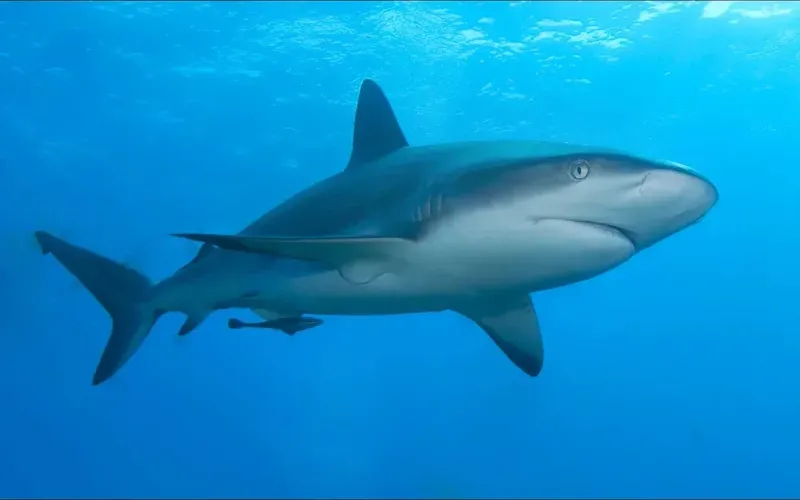
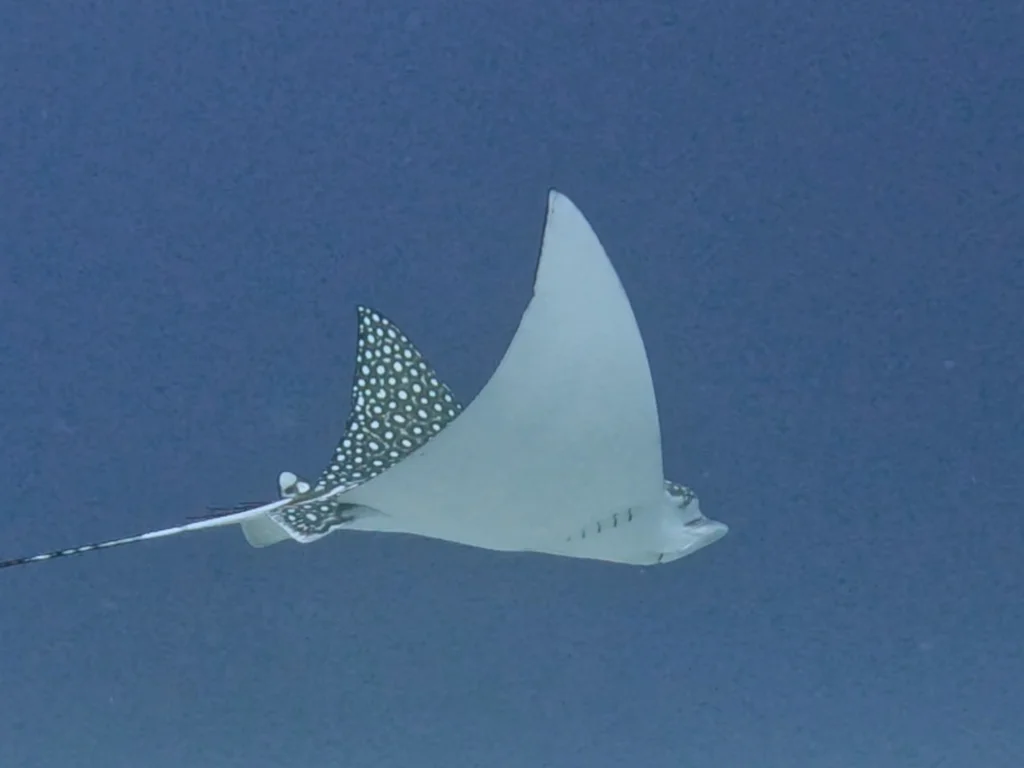
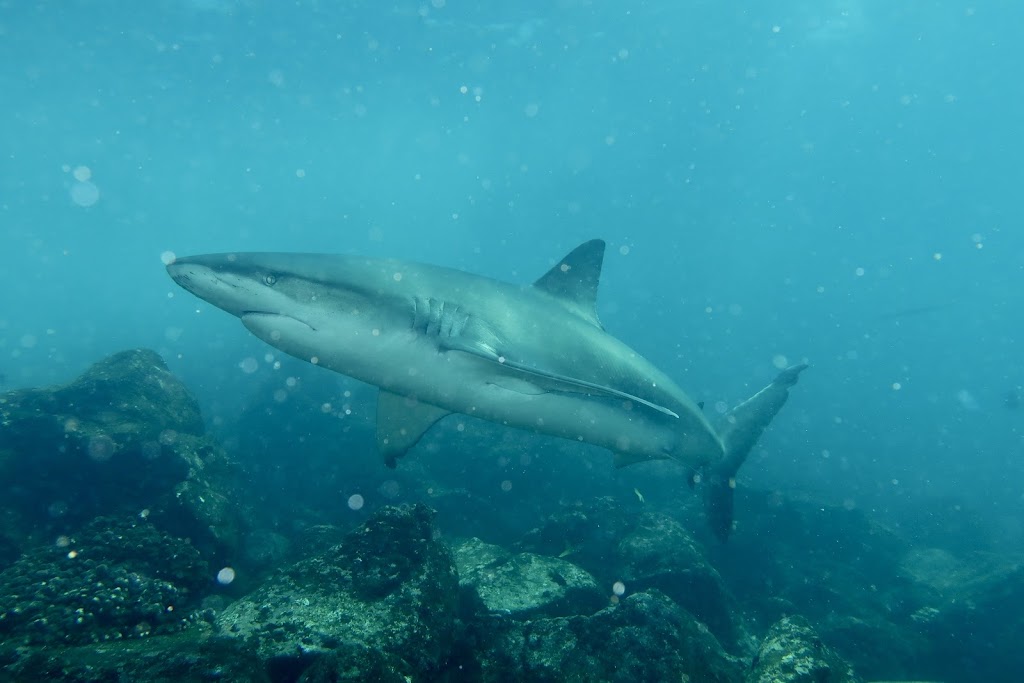
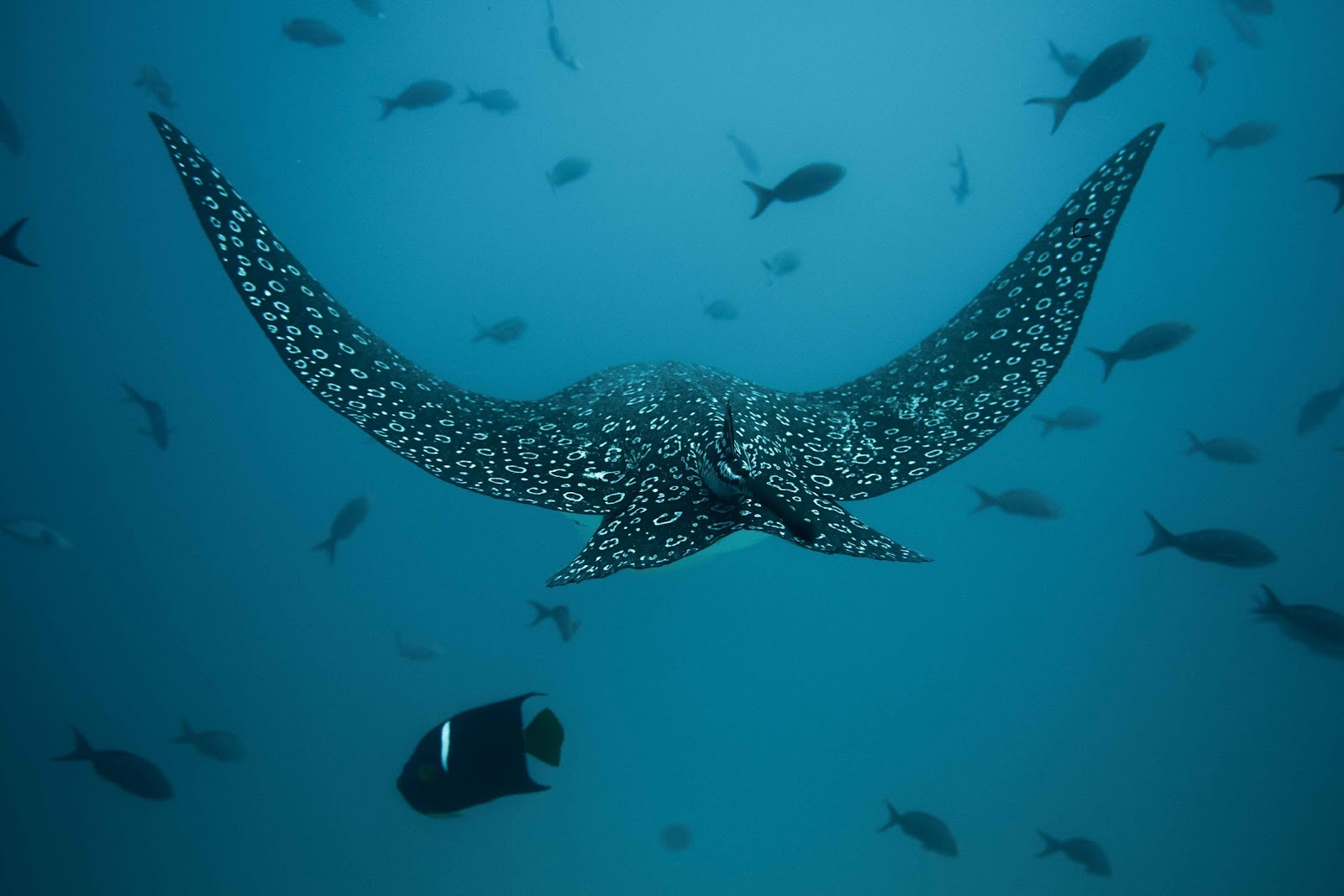
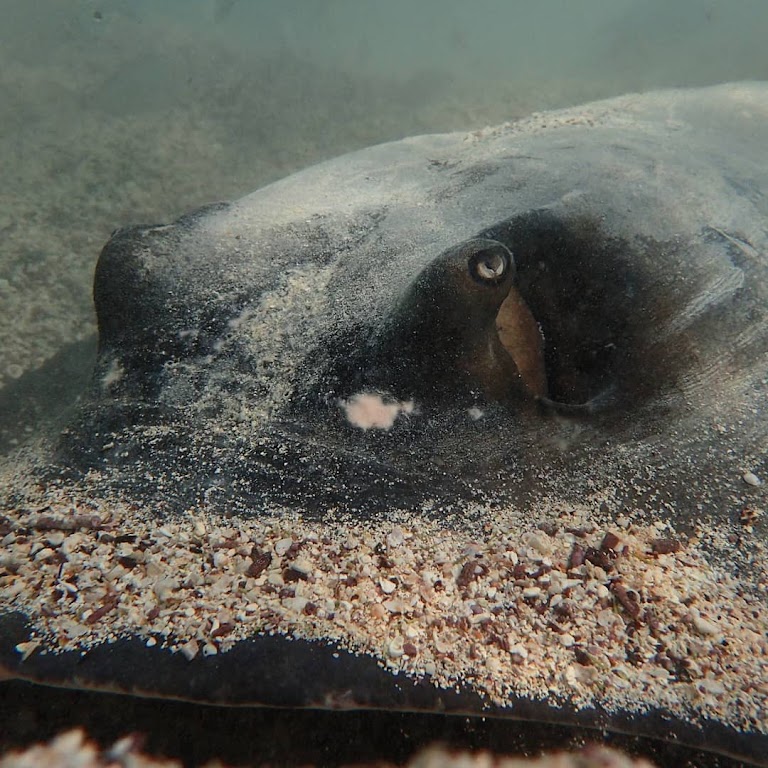
Divers frequently encounter Galapagos sharks, blacktip sharks, and white-tip reef sharks patrolling the area. Green sea turtles are common sightings, as are various rays, including schools of spotted eagle rays and mobula rays.
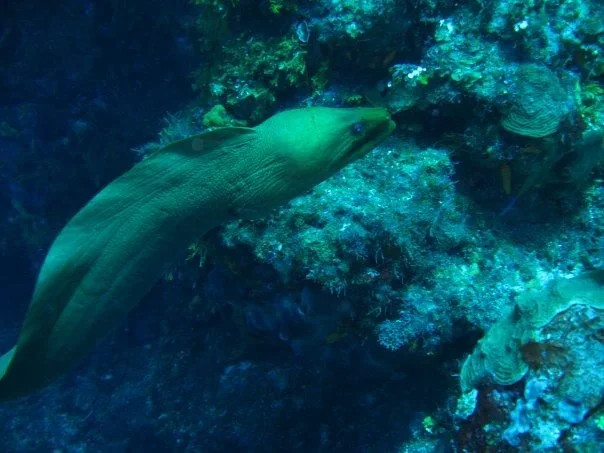
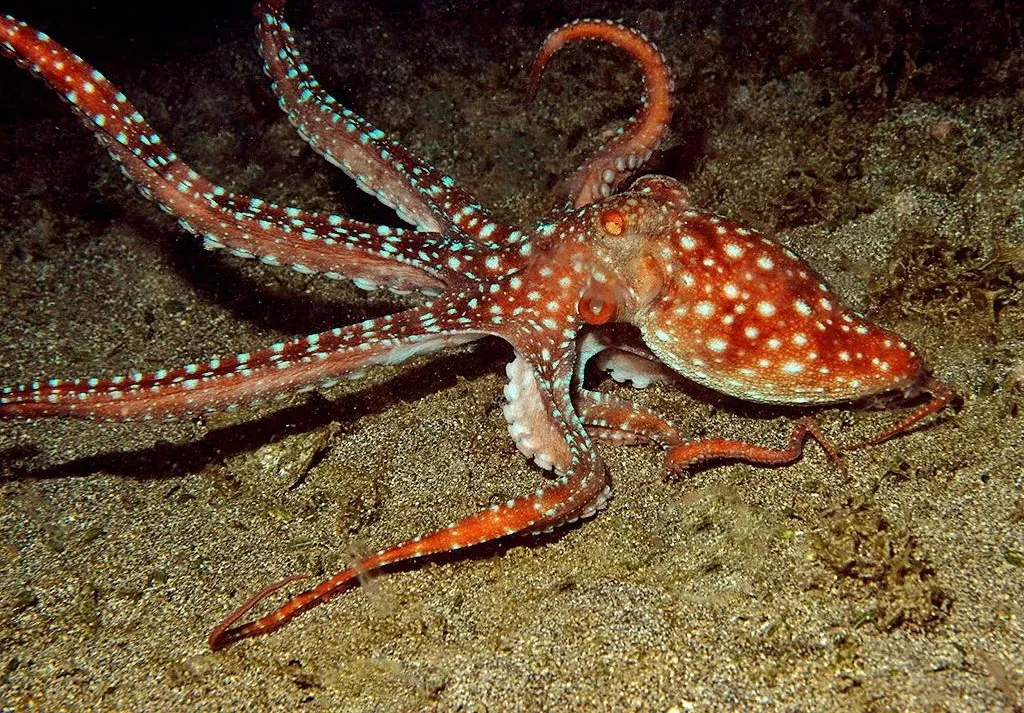
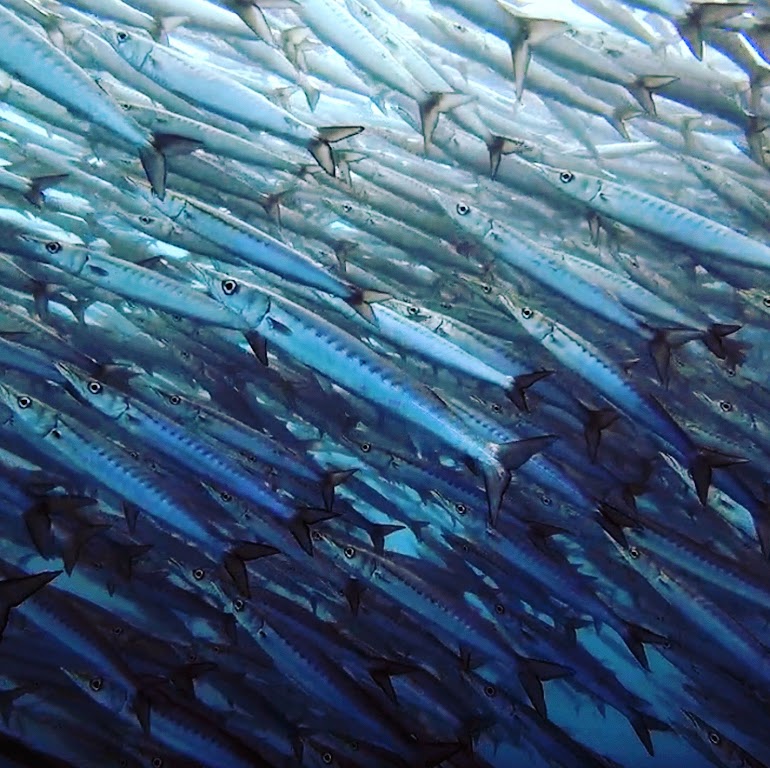
Moray eels often peek from crevices, while schools of barracudas move through the water column. The rocky formations are also home to a colorful array of reef fish like Napoleon wrasse, puffer fish, and king angelfish, adding vibrant detail to the pelagic action. Galapagos sea lions and octopuses can also be observed.
Dive Centers Near Gordon Rocks
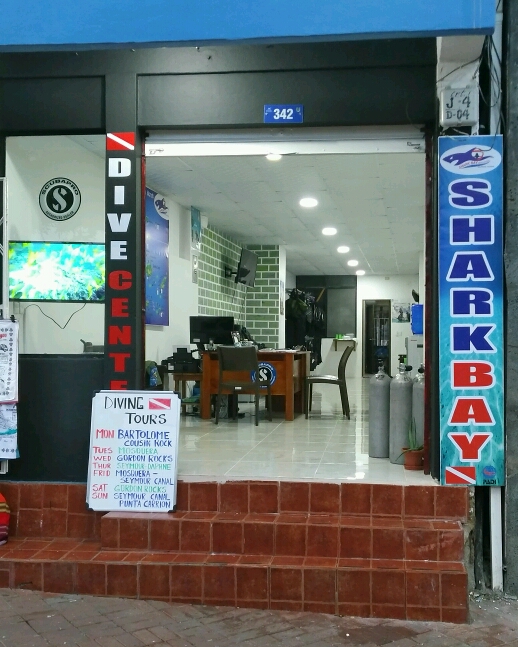
Today: 08:00 - 12:00 • 13:00 - 19:00
Nearest Airports
Nearest airports to help plan travel to this dive area.
Search Flights
Check available flights and routes on Expedia, using the nearby airports listed in this section.
Search Flights on ExpediaFrequently Asked Questions
Why is Gordon Rocks called 'The Washing Machine'?
This nickname stems from the consistently strong currents and upwellings that characterize the dive site. These powerful water movements create turbulent conditions, often resembling a washing machine, making it a challenging yet rewarding dive.
What are the certification requirements for diving at Gordon Rocks?
Divers must be certified at an intermediate or advanced level. A minimum of 25 logged dives is typically required, along with having dived actively within the last 12 months.
What marine life can I expect to see?
The site is well-known for large schools of Hammerhead Sharks, especially during the cold season. You can also anticipate seeing Galapagos sharks, various rays, green sea turtles, barracudas, and diverse reef fish.
How do I get to Gordon Rocks?
Access begins with a 40-minute road journey from Puerto Ayora to Itabaca Channel on Santa Cruz Island. From there, it's a 20-30 minute boat ride to the dive site.
What are the typical water temperatures?
Water temperatures average 20-26°C (68-79°F) from January to May. During the cooler season from June to December, temperatures drop to 16-20°C (61-68°F).
Are dive guides mandatory?
Yes, all dive groups at Gordon Rocks must be accompanied by an official PADI guide for safety reasons. This ensures experienced leadership in navigating the strong currents.
What is the average dive depth and duration?
Dive depths typically range from 12 to 30 meters (39-98 ft), reaching a sandy bottom. Each immersion usually lasts approximately 45-55 minutes.
Planning to dive Gordon Rocks?
Send one inquiry and receive offers directly from the best verified local dive operators.
Conditions are Good
Optimal conditions expected
Current conditions near Gordon Rocks show 25° air, 26° sea temperature, 1.2 m waves, and 37 km/h wind. Forecast data is refreshed regularly to ensure accuracy.