
Diving at Punta Pitt (Ecuador)
Punta Pitt distinguishes itself as the only site in the Galapagos archipelago where all three species of boobies—red-footed, Nazca, and blue-footed—congregate and nest. This unique convergence of avian life above the water provides a captivating backdrop for an underwater world equally rich in diversity. It lies on the northeastern tip of San Cristóbal Island, marking the easternmost point of the entire Galápagos.
Evening condition tracking at Punta Pitt features an air temperature of 25.5°C. We have recorded wave heights measuring 1.3 m during this period. These figures outline the environmental parameters currently present.
Dive Site Location & Key Facts
Dive Site Overview
Punta Pitt offers a rare dual experience, presenting both a vibrant terrestrial spectacle and an engaging underwater environment for certified divers. This site stands out for the distinct geological blend of volcanic rock, sandy bottom, and pockets of coral reef islets.
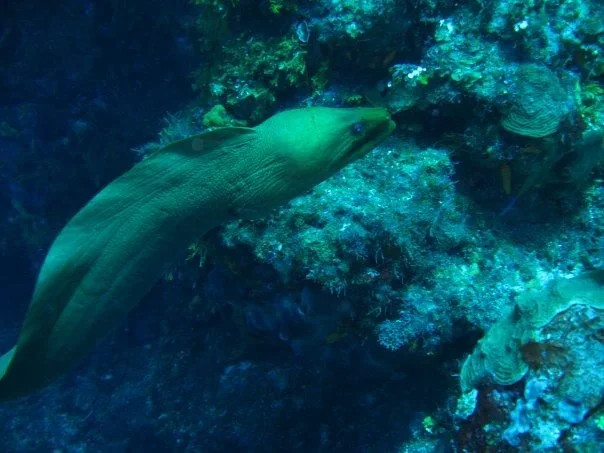
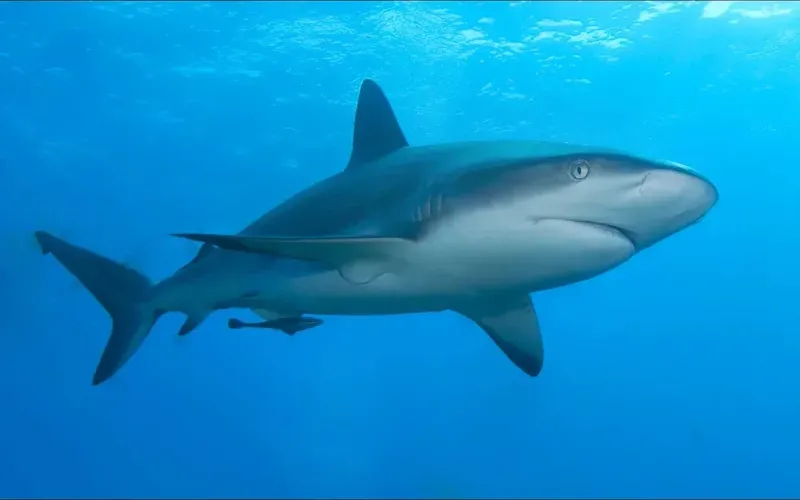
Divers here often explore Bajo Pitt and Islet Pitt, each typically lasting around 45 minutes, with maximum depths generally around 18 m / 59 ft. Underwater encounters commonly include juvenile sea lions, various shark species like white-tip reef and Galapagos sharks, alongside rays such as stingrays and eagle rays. Sea turtles, moray eels, and a wide array of reef fish like yellow-tailed surgeonfish are also frequently observed.
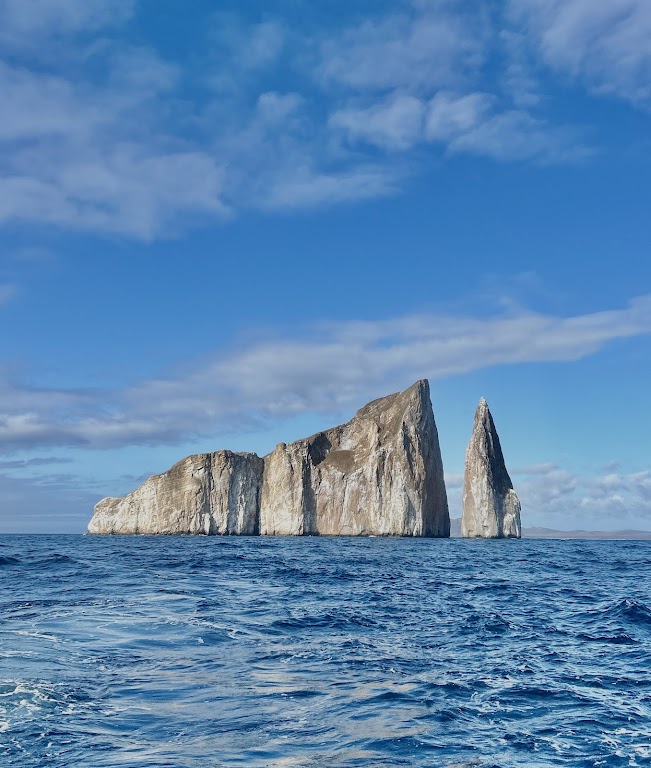
The blend of these marine inhabitants with the overhead presence of three unique booby species creates an immersive, multi-layered natural encounter distinct from other Galápagos locations. It serves as a day trip from San Cristóbal, navigating clockwise along the coastal fringe, providing scenic views of landmarks like Kicker Rock.
Conditions are Good
Optimal conditions expected
Current conditions near Punta Pitt show 26° air, 27° sea temperature, 1.2 m waves, and 29 km/h wind. Forecast data is refreshed regularly to ensure accuracy.
Best Time to Dive
Planning your dive to Punta Pitt aligns with favorable conditions year-round, though specific experiences vary by season. The warmer, rainier months from January to May generally see air temperatures ranging from 25-27°C / 77-81°F, with slightly higher rainfall around 1-3.9 mm per month. This period can bring calmer surface conditions, though wave height is not consistently reported for this season specifically. Conversely, the cooler, drier season from June to December experiences air temperatures between 23-25°C / 73-77°F, with minimal rainfall, typically below 1.7 mm monthly. During these months, winds can be stronger, reaching up to 27 km/h, which may affect surface chop, and wave heights tend to be slightly higher, peaking around 1.4 meters in September. Both periods maintain a "Good" dive score, indicating suitability for diving. For divers prioritizing warmer air and potentially calmer surface conditions, the early months of the year might be slightly preferable.
PEAK SEASON SCORE
Scores combine air & water temps, waves, wind & rainfall for overall conditions.
BEST MONTHS TO DIVE
Monthly records compiled from satellite and marine observation nodes over the last 3 years. Data provided by Open-Meteo and MET Norway.
Dive Experience & Conditions
Dropping into Punta Pitt, divers immediately notice the unique underwater tapestry: a patchwork of volcanic rock, expansive sandy stretches, and smaller coral reef formations. While primary dive depths are typically around 18 m / 59 ft, some areas may extend to approximately 23 meters. Surface swell is often palpable, especially closer to the rocky cliffs, so entry and exit from the boat require attention. Once submerged, currents are typically mild, making navigation manageable for divers. Water is consistently saline. Visibility varies but is generally good, allowing clear views of marine life against the diverse seabed. It's a site that feels dynamic, with the ocean's rhythm subtly influencing the dive, yet remains approachable for a range of skill levels. Expect a vibrant, active environment where marine life thrives amidst distinct geological features.
Dive Difficulty & Safety Guidelines
Divers approaching Punta Pitt should be comfortable with boat entries and exits, as shore dives are not typical here. Given the potential for swell near the rocky cliffs, maintaining good buoyancy control and situational awareness on the surface is important. Currents are generally mild, but divers should always listen to their guide's briefing regarding local conditions on the day.
Staying within the recommended depth limits, generally observed in the shallow to mid-depth range, is crucial for preserving no-decompression limits and observing the site's primary features. Always dive with a certified guide, a standard practice in the Galápagos, and follow all park regulations to protect the delicate ecosystem.
Recommended Equipment
- Dive Computer
- DSMB
This gear list is based on verified equipment signals for Punta Pitt, Ecuador. Always confirm final gear choices with your dive operator, guide, or liveaboard.
Recommended Dive Suit
Thermal protection such as 2-3mm shorty or light wetsuit is commonly used for water temperatures in this range. A hood or vest is suggested for sensitive divers due to surface winds.
Divers planning a dive at Punta Pitt today will likely encounter water temperatures close to 27°C (80°F). Surface air temperatures are resting at 26°C (78°F).
The next few days appear likely to bring similar environmental conditions.
Emergency & Medical Support
Essential information to help you plan your dive trip to PUNTA PITT.

Hyperbaric chambers are a critical part of dive safety infrastructure. Availability varies significantly by region, and not all dive areas have immediate access.
Before diving, it's recommended to:
- confirm nearest medical facilities
- check emergency procedures with local dive operators
- ensure dive insurance covers evacuation if required
Divers Alert Network
Diving emergency assistance available through DAN World.
+1-919-684-9111- 24/7 emergency hotline
- Diving medical assistance
- Evacuation coordination
Emergency contacts are provided for reference. Always verify local emergency services before diving.
Marine Life at Punta Pitt
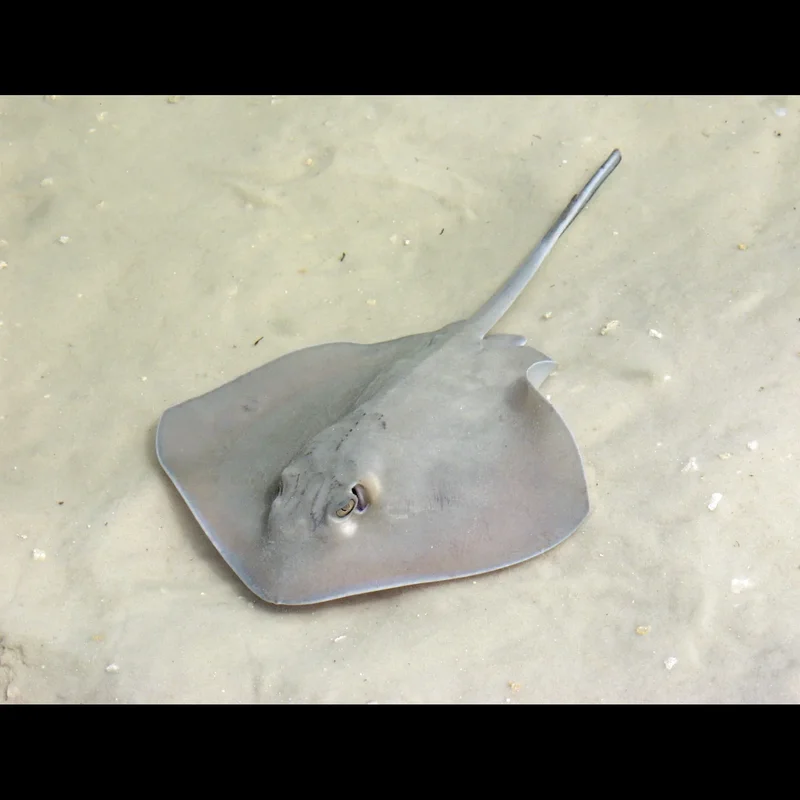
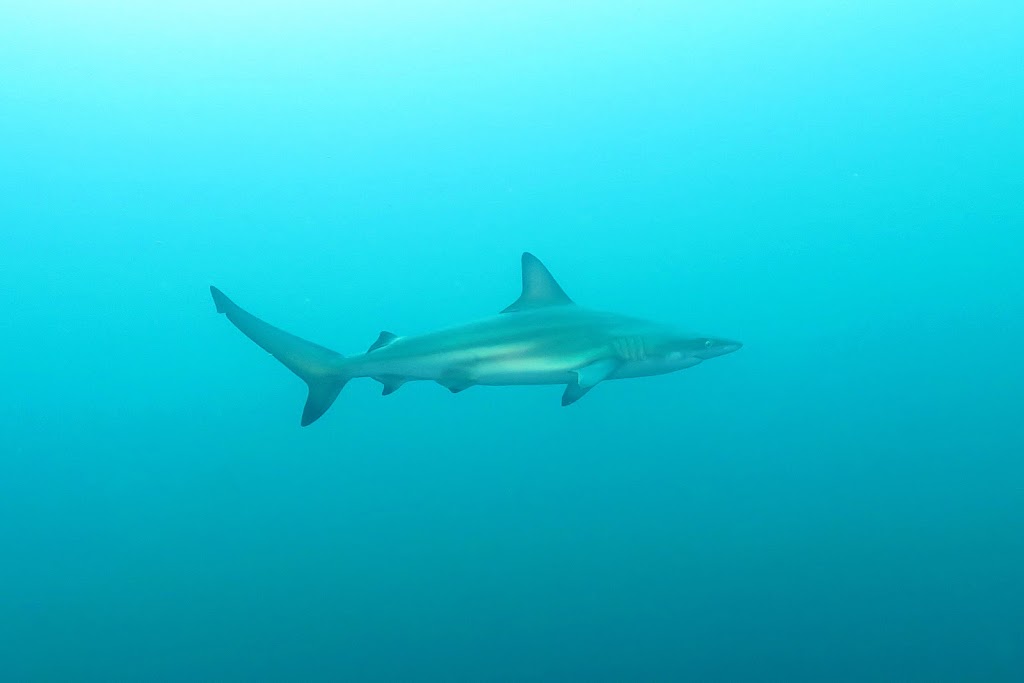
The underwater landscape at Punta Pitt buzzes with life, where the volcanic seafloor and sandy patches serve as habitat for a rich array of species. Encounters with white-tip reef sharks patrolling the bottom are common, often alongside various ray species, including stingrays and eagle rays gliding over the sand.
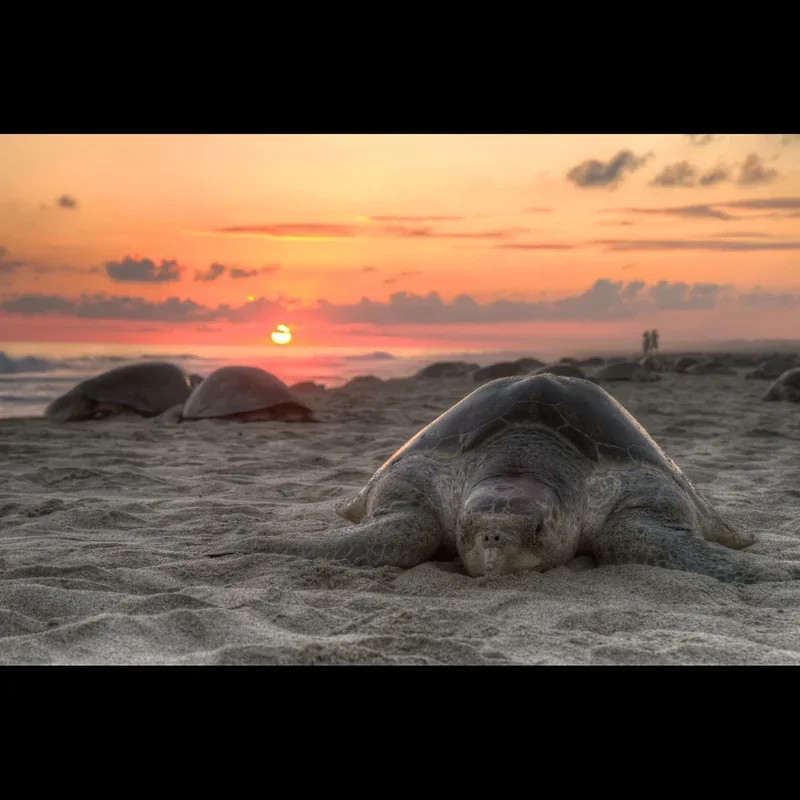
Sea turtles frequently navigate the reef fringes. Juvenile sea lions add a playful element, sometimes interacting with divers.
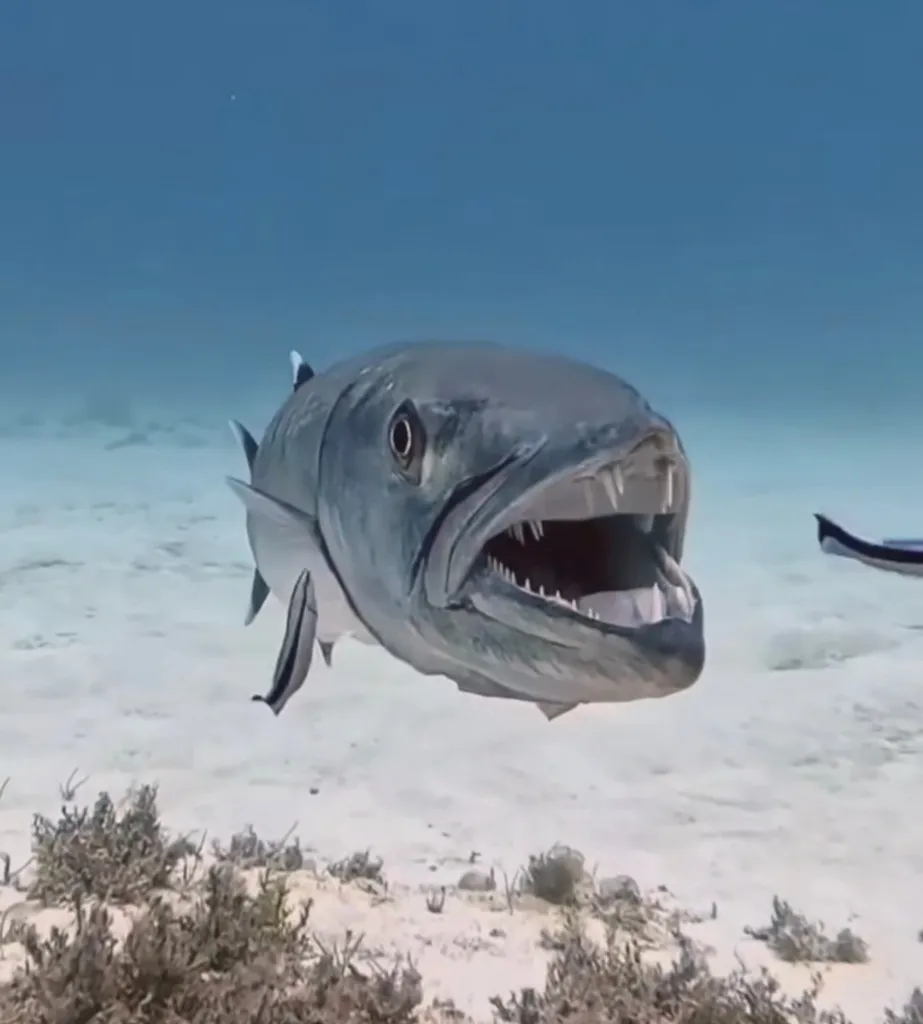
The reef sections host a variety of colorful reef fish like surgeonfish and parrotfish, while barracudas and tuna may cruise through the open water. Moray eels are often spotted within rocky crevices, contributing to the site's active feel.
Dive Centers Near Punta Pitt


Nearest Airports
Nearest airports to help plan travel to this dive area.
Search Flights
Check available flights and routes on Expedia, using the nearby airports listed in this section.
Search Flights on ExpediaFrequently Asked Questions
What is the maximum diving depth at Punta Pitt?
The maximum diving depth at Punta Pitt is typically around 18 meters. While most dives stay within this shallower range, some reports suggest depths up to approximately 23 meters in specific areas.
What kind of marine life can I expect to see?
Divers can expect to encounter various shark species, including white-tip reef and Galapagos sharks, along with stingrays, eagle rays, and sea turtles. Playful juvenile sea lions, moray eels, and diverse reef fish are also common sightings.
Are currents strong at Punta Pitt?
Currents at Punta Pitt are generally described as mild, making it a manageable dive site. However, divers should always check with their guide for the day's specific conditions, as ocean dynamics can vary.
Is Punta Pitt suitable for beginner divers?
Given the generally mild currents and typical maximum depths, Punta Pitt is considered suitable for a range of certified divers. Familiarity with boat entries and exits is beneficial due to potential surface swell.
How do I get to Punta Pitt?
Punta Pitt is usually accessed via a day trip boat tour from San Cristóbal Island. These tours often navigate the coastal fringe, providing scenic views before reaching the dive site.
Are there any specific land excursions associated with diving here?
Yes, day trips to Punta Pitt often include a land excursion after diving. This allows visitors to hike up volcanic tuff formations and observe the unique nesting colonies of red-footed, Nazca, and blue-footed boobies.
Planning to dive Punta Pitt?
Send one inquiry and receive offers directly from the best verified local dive operators.
Conditions are Good
Optimal conditions expected
Current conditions near Punta Pitt show 26° air, 27° sea temperature, 1.2 m waves, and 29 km/h wind. Forecast data is refreshed regularly to ensure accuracy.