
Diving atSand River (Fiji)
To truly appreciate Sand River, divers should approach it with an understanding of its distinct focus. Centered around specific shark feeding protocols, the site provides a dynamic experience rather than a typical reef exploration. Utilizing the provided mooring lines is crucial for positioning, allowing for optimal viewing of the activity. Consider this a prime location for witnessing apex predators up close, an experience unlike standard drift or coral dives.
Early observations for Sand River report a surface air temperature of 23.5°C. The water surface is currently presenting wave heights of 3.3 m. Consider these environmental metrics before beginning your descent.
Dive Site Location & Key Facts
Everything you need to know about this dive site.
Dive Site Overview
Sand River presents a distinct underwater environment, primarily defined by its extensive sandy bottom, stretching from shallower areas to a maximum depth of 18 m (60 ft). Not a traditional coral reef, the site is structured specifically for focused interaction with large marine life.
Mooring lines descend from the surface, guiding divers to fixed ropes. These are positioned at approximately 12 meters, with another set at the deeper 18-meter mark. Ropes offer crucial stable points for observation, essential for managing often variable currents.
Traversing the sandy expanse, divers might notice subtle depressions and a gradual sloping profile, characteristic of a vast 'Sandy Bottom' environment. Where the sand meets more substantial reef structures, a diverse array of smaller fish populations thrives.
Currents within the area often flow with varying intensity, contributing a dynamic element to the experience, especially when large pelagic species are drawn in. Descending here requires appreciating a dive centered on specific wildlife observation, moving beyond broad topographical exploration.
Visual conditions, generally good over the sand, can occasionally be affected by surge or the presence of numerous large animals. It’s a compelling location to witness apex predators within a structured viewing setup, demanding attention to positioning and guide instructions.
Sand River
Conditions are Unsafe
DIVE WARNING
High Swell Advisory. Not recommended.
Current conditions near Sand River show 24° air, 26° sea temperature, 3.5 m waves, and 50 km/h wind. Forecast data is refreshed regularly to ensure accuracy.
Best Time to Dive
Planning a visit to Sand River during Fiji’s drier, cooler months might offer more stable surface conditions, contrasting with the wetter periods. While monthly water temperatures aren't consistently reported for this specific site, Beqa Lagoon, a nearby region, typically sees temperatures between 24-28°C (75-82°F) year-round. Air temperatures at the broader location range from 23.5°C (74°F) in August and September to 27.5°C (82°F) in February, with rainfall generally lowest in October (1.99mm). Dive scores generally sit in the 'Poor' to 'Moderate' range, primarily due to consistent wind speeds often exceeding 30 km/h (18 mph) and wave heights around 2.0-2.7 m (6.5-9 ft). March, with a 'Moderate' dive score, tends to have slightly calmer seas and lower wind speeds compared to the annual average, potentially offering a more comfortable experience.
PEAK SEASON SCORE
Scores combine air & water temps, waves, wind & rainfall for overall conditions.
BEST MONTHS TO DIVE
Monthly records compiled from satellite and marine observation nodes over the last 3 years. Data provided by Open-Meteo and MET Norway.
Dive Experience & Conditions
Upon entering Sand River, divers will typically descend to a maximum depth of around 18 m (60 ft). Fixed lines beneath mooring points, set at 12 m (40 ft) and 18 m (60 ft), distinctively shape the dive experience. Using these lines allows divers to maintain position against potential currents, which can occasionally be of medium strength. Visibility over the sandy bottom tends to be good, though it can vary with oceanic conditions. This setup facilitates observing the primary attraction without constant finning. Divers can expect a relatively straightforward profile, focusing on a specific area rather than extensive reef exploration. Preparing for varying current strengths is wise; guides will provide real-time updates. The site's unique structure, centered on observing marine encounters, defines the overall feeling of the dive, allowing for sustained observation in specific zones.
Dive Difficulty & Safety Guidelines
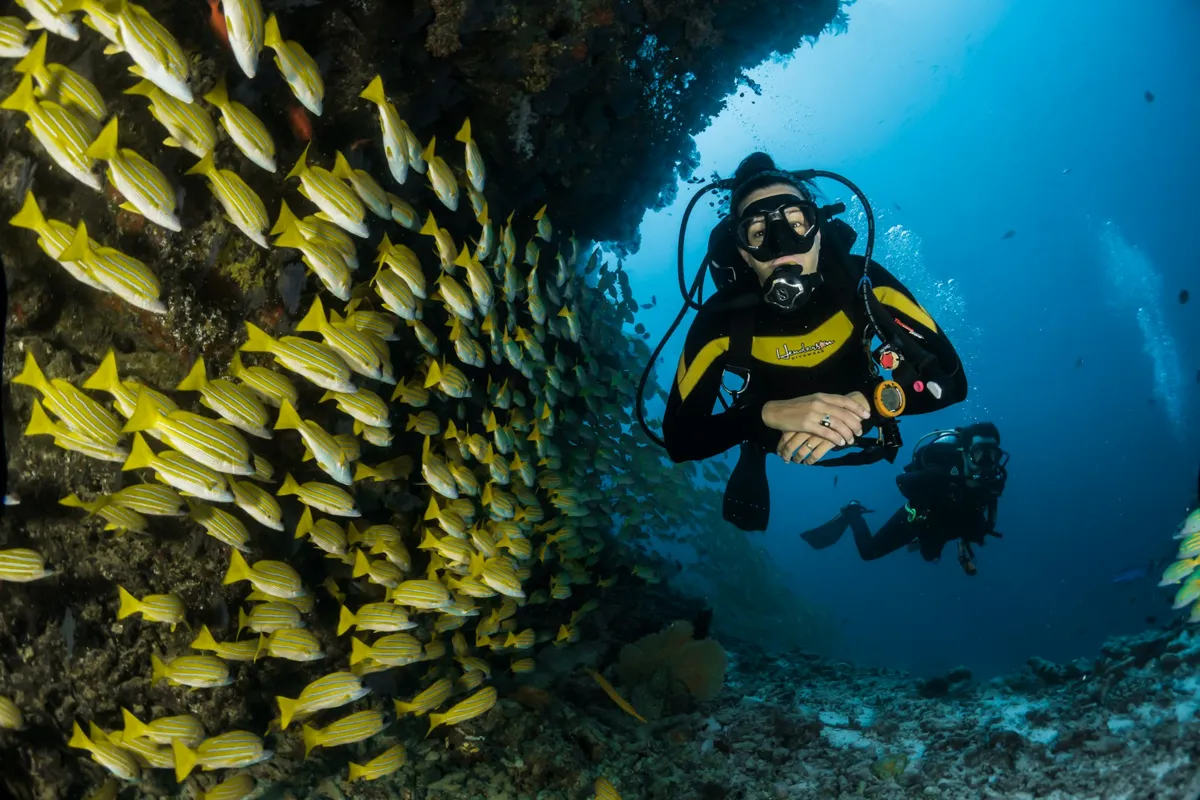
Diving at Sand River, particularly during designated shark feeding activities, requires strict adherence to local safety procedures. Known for 'dangerous wildlife,' the site hosts various shark species, necessitating careful protocols. Utilizing the provided ropes and lines for maintaining position is not merely a suggestion; it's a critical safety measure. Always follow the instructions of dive guides, who are experienced in managing these interactions and the dynamic environment. Such adherence ensures both diver safety and the responsible conduct of wildlife viewing, minimizing any potential risks in this unique setting. Guides will brief divers extensively on positioning and behavior before entering the water, making these briefings essential for a safe experience.
Recommended Equipment
- Dive Computer
This gear list is based on verified equipment signals for Sand River, Fiji. Always confirm final gear choices with your dive operator, guide, or liveaboard.
Recommended Dive Suit
For many recreational divers, 3mm wetsuit provides a practical level of insulation in these conditions. Strong winds are present; please take strong precautions against rapid cooling during surface intervals. Divers who tend to get cold easily may prefer slightly thicker exposure protection.
At the moment, divers exploring Sand River will likely experience water temperatures near 26°C (78°F). Surface air temperatures are resting at 24°C (75°F).
Current forecasts indicate relatively stable conditions for the coming days.
Emergency & Medical Support
Essential information to help you plan your dive trip to Sand River.

Hyperbaric chambers are a critical part of dive safety infrastructure. Availability varies significantly by region, and not all dive areas have immediate access.
Before diving, it's recommended to:
- confirm nearest medical facilities
- check emergency procedures with local dive operators
- ensure dive insurance covers evacuation if required
Divers Alert Network
Diving emergency assistance available through DAN World.
+1-919-684-9111- 24/7 emergency hotline
- Diving medical assistance
- Evacuation coordination
Emergency contacts are provided for reference. Always verify local emergency services before diving.
Marine Life at Sand River
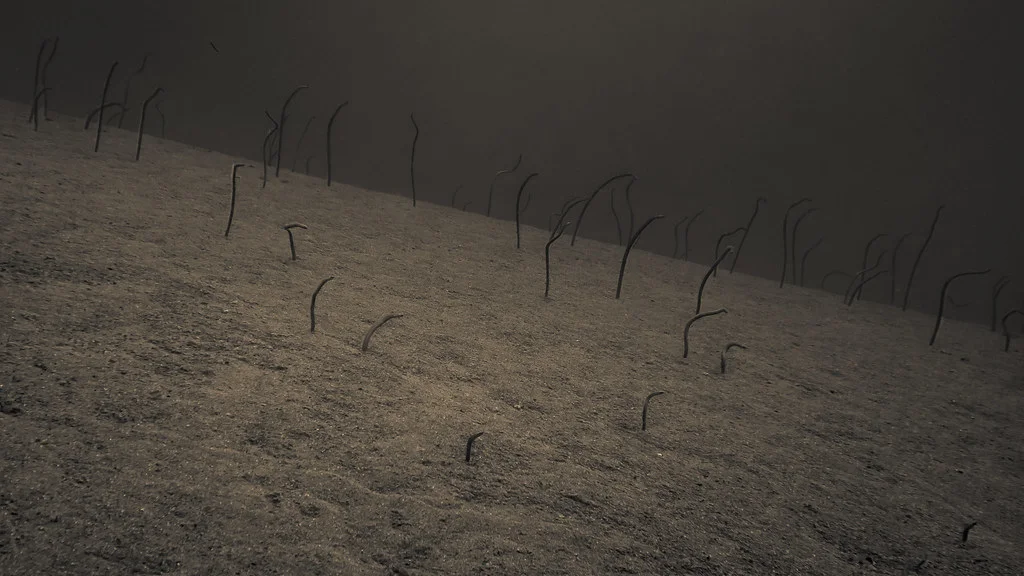
Centering around a significant shark presence, Sand River frequently hosts several species, such as bull, tiger, white tip, black tip, grey reef, tawny nurse, sicklefin lemon, and silvertip sharks. Observing these apex predators actively is a key opportunity here. Beyond the sharks, the surrounding reef areas, particularly those with a sloping reef profile, support schools of somber sweetlips and a variety of colorful small reef fish. Encounters with garden eels emerging from the sandy bottom are also common, adding another dimension to the marine life observations. Expect a dynamic environment focused on pelagic interactions, complemented by the diverse smaller inhabitants of the reef's edge.
Dive Sites Near Sand River
View all dive sites in FijiDiscover more underwater gems in this area.
Dive Centers Near Sand River
No Dive Centers Local To Sand River
Are you a dive center visiting this location? Get listed to reach divers.
Nearest Airports
Nearest airports to help plan travel to this dive area.
Frequently Asked Questions
What is the typical depth range for diving at Sand River?
Diving at Sand River occurs primarily around a maximum depth of 18 meters. Ropes are positioned at roughly 12 meters and 18 meters to assist divers with stability.
Are there strong currents at Sand River?
Currents at Sand River can vary significantly. During certain conditions, moderate currents are present, making use of the provided mooring lines and ropes essential for maintaining position.
What kind of marine life can I expect to see?
Divers primarily visit Sand River for encounters with multiple shark species, potentially including bull, tiger, and grey reef sharks. Additionally, schools of small reef fish, somber sweetlips, and garden eels are commonly observed.
Is Sand River suitable for beginner divers?
While maximum depths remain within recreational limits, the potential for strong currents and the specific procedures for shark interactions suggest prior diving experience is beneficial for this site.
What is the water temperature like in Fiji?
Water temperatures in Fiji, based on nearby Beqa Lagoon data, typically range between 24° to 28°C (75° to 82°F) year-round. These conditions provide generally warm diving experiences.
What safety precautions should be taken when diving with sharks?
Essential safety measures include strictly following local dive operator guidelines and your dive guide's instructions. Utilize the provided ropes to maintain a stable position, ensuring a safe and respectful interaction.
Planning to dive Sand River?
Send one inquiry and receive offers directly from the best verified local dive operators.
Sand River
Conditions are Unsafe
DIVE WARNING
High Swell Advisory. Not recommended.
Current conditions near Sand River show 24° air, 26° sea temperature, 3.5 m waves, and 50 km/h wind. Forecast data is refreshed regularly to ensure accuracy.