
Diving atMatavai Bombie (Fiji)
Matavai Bombie, within Fiji's Great Astrolabe Barrier Reef, frequently experiences dynamic currents. These currents often orchestrate nutrient delivery, influencing the site's vibrant marine activity. Divers navigating its structure should anticipate varied water movement, ranging from gentle flows over shallower sections to stronger pushes along its deeper contours. Understanding these dynamics is key to planning an engaging and safe dive.
Tonight's objective overview for Matavai Bombie shows an air temperature of 22°C. The measured surface conditions include wave heights around 3 m. This environmental data is logged for the close of the day.
Dive Site Location & Key Facts
Everything you need to know about this dive site.
Dive Site Overview
Matavai Bombie, within Fiji's Great Astrolabe Barrier Reef, presents a distinctive cross-section of this expansive underwater ecosystem. This region, recognized as the world's fourth largest barrier reef, hosts a diverse range of underwater topography and significant marine congregations.
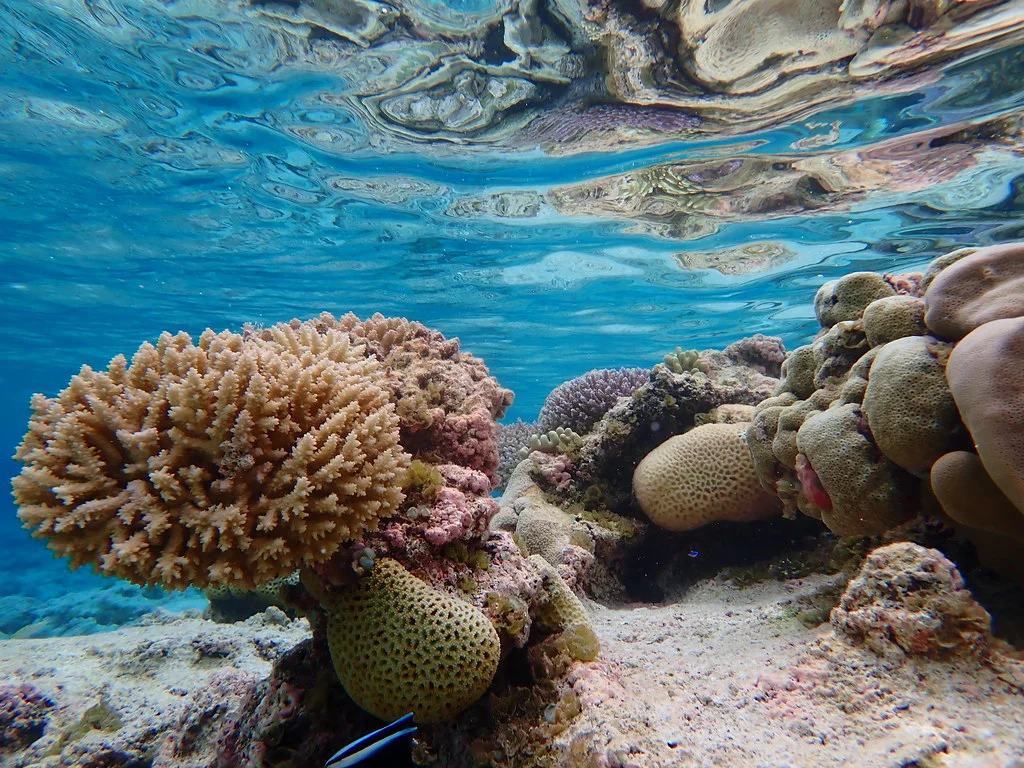
Dive operations serving the area, such as Mad Fish Dive Centre, typically transport divers quickly to these coral-rich environments. Sites here cater to varying experience levels, with depths generally reaching up to 100 m (328 ft), and shallower sections typically around 20 meters. Divers can expect to encounter extensive hard and soft coral structures, alongside plentiful fish life maneuvering among them.
Passes within the reef systems can feature more colorful soft corals, particularly with changing tides. While specific details on Matavai Bombie itself are limited, the surrounding area frequently features submerged reefs and barrier reef walls.
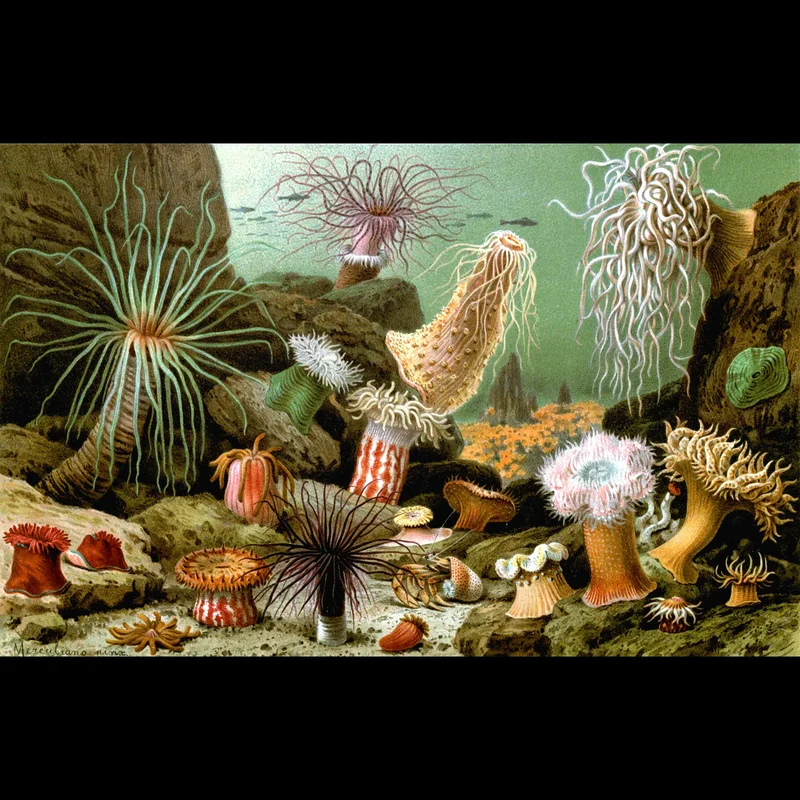
Deeper sections often transition to sandy bottoms or dramatic drop-offs, while shallower areas may reveal vibrant gardens of anemones and clownfish. This interconnected system defines Fiji's largest living organism, supporting an intricate web of life across its diverse habitats.
Matavai Bombie
Conditions are Unsafe
DIVE WARNING
High Swell Advisory. Not recommended.
Current conditions near Matavai Bombie show 22° air, 26° sea temperature, 3.4 m waves, and 51 km/h wind. Forecast data is refreshed regularly to ensure accuracy.
Best Time to Dive
Planning a dive at Matavai Bombie should align with conditions that enhance the underwater experience. Peak diving conditions typically occur during the drier, cooler months from May to October, when air temperatures are usually milder, averaging 23.5-26°C (74-79°F). Rainfall is notably lower during this period, particularly in July and October, which recorded an average of 3.14 mm and 1.99 mm respectively. This contrasts with the wetter months like January and February, where rainfall can reach 11.3 mm and 9.89 mm. Although water temperatures aren't consistently reported in detail, clearer visibility often accompanies lower rainfall and calmer seas. Wind speeds tend to be higher in September and October, around 35 km/h (22 mph), potentially influencing surface conditions and boat transfers. While 'Poor' dive scores are noted for many months in system data, localized conditions around the protected inner barrier reef walls often remain calmer.
PEAK SEASON SCORE
Scores combine air & water temps, waves, wind & rainfall for overall conditions.
BEST MONTHS TO DIVE
Monthly records compiled from satellite and marine observation nodes over the last 3 years. Data provided by Open-Meteo and MET Norway.
Dive Experience & Conditions
Approaching Matavai Bombie, divers can expect a site that accommodates a broad spectrum of skill levels, from beginner to experienced, given the varied dive profiles available within the Great Astrolabe Reef. Conditions can range significantly across different locations. For instance, sites inside the barrier reef typically offer calmer waters, providing a more relaxed entry and descent. However, external excerpts indicate that currents are variable, particularly in passes, though generally navigable. Visibility is reported to vary widely, often ranging from around 20 meters to over 30 meters, though this can fluctuate based on weather and tidal movements. Maximum depths for the region can extend to 100 meters, making some sections suitable for advanced divers seeking deeper exploration. Divers often wade through shallow water to and from the dive boats, adding to the authentic island experience.
Dive Difficulty & Safety Guidelines
Navigating the diverse dive sites near Matavai Bombie requires adherence to established safety practices, particularly considering the variable currents reported across the Great Astrolabe Barrier Reef. Mad Fish Dive Centre, a PADI 5 Star facility, staffs dedicated professionals to guide all levels of divers. They prioritize careful planning for each dive, taking into account site depths, currents, and expected visibility. It's crucial for divers to be proficient in drift diving techniques where currents are present. Since max depths can extend to recreational limits and beyond, proper dive planning, including appropriate gas management and no-decompression limits, is essential. Although no specific hazards were detailed in available data, environmental awareness and maintaining buddy contact are universally advised. Always follow local dive operator briefings; they possess intimate knowledge of real-time conditions.
Recommended Equipment
- Dive Computer
- DSMB
This gear list is based on verified equipment signals for Matavai Bombie, Fiji. Always confirm final gear choices with your dive operator, guide, or liveaboard.
Recommended Dive Suit
Water temperatures at Matavai Bombie are currently estimated to be around 26°C (78°F), shaping the overall diving conditions for today. Surface air temperatures are resting at 22°C (72°F).
Many divers choose 3mm wetsuit when diving in similar conditions. Strong winds are present; please take strong precautions against rapid cooling during surface intervals. Surface intervals may feel cooler.
Surface conditions are expected to warm up slightly in the coming days. A warming trend is expected over the next few days.
Emergency & Medical Support
Essential information to help you plan your dive trip to Matavai Bombie.

Hyperbaric chambers are a critical part of dive safety infrastructure. Availability varies significantly by region, and not all dive areas have immediate access.
Before diving, it's recommended to:
- confirm nearest medical facilities
- check emergency procedures with local dive operators
- ensure dive insurance covers evacuation if required
Divers Alert Network
Diving emergency assistance available through DAN World.
+1-919-684-9111- 24/7 emergency hotline
- Diving medical assistance
- Evacuation coordination
Emergency contacts are provided for reference. Always verify local emergency services before diving.
Marine Life at Matavai Bombie
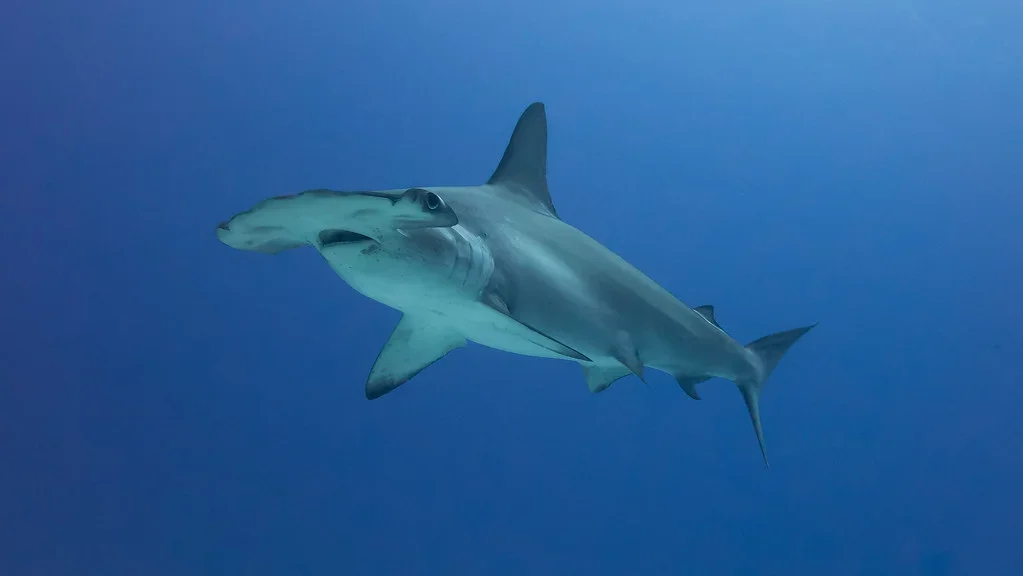
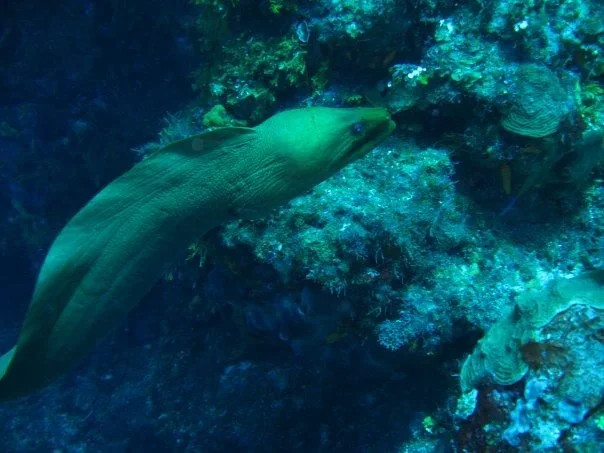
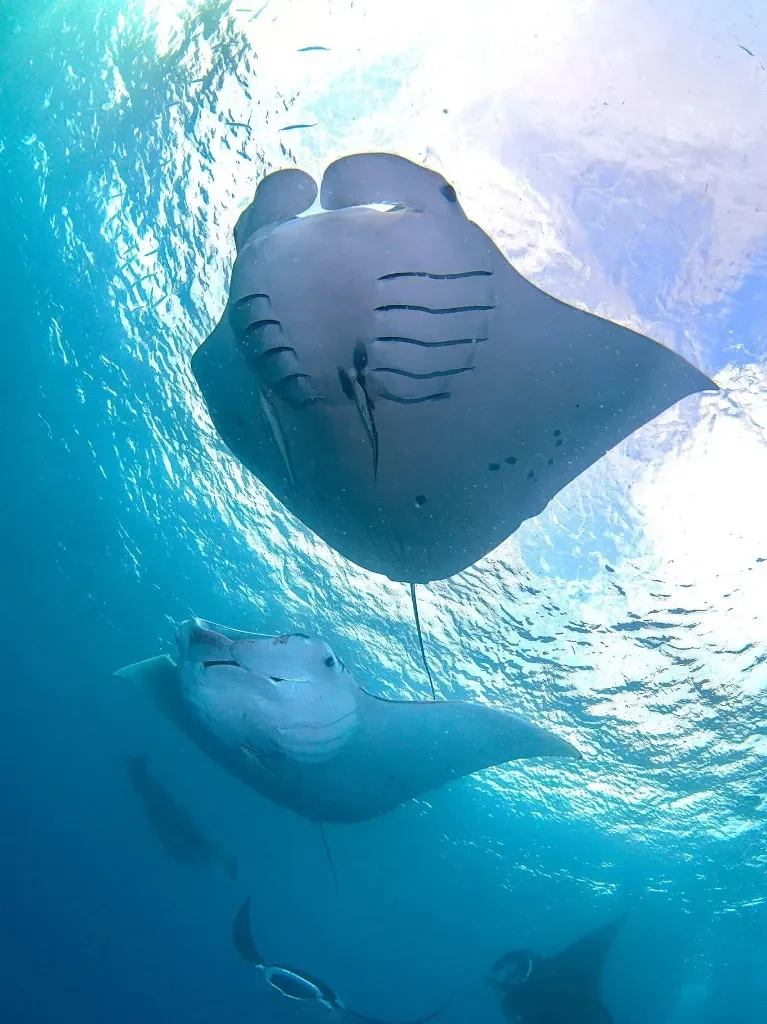
Upon descending into the waters around Matavai Bombie, divers are often immediately struck by the abundant hard coral formations, which provide refuge for countless smaller fish. Exploring further, divers will encounter a dynamic range of creatures. Manta rays, often with wingspans up to 6 m (20 ft), are a significant draw, frequently seen feeding or being cleaned. Schooling fusiliers, surgeonfish, and various mackerel species populate the mid-water. Keep an eye out for larger pelagics such as dogtooth tuna, and occasional sightings of Pacific sailfish or great hammerhead sharks. Moray eels are also present, often hidden within the reef's crevices. Closer to the reef, large patches of clownfish host anemones, alongside brightly colored sweetlips and giant clams.
Dive Sites Near Matavai Bombie
View all dive sites in FijiDiscover more underwater gems in this area.
Dive Centers Near Matavai Bombie
No Dive Centers Local To Matavai Bombie
Are you a dive center visiting this location? Get listed to reach divers.
Nearest Airports
Nearest airports to help plan travel to this dive area.
Frequently Asked Questions
What certification level is recommended for Matavai Bombie?
The dive sites around Matavai Bombie cater to all experience levels, from beginner to experienced. While shallower sections suit newer divers, some areas reach depths requiring advanced certifications. Consult with your dive operator about specific site plans.
Are currents a significant factor at Matavai Bombie?
Currents are variable, especially in reef passes, but they are generally navigable. Dive operators employ experienced guides who are familiar with local water movements to ensure a safe experience for divers.
What is the typical water temperature?
Specific water temperatures for Matavai Bombie are not consistently reported in available data. However, Fiji's waters are generally warm, typically ranging from 22-27 degrees Celsius (72-81 degrees Fahrenheit) seasonally.
What kind of corals can I expect to see?
The Great Astrolabe Barrier Reef, encompassing Matavai Bombie, is rich in both hard and soft corals. You will see extensive hard coral structures, with passes often revealing more vibrant soft corals.
Is it possible to see manta rays at Matavai Bombie?
Yes, manta rays are a highlight of the region. Manta Reef, a nearby signature dive site, is known as a year-round feeding and cleaning station for both resident and pelagic manta populations.
What is the maximum depth commonly explored?
Dive sites within the broader Great Astrolabe Barrier Reef typically range from recreational depths to deeper technical limits. The specific depth for Matavai Bombie depends on the particular dive plan and diver certification.
How is the visibility at this site?
Visibility in the region is generally excellent, often extending beyond 20 meters and, at times, significantly further. It can vary based on weather conditions, tides, and plankton blooms.
What local services are available for divers?
Matava Resort hosts a PADI 5 Star Dive Centre, Mad Fish Dive Centre, which is fully equipped. They offer dive trips, gear rental, certification courses, and have custom-built dive boats.
Planning to dive Matavai Bombie?
Send one inquiry and receive offers directly from the best verified local dive operators.
Matavai Bombie
Conditions are Unsafe
DIVE WARNING
High Swell Advisory. Not recommended.
Current conditions near Matavai Bombie show 22° air, 26° sea temperature, 3.4 m waves, and 51 km/h wind. Forecast data is refreshed regularly to ensure accuracy.