
Diving atCoral Nursery (Fiji)
Navigating Fiji's actively managed underwater ecosystems presents a unique opportunity for divers to witness direct conservation efforts. These coral nurseries, like the notable BULA Reef, address the critical challenge of coral bleaching by cultivating resilient species. Experiencing these sites means engaging with a living laboratory, where dedicated marine biologists work to restore and sustain the vibrant reef environments. It’s an immersive dive into the future of coral preservation in the South Pacific.
Current morning readings from Coral Nursery indicate an air temperature of 23.5°C. Surface wave heights are averaging around 3.2 m at this time. These local measurements provide a baseline for your daily dive planning.
Dive Site Location & Key Facts
Everything you need to know about this dive site.
Dive Site Overview
Imagine descending into a purpose-built marine sanctuary, where coral rehabilitation takes center stage. Fiji's coral nurseries are not merely natural reefs; they are carefully tended sites, such as the prominent BULA Reef, an ambitious undertaking off Malolo Lailai in the Mamanuca Islands.
This particular nursery spells out 'BULA' across a 16 x 45 meter (52 x 148 ft) area, utilizing elevated metal frame platforms to host over a thousand colonies of heat-adapted corals. These resilient corals, rescued from extreme shallow waters that can sometimes reach 36°C (97°F), are nurtured here before being used to establish restoration patches on larger reefs. Diving within these sites typically involves exploring relatively shallow sections, often around 8 meters (26 ft), making them accessible for a range of certification levels.
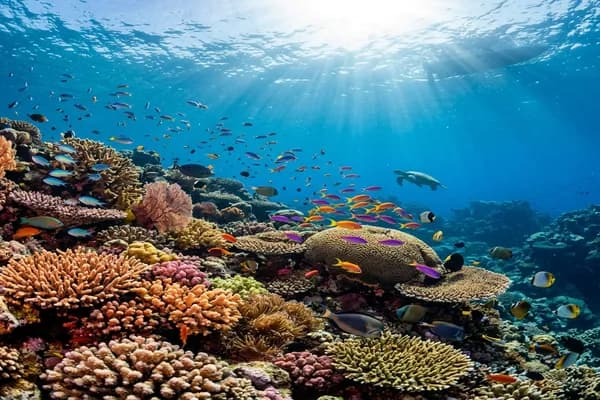
Some areas, like the Coral Gardens near Vomo, extend to a maximum depth of 14 meters, where divers can explore coral gutters, cracks in the limestone substrate, and interesting swim-throughs. It's a structured yet dynamic environment, with a clear focus on the intricate work of coral regeneration.
Coral Nursery
Conditions are Unsafe
DIVE WARNING
High Swell Advisory. Not recommended.
Current conditions near Coral Nursery show 23° air, 26° sea temperature, 3.4 m waves, and 50 km/h wind. Forecast data is refreshed regularly to ensure accuracy.
Best Time to Dive
Optimal underwater visibility in Fiji often correlates with the drier, cooler months from June through October. During this period, air temperatures average between 23-25°C (73-77°F), creating comfortable surface conditions. Rainfall significantly decreases in these months, frequently reaching minimal levels of 3-4 mm in July and August, which generally leads to less runoff and improved water clarity. While wind speeds can remain elevated, often in the 32-35 km/h (20-22 mph) range, contributing to wave heights of 2.4-2.7 meters (8-9 ft), the reduced precipitation still tends to offer a better visual experience below the surface. March and January also show moderate dive scores, with rain averaging around 10-11 mm and air temperatures closer to 27°C (81°F).
PEAK SEASON SCORE
Scores combine air & water temps, waves, wind & rainfall for overall conditions.
BEST MONTHS TO DIVE
Monthly records compiled from satellite and marine observation nodes over the last 3 years. Data provided by Open-Meteo and MET Norway.
Dive Experience & Conditions
Ocean currents play a significant role in the health and placement of Fiji's coral nurseries; the Malolo Lailai area, for instance, experiences converging currents that foster ideal conditions for coral breeding. While some specific coral nursery sites are noted as sheltered with protected mooring lines, indicating calmer environments, divers should be prepared for varying current dynamics at other locations. Water temperature is not consistently reported in system data; however, external reports highlight that some shallow surface layers where corals are sourced can experience extreme heat. Generally, divers can expect typically warm tropical waters. Visibility varies depending on prevailing weather and localized currents, often improving during drier periods. These sites usually feature a recreational depth range, allowing for extended bottom times to observe the intricate coral structures and their associated marine life.
Dive Difficulty & Safety Guidelines
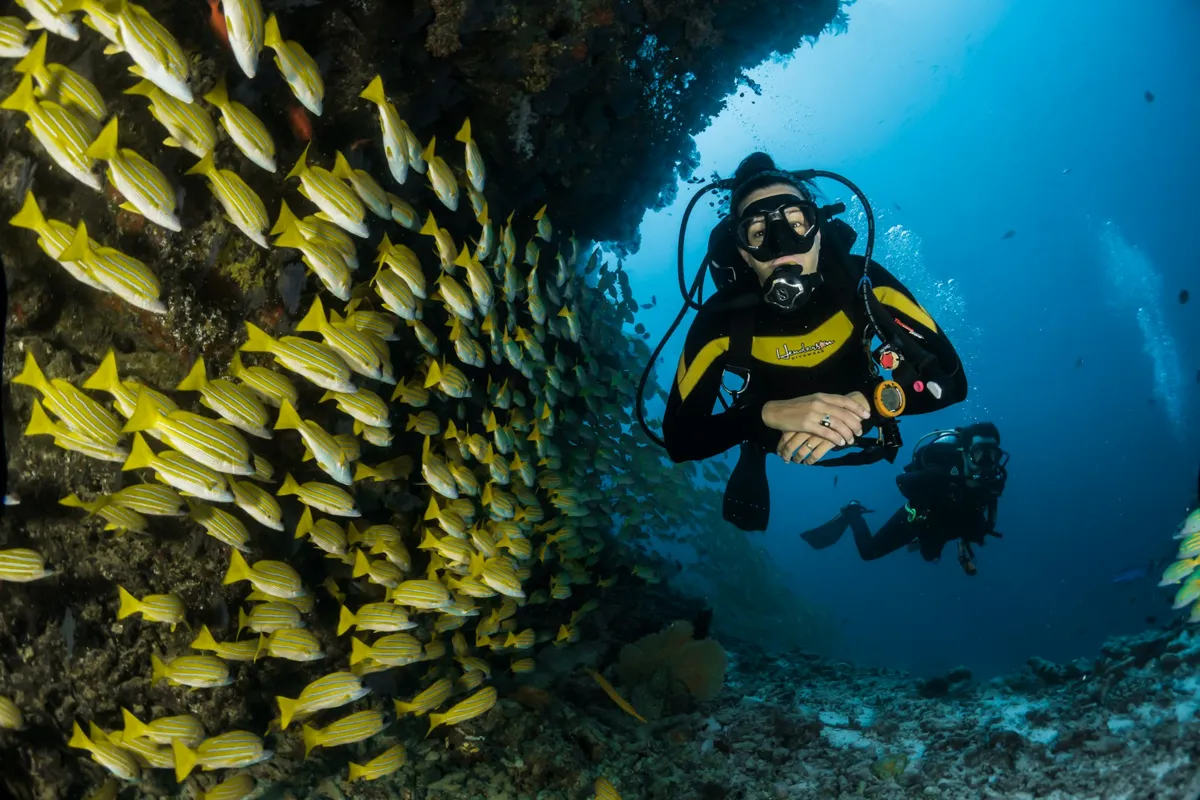
Preserving Fiji's delicate coral nurseries requires conscientious diving practices from all visitors. Maintaining excellent buoyancy control is paramount to avoid accidental contact with the sensitive coral structures, particularly the developing grafts on platforms or the regenerating patches on the reef. Divers must strictly adhere to a 'no touching' policy, as these are active restoration sites vital for the future of Fiji's reefs. It’s advisable to consult with local dive operators for site-specific briefings regarding potential currents and entry/exit procedures, especially if navigating areas with protected mooring lines. Always dive within your certification limits and be mindful of your fin kicks near the reef bottom.
Recommended Equipment
- Dive Computer
This gear list is based on verified equipment signals for Coral Nursery, Fiji. Always confirm final gear choices with your dive operator, guide, or liveaboard.
Recommended Dive Suit
Divers planning deeper dives may feel cooler than those staying in shallower areas.
Many divers find that 3mm wetsuit offers a comfortable balance between warmth and mobility. Strong winds are present; please take strong precautions against rapid cooling during surface intervals. Forecast trends indicate similar diving conditions over the next few days.
Divers heading to Coral Nursery today should expect water temperatures around 26°C (78°F). Surface air temperatures are resting at 23°C (74°F).
Emergency & Medical Support
Essential information to help you plan your dive trip to Coral Nursery.

Hyperbaric chambers are a critical part of dive safety infrastructure. Availability varies significantly by region, and not all dive areas have immediate access.
Before diving, it's recommended to:
- confirm nearest medical facilities
- check emergency procedures with local dive operators
- ensure dive insurance covers evacuation if required
Divers Alert Network
Diving emergency assistance available through DAN World.
+1-919-684-9111- 24/7 emergency hotline
- Diving medical assistance
- Evacuation coordination
Emergency contacts are provided for reference. Always verify local emergency services before diving.
Marine Life at Coral Nursery
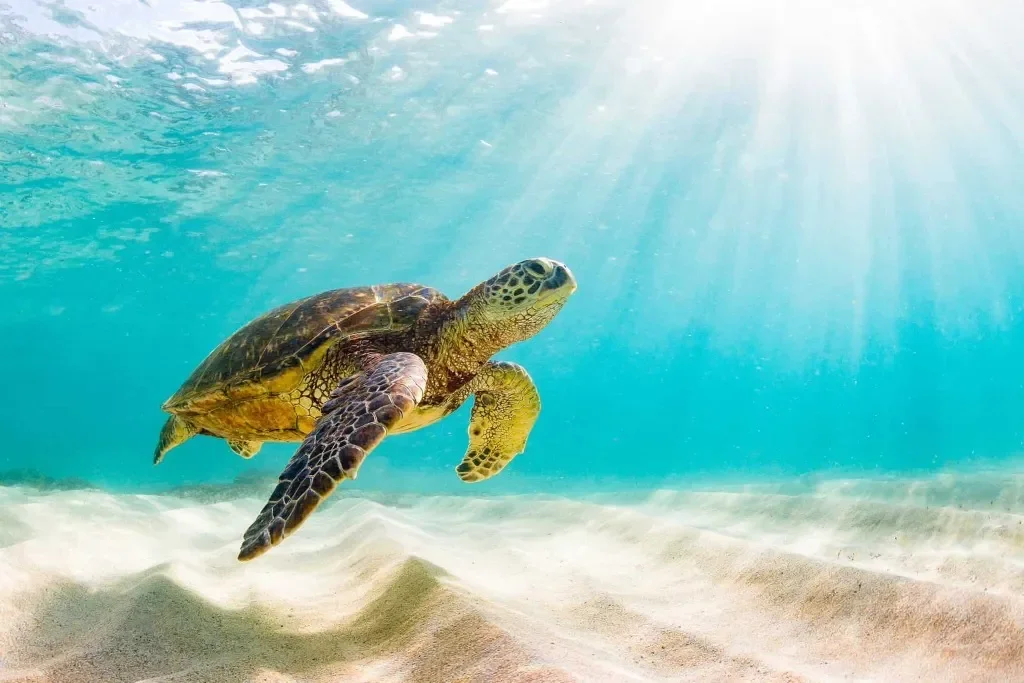
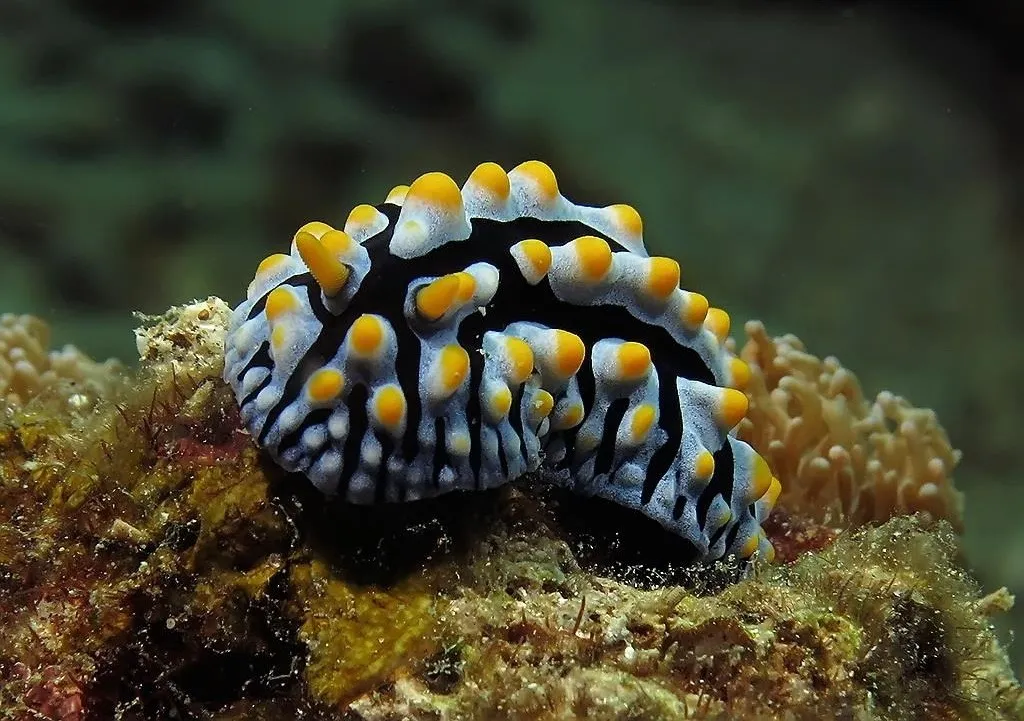
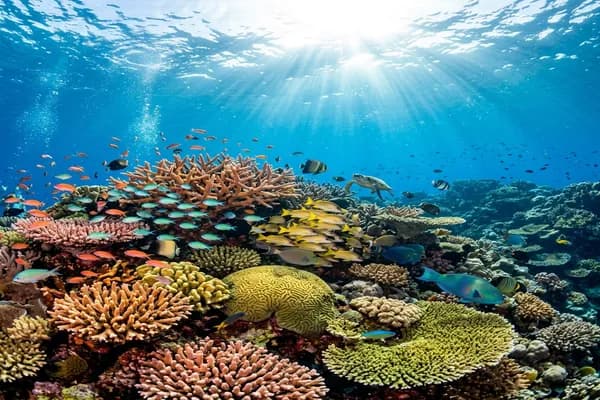
The vibrant ecosystem surrounding Fiji's coral nurseries supports a diverse array of marine inhabitants. Within the regenerating coral gardens, divers often encounter various reef fish species, including damsels and humbugs sheltering within branching staghorn corals. Patches of cabbage and soft corals also provide habitat for numerous smaller creatures. Look closely for a variety of colorful nudibranchs, often found exploring the limestone substrate. Larger residents also frequent these waters; turtles, including both hawksbill and green turtles, are periodically spotted, adding a majestic presence to these crucial restoration sites.
Dive Sites Near Coral Nursery
View all dive sites in FijiDiscover more underwater gems in this area.
Dive Centers Near Coral Nursery
No Dive Centers Local To Coral Nursery
Are you a dive center visiting this location? Get listed to reach divers.
Nearest Airports
Nearest airports to help plan travel to this dive area.
Frequently Asked Questions
What is a coral nursery?
A coral nursery is an underwater garden where damaged or resilient corals are grown and protected. Sites like Fiji's BULA Reef cultivate heat-adapted corals on special structures, preparing them for transplantation to restore degraded natural reefs.
What depths can I expect at Fiji's coral nurseries?
Most coral nursery dives in Fiji fall within standard recreational depth limits. You can typically explore shallower sections, with some sites like Vomo's Coral Gardens reaching a maximum depth of approximately 14 meters. This makes them accessible for various certification levels.
Are there currents at these dive sites?
Currents can be present, and for sites like BULA Reef, converging ocean currents are beneficial for coral growth. While some areas are sheltered with protected mooring lines, divers should always be prepared for varying current conditions and consult local dive guides.
What marine life might I see around the nurseries?
You can expect to see a variety of reef fish, including damsels and humbugs, along with numerous nudibranchs. Turtles, such as hawksbill and green turtles, are also periodically sighted within these rich coral environments.
What's the best time of year to dive Fiji's coral nurseries?
The drier, cooler months from June through October generally offer the best diving conditions, with improved underwater visibility due to less rainfall. Air temperatures are comfortable, averaging 23-25°C (73-77°F) during this period.
Is special training required to dive these sites?
Standard recreational dive certification is usually sufficient for these sites, given their recreational depth range. However, excellent buoyancy control is highly recommended to protect the fragile coral structures and enhance your viewing experience.
How does the 'BULA Reef' nursery contribute to coral conservation?
The 'BULA Reef' nursery actively grows over a thousand colonies of heat-adapted corals on elevated platforms. These resilient corals are then used to create restoration patches on the Great Sea Reef, helping combat widespread bleaching due to warming seas.
Planning to dive Coral Nursery?
Send one inquiry and receive offers directly from the best verified local dive operators.
Coral Nursery
Conditions are Unsafe
DIVE WARNING
High Swell Advisory. Not recommended.
Current conditions near Coral Nursery show 23° air, 26° sea temperature, 3.4 m waves, and 50 km/h wind. Forecast data is refreshed regularly to ensure accuracy.