
Diving at Langholst (Germany)
Preparing for a dive in northern Germany's coastal regions often means adapting to cooler conditions and variable visibility. Dive planning here requires attention to local weather patterns, especially wind and rain, which can influence site accessibility and underwater clarity. Knowing what to expect below the surface ensures a more comfortable and rewarding experience.
Tonight's objective overview for Langholst shows an air temperature of 13°C. The measured surface conditions include wave heights around 0.2 m. This environmental data is logged for the close of the day.
Dive Site Location & Key Facts
Dive Site Overview
German coastal dive sites introduce divers to a distinct underwater environment, particularly along the northern shores. While specific details for Langholst are not consistently reported, local sites often reveal depths staying within recreational limits, occasionally extending to more advanced ranges depending on the precise location and geological features.
Water temperatures in these coastal areas typically remain below 20°C (68°F), even during summer, requiring appropriate thermal protection for comfort and safety. Access to the water often provides gradual entry, common for many accessible coastal locations, leading into shallower and then deeper sections. Underwater topography varies across German waters; divers might encounter expansive sandy bottoms, varied rock formations, or even submerged aquatic vegetation, each supporting different ecosystems.
Visibility patterns, influenced by localized weather events and currents, can still offer clear views on settled days, revealing the region's unique aquatic life.
Conditions are Moderate
Optimal conditions expected
Current conditions near Langholst show 13° air, 17° sea temperature, 0.6 m waves, and 35 km/h wind. Forecast data is refreshed regularly to ensure accuracy.
Best Time to Dive
Considering optimal conditions for clarity, late spring through early autumn often provides the most favorable visibility in many German dive spots. During months like March, April, May, June, August, and September, the dive score is rated 'Excellent'. These periods generally coincide with higher air temperatures, averaging from 6.5°C (44°F) in March to 17.5°C (64°F) in August, which can make surface intervals more comfortable. Rainfall also tends to be lower during these 'Excellent' rated months, ranging from approximately 1.41 mm (0.06 in) in March to 2.83 mm (0.11 in) in August, reducing sediment runoff and potentially improving underwater clarity. Conversely, colder months like January and February still offer 'Good' dive scores but with air temperatures as low as 1.5°C (35°F), requiring robust drysuit protection.
PEAK SEASON SCORE
Scores combine air & water temps, waves, wind & rainfall for overall conditions.
BEST MONTHS TO DIVE
Monthly records compiled from satellite and marine observation nodes over the last 3 years. Data provided by Open-Meteo and MET Norway.
Dive Experience & Conditions
Beginning a descent at a typical German coastal dive site, like those accessible from a beach, often reveals a gradually sloping sandy bottom. The underwater landscape transitions through various depths, presenting divers with different ecological zones. Water conditions, particularly temperature, can be bracing; coastal Baltic waters generally remain below 20°C (68°F), even in peak summer. Divers should anticipate colder temperatures, especially in deeper sections or outside the summer months. Currents, while not always strong, can be present in some areas, particularly near features like the Fehmarnsund Bridge, which offers drift diving opportunities. Visibility varies significantly based on weather, sediment, and location, ranging from limited to potentially clear, providing diverse exploratory conditions.
Dive Difficulty & Safety Guidelines
Approaching German dive sites requires a careful assessment of conditions, especially concerning cold water and potentially variable visibility. Divers planning to explore these waters should be prepared for temperatures that often stay below 20°C (68°F) throughout the year. Localized currents may also be encountered, particularly in coastal areas or near geographical features, necessitating good buoyancy control and navigation skills.
Always consult local dive operators for the most current information on site-specific hazards and entry/exit points. Maintaining situational awareness and diving within personal training limits are essential for safety in these temperate conditions.
Recommended Equipment
- Dive Computer
This gear list is based on verified equipment signals for Langholst, Germany. Always confirm final gear choices with your dive operator, guide, or liveaboard.
Recommended Dive Suit
Comfort levels can also depend on how active a diver is during the dive.
The water around Langholst is currently holding at approximately 17°C (63°F), setting the tone for today's dives. Surface air temperatures are resting at 13°C (55°F). When water temperatures fall within this range, many divers dive comfortably with 5-7mm wetsuit. A hood or vest is suggested for sensitive divers due to surface winds. A thermal robe or jacket is recommended between dives.
A warming trend is expected over the next few days. A warming trend is expected over the next few days.
Due to technical issues with our weather providers, live updates are temporarily delayed. The data above reflects the conditions at the time of the last successful fetch.
Emergency & Medical Support
Essential information to help you plan your dive trip to Langholst.

Hyperbaric chambers are a critical part of dive safety infrastructure. Availability varies significantly by region, and not all dive areas have immediate access.
Before diving, it's recommended to:
- confirm nearest medical facilities
- check emergency procedures with local dive operators
- ensure dive insurance covers evacuation if required
Divers Alert Network
Diving emergency assistance available through DAN Europe.
+39 0642115685- 24/7 emergency hotline
- Diving medical assistance
- Evacuation coordination
Emergency contacts are provided for reference. Always verify local emergency services before diving.
Closest Listed Hyperbaric Chambers
Showing listed hyperbaric chamber facilities within 200 km of this dive site.
Distances are approximate straight-line distances and may not reflect emergency travel time.
Schiffahrtmedizinisches Institut der Marine Druckkammeranlage Hydra 2000
Kronshagen/ Kiel, Germany•Approx. 20 km straight-line
Schiffahrtmedizinisches Institut der Marine Druckkammeranlage Hydra 2000
Information is provided for reference and planning purposes only. Dive Navigator does not verify operational status, staffing, availability, or quality of care at listed facilities. In an emergency, contact local emergency services, DAN, your dive operator, or the chamber directly. Do not travel to a facility without calling ahead.
Zentrum für Hyperbarmedizin Hamburg
Hamburg, Germany•Approx. 106 km straight-line
Zentrum für Hyperbarmedizin Hamburg
Information is provided for reference and planning purposes only. Dive Navigator does not verify operational status, staffing, availability, or quality of care at listed facilities. In an emergency, contact local emergency services, DAN, your dive operator, or the chamber directly. Do not travel to a facility without calling ahead.
Information is provided for reference and planning purposes only. Dive Navigator does not verify operational status, staffing, availability, or quality of care at listed facilities. In an emergency, contact local emergency services, DAN, your dive operator, or the chamber directly. Do not travel to a facility without calling ahead.
Marine Life at Langholst
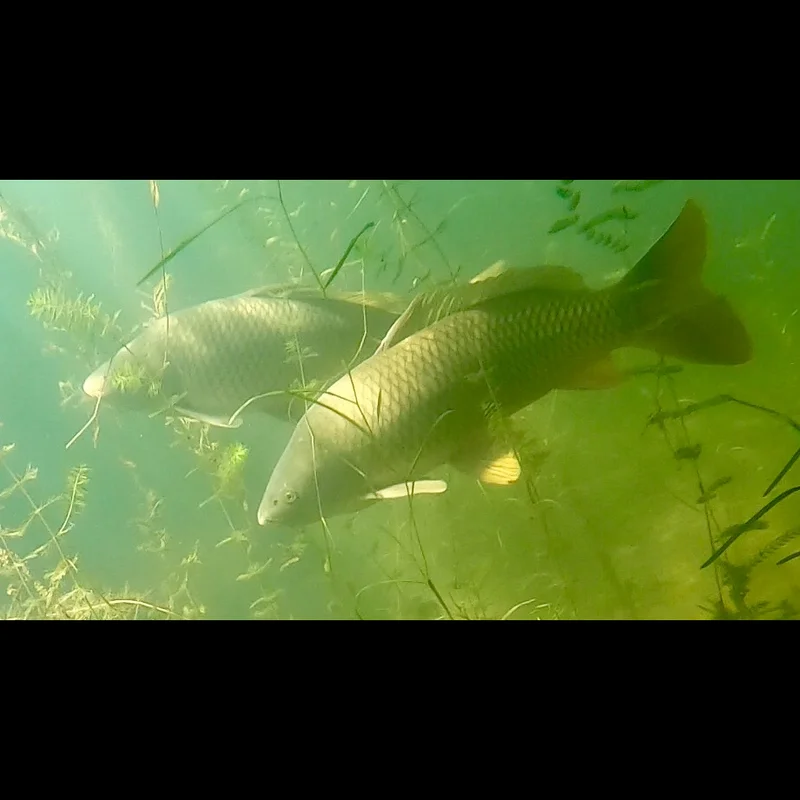
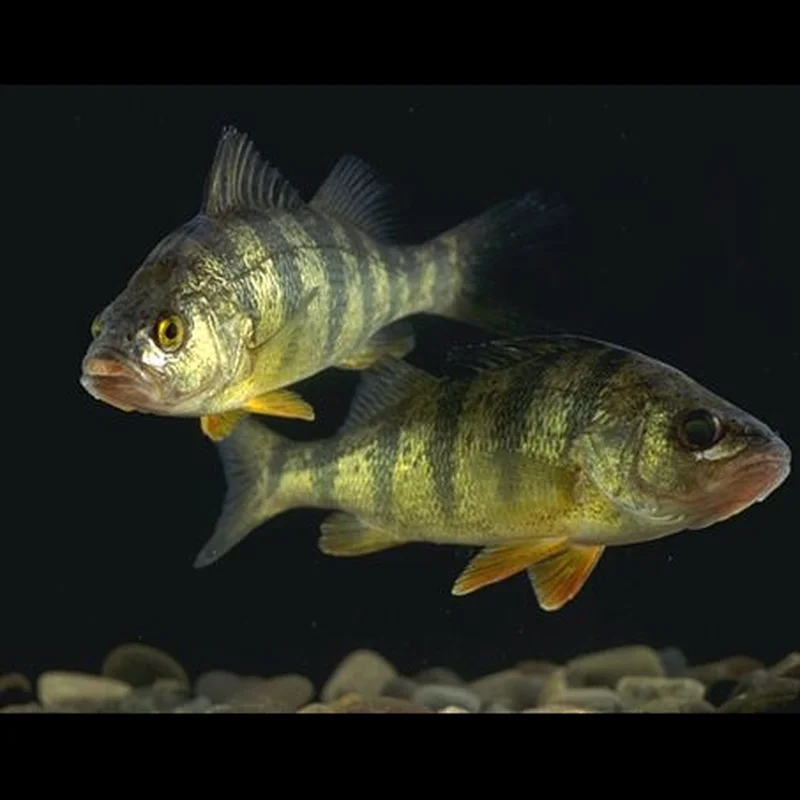
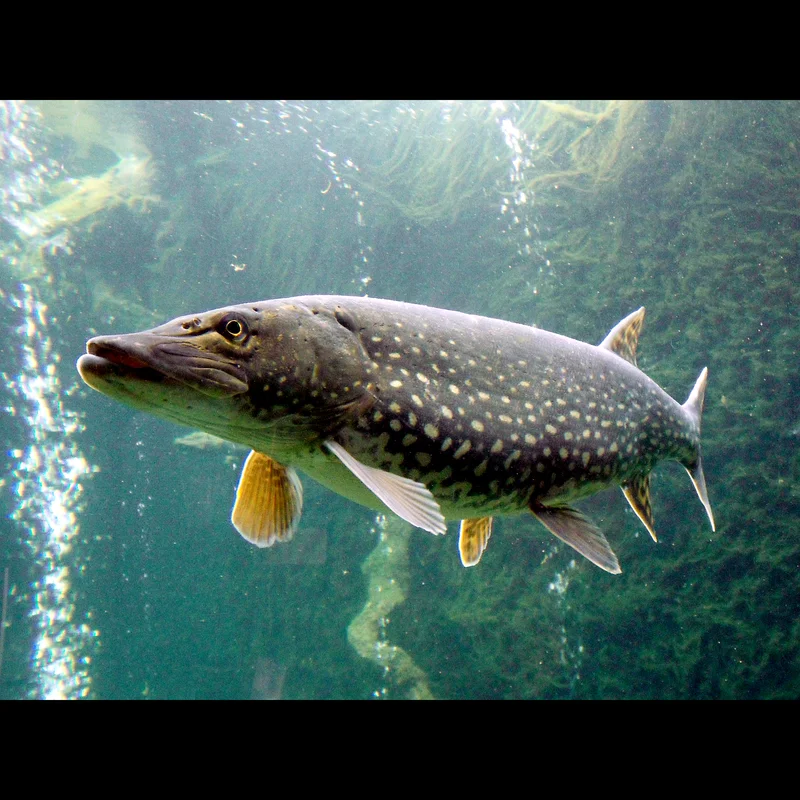
Navigating the underwater landscape of German dive sites reveals an ecosystem adapted to cooler, temperate conditions. While specific details for Langholst aren't available, general observations in German waters include species like pike, char, and perch inhabiting lakes, or various fish species in coastal areas.
Baltic Sea locations, for instance, support extensive mussel beds, lush seagrass meadows, and stone fields that provide shelter and foraging grounds for local marine inhabitants. Divers might observe larger fish, such as carp, pike, and even sturgeon, particularly in freshwater quarry ponds.
Exploring these areas offers glimpses of aquatic life making its home among the varied underwater terrain.

Dive Centers Near Langholst
Nearest Airports
Nearest airports to help plan travel to this dive area.
Search Flights
Check available flights and routes on Expedia, using the nearby airports listed in this section.
Search Flights on ExpediaFrequently Asked Questions
What kind of dive sites are common in Germany?
German dive sites include a diverse range of locations, such as numerous lake dives, coastal beach dives, and many wreck dives. Quarry ponds and even flooded mines also offer unique underwater experiences.
What are the typical water temperatures in German coastal areas?
Coastal German waters, particularly in the Baltic Sea, usually remain below 20°C (68°F), even during the summer months. Divers should prepare for cold water conditions throughout the year.
Is visibility generally good in German dive sites?
Visibility varies depending on the specific site and current conditions. While some sites like the Kreidesee in Hemmor offer excellent clarity of over 24 m (80 ft), others, especially in the Baltic Sea, can experience limited visibility, sometimes affected by currents and weather.
Are there many wreck diving opportunities in Germany?
Yes, Germany offers significant wreck diving. The Baltic Sea alone is estimated to hold thousands of wrecks, with many accessible at recreational depths, including historical tall ships and World War II vessels.
What marine life can be seen when diving in Germany?
Marine life varies between freshwater and coastal sites. Lakes might feature pike, char, and perch. Coastal areas often have mussel beds and seagrass meadows, supporting various fish species. Quarry ponds can be home to carp, perch, pike, and sturgeon.
What is the best time of year to dive in Germany?
Many consider late spring to early autumn the best time to dive due to higher air temperatures and generally better visibility. Months from March through September typically offer 'Excellent' dive scores due to more favorable weather patterns.
Planning to dive Langholst?
Send one inquiry and receive offers directly from the best verified local dive operators.
Conditions are Moderate
Optimal conditions expected
Current conditions near Langholst show 13° air, 17° sea temperature, 0.6 m waves, and 35 km/h wind. Forecast data is refreshed regularly to ensure accuracy.