
Diving at Singliser See (Germany)
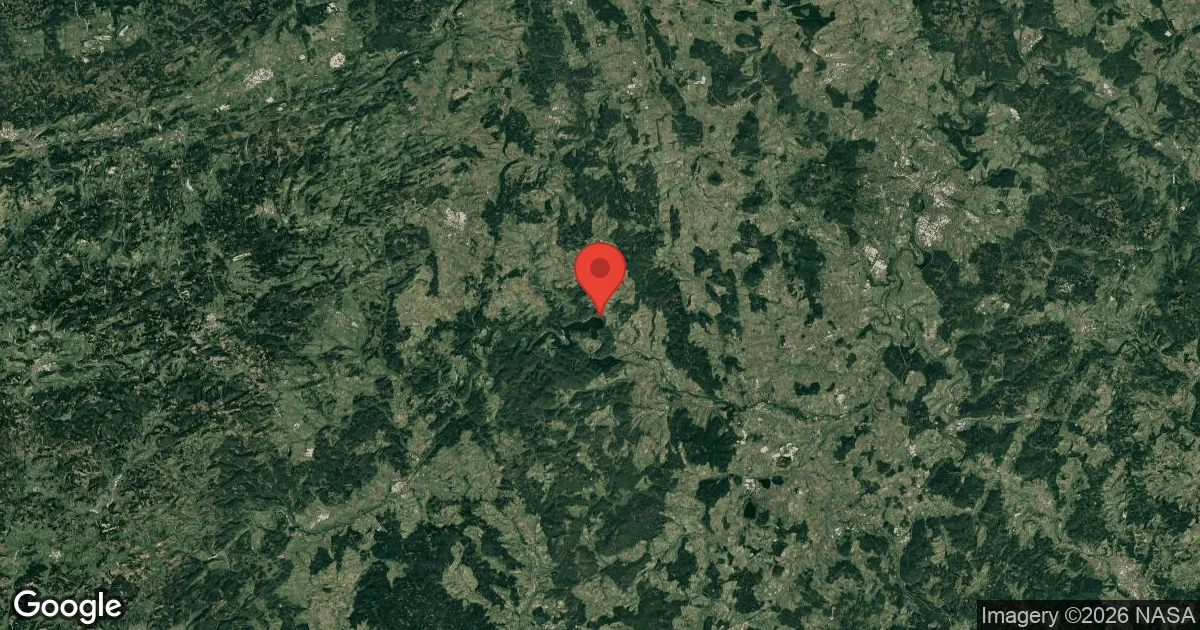
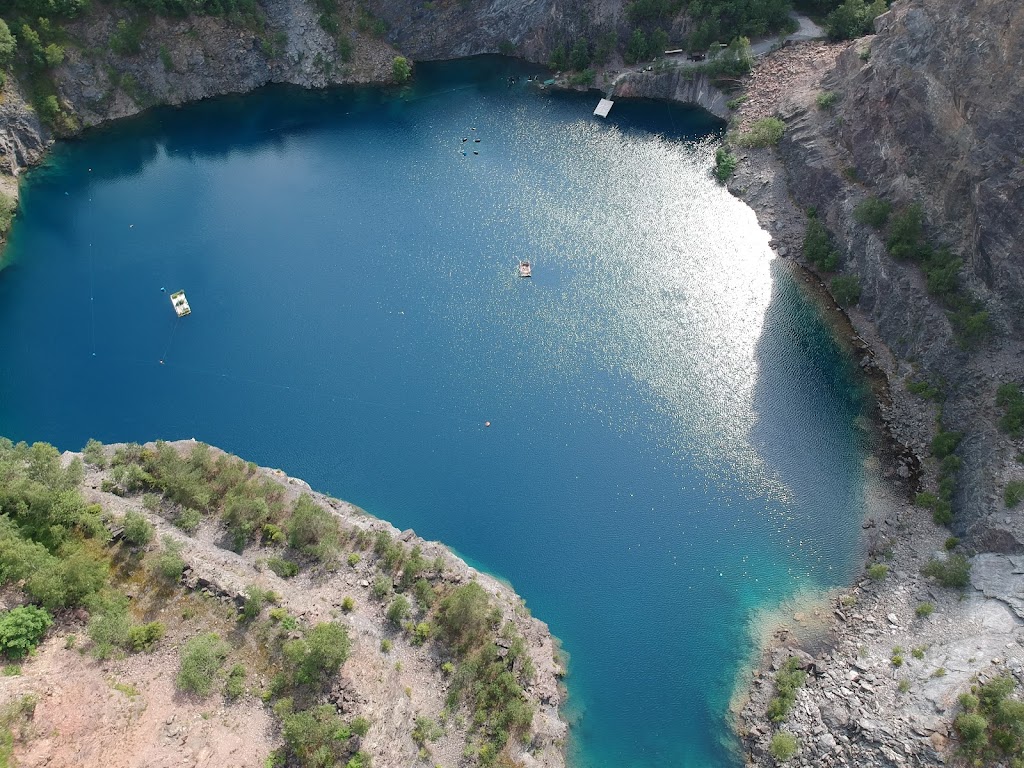
Divers approaching Singliser See should note the active surfing presence, which requires careful entry and exit. This former lignite mine in Borken, Germany, presents a distinctive dive environment. Its sulfurous water often displays an inviting turquoise color, leading many to affectionately call it 'Caribbean Hesse'. Parking is conveniently available nearby, typically within 100 meters (330 ft) of the entry point.
Recent updates for Singliser See show an air temperature measuring 11.5°C. Overall water conditions reflect the typical seasonal state for Germany. Please exercise standard safety precautions before entering the water.
Dive Site Location & Key Facts
Dive Site Overview
Once a working lignite mine, Singliser See has transformed into a popular recreational area, now equipped for diving instruction and exploration. Lake's unique character stems from its geogenic acidity, with a pH typically ranging from 3.8 to 4.9, influenced by sulfur-containing minerals.
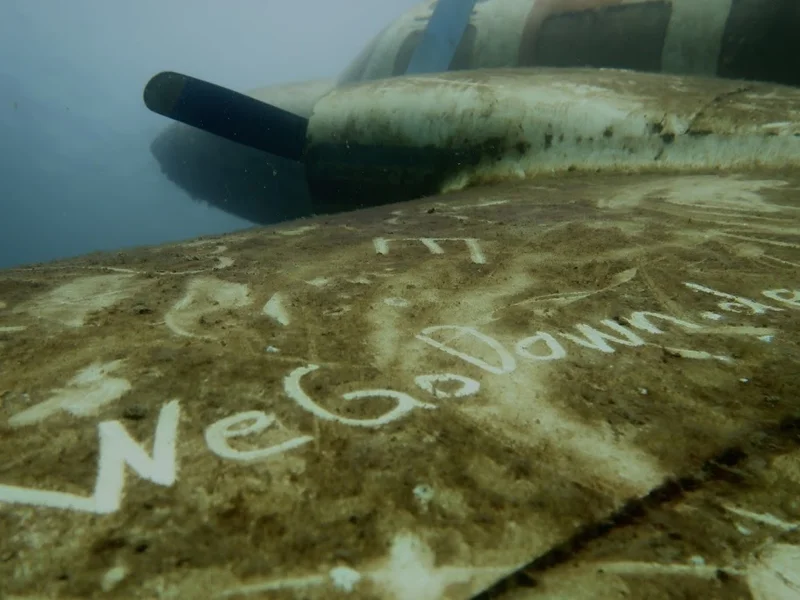
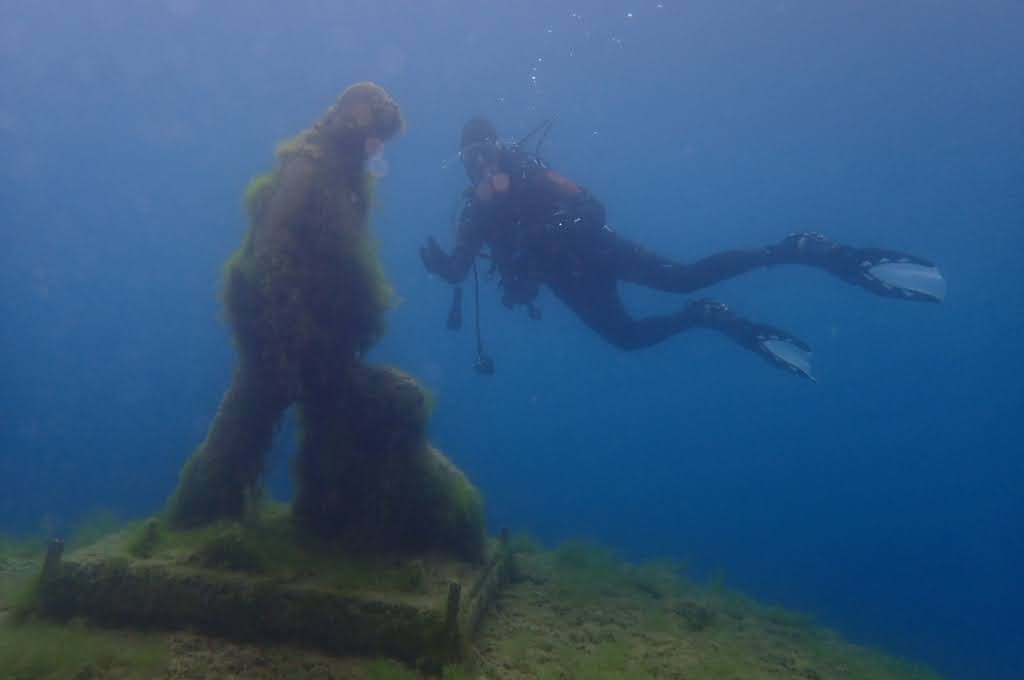
Despite this, water clarity is often exceptional, averaging about 8 meters Secchi depth, though actual dive visibility generally falls between 2 and 8 meters, with a reported average of 4 meters. Divers can navigate a dedicated underwater course and explore three diving platforms; two are placed at 5 meters and 8 meters, suitable for training and skill refinement. Recreational diving depths extend to 25 m (82 ft), allowing for exploration of deeper sections where thermal stratification is present.
Entry is convenient via a jetty with stairs, leading directly into this freshwater site, which features a predominantly sandy bottom.
Conditions are Good
Optimal conditions expected
Current conditions near Singliser See show 11° air, --° sea temperature, N/A waves, and 23 km/h wind. Forecast data is refreshed regularly to ensure accuracy.
Best Time to Dive
Planning a dive at Singliser See allows for year-round access, as the site consistently receives a 'Good' dive score across all months. Divers can expect varied conditions based on the season, with average air temperatures ranging from cooler winter values of 1°C (34°F) to 4°C (39°F) in early spring, climbing to warm summer highs around 18°C (64°F) in July and August. Surface water temperatures also fluctuate considerably, from approximately 3°C (37°F) in winter to 20°C (68°F) during the summer months. While rain averages around 1.3 to 2.5 mm (0.05 to 0.1 inches) monthly, it's generally not a deterrent given the freshwater lake environment. The optimal period for comfort typically aligns with the warmer air and water temperatures of late spring through early autumn, providing a more pleasant diving experience.
PEAK SEASON SCORE
Scores combine air & water temps, waves, wind & rainfall for overall conditions.
BEST MONTHS TO DIVE
Monthly records compiled from satellite and marine observation nodes over the last 3 years. Data provided by Open-Meteo and MET Norway.
Dive Experience & Conditions
Descending into Singliser See, divers generally encounter clear water, averaging 4 meters of visibility, though it varies from 2 to 8 meters. Diving occurs as a shore entry, typically via a jetty with stairs, simplifying access. Maximum depth of this lake is 25 meters; recreational diving often occurs in shallower sections, where the impact of the lake's unique chemistry is less pronounced. Two dedicated training platforms are situated at 5 meters and 8 meters, offering stable structures for skill development. Below 20 meters, divers might notice low oxygen levels and significant thermal stratification, characteristic of similar lake environments. No consistent current exists; navigation across the predominantly sandy bottom remains straightforward.
Dive Difficulty & Safety Guidelines
An important tip for divers at Singliser See is to remain vigilant about surface activities; significant surfing can occur, particularly during warmer months. The water's acidic nature, with a pH between 3.8 and 4.9, means divers should ensure their equipment is suitable for freshwater exposure and consider appropriate exposure protection to maintain comfort. While there is no reported current, divers should still be mindful of thermal stratification, especially when exploring deeper sections below 20 meters where oxygen levels decrease.
Emergency services can be reached by dialing 112. The site operates with free access, but sufficient paid parking is available, and facilities such as hospitality services are typically present.
Recommended Equipment
Overhead / entanglement risk. Wreck penetration requires proper training.
- Dive Computer
- DSMB
- Primary & Backup Lights
- Wreck Reel
- Cutting Tool
- Hard-soled Dive Boots
This gear list is based on verified equipment signals for Singliser See, Germany. Always confirm final gear choices with your dive operator, guide, or liveaboard.
Recommended Dive Suit
Comfort levels can also depend on how active a diver is during the dive.
Because recent water temperature readings are not available for Singliser See, the guidance below is based mainly on current air conditions and seasonal expectations. Current surface air temperatures are roughly 11°C (52°F). Based on regional estimates and current weather, the likely required exposure protection is a thicker wetsuit or drysuit. Note that local currents and upwellings can alter this. Strong cold advisory: dress warmly immediately after exiting the water.
Conditions may fluctuate slightly depending on wind and weather patterns. A warming trend is expected over the next few days.
Emergency & Medical Support
Essential information to help you plan your dive trip to Singliser See.

Hyperbaric chambers are a critical part of dive safety infrastructure. Availability varies significantly by region, and not all dive areas have immediate access.
Before diving, it's recommended to:
- confirm nearest medical facilities
- check emergency procedures with local dive operators
- ensure dive insurance covers evacuation if required
Divers Alert Network
Diving emergency assistance available through DAN Europe.
+39 0642115685- 24/7 emergency hotline
- Diving medical assistance
- Evacuation coordination
Emergency contacts are provided for reference. Always verify local emergency services before diving.
Closest Listed Hyperbaric Chambers
Showing listed hyperbaric chamber facilities within 200 km of this dive site.
Distances are approximate straight-line distances and may not reflect emergency travel time.
HBO2 Druckkammerzentrum Kassel
Kassel, Germany•Approx. 32 km straight-line
HBO2 Druckkammerzentrum Kassel
Information is provided for reference and planning purposes only. Dive Navigator does not verify operational status, staffing, availability, or quality of care at listed facilities. In an emergency, contact local emergency services, DAN, your dive operator, or the chamber directly. Do not travel to a facility without calling ahead.
Druckkammerzentren Rhein Main Taunus GmbH
24/7 ListedICU CapableWiesbaden, Germany•Approx. 134 km straight-line
Druckkammerzentren Rhein Main Taunus GmbH
24/7 ListedICU CapableInformation is provided for reference and planning purposes only. Dive Navigator does not verify operational status, staffing, availability, or quality of care at listed facilities. In an emergency, contact local emergency services, DAN, your dive operator, or the chamber directly. Do not travel to a facility without calling ahead.
Medicox Hyperbares Sauerstoff-Therapie-Zentrum
Minden, Germany•Approx. 140 km straight-line
Medicox Hyperbares Sauerstoff-Therapie-Zentrum
Information is provided for reference and planning purposes only. Dive Navigator does not verify operational status, staffing, availability, or quality of care at listed facilities. In an emergency, contact local emergency services, DAN, your dive operator, or the chamber directly. Do not travel to a facility without calling ahead.
Marine Life at Singliser See
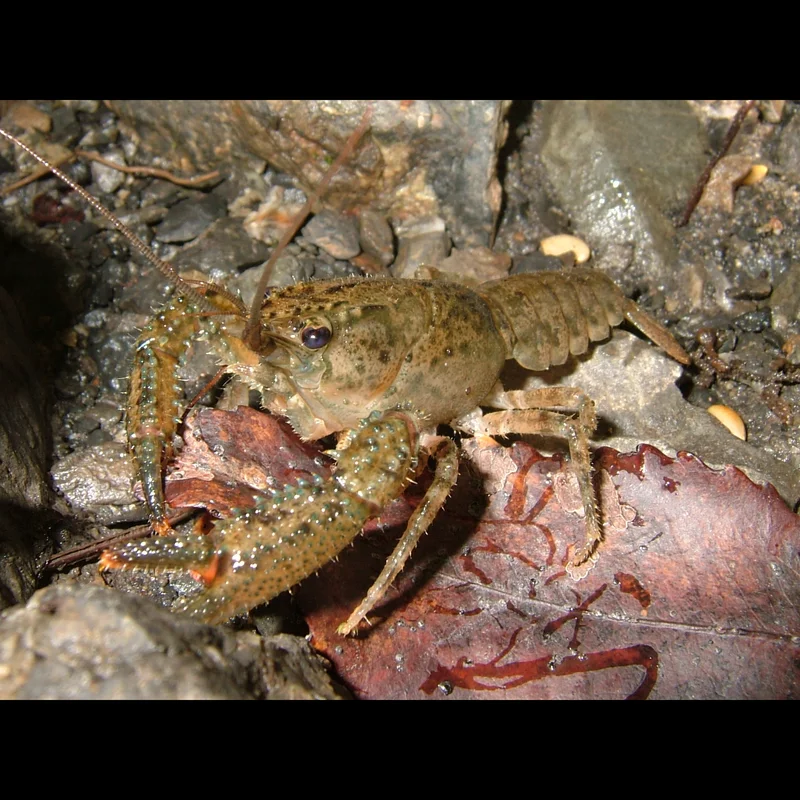
Singliser See's underwater landscape is marked by its sandy bottom and generally good water clarity, creating a distinctive visual experience within this former mining lake. Marine life isn't consistently reported as abundant, though divers may encounter crayfish or various aquatic insects.
Acidic water conditions support specialized flora adapted to these parameters. Water's turquoise hue is a distinctive feature, contributing to the site's unique ambiance.
Dive Sites Near Singliser See
View all dive sites in GermanyDiscover more underwater gems in this area.
Dive Centers Near Singliser See
Nearest Airports
Nearest airports to help plan travel to this dive area.
Search Flights
Check available flights and routes on Expedia, using the nearby airports listed in this section.
Search Flights on ExpediaFrequently Asked Questions
What is the maximum depth at Singliser See?
Maximum diving depth at Singliser See is 25 m (82 ft). Deeper sections of the lake may exhibit lower oxygen levels.
What are the typical visibility conditions?
Visibility at Singliser See is often good, with an average of 4 meters. Conditions can vary, however, ranging from 2 to 8 meters.
Are there any specific hazards to be aware of?
Divers should be aware of surface activities, particularly surfing, which can occur at the lake. Always maintain vigilance during entry, exit, and while at the surface.
What special features can divers find underwater?
Underwater, divers can find a navigation course and three diving platforms. Two platforms are specifically placed at 5 meters and 8 meters, serving as excellent training aids.
What marine life is commonly seen?
Due to the unique water chemistry, Singliser See supports limited marine life. However, divers might spot crayfish or various aquatic insects and specialized flora adapted to the acidic conditions.
What kind of water temperatures can be expected?
Surface water temperatures in Singliser See typically range from approximately 3°C (37°F) in winter to 20°C (68°F) in summer. Deeper areas of the lake are subject to thermal stratification.
Is a permit required to dive at Singliser See?
No specific permit is reported as required for diving at Singliser See; access is generally free. However, checking local regulations before a dive is always recommended.
Planning to dive Singliser See?
Send one inquiry and receive offers directly from the best verified local dive operators.
Conditions are Good
Optimal conditions expected
Current conditions near Singliser See show 11° air, --° sea temperature, N/A waves, and 23 km/h wind. Forecast data is refreshed regularly to ensure accuracy.