
Diving at Big Blue (Greece)
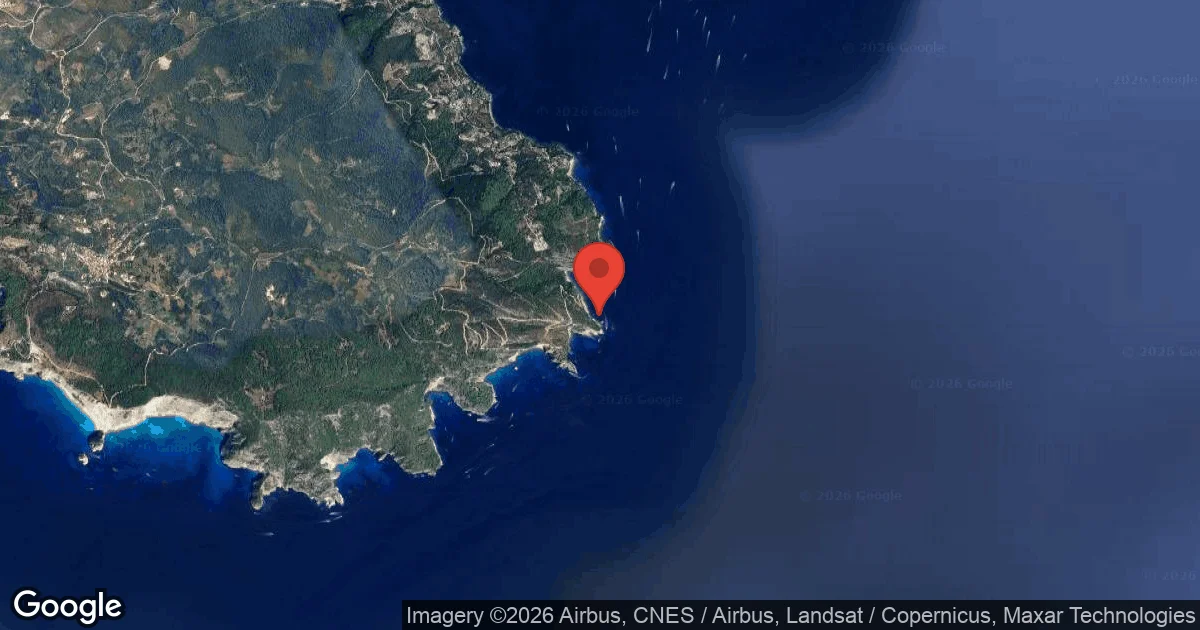
Along Crete's dramatic northern coastline, Big Blue Diving serves as a primary gateway to the Aegean's diverse underwater topography. Dive sites here include intriguing wrecks, natural reef formations, and fascinating caves like the legendary Elephant Cave. Consistent underwater visibility in the region, often exceeding 30 m (100 ft), makes these structural features clearly observable and accessible.
Tonight's objective overview for Big Blue shows an air temperature of 23.5°C. The measured surface conditions include wave heights around 0.3 m. This environmental data is logged for the close of the day.
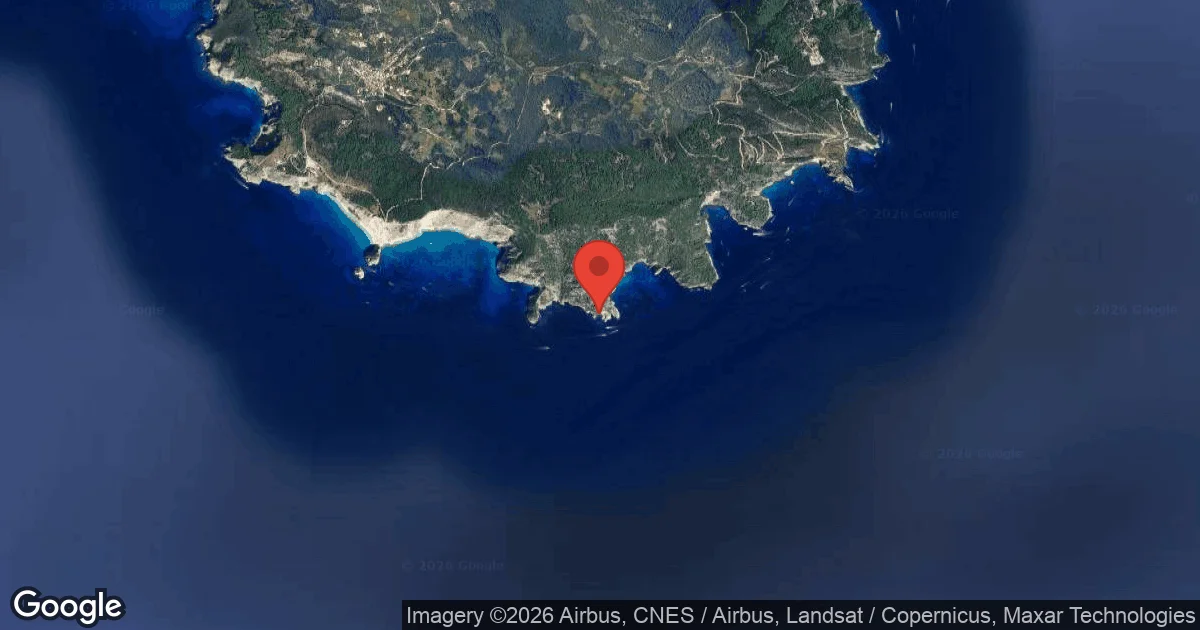
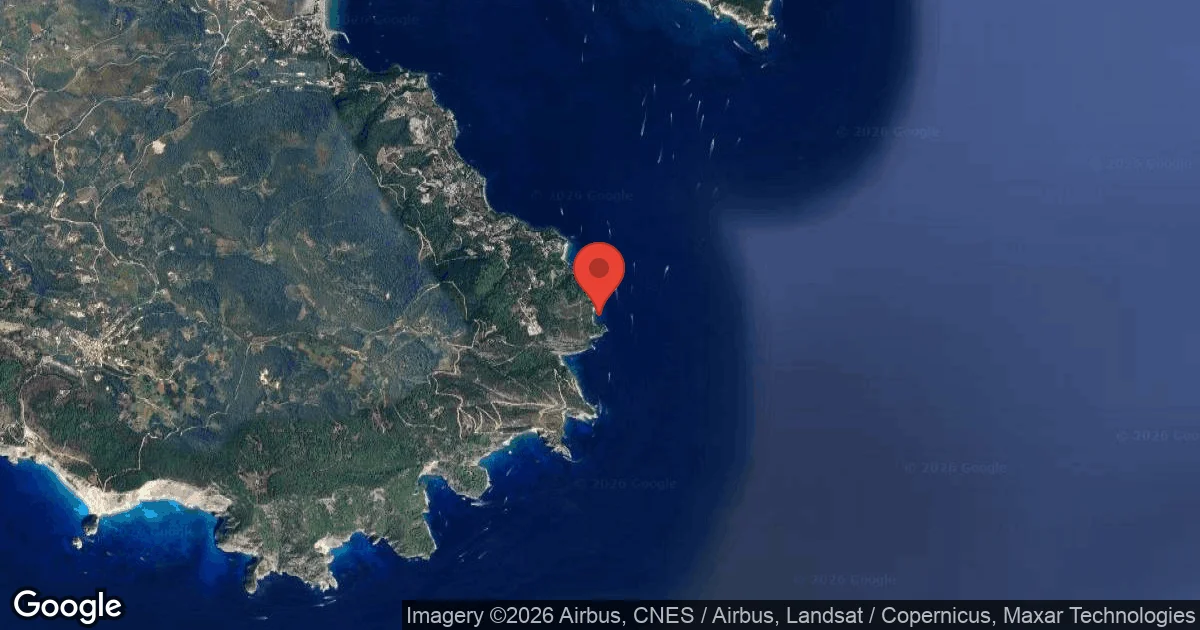
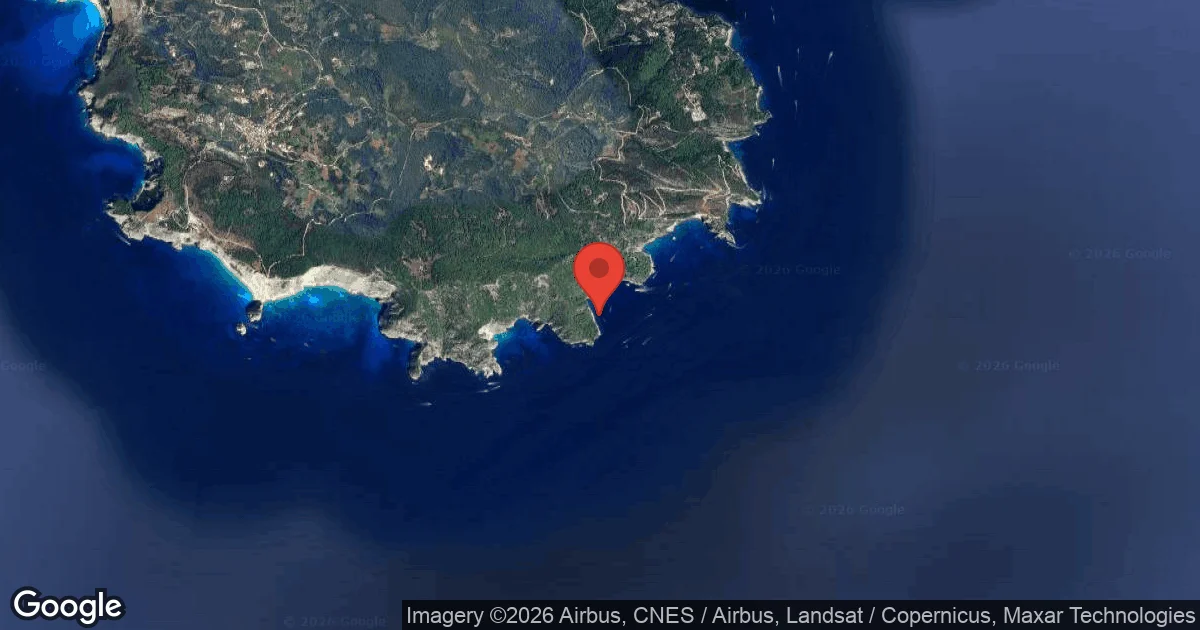
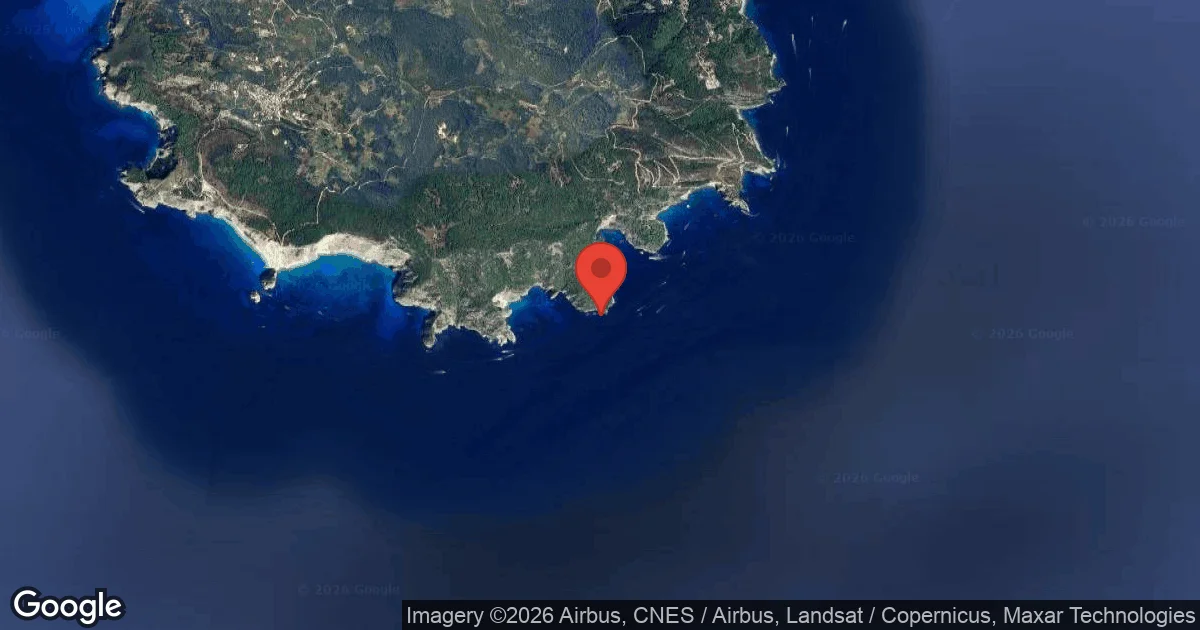
Dive Site Location & Key Facts
Dive Site Overview
Embarking on a dive with Big Blue Diving in Crete promises an engaging exploration of the Aegean Sea's diverse underwater topography. Certified divers find numerous opportunities, from navigating natural reef formations to delving into intriguing caves and historic WWII aircraft wrecks.
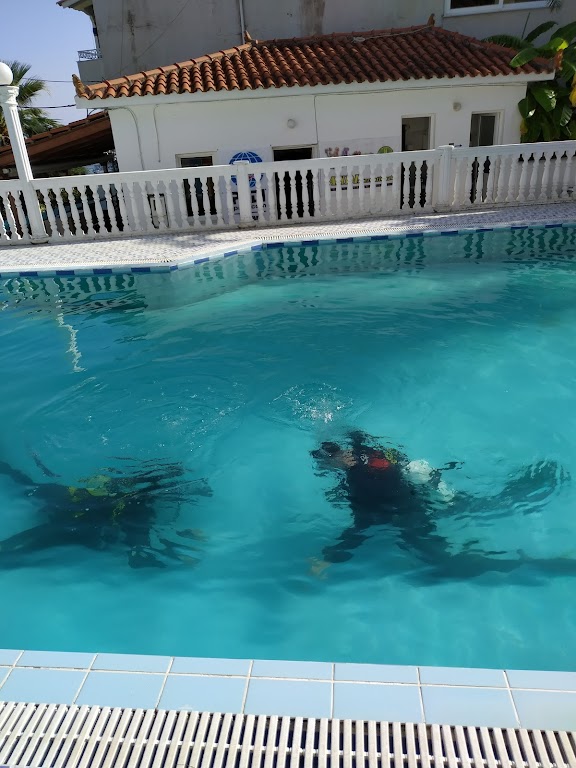
For those new to the underwater world, introductory 'Try Scuba' experiences provide a gentle entry point, allowing individuals to discover breathing underwater in a controlled environment. Progression into full certification is well-supported, with SSI and PADI courses available, covering foundational Open Water Diver through more specialized advanced programs. Divers can pursue Deep Diving, Wreck Diving, Nitrox, and even professional-level Divemaster training.
A key aspect of the operation is its commitment to personalized attention; group sizes are consistently limited to a maximum of four divers per guide. Such small numbers ensure tailored instruction and enhanced safety during every descent.
All necessary equipment, from wetsuits to regulators, is provided. Each dive also includes thorough professional briefings, detailing site specifics, safety protocols, and what to expect underwater.
Facilitating a stress-free and enriching Mediterranean diving adventure is a primary goal for every participant, regardless of experience level.
Conditions are Excellent
07:00 - 14:00
Optimal conditions expected
Current conditions near Big Blue show 24° air, 27° sea temperature, 0.3 m waves, and 16 km/h wind. Forecast data is refreshed regularly to ensure accuracy.
Best Time to Dive
Choosing the ideal time to dive off Crete depends heavily on balancing weather conditions with water activity preferences. From May through October, peak season generally offers best conditions with 'Good' dive scores (8), lower average wave heights typically below 1 meter (3 feet), and minimal rainfall, often less than 2.6 mm (0.1 inches) monthly. Air temperatures during these months are comfortably warm, ranging from 20-30°C (68-86°F), making surface intervals pleasant. Dive sites are also more readily accessible due to calmer seas. Conversely, cooler months, particularly November to April, see higher wave activity, increased rainfall up to 6.8 mm (0.3 inches), and 'Moderate' dive scores (5-7). During these periods, some sites may be less accessible, and colder water necessitates thicker wetsuits. While diving is still possible, these periods might present more challenging conditions, suitable for divers comfortable with rougher seas.
PEAK SEASON SCORE
Scores combine air & water temps, waves, wind & rainfall for overall conditions.
BEST MONTHS TO DIVE
Monthly records compiled from satellite and marine observation nodes over the last 3 years. Data provided by Open-Meteo and MET Norway.
Dive Experience & Conditions
Diving around Crete presents a varied depth profile, accommodating both introductory and advanced exploration. Sites like the Elephant Cave and various wrecks can reach recreational dive limits, while shallower reefs are accessible for less experienced divers. Underwater visibility often exceeds 30 m (100 ft), providing clear views of marine life and structural formations. Water conditions are generally calm, particularly during peak summer months, though wind and waves can increase during other seasons. Big Blue Diving Center prioritizes small group sizes with a maximum of four divers per guide, ensuring a personalized and supportive experience for all skill levels.
Dive Difficulty & Safety Guidelines
Navigating dive sites like those around Crete requires adherence to established safety protocols and a realistic assessment of conditions. Big Blue Diving emphasizes safety through experienced instructors and a personalized approach, maintaining small group ratios. While specific hazards for particular locations aren't consistently reported, diving in caves or around wrecks naturally demands specialized training and meticulous planning.
Big Blue Diving offers PADI First Aid (EFR) and Adaptive Diving programs, highlighting their commitment to diver well-being and inclusivity. All dives include professional briefings, and divers are encouraged to honestly assess their comfort and skill levels before undertaking advanced explorations.
Recommended Equipment
- Dive Computer
This gear list is based on verified equipment signals for Big Blue, Greece. Always confirm final gear choices with your dive operator, guide, or liveaboard.
Recommended Dive Suit
In conditions like these, many divers prefer diving with 2-3mm shorty or light wetsuit. A hood or vest is suggested for sensitive divers due to surface winds.
Current readings at Big Blue show water temperatures near 27°C (81°F). Surface air temperatures are resting at 24°C (74°F).
Environmental models indicate a modest warming trend ahead. A warming trend is expected over the next few days.
Due to technical issues with our weather providers, live updates are temporarily delayed. The data above reflects the conditions at the time of the last successful fetch.
Emergency & Medical Support
Essential information to help you plan your dive trip to Big Blue.

Hyperbaric chambers are a critical part of dive safety infrastructure. Availability varies significantly by region, and not all dive areas have immediate access.
Before diving, it's recommended to:
- confirm nearest medical facilities
- check emergency procedures with local dive operators
- ensure dive insurance covers evacuation if required
Divers Alert Network
Diving emergency assistance available through DAN Europe.
+39 0642115685- 24/7 emergency hotline
- Diving medical assistance
- Evacuation coordination
Emergency contacts are provided for reference. Always verify local emergency services before diving.
Marine Life at Big Blue
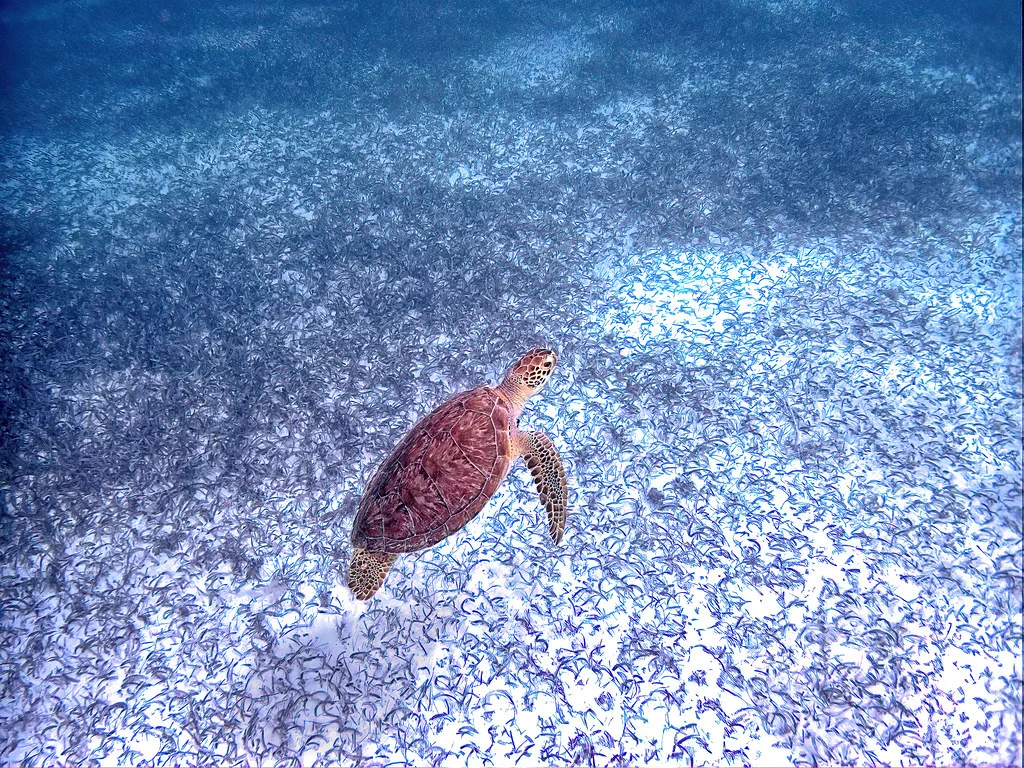
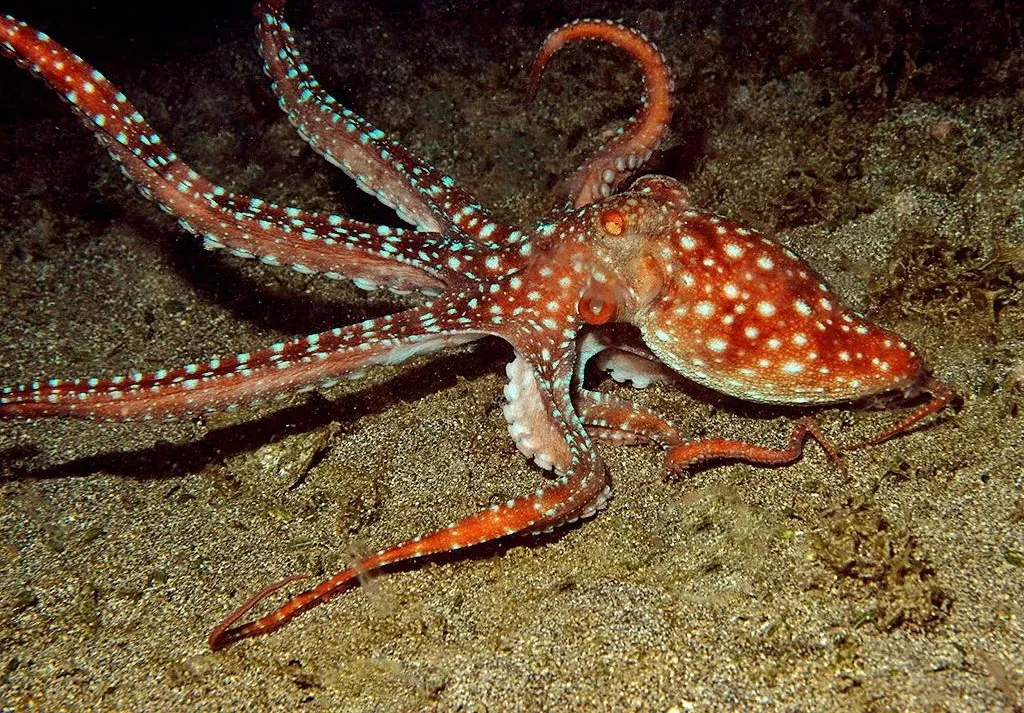
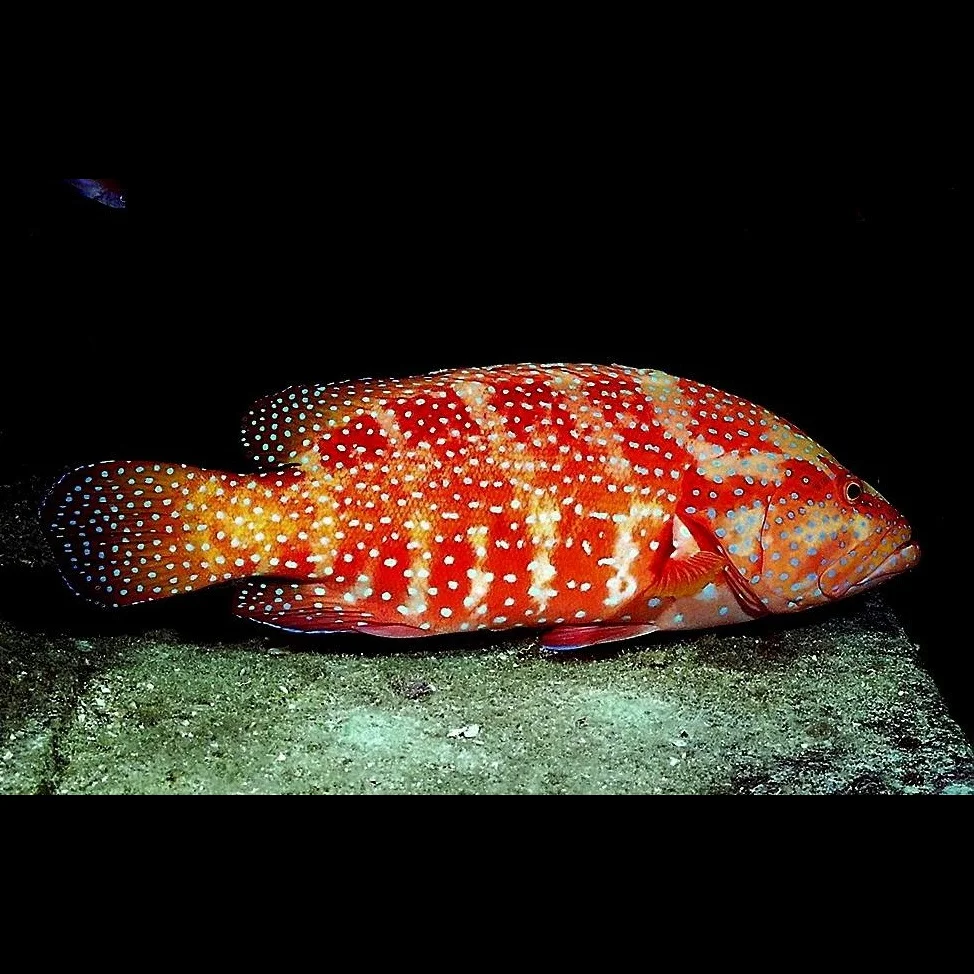
Upon descending into Crete's underwater landscapes, divers often first encounter a range of resident species adapted to the Aegean Sea. Octopuses are frequently spotted blending into rocky crevices, and various types of groupers can be observed patrolling the reefs.
Loggerhead turtles are also known to frequent these waters, providing memorable encounters. These creatures thrive amidst the clear conditions and diverse habitats presented by the reefs, caves, and wrecks.
Dive Sites Near Big Blue
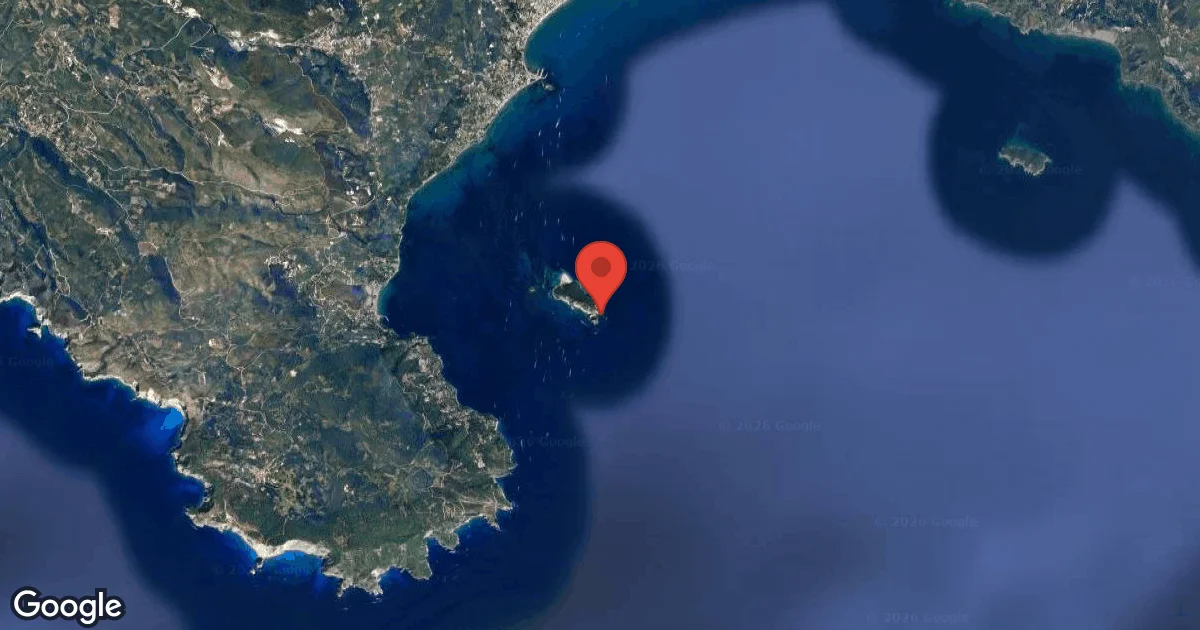
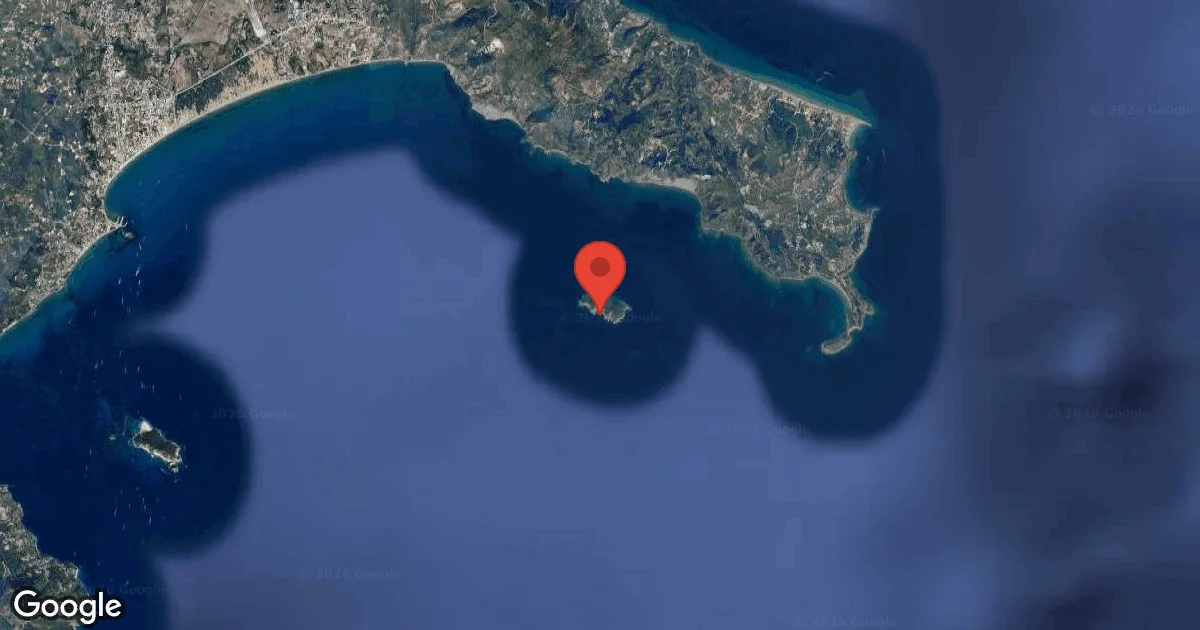
View all dive sites in GreeceDiscover more underwater gems in this area.
Dive Centers Near Big Blue
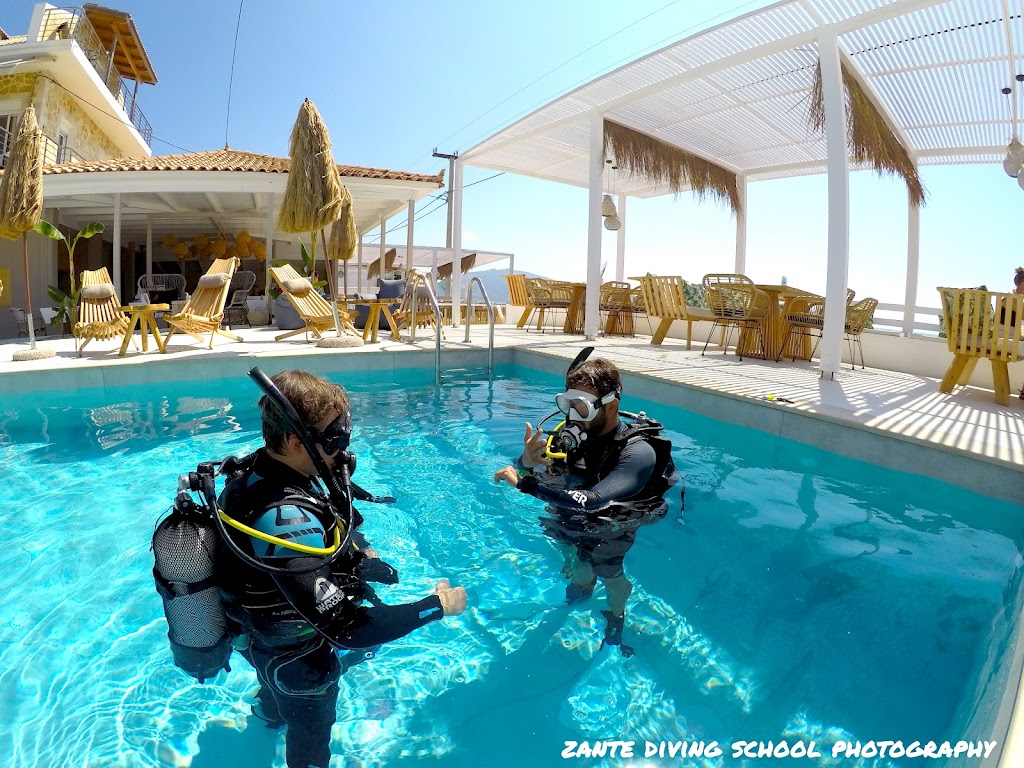
Today: 09:00 - 19:00
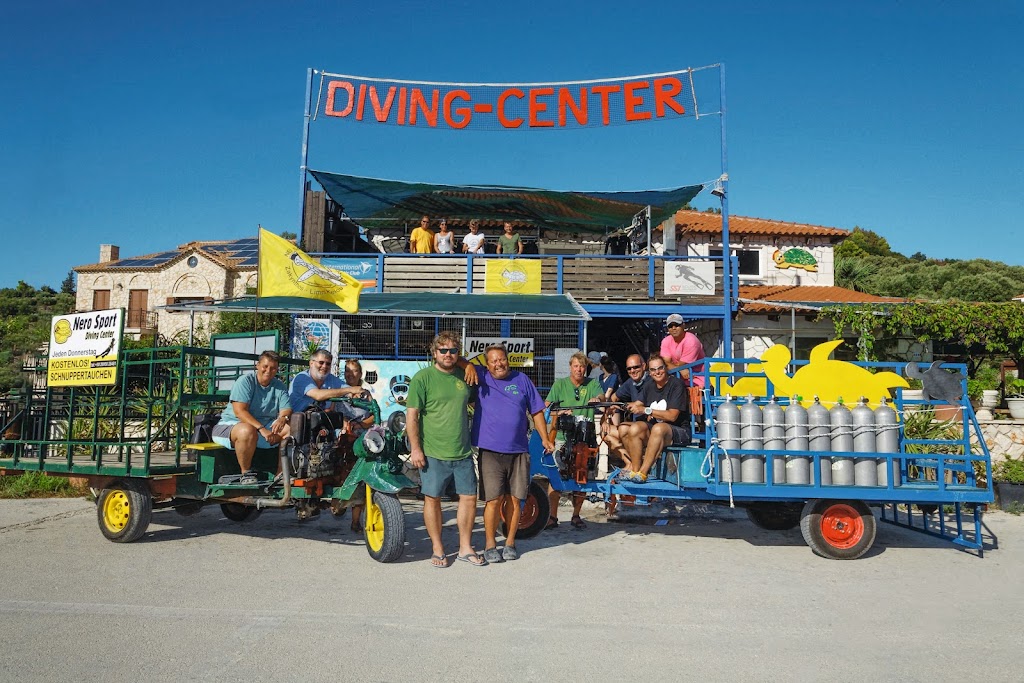
Nearest Airports
Nearest airports to help plan travel to this dive area.
Search Flights
Check available flights and routes on Expedia, using the nearby airports listed in this section.
Search Flights on ExpediaFrequently Asked Questions
What types of diving does Big Blue Diving offer?
Big Blue Diving provides a comprehensive range of activities including PADI and SSI Scuba Diving, TecRec, Freediving, Mermaid diving, Snorkelling, and Adaptive Diving. They cater to all levels, from introductory 'Try Scuba' experiences to professional 'Divemaster' certifications and specialized courses like Deep Diving and Wreck Diving.
What are some notable dive sites in the area?
Notable dive sites in the region include the legendary Elephant Cave, known for its ancient fossils and unique subterranean environment. Divers can also explore historical WW2 aircraft wrecks, as well as various vibrant reefs and other natural caves along Crete's northern coast.
Is equipment rental available?
Yes, Big Blue Diving offers full equipment rental, including Mares and Scubapro gear. Rental includes wet/dry suits, gauges, cylinders, regulators, and BCDs, ensuring divers have access to high-quality gear for their experience.
What is the typical group size for guided dives?
Big Blue Diving maintains a 'boutique' approach, guaranteeing small group sizes. Guided dives typically have a maximum of four divers per guide, ensuring a personalized and focused diving experience.
What kind of marine life can I expect to see?
In the clear waters around Crete, divers often encounter octopuses, various species of groupers, and can sometimes spot loggerhead turtles. The diverse reef and cave environments support a variety of smaller fish and invertebrate life as well.
What is the underwater visibility usually like?
Underwater visibility in the dive sites off Crete is frequently excellent, often exceeding 30 m (100 ft). This allows for clear views of the underwater topography and marine inhabitants.
Planning to dive Big Blue?
Send one inquiry and receive offers directly from the best verified local dive operators.
Conditions are Excellent
07:00 - 14:00
Optimal conditions expected
Current conditions near Big Blue show 24° air, 27° sea temperature, 0.3 m waves, and 16 km/h wind. Forecast data is refreshed regularly to ensure accuracy.