
Diving at The Arch (Greece)
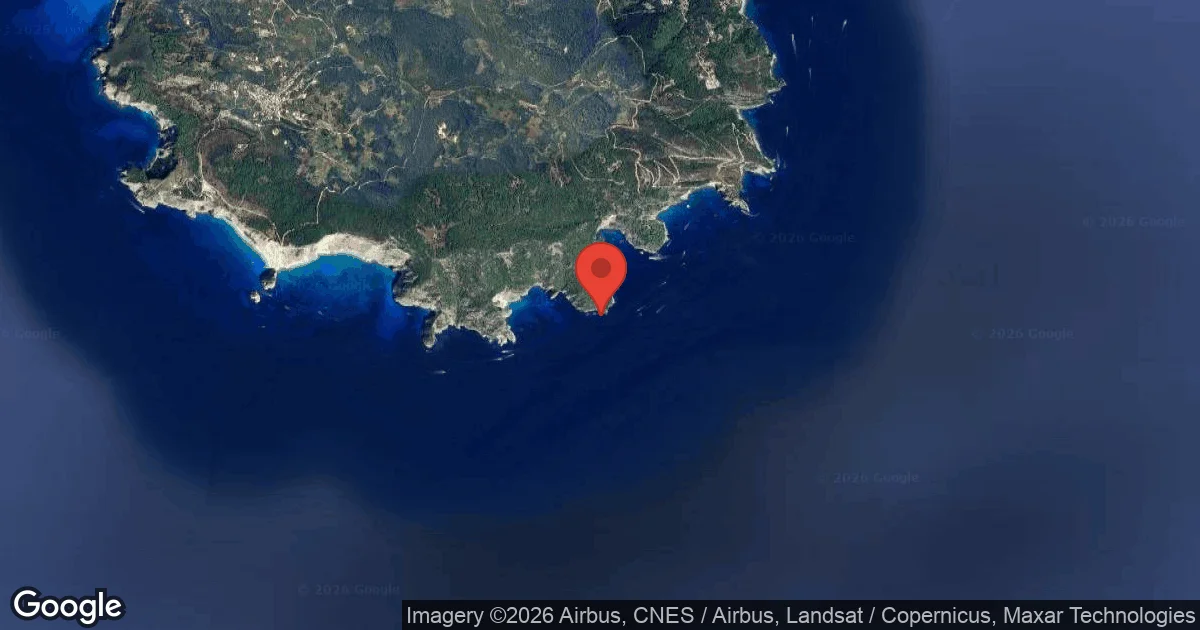
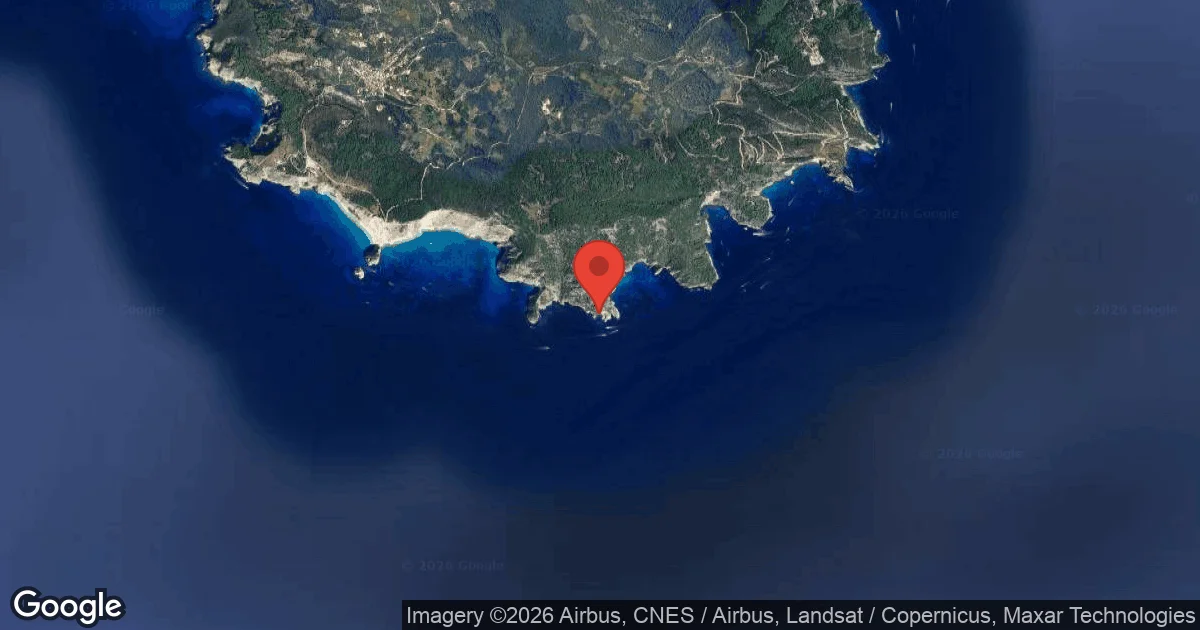
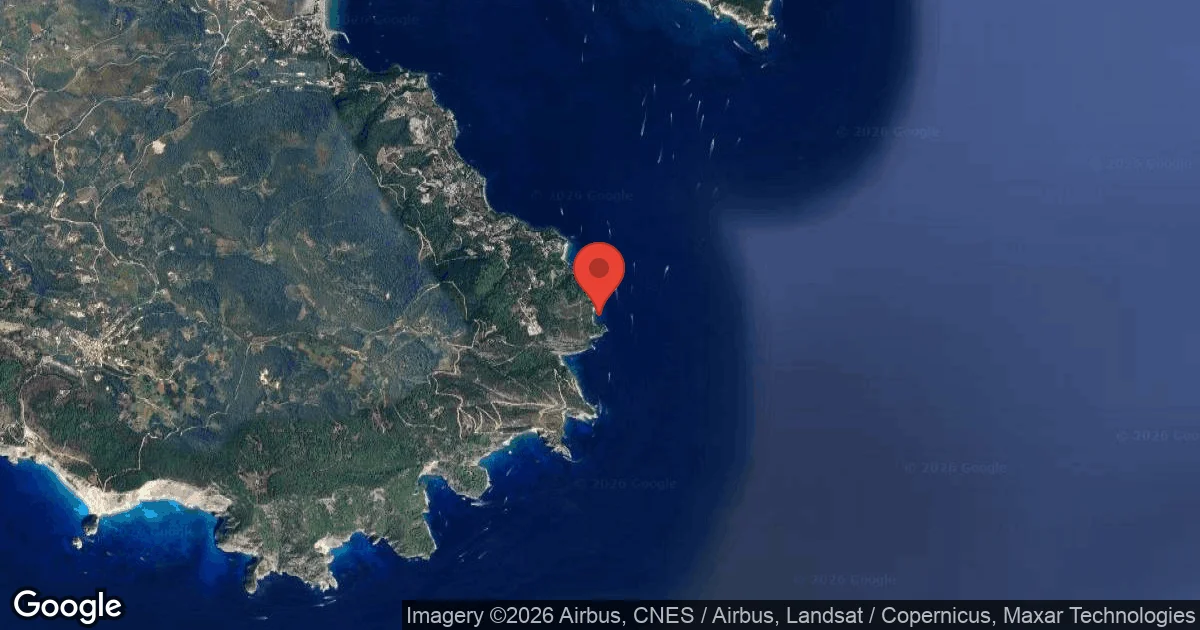
Off Zakynthos Island, Greece, The Arch presents a natural monument of impressive rock formations. An underwater arch defines the site, creating a dramatic, ancient-gateway feel beneath the surface. This striking structure provides a backdrop for exploration, inviting divers to navigate its expanse and discover surrounding reef and walls.
As evening covers The Arch, the local air temperature is measured at 25.5°C. The current wave height at the surface is recorded at 0.1 m. These late-day readings characterize the surface conditions for the night.
Dive Site Location & Key Facts
Dive Site Overview
Divers know The Arch for its dramatic underwater topography, sometimes called Arc de Triomphe due to its grand scale. A varied dive profile suits different certification levels, from shallow, light-filled caverns to intricate deep cave systems.
Open Water certified divers typically explore the main arch, which begins in a shallow area around 7 m / 23 ft, perfect for initial descents. From here, the dive often transitions into a naturally lit swim-through cavern, providing a gentle introduction to overhead environments. Advanced divers will find additional exploration, including a deep cave starting around 30 m / 100 ft.
Cave walls here are textured with shrimps, starfish, and delicate soft corals, forming a rich micro-ecosystem. Beyond the main cave, a dramatic reef wall plunges to 60 meters, offering experienced divers a glimpse into deeper limits before returning through the illuminated cavern.
Visibility is often excellent, typically 15-30 meters, allowing clear views of geological formations and resident marine life. Accessible shallow areas and challenging deeper features combine for a comprehensive dive experience.
Conditions are Excellent
07:00 - 14:00
Optimal conditions expected
Current conditions near The Arch show 26° air, 27° sea temperature, 0.3 m waves, and 20 km/h wind. Forecast data is refreshed regularly to ensure accuracy.
Best Time to Dive
Dive planning for The Arch aligns best with the months of May through October, when conditions are most favorable. Air temperatures during this period are comfortably warm, ranging from 20°C / 68°F in May, peaking around 30°C / 86°F in July, and remaining pleasant into October at 21°C / 70°F. A 'Good' dive score is consistently observed during these months. Water temperatures reach their warmest, reported between 24-28°C / 75-82°F in summer, creating ideal conditions for extended dives without heavy thermal protection. Wave heights are also typically lower, averaging around 0.6 m / 2.0 ft in June, and wind speeds are generally milder, about 15 km/h / 9 mph, leading to calmer surface conditions and easier boat entries. Rainfall is minimal, with July seeing only about 0.03 mm, ensuring clear skies. While year-round diving is possible, the mid-season offers the most consistent and comfortable environment.
PEAK SEASON SCORE
Scores combine air & water temps, waves, wind & rainfall for overall conditions.
BEST MONTHS TO DIVE
Monthly records compiled from satellite and marine observation nodes over the last 3 years. Data provided by Open-Meteo and MET Norway.
Dive Experience & Conditions
Conditions underwater at The Arch are generally calm, making for a relaxed dive. Accessing the site requires a boat entry. Upon descent, divers immediately notice impressive underwater visibility, typically ranging from 15 to 30 meters, allowing panoramic views of rock formations and marine activity. Currents here are generally mild, supporting a relaxed pace of exploration, crucial when navigating the arch and cavern systems. Surge isn't consistently reported as an issue, contributing to a stable underwater environment. Water temperatures fluctuate seasonally, from 14-18°C / 57-64°F in winter to a comfortable 24-28°C / 75-82°F during summer. Bottom composition consists primarily of rock, sand, and reef, providing diverse habitats. A blend of calm conditions and clear waters defines this accessible and visually rich dive.
Dive Difficulty & Safety Guidelines
Prudent planning enhances any underwater experience at The Arch. The site's distinct zones, from shallow archways to deeper caves and wall drop-offs, necessitate careful buoyancy control, particularly within confined overhead environments.
While currents are generally mild and surge isn't a consistent factor, divers should always monitor local conditions for changes. Visibility, though often excellent, can vary, so carrying a dive torch is advisable, particularly for exploring the deeper cave at 30 meters or the light-filled cavern sections to enhance colors and reveal hidden details.
Venturing into deeper sections requires adequate training, such as the PADI Deep Diver specialty, as the wall extends beyond typical recreational limits. Surface Marker Buoys (SMBs) are valuable for signaling boat crew upon ascent, given the boat-only entry method.
Recommended Equipment
Deep dive hazard. Increased narcosis and gas consumption risk.
Overhead environment. Do not enter beyond training and gas planning limits.
- Dive Computer
- DSMB
- Primary & Backup Lights
- Reel / Spool
- Cutting Tool
This gear list is based on verified equipment signals for The Arch, Greece. Always confirm final gear choices with your dive operator, guide, or liveaboard.
Recommended Dive Suit
Individual comfort in the water can vary significantly from diver to diver, even under the same conditions.
For most recreational dives, 2-3mm shorty or light wetsuit should provide comfortable protection. Forecast trends indicate little change in overall diving conditions during the next few days.
Divers heading to The Arch today should expect water temperatures around 27°C (81°F). Surface air temperatures are resting at 26°C (78°F).
Emergency & Medical Support
Essential information to help you plan your dive trip to The Arch.

Hyperbaric chambers are a critical part of dive safety infrastructure. Availability varies significantly by region, and not all dive areas have immediate access.
Before diving, it's recommended to:
- confirm nearest medical facilities
- check emergency procedures with local dive operators
- ensure dive insurance covers evacuation if required
Divers Alert Network
Diving emergency assistance available through DAN Europe.
+39 0642115685- 24/7 emergency hotline
- Diving medical assistance
- Evacuation coordination
Emergency contacts are provided for reference. Always verify local emergency services before diving.
Marine Life at The Arch
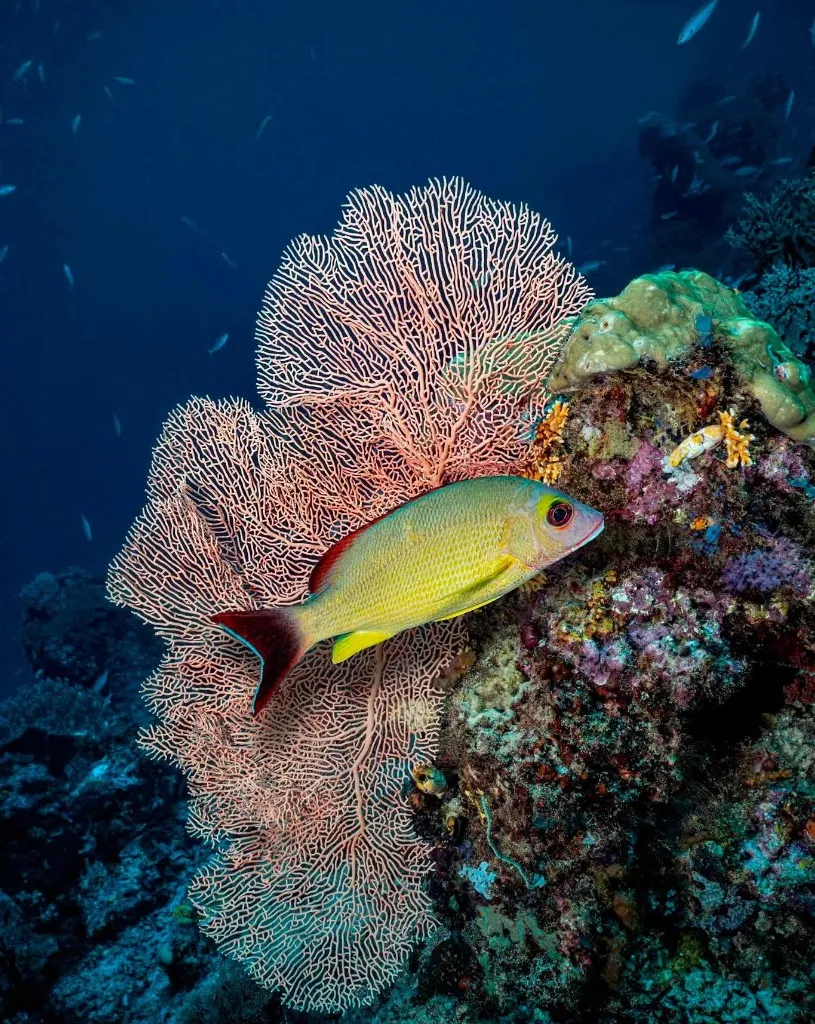
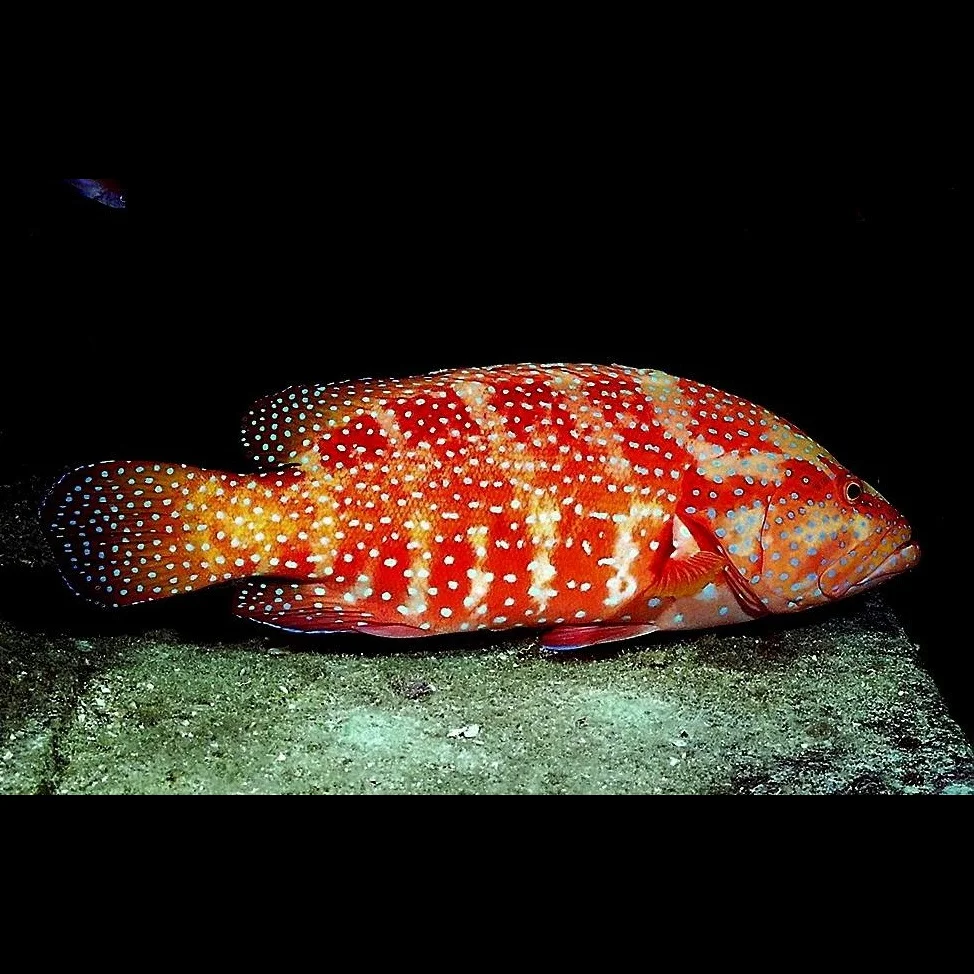
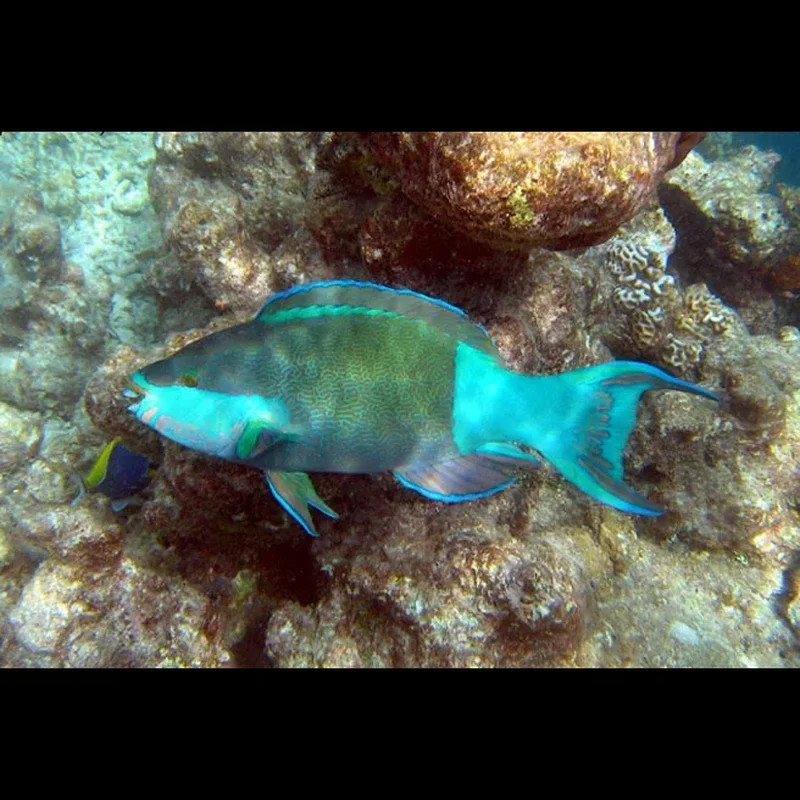
The underwater landscape at The Arch provides a varied canvas for marine life, with dramatic rock formations and reef walls supporting a diverse ecosystem. Around the arch and within shallower caverns, divers often encounter common reef fish like snappers, parrotfish, and various grouper species.
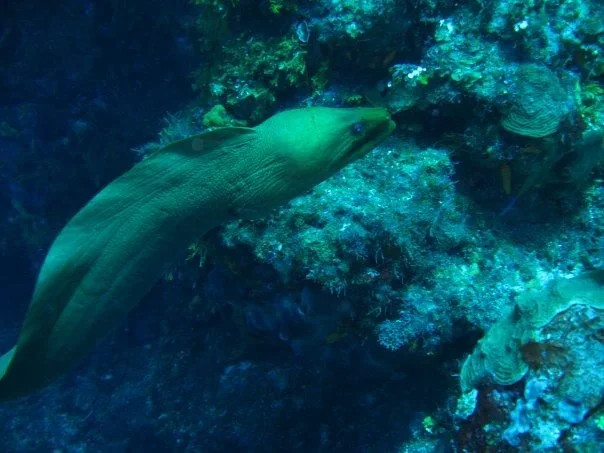
Moray eels are also frequently observed seeking refuge in rocky crevices. Exploring the deeper cave, at approximately 30 meters, reveals walls intricately covered with shrimps, starfish, and soft corals, creating a rich, textured environment.
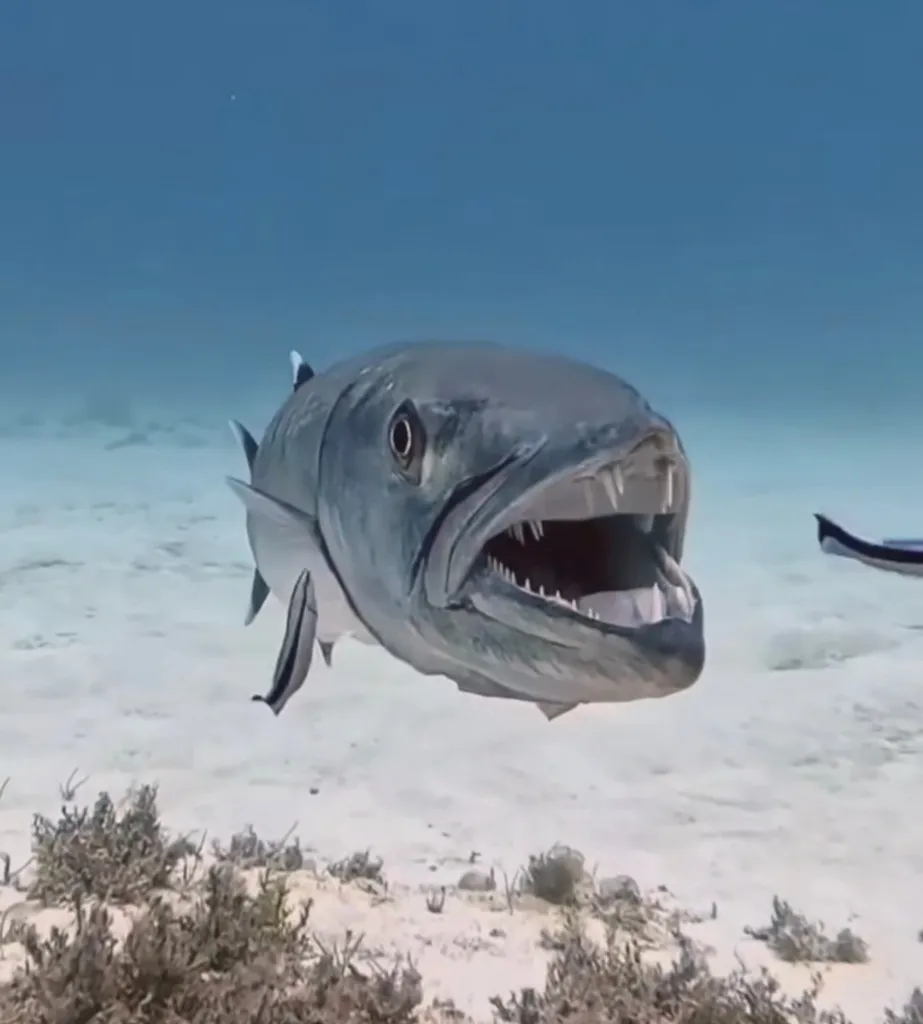
Larger pelagic species such as barracuda and jackfish can sometimes be spotted patrolling deeper sections along the reef wall drop-off. Keep an eye out for lionfish, which blend into rocky surroundings.
Dive Sites Near The Arch
View all dive sites in GreeceDiscover more underwater gems in this area.
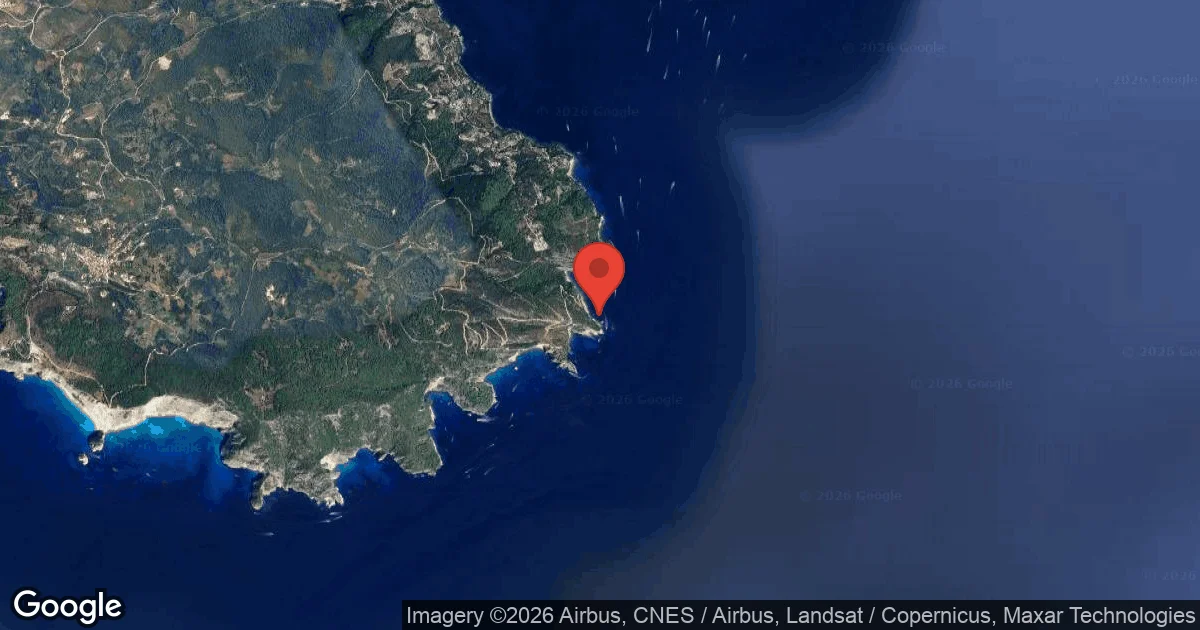
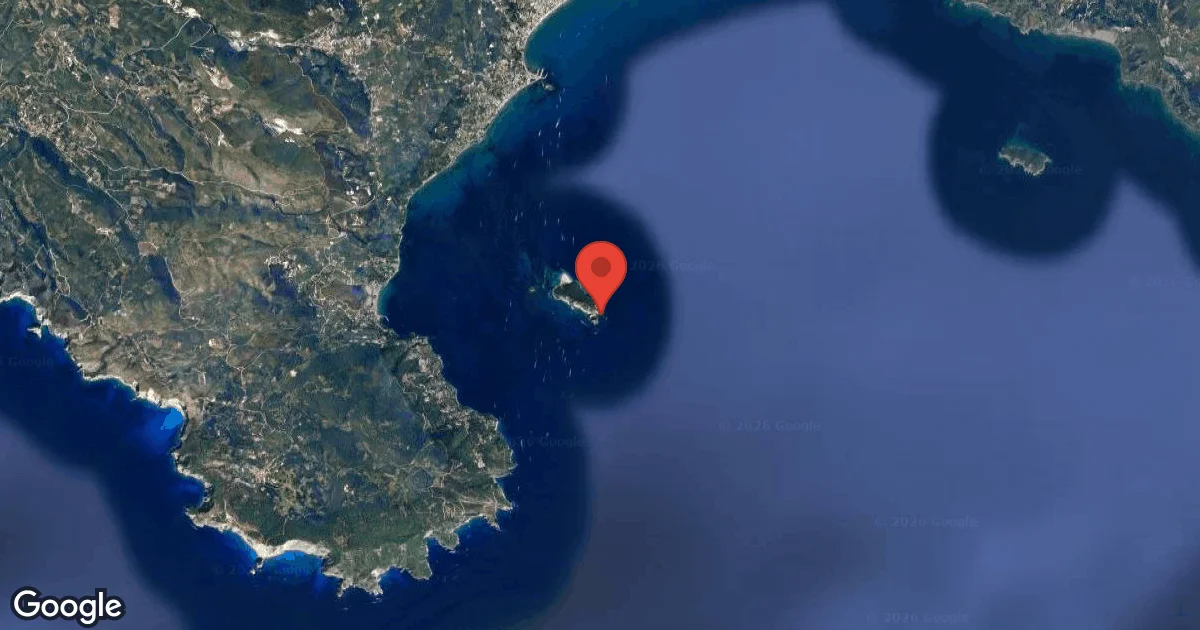
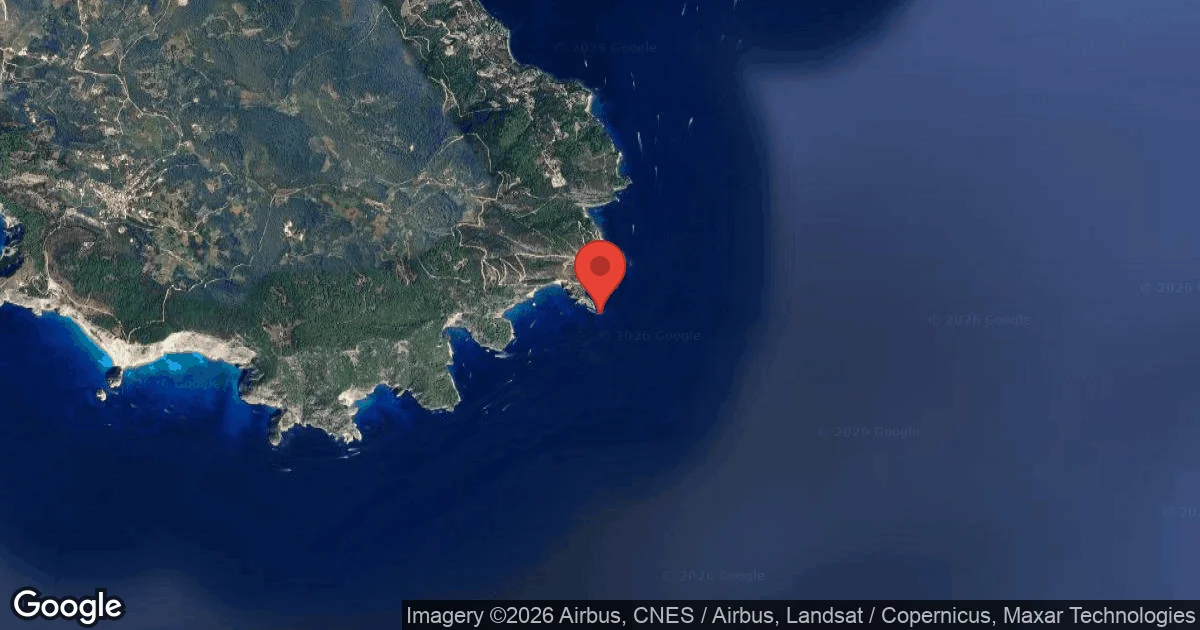
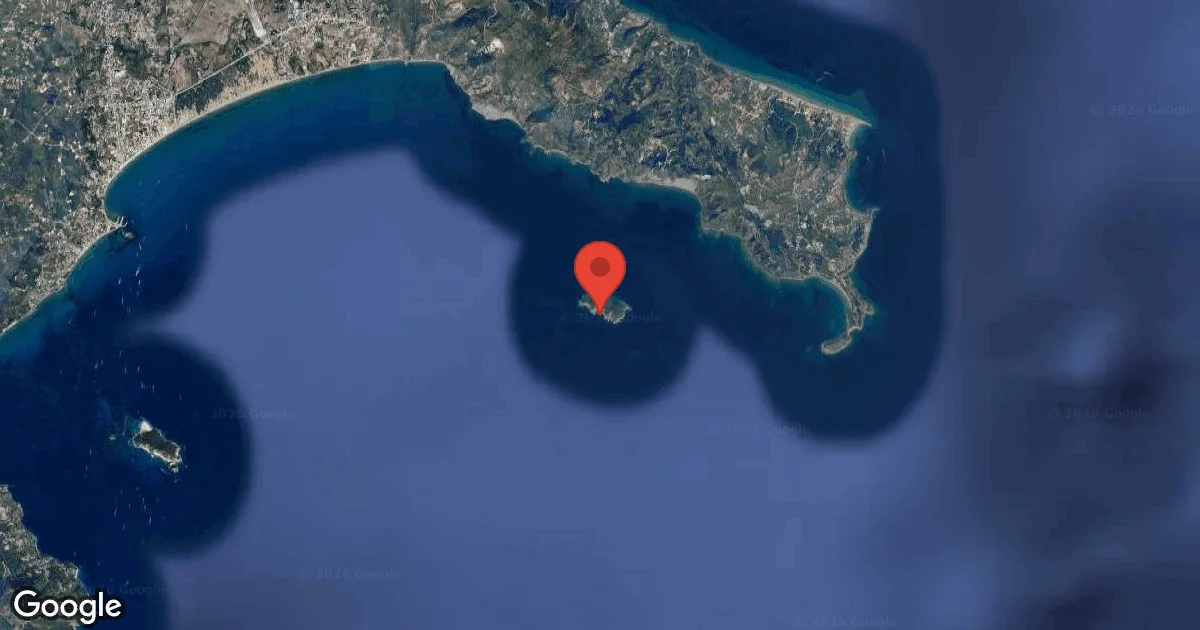
Dive Centers Near The Arch
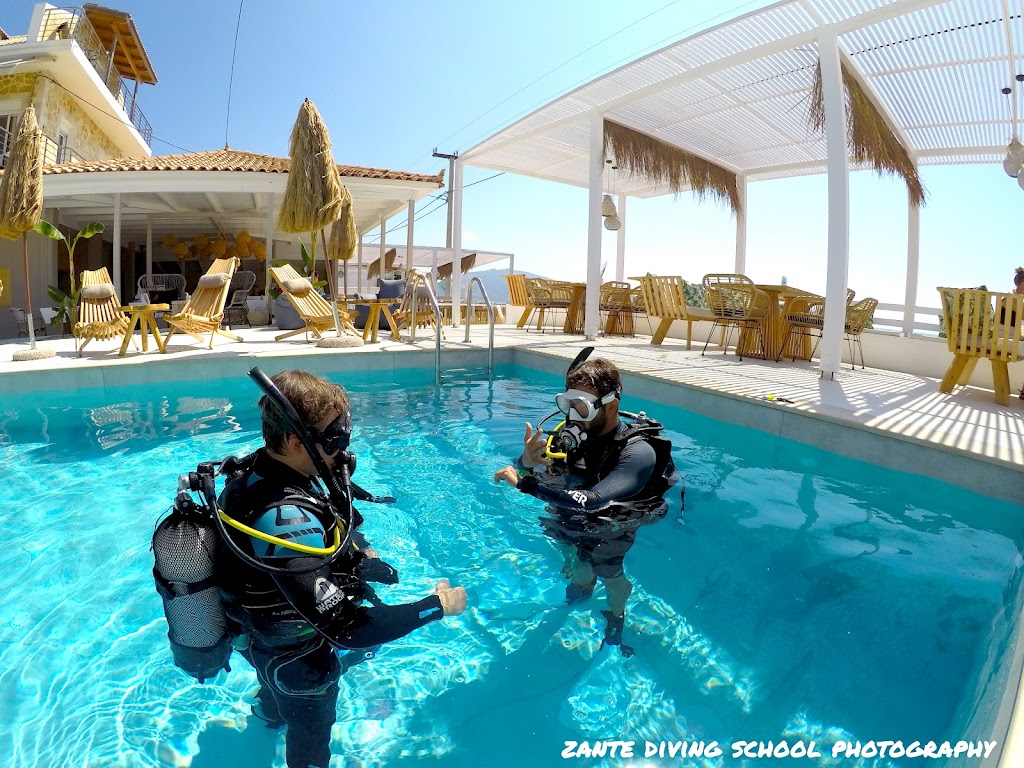
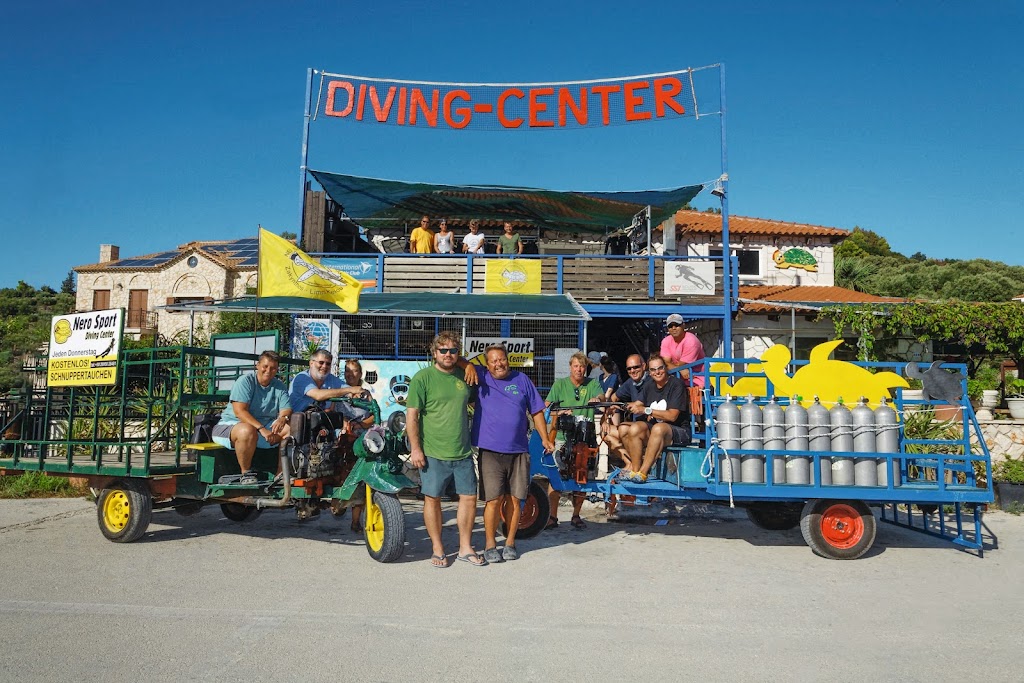
Today: 09:00 - 19:00
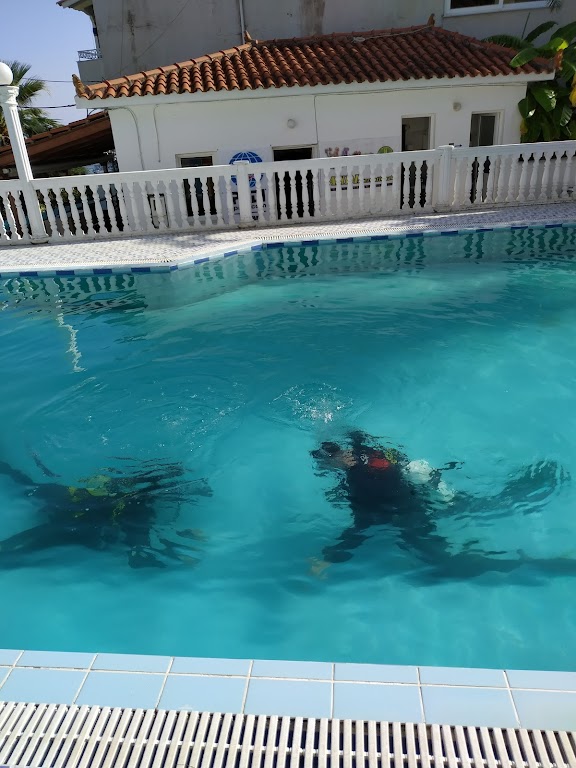
Nearest Airports
Nearest airports to help plan travel to this dive area.
Search Flights
Check available flights and routes on Expedia, using the nearby airports listed in this section.
Search Flights on ExpediaFrequently Asked Questions
What is the maximum depth for diving at The Arch?
The maximum reported depth for diving at The Arch is around 40 meters, with the deep cave extending to 30 meters. The reef wall drops off significantly, reaching beyond 60 meters.
What certification level is needed for The Arch?
Open Water divers can enjoy the shallow arch and cavern areas, which begin around 7 meters. Advanced Open Water certification is recommended for exploring the deeper cave and wall sections.
What kind of visibility can I expect?
Visibility at The Arch is generally very good, often ranging between 15 to 30 meters, allowing clear views of the site's impressive structures.
Are there strong currents or surge at this dive site?
Currents are typically mild, making for a relaxed dive. Surge isn't consistently reported as a factor here, contributing to generally calm underwater conditions.
What marine life might I see at The Arch?
Divers frequently encounter moray eels, snappers, groupers, barracuda, and parrotfish. The deeper cave walls are home to shrimps, starfish, and various soft corals.
What are the water temperatures like throughout the year?
Water temperatures range from 14-18°C / 57-64°F in winter, warming up significantly to 24-28°C / 75-82°F during the summer months from May to October.
Planning to dive The Arch?
Send one inquiry and receive offers directly from the best verified local dive operators.
Conditions are Excellent
07:00 - 14:00
Optimal conditions expected
Current conditions near The Arch show 26° air, 27° sea temperature, 0.3 m waves, and 20 km/h wind. Forecast data is refreshed regularly to ensure accuracy.