
Diving at Turtle Island (Greece)
Descending into Turtle Island's calm bay, divers gently explore depths averaging 8 meters (26 ft) before navigating towards a prominent rock structure. Continuing the underwater journey, the maximum depth behind this rock typically reaches 18 meters (59 ft). This progression allows for a gradual exploration of the site's rich topography, offering clear visibility through its sheltered, turquoise waters.
Evening condition tracking at Turtle Island features an air temperature of 23.5°C. We have recorded wave heights measuring 0.3 m during this period. These figures outline the environmental parameters currently present.
Dive Site Location & Key Facts
Dive Site Overview
Exploring the topography of Turtle Island reveals a compelling underwater journey, beginning with beautiful canyons in its shallower regions. These formations gradually transition into impressive rock structures and expansive stretches of soft white sand as divers venture into deeper sections.
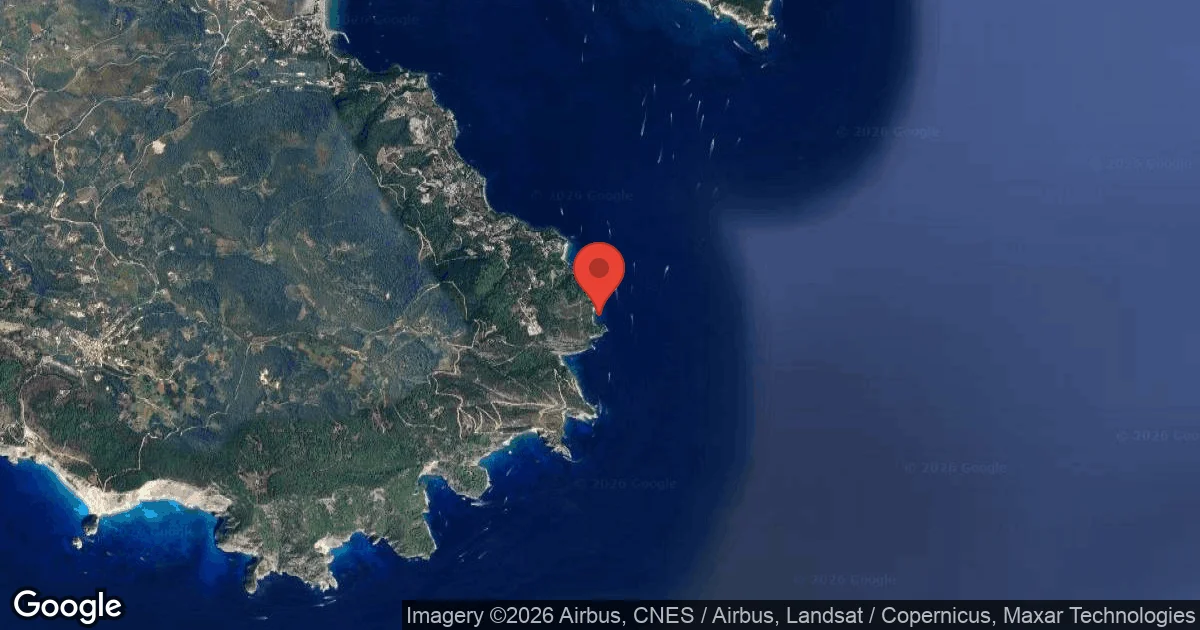
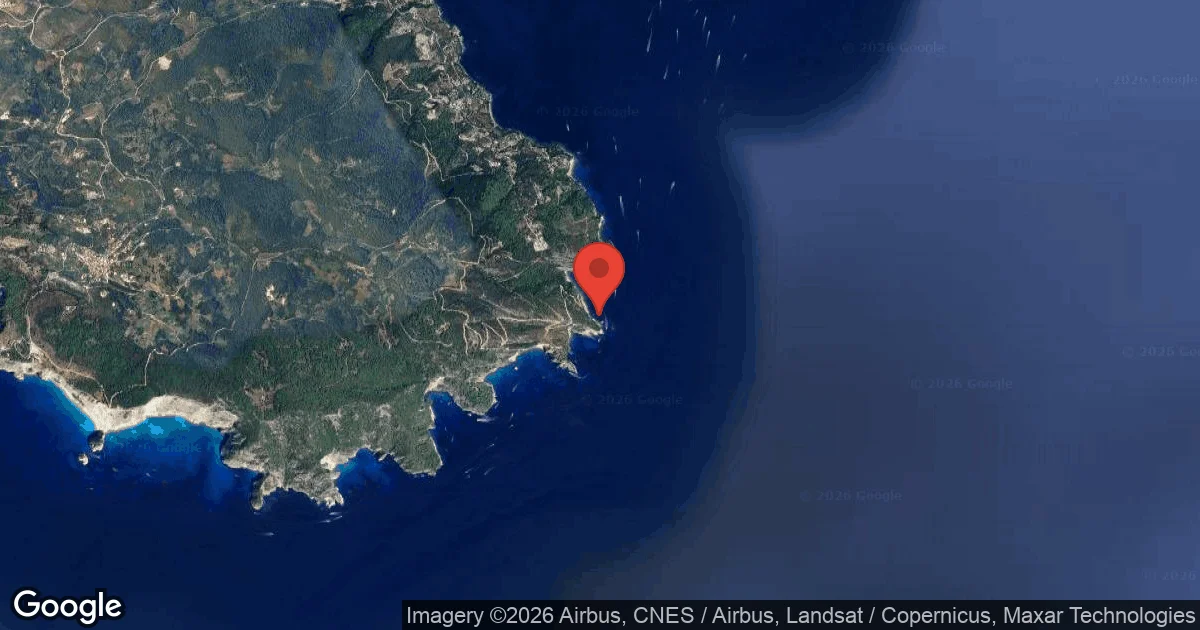
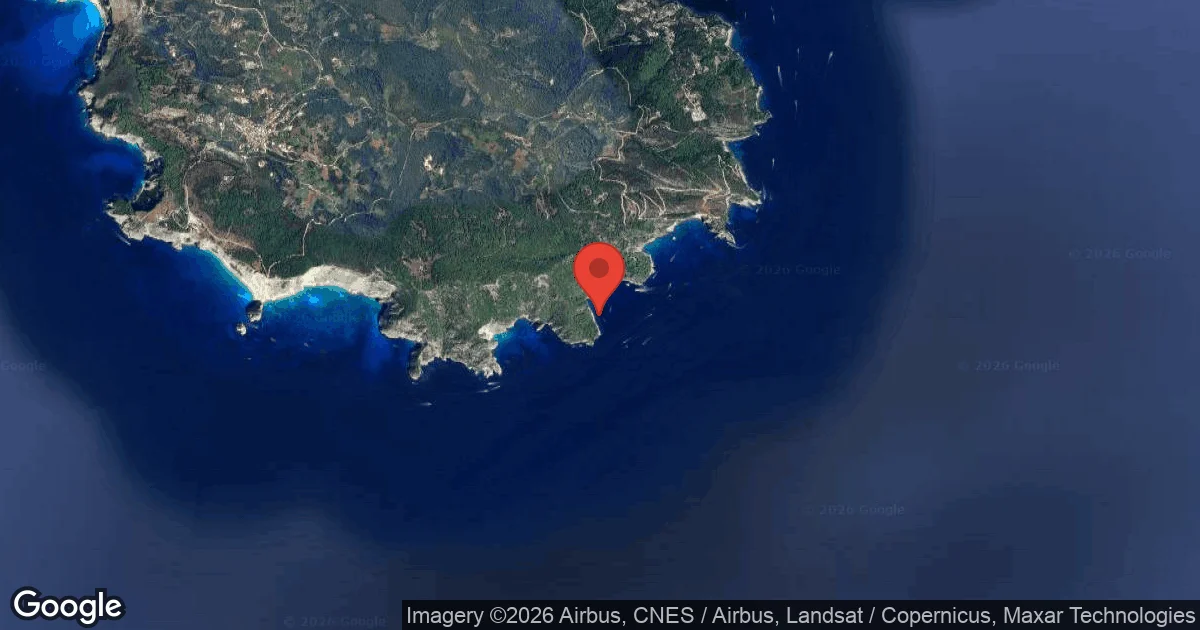
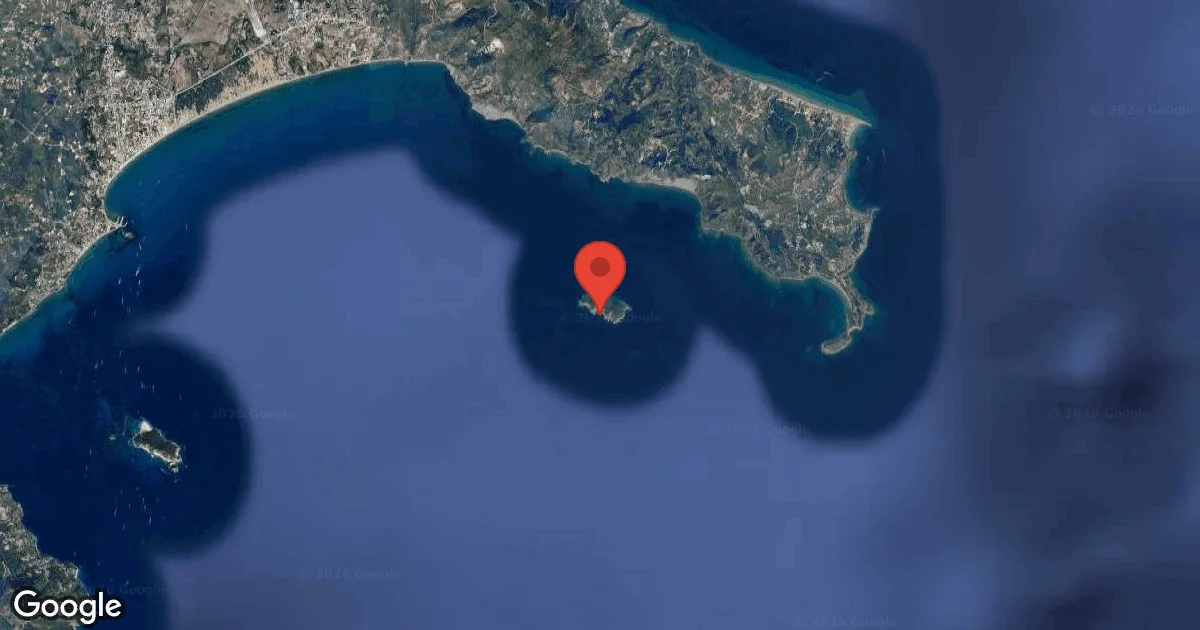
Known locally as Marathonisi, the island rests within a tranquil, sheltered bay, a protected area within the designated Marine Park, ensuring its pristine condition. Access to this site is exclusively by boat, typically departing from nearby dive centers. Natural pathways and smaller swim-throughs, intricately carved into the ancient rock, offer engaging navigation opportunities and add to the exploration's appeal.
A gentle slope from the bay typically initiates the dive, easing divers into the underwater environment. Further from the shore, the seabed eventually progresses to a maximum depth of 18 meters (59 ft) behind a distinctive large rock formation.
This progressive depth profile, combined with generally calm conditions, makes it suitable for a range of certification levels. The site's diverse underwater landscape actively supports a vibrant reef ecosystem, providing a dynamic environment for various Mediterranean species to thrive within the serene Ionian Sea.
Divers can anticipate clear visibility, ideal for detailed observation of the reef and its inhabitants, making each visit a visually rewarding experience.
Conditions are Excellent
07:00 - 14:00
Optimal conditions expected
Current conditions near Turtle Island show 23° air, 28° sea temperature, 0.2 m waves, and 12 km/h wind. Forecast data is refreshed regularly to ensure accuracy.
Best Time to Dive
Optimally, visiting Turtle Island for diving is most enjoyable from late spring through early autumn, specifically from May to October. During these months, average air temperatures range comfortably from 20-28.5°C (68-83°F), while wave heights are minimal, typically below 0.9 meters (3 ft). Rainfall is also considerably low, often less than 2.5 millimeters, ensuring consistently favorable conditions. Although specific water temperature data isn't consistently reported for all seasons, divers generally encounter temperatures ranging from 22-27°C (72-81°F) during the warmer period. The dive score remains consistently 'Good' throughout this extended window, contrasting with the 'Moderate' scores experienced in the cooler, wetter months of January and February.
PEAK SEASON SCORE
Scores combine air & water temps, waves, wind & rainfall for overall conditions.
BEST MONTHS TO DIVE
Monthly records compiled from satellite and marine observation nodes over the last 3 years. Data provided by Open-Meteo and MET Norway.
Dive Experience & Conditions
Entering the water at Turtle Island provides a comfortable start, with divers gently descending into the sheltered bay to about 8 meters. Progression then leads towards a large rock structure beyond the main cove. Around this feature, depths typically average 10 meters, eventually reaching a maximum recreational depth of 18 meters. Calm and protected conditions consistently make for an easy and enjoyable experience suitable for a wide range of skill levels. Its naturally sheltered position ensures excellent visibility often prevails, allowing for unhurried observation of the vibrant underwater scenery and its resident marine life. New divers will find the clear water and manageable currents forgiving, while more advanced divers can appreciate the detailed topography and opportunities for longer bottom times in the shallower sections. Strong currents are absent, contributing to a relaxed dive pace.
Dive Difficulty & Safety Guidelines
Adherence to standard diving safety protocols remains crucial when exploring Turtle Island. Maintaining proper buoyancy control is paramount, protecting the delicate hard corals and sponges that thrive across the rock formations. Divers must consistently operate within their certification limits and always stay with their buddy, particularly when navigating the smaller swim-throughs encountered in the shallower 3 to 5-meter depth range.
As a location within a protected Marine Park, strict adherence to all local regulations is mandatory. This includes explicit prohibitions against touching any marine life or collecting souvenirs from the site, preserving its natural integrity.
Prioritize thorough dive planning and ensure all equipment is meticulously maintained to guarantee a safe and responsible experience for everyone.
Recommended Equipment
- Dive Computer
This gear list is based on verified equipment signals for Turtle Island, Greece. Always confirm final gear choices with your dive operator, guide, or liveaboard.
Recommended Dive Suit
For divers planning standard recreational dives, 2-3mm shorty or light wetsuit is usually a suitable option. A hood or vest is suggested for sensitive divers due to surface winds. Divers vary widely in how quickly they feel cold underwater.
At the moment, divers exploring Turtle Island will likely experience water temperatures near 28°C (82°F). Surface air temperatures are resting at 23°C (74°F).
Temperatures look set to gradually increase over the next several days. A warming trend is expected over the next few days.
Due to technical issues with our weather providers, data hasn't been fetched for over 48 hours. The data above reflects the conditions at the time of the last successful fetch.
Emergency & Medical Support
Essential information to help you plan your dive trip to Turtle Island.

Hyperbaric chambers are a critical part of dive safety infrastructure. Availability varies significantly by region, and not all dive areas have immediate access.
Before diving, it's recommended to:
- confirm nearest medical facilities
- check emergency procedures with local dive operators
- ensure dive insurance covers evacuation if required
Divers Alert Network
Diving emergency assistance available through DAN Europe.
+39 0642115685- 24/7 emergency hotline
- Diving medical assistance
- Evacuation coordination
Emergency contacts are provided for reference. Always verify local emergency services before diving.
Marine Life at Turtle Island
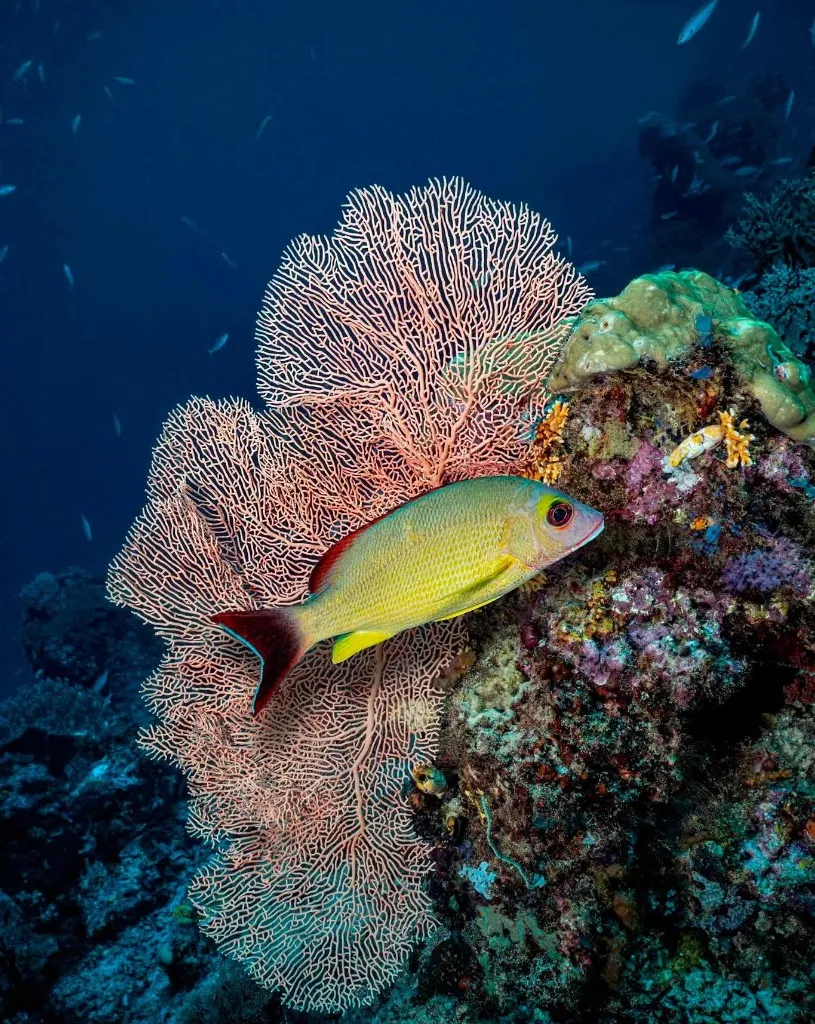
The underwater landscape here supports a diverse range of Mediterranean species, making for engaging observations. Rocks are beautifully covered with yellow tube sponges and black sponge coral, providing a colorful backdrop for reef fish.
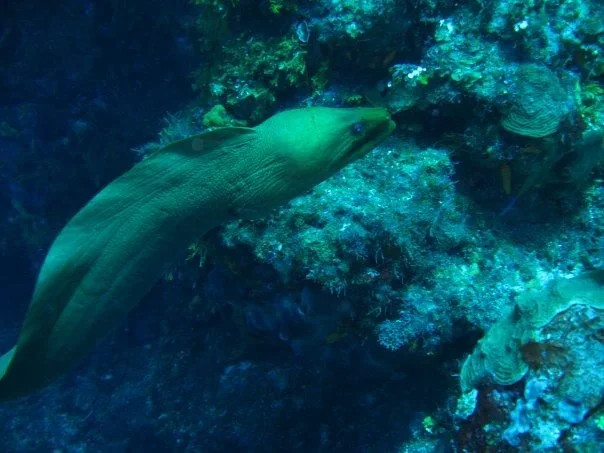
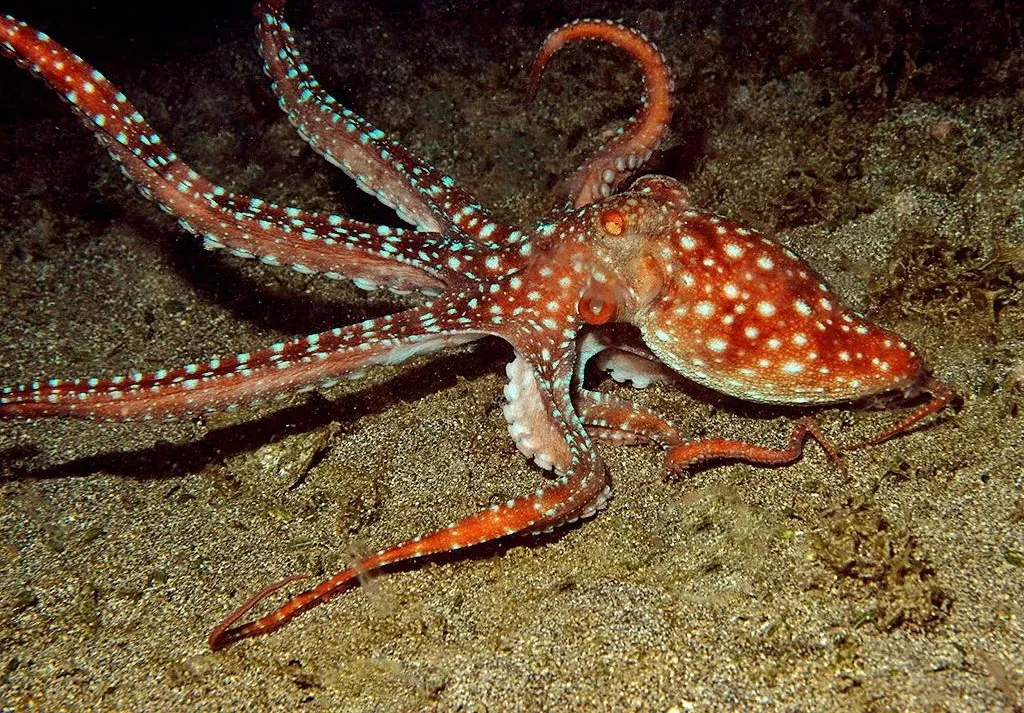
Divers might encounter snapper, jackfish, parrotfish, and trumpetfish throughout the dive. Moray eels and octopuses are commonly spotted amongst the crevices of the rock formations.
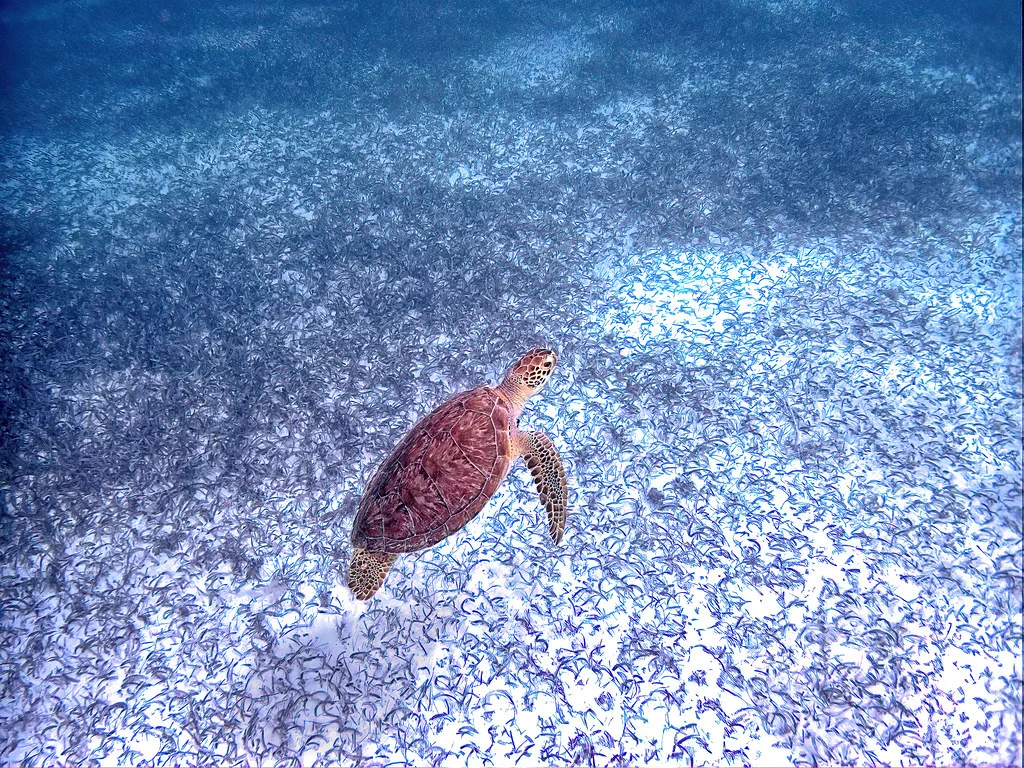
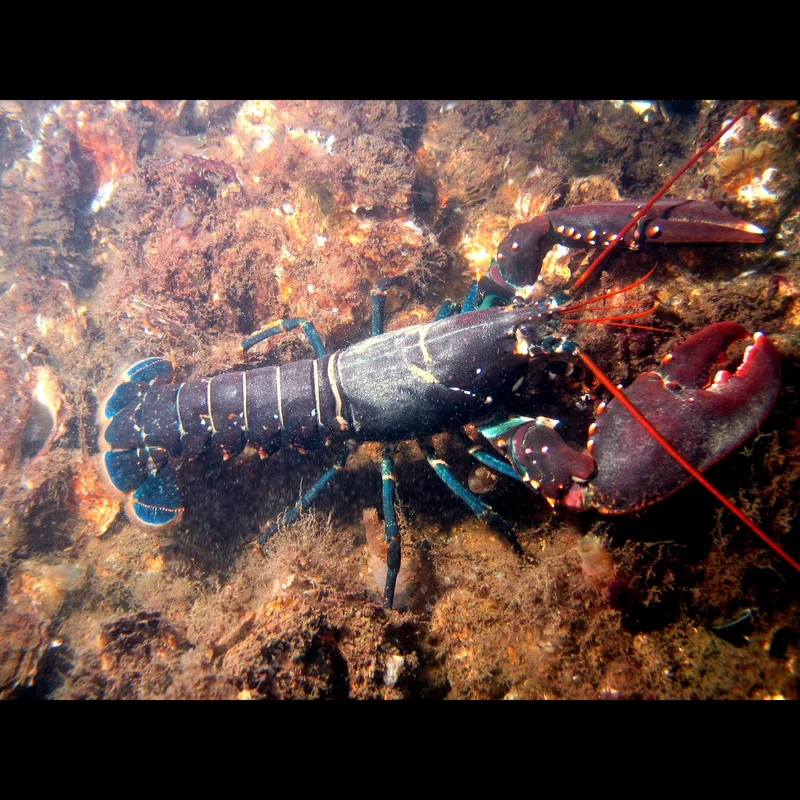
True to its name, the area is a habitat for loggerhead turtles, offering a chance to observe these creatures in their natural environment. Keep an eye out for nudibranchs and flatheaded lobsters, often found camouflaged against the reef.
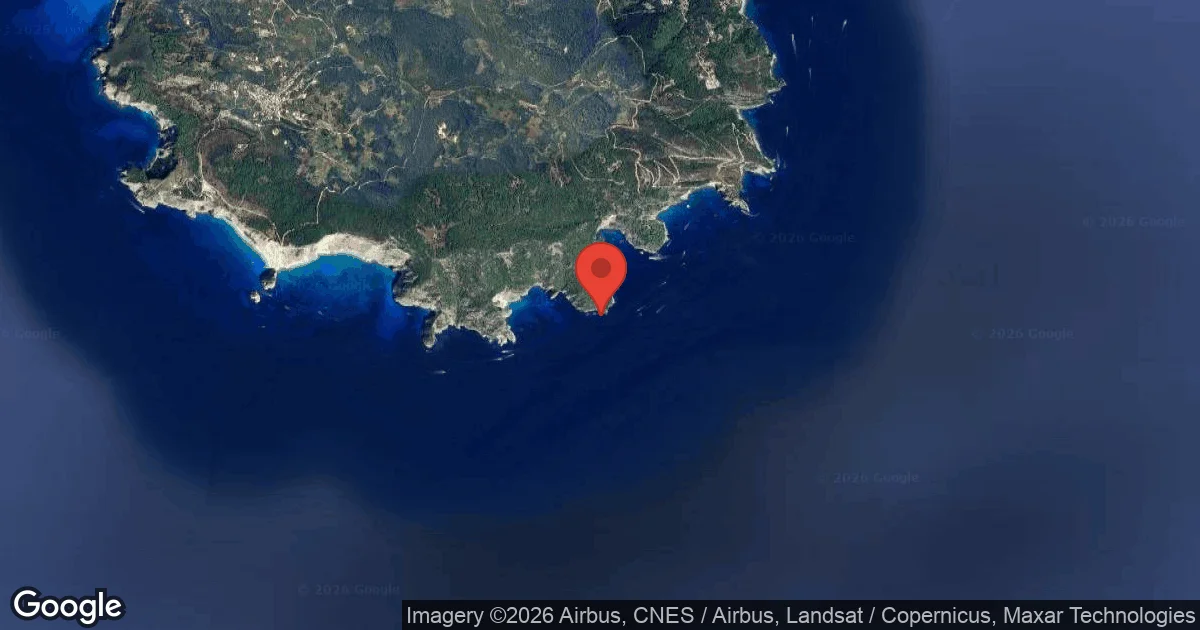
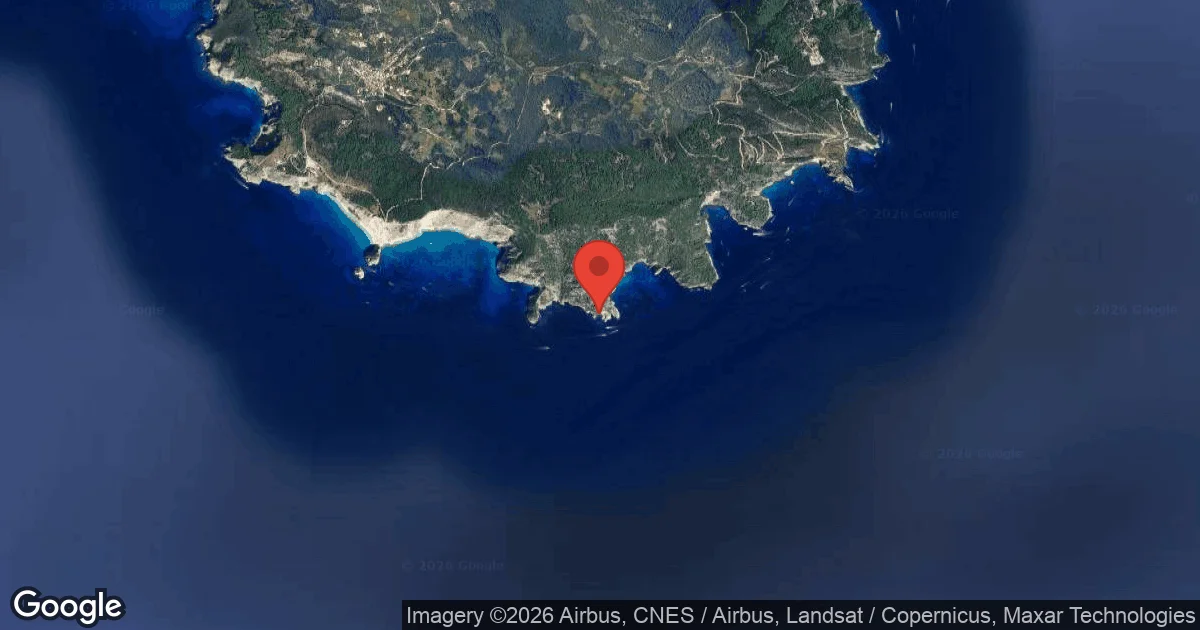
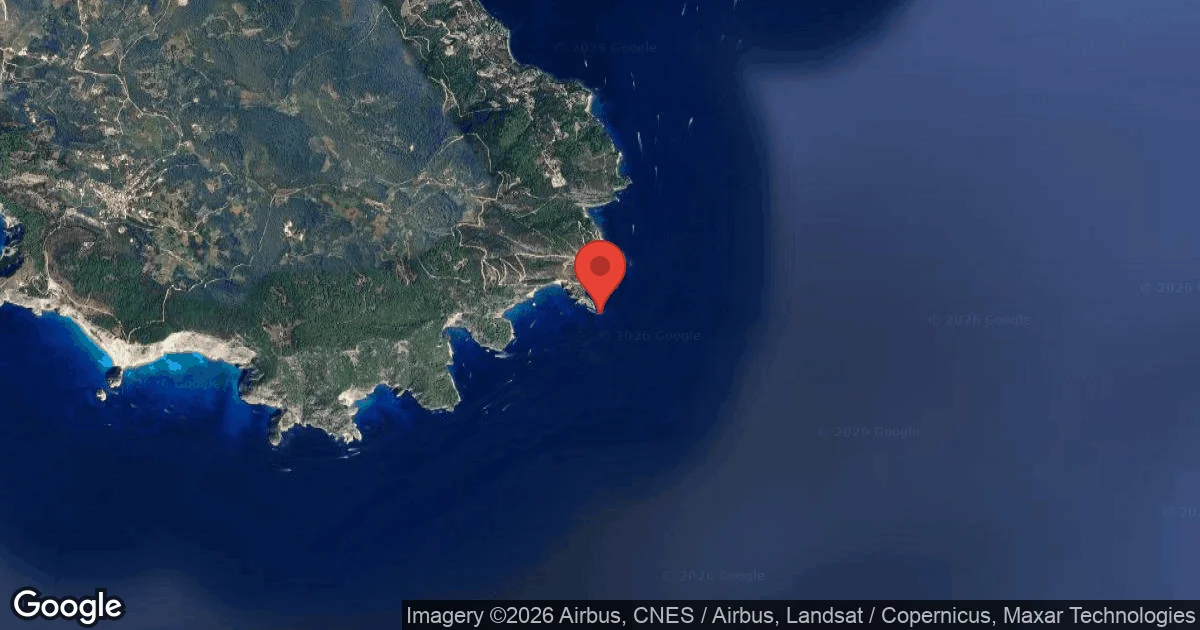
Dive Sites Near Turtle Island
View all dive sites in GreeceDiscover more underwater gems in this area.
Dive Centers Near Turtle Island
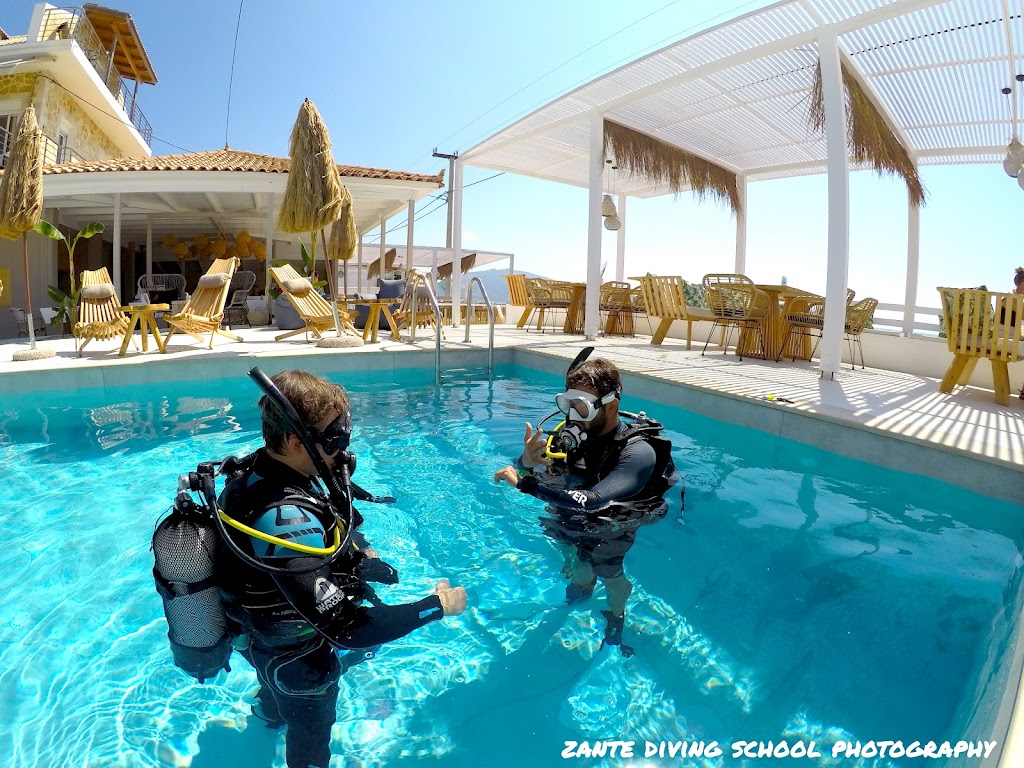
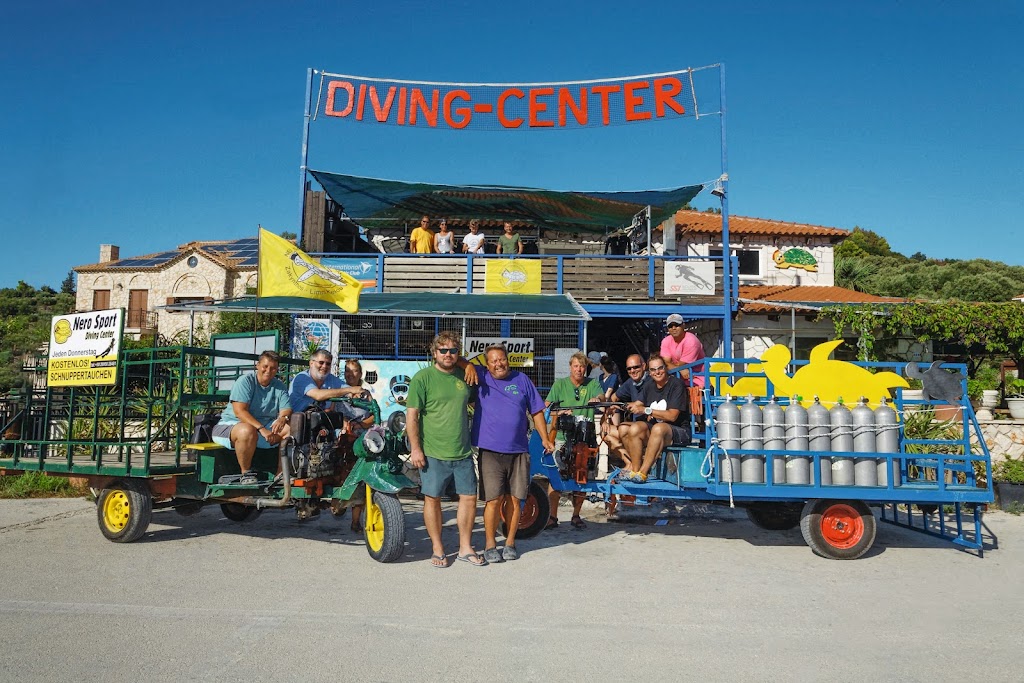
Today: 09:00 - 19:00
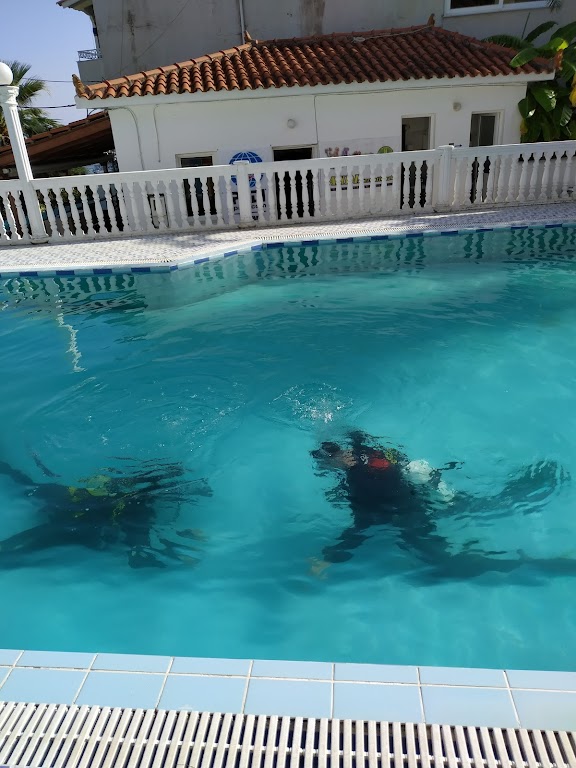
Nearest Airports
Nearest airports to help plan travel to this dive area.
Search Flights
Check available flights and routes on Expedia, using the nearby airports listed in this section.
Search Flights on ExpediaFrequently Asked Questions
What is the maximum diving depth at Turtle Island?
Diving at Turtle Island typically reaches a maximum depth of 18 meters. This depth is found behind the prominent rock formation, just beyond the main cove.
Is Turtle Island suitable for beginner divers?
Yes, Turtle Island is considered suitable for divers of all levels, including beginners and those undergoing introductory courses. The sheltered bay offers calm conditions and shallower sections ideal for learning and comfortable exploration.
What kind of marine life can I expect to see?
Divers frequently observe snapper, jackfish, parrotfish, and trumpetfish. You may also spot moray eels, octopuses, and various nudibranchs amidst the vibrant sponges and hard corals. Loggerhead turtles are also native to this area.
What are the typical water conditions at Turtle Island?
Conditions are generally calm and sheltered within the bay, contributing to good visibility. Water temperatures during the warmer months typically range from 22-27°C (72-81°F), though specific year-round data is not consistently reported.
How do divers access the dive site?
Access to Turtle Island is exclusively by boat. Dive operators often provide boat trips from nearby dive centers to reach this beautiful and protected marine park location.
Are Loggerhead turtles guaranteed sightings?
While Turtle Island is a known habitat for Loggerhead turtles, sightings are not guaranteed on every dive. Observing them depends on various natural factors, but the possibility adds to the site's allure.
What type of underwater terrain will I encounter?
You'll explore a mix of beautiful canyons in shallower areas, alongside rock formations and sandy patches. The site features natural pathways and small swim-throughs, offering diverse navigation through its reef structure.
Planning to dive Turtle Island?
Send one inquiry and receive offers directly from the best verified local dive operators.
Conditions are Excellent
07:00 - 14:00
Optimal conditions expected
Current conditions near Turtle Island show 23° air, 28° sea temperature, 0.2 m waves, and 12 km/h wind. Forecast data is refreshed regularly to ensure accuracy.