
Diving at Barracuda Reef (Greece)
Underwater visibility at Barracuda Reef typically ranges between 15 and 30 meters, often averaging 20 meters. This clarity allows divers to fully appreciate the varied topography of reef, wall, and pinnacle formations. Water temperatures, while not consistently reported, generally range from 22-28°C (72-82°F) during warmer months, creating comfortable diving conditions. Air temperatures during peak seasons can reach up to 30°C (86°F).
As evening covers Barracuda Reef, the local air temperature is measured at 21.5°C. The current wave height at the surface is recorded at 0.2 m. These late-day readings characterize the surface conditions for the night.
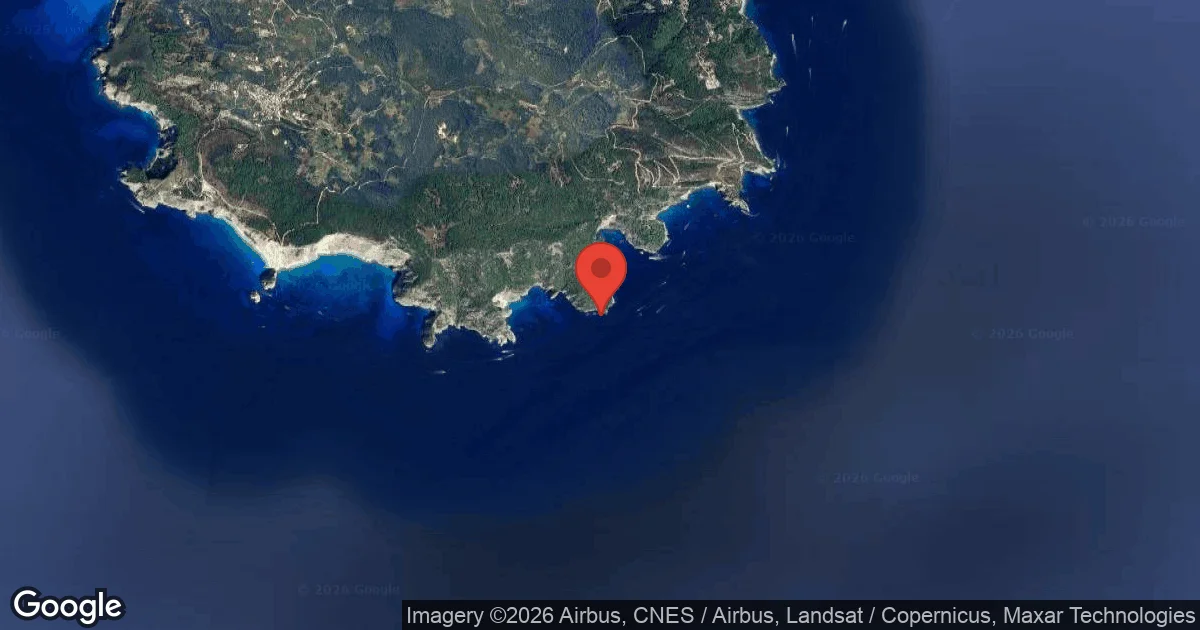
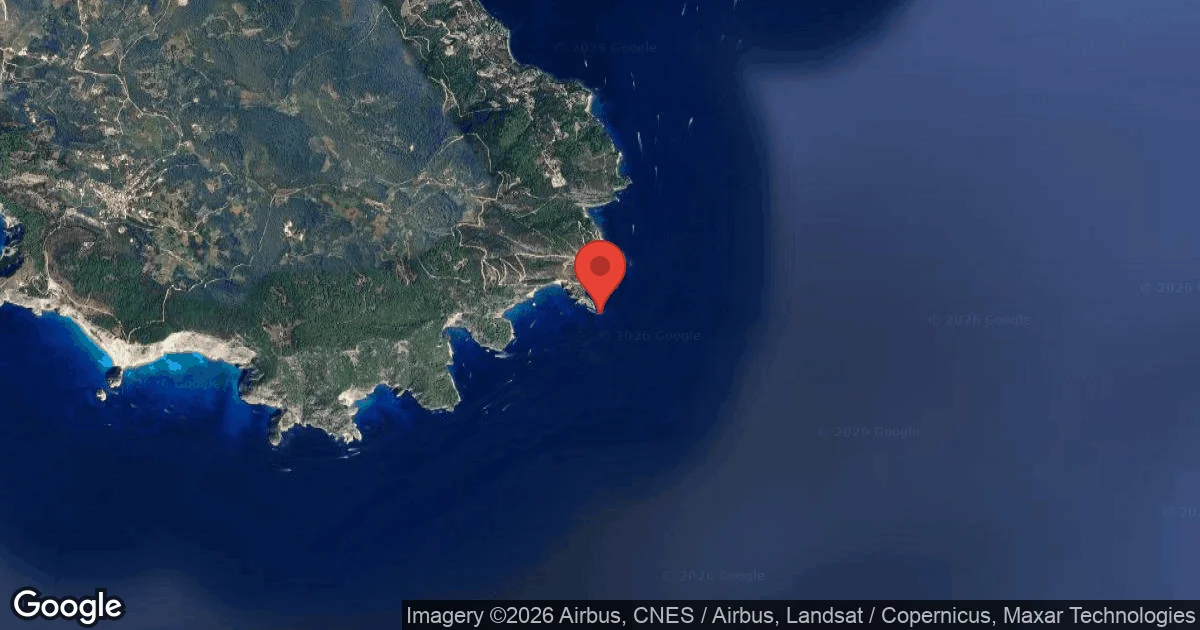
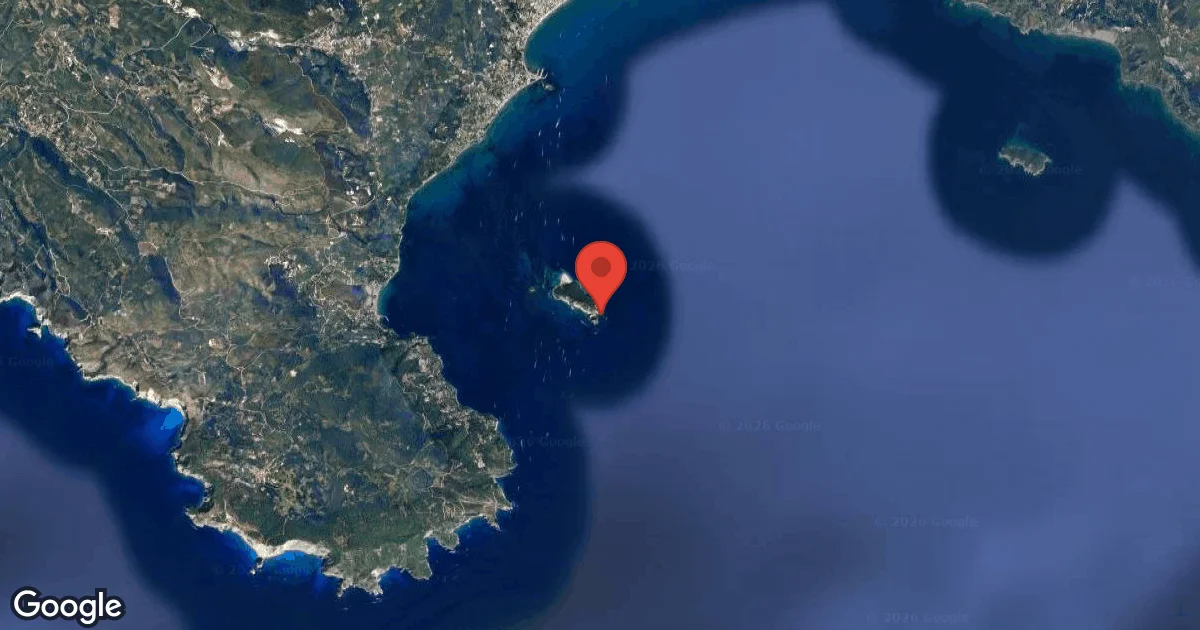
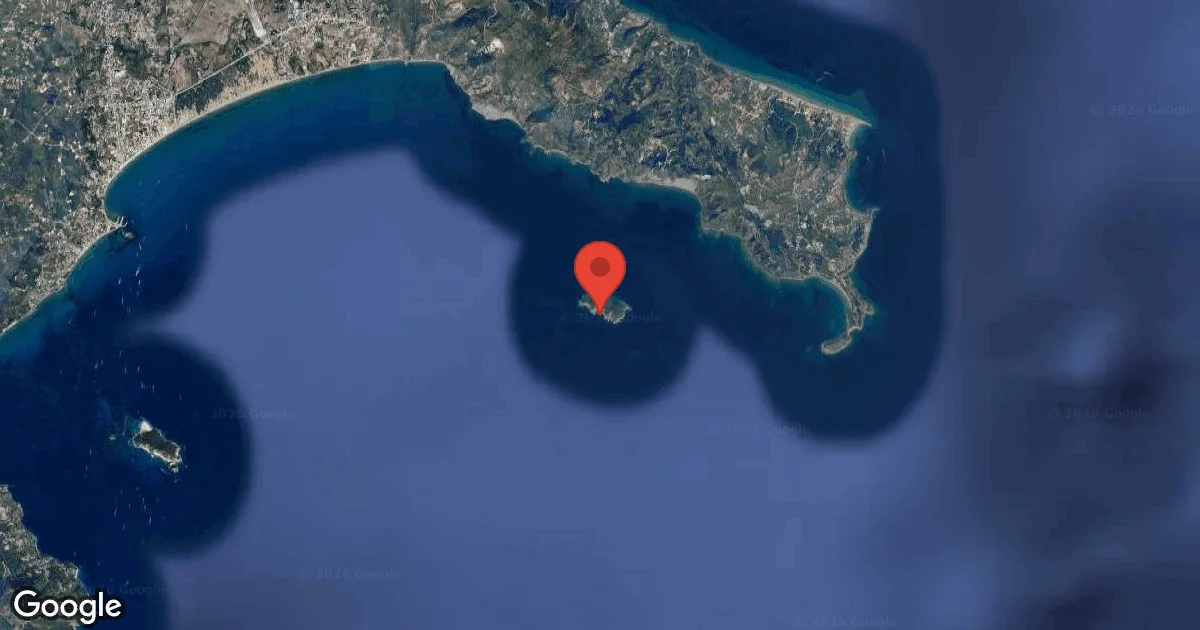
Dive Site Location & Key Facts
Dive Site Overview
What makes Barracuda Reef a compelling dive destination is its versatility, catering to a broad spectrum of divers from novices to the more experienced. A sheltered bay provides an excellent entry point for snorkelers and Discover Scuba Divers, where calm conditions prevail.
Beyond this shallow area, the seabed gradually descends from about 8 m (26 ft) to 14 m (46 ft), before transitioning into a small drop-off that leads to around 18 m (59 ft). Divers can then explore a large rocky outcrop, often described as an "underwater hill" or pinnacle, that rises close to the surface. It forms the heart of many dives here.
Exploring Barracuda Reef involves navigating a landscape of reef and wall sections, with a maximum recorded depth of 40 m (131 ft). Recreational dives usually stay within the 15-20 m (50-65 ft) range, circling these vibrant formations.
Barracuda Reef is primarily boat-accessed, ensuring convenient entry to the main reef. Potential currents around these structures attract schooling barracuda and amberjacks, offering dynamic encounters.
Conditions are Excellent
07:00 - 14:00
Optimal conditions expected
Current conditions near Barracuda Reef show 22° air, 27° sea temperature, 0.2 m waves, and 19 km/h wind. Forecast data is refreshed regularly to ensure accuracy.
Best Time to Dive
Optimizing a dive trip to Barracuda Reef often aligns with the period from March through October, when dive scores are consistently rated as 'Good'. During these months, air temperatures are considerably warmer, ranging from 14°C (57°F) in March to a high of 30°C (86°F) in July, then gradually decreasing to 21°C (70°F) by October. Rainfall is minimal, particularly from June to September, with July recording an average of only 0.03 mm (0.001 inches). This translates to clear skies and more reliable surface conditions. Wave heights are also generally lower during this peak diving season, typically below 1 meter (3.3 ft), facilitating smoother boat access and entries. While diving is possible year-round, conditions become more moderate from November to February, marked by increased rainfall and wave activity. For the most comfortable experience and best visibility, planning a visit within the warmer, drier season is advisable.
PEAK SEASON SCORE
Scores combine air & water temps, waves, wind & rainfall for overall conditions.
BEST MONTHS TO DIVE
Monthly records compiled from satellite and marine observation nodes over the last 3 years. Data provided by Open-Meteo and MET Norway.
Dive Experience & Conditions
Descending into Barracuda Reef's waters, divers immediately notice the excellent visibility, often extending to 20 meters or more. The sensation of the water itself is generally pleasant, with temperatures hovering around 22-28°C (72-82°F) during summer months. A gentle current might be present, particularly near the rocky pinnacle, which can enhance the dynamic feel of the dive as it attracts larger pelagic species. Exploring the reef involves traversing slopes and walls, with shallower sections around 8 meters leading to drop-offs. The deeper sections of the dive site offer different perspectives, creating a sense of exploration as the underwater topography unfolds. Movement around the main rocky outcrop, an "underwater hill" reaching towards the surface, allows for varied sightlines and opportunities to observe marine life interactions along its structure.
Dive Difficulty & Safety Guidelines
Navigating Barracuda Reef safely requires awareness of potential boat traffic, especially around the exposed rocky outcrop where certified divers typically explore. Dive operators often separate snorkeling and beginner activities to the calmer, sheltered bay area, keeping them clear of the deeper, more exposed sections.
Always adhere to your dive plan and maintain appropriate buoyancy, particularly when exploring the wall and pinnacle structures. Currents at the reef are generally limited to medium, but they can intensify, particularly in areas where barracuda are frequently sighted.
Additionally, divers should monitor their no-decompression limits, especially during dives to the maximum depth of 40 meters. Local dive guides provide valuable insights into current conditions and safe routes.
Recommended Equipment
- Dive Computer
This gear list is based on verified equipment signals for Barracuda Reef, Greece. Always confirm final gear choices with your dive operator, guide, or liveaboard.
Recommended Dive Suit
Experienced divers often bring flexible gear options.
Divers exploring Barracuda Reef today will likely encounter water temperatures close to 27°C (81°F). Surface air temperatures are resting at 22°C (71°F). Divers who spend longer periods underwater often choose 2-3mm shorty or light wetsuit. Surface intervals may feel cooler.
A warming trend is expected over the next few days. A warming trend is expected over the next few days.
Emergency & Medical Support
Essential information to help you plan your dive trip to Barracuda reef.

Hyperbaric chambers are a critical part of dive safety infrastructure. Availability varies significantly by region, and not all dive areas have immediate access.
Before diving, it's recommended to:
- confirm nearest medical facilities
- check emergency procedures with local dive operators
- ensure dive insurance covers evacuation if required
Divers Alert Network
Diving emergency assistance available through DAN Europe.
+39 0642115685- 24/7 emergency hotline
- Diving medical assistance
- Evacuation coordination
Emergency contacts are provided for reference. Always verify local emergency services before diving.
Marine Life at Barracuda Reef
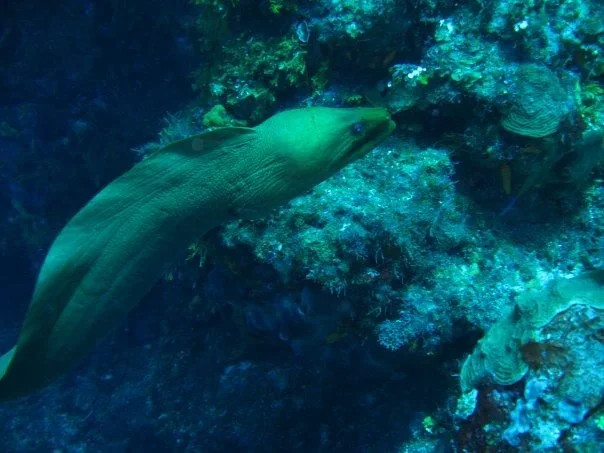
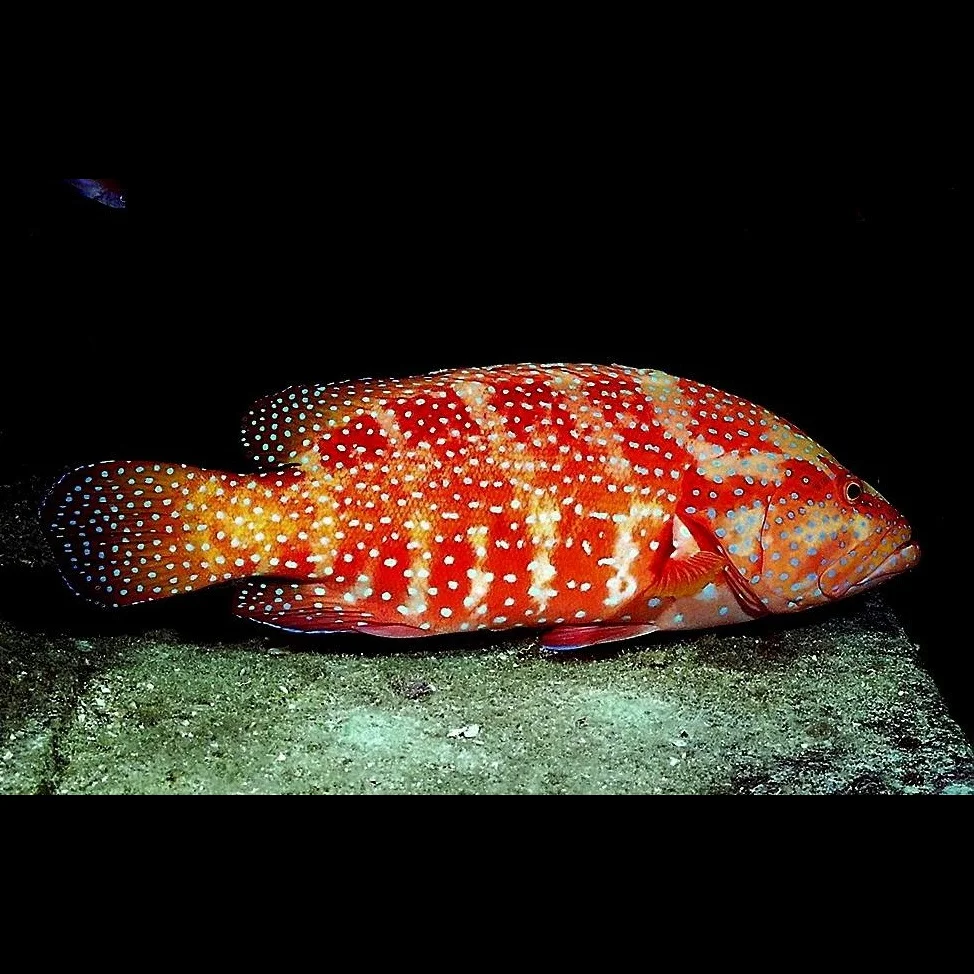
The diverse underwater topography of Barracuda Reef creates habitats for a range of marine species. Exploring the reef and wall formations often reveals groupers, moray eels, and various reef fish.
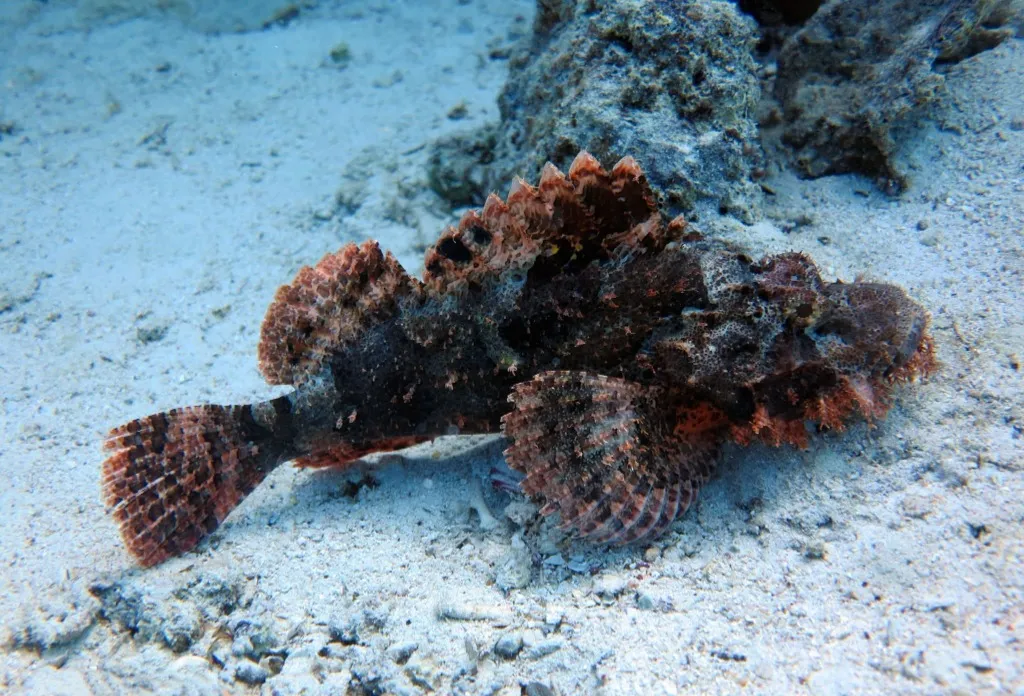
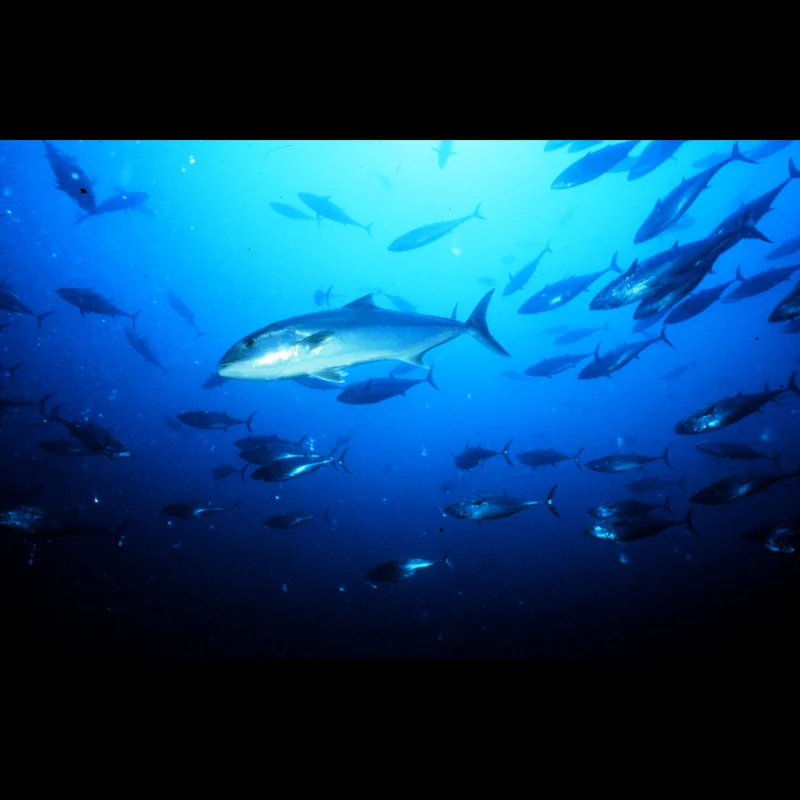
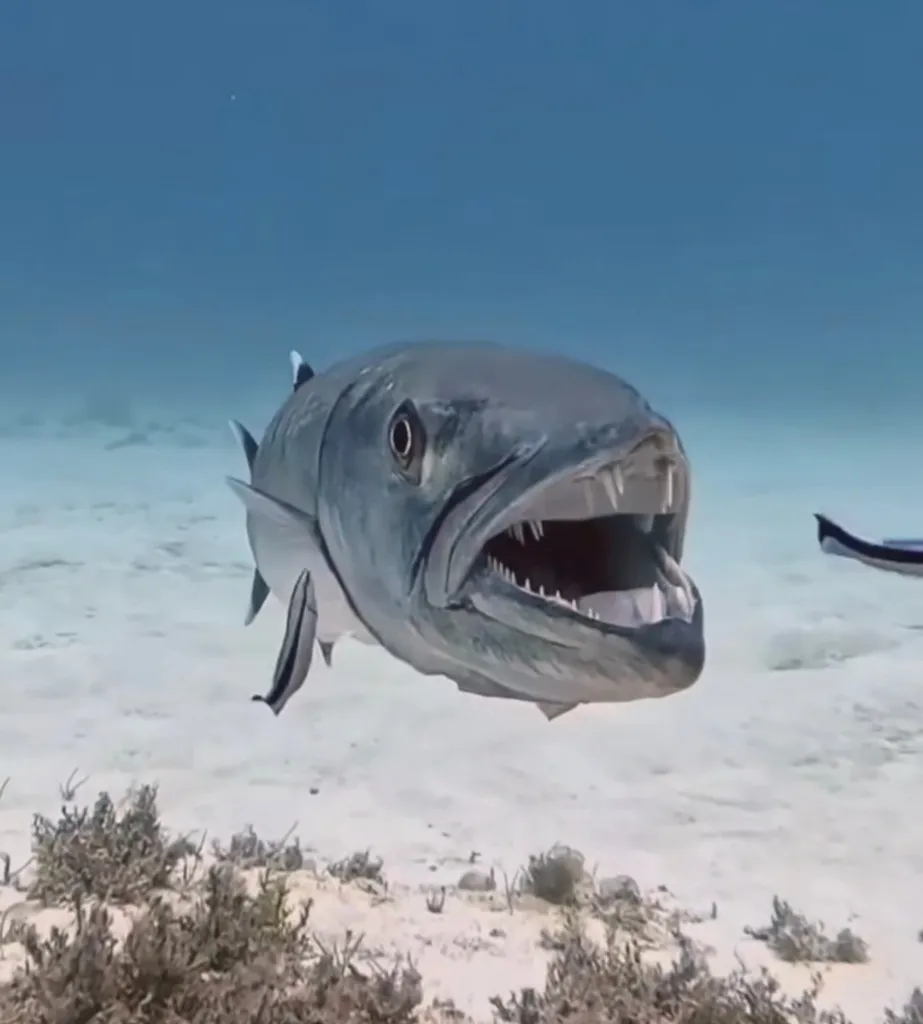
When currents are present, the site lives up to its name, with barracuda appearing, often alongside amberjacks, in hunting formations. Look closely among the rocks for nudibranchs and scorpionfish.
Octopus sightings are also possible, blending into their surroundings. While broader sightings of large pelagics like tuna and jackfish can occur, the consistent presence of its namesake and other resident reef inhabitants defines the site's biological appeal.
Dive Sites Near Barracuda Reef
View all dive sites in GreeceDiscover more underwater gems in this area.
Dive Centers Near Barracuda Reef
Today: 09:00 - 19:00
Nearest Airports
Nearest airports to help plan travel to this dive area.
Search Flights
Check available flights and routes on Expedia, using the nearby airports listed in this section.
Search Flights on ExpediaFrequently Asked Questions
What is the maximum depth at Barracuda Reef?
Maximum reported depth for diving at Barracuda Reef is 40 m (131 ft). Many recreational dives focus on shallower sections, typically between 15-20 m (50-65 ft), exploring the main rocky outcrop and drop-offs.
What level of diver is Barracuda Reef suitable for?
Barracuda Reef accommodates all levels of divers. Its sheltered bay offers calm conditions for snorkelers and beginners, while certified divers can explore deeper reef and wall sections.
What marine life can I expect to see?
Divers frequently encounter barracuda, amberjacks, and groupers, especially when currents are active. You might also spot moray eels, nudibranchs, octopus, and a variety of reef fish.
Is Barracuda Reef accessible from shore?
While some areas of a sheltered bay might be accessible, main reef and deeper sections of Barracuda Reef are primarily accessed by boat. Booking a dive through a local center ensures proper access.
What are the typical water temperatures?
Water temperatures at Barracuda Reef generally range from 22-28°C (72-82°F) during the warmer diving season. This makes for comfortable diving, especially from late spring through early autumn.
Are there currents at Barracuda Reef?
Currents at Barracuda Reef are typically limited to medium, but they can become stronger depending on conditions. Currents often attract schooling fish like barracuda and amberjacks.
What types of underwater formations will I find?
Underwater formations at the site include a prominent rocky pinnacle or "underwater hill," reef sections, and walls. Seabed slopes gradually before revealing drop-offs.
Planning to dive Barracuda Reef?
Send one inquiry and receive offers directly from the best verified local dive operators.
Conditions are Excellent
07:00 - 14:00
Optimal conditions expected
Current conditions near Barracuda Reef show 22° air, 27° sea temperature, 0.2 m waves, and 19 km/h wind. Forecast data is refreshed regularly to ensure accuracy.