
Diving at Elephant Reef (Greece)
A unique underwater discovery off Crete awaits divers at Elephant Cave, an extraordinary geological formation steeped in prehistoric mystery. This submerged cavern holds fossilized remains of an unknown elephant species, "Elephas chaniensis," along with ancient deer bones, discovered only decades ago. Accessed exclusively by boat, a dive here offers more than just marine exploration; it's a journey into a submerged world where nature's artistry meets ancient history, a truly memorable experience in the Chania region of Greece.
Evening condition tracking at Elephant Reef features an air temperature of 25.5°C. We have recorded wave heights measuring 0.3 m during this period. These figures outline the environmental parameters currently present.
Dive Site Location & Key Facts
Dive Site Overview
Elephant Cave is a significant underwater site, characterized by its intricate structure and paleontological finds. Divers enter via an opening situated approximately 10 m / 33 ft below the surface.
A tunnel stretches about 40 m / 130 ft from this entry, guiding explorers towards the main cavern. Inside, the primary hall measures roughly 125 meters long and 25 meters wide, offering a substantial exploration area. Formations of stalactites and stalagmites adorn the cave; a reddish tint on the stalactites suggests high concentrations of aluminium and iron.
Stalagmites indicate that parts of the cave floor were once dry land, a fact supported by sediment studies confirming its dry state thousands of years ago. Although the dive might feel like a cavern due to good visibility and proximity to the entrance, its internal features resemble a true cave.
Depths within the cavern system typically reach around 16 meters, making the site accessible to a wide range of certified divers. On the return swim, a triangular opening back into the Mediterranean Sea creates an eerie blue glow, a distinctive visual highlight.
Surrounding areas also feature varied marine landscapes, including walls and sandy bottoms, characteristic of the broader Chania dive region.
Conditions are Excellent
07:00 - 14:00
Optimal conditions expected
Current conditions near Elephant Reef show 25° air, 28° sea temperature, 0.3 m waves, and 20 km/h wind. Forecast data is refreshed regularly to ensure accuracy.
Best Time to Dive
While Greek seas generally support diving year-round, conditions at Elephant Cave vary significantly with seasons, impacting the overall dive experience. Warmer months from June to September present the most favorable conditions, with peak air temperatures ranging from 25-30°C / 77-86°F. During these months, wave heights are minimal, typically below 0.8 meters, and wind speeds generally lower, contributing to calmer seas for boat access. Rainfall is also negligible, ensuring clearer skies and minimal run-off. Conversely, winter months, particularly January and February, see air temperatures drop to around 13°C / 55°F and are accompanied by higher wave activity and increased rainfall. These periods correlate with more moderate dive scores. For those prioritizing comfortable surface conditions and minimal environmental disruption, late spring (May) through early autumn (October) offers a "Good" dive score, with air temperatures hovering between 20-25°C / 68-77°F. Visibility inside the cave remains excellent throughout the year, but external sea conditions for boat travel are considerably more pleasant during peak diving season.
PEAK SEASON SCORE
Scores combine air & water temps, waves, wind & rainfall for overall conditions.
BEST MONTHS TO DIVE
Monthly records compiled from satellite and marine observation nodes over the last 3 years. Data provided by Open-Meteo and MET Norway.
Dive Experience & Conditions
Currents at Elephant Cave are notably absent within the cavern itself, allowing for relaxed and focused exploration of its geological formations. Divers can expect excellent underwater visibility, often exceeding 30 meters, which enhances appreciation of the cave's vastness and intricate details. Water inside combines fresh and saltwater, contributing to its unique environment. As specific water temperature data for the cave itself isn't available, regional sea temperatures vary, and thermal layers aren't consistently reported for this specific site. Dive profiles typically involve a maximum duration of 60-70 minutes, conducted in small groups, usually with no more than 4-5 divers per leader. Such an approach prioritizes both safety and personalized exploration. Divers should hold at least an Open Water certification; advanced training in cavern or cave diving is beneficial, though not strictly required for accessible parts of this site often described as a cavern.
Dive Difficulty & Safety Guidelines
While no specific natural hazards are consistently reported for Elephant Cave beyond general diving risks, strict adherence to established safety protocols is paramount. Access to the cave is exclusively by boat, requiring reliable transport and navigation. Professional teams facilitate diving here, prioritizing safety and often limiting group sizes to a maximum of 4-5 divers per leader.
This approach ensures close supervision and allows for a more personalized experience. Characterized as a cavern rather than a true penetration cave, the site lacks kick-up sediment and offers continuous visual access to the entrance, making it relatively less challenging than deep cave environments.
Nonetheless, appropriate certification (CMAS * / OW or equivalent) is necessary. Divers should always carry a torch for optimal illumination of the cave’s features.
Staying within training limits and following the dive leader's instructions is crucial, particularly given the historical significance and fragile nature of the cave's formations.
Recommended Equipment
Overhead environment. Do not enter beyond training and gas planning limits.
- Dive Computer
- DSMB
- Primary & Backup Lights
- Reel / Spool
- Cutting Tool
This gear list is based on verified equipment signals for Elephant Reef, Greece. Always confirm final gear choices with your dive operator, guide, or liveaboard.
Recommended Dive Suit
Forecast trends indicate little change in overall diving conditions during the next few days.
Two divers in the same water temperature may experience very different comfort levels.
Many divers find that 2-3mm shorty or light wetsuit offers the right level of insulation for conditions like these. A hood or vest is suggested for sensitive divers due to surface winds. The latest environmental readings for Elephant Reef suggest water temperatures around 28°C (82°F). Surface air temperatures are resting at 25°C (78°F).
Due to technical issues with our weather providers, live updates are temporarily delayed. The data above reflects the conditions at the time of the last successful fetch.
Emergency & Medical Support
Essential information to help you plan your dive trip to Elephant Reef.

Hyperbaric chambers are a critical part of dive safety infrastructure. Availability varies significantly by region, and not all dive areas have immediate access.
Before diving, it's recommended to:
- confirm nearest medical facilities
- check emergency procedures with local dive operators
- ensure dive insurance covers evacuation if required
Divers Alert Network
Diving emergency assistance available through DAN Europe.
+39 0642115685- 24/7 emergency hotline
- Diving medical assistance
- Evacuation coordination
Emergency contacts are provided for reference. Always verify local emergency services before diving.
Marine Life at Elephant Reef
Upon entering Elephant Cave, divers are immediately struck by its geological features; resident marine life adds another layer of interest. It provides a refuge for the critically endangered Mediterranean Monk Seal (Monachus monachus), though sightings are rare and require respectful observation from a distance.
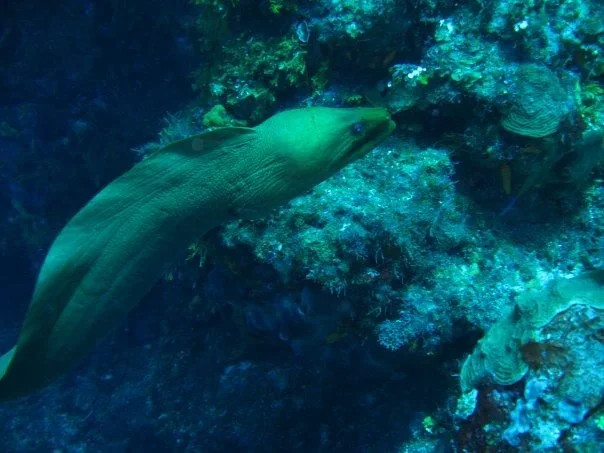
Moray eels are also noted as inhabitants of the area, often found in crevices and along cave walls. While the broader Chania region hosts a variety of sponges, soft and hard corals, and diverse fish, the cavern is primarily celebrated for prehistoric treasures: fossilized bones of an ancient elephant species, Elephas chaniensis, and deer bones, integrated into its natural rock formations.

Dive Sites Near Elephant Reef
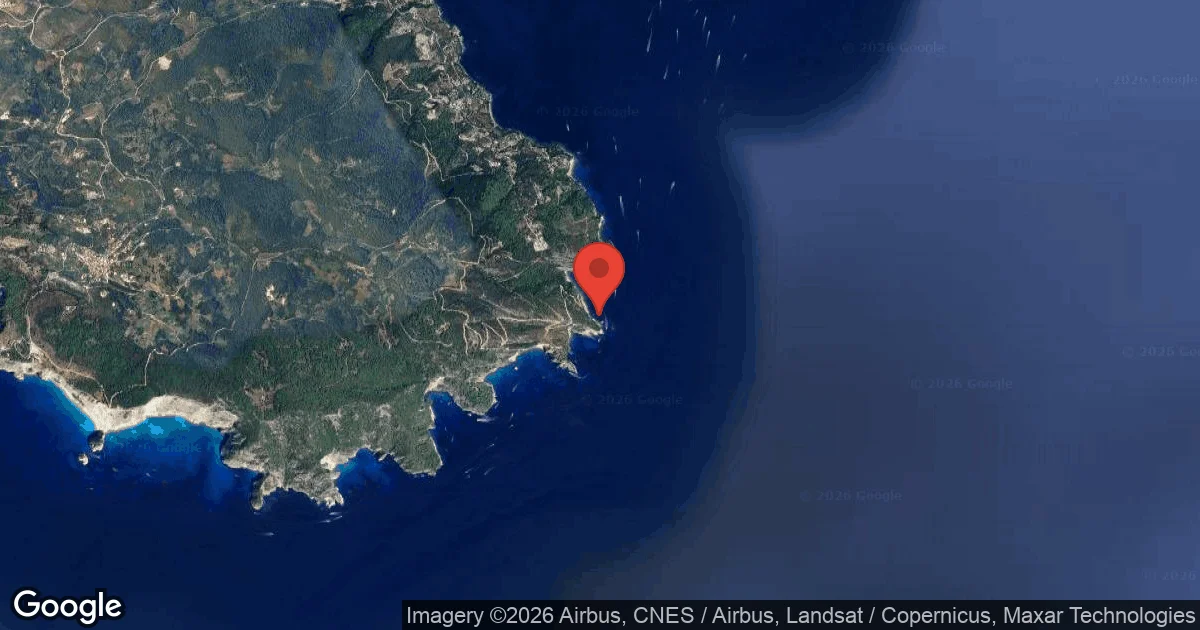
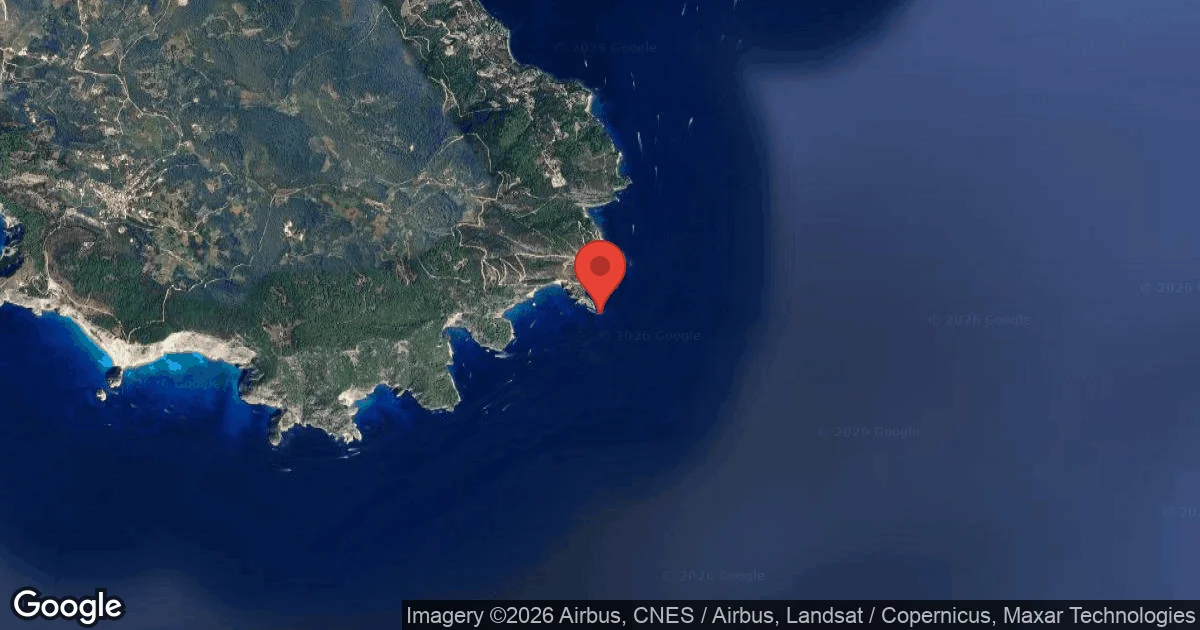
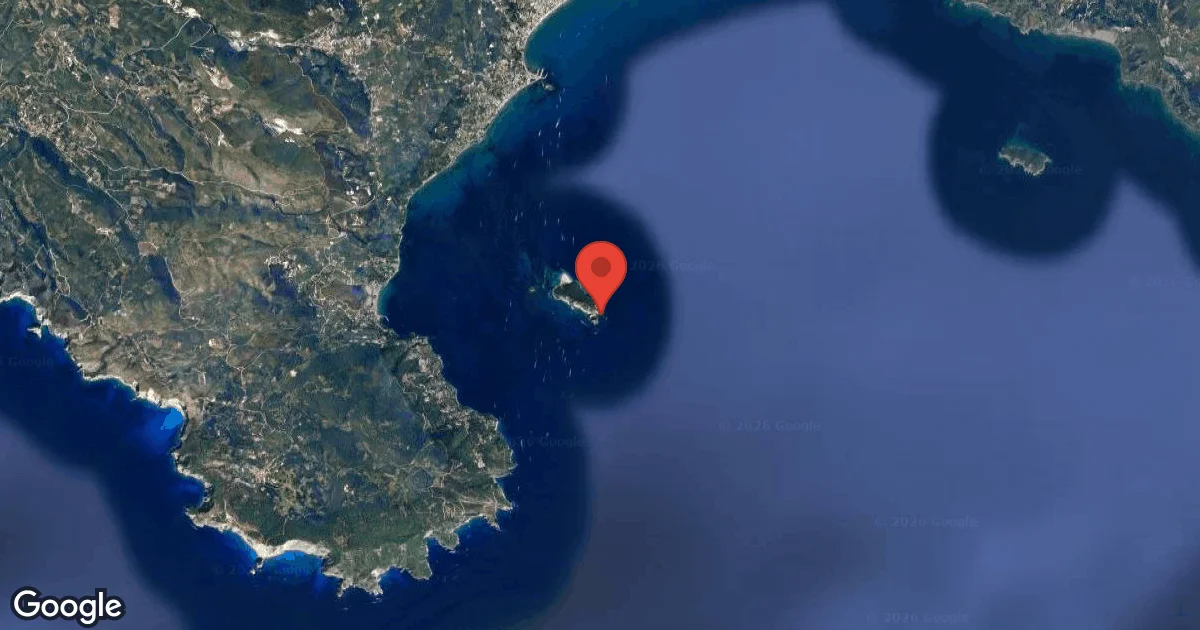
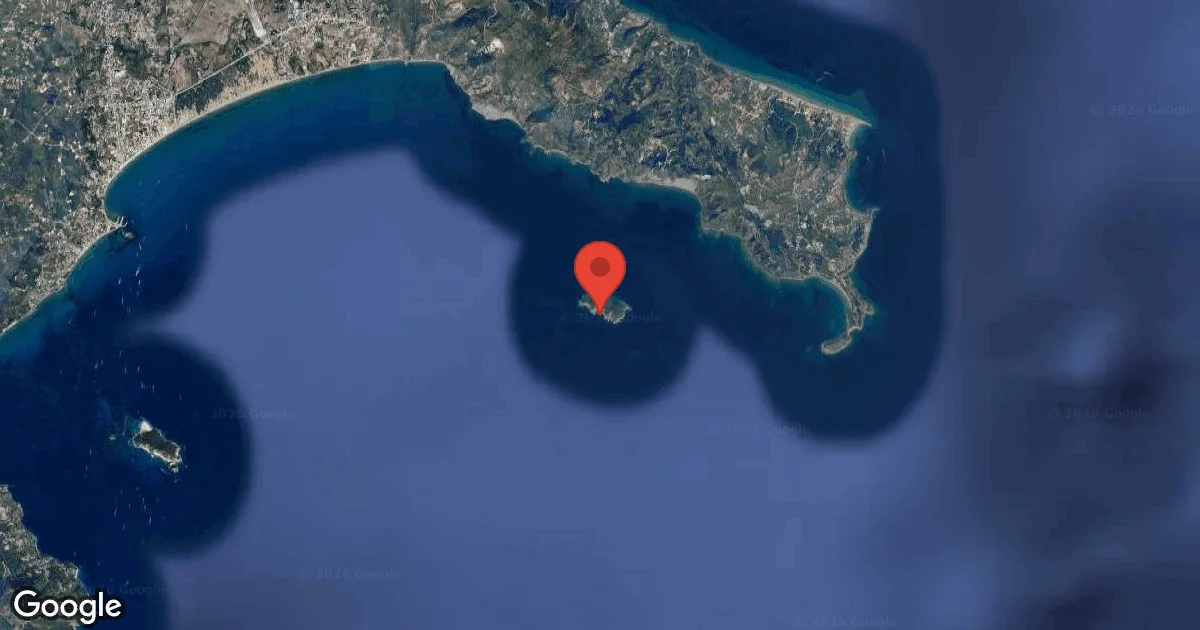
View all dive sites in GreeceDiscover more underwater gems in this area.
Dive Centers Near Elephant Reef
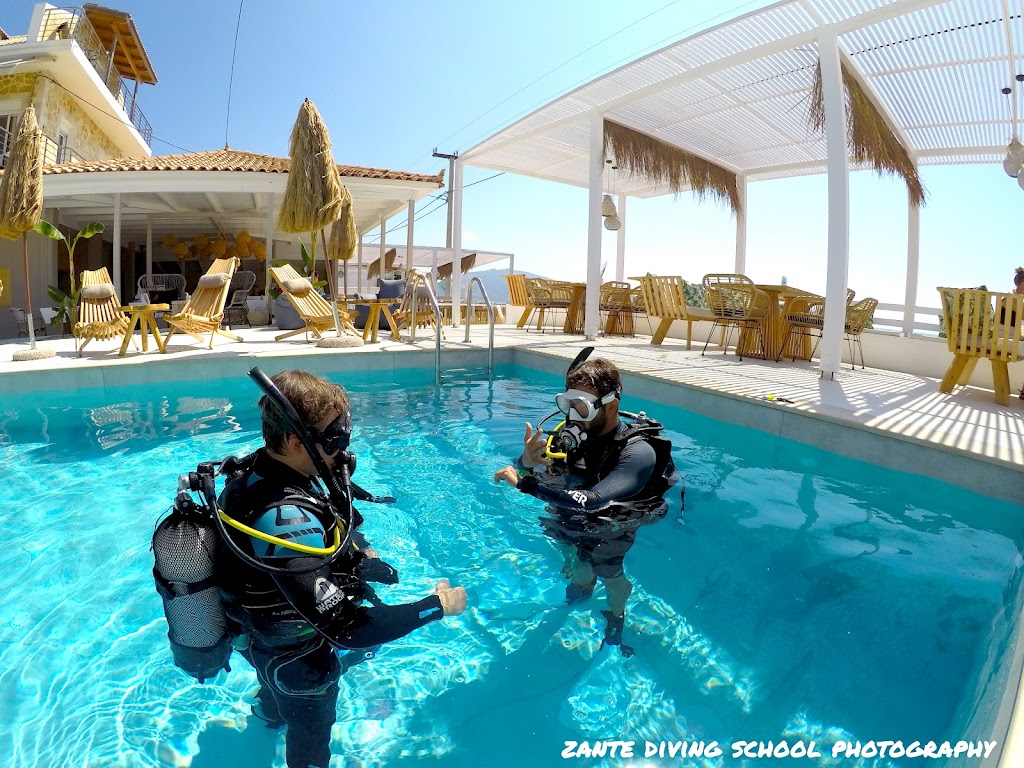
Today: 09:00 - 19:00
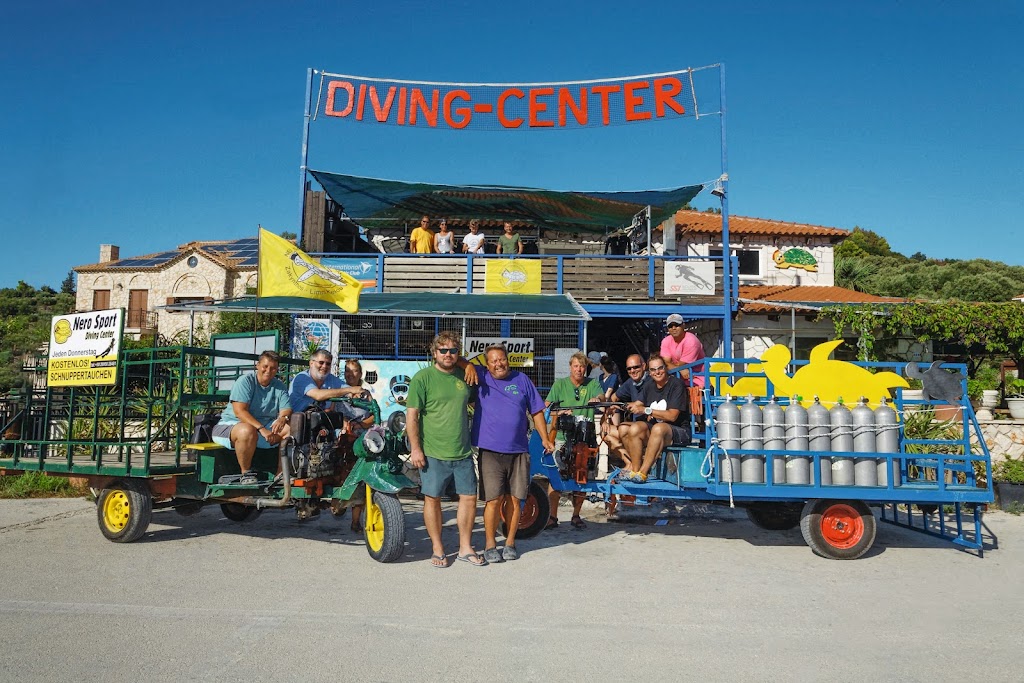
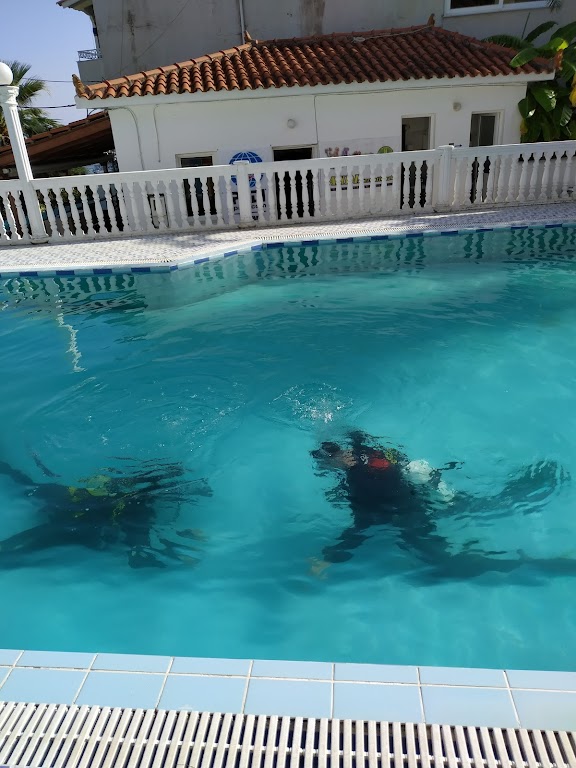
Nearest Airports
Nearest airports to help plan travel to this dive area.
Search Flights
Check available flights and routes on Expedia, using the nearby airports listed in this section.
Search Flights on ExpediaFrequently Asked Questions
Is Elephant Cave suitable for beginner divers?
Yes, certified Open Water divers (or equivalent) can explore the accessible parts of Elephant Cave. While it is a cavern dive, it is typically managed to ensure safety and enjoyment for certified recreational divers.
What are the main attractions inside Elephant Cave?
Primary attractions include unique geological formations, such as stalactites and stalagmites, and the fossilized bones of an unknown elephant species (Elephas chaniensis) and deer. Also highlights are the impressive size of the main hall and the "eerie blue glow" from the entrance.
How is access to Elephant Cave arranged?
Access to Elephant Cave is exclusively by boat. Dive centers in the Chania area organize daily trips, often limiting group sizes to ensure a high level of safety and pleasure for each diver.
Is current an issue inside the cave?
No, the internal environment of Elephant Cave is generally calm with no reported currents. This allows for comfortable exploration and photography within the main cavern.
What kind of visibility can be expected?
Divers can expect excellent visibility at Elephant Cave, often exceeding 30 meters. This clear water enhances the experience of observing the cave's large formations and historical artifacts.
Are there any air pockets inside the cave?
Yes, the cave does contain breathable air pockets. This characteristic contributes to the description of the site as a cavern rather than a completely submerged cave environment.
What marine life might I see?
While the cave's primary focus is geological and paleontological, it serves as a refuge for the critically endangered Mediterranean Monk Seal, though sightings are uncommon. Moray eels are also known to inhabit the area.
Planning to dive Elephant Reef?
Send one inquiry and receive offers directly from the best verified local dive operators.
Conditions are Excellent
07:00 - 14:00
Optimal conditions expected
Current conditions near Elephant Reef show 25° air, 28° sea temperature, 0.3 m waves, and 20 km/h wind. Forecast data is refreshed regularly to ensure accuracy.